Locomotive / Heavy Spec
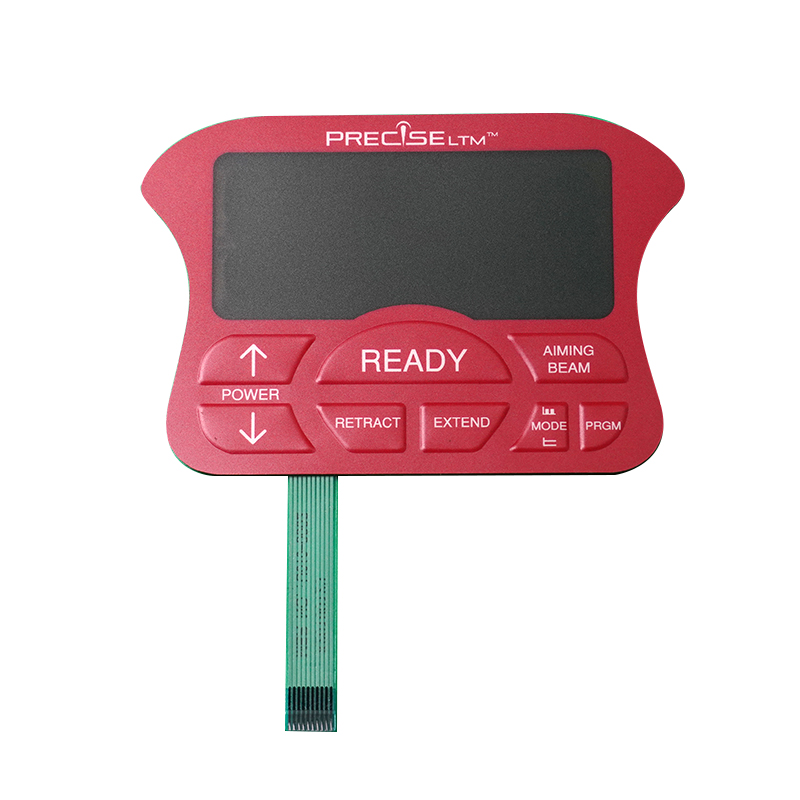
Explore our verified selection of custom silicone rubber keypads, ruggedized locomotive panels, FPC-backed matrices, and IP67 industrial membrane keyboards built for rigorous operation across Waterford's technology corridors.
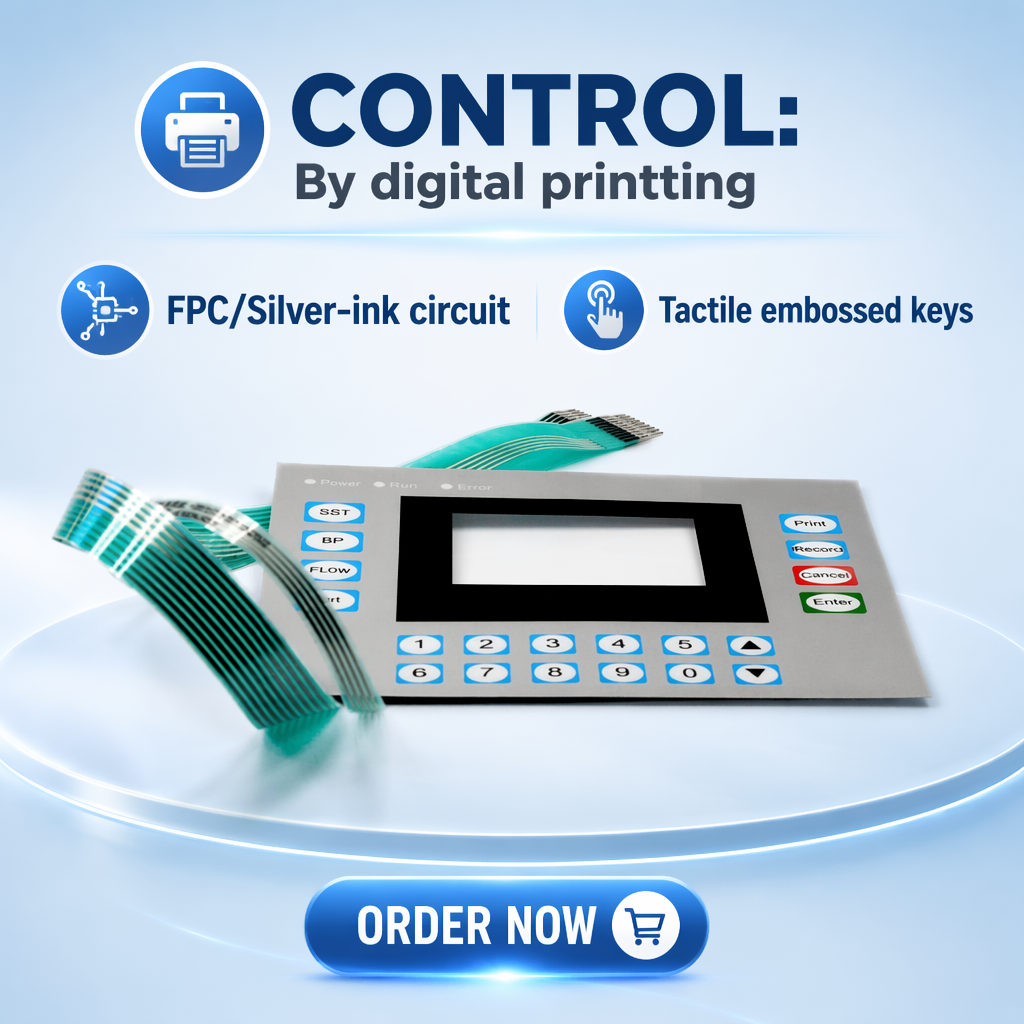
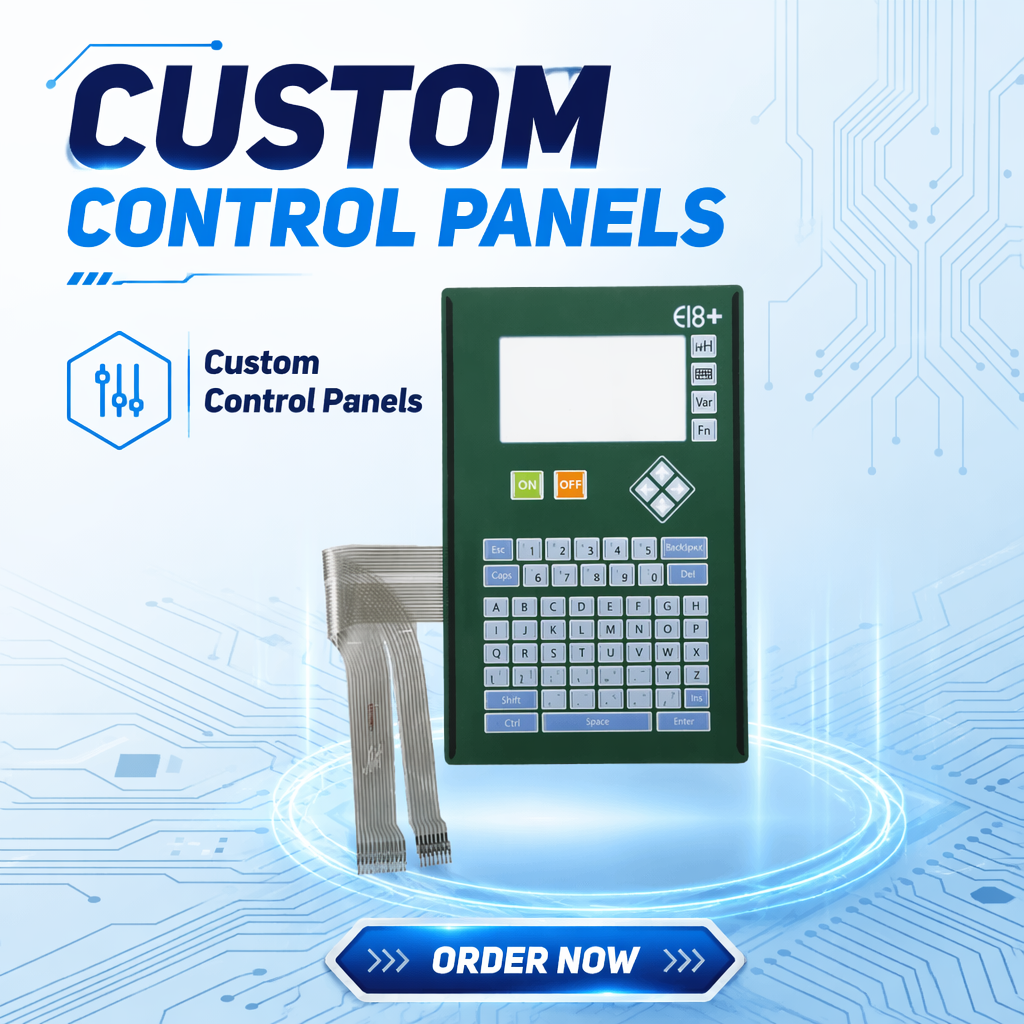
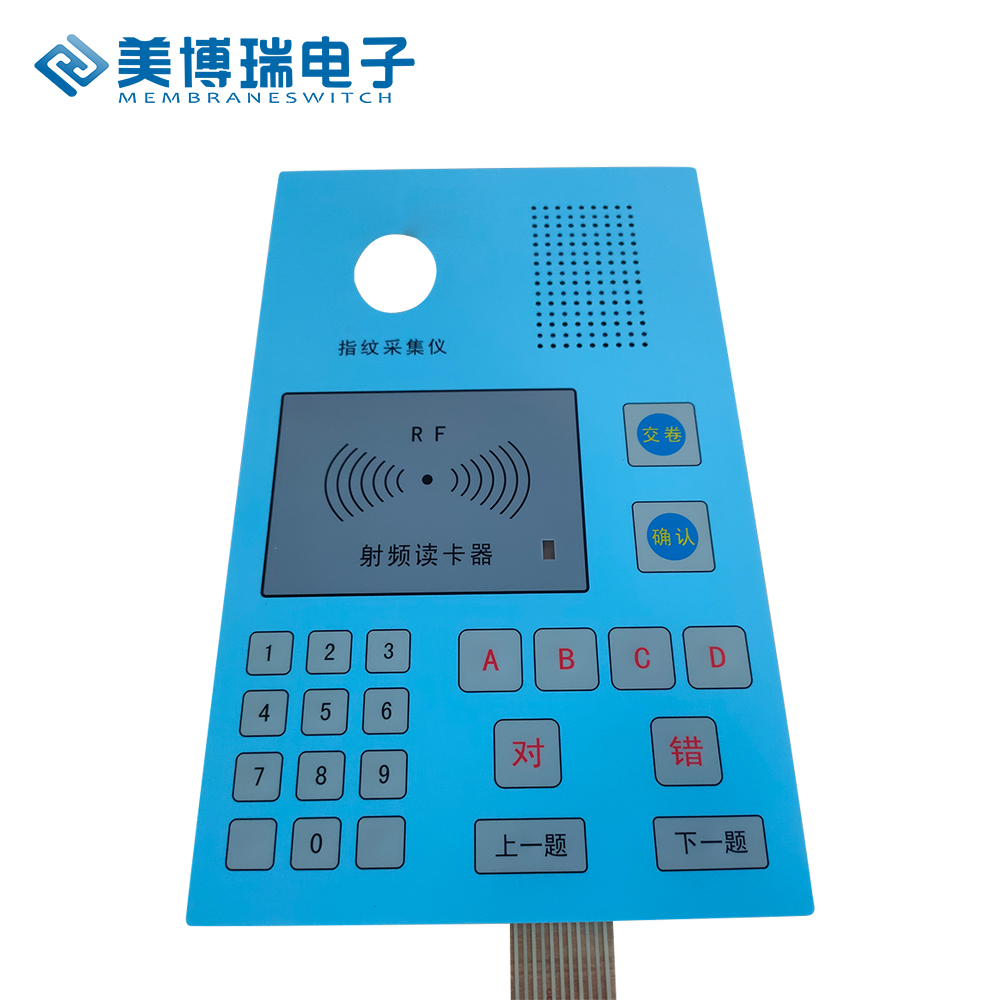
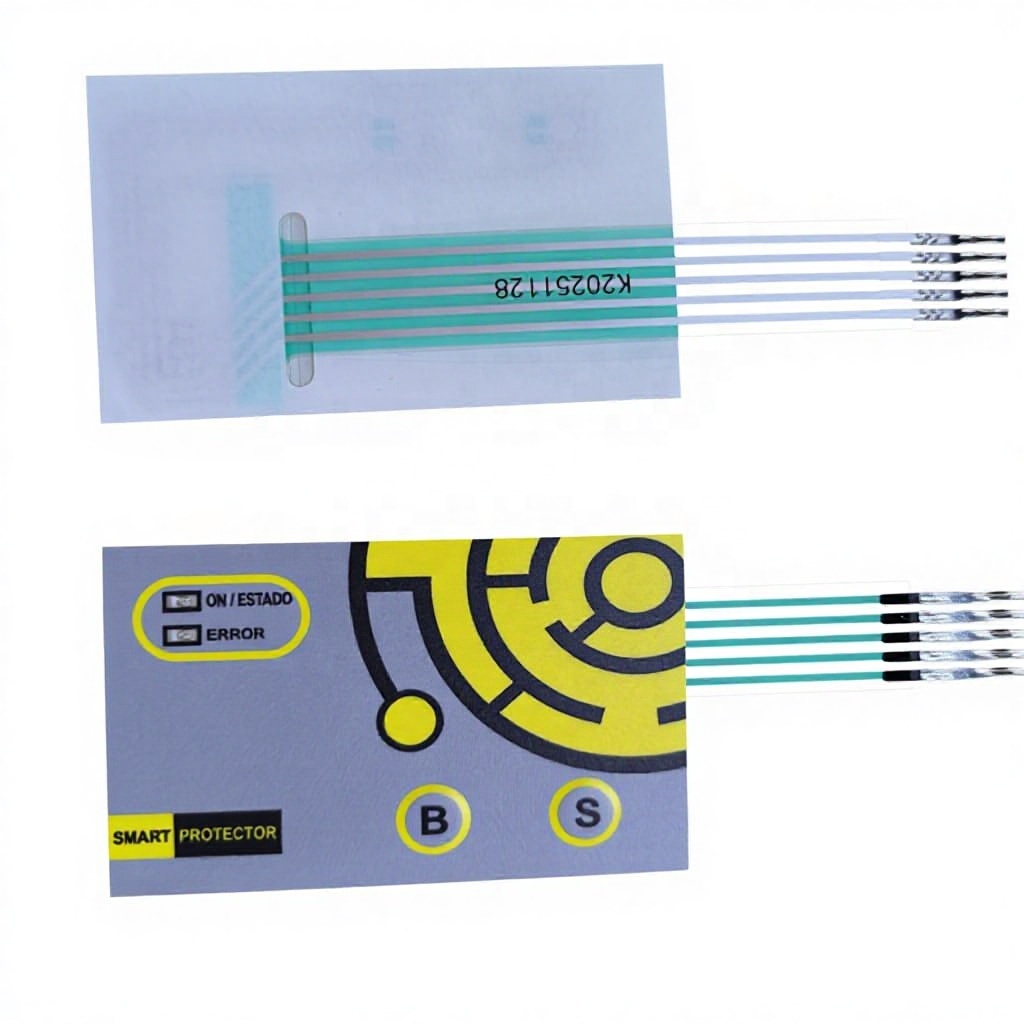
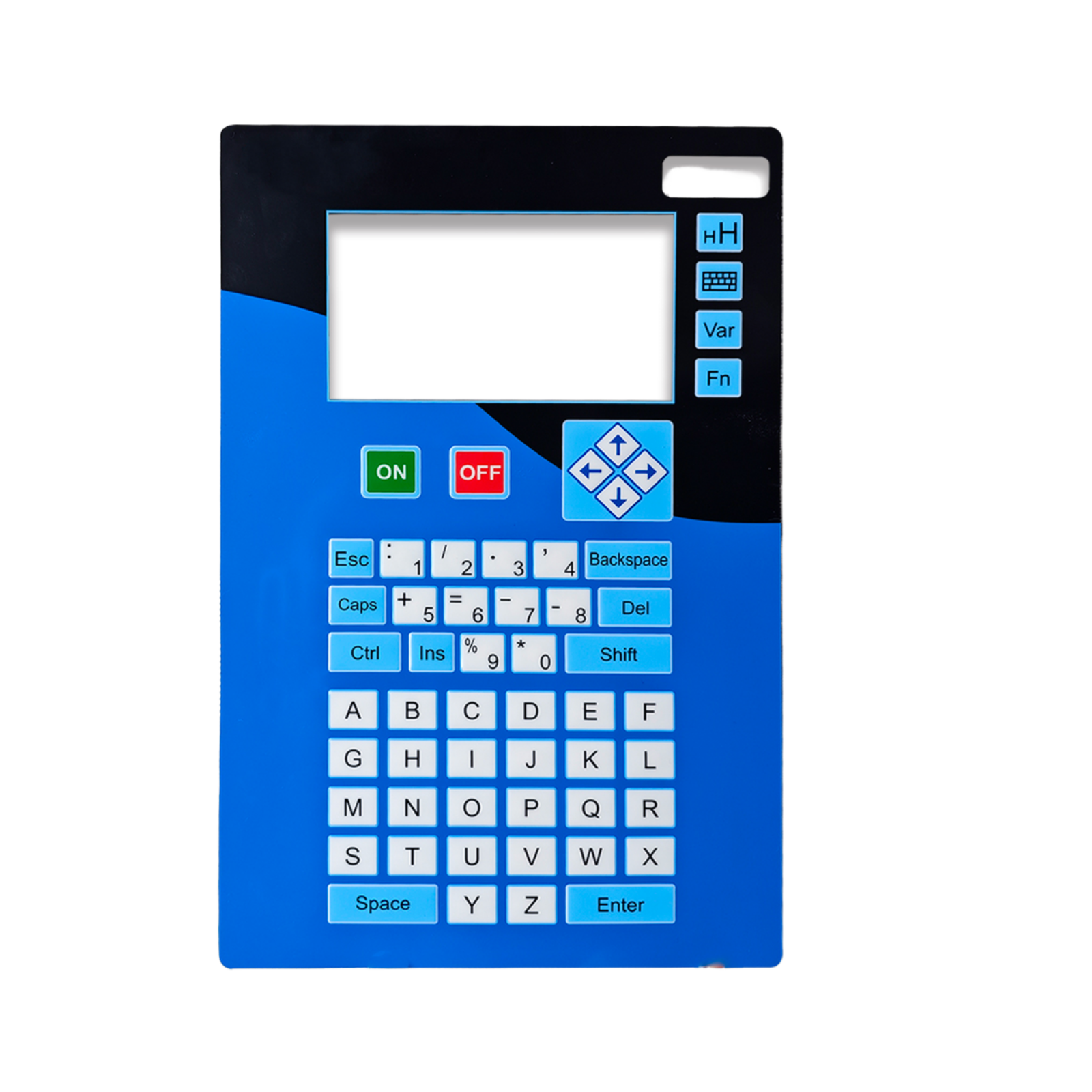
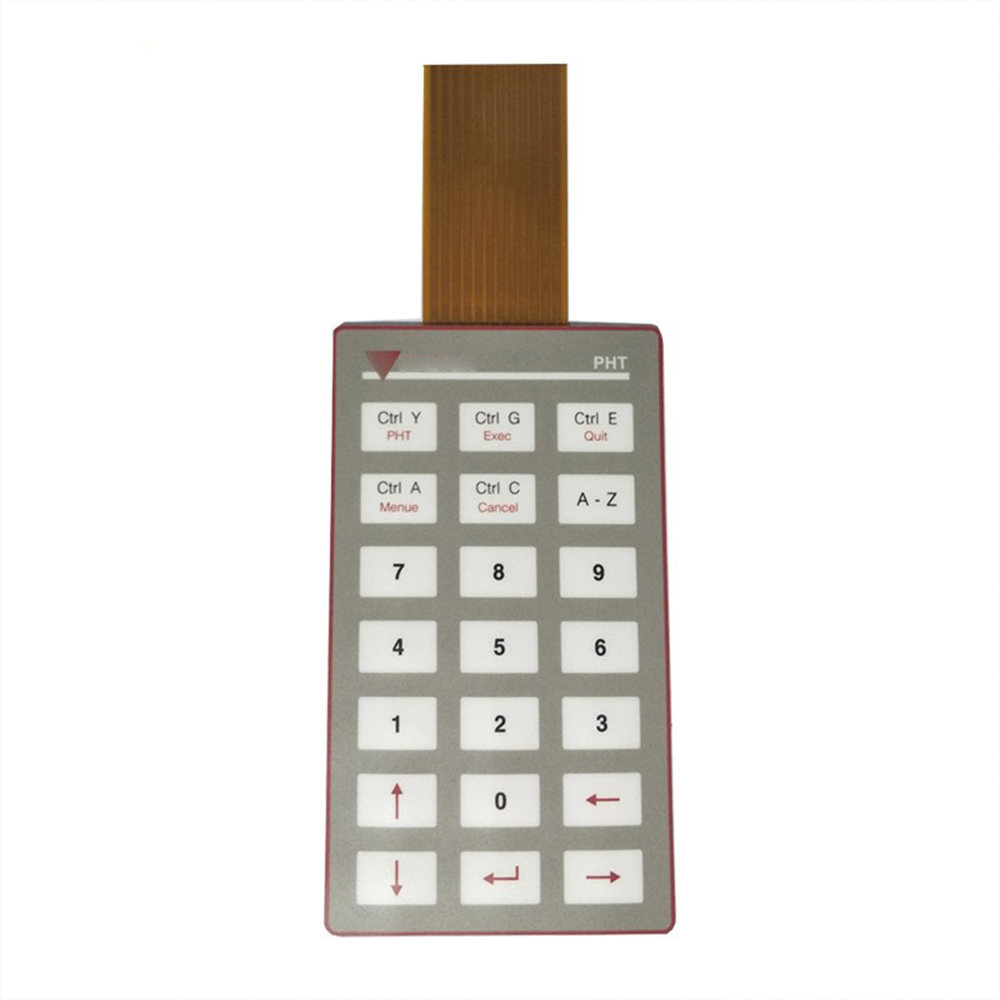
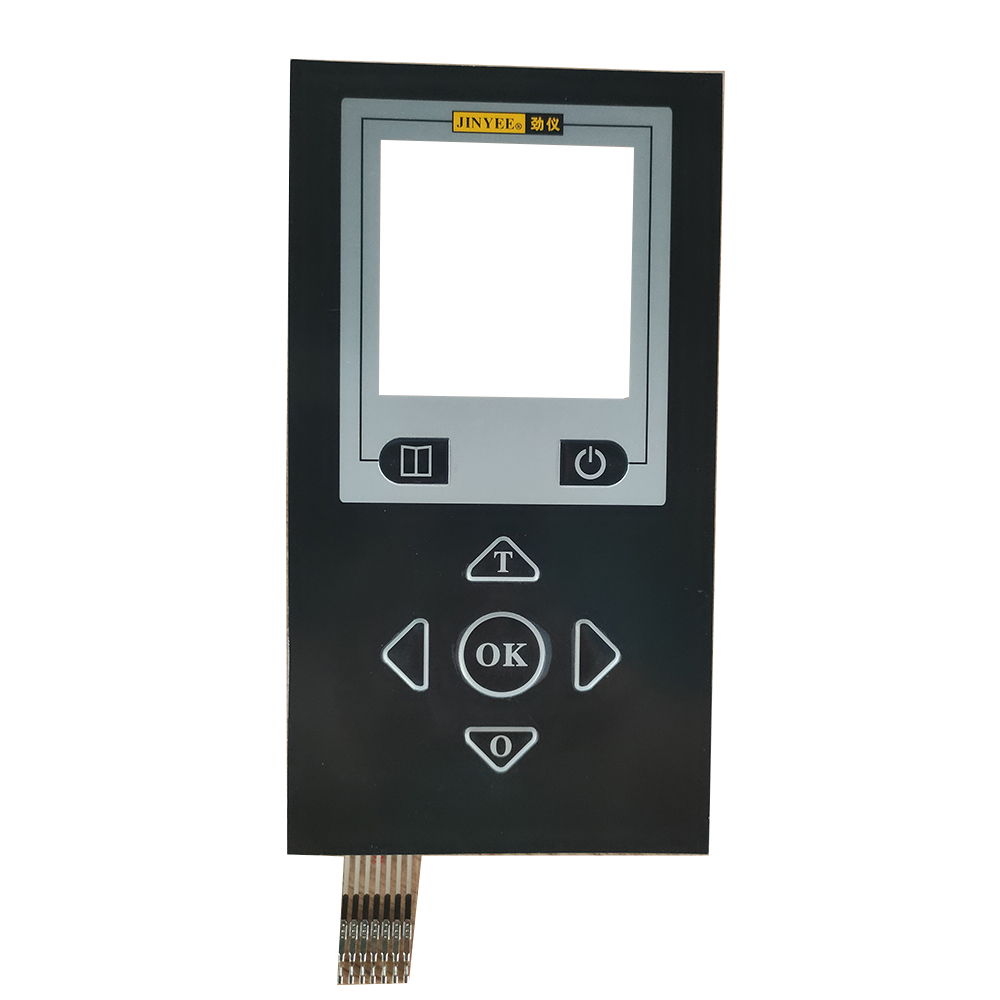
The procurement ecosystem for human-machine interfaces (HMI) in Waterford and County Waterford, Ireland, operates at an intersection of extreme cleanroom stringency, aggressive chemical washdown protocols, and rapid mechanical cycling. As the oldest city in Ireland and a principal anchor of the Southeast regional economy, Waterford has transformed into a globally significant manufacturing cluster for pharmaceutical production, medical technology devices, optical fabrication, and maritime industrial automation. For hardware engineering managers, systems integrators, and strategic sourcing directors operating in Waterford IDA Industrial Parks, selecting a rubber push button manufacturer demands an exhaustive evaluation of material science, actuation physics, and electrical contact longevity.
Elastomeric silicone push buttons and combined membrane switch assemblies represent the primary tactile input choice for equipment deployed across harsh operating environments. Unlike standard commercial off-the-shelf (COTS) plastic toggles, precision-molded silicone rubber switches provide continuous hermetic protection against fluid ingression, particulate intrusion, and sterilization cycles. By formulating specialized VMQ (vinyl methyl silicone) rubbers paired with conductive carbon pills, gold-plated contacts, or tactile stainless steel domes, our production facilities deliver tailor-made HMI solutions that meet and exceed CE, RoHS, REACH, and ISO 13485 cleanroom integration criteria.
Tailoring physical rubber push buttons, graphic overlays, and sealed elastomeric switches to the distinctive operational environments of Waterford, Tramore, and the Port of Belview corridor.
Waterford hosts world-class active pharmaceutical ingredient (API) and sterile fill-finish operations. In cleanroom environments classified from ISO Class 5 to 8, rubber push button assemblies must withstand aggressive wiping with Isopropyl Alcohol (IPA 70/30), hydrogen peroxide vapor (VHP), and quaternary ammonium sanitizers without graphic degradation, silicone swelling, or particulate shedding.
From surgical monitoring units to diagnostic instrumentation manufactured in the Southeast region, push button components require precise snap ratios (40% to 60%) for positive tactile confirmation under gloved operation. Smooth, anti-microbial surface treatments and blind-key webbing eliminate bacteria traps and ingress paths.
Situated on the River Suir, the Port of Belview handles substantial breakbulk, container, and agricultural throughput. Push buttons engineered for crane operator cabins, container spreader controls, and outdoor mooring winches demand high UV stabilization, resistance to dense saline atmospheres, and IP67/IP68 ingress ratings under cold North Atlantic weather.
Dairy processing and beverage bottling plants across Waterford require HMI panels subject to daily pressurized washdowns (IP69K testing zones), thermal cycling from 4°C cold storage to 80°C clean-in-place (CIP) hot cycles, and resistant silicone cross-linking preventing chemical leaching into food contact corridors.
Wind turbine control substations and industrial energy storage arrays deployed in coastal Waterford utilize silicone push button arrays built into heavy-duty aluminum or PCB backer assemblies. These buttons deliver non-sparking, intrinsically safe operation with certified flame retardancy matching UL 94 V-0 criteria.
Advanced engineering workshops in the Waterford Industrial Estate rely on multi-button pendant controllers, CNC operator interfaces, and emergency stop/interlock silicone membranes capable of sustaining millions of direct finger presses without elastic collapse or webbing micro-fractures.
An engineering breakdown of mechanical webbing geometry, contact technology, surface coating wear resistance, and illumination integration.
The tactile feel of an elastomeric rubber push button is entirely determined by its mechanical webbing profile—specifically the angle, thickness, and radius of the silicone wall connecting the keytop to the base mat. When an operator applies downward actuation force ($F_a$), the silicone webbing compresses elastically until reaching the snap point, collapsing abruptly to establish electrical contact at peak force ($F_p$). The return force ($F_r$) ensures instantaneous spring-back.
For Waterford medical instrumentation where operator feedback is vital to prevent double-entry errors, we optimize the Tactile Snap Ratio: $SR = \frac{F_p - F_r}{F_p} \times 100\%$ between 45% and 60%. Lower durometer grades (30 to 40 Shore A) produce quiet, cushion-style actuation, whereas 50 to 70 Shore A silicone formulations generate crisp, mechanical-grade tactile sensation.
Depending on electrical impedance and current handling requirements, rubber push buttons can be engineered with two primary conductor systems:
| Engineering Parameter | Medical / Precision Grade | Industrial Automation Grade | Locomotive / Heavy Marine |
|---|---|---|---|
| Base Material Polymer | Medical-grade VMQ / LSR Silicone | High-tear synthetic silicone rubber | High-temp fluorosilicone / anti-UV VMQ |
| Hardness Range | 40° ± 5° Shore A | 50° ± 5° Shore A | 60° to 70° ± 5° Shore A |
| Actuation Force Range | 80g to 180g (± 20g) | 150g to 350g (± 30g) | 300g to 600g (± 50g) |
| Key Webbing Travel | 0.8 mm – 1.5 mm | 1.0 mm – 2.5 mm | 1.5 mm – 3.5 mm |
| Operating Temperature | -30°C to +120°C | -40°C to +150°C | -45°C to +180°C continuous |
| Contact Resistance | < 50 Ω (Carbon) / < 1 Ω (Gold) | < 100 Ω (Conductive Ink/Pill) | < 1 Ω (Direct Dome Interlock) |
| Dielectric Strength | ≥ 2.5 kV / mm | ≥ 3.0 kV / mm | ≥ 3.5 kV / mm (Anti-EMI Shield) |
| Abrasion Resistance (RCA) | > 250 cycles (PU Matted) | > 500 cycles (UV Hardcoat) | > 1,000 cycles (Epoxy Dripped Cap) |
Modern equipment panels manufactured for Waterford pharmaceutical suites and diagnostic carts frequently require night-shift visibility and selective symbol illumination. We deploy advanced laser ablation etching: translucent silicone is molded in white or natural opacity, over-sprayed with an internal color coat followed by an opaque outer lacquer, and precision-etched with CNC fiber lasers to reveal crisp legends. Combined with Light Guide Film (LGF) or SMT side-firing LEDs mounted onto flexible copper circuits, this yields completely uniform backlighting without dark spots or hot spots across the interface matrix.
Strategic dynamics transforming the selection of rubber push button suppliers among Irish manufacturers and multinational technology subsidiaries.
With Ireland serving as a prime hub under European Medical Device Regulation (EU MDR 2017/745), sourcing managers in Waterford require complete raw material certificates of analysis (CoA), biocompatibility verification according to ISO 10993, and guaranteed batch-to-batch traceability for silicone polymers and conductive pigments.
Pure capacitive touch screens often fail when operated by personnel wearing heavy nitrile, latex, or cryogenic gloves, or when surfaces are misted with washdown fluids. Waterford instrumentation designs increasingly adopt hybrid architectures: capacitive glass screens flanked by dedicated silicone elastomeric push buttons for critical functions (Power, Calibrate, Emergency Stop, Vent).
Under Enterprise Ireland green transition mandates, Tier-1 and Tier-2 manufacturers in County Waterford are auditing upstream carbon intensity. Our facilities utilize energy-efficient vacuum vulcanization presses, low-VOC solvent recovery during silkscreen printing, and fully compliant non-toxic RoHS/REACH chemistry.
A direct-from-factory ecosystem integrating over three decades of membrane switch and silicone rubber keypad engineering excellence.
Rooted in membrane switch and elastomeric interface manufacturing since 1990, our operation encompasses over 2,219 square meters of verified production floorspace, staffed by 111+ seasoned technical specialists. We operate two coordinated industrial centers: our primary high-tech production facility located in the Xianghe Robot Industry Port and an agile secondary processing base in Huizhou. For Waterford purchasing teams seeking supply chain redundancy, our multi-site workload distribution guarantees uninterrupted delivery regardless of machine maintenance or seasonal production spikes.
Equipped with 60 CNC mold-making machining centers and 7 digital engravers, we fabricate compression tooling, injection molds, and stamping dies entirely in-house. This direct capability compresses prototype mold lead times down to 5–7 working days, enabling rapid iterative design for Waterford R&D engineering projects.
Our operations combine 37 precision screen printing lines with 4 Mimaki heat-setting digital UV printers for photorealistic graphic execution, pantone-accurate color matching, and micro-text legibility. 18 automated laser cutting systems achieve dimensional tolerances of ±0.05 mm on perimeter profiles and window cutouts.
Maintained through long-term technical cooperation with a German membrane switch factory—encompassing tooling methodology, automated dispensing equipment, and senior technician exchange programs. Our entire facility is ISO 9001 certified and independently assessed on-site by Intertek.
Every production batch undergoes automated computerized circuit testing, multi-head button life-cycle testing (up to 5 million strokes), programmable temperature and humidity environmental aging (-40°C to +150°C), xenon lamp UV weathering, and continuous salt-fog corrosion testing for maritime validation.
Our switch interfaces and custom panels are deployed in mission-critical applications worldwide—from high-speed railway locomotive systems and the Three Gorges Dam control monitoring arrays to industrial equipment built for ABB, Siemens, and Haier. Over 1,000,000 units are exported annually to Germany, the USA, and Western Europe.
We eliminate sourcing bottlenecks with lower minimum order quantities (MOQs) than conventional Tier-1 Asian conglomerates. Accepted delivery terms include FOB, CFR, CIF, and EXW, with secure settlement in EUR, USD, or CNY through T/T, L/C, or D/P D/A mechanisms.
In-depth answers addressing design files, prototyping lead times, environmental sealing, and logistics for shipments entering Ireland.
Connect directly with our senior HMI application engineers to evaluate material hardness, snap ratio kinematics, backlighting options, and tooling estimates. We deliver comprehensive DFM reviews and transparent quotes within 24 hours.