Recommended Graphic Overlay & Keypad Architectures
Precision-milled, chemically resistant, and UV-stabilized front-panel human-machine interfaces engineered by TAVO for harsh deployment conditions in Barrouallie and regional industrial corridors.
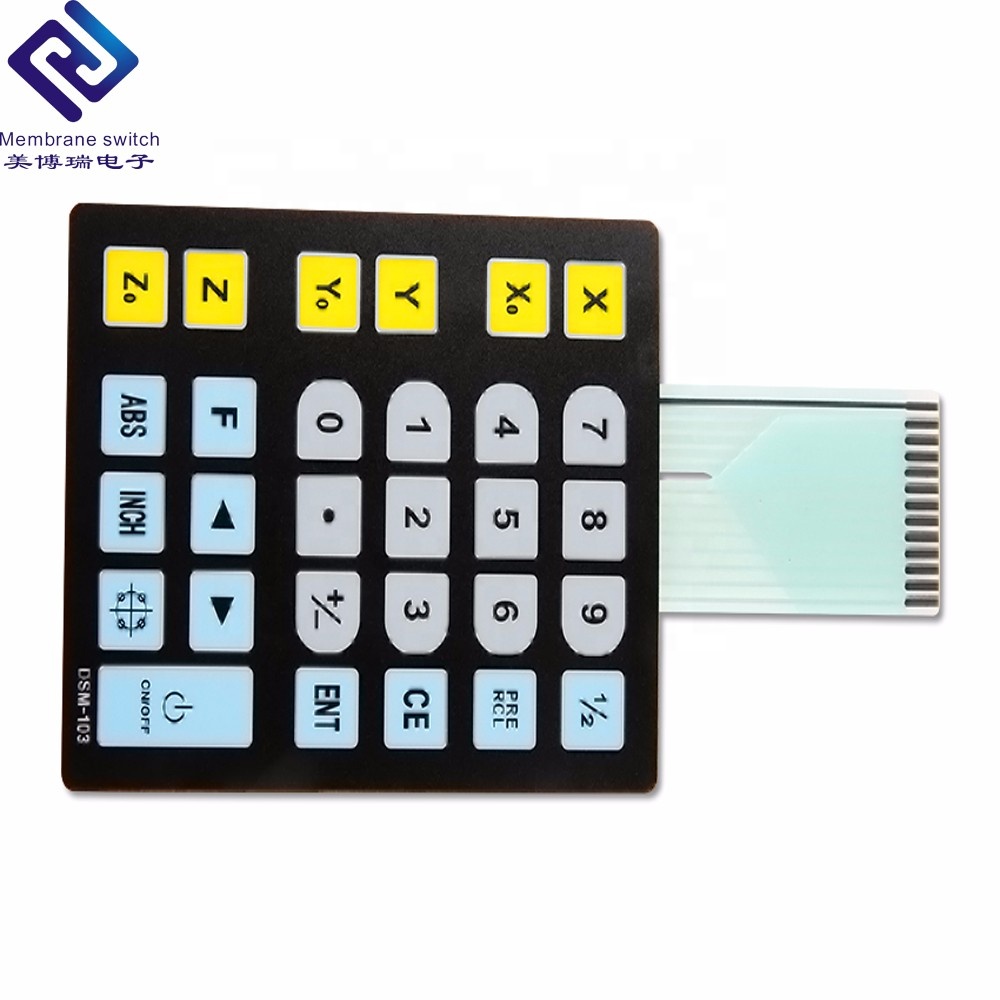
Factory Membrane Switch Keypad with Rubber Buttons 4*4/1*4/3*4/4*5 MCU Expansion
View Specifications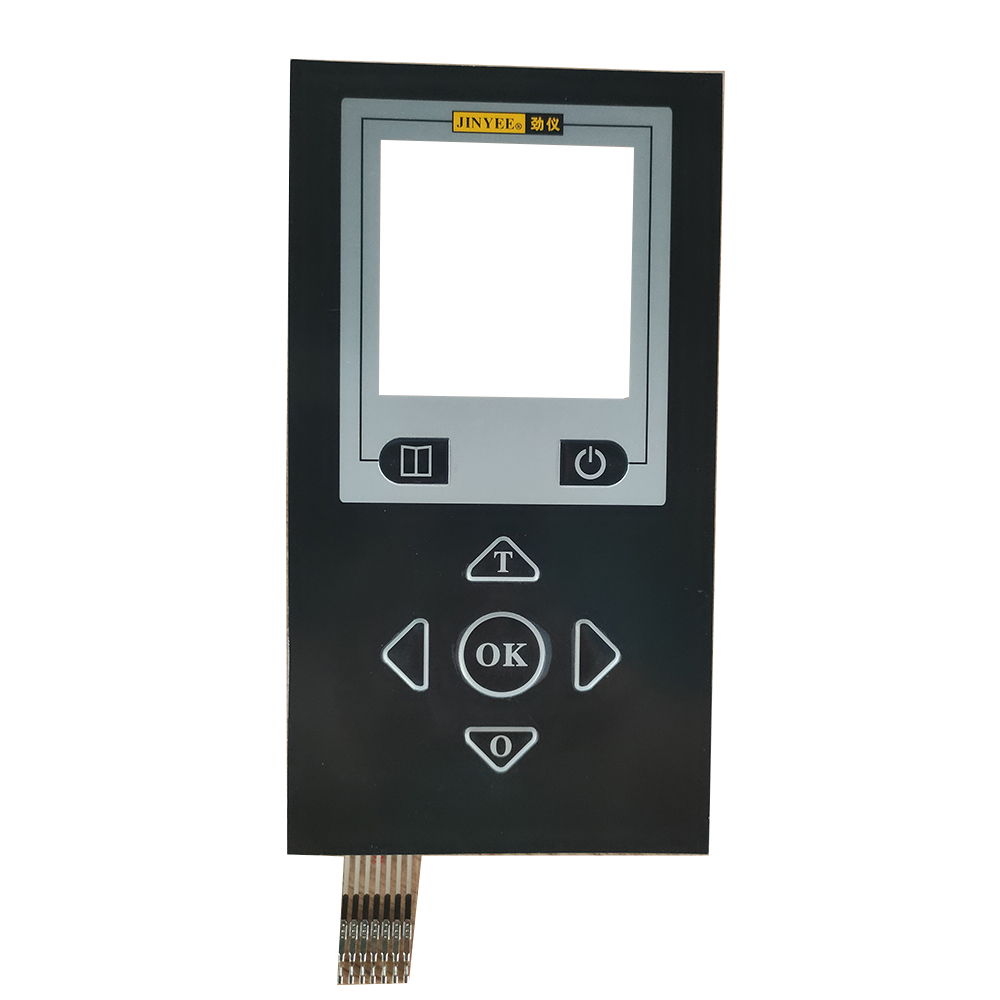
MBR IP67 Waterproof Industrial Membrane Keyboard with PET Overlay for Telecom
View Specifications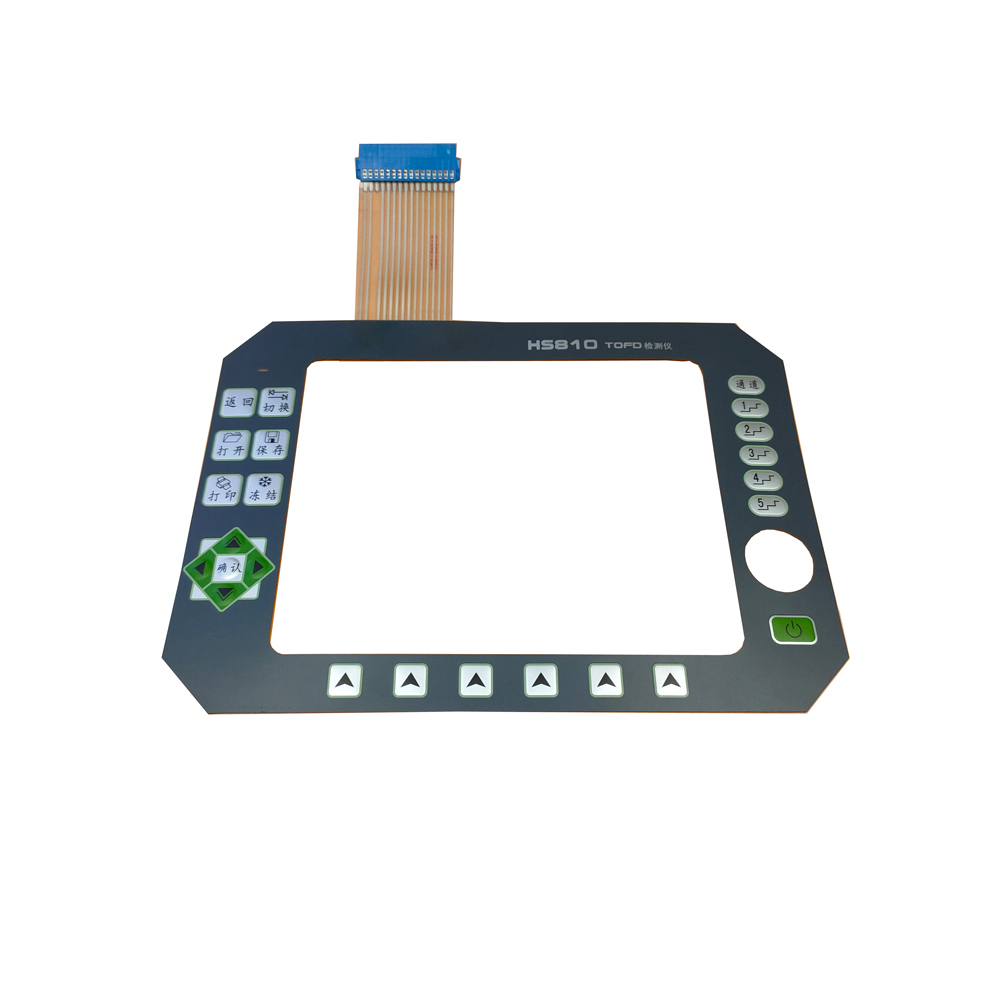
Meiborui Custom PBT Keyboard Cap Silkscreen Printed Waterproof Adhesive Sticker
View Specifications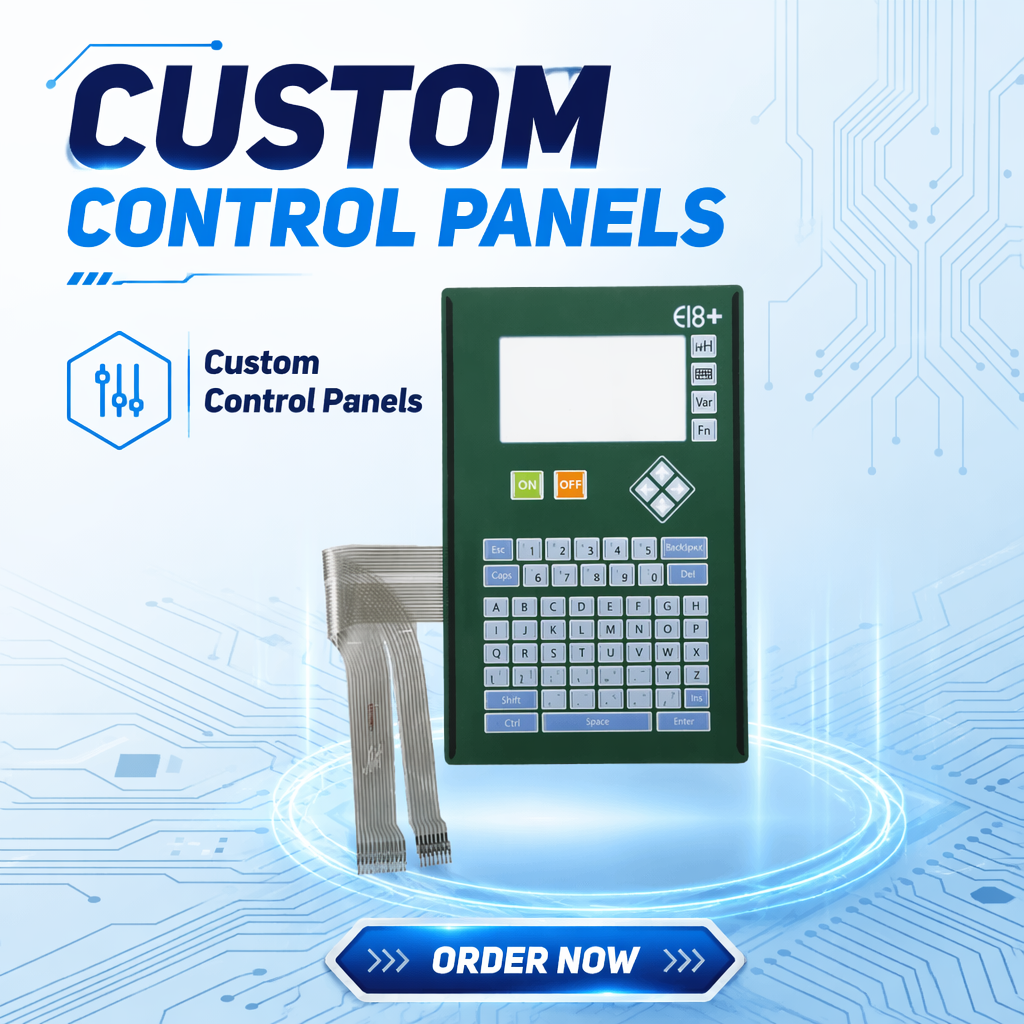
OEM PBT Keyboard Cap Mechanical Switch Compatible Silkscreen Printed 2.54mm Pitch
View Specifications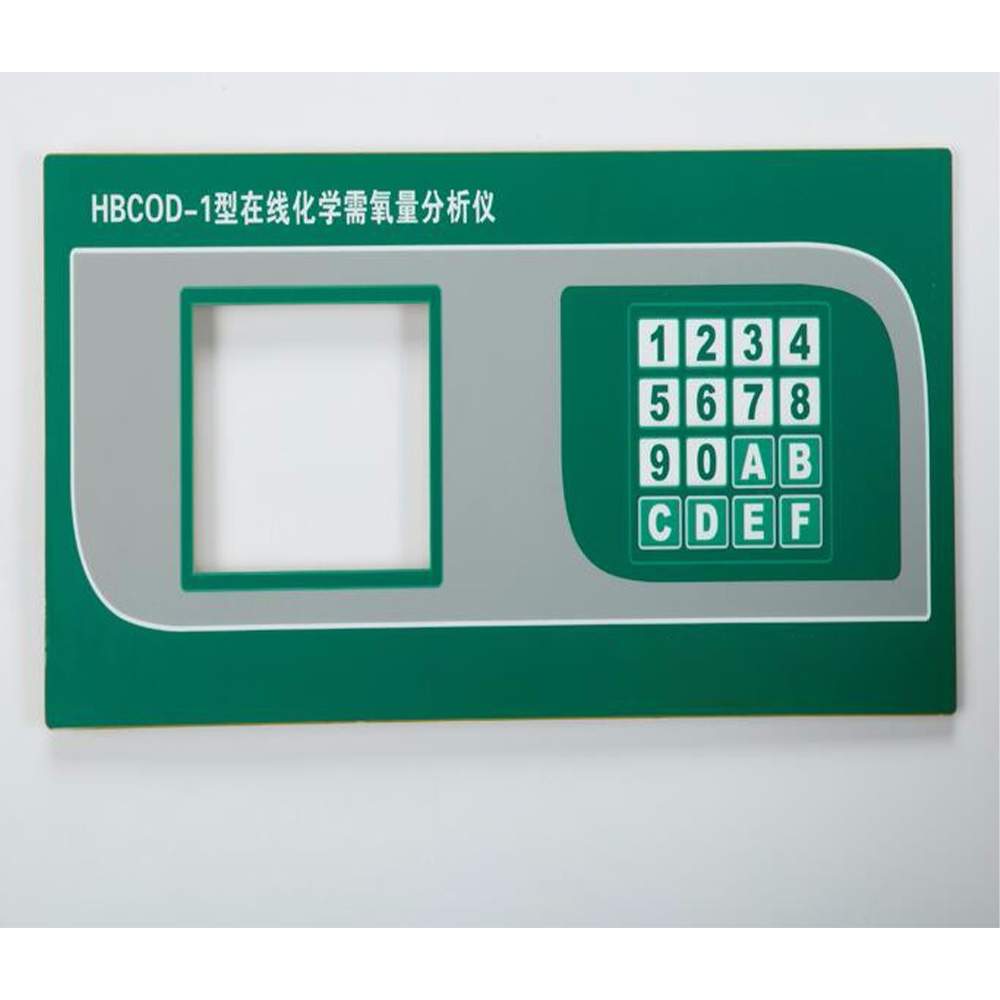
High Quality Hard-Coated PET/PC Membrane Keyboard Custom Logo & Optical Windows
View Specifications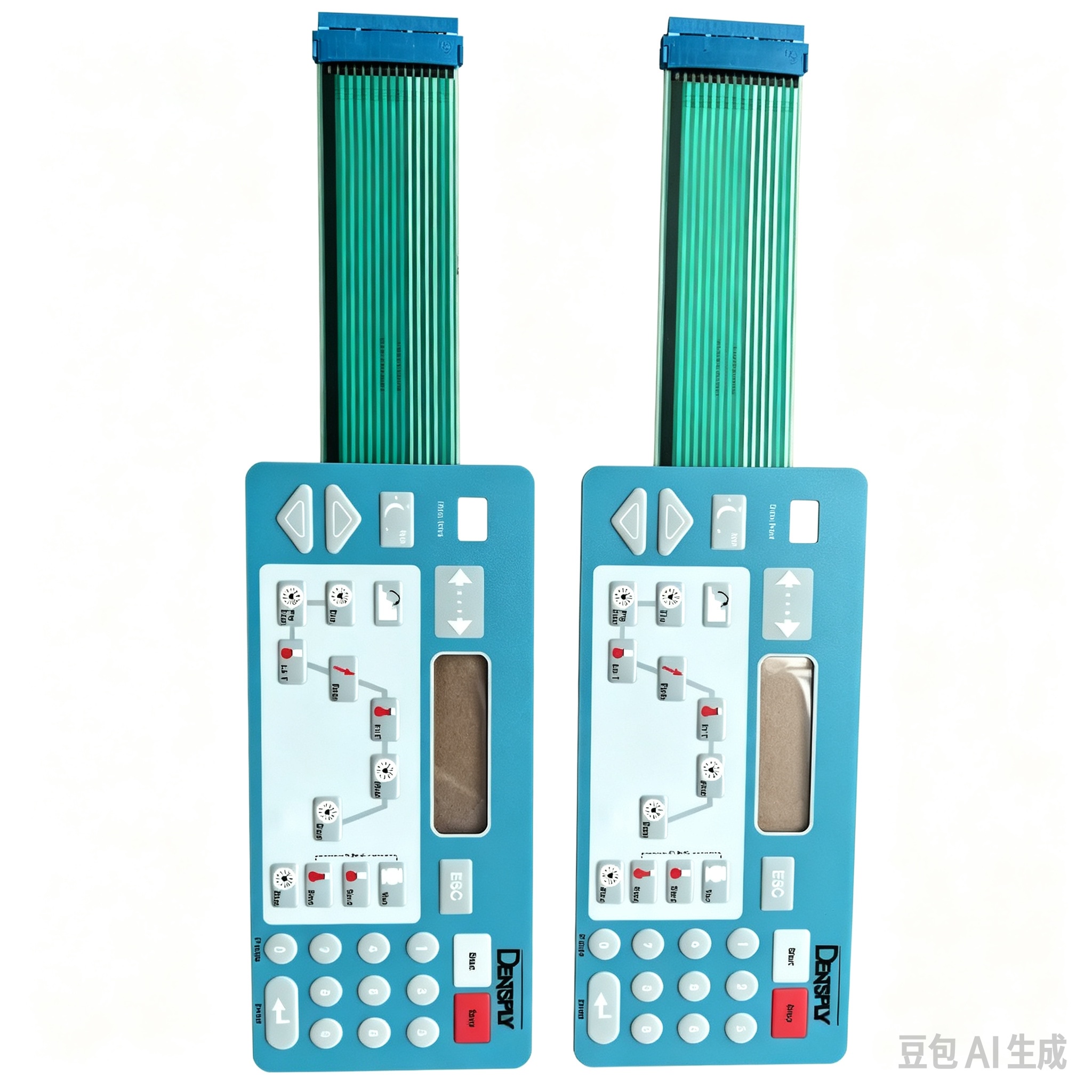
Factory Custom Waterproof Polyester Membrane Switch On Off Push Button Panel
View Specifications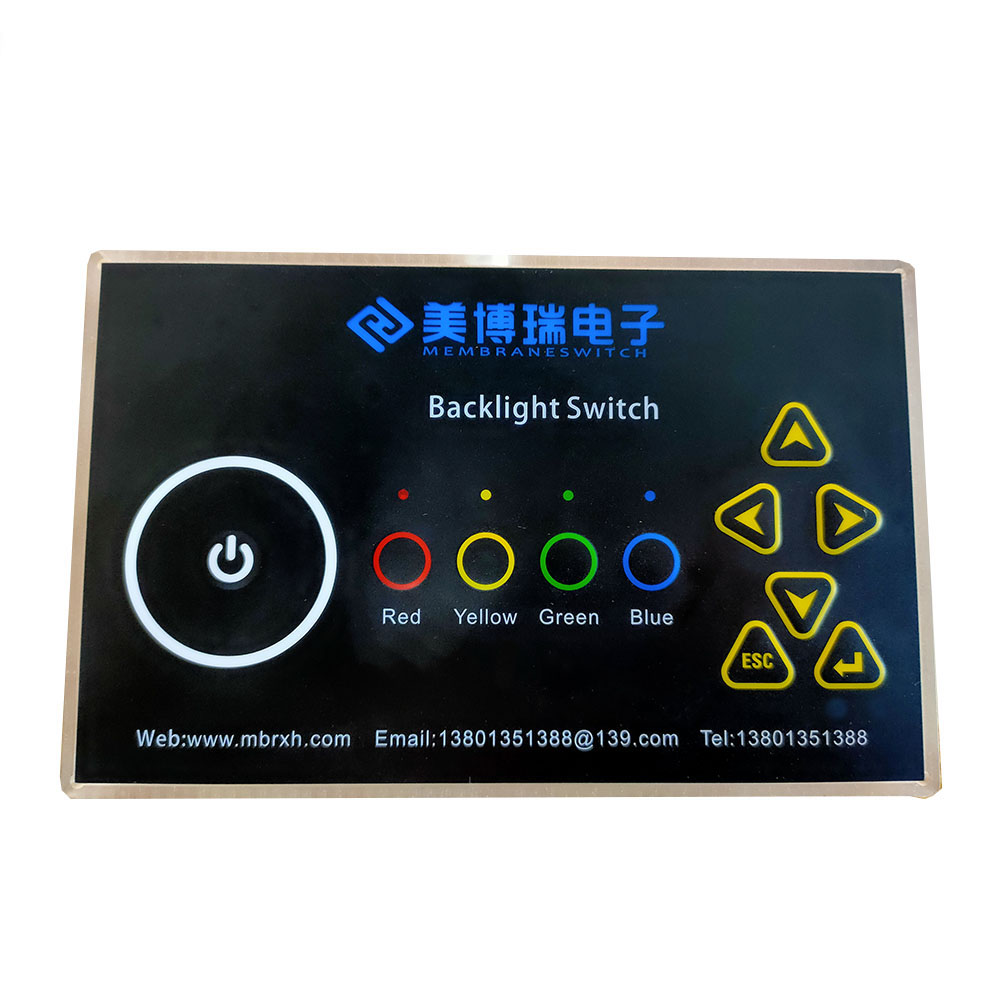
MEIBORUI MBR PBT Sub-assembly PET Membrane Keypad Custom Color Replacement
View Specifications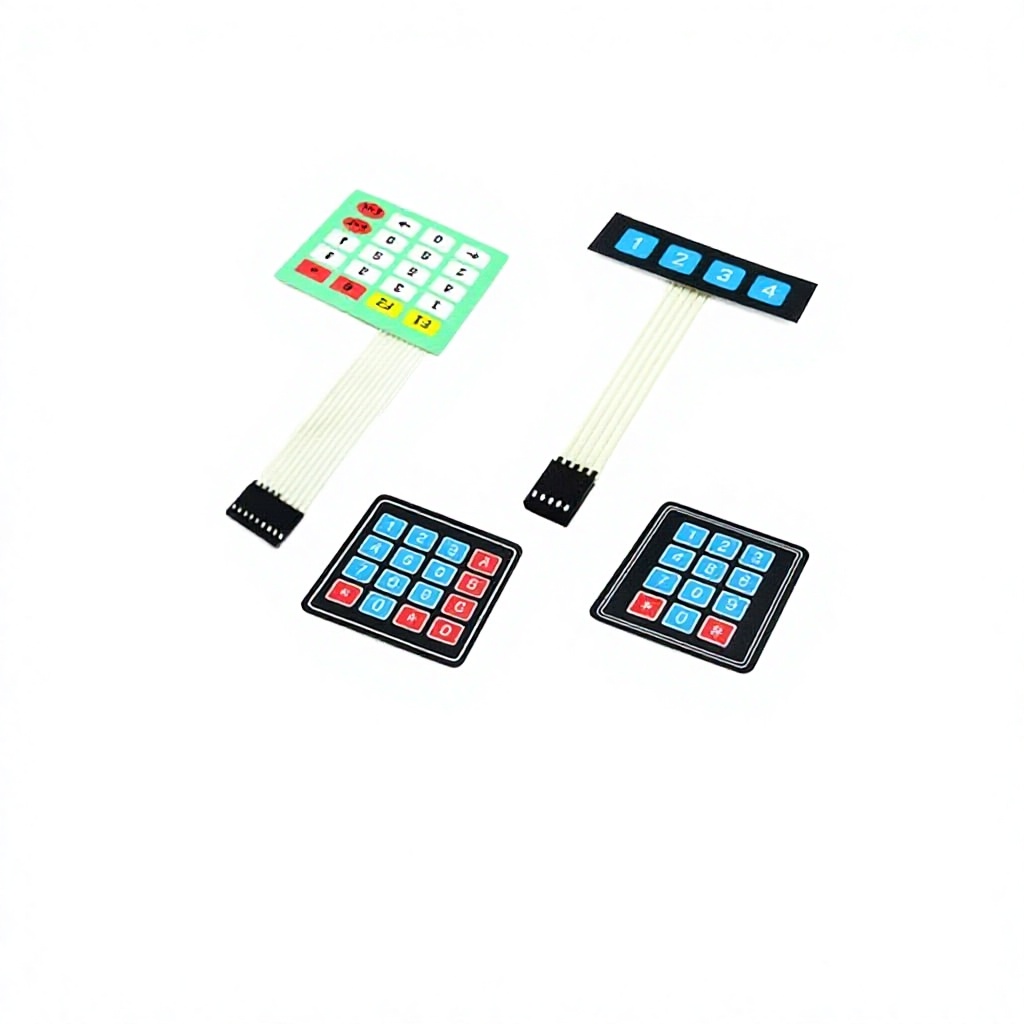
High Reliability Custom FPC Flexible Printed Circuit Keypad for Test & Measurement
View SpecificationsEngineering Perspective: Hard-Coating Technologies for Scratch Resistance
In high-duty human-machine interface (HMI) deployments, front graphic overlays serve as both the primary visual branding surface and the barrier defending sensitive printed electronics against mechanical abrasion, environmental contaminants, and ultraviolet photodegradation. Sourcing managers and electromechanical engineers operating within the Barrouallie market frequently contend with abrasive volcanic particulate matter, airborne oceanic salinity, and severe solar irradiation. When selecting an overlay factory, understanding the structural composition of the polymer matrix determines the system's operational lifespan.
Standard untreated Polycarbonate (PC) demonstrates superior impact absorption and optical clarity but exhibits low natural surface hardness (typically 2B to B on the ASTM D3363 pencil hardness scale). Under abrasive contact with coastal sands or repeated tool interactions, untreated substrates quickly develop micro-scratches that cause haze, distort display windows, and degrade legibility. To mitigate this failure mechanism, modern custom manufacturers apply a thermal or UV-cured siloxane-based hard-coat layer. Hard-coated Polycarbonate reaches a surface rating between 1H and 3H, retaining flexibility for tactile button embossing while offering chemical resistance against hydraulic fluids, mild acids, and industrial sanitizers.
For extreme switch cycling exceeding 5,000,000 actuations without flexural micro-cracking, bi-axially oriented Polyethylene Terephthalate (PET)—such as Autotype Autotex or Melinex—presents the superior engineering choice. Hard-coated PET films deliver scratch resistance up to 3H to 4H while offering exceptional resistance to chemical stress cracking, flex fatigue, and moisture absorption (vapor transmission under 0.5g/m²/24hr). In applications demanding touch panel glass protection or direct abrasion defense in heavy diagnostic panels, specialized ceramic nanoparticle hard-coats can achieve pencil hardness ratings of up to 7H.
Localized Application Scenarios in Barrouallie & St. Vincent
Commercial Marine & Fishing Telemetry
Barrouallie’s legacy as a maritime and fishing hub demands onboard navigational consoles, fish-finder interfaces, and engine monitoring units capable of withstanding constant saltwater spray, UV bleaching, and rough gloved operation without graphic wear.
Agro-Processing & Bottling Machinery
Local agricultural processing and distillery equipment rely on high-pressure washdown environments. Overlay panels with IP67 perimeter sealing gaskets prevent moisture penetration while resisting caustic clean-in-place (CIP) chemicals.
Renewable Micro-Grid & Solar Inverters
Decentralized solar charging stations and coastal energy storage inverters require UV-stabilized, anti-glare scratch-resistant windows to ensure diagnostic readability under direct tropical sunlight without thermal yellowing.
Emerging Technology Trends in the Regional Interface Supply Chain
The Caribbean electronics and machine refurbishment markets are transitioning toward high-reliability, modular components that reduce field maintenance costs. Three distinct design paradigms are shaping regional procurement:
- Sub-Surface Silkscreen Printing: Applying multi-color inks to the reverse side of optical-grade films ensures that graphics, legends, and brand logos remain permanently shielded from mechanical abrasion, surface cleaners, and environmental exposure.
- Optically Clear Adhesive (OCA) Lamination: Integrating scratch-resistant front overlays with TFT/OLED displays using OCA eliminates internal air gaps, drastically reducing glare and preventing internal condensation under high humidity conditions.
- Transition to Polyimide FPC Backers: While silver-flex circuits remain budget-friendly, the marine salt atmosphere of Barrouallie accelerates silver migration and corrosion through micro-pores. Engineers increasingly specify gold-plated copper Flexible Printed Circuits (FPC) with stiffener backplates for critical control systems.
TAVO Industrial Manufacturing Capabilities & OEM Advantages
Since our foundation in 1990, TAVO Electronic Information Technology Co., Ltd. has developed fully closed-loop manufacturing facilities located in the Robot Industry Port of Xianghe (Hebei) and our southern manufacturing base in Huizhou (Guangdong). Operating across 2,219 square meters of verified production space with 111 verified personnel, we eliminate reliance on third-party sub-contractors, providing full batch traceability and engineering consistency.
Advanced In-House Tooling
Equipped with 60 CNC mold-making machines, 18 high-precision laser cutters, 7 digital engravers, and 37 silkscreen printing presses to support custom-tailored overlay geometries and tight-tolerance cutouts.
German Technical Cooperation
Our engineering standards align with European industrial benchmarks through long-standing technical collaboration with German membrane switch engineers, ensuring precise tactile actuation and circuit longevity.
Rigorous Reliability Lab
Every design undergoes validation via computer circuit testers, million-cycle actuation jigs, programmable high-temp/humidity chambers, xenon lamp UV aging testers, and salt fog corrosion chambers.
Trusted globally by enterprises including Siemens, ABB, and Haier, TAVO supplies HMI solutions to OEM and ODM clients worldwide, supporting both high-mix low-volume prototyping and mass-scale production runs.
Procurement FAQ for the Barrouallie Market
Technical and commercial answers addressing shipping, material selection, custom fabrication, and international trade compliance.
What is the primary difference between PC and PET for scratch-resistant overlays?
Polycarbonate (PC) is simple to form, flame-retardant (UL94 V-0 options available), and dimensionally stable, but requires an applied hard-coat to resist scratching. Polyester (PET) exhibits higher native chemical resistance, withstands over 5 million switch actuations without micro-fracturing, and accepts fine-textured hard-coatings that achieve 3H-4H pencil hardness.
How do TAVO overlays endure tropical marine and coastal humidity?
We combine sub-surface silkscreen printing (sealing all pigments under the film) with industrial adhesives such as 3M 467MP, 468MP, or 3M 300LSE. For outdoor electronics, we integrate anti-UV stabilizers and select hydrophobic perimeter sealing adhesives to prevent delamination and salt-fog ingress.
What engineering files are necessary to initiate an OEM quotation?
To begin tooling and DFM evaluation, submit mechanical drawings (DXF, DWG, or vector PDF), graphic artwork (Adobe Illustrator, CorelDraw) with Pantone (PMS) or RAL color codes, adhesive placement cutouts, and window transparency requirements.
Can you manufacture low-volume prototypes or replacement runs?
Yes. Utilizing digital UV printers and laser-cutting tables, we produce rapid functional prototypes and small replenishment batches without requiring upfront steel rule die tooling, shortening lead times for specialized machine repairs.
What international export logistics terms apply to the Caribbean region?
We support FOB, CFR, CIF, and EXW shipping terms. Shipments can be routed via air express (DHL, FedEx, UPS) for urgent orders or consolidation air/ocean freight into Caribbean ports, with payments supported via T/T, L/C, or D/P.
Engineer Your Custom Graphic Overlay Today
Speak directly with our technical engineering team. We review tolerance models, provide DFM recommendations, and supply customized prototypes built to survive challenging operating environments.
Send an Inquiry