Thermal Resilience
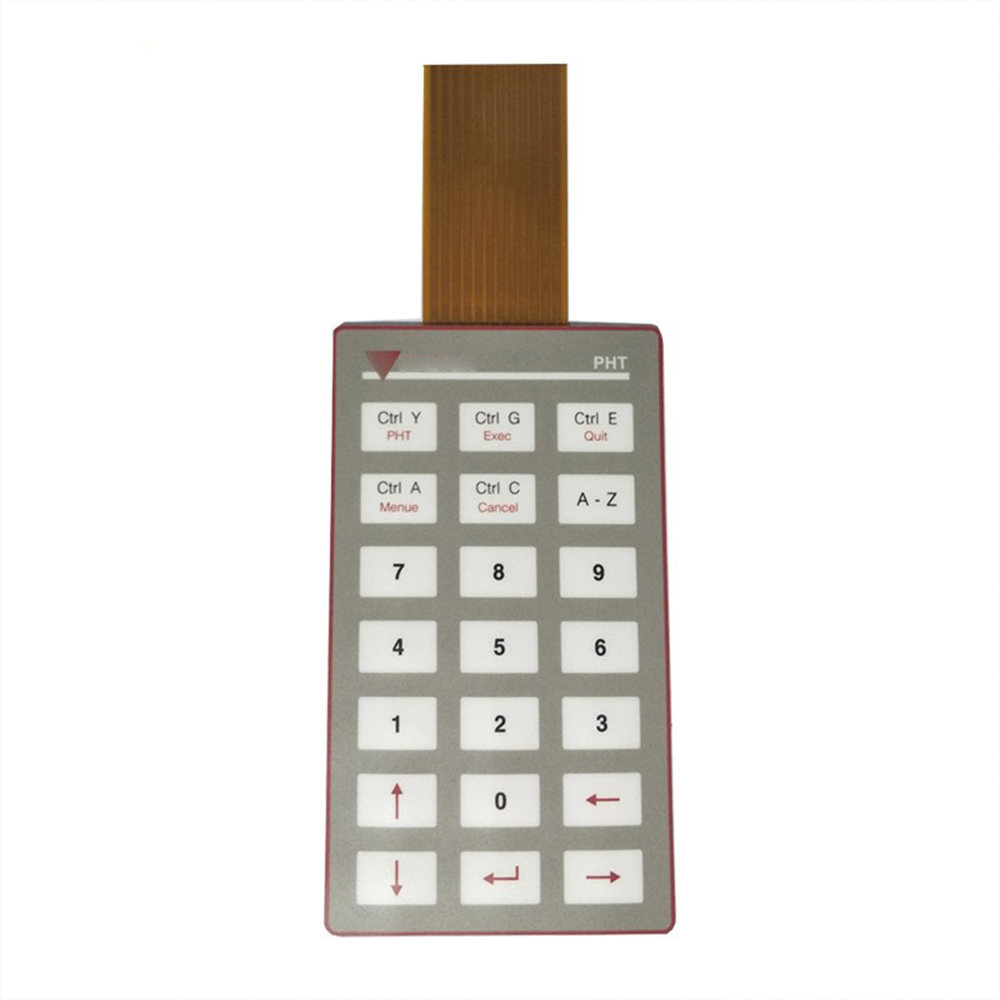
Tested against mechanical abrasion, aggressive chemical wipe-downs, and demanding thermal cycling for Central European production lines.
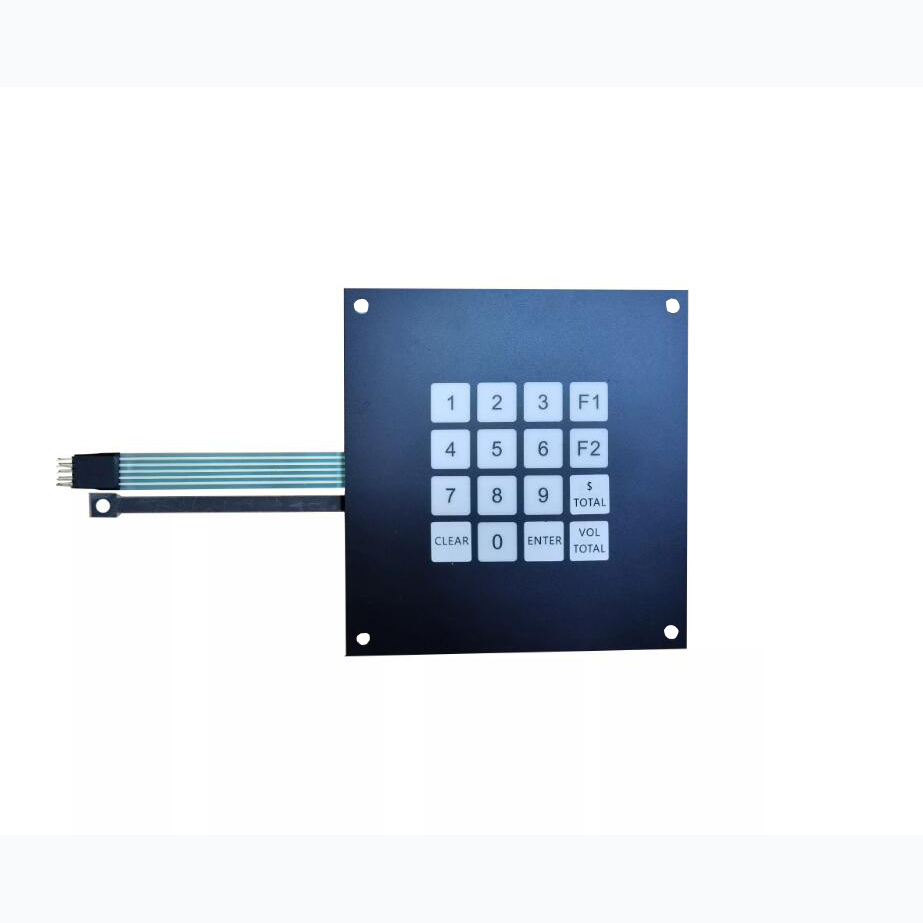
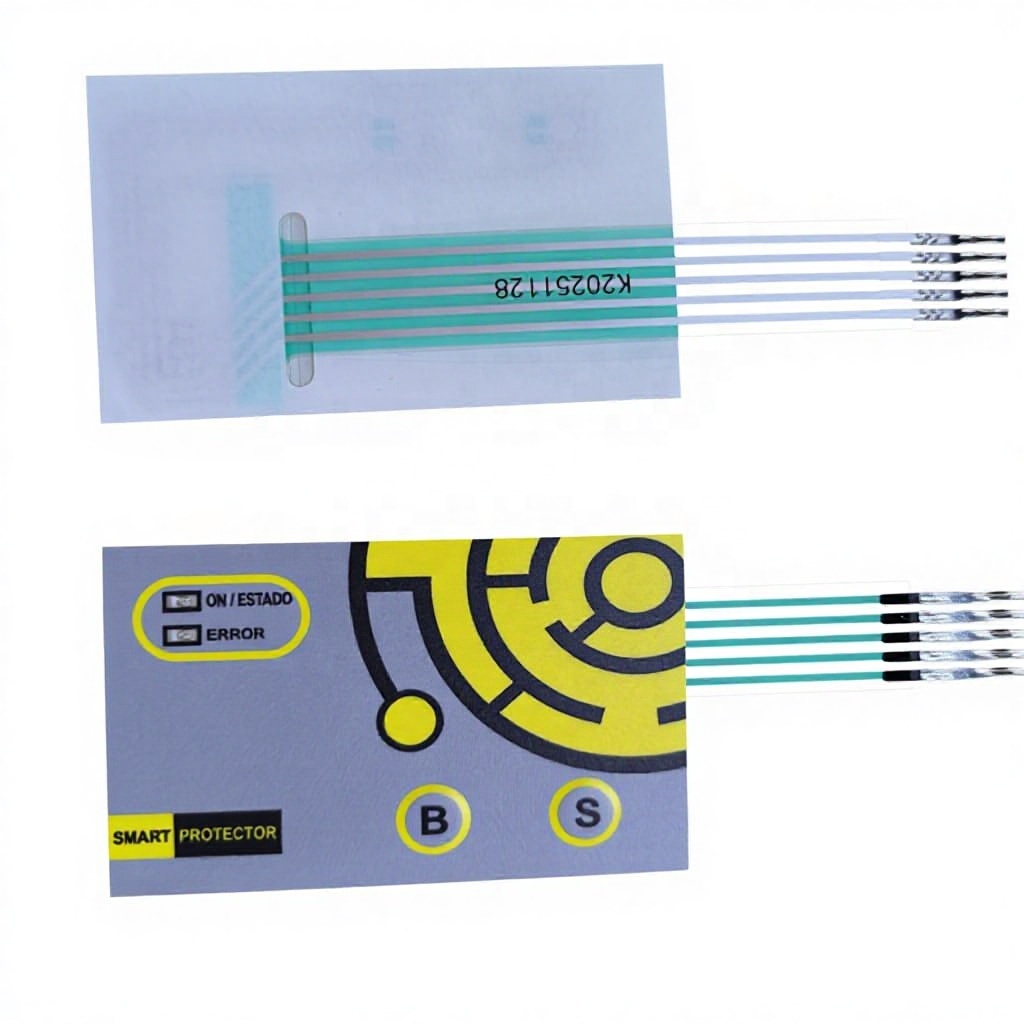
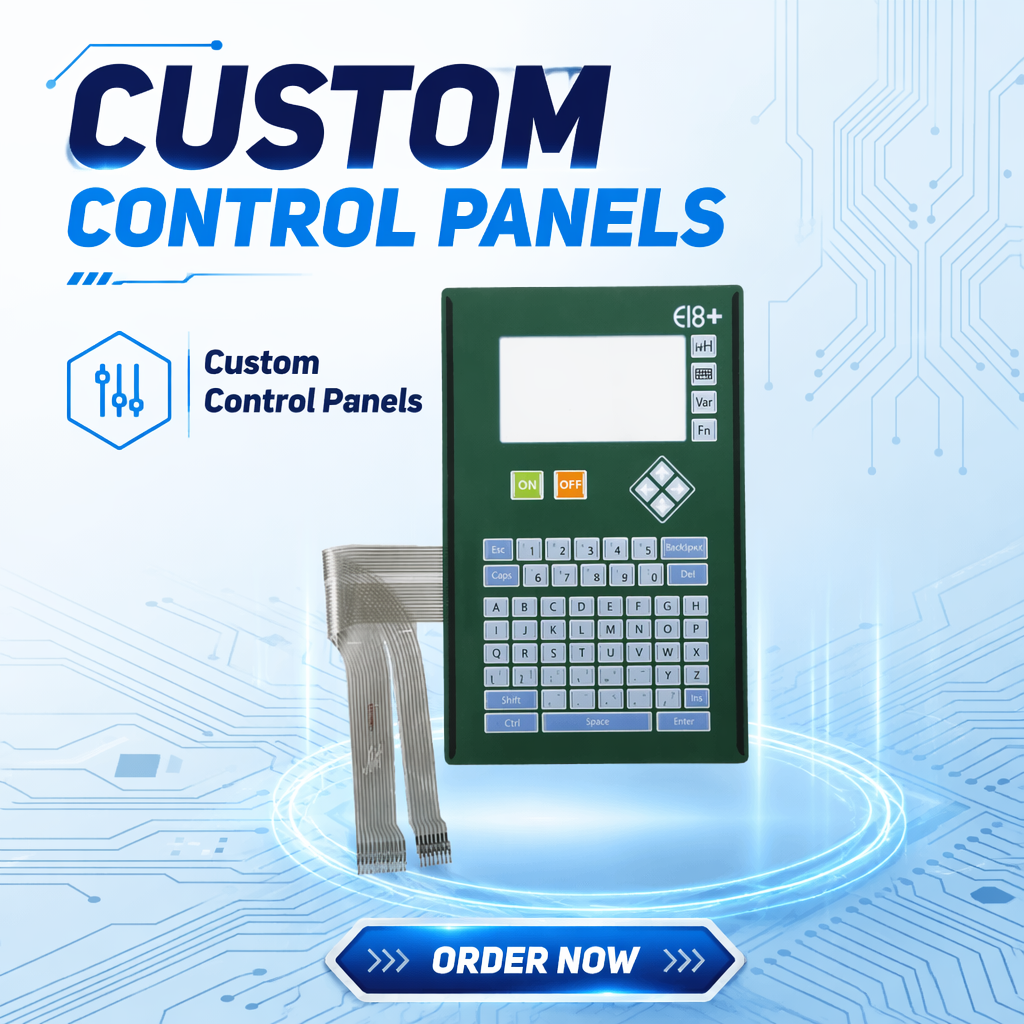
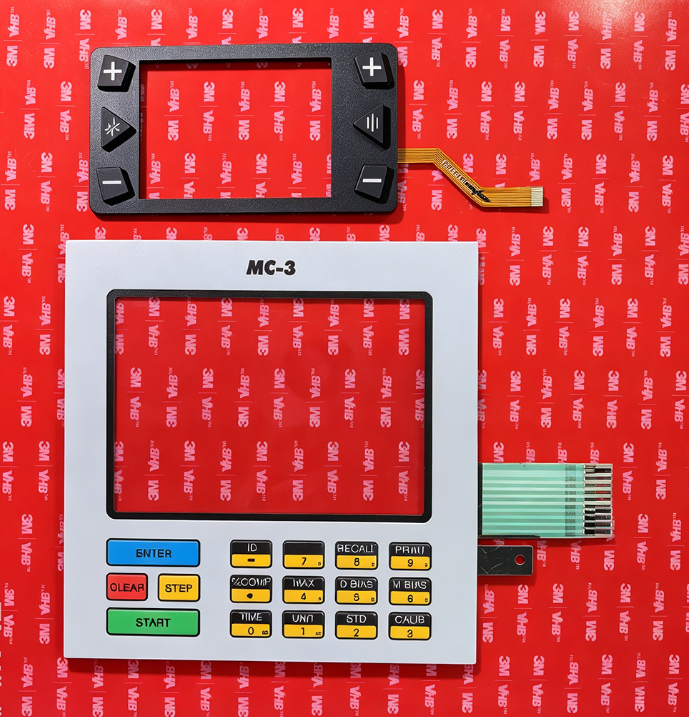
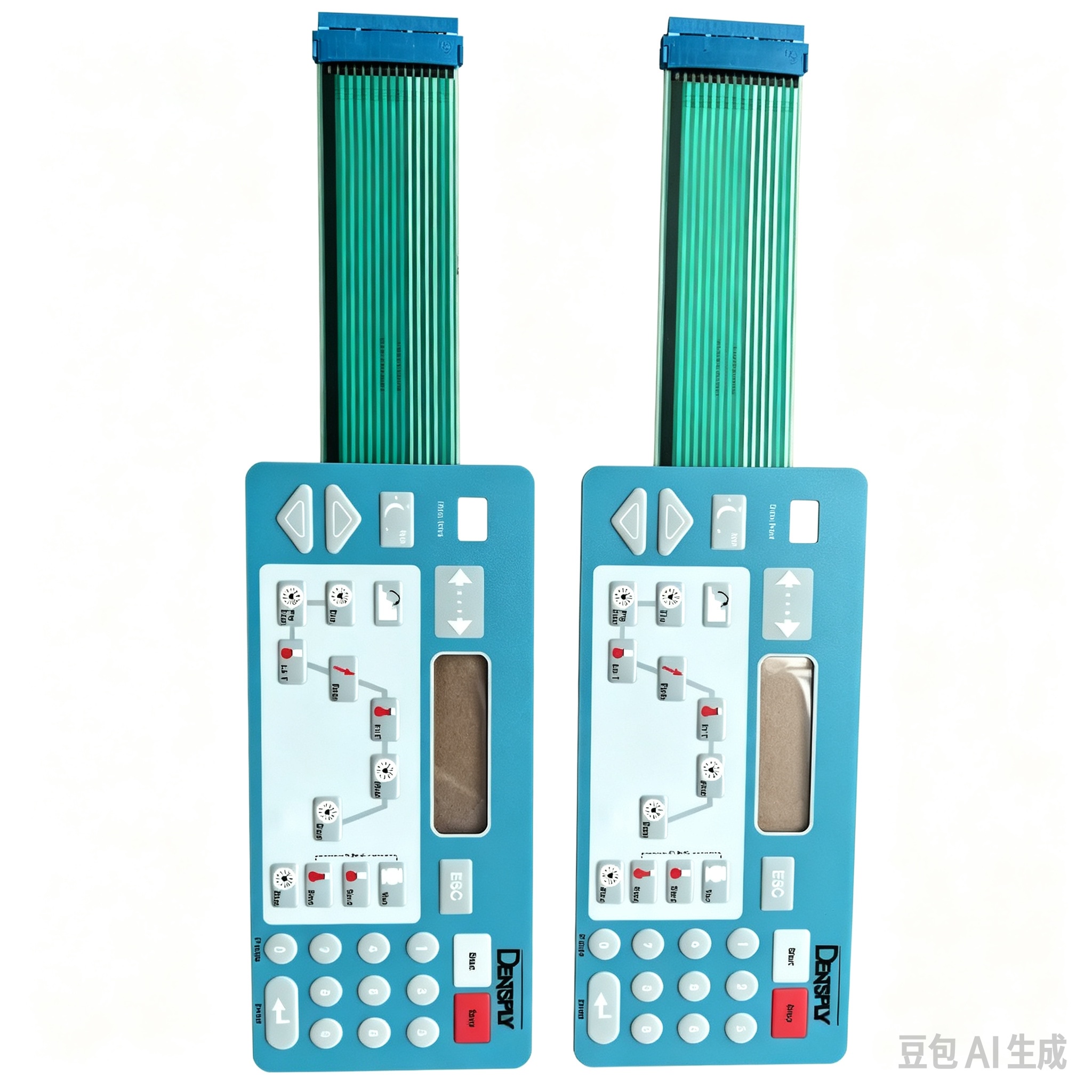
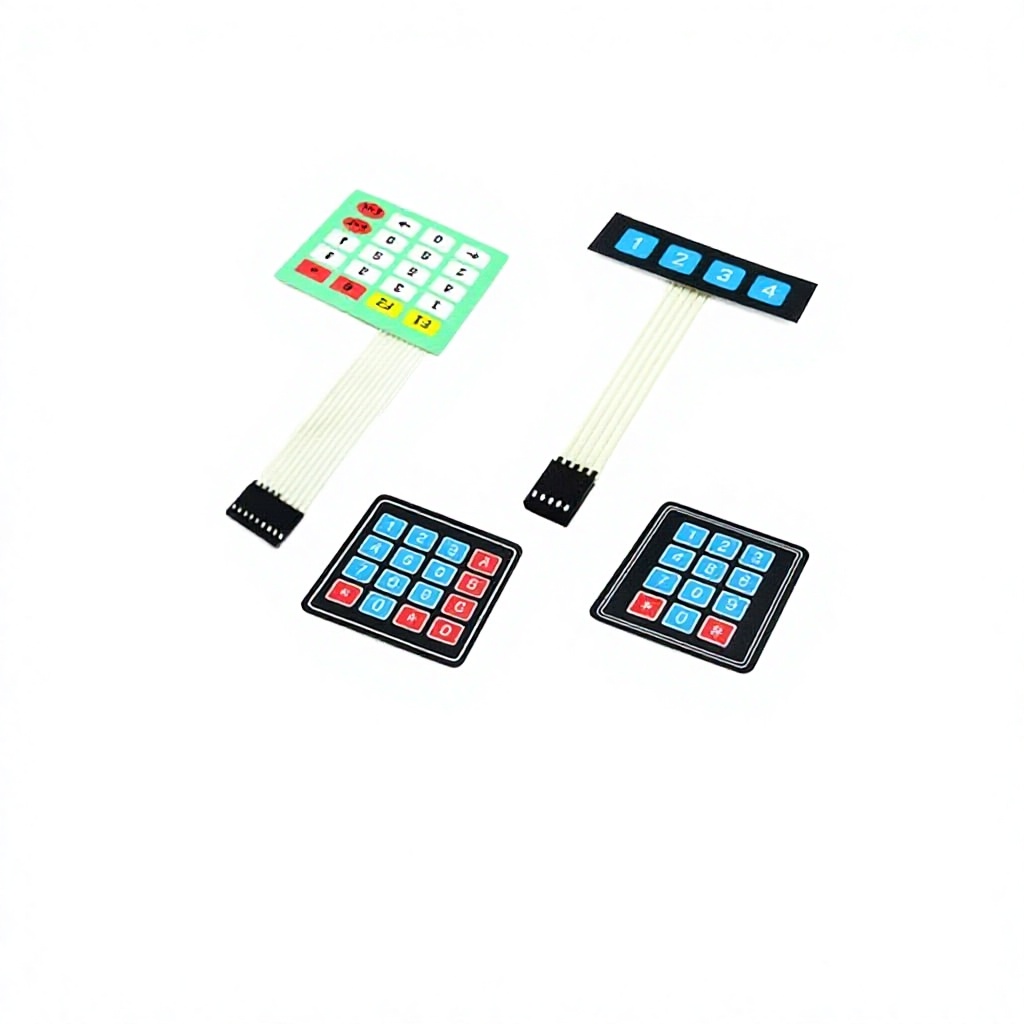
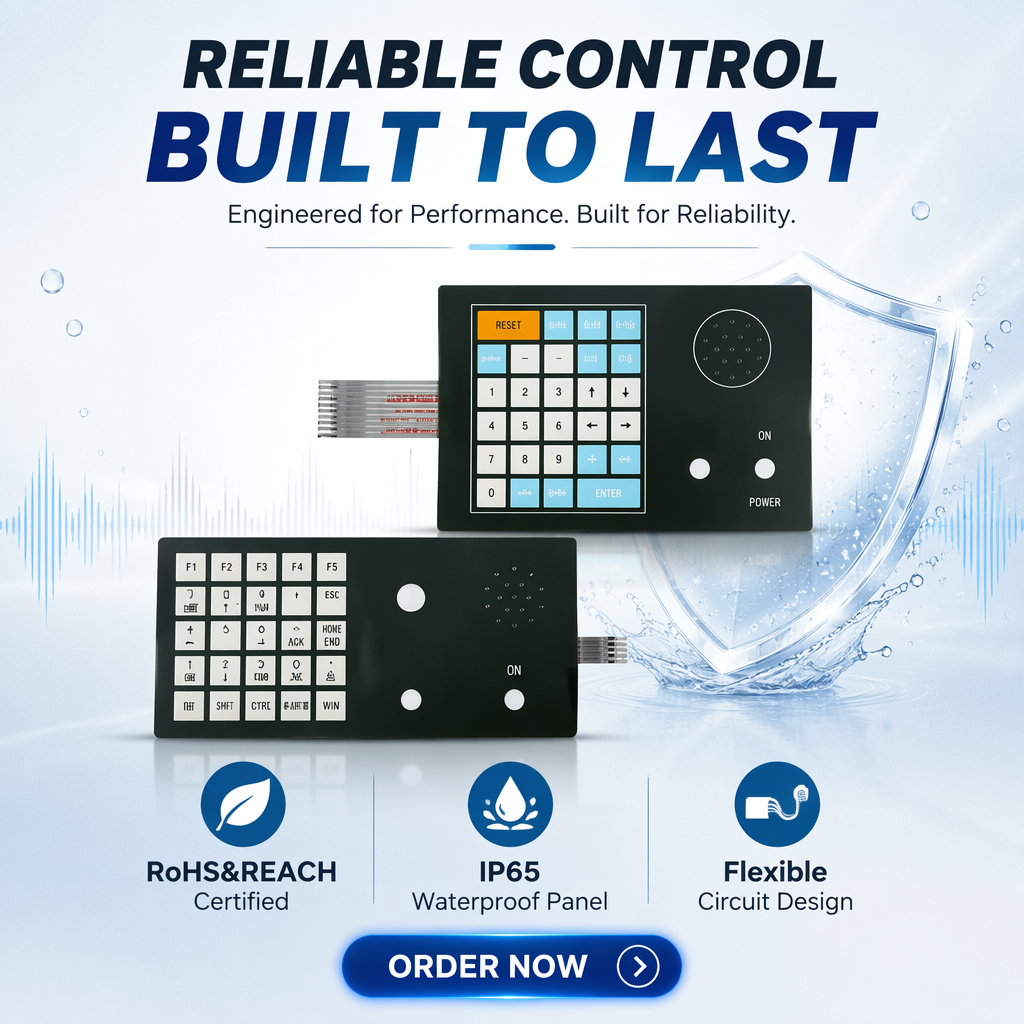
The Žilina region, situated at the core of the Váh River industrial corridor in northwestern Slovakia, has developed into one of Central Europe's most technologically dense industrial hubs. Supported by premier institutions like the University of Žilina (Žilinská univerzita v Žiline) and anchoring high-output tier-1 and tier-2 automotive manufacturing networks, local engineering departments require interface panels and graphic overlays that withstand relentless mechanical stresses. Machine builders across Predmestie, Bytčica, and the surrounding industrial belts of Kysucké Nové Mesto and Martin routinely subject Human-Machine Interfaces (HMIs) to heavy cycles of metal shavings, coolant aerosols, aggressive petroleum cleansers, and operator gloves laden with particulate grime.
Standard polycarbonate surfaces fail rapidly in these operating conditions, developing micro-crazing, display haze, and legend wear within months. TAVO solves this interface degradation challenge by engineering sub-surface printed graphic overlays laminated with optical-grade, pencil-hardness certified (3H to 9H) hardcoats. Utilizing premium biaxially oriented polyester (PET) and selectively hard-coated polycarbonate, our front panels maintain total optical clarity across integrated LCD/OLED display windows while shielding functional switch circuitry from corrosive cleaning chemicals (including isopropyl alcohol, cyclohexanone, hydraulic lubricants, and caustic degreasers).
Žilina’s robust automotive supply chain requires testing apparatus, ECU diagnostic benches, and robotic cell controllers that operate in oil-saturated assembly areas. Our overlays feature chemical-inert reverse printing and continuous anti-scratch barrier films to guarantee legible legends across high-cadence assembly operations.
Capitalizing on Žilina’s heritage as Slovakia’s key railway junction and rolling stock engineering center, our mechanical assemblies incorporate UV-resistant polycarbonate and aluminum backers. They easily resist vibration, vandalism, intense daylight degradation, and rigorous EN 45545 fire/smoke safety standards.
From local electrical switchgear manufacturers to advanced environmental sensing instrumentation, our IP67-sealed graphic assemblies feature perimeter gasket bonding with 3M 300LSE adhesive, keeping moisture and airborne particulate out of delicate electronic housings.
Sourcing teams and R&D managers in Žilina often face the classic design dilemma: selecting between optical-grade Polycarbonate (Lexan®) and Hardcoated Polyester (such as Autotex® or Melinex®). Slovak industrial operating environments experience wide seasonal temperature swings, ranging from continental winter drops below -20°C in unheated warehousing and field enclosures to elevated ambient heat inside manufacturing plants. Making the right structural film selection determines whether the interface withstands millions of duty cycles or suffers premature cracking and delamination.
| Evaluation Parameter | Standard Polycarbonate (PC) | Hardcoated Polycarbonate (HP92W/HP40) | Hardcoated Biaxially PET (Autotex F/V) |
|---|---|---|---|
| Scratch / Abrasion Resistance | Low (2B - HB pencil hardness) | High (≥ 3H pencil hardness) | Extreme (≥ 3H - 4H, Taber 500g > 100 cycles) |
| Flexural Fatigue Life | Moderate (~100,000 actuations) | Moderate (~250,000 actuations) | Superior (> 5,000,000 actuations) |
| Chemical Resistance (IPA, MEK) | Susceptible to stress cracking & clouding | Moderate barrier on hardcoated face | Impervious to almost all industrial solvents |
| Optical Window Transmission | > 91% (Optically clear) | > 89% (Water clear or selective gloss) | Selective tinting, requires gloss windowing |
| Embossing Retention at Sub-Zero | Moderate (Subject to cold-fracture) | Good (With thermal pre-forming) | Exceptional dome shape memory (-40°C to +85°C) |
For high-actuation keypads featuring metal tactile domes or rim-embossed button profiles, our engineering group recommends premium hard-coated polyester films. Where high-definition LED readouts, seven-segment numerical displays, or capacitive touch windows dominate the interface area, hardcoated polycarbonate provides optimal structural stiffness, heat deflection, and dimensional stability.
Clear engineering communication eliminates production rework and accelerates production lead times. Below are answers to technical and logistical questions commonly posed by procurement professionals in Žilina.
All raw substrates, conductive silver formulations, UV curing inks, spacer films, and adhesive transfer tapes (including 3M 467MP and 468MP) are certified free of SVHC substances under REACH Regulation (EC) No 1907/2006 and comply fully with EU RoHS 3 (Directive 2015/863). Full Declarations of Conformity and material SDS documentation accompany every production batch shipped to Slovakia.
Yes. We specialize in optically clear adhesive (OCA) lamination directly over display apertures. This technique eliminates internal air gaps between the graphic overlay window and the underlying LCD/TFT display, preventing condensation under humid plant conditions, boosting ambient contrast, and resisting yellowing caused by UV light.
Engineering prototypes and first-article samples are turned around within 7–10 working days following artwork and schematic sign-off. Bulk export shipments are dispatched via air express (DAP/DDP to Žilina typically within 4–6 transit days) or ocean consolidation (FOB, CFR, CIF Koper/Hamburg with road haulage to inland Slovak logistics dry ports).
We cross-reference every pigment against calibrated Pantone Matching System (PMS) and RAL design registers using X-Rite spectrophotometers under standard D65 illuminants. Color variance is kept within a tight ΔE < 1.0 margin. Repeat batch ink formulations are cataloged under digital recipes to prevent drift between production runs separated by months or years.
We accept native vector geometry files including DXF, DWG, STEP, vector PDF, Adobe Illustrator (.AI), and CorelDraw (.CDR). Our ten-person in-house CAD/CAM design department prepares complete layer stack-up blue-line production proofs—including pinout schematics, embossing profiles, and tail venting—for your review prior to cutting steel tooling.
We implement engineered perimeter gasket channel routing around all tactile domes and silver conductive traces. Using closed-cell acrylic bonding tapes and vented air-channel routing back through the connector tail into dry internal cabinet enclosures, our panels comfortably achieve IP65, IP66, and complete IP67 dust/water immersion ratings.
Originating in 1990, TAVO Electronic Information Technology Co., Ltd. has grown from a specialized screen-printing workshop into a high-technology industrial HMI design and manufacturing center. Spanning two dedicated production centers located in the Robot Industry Port of Xianghe (Hebei) and Huizhou (Guangdong), our production infrastructure covers over 2,219 square meters of verified clean-room floor space staffed by 111 experienced manufacturing professionals.
Unlike export trading intermediaries, every production phase—from precision film plotting, high-density screen printing (37 automated silkscreen printers), high-resolution Mimaki digital UV printing, hydraulic dome embossing, and automated laser kiss-cutting to final continuity and contact resistance verification—is contained entirely within our facilities. A long-standing technical collaboration with a premier German membrane switch manufacturer continues to enrich our quality management system, aligning our production tolerance with ISO 9001 and exacting Western European industrial benchmarks.
No outsourced operations. Retaining total ownership of CNC tooling, color formulation, and die-cutting ensures proprietary designs remain strictly confidential under bilateral non-disclosure agreements.
Onsite verified by Intertek. Our testing facilities include button lifecycle testers, programmable thermal/humidity test chambers, xenon arc weatherometers, and salt-fog chambers to prevent field failures.
We eliminate typical barrier MOQs. Slovak engineering departments can iterate low-volume pilot builds, proof-of-concept prototypes, and bridge production runs without excessive upfront tooling commitments.
Our custom membrane assemblies and graphic panels are integrated into demanding industrial infrastructure by global leaders including Siemens, ABB, and Haier, as well as high-speed locomotive cab control suites.
As manufacturing hubs across the Žilina and Považie corridors continue their modernization under European Industry 4.0 standards, industrial control interfaces are undergoing three significant technological transitions:
1. Shift Toward Hybrid Capacitive-Tactile Interfaces: While traditional mechanical pushbuttons continue to be replaced by capacitive touch sensors, operators working in harsh factory environments still demand unambiguous tactile feedback when wearing protective gloves. TAVO is pioneering the convergence of dead-front scratch-resistant overlays with embedded capacitive touch slider sensors paired with micro-tactile snap domes, combining sleek surface aesthetics with definite haptic confirmation.
2. Integration of LGF (Light Guide Film) Uniform Backlighting: Point-source LED hotspots are no longer acceptable on high-end instrumentation. Central European OEMs are shifting to ultra-thin (0.125mm) Light Guide Film (LGF) layers that redirect light from side-firing SMT LEDs evenly across complex symbols and text legends. This provides clean, balanced nocturnal visibility while consuming a fraction of the power required by legacy EL (electroluminescent) lamps.
3. Copper Flex Circuitry (FPC) Displacing Screened Silver: With control panels hosting tighter component spaces and higher pin counts, high-density flexible printed circuits (FPC) with polyimide basefilms and etched copper conductors are quickly becoming the industry standard. FPC structures deliver trace resistance under 1 Ω (compared to 50–150 Ω for printed silver inks) and allow direct surface-mount soldering of miniature microcontrollers, resistors, and bi-color LEDs directly inside the membrane switch stack.
Connect directly with our senior application engineers. Whether you require custom material sample swatches (3H-9H hardcoated PET/PC), structural DFM feedback, or an urgent production quotation, we stand ready to support your next project cycle.
Get Catalog