Featured Screen Printed Circuits & Membrane Interface Assemblies
Precision printed conductive silver/carbon tracks, hermetically sealed PET/PC overlays, and flexible flat interconnects built to MIL-STD, IPC, and ISO 9001 standards for Mexican maquiladora integration.
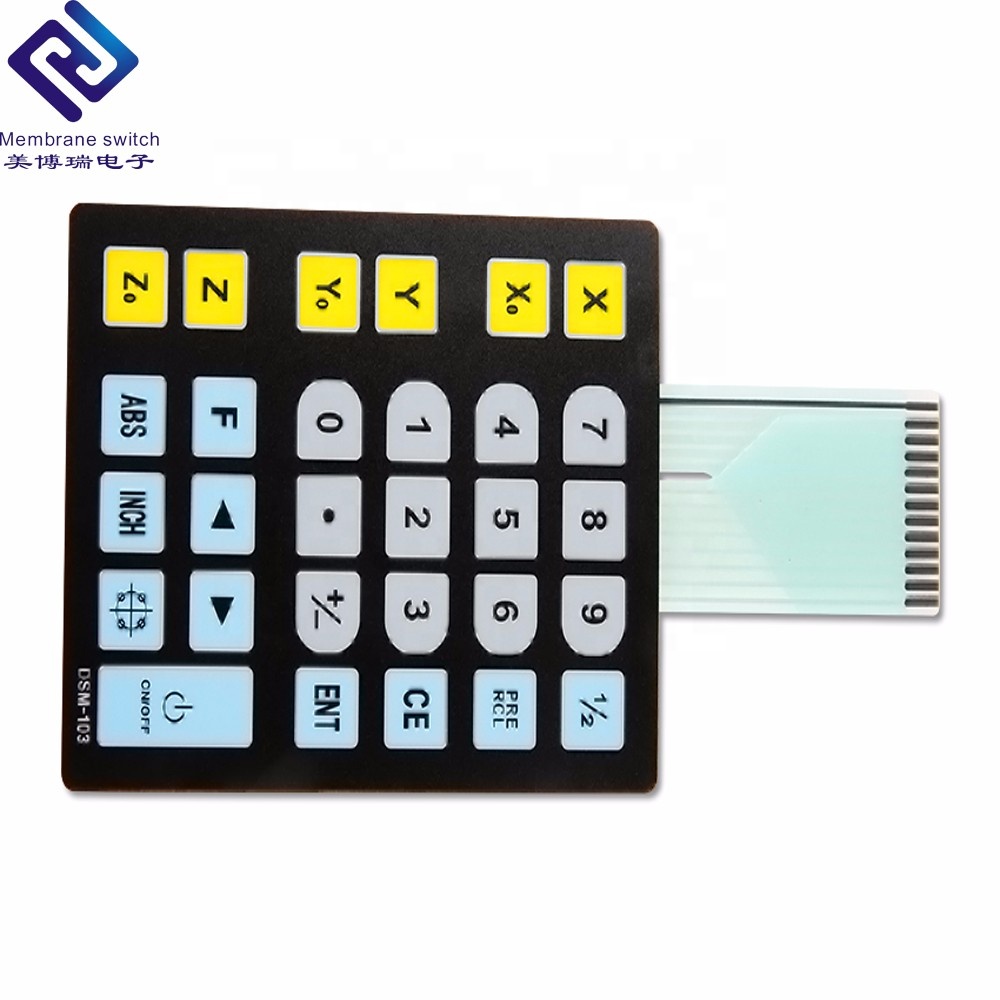
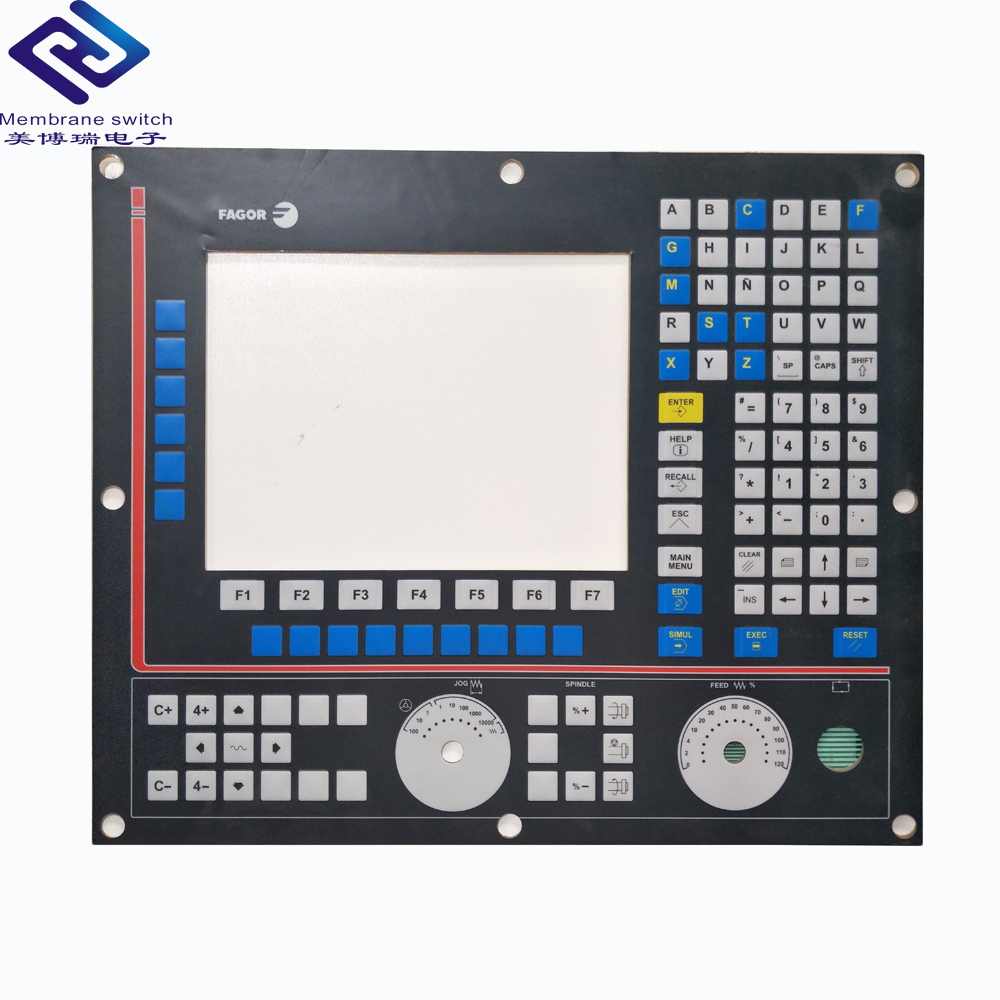
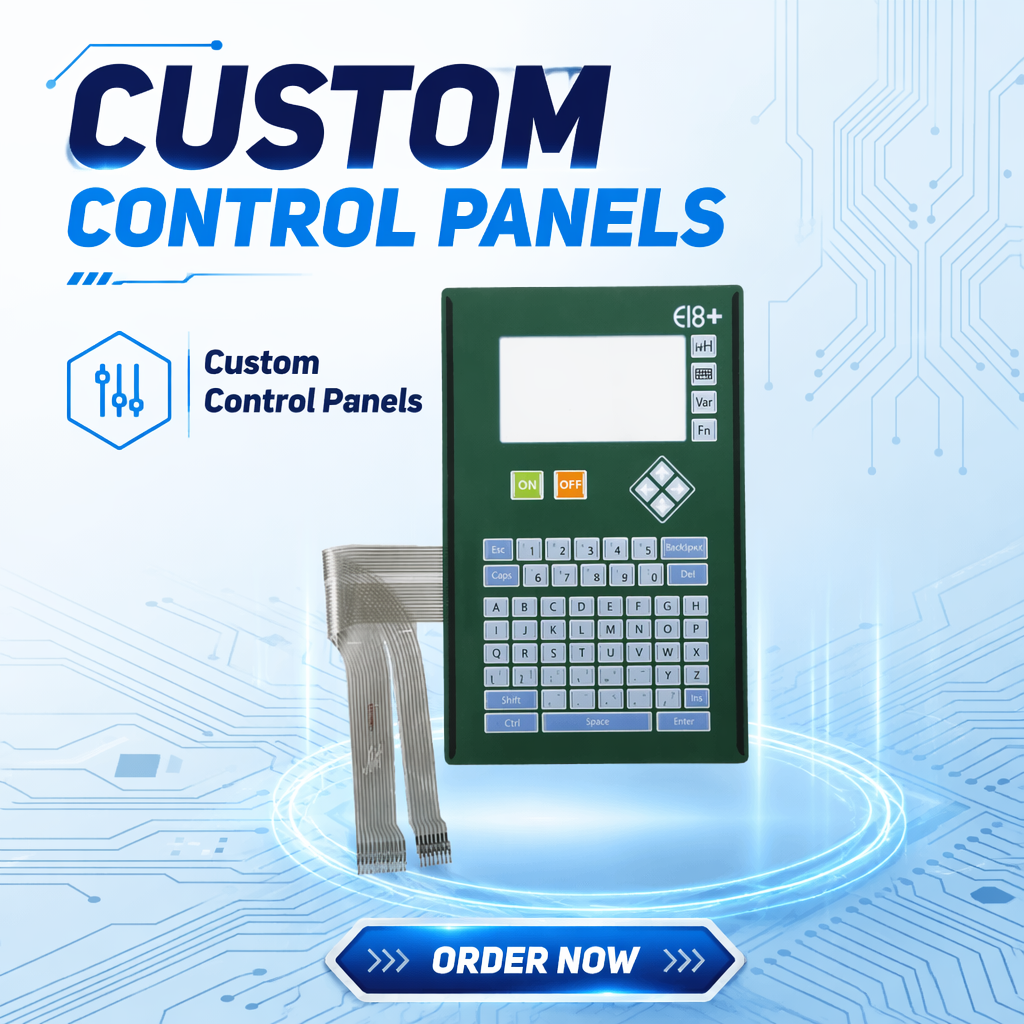
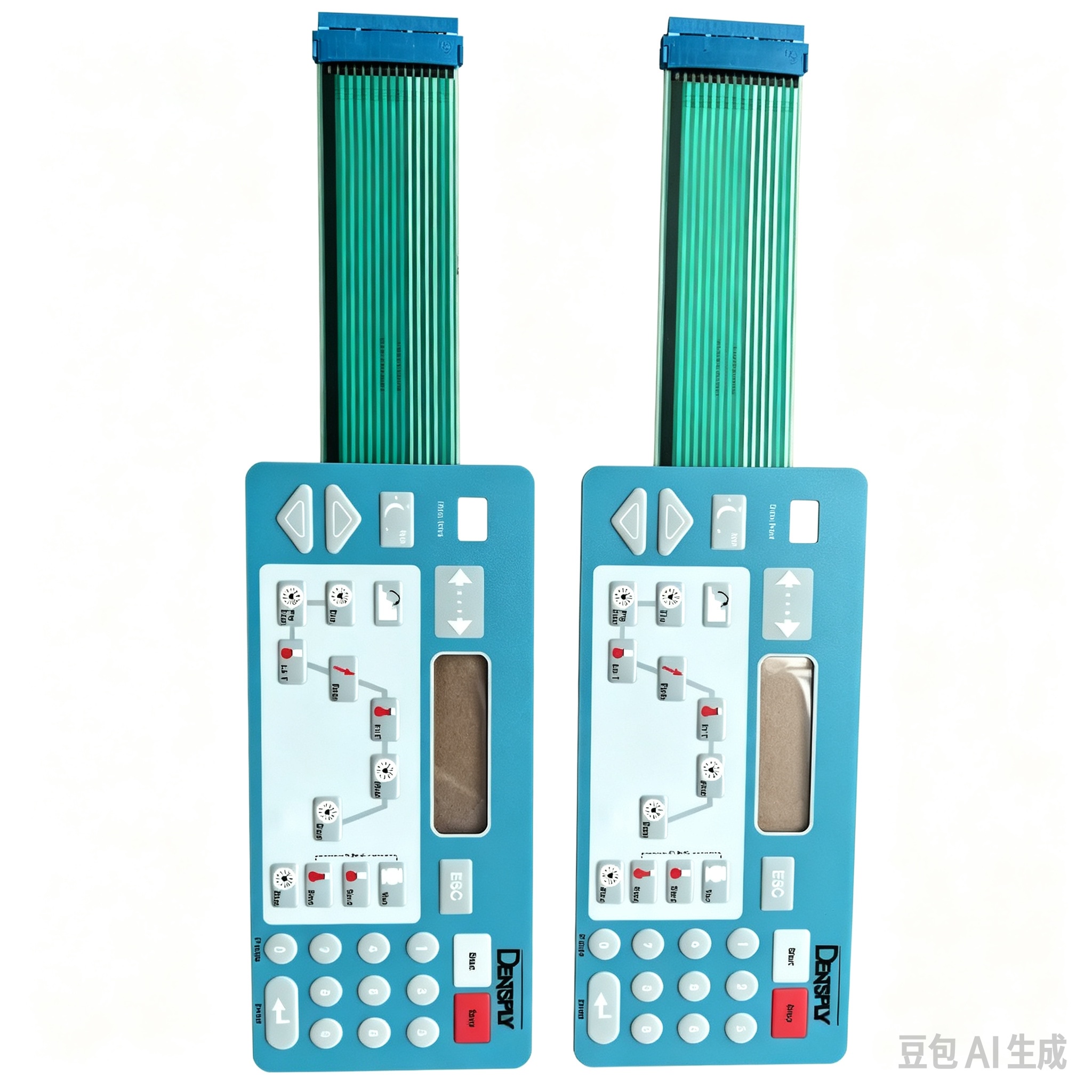
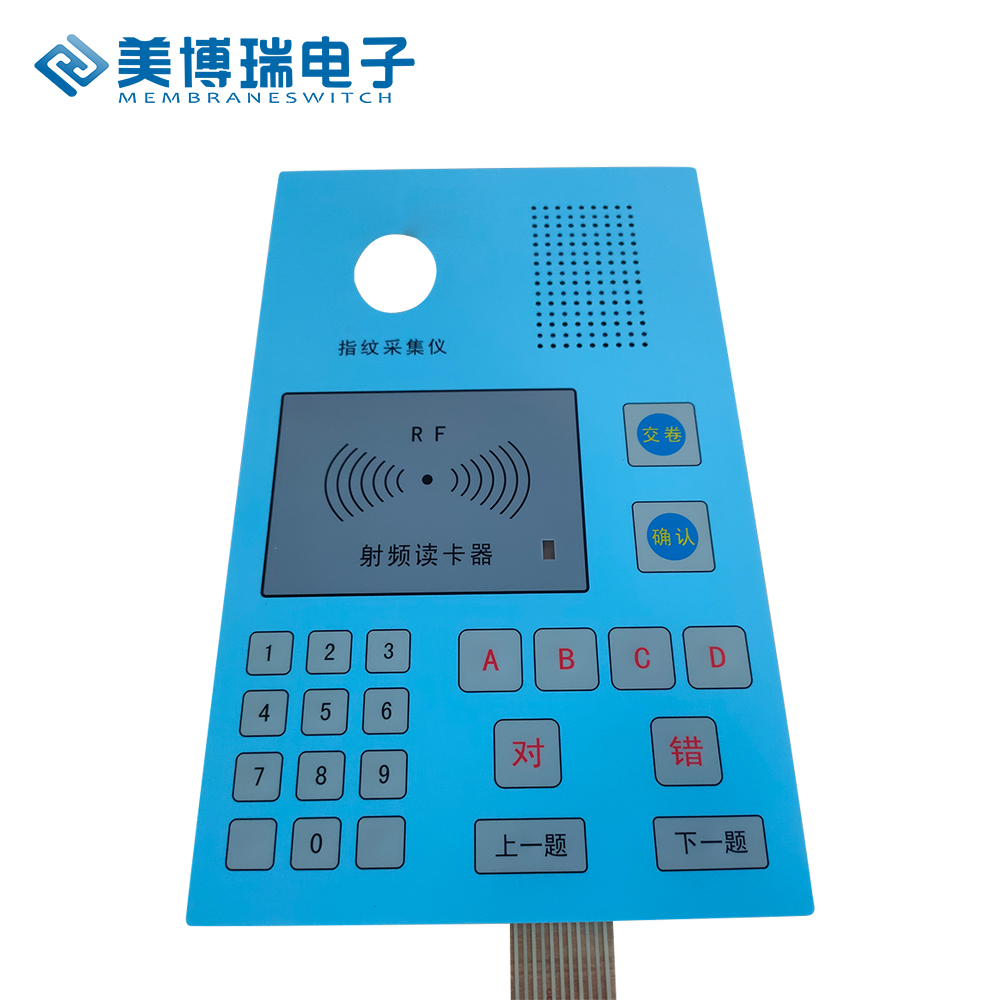
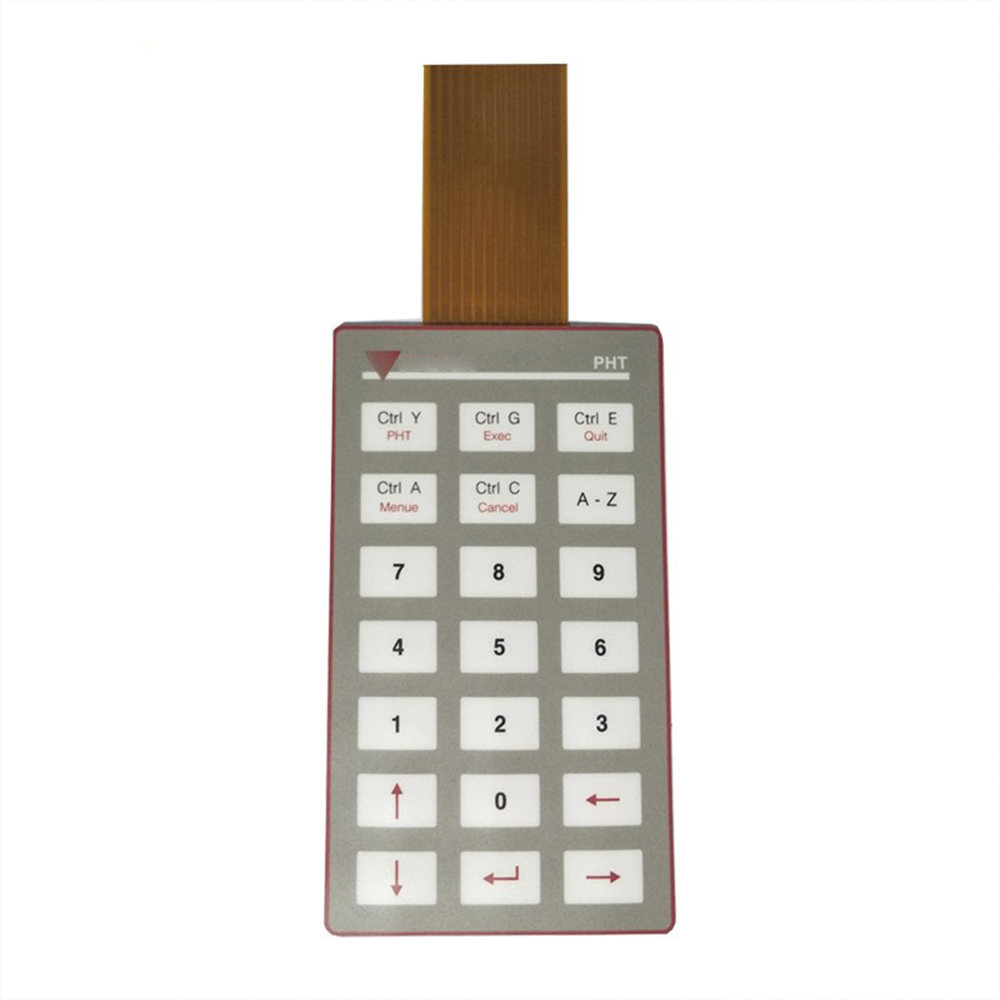
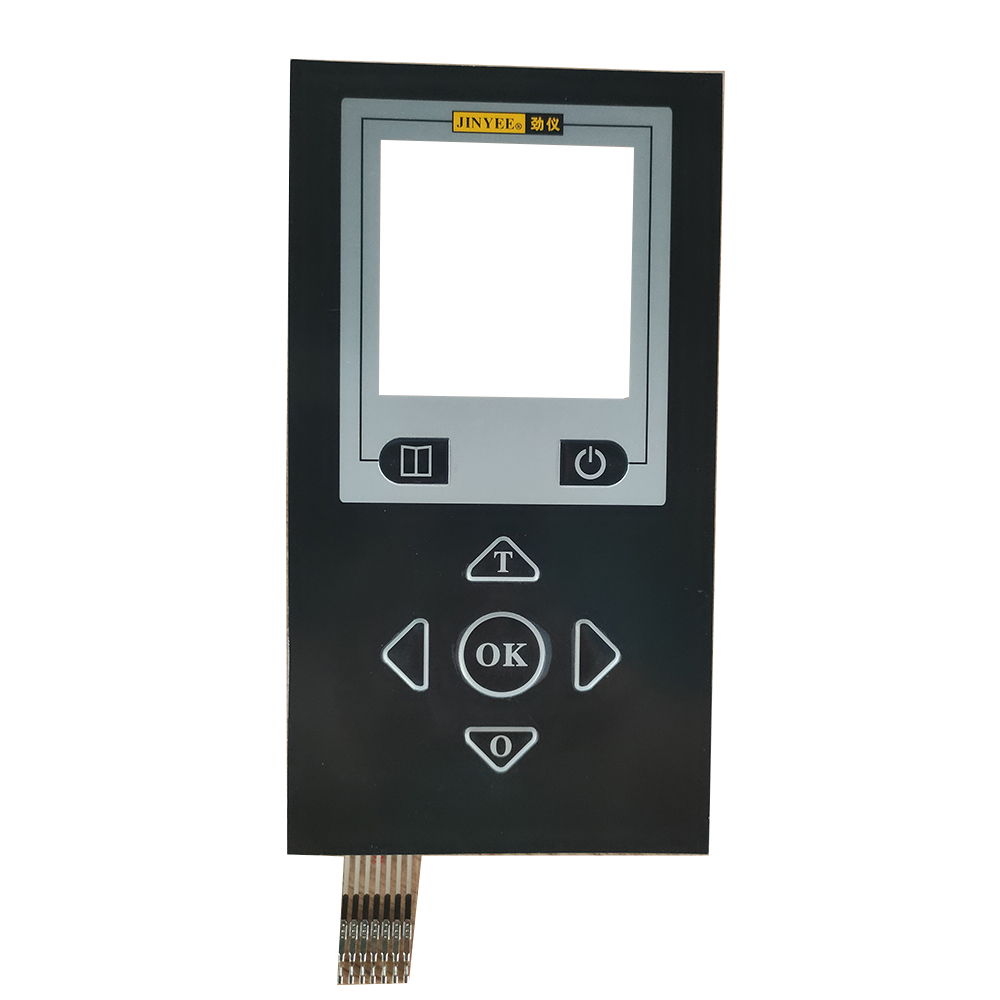
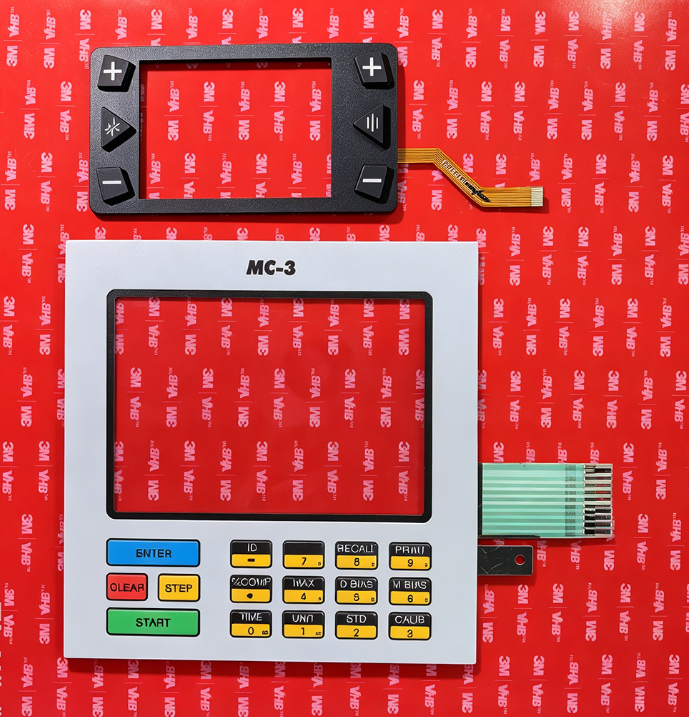
Screen Printed Circuit Applications in Mexican High-Tech Corridors
As Mexico cements its position as North America's premier nearshoring powerhouse, our screen-printed circuits and functional membrane layers directly serve Tier-1 and Tier-2 manufacturing clusters across the Republic.
El Bajío Automotive Corridor
Guanajuato, Querétaro, Aguascalientes, San Luis PotosíWithin Mexico's automotive heartland, screen printed flexible circuits have largely replaced heavy, labor-intensive wiring harnesses. Operating in Tier-1 assembly plants supplying OEMs (such as GM Silao, BMW San Luis Potosí, and Nissan Aguascalientes), our silver polymer thick-film (PTF) circuits serve as the underlying nervous system for:
- Capacitive steering wheel controls with integrated tactile haptic feedback.
- Seat occupancy detection sensor matrices printed onto flexible heat-resistant polyester.
- In-dash climate control interfaces with back-printed graphic anti-glare polycarbonate overlays.
- Low-profile ambient lighting bus circuits combined with Light Guide Films (LGF).
Baja California Medical Device Hub
Tijuana, Mexicali & San Diego Mega-RegionTijuana hosts the largest concentration of medical device manufacturing facilities in North America. Medical instrumentation demands uncompromising cleanliness, chemical tolerance, and electrical reliability. Our screen printed membrane circuits and front panels are integrated into:
- Hemodialysis control units and surgical infusion pumps requiring IP67 hermetic barrier seals.
- Autoclave-tolerant and chemical-wipe resistant diagnostic interfaces (stable against Bleach, Isopropyl Alcohol, and Quaternary Ammonium disinfectants).
- Single-use disposable biosensors featuring micro-screen-printed carbon/Ag-AgCl electrodes for in-vitro diagnostics.
- Patient vitals monitoring consoles equipped with anti-microbial textured polyester surfaces.
Northern Border IMMEX Heavy Electronics
Ciudad Juárez, Monterrey & ReynosaDominating contract electronics and white-goods production, plants along the US-Mexico border require mass-scalable, ruggedized control panels. From major home appliance assembly lines (Whirlpool, Mabe) to industrial factory automation equipment, our screen printed circuits provide:
- Heavy-duty CNC milling machine control consoles with high tactile ratio stainless steel domes.
- Industrial HVAC refrigeration controllers immune to condensation through sealed perimeter venting.
- Industrial power distribution and inverter faceplates engineered with full EMI/RFI aluminum shielding.
- Commercial laundry touchpads with integrated surface-mount LED indicators.
Nearshoring Dynamics & The Evolution of Printed Electronics in Mexico
An in-depth perspective on the technical transformations driving supply chain realignments between Asian manufacturing capabilities and Mexican maquiladora facilities under USMCA frameworks.
The USMCA Push for Lightweighting and Integrated HMI Architectures
Under the United States-Mexico-Canada Agreement (USMCA), regional value content (RVC) rules have forced electronic systems integrators and automotive OEMs in Mexico to optimize their sub-tier bills of materials. Traditional rigid printed circuit boards (FR-4) combined with mechanical push-buttons are bulky, heavy, and susceptible to oxidation under vibration.
In response, procurement engineers from Monterrey to Guadalajara are actively migrating toward screen printed flexible circuits (Polymer Thick Film - PTF). These systems reduce total human-machine interface stack-up thickness to less than 1.2mm, shave up to 70% of assembly weight, and reduce component count by consolidating graphic labeling, functional switching, backlighting, and interconnecting ribbon cables into a single laminated assembly.
Furthermore, the nearshoring wave has dramatically curtailed allowable lead times. Mexican maquiladoras can no longer tolerate 16-week delivery cycles for custom switch assemblies. By operating specialized rapid tooling centers and high-speed automated screen printing lines, TAVO bridges the geographic gap—providing high-volume manufacturing throughput with precision turnarounds that sync with Mexican just-in-time (JIT) production lines.
Comparative Engineering Efficiency
Why Mexican OEMs are swapping traditional mechanical switchboards for screen-printed flexible circuits:
| Design Factor | Rigid PCB + Switch | Screen Printed Circuit |
|---|---|---|
| Total Thickness | 15.0 - 25.0 mm | 0.8 - 1.5 mm |
| Moisture Ingress | Gasket failure prone | IP67 Sealed Membrane |
| Weight Profile | High (Copper/FR4) | Ultra-light (PET/Ag) |
| Tactile Life | ~500,000 cycles | 1,000,000 to 5,000,000 |
| Vibration Immunity | Solder fatigue risk | Inherently flexible |
Material Science, Conductive Inks & Stack-Up Anatomy
Every screen printed circuit engineered for export to Mexico is configured to survive thermal cycling, environmental degradation, and millions of actuations.
Substrates & Graphic Overlays
Choosing the correct polymer base is paramount for long-term dielectric stability:
- Autotype MacDermid Autoflex EBG/EBA PET: Biaxially oriented polyester designed for exceptional switch life exceeding 5 million flexes. Inherent resistance to harsh industrial solvents, fuels, and household chemicals.
- SABIC Lexan Polycarbonate: Premium optical clarity with UL94 V-2 or V-0 flame ratings. Ideal for display windows and deep-embossed tactile graphic surfaces.
- DuPont Kapton Polyimide (PI): Utilized for high-temperature applications or hybrid FPC circuits requiring direct reflow soldering of active surface-mount components.
Conductive Ink Metallurgy
Electrical integrity relies on formulation chemistry and curing kinetics:
- Micro-Flake Silver Paste: Formulated with ultra-fine silver particles suspended in thermoplastic resins. Cured in multi-stage convection ovens to ensure minimum sheet resistivity (<0.05 Ω/sq/mil).
- Carbon Blending & Over-Printing: Carbon ink protective caps applied over silver contact fingers to prevent electrochemical migration (silver dendritic growth) under high DC bias and humidity.
- UV Curable Dielectrics: Multi-layer crossover insulation tested to withstand dielectric breakdown voltages exceeding 500V DC at intersection points.
Environmental Sealing (IP65 - IP67)
Protecting internal switch contacts from Mexican coastal humidity and dust ingress:
- Internal Breathing Channels: Interconnected air reservoirs equalizing atmospheric pressure differentials without exposing sensitive circuit traces to ambient air.
- Closed-Cell Acrylic Adhesives: Precision laser-cut 3M 200MP / 300LSE adhesive gaskets forming uninterrupted hermetic outer barriers around all key matrices.
- Integral Tail Potting: UV elastomeric sealant applied at the tail exit junction to eliminate micro-capillary fluid creep along connector paths.
Standard 6-Layer Tactile Screen-Printed Circuit Stack-Up
Precision layer orientation utilized across our industrial and telecommunication assemblies:
| Layer Level | Component Layer | Material Specification | Functional Contribution |
|---|---|---|---|
| Layer 1 (Top) | Graphic Overlay | 0.175mm Matte Hard-Coated PET (Autotex) | Scratch-resistant front surface, reverse silkscreen or UV digital print, window lens. |
| Layer 2 | Overlay Adhesive | 0.05mm - 0.125mm 3M 467MP Transfer Film | Bonds the decorative graphic overlay permanently to the underlying dome circuit spacer. |
| Layer 3 | Tactile Actuation | Nickel-plated / Gold-plated Stainless Steel Domes | Provides positive sensory tactile snap (250g - 450g actuation force), bridging circuit gap. |
| Layer 4 | Spacer / Retainer | 0.125mm - 0.20mm Polyester Die-Cut Sheet | Houses the metal domes in localized cavities, preventing lateral movement during actuation. |
| Layer 5 | Conductive Circuit | 0.10mm - 0.125mm Heat-Stabilized PET + Silver Ink | Precision screen printed conductive silver and carbon traces carrying low-voltage logic signals. |
| Layer 6 (Base) | Rear Mounting Adhesive | 0.13mm 3M 468MP or 3M 300LSE LSE Film | Secures the final composite switch assembly to aluminum enclosures, plastic bezels, or rigid FR4 backers. |
Why Global OEMs & Mexican Assembly Facilities Choose TAVO
Over three decades of concentrated research, dual-plant processing redundancy, and European engineering technical partnerships guarantee enterprise-grade supply security.
A Heritage of Precision Since 1990: TAVO Electronic Information Technology Co., Ltd. has dedicated over 30 years to a single specialization: the research, precision printing, and automated laminating of human-machine interface components. Rather than acting as a trading intermediary, we operate complete vertical manufacturing control.
Dual-Facility Operational Redundancy: Our main manufacturing plant is situated in the Langfang Robot Industry Port within the Xianghe Economic and Technological Development Zone, complemented by our secondary volume production center in Huizhou, Guangdong. This dual-base footprint allows agile workload distribution, shielding export buyers from localized power constraints, material backlogs, or capacity spikes.
German Technical Partnership: In collaboration with our technical partners in Germany, our production floor benefits from shared tool engineering standards, strict European process tolerances, and automated continuity validation equipment.
- Verified Workforce: 111+ verified personnel on-site, including 30+ senior engineers with over 15 years in printed electronics.
- Extensive Tooling Fleet: 60 CNC mold-making machining centers, 37 precision silkscreen printers, 4 Mimaki heat-setting digital UV printers, and 18 laser die-cutters.
- Intertek Verified ISO 9001: Fully audited quality management system governing end-to-end incoming raw material inspection (IQC) through final automated optical inspection (AOI).
In-House Reliability Testing Laboratory
Before any screen printed circuit or membrane switch lot is released for export to North America, samples undergo rigorous validation testing in our on-site environmental lab:
Frequently Asked Questions by Mexican Purchasing & Sourcing Teams
Addressing critical questions regarding IMMEX operations, USMCA compliance, customs clearances, prototyping schedules, and engineering deliverables.
► How do you ship into Mexico under the IMMEX / Maquiladora regime?
We routinely supply companies operating under the IMMEX program. Shipments can be consigned directly to your Mexican manufacturing plant (e.g., via Mexico City AICM, Guadalajara GDL, or Monterrey MTY international airports) or routed through US freight-forwarding hubs along the border (such as Laredo, McAllen, San Diego, or El Paso) for formal virtual customs operations (Pedimento V1/A1). We provide all necessary commercial invoices, packing lists with net/gross kilograms, certificates of origin, and explicit Harmonized Tariff Schedule (HTS) codes.
► What are the primary HTS classifications for screen printed circuits?
Screen printed flexible circuits, membrane switch panels, and graphic overlays are commonly classified under HTS Code 8537.10 (Boards, panels, consoles, desks, cabinets and other bases, equipped with two or more apparatus of heading 85.35 or 85.36, for electric control, for a voltage not exceeding 1,000 V) or HTS Code 8534.00 (Printed circuits). We confirm classification with your customs broker (Agente Aduanal) prior to export to eliminate border clearance delays.
► What CAD files and engineering specifications are required to begin tooling?
To generate production drawings and film phototools, we require: (1) Vector graphic artwork in Adobe Illustrator (.AI), CorelDraw (.CDR), or vector .PDF format with defined Pantone / RAL color callouts; (2) Mechanical dimensional drawings in AutoCAD (.DXF or .DWG) indicating cutouts, embossed keys, and adhesive borders; (3) Schematic electrical diagram detailing switch pin-outs, trace resistance limits, LED polarities, and connector specifications (FCI, Nicomatic, ZIF pitch). Our engineering team turns around detailed DFM (Design for Manufacturability) production proofs within 48 hours.
► Can you accommodate small pilot batches and rapid prototyping for NPI?
Yes. During New Product Introduction (NPI) phases, we utilize precision digital UV flatbed printing and plotter/laser die-cutting to create functional prototype assemblies in quantities as low as 10 to 50 pieces without requiring hard steel tooling. This allows Mexican R&D engineering teams in Guadalajara or Querétaro to validate mechanical form-factor, tactile snap ratio, and electrical continuity before releasing investments for hard punch tooling.
► How do screen printed circuits tolerate Mexico's regional climatic extremes?
Mexico's geography encompasses severe environmental variance—from the intense dry heat of the Sonoran Desert in Mexicali and Hermosillo to high relative humidity in coastal plants like Veracruz or Tamaulipas. We formulate our silver conductive traces with specialized polymer resins that resist thermal embrittlement, and we apply protective carbon encapsulation over contact fingers to eliminate silver migration induced by humidity and electrical bias.
► What Incoterms and international settlement methods do you support?
We accommodate standard Incoterms 2020 including FOB (Shenzhen/Shanghai/Hong Kong), CIF (Manzanillo, Altamira, or Veracruz), CFR, and DAP/DDP direct to your plant warehouse. Accepted currencies include USD and EUR, structured through Telegraphic Transfer (T/T), irrevocable Letters of Credit (L/C at sight), or structured payment terms for long-term supply contract partners following credit review.
Ready to Streamline Your Printed Circuit Supply Chain for Mexico?
Submit your engineering specifications, CAD mechanical drawings, or electrical pin-out requirements. Our senior technical team will deliver a comprehensive DFM manufacturability evaluation, layer stack-up proposal, and formal export quotation within 24 business hours.