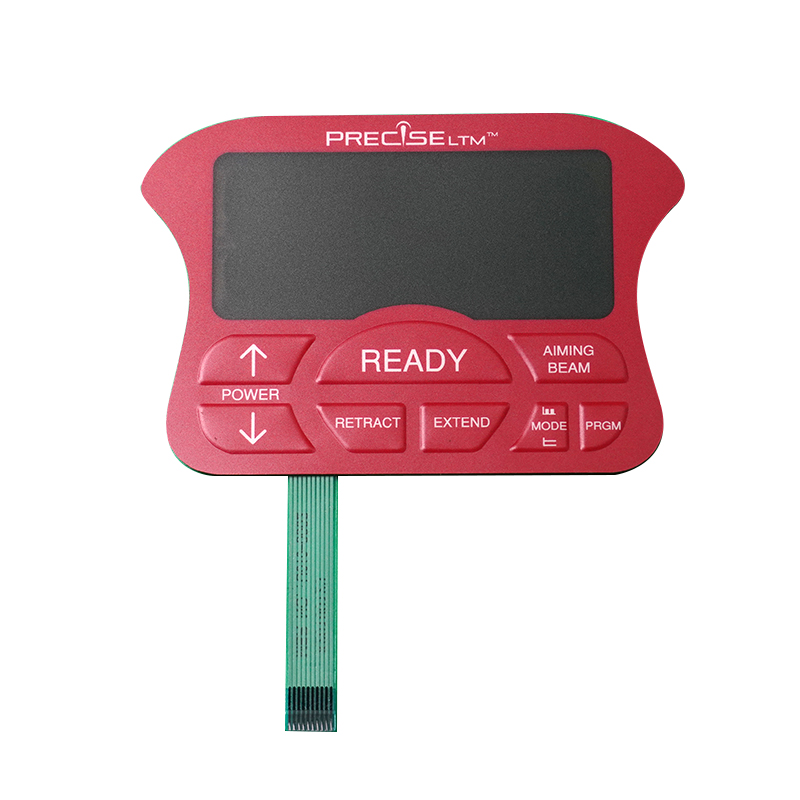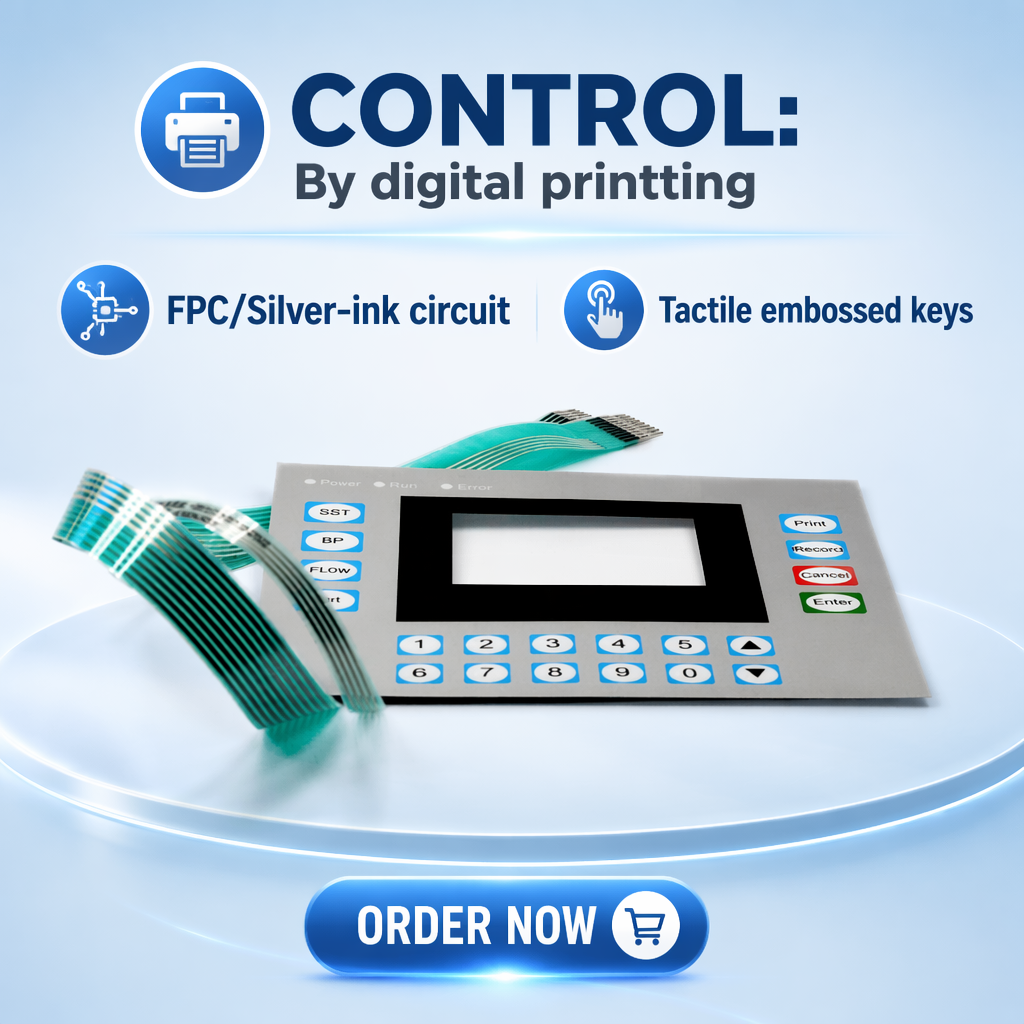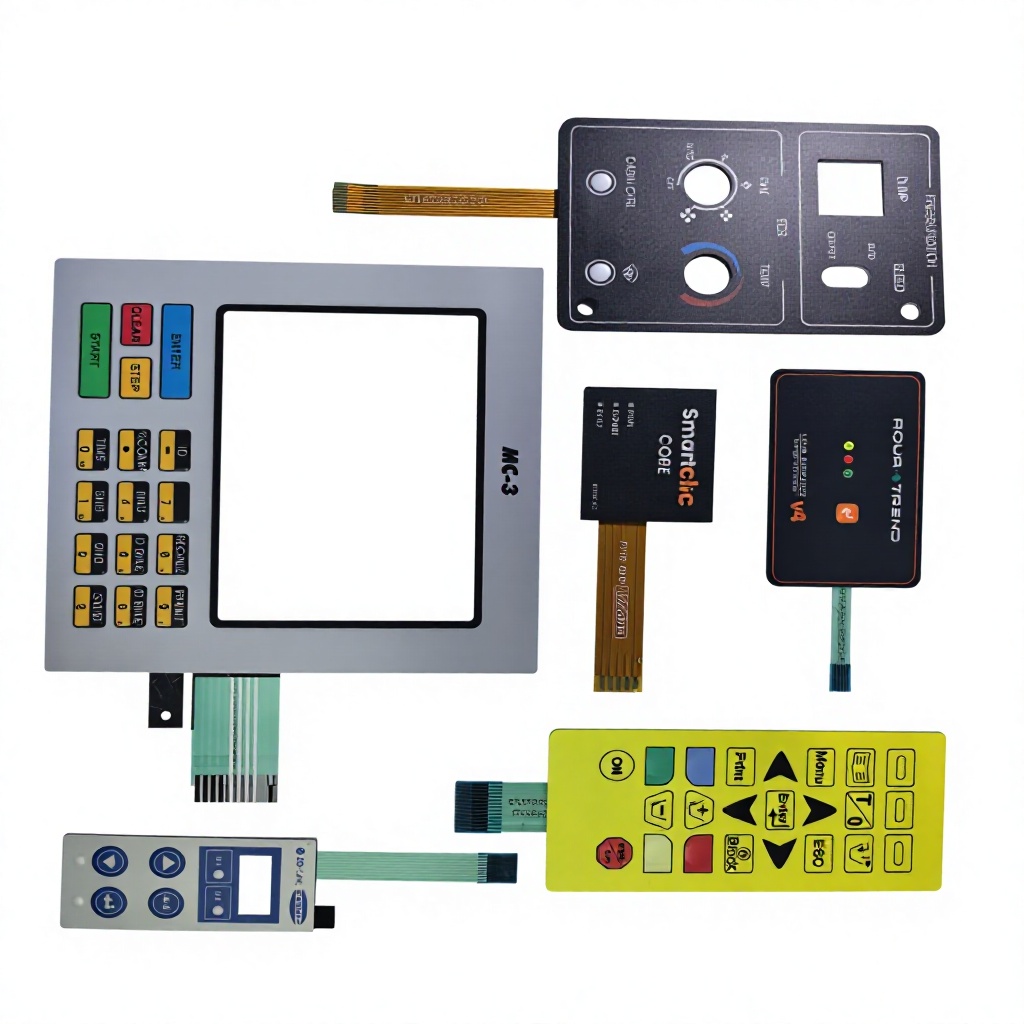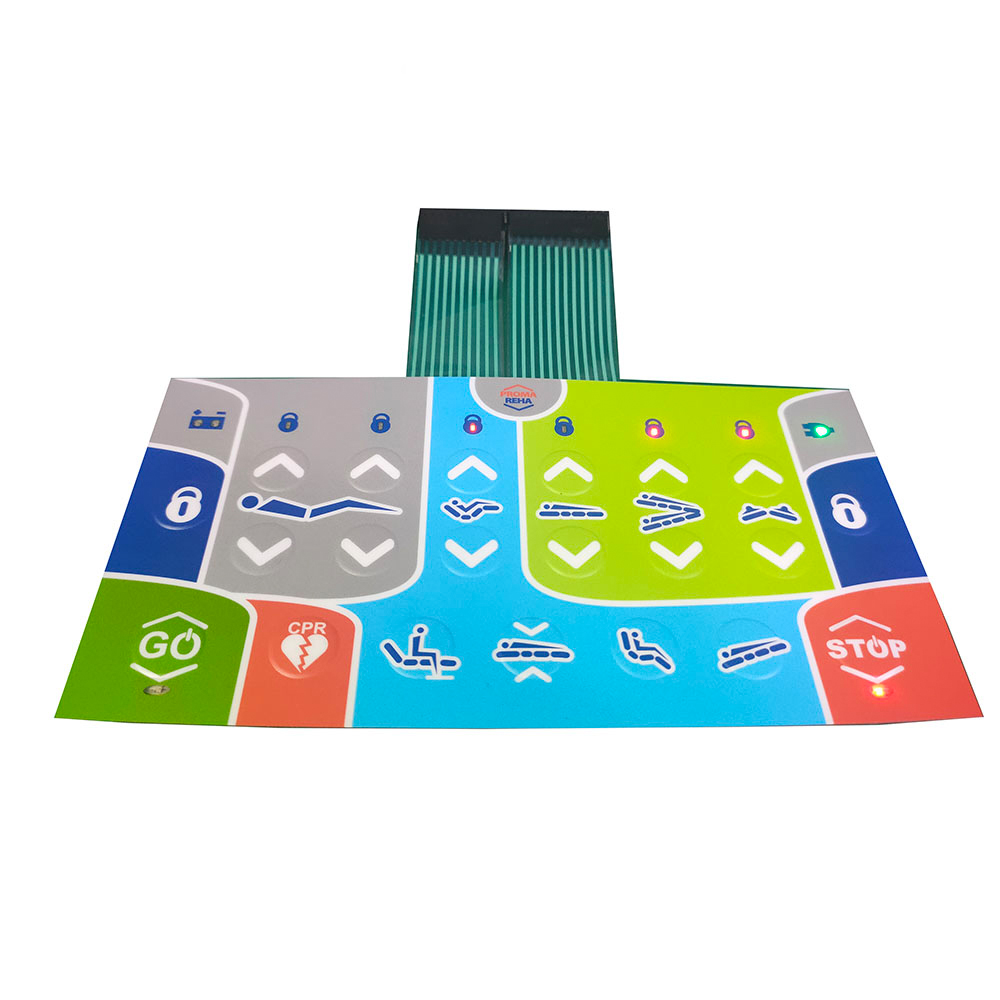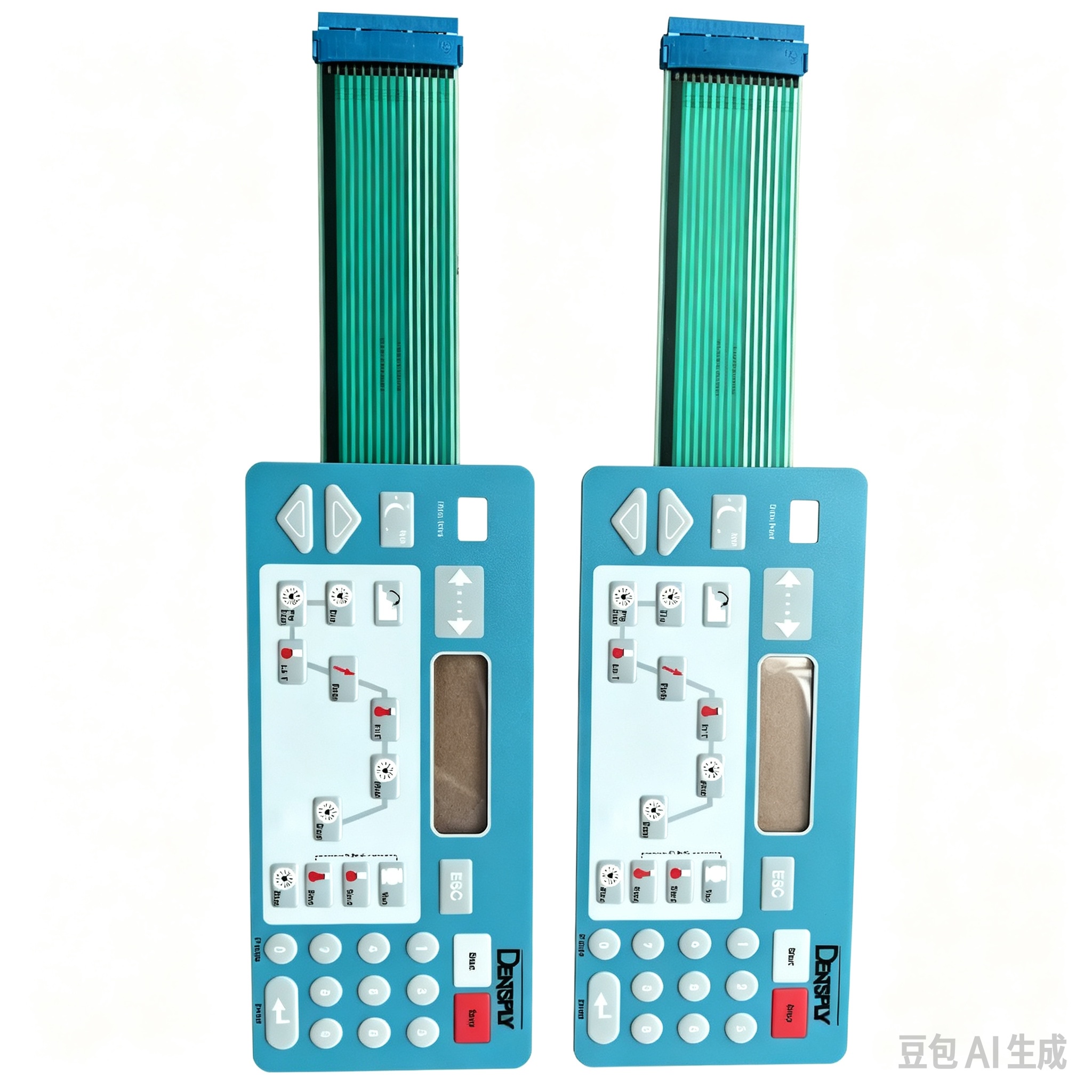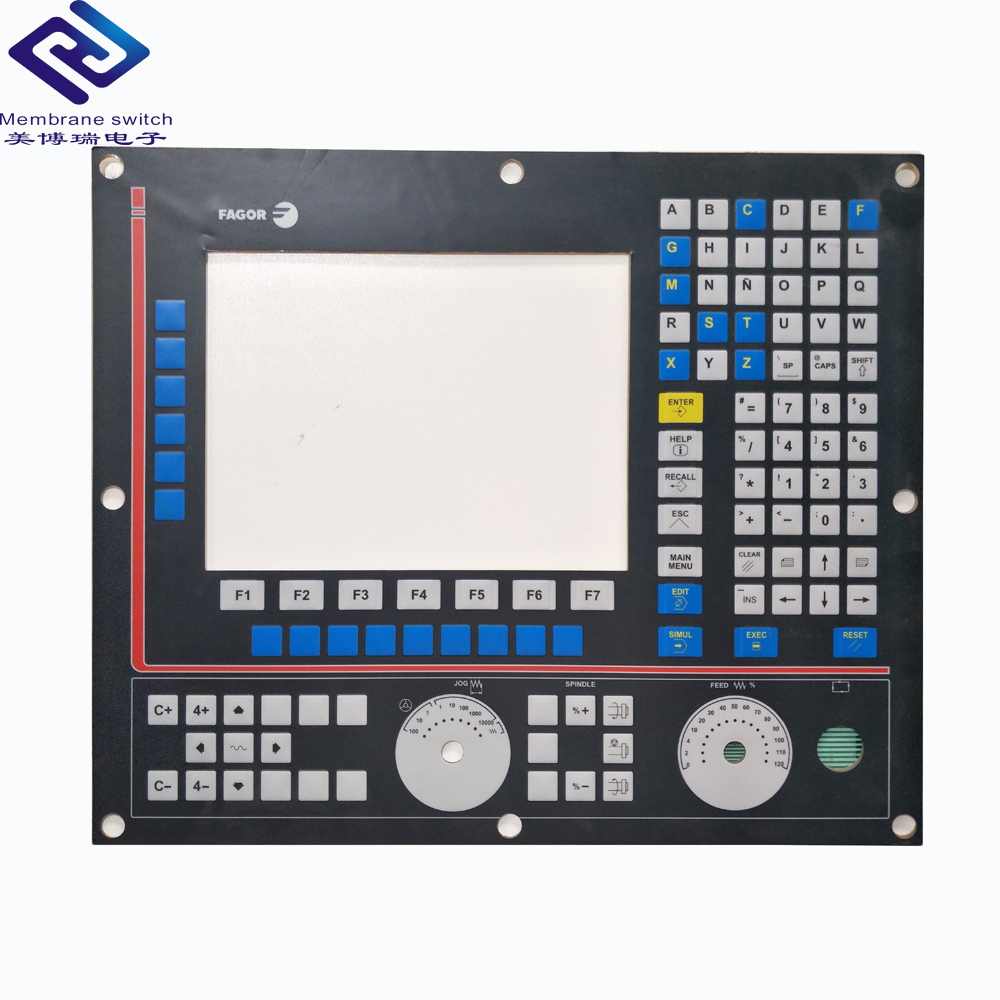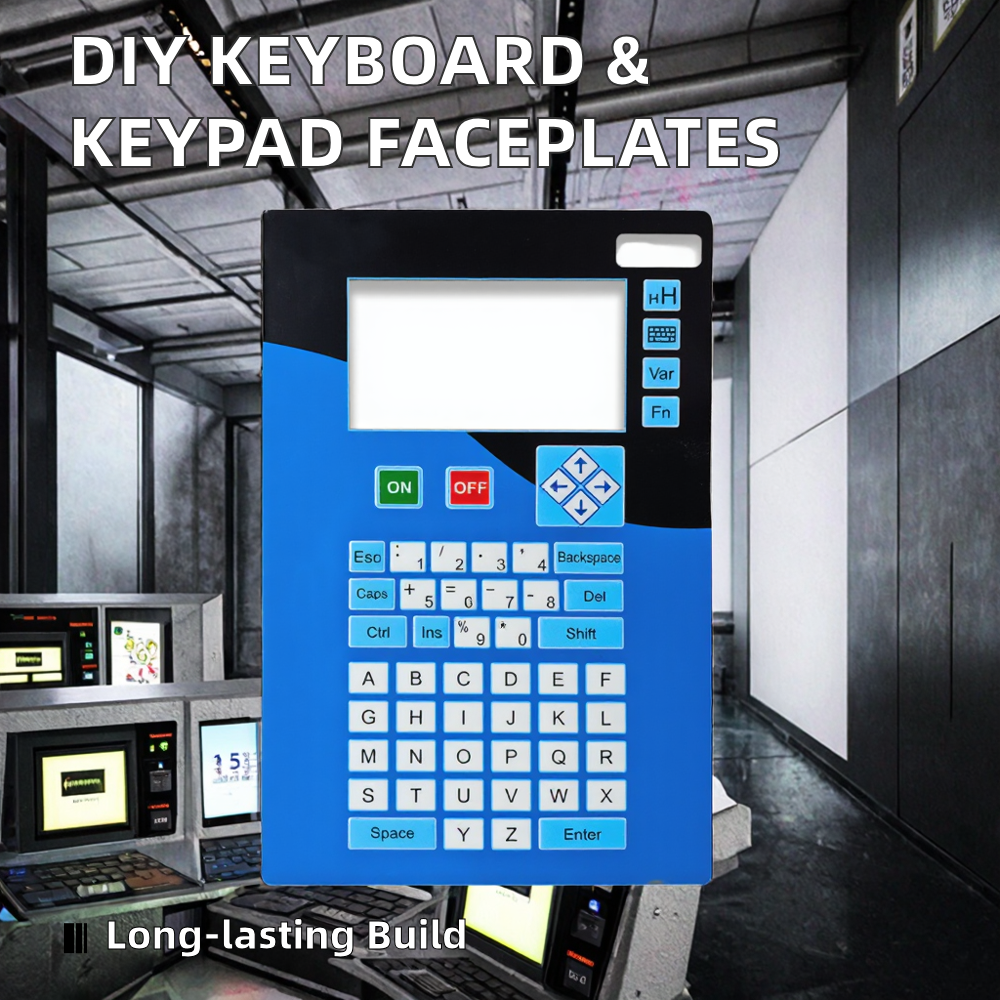
Custom fabricated to rigorous IPC-A-610 Class 2/3 and ISO 9001:2015 engineering standards with guaranteed traceability for European system integrators.
A technical examination of how thick-film screen printed circuits replace bulky wiring harnesses and fragile standard PCBs across advanced commercial, transit, and architectural infrastructures.
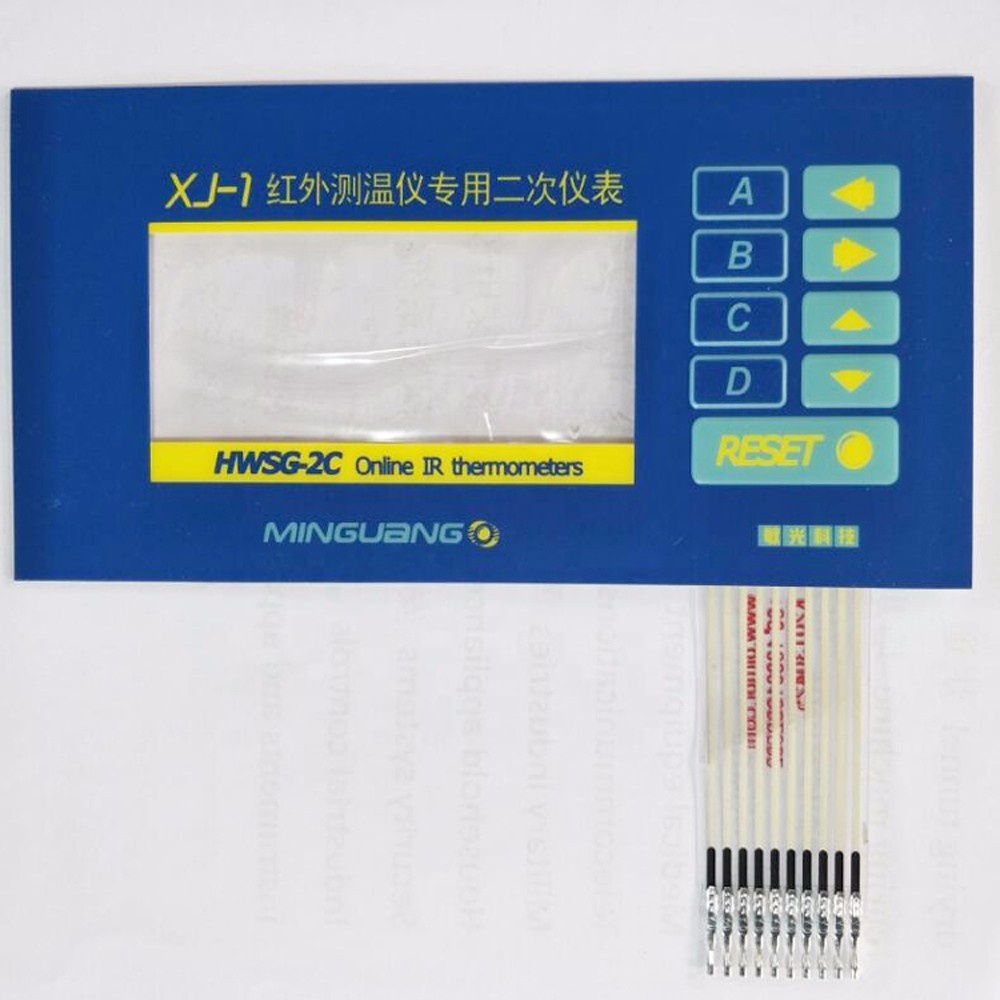
Within Central London and West End commercial developments, modern retrofits demand ultra-thin, low-profile environmental interface control panels. Screen printed capacitive sensor arrays printed directly on thin optical-grade PET serve as flush-mounted architectural wall interfaces, managing HVAC, tunable LED lighting, and room occupancy sensors.
Thermal Resistance: -20°C to +85°CExported circuits designed for clinical environments and NHS healthcare instrumentation suppliers. Utilizing silver conductor traces insulated with UV-curable polymer dielectric barriers, our membrane keyboards withstand harsh, routine surface sterilization using isopropyl alcohol, quaternary ammonium compounds, and sodium hypochlorite wipes without ink migration.
IP67 Ingress & Chemical ProtectionSupplying high-reliability locomotive membrane control panels engineered to endure broad temperature swings, excessive vibration, and electromagnetic interference (EMI). Integrating printed carbon resistor bridges, embedded Faraday cage shields, and copper FPC flex layers that eliminate false triggering in proximity to high-voltage traction motors.
EN 50155 Shock & Vibration ProvenBritish engineering departments, instrumentation design consultancies, and OEM sourcing managers are pivoting from single-layer sub-components toward vertically integrated, sustainable printed electronics.
OEM hardware designers are actively blending flexible printed circuits (FPC) with screen-printed polymer thick film (PTF). By utilizing copper polyimide for tight-pitch micro-controllers and screen-printed silver for broad user interface areas, procurement directors slash BOM costs by up to 34% compared to full-board rigid FR4 assemblies.
With UK REACH and European sustainability regulations imposing strict chemical audit trails, procurement in the West End market demands halogen-free conductive pastes, VOC-free curing methods, and eco-friendly recyclable PET backing films that prevent regulatory delays at UK border inspection posts.
Product life cycles are compressing. Buyers require prototype batches delivered within 5 to 7 working days via air-freight into London Heathrow (LHR). Leveraging digital laser plotters and direct-to-substrate digital UV graphic print proofs eliminates conventional steel die costs during iterative testing.
Comprehensive electrical, mechanical, and thermal metrics for TAVO screen printed circuits and membrane switches.
| Evaluation Parameter | Thick-Film Silver Print (PET) | Flexible Copper Circuit (FPC) | Rigid Backer Hybrid (FR4/ALU) |
|---|---|---|---|
| Base Substrate | Autotype / Toray PET (0.125mm - 0.188mm) | DuPont Kapton Polyimide (PI) | Anodized Aluminum / Flame-Retardant FR4 |
| Conductor Resistivity | < 0.05 Ω/sq/mil (Conductive Silver Paste) | < 0.005 Ω/sq/mil (1 oz Electro-deposited Cu) | Near Zero Trace Loss / Heavy Ground Plane |
| Contact Loop Resistance | 10 Ω – 100 Ω (Circuit trace dependent) | < 1 Ω (Ideal for micro-amperage sensors) | < 0.5 Ω (Direct SMT Connector Mounting) |
| Actuation Durability | > 1,000,000 cycles (Tactile Metal Dome) | > 5,000,000 cycles (Low actuation curve) | > 3,000,000 cycles (Direct panel bolted) |
| Dielectric Breakdown | > 5,000 VDC (Cross-over UV Dielectric) | > 7,500 VDC (Polyimide Coverlay) | > 10,000 VDC (Isolated Substrate Plane) |
| Operating Temp Envelope | -25°C to +85°C continuously | -40°C to +125°C thermal threshold | -40°C to +105°C heavy machinery spec |
Combining German technical collaboration with vertically integrated multi-facility scale across Hebei and Guangdong.
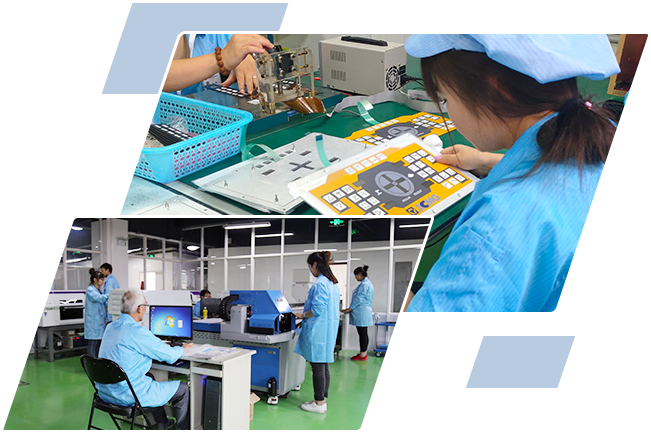
Tracing our lineage back to 1990, TAVO maintains end-to-end sovereignty over every manufacturing process. Unlike trading intermediaries, we handle film plotting, screen preparation, automatic printing, high-temperature infrared curing, tactile key embossing, precision die cutting, surface-mount soldering (SMT), and 100% computerized circuit verification under one roof.
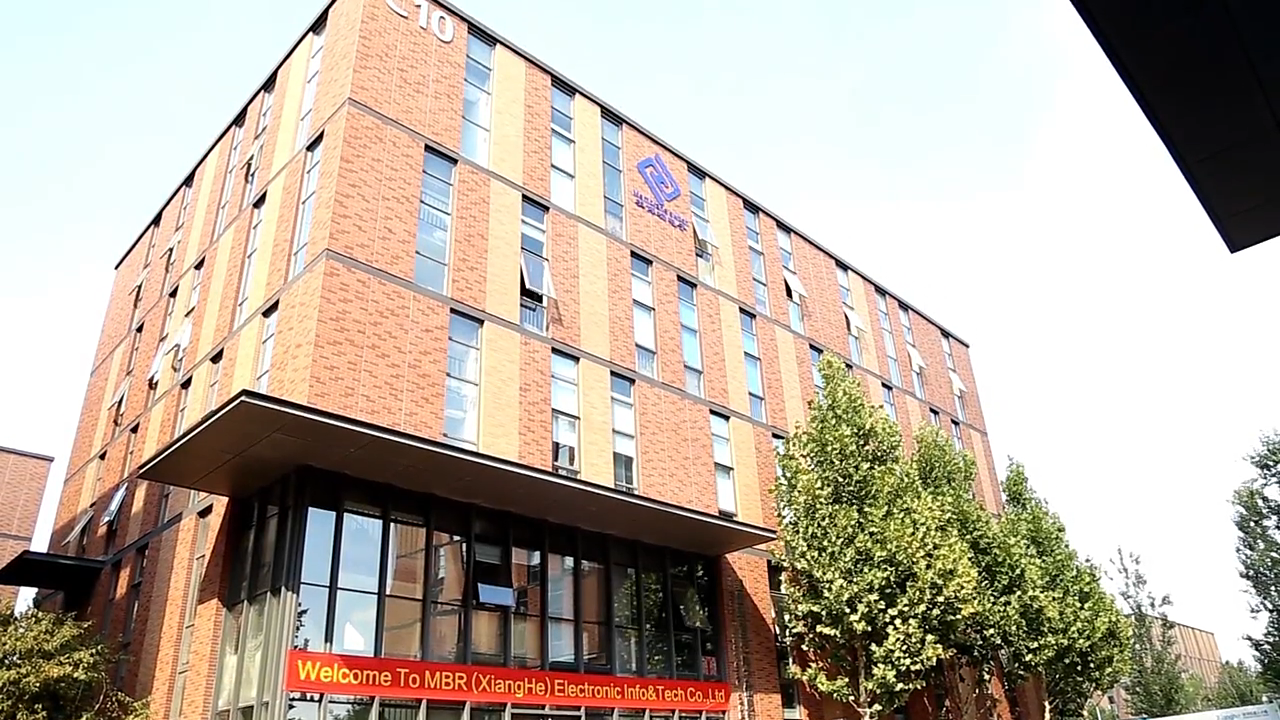
Our dual-factory strategy operates across a central 2,219㎡ facility in the Robot Industry Port, Xianghe Economic and Technological Development Zone (Hebei) and our precision volume manufacturing site in Huizhou (Guangdong). This guarantees production redundancy, risk mitigation, and flexible dynamic capacity allocation for large-scale export orders.
Through decades of deep technical partnerships with German membrane switch engineers, our shop floor implements stringent European manufacturing disciplines. Accredited under ISO 9001 and on-site audited by Intertek, our finished panels are trusted by global infrastructure leaders including Siemens, ABB, and Haier, with deployment across high-speed rail traction systems, aerospace projects, and the Three Gorges hydro-station.
Every shipment bound for the UK and European territory undergoes physical stress verification in our internal laboratory, including xenon arc accelerated weathering, cyclical humidity testing, and computer automated continuity checks.
Direct answers addressing tooling investments, customs classification, testing standards, and CAD exchange protocols.
Our in-house 10-person engineering department accepts mechanical outlines in DXF, DWG, and STEP (AP214/AP242) formats. Graphic overlays and artwork layers are preferred in native vector formats including Adobe Illustrator (AI), vector EPS, or high-resolution CDR with designated Pantone Matching System (PMS) color codes. Circuit pin-out schematics can be submitted as PDF or Gerber RS-274X files.
Screen printed circuits and membrane switches are commonly categorized under HS Code 8537.10.99 (Touch sensitive control boards) or 8534.00 (Printed circuits). We support various Incoterms including EXW, FOB (Tianjin/Shenzhen/Hong Kong), CIF, and DDP via courier (DHL/FedEx/UPS Express), delivering straight to your commercial docks or distribution hubs within London without paperwork overhead.
Yes. We specialize in agile prototyping. By utilizing our Mimaki digital flatbed UV printers and multi-axis CNC laser cutting centers, we construct functional, aesthetic prototypes without requiring hard steel stamping dies. This enables engineering teams to validate tactile feel, connector fit, and optoelectronic backlighting with production-grade materials in as fast as 5 working days.
Silver migration typically occurs when moisture combines with continuous DC voltage gradients. To prevent dendritic growth, we print a secondary, pinhole-free carbon conductor overcoat across all critical junction points. Furthermore, we seal circuits with thermally cured hydrophobic dielectric polymer barriers and apply premium 3M 200MP / 300LSE adhesive gaskets to ensure complete hermetic isolation.
For industrial control and railway applications where workers wear safety gloves, we integrate high-trip-force stainless steel tactile domes (typically 350g to 500g actuation force) with snap ratios exceeding 45%. Combined with embossed graphic rims (pillow or perimeter rim embossing on 0.188mm polyester), operators receive distinct, unmistakable acoustic and tactile confirmation.
Yes. TAVO delivers complete, drop-in HMI assemblies. We combine custom printed membrane switches with laser-cut anodized aluminum backers or rigid FR4 carrier boards, assemble surface-mount LEDs and active sensor ICs, and optically bond scratch-resistant, anti-glare display windows (OCA bonding) to support LCD, OLED, and seven-segment readouts.
Speak directly with TAVO senior application engineers. Receive detailed design-for-manufacturability feedback, stack-up recommendations, and competitive factory-direct quotations within 24 hours.