High-Reliability Screen Printed Circuits & Membrane Interfaces
Engineered to withstand rigorous operational environments across locomotive transport, Mediterranean coastal operations, precision industrial automation, and sterile medical electronics. Each unit is precision-printed using micro-conductive silver traces and environmental dielectric masks.
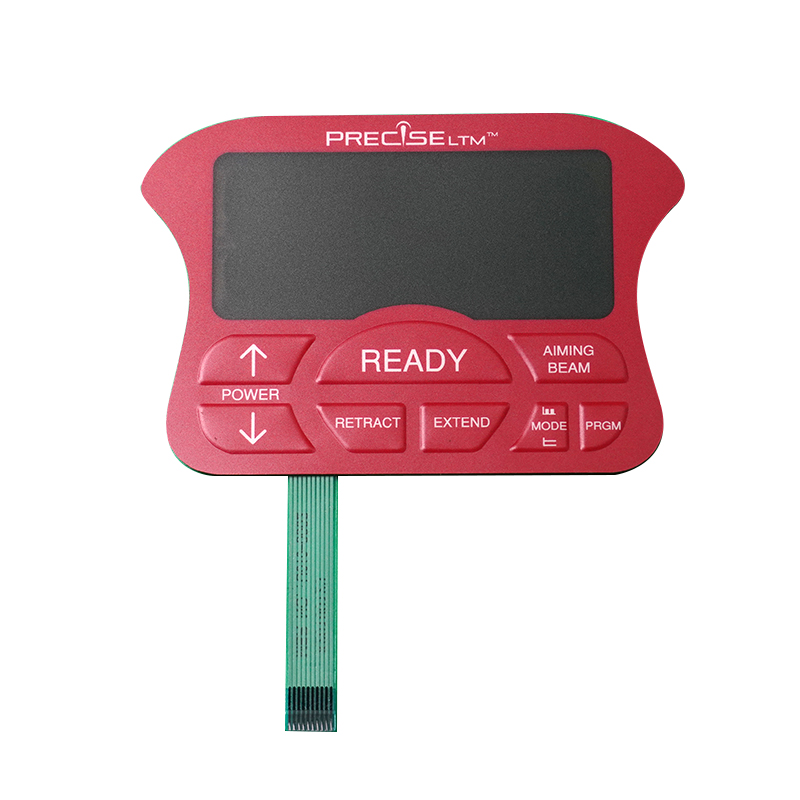
Anti-interference Locomotive Membrane Control Panel
High-temperature resistant PET keypad featuring multi-layer EMI/RFI shielding and IP67 hermetic sealing for railway and locomotive cabs.
Explore Specifications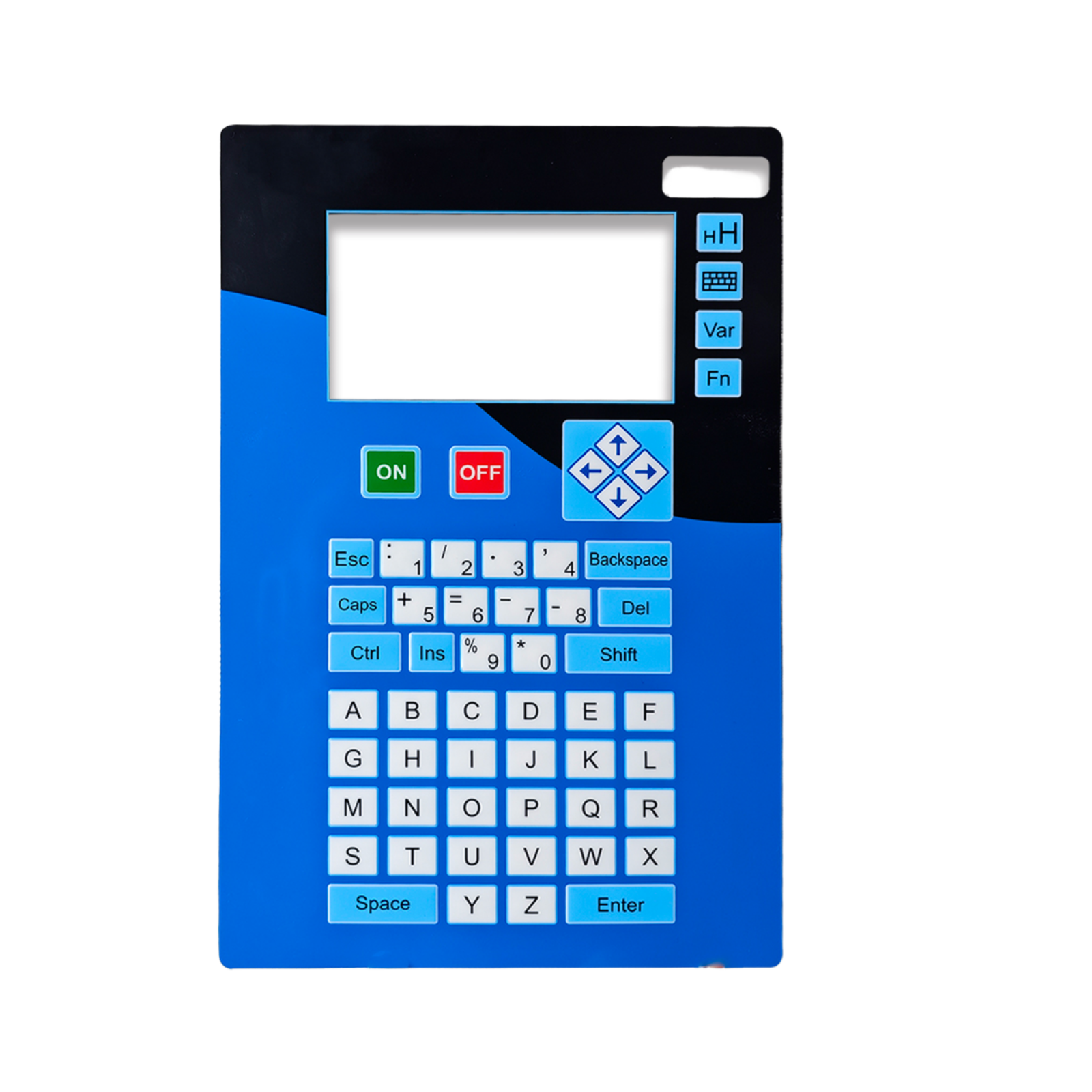
Embossed Metal Dome Waterproof Membrane Switch
Screen printed silver trace matrix laminated with high-adhesion 3M acrylic adhesive, providing tactile snap-action feedback exceeding 1M cycles.
Explore Specifications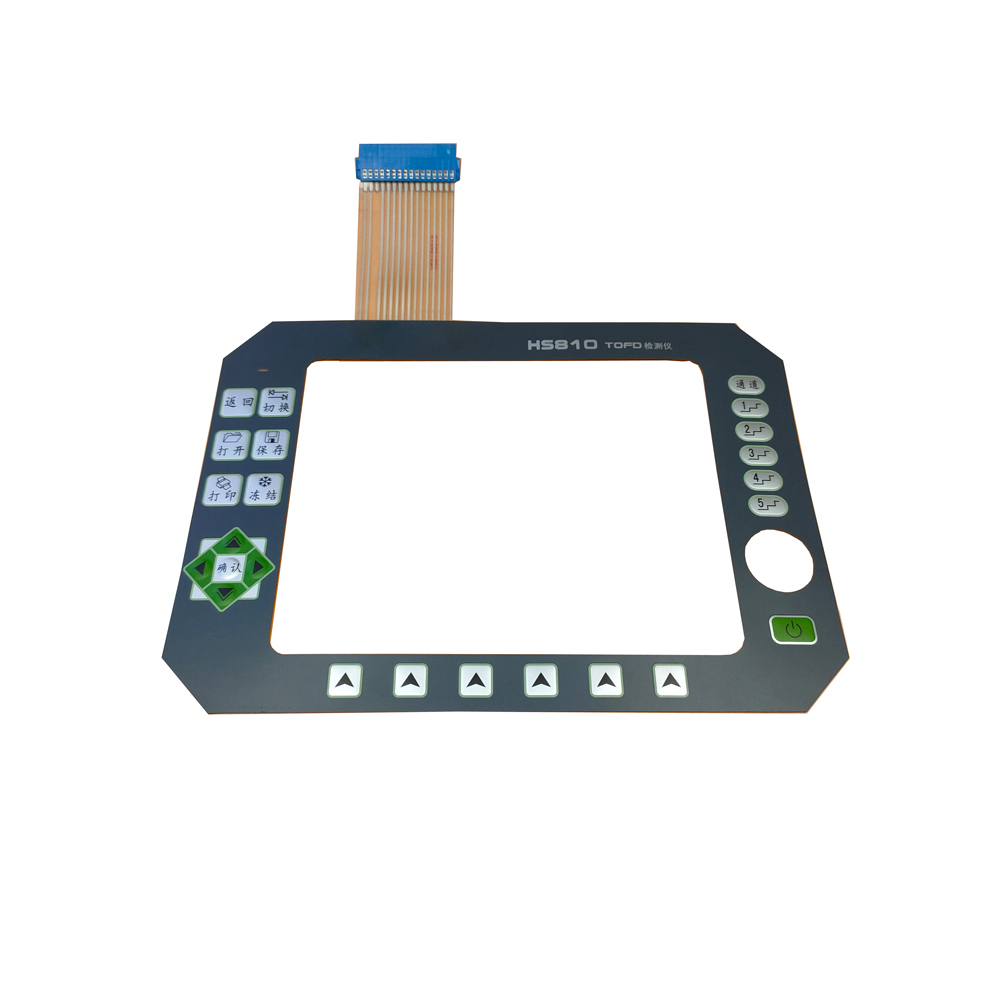
Silkscreen Printed PBT Keycap Waterproof Assemblies
Chemical and solvent-resistant PBT industrial keyboard caps with precision screen-printed legends, engineered for long wear life.
Explore Specifications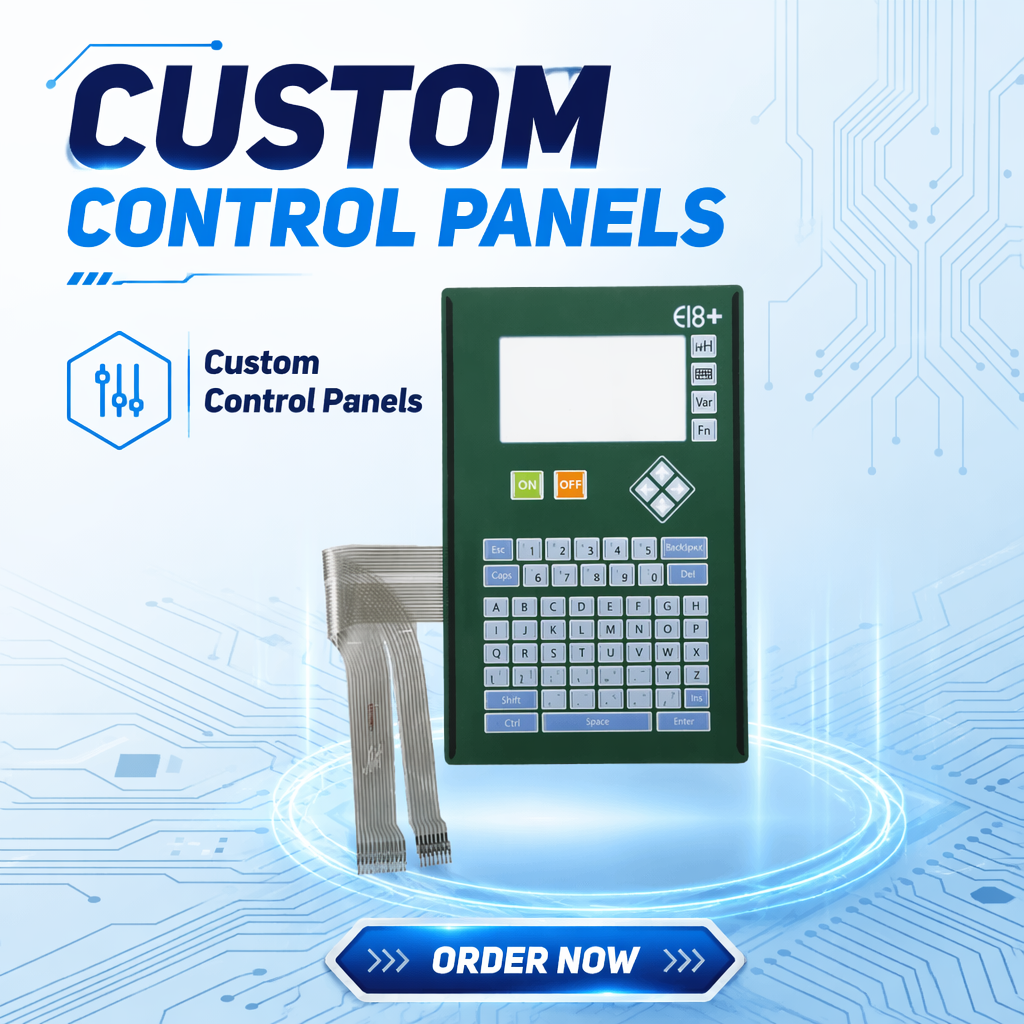
Fast Delivery OEM PBT Keyboard Mechanical Switch
Custom layout printed circuit interface compatible with standard mechanical switches and 2.54mm pitch connectors for rapid modular integration.
Explore Specifications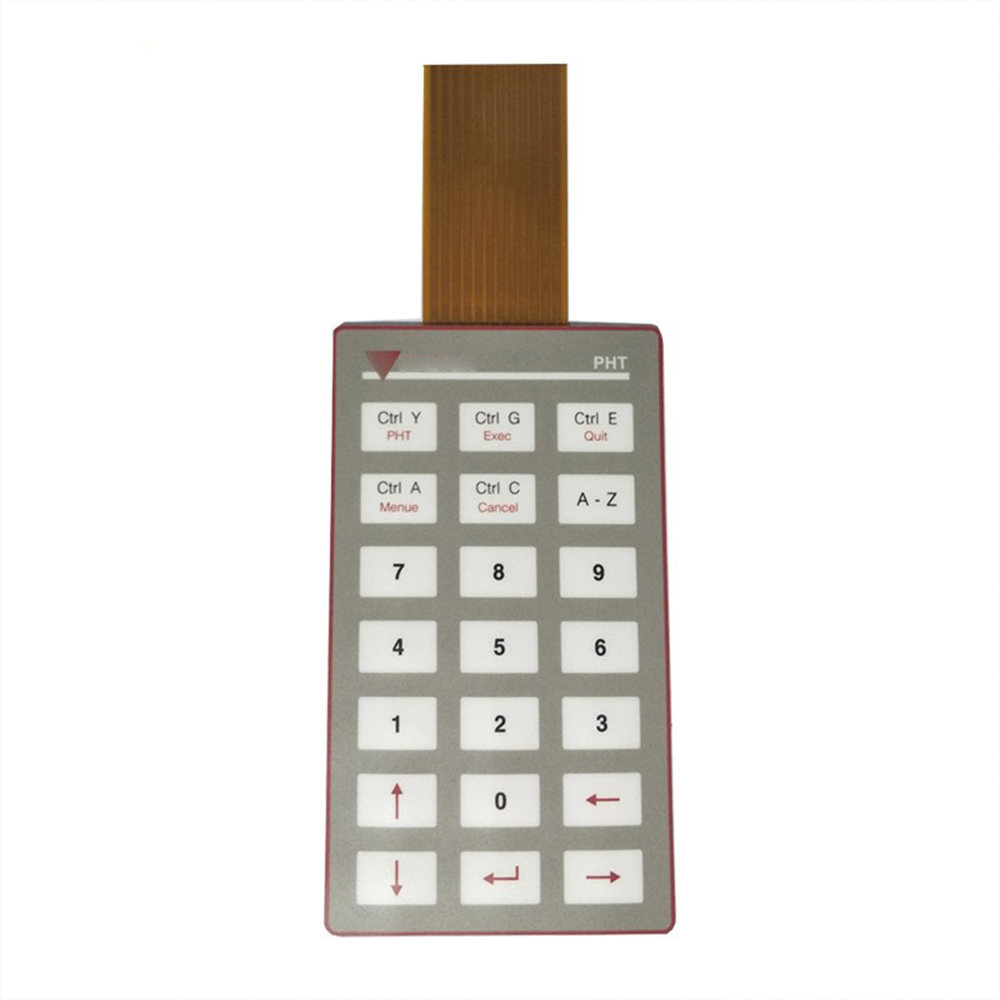
Thermal Management Keyboard Membrane Control Keypad
Screen-printed PET/PC multi-layer structure engineered for temperature-sensitive machinery, climatic chambers, and processing controls.
Explore Specifications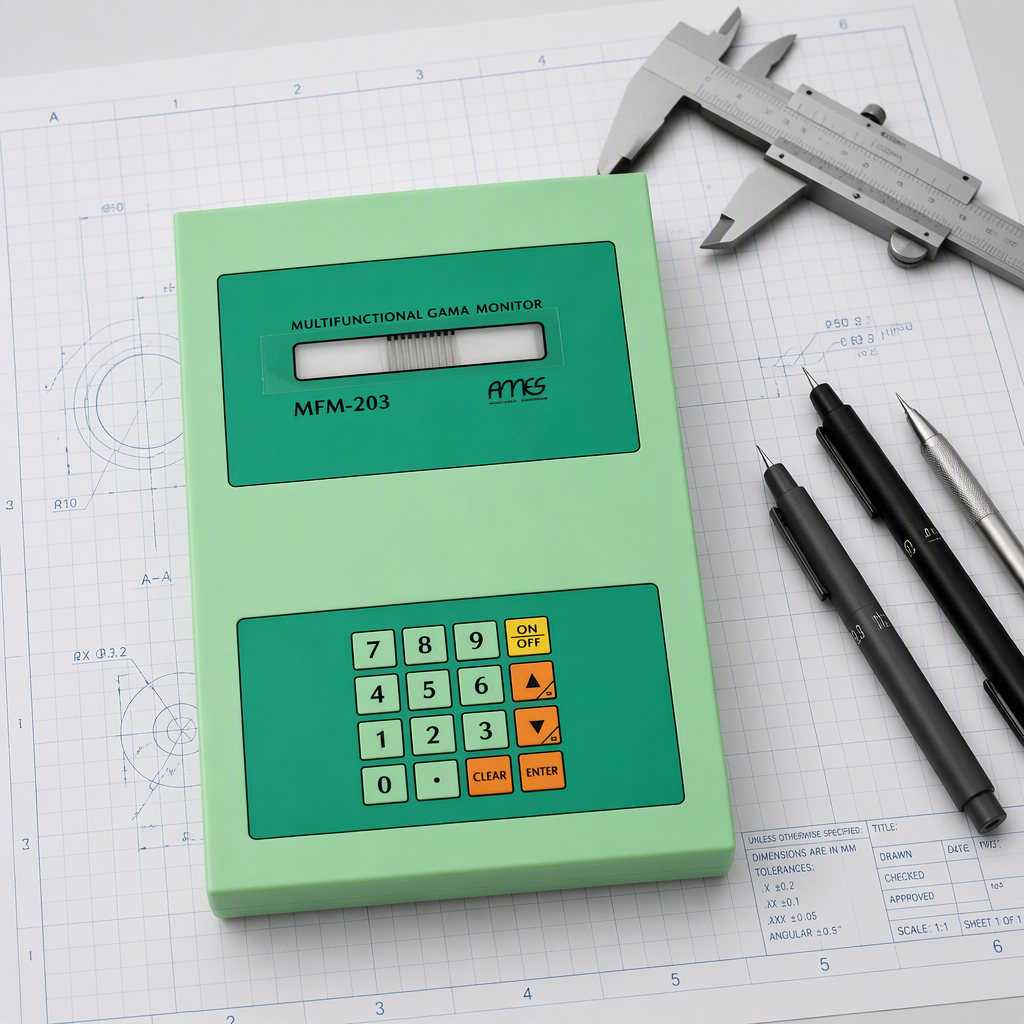
Waterproof Polyester Membrane Keypad for HMI Screens
Front-mount graphic overlay integrated with clear optical display windows and conductive printed circuits for remote controllers and automation screens.
Explore Specifications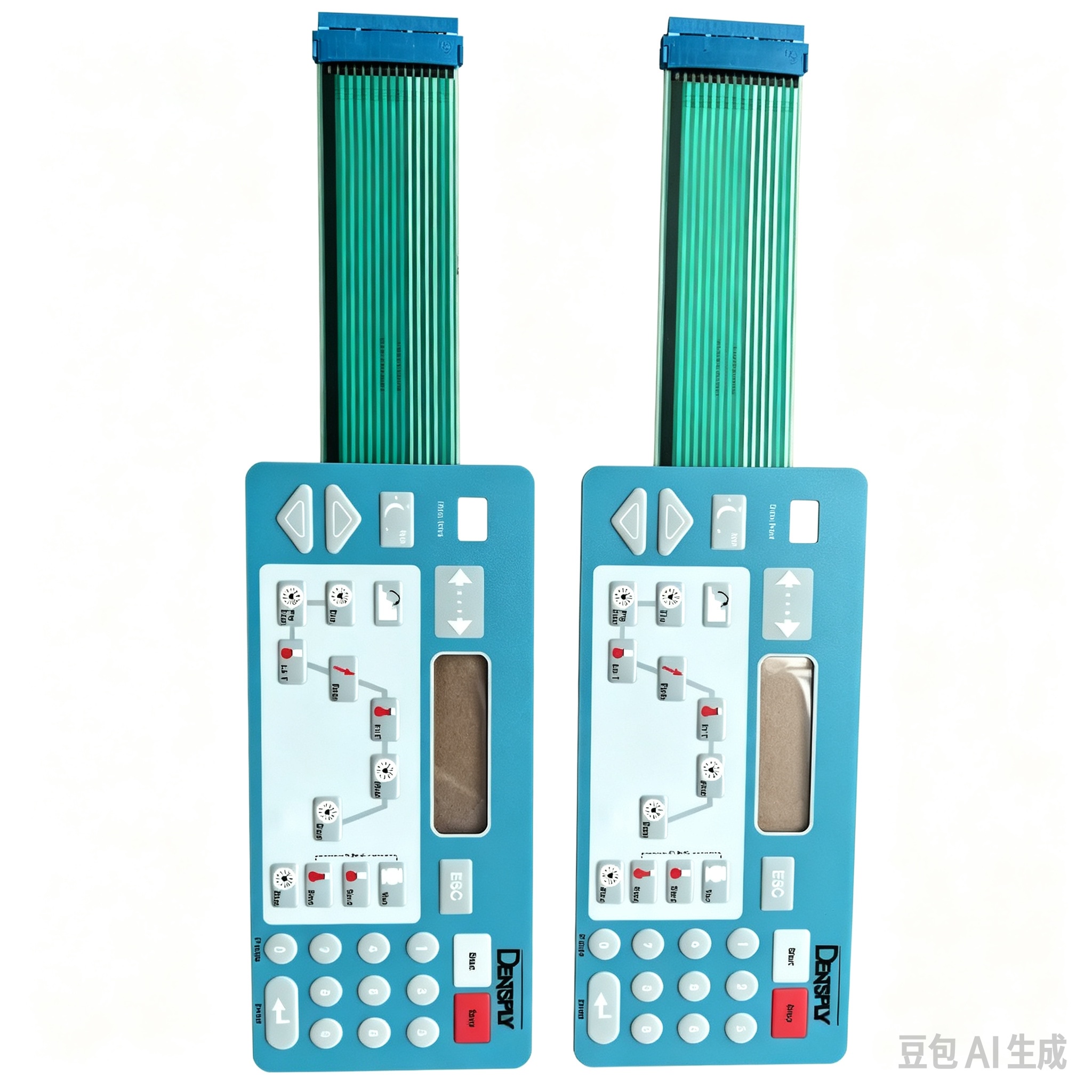
Custom Waterproof Polyester Switch ON/OFF Panel
Sealed membrane switch panel fabricated with high-grade Autotex polyester film, silver ink printing, and UV-curable carbon crossover coatings.
Explore Specifications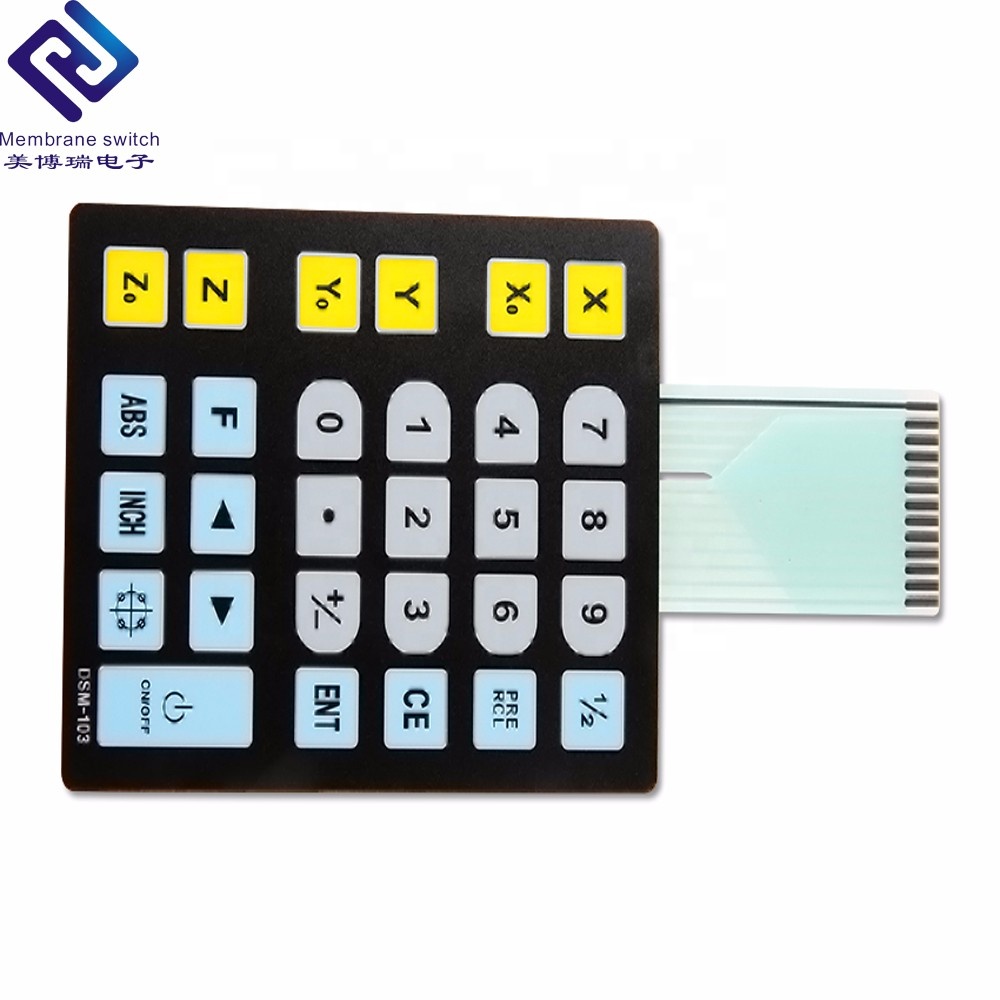
Silicone Rubber Keypad with MCU Expansion Matrix
Hybrid interface combining 3D molded silicone rubber actuators with screen-printed PET circuit membranes. Configurable in 4x4, 3x4, and custom arrays.
Explore SpecificationsThick-Film Screen Printed Circuits: Metallurgy, Polymers, and Physics
Screen-printed electronics represent a foundational cornerstone of modern Human-Machine Interface (HMI) design and flexible interconnect architectures. Rather than utilizing subtractive chemical etching common in traditional copper Printed Circuit Boards (PCBs), thick-film printed circuits employ an additive precision screen deposition process. This technique enables ultra-thin, mechanically ductile, and chemically robust electrical traces across broad industrial substrates.
Conductive Ink Rheology & Deposition
The core electrical performance of our screen-printed circuits relies on micro-particulate conductive inks formulating pure silver (Ag) flakes dispersed in high-molecular polymer resins. During precision mesh printing (typically 200–350 mesh counts), ink viscosity and thixotropic indexes are strictly regulated to avoid edge feathering, pinholes, or trace spreading. After thermal curing at precisely calibrated ramp-soak profiles, cross-linking produces a resilient, low-resistance conductive matrix capable of withstanding dynamic flexing.
- Conductive track pitch down to 0.5 mm
- Carbon overprint to prevent silver electromigration
- UV dielectric crossover insulation layers
Polymer Substrate Performance
Substrate selection dictates thermal stability, tensile modulus, and chemical resistance. We utilize bi-axially oriented Polyethylene Terephthalate (PET) films (such as DuPont Melinex or Toray Lumirror) pre-shrunk at elevated temperatures to guarantee dimensional stability through multi-pass screen printing. For demanding environments requiring high-temperature soldering or severe vibration, specialized Polyimide (PI) flex cores and FR4 rigid backers are seamlessly hybridized.
- Dimensional stability <0.05% shrinkage
- Hard-coated anti-glare Autotex polyester surfaces
- Polycarbonate (PC) high optical clarity overlays
Environmental Ingress & Barrier Sealing
Screen-printed circuits intended for marine, coastal, or washdown industrial operations require complete isolation from atmospheric moisture, salt fog, and chemical solvents. Using advanced acrylic pressure-sensitive adhesives (3M 200MP, 300LSE series) and full perimeter gasket cutouts, our layered switch membranes achieve ingress protection ratings of IP65, IP67, and IP68, completely sealing internal silver contact contacts from corrosive degradation.
- Continuous operating range: -40°C to +85°C
- Salt fog resistance tested over 96 hours (ASTM B117)
- Complete resistance to cleaning bleach, alcohol, and fuels
| Electrical & Physical Parameter | Silver Conductive Thick-Film (PET) | Etched Copper Flexible Circuit (FPC) | Hybrid Printed Silver-Carbon System |
|---|---|---|---|
| Sheet Resistance (Typical) | <0.05 Ω/sq (at 10–15 μm dry thickness) | <0.001 Ω/sq (1/2 oz to 1 oz copper) | <0.08 Ω/sq (protective carbon barrier) |
| Maximum Contact Current | 100 mA DC maximum resistive | Up to 1.5 A continuous (trace-dependent) | 100 mA DC (extended lifecycle) |
| Trace Pitch Capability | 0.50 mm (0.020 in) production standard | 0.15 mm (0.006 in) high-density routing | 0.65 mm (0.025 in) robust footprint |
| Actuation Life Cycle | >1,000,000 tactile actuations | >5,000,000 tactile actuations | >3,000,000 tactile actuations |
| Substrate Thickness | 75 μm, 100 μm, 125 μm, 188 μm PET | 25 μm to 50 μm Polyimide (PI) | 125 μm to 175 μm Stabilized PET |
| Dielectric Withstand Voltage | 250 Vrms (60 Hz for 1 min) | 500 Vrms (60 Hz for 1 min) | 250 Vrms (60 Hz for 1 min) |
| Environmental Suitability | General Industrial & Medical | High Density & SMT Heavy | Coastal, Saline & High Humidity |
Serving Valencia's Dynamic Manufacturing & Technology Clusters
The Comunitat Valenciana stands as one of Southern Europe's most vital industrial hubs. From the high-volume automotive corridors in Almussafes to the specialized machinery sectors in Castellón and the maritime supply chains centered on the Port of Valencia, our screen-printed circuits deliver tailor-made advantages directly aligned with localized engineering challenges.
Automotive & E-Mobility (Almussafes Corridor)
The automotive industrial belt surrounding Valencia demands ultra-lightweight, compact electronic interfaces. Our screen-printed flexible membrane circuits eliminate bulky wiring harnesses in auxiliary dashboard switchgear, steering wheel controls, passenger sensing mats, and EV battery temperature monitoring arrays. Thin-profile designs (total thickness <1.0 mm) allow seamless mechanical nesting in injection-molded automotive bezels.
Railway & Heavy Rolling Stock (Albuixech Cluster)
Anchored by major locomotive engineering plants in Albuixech, Valencia's rolling stock manufacturers require control panels compliant with strict fire-smoke regulations and extreme vibration endurance. We engineer anti-interference locomotive operator panels with rear aluminum backer plates, tactile stainless steel domes, and high-frequency silver-shielding meshes to eliminate false-triggering from traction motors.
Ceramics, Tile & Heavy Machinery (Castellón-Valencia Corridor)
Tile production, press equipment, and automated packaging lines in the wider Valencian manufacturing zone operate in high-dust, particulate-heavy, and elevated-temperature environments. Traditional mechanical pushbuttons quickly fail when clogged by fine ceramic dust. Our front graphic panels feature completely sealed Autotex polyester membranes rated IP67, resisting abrasives, water washdown, and aggressive industrial detergents.
Agritech & Automated Food Packaging
Valencian citrus and food processing facilities depend on computerized sorting, automated packaging, and sanitizable packing house machinery. These workstations are subjected to high-pressure washdowns and acidic organic compounds. Our antimicrobial graphic overlays combined with chemical-resistant PET membranes provide impermeable front-face protection that will not delaminate or discolor under CIP (Clean-in-Place) regimes.
Solar Inverters & Grid Infrastructure
Valencia's abundant solar irradiation has spurred extensive photovoltaic development and power converter production. Inverter control interfaces installed outdoors must survive intense Mediterranean UV radiation and high ambient heat. We apply UV-cured hard coatings and xenon-tested polymer films that avoid yellowing, cracking, or loss of tactile elasticity over a 15-year field lifecycle.
Maritime & Port Automation (Port of Valencia)
As the busiest container gateway on the Mediterranean Sea, the Port of Valencia requires logistics terminals, crane telemetry, and shipboard interfaces that operate reliably in salt-laden coastal atmospheres. Our screen-printed circuit assemblies incorporate specialized carbon overcoats on silver terminations and hermetically sealed adhesive perimeters, preventing galvanic corrosion and salt-mist bridging.
Emerging Technological Horizons in Printed Electronics
Valencia's manufacturing ecosystem is rapidly accelerating towards digital transformation and the European Green Deal. Sourcing managers and R&D teams are looking beyond basic membrane switches, embracing next-generation functional printed circuits that enable smarter, lighter, and more sustainable end products.
In-Mold Electronics (IME)
Merging decorative plastics with conductive electronics. 2D screen-printed silver circuits are directly thermoformed and injection-molded into 3D structural parts, removing secondary assemblies for vehicle interiors and consumer appliances.
Capacitive Sensing Integration
Transitioning from mechanical tactile switches to sleek, zero-travel capacitive touch controls. Screen-printed conductive polymer sensors detect human finger proximity through glass or thick plastic bezels, offering infinite actuation lifespans.
LGF Precision Backlighting
Light Guide Film (LGF) technology distributes side-firing SMD LED light uniformly across custom icons, eliminating localized hot spots. Thin LGF layers (0.125 mm to 0.25 mm) maintain switch travel and low profiles for low-light operator panels.
European Eco-Compliance
Alignment with strict EU directives (RoHS, REACH, and Waste Electrical and Electronic Equipment). Our formulation processes prioritize VOC-free UV curable inks, solvent-free laminating adhesives, and easily recyclable pure PET polymer basestocks.
Why Tier-1 Engineers Choose TAVO as Their Screen Printed Circuit Partner
Since our founding in 1990, TAVO Electronic Information Technology Co., Ltd. has developed specialized manufacturing infrastructure capable of satisfying the stringent requirements of German, American, and European multinational OEMs.
Dual-Facility Capacity & Redundancy
Operating across two specialized manufacturing centers in the Xianghe Robot Industry Port (Hebei) and Huizhou (Guangdong), with over 2,219 square meters of production floorspace. Workloads are dynamically scheduled across facilities, protecting your delivery timelines against unforeseen disruptions or capacity bottlenecks.
- 37 High-precision silkscreen printing lines
- 60 In-house CNC mold machining centers
- 18 Computerized laser die-cutting units
German Technical Collaboration & Quality
Through longstanding technical partnerships with German membrane switch engineers, our production standards follow European mechanical and electrical tolerances. Certified under ISO 9001 quality management systems and independently assessed onsite by Intertek, our processes ensure zero-defect outgoing yields.
- 30+ Senior engineers with >15 years tenure
- 10-Person CAD/CAM design optimization team
- 20-Person dedicated European export trade team
In-House Reliability Testing Laboratory
Every batch undergo physical, electrical, and environmental stress screening inside our internal testing center. We verify critical metrics including contact resistance, loop resistance, insulation breakdown, mechanical bounce, and long-term chemical resilience before packing.
- Automated computer-driven circuit test benches
- Mechanical lifecycle actuating testers (5M+ cycles)
- Programmable temperature & humidity chambers
- ASTM B117 automated salt spray fog testing
Frequently Asked Questions for Valencian & European Buyers
Essential guidance on design rules, minimum order quantities, compliance protocols, and maritime logistics to help streamline your procurement cycle from concept to high-volume assembly.
What files and specifications are needed to initiate a custom quotation?
To provide a definitive engineering review and formal quotation, our design office requires: (1) Vector graphic artwork for the front overlay (Adobe Illustrator .AI, PDF, or CorelDraw .CDR format with Pantone color codes); (2) 1:1 scale mechanical drawings showing dimensions, window cutouts, and tail exit position (.DXF, .DWG, or .STP); (3) Schematic or circuit pin-out layout detailing contact connections and connector pitch; and (4) Operating environmental specifications (operating temperatures, exposure to UV, chemicals, or salt-mist).
How do you support low-volume prototypes vs. high-volume production?
Unlike conventional manufacturers with rigid, prohibitive Minimum Order Quantities (MOQs), TAVO maintains dedicated fast-turn digital prototyping lines. We produce initial functional samples and pilot-run batches (10 to 500 units) utilizing direct digital UV printing and precision laser plotting, entirely bypassing hard tooling dies. When your project scales to volume, we transition seamlessly to high-speed automatic silkscreen presses and CNC stamping tools, maximizing unit cost savings.
How do your printed circuits resist the marine coastal environment of Valencia?
High humidity combined with saline coastal air can induce silver electromigration, leading to parasitic micro-bridging across closely spaced circuit traces. To safeguard circuits in Mediterranean regions like Valencia, Alicante, and Castellón, we deploy a three-stage defense: (1) Applying an overlapping polymer thick-film carbon mask over all exposed silver switch contacts; (2) Multi-pass UV curable dielectric encapsulation over trace paths; and (3) Boundary-perimeter micro-barrier gaskets utilizing hydrophobic 3M acrylic adhesive cores.
Are your printed circuits and membrane switches CE, RoHS, and REACH compliant?
Yes. Every raw material integrated into our screen-printed assemblies—including polyester films, polycarbonates, conductive silver formulations, carbon pastes, adhesives, and surface-mount LEDs—is fully certified under EU RoHS (Restriction of Hazardous Substances) Directive 2011/65/EU and REACH (EC 1907/2006). Comprehensive laboratory test reports and Certificates of Conformity (CoC) accompany each production delivery to ensure hassle-free customs clearance and auditing.
What logistics shipping terms do you provide for Spanish companies?
We routinely support CIF (Cost, Insurance, and Freight) to the Port of Valencia (Puerto de Valencia), DAP (Delivered at Place) directly to your factory dock in Valencia, Paterna, Almussafes, or Castellón, as well as EXW and FOB terms. Air courier shipments (DHL, FedEx, UPS) deliver prototype and urgent production lots within 3 to 5 business days, while volume sea cargo shipments are scheduled on direct container vessels.
Can you assemble Surface-Mount (SMT) LEDs and micro-components on PET circuits?
Yes. Utilizing specialized low-temperature isotropic conductive adhesives (silver epoxy) or anisotropic conductive films (ACF), we reliably bond surface-mount miniature LEDs (0603, 0805, 1206 packages), phototransistors, balancing resistors, and capacitive controller ICs directly onto flexible PET substrates without inducing thermal warping or trace fracture.
Accelerate Your Screen Printed Circuit Project in Valencia
Connect directly with our senior application engineering team for an in-depth Design-for-Manufacturability (DFM) review. We analyze your circuit drawings, overlay graphics, and operating specifications to deliver a complete technical evaluation and commercial quotation within 24 hours.