Precision Keypad & HMI Switching Solutions
Delivering high-cycle silicone elastomeric keypads, metal dome membrane assemblies, and customized PBT key caps. Built in-house with compression molding, digital UV printing, and Class 10,000 cleanroom precision for European industrial systems.
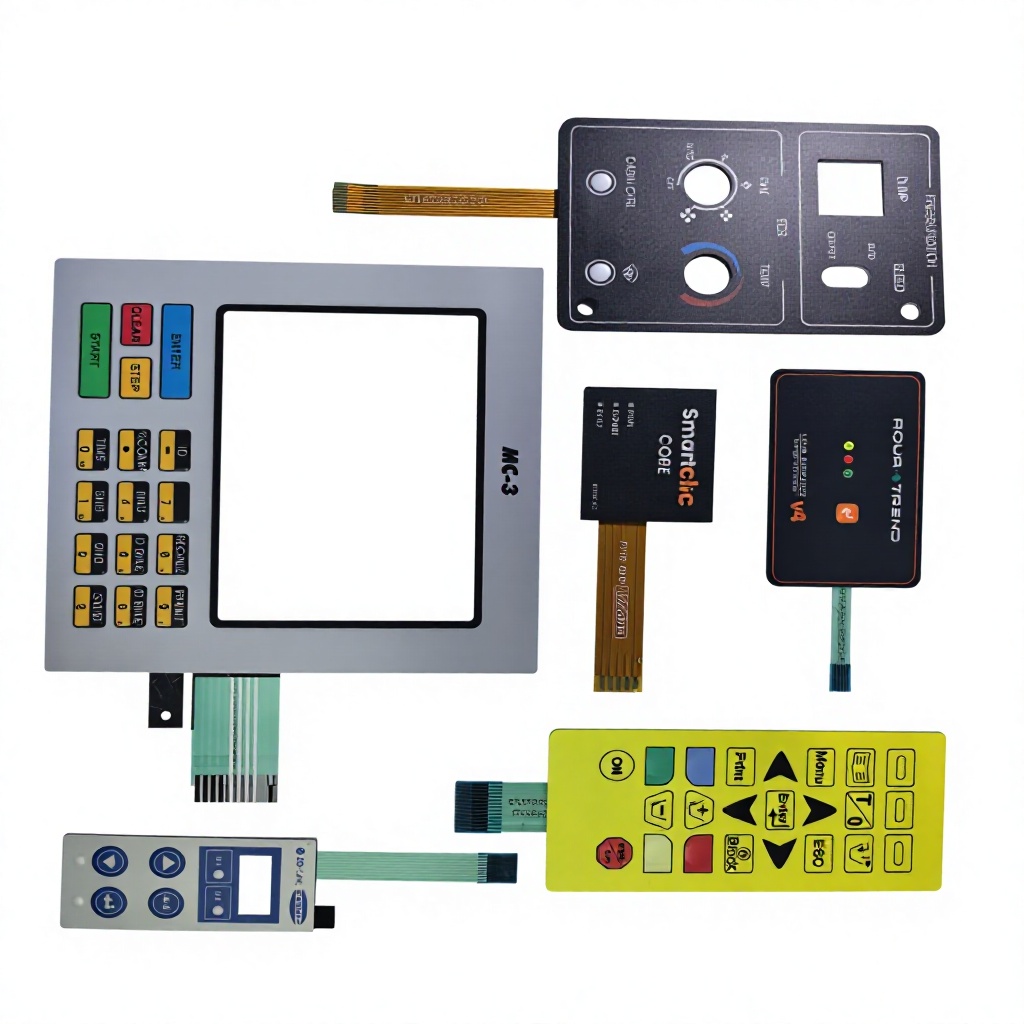
MBR Pet Conductive Film PET/PC Membrane Switch Board Waterproof Durable ISO9001 Certified Customized Size Metal Dome Tactile Key
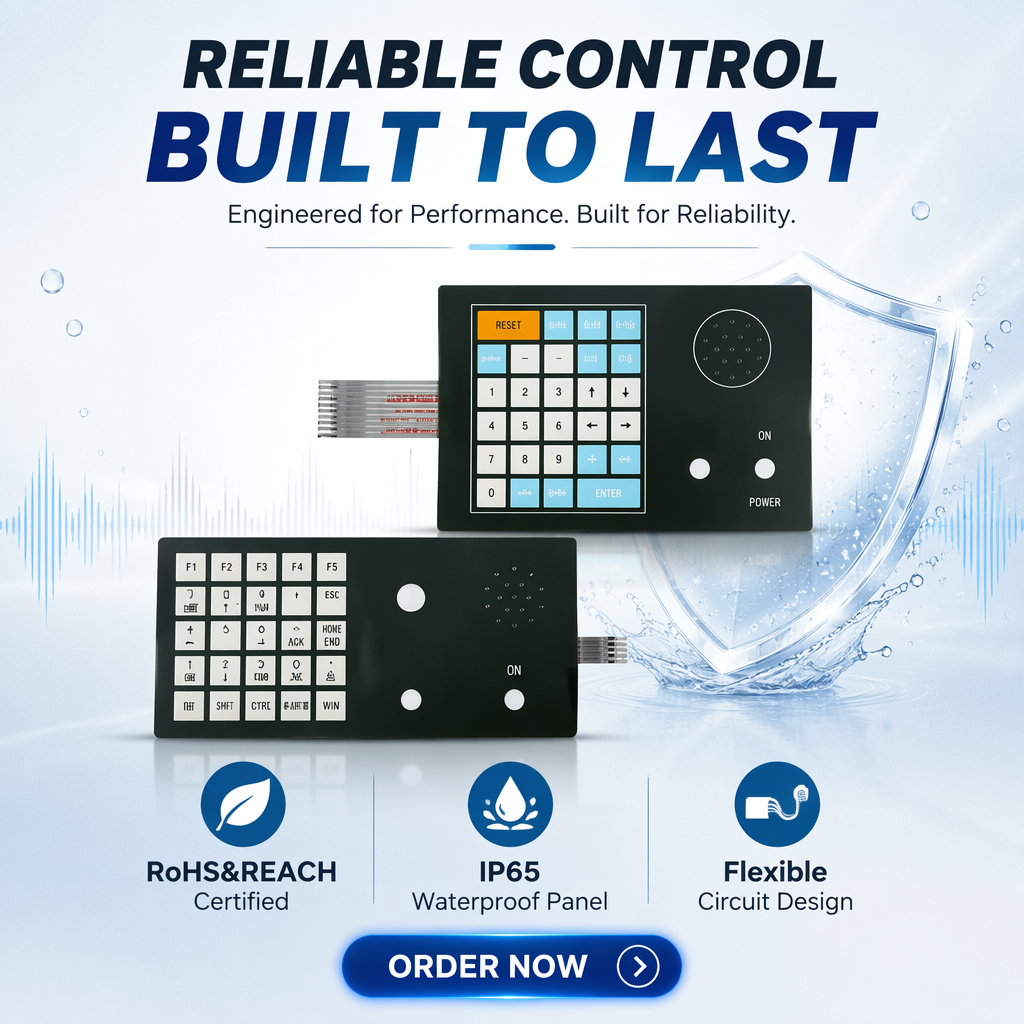
3x4 3*4 12 Key PET Matrix Array Membrane Button Switch Keyboard Keypad Waterproof Eco-friendly for Home Appliance
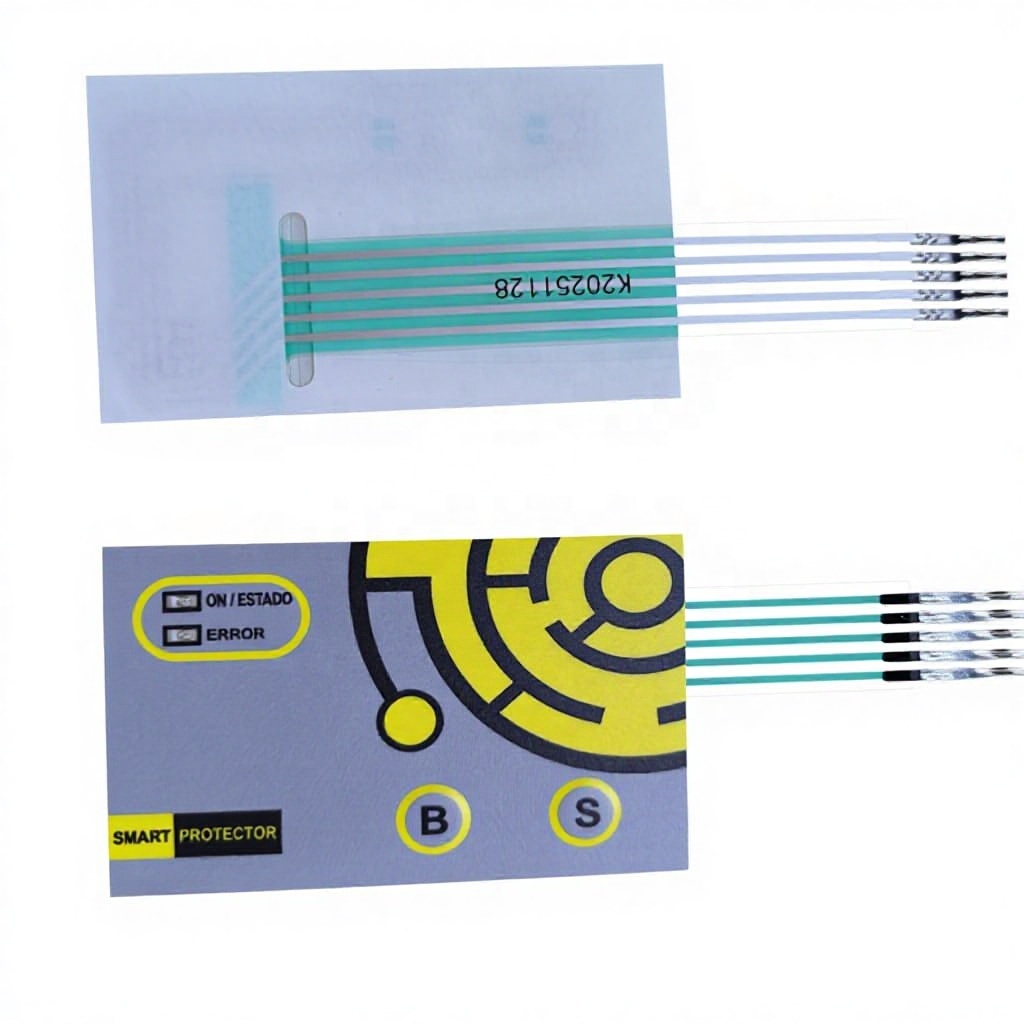
Fast Delivery OEM Waterproof Membrane Keyboard PBT Keyboard Cap Mechanical Switch Compatible Factory Direct Supply Free Sample
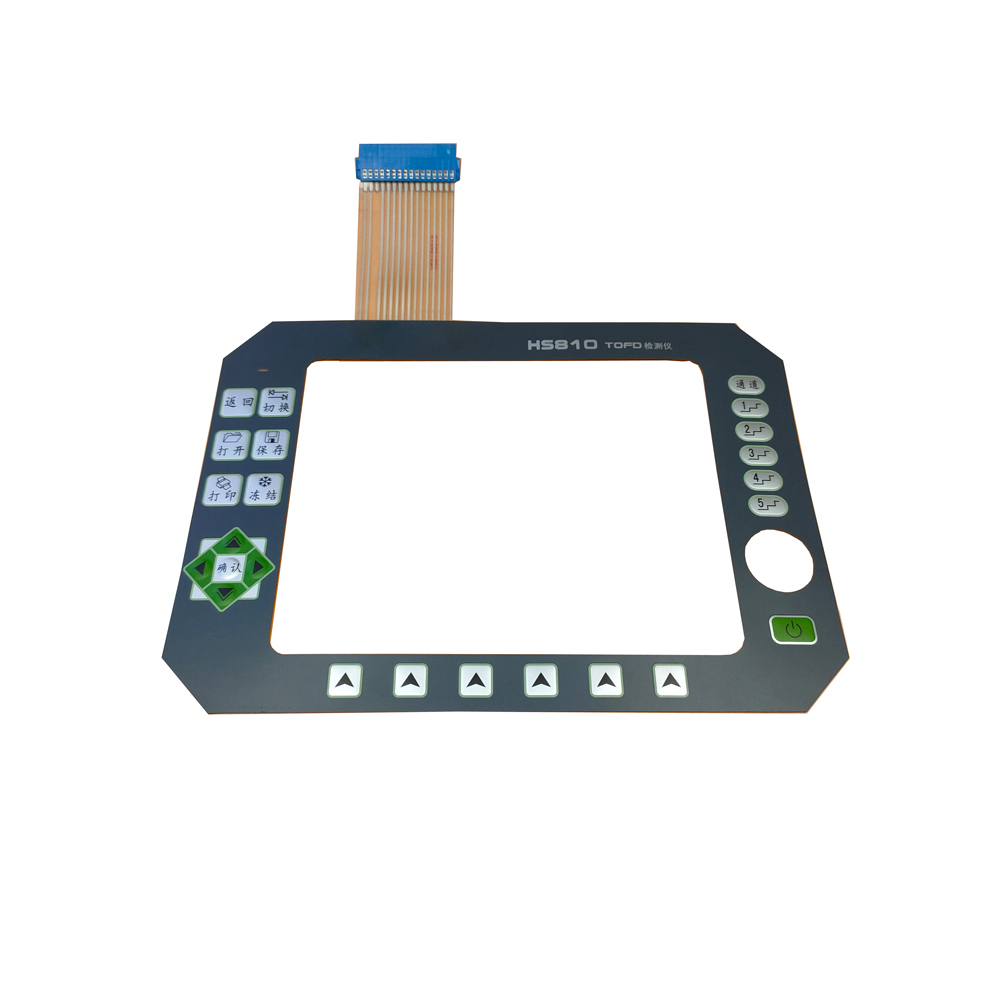
Meiborui Custom PBT Keyboard Cap Silkscreen Printed Waterproof Adhesive Sticker Durable Eco-friendly Computer Keyboard Parts
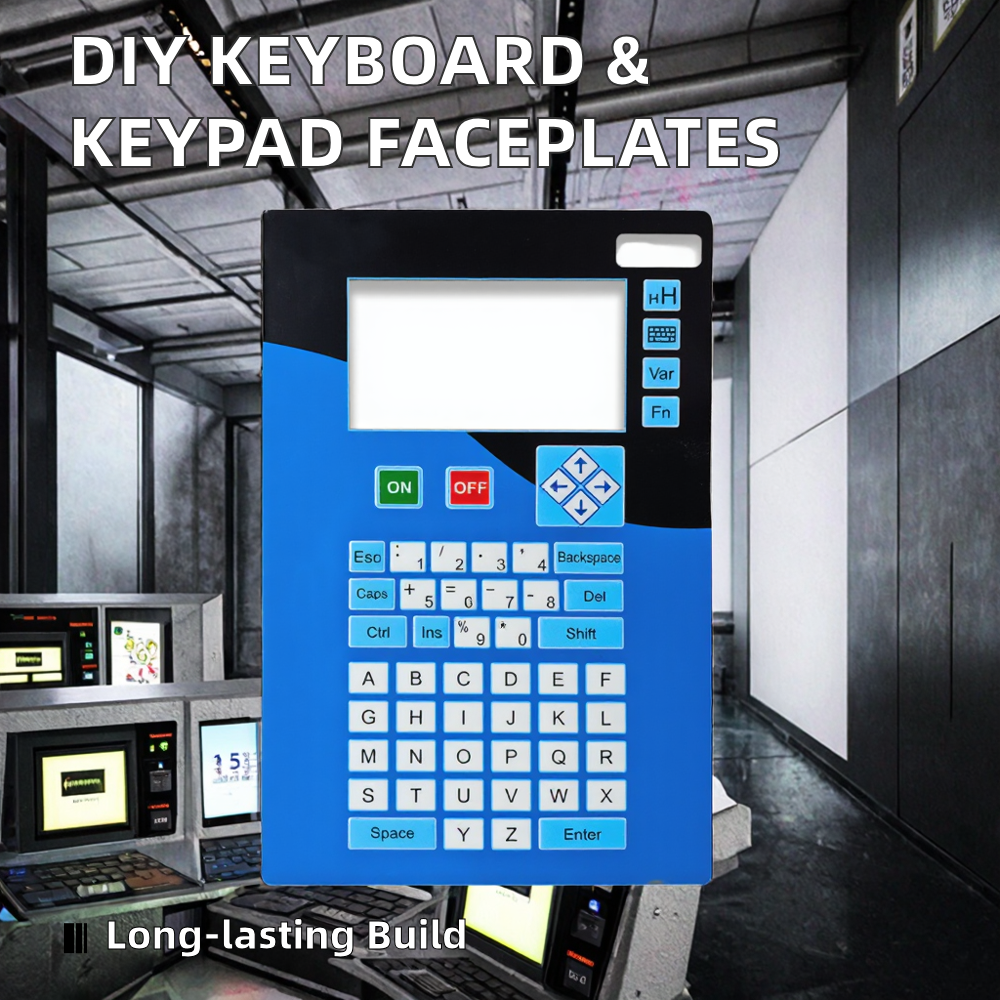
Custom Embossed Tactile Key Membrane Switch/Keypad/Keyboard Backlight LED Water-proof Panel Mounting ISO9001 Certified
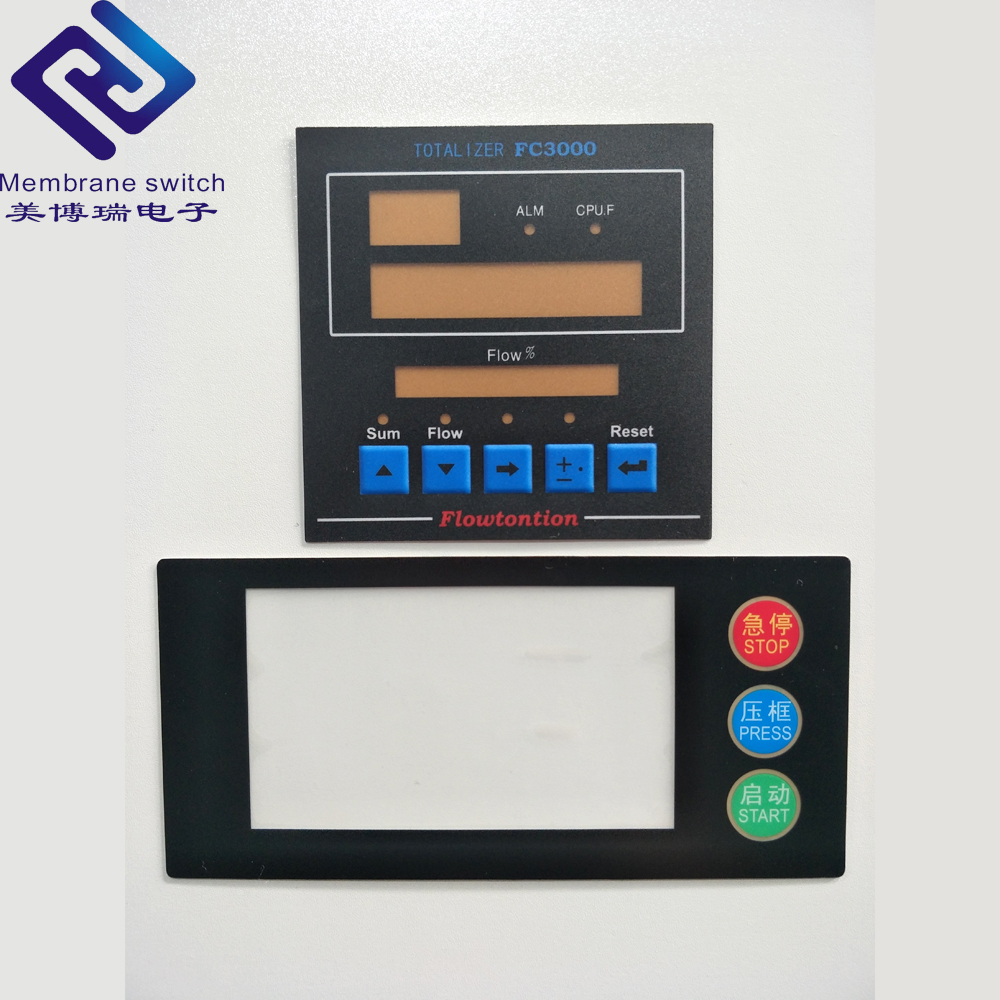
High Quality IP67 Waterproof 3M Adhesive Metal/Poly Dome LCD Membrane Switch Custom Keypad Flexible Cable Telecommunication
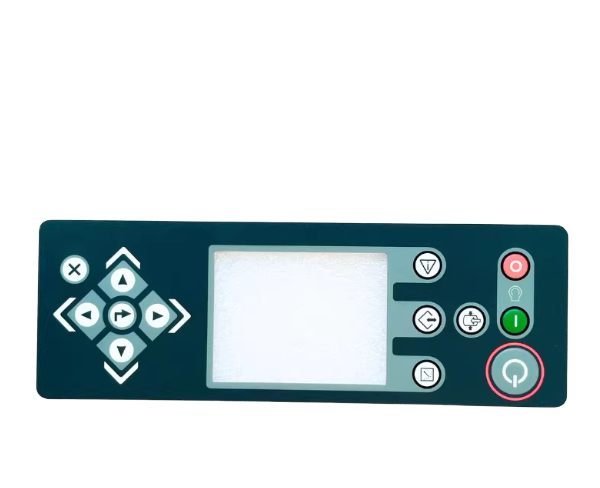
Custom Flexible Temperature Touch Control Keypad Membrane Panel Clear Transparent Window Waterproof Eco-friendly PET HMI
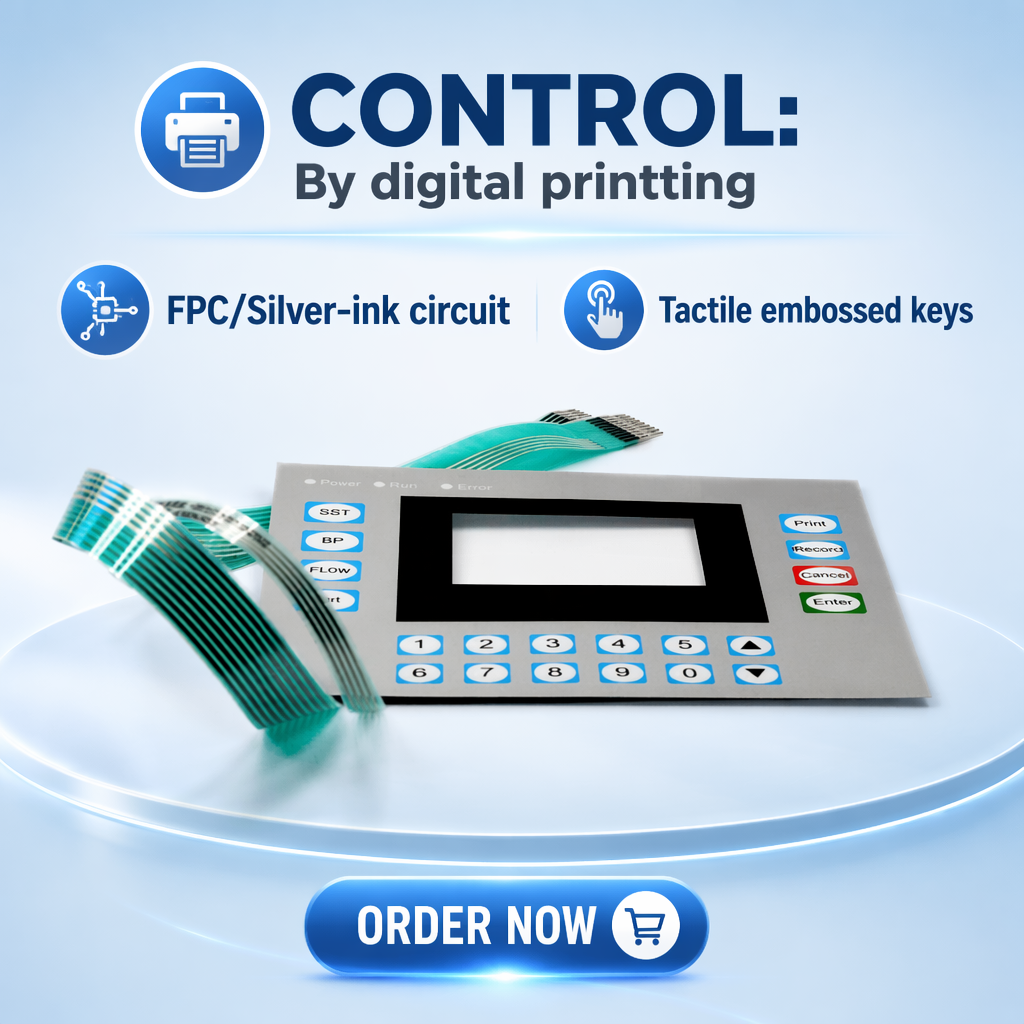
MEIBORUI Fast Turnaround Waterproof Durable Eco-friendly ISO9001 Certified PCB Prototyping Service Accept Sample Order Custom
Silicone Elastomer Engineering & Custom Keypad Manufacturing for Celje's Industrial Base
A comprehensive technical guide to polymer selection, actuation mechanics, environmental sealing, and localized OEM sourcing across the Savinja Valley and Central European manufacturing corridor.
In modern mechatronics, industrial automation, and harsh-environment human-machine interfaces (HMI), the silicone rubber keypad remains the quintessential electromechanical input interface. Unlike standard consumer-grade plastic switches, compression-molded silicone elastomer assemblies provide continuous physical hermetic sealing, ergonomic tactile feedback, chemical insolubility, and exceptional mechanical longevity surpassing 5 million actuations. For engineering procurement managers, automation system integrators, and industrial machinery manufacturers situated in Celje, Slovenia, securing an ISO 9001-certified manufacturing partner that bridges Chinese production capacity with European engineering tolerances is fundamental to supply chain stability.
1. Polymer Science & Compression Molding Physics
Industrial silicone keypads are fabricated predominantly from high-consistency silicone rubber (HCR) or liquid silicone rubber (LSR). These cross-linked polysiloxane polymers feature an alternating silicon-oxygen backbone (-Si-O-Si-) possessing superior bond dissociation energy (452 kJ/mol) relative to standard carbon-carbon polymer backbones (346 kJ/mol). This atomic composition enables elastomeric keypads to operate reliably across a vast thermal envelope, from -40°C to +200°C, without undergoing crystallization, embrittlement, or thermal depolymerization.
The mechanical actuation is dictated by an integrated elastomeric webbing geometry that undergoes controlled elastic buckling upon user depression. Engineering the angle, thickness, and radius of this deflection wall defines the switch's tactile ratio. When the peak actuation force ($F_1$) collapses into the return contact force ($F_2$), the user senses a distinctive, clean mechanical "snap" without requiring independent metallic springs:
| Elastomer Property | Standard Specification (HCR/LSR) | Engineering Impact / Test Standard |
|---|---|---|
| Shore A Hardness Range | 30 to 80 Shore A (±5 Shore A) | Determines webbing stiffness, travel force, and bezel contact seal (ASTM D2240). |
| Actuation Force ($F_1$) | 50g to 500g customizable | Tailored for heavy industrial gloves (high force) or medical diagnostic instrumentation (low force). |
| Tactile Ratio ($F_1 - F_2) / F_1$ | 40% to 65% typical | Defines click crispness and eliminates operator fatiguing in repetitive machining control. |
| Actuation Travel Distance | 0.8 mm to 3.5 mm | Physical stroke distance engineered to match underlying PCB pad or tactile metal dome array. |
| Contact Resistance | < 150 Ω (Conductive Carbon Pill); < 0.5 Ω (Gold Pill) | Micro-current interface matching for low-voltage CMOS / microcontroller analog input matrices. |
| Dielectric Strength | ≥ 20 kV/mm | Inherent electrostatic discharge (ESD) immunity isolating sensitive internal electronics. |
| Actuation Mechanical Life | ≥ 1,000,000 to 5,000,000 Cycles | Verified via automated cyclic pneumatic actuating stations under continuous stroke stress. |
Conductive Contact Configurations
Keypads utilize vulcanized low-resistance carbon pills, SC pills, or gold-plated copper disks mated with open interleaved circuit fingers on FR4 or Flexible Printed Circuits (FPC), preventing contact bounce and oxidation.
Surface Coatings & Protective Shields
Application of matte polyurethane (PU), optical-grade UV-cured epoxy overcoats, or Parylene barrier coatings provides extreme resistance against aggressive solvents, cutting fluids, oil, and continuous finger grease.
Laser Etching & Day/Night Backlighting
Translucent silicone elastomer is sequentially spray-coated with translucent base pigment and opaque topcoats, followed by high-precision CNC laser vaporizing to render sharp back-illuminated legends matching ISO symbols.
2. Celje's Industrial Landscape & Localized Sourcing Ecosystem
As Slovenia's third-largest city, Celje anchors a prominent heavy machinery, metalworking, chemical processing, and electromechanical production center within the Savinja statistical region. The industrial belt connecting Celje to Žalec, Vransko, and Velenje hosts major tier suppliers in automotive components, white goods, industrial robotics, power transmission, and environmental monitoring equipment.
Keypad requirements in Celje are driven by demanding operating conditions:
- Machining Center & Metalworking HMIs: CNC consoles, hydraulic press monitors, and sheet-metal forming lines require keypads impervious to synthetic lubricants, mineral coolants, metal shavings, and mechanical vibration. A continuous silicone perimeter flange compressed against the chassis creates an impenetrable IP67/IP68 ingress seal.
- Commercial & Residential HVAC Systems: Heat pumps, pellet boilers, and industrial chillers manufactured in Slovenia operate across seasonal temperature shifts with high humidity. Silicone eliminates micro-cracking often seen in lower-grade membrane switches exposed to thermal cycling.
- Smart Metering & Energy Distribution: Central European smart grid switches and sub-station controllers demand high dielectric breakdown strength, non-conductive exterior front panels, and flammability compliance to UL 94-V0.
- Medical Diagnostic & Laboratory Instrumentation: Clinical autoclaving, hospital-grade cleaning with sodium hypochlorite, and isopropyl alcohol swab resistance necessitate biosafe silicone certified under USP Class VI and ISO 10993.
3. Strategic Technological Trends Shaping Slovenian Procurement
As Slovenian industrial manufacturers transition towards Industry 4.0 and eco-conscious circular production, the specification criteria for human-machine interface assemblies are undergoing rapid evolution:
A. Integration of Light Guide Film (LGF) & Optical Backlighting: Traditional discrete LEDs mounted beneath each switch button frequently cause hotspots, uneven lux intensity, and excessive parasitic power consumption. Modern European designs integrate low-profile LGF layers or direct-bonded light-pipe silicone pillars. These guide illumination uniformly from edge-mounted surface-mount diodes (SMDs) across intricate numeric keypads and graphics overlays, cutting power draws by up to 60%.
B. Antimicrobial Additives for Cleanroom & Food-Grade Applications: In response to stringent European pharmaceutical and dairy processing guidelines, inorganic ionic silver-doped silicone compounds are molded into key surfaces. These additives actively disrupt bacterial respiration and cell proliferation, providing permanent protection throughout the keypad's lifespan without degrading washdown resistance.
C. Hybrid Capacitive Touch & Mechanical Dome Combination: While capacitive touchscreen panels offer sleek aesthetics, machine operators handling machinery in industrial Celje require unequivocal haptic validation. Hybrid assemblies feature an outer silicone graphic overlay with integrated metal tactile domes underneath, combining modern aesthetics with tactile switch confirmation.
Frequently Asked Questions for Celje & EU Buyers
Straightforward technical answers regarding rapid tooling, material certifications, testing validation, and international shipping logistics.
We require 3D native step files (.STEP, .IGES) depicting the key cap geometry, travel clearance, and webbing wall cross-section, paired with a 2D engineering drawing (.DWG, .DXF, or PDF) detailing Shore A hardness tolerances, Pantone or RAL color codes, legend artwork vector files (AI, CDR), and electrical pin-out schematics.
We routinely supply European OEMs under DDP (Delivered Duty Paid), DAP, or standard FOB/CIF terms. Air express delivery (DHL, FedEx, UPS) directly to Celje typically clears customs within 3 to 5 business days, with full customs declarations, commercial invoices, and EUR 1 / Certificate of Origin paperwork provided.
Yes. We provide single-cavity prototype soft-tooling or rapid CNC-machined silicone samples in 5–10 days. This allows your mechatronics team in Celje to validate actuation travel force, bezel clearances, and backlighting intensity prior to authorizing multi-cavity hardened steel production molds.
All production runs undergo verification inside our accredited laboratory using automated pneumatic actuation life testers, programmable temperature and humidity chambers (-40°C to +150°C), xenon arc accelerated weathering chambers, and ASTM B117 salt fog corrosion testing units.
All compounded silicone rubbers, conductive inks, color masterbatches, and adhesives strictly comply with European Union directives including RoHS (2011/65/EU and 2015/863), REACH (EC 1907/2006) SVHC candidate lists, and halogen-free guidelines, supported by annual SGS / Intertek laboratory reports.
Yes. We offer turnkey box-build assemblies integrating silicone keypads with FR4 rigid printed circuit boards, aluminum backer plates with PEM mounting studs, display clear windows, optical bonding (OCA), and customized harness connectors for seamless drop-in assembly at your facility.
Why Industrial Engineers Partner with Our Factory
Eliminating intermediaries through closed-loop engineering, dual-site manufacturing flexibility, and long-standing European technical collaboration.
In-House Precision Tooling
Equipped with 60 high-speed CNC mold-making milling machines, 7 digital engravers, and 18 precision laser cutting units, allowing complete control over mold dimensional accuracy without third-party delays.
Dual-Base Capacity Guarantee
Dual manufacturing facilities in Hebei (Xianghe Robot Industry Port) and Guangdong (Huizhou) distribute production load efficiently, safeguarding global customers against regional downtime or localized supply constraints.
German Technical Alignment
Long-term cross-border technical partnerships with German membrane and silicone tooling facilities ensure our tooling design standards, testing protocols, and documentation match Western European engineering benchmarks.