High-Performance HMI Components & Keypad Assemblies
Sourced directly from our ISO 9001 and Intertek-audited manufacturing facilities, providing heavy-duty tactile durability, zero moisture absorption, and salt-fog resilience for OEM integrators serving Port-au-Prince.
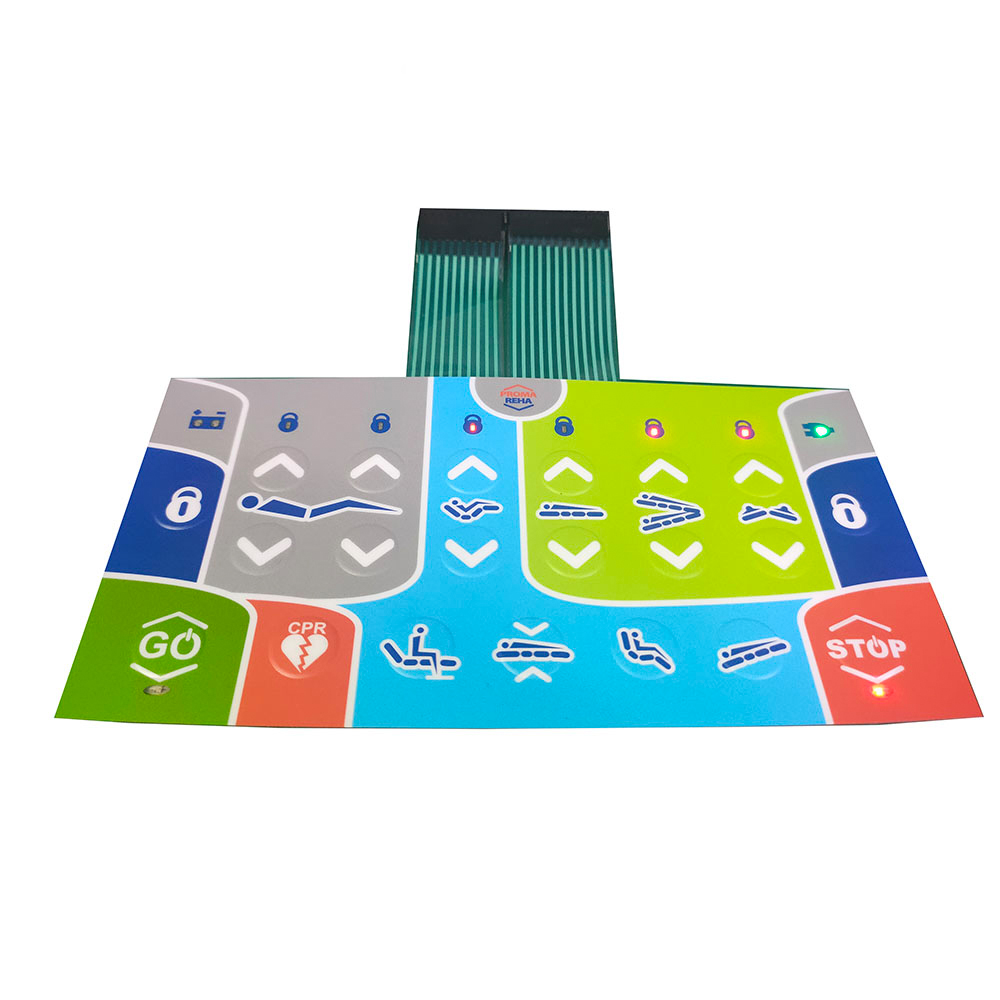
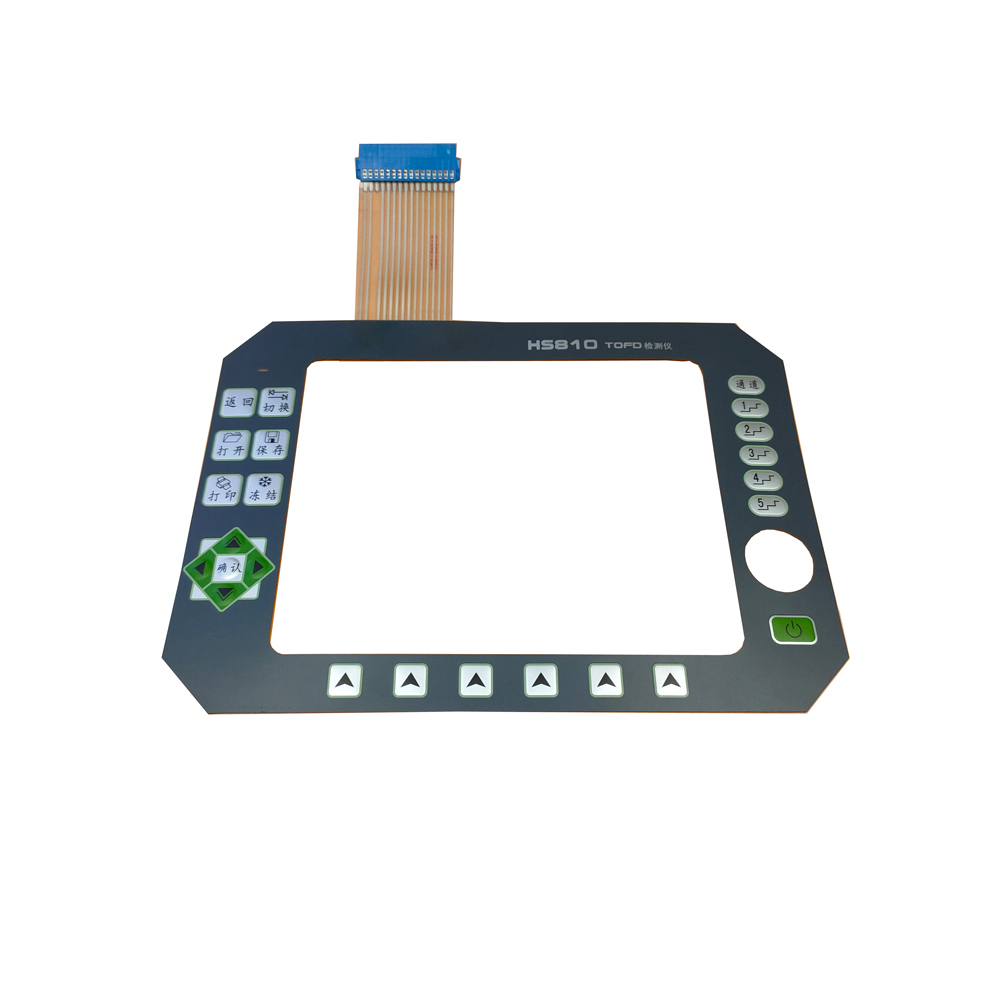
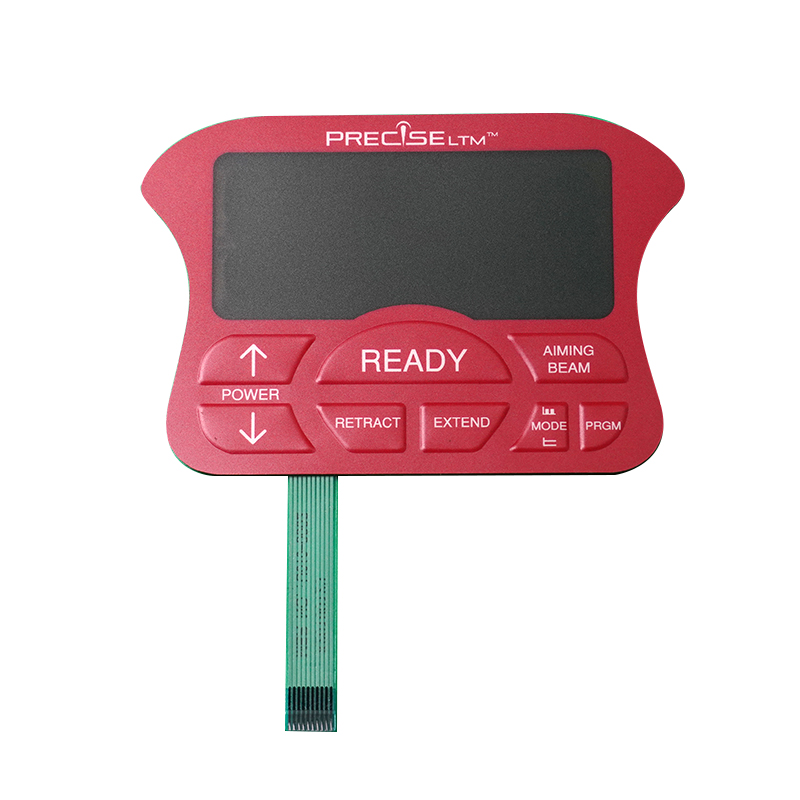
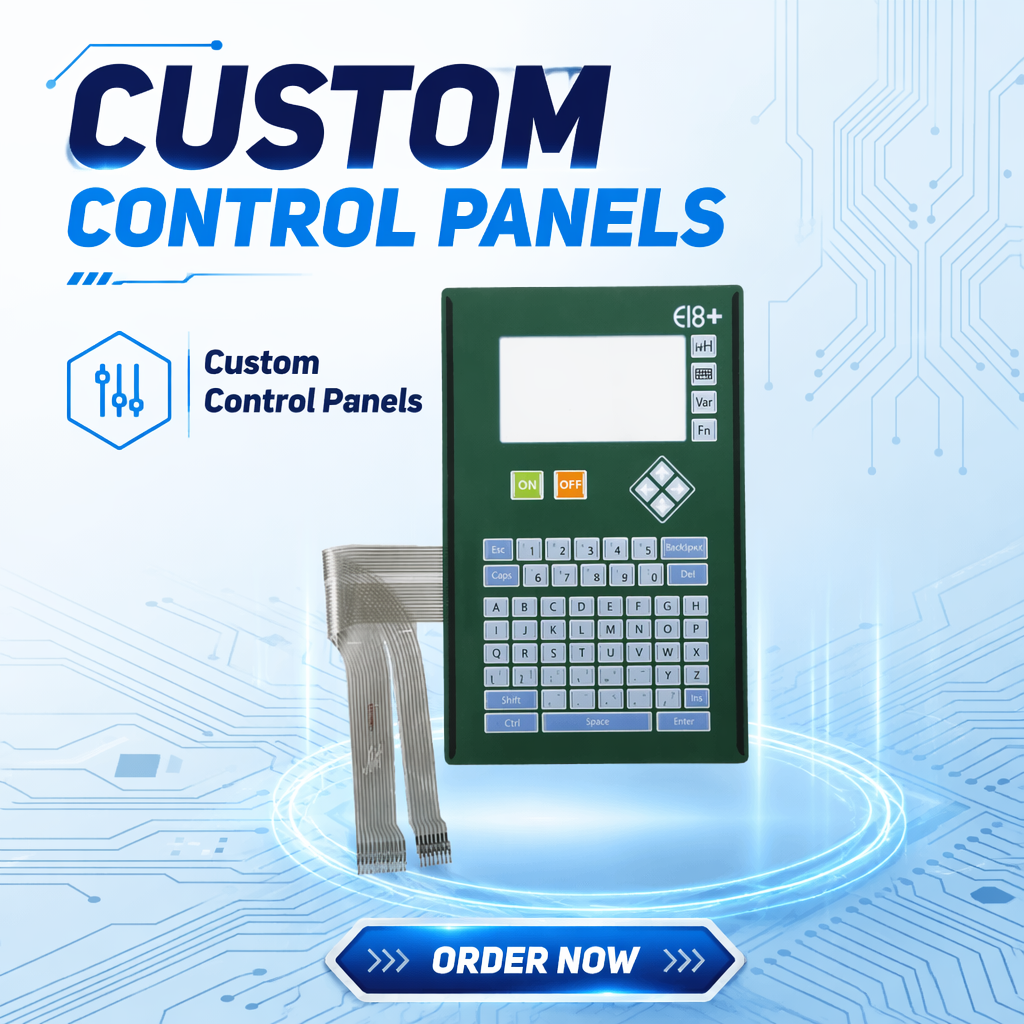
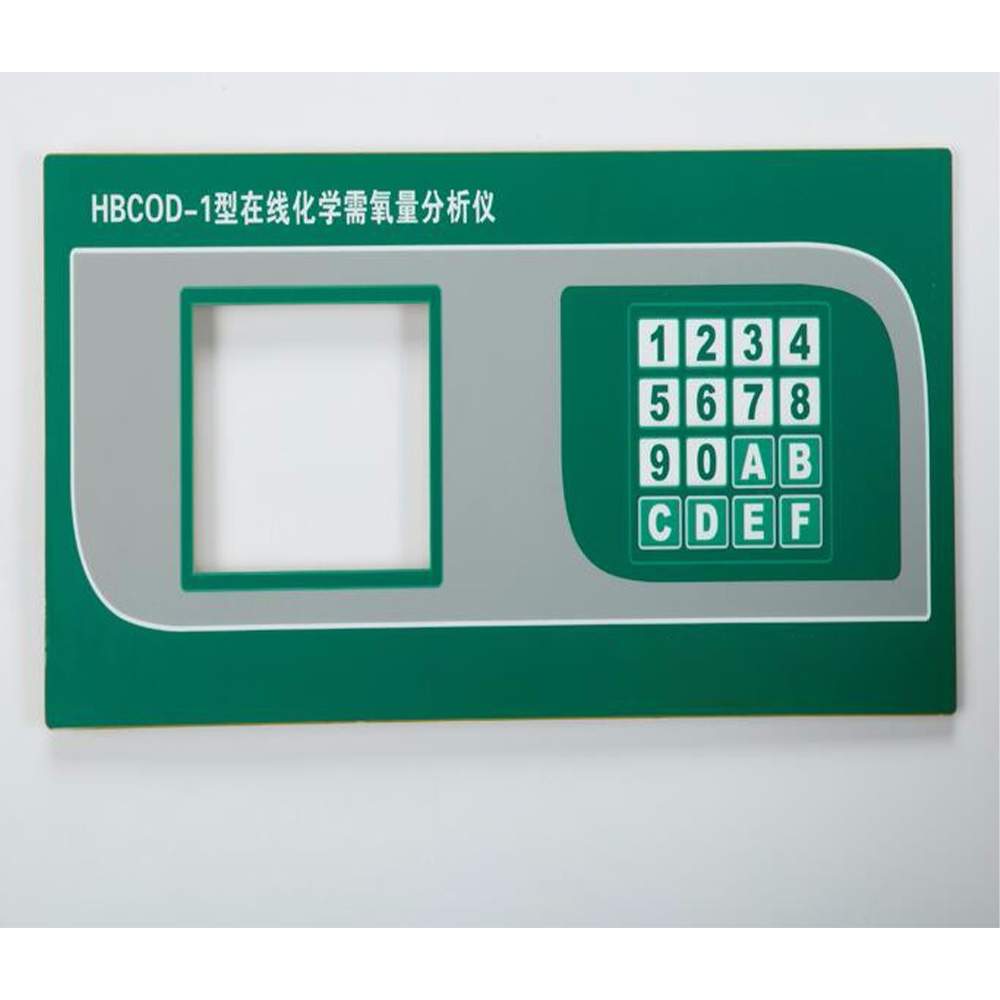
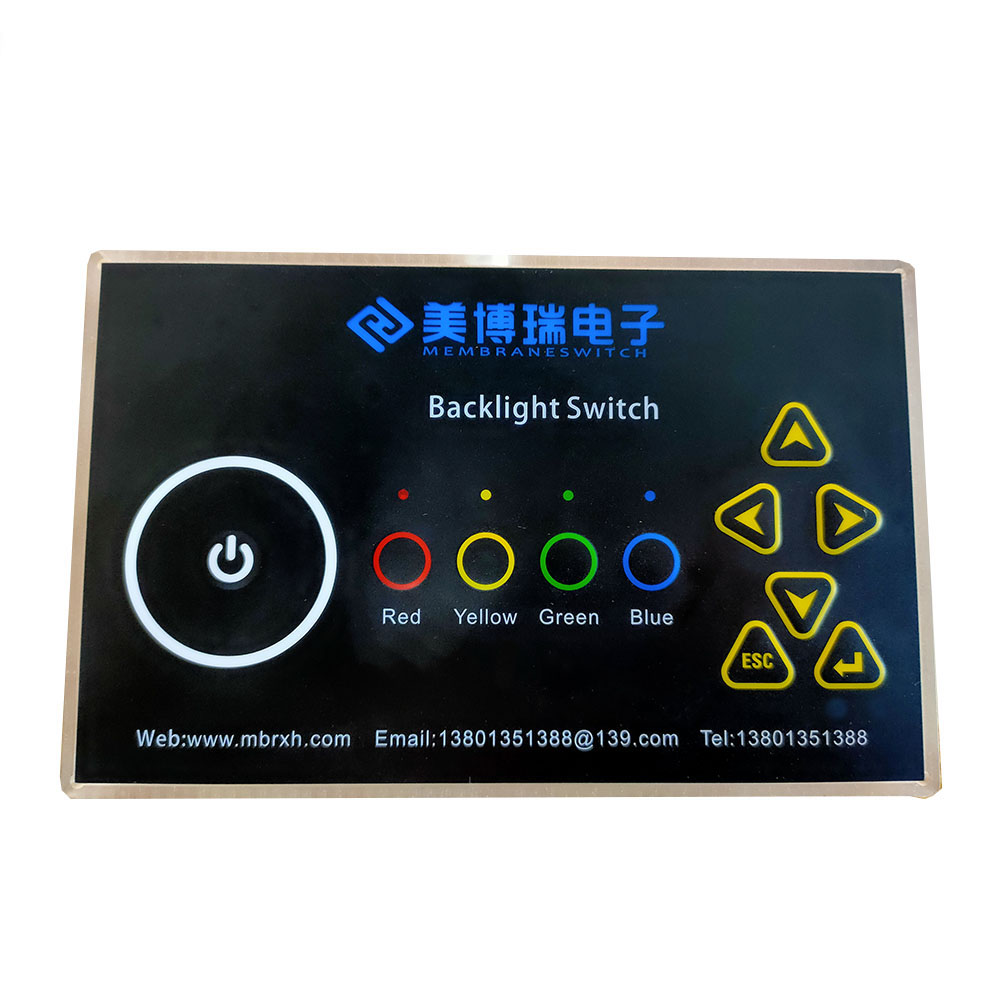
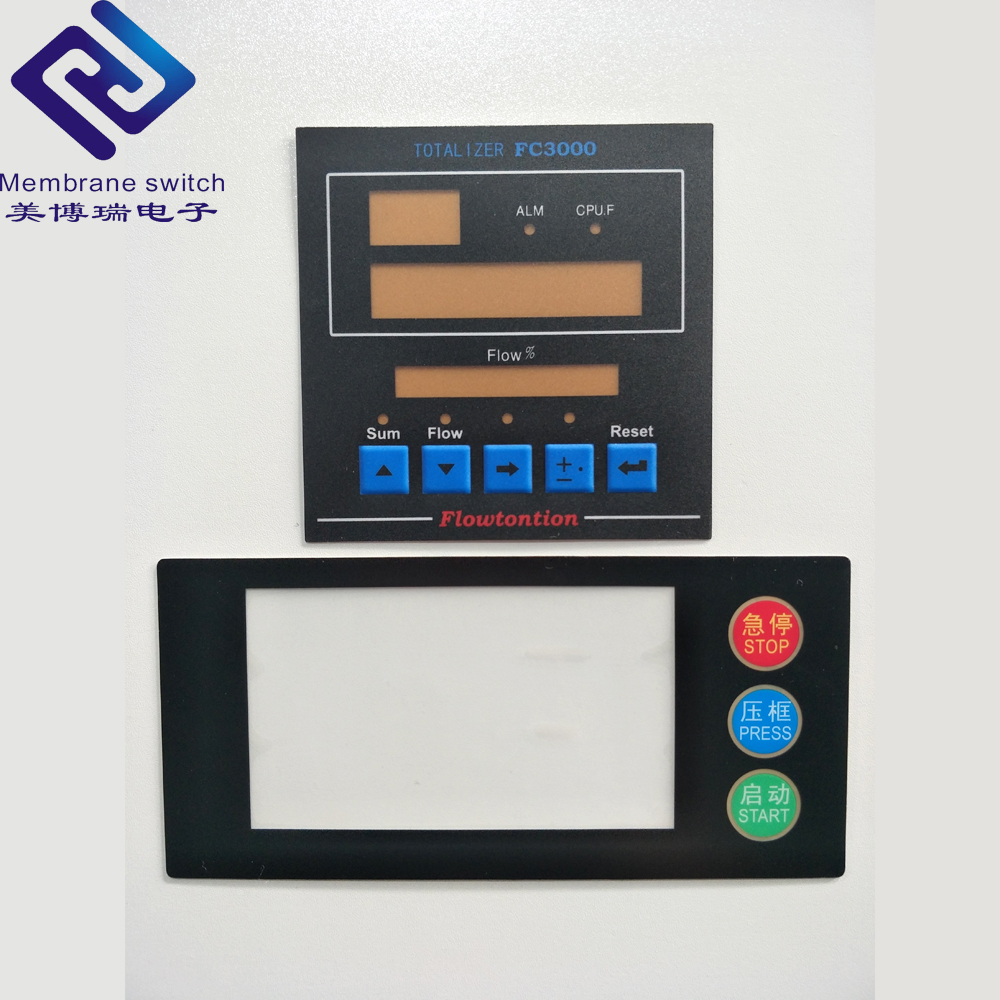
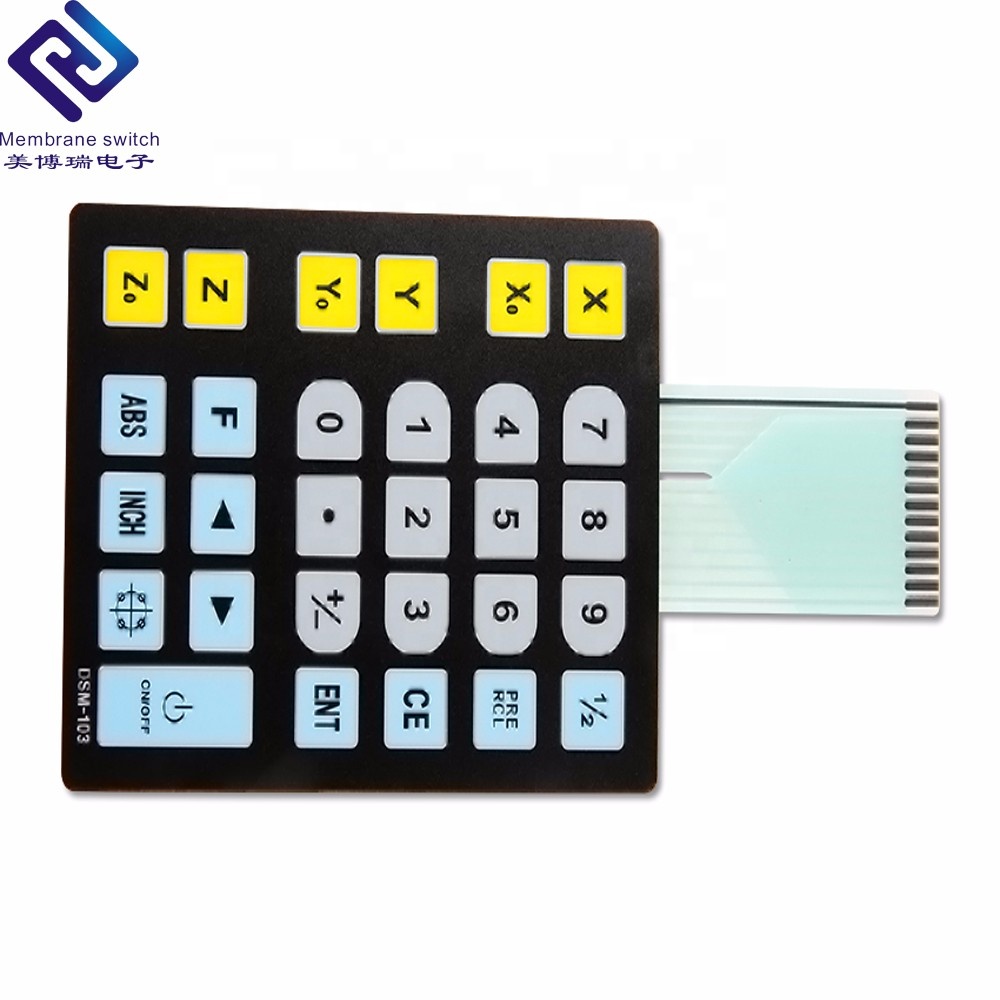
Engineering Resilient Silicone Keypads for Caribbean Operating Environs
In the industrial corridors surrounding Port-au-Prince, Carrefour, Delmas, and the Varreux maritime terminal, input interface components face an unusually aggressive convergence of environmental stressors. Tropical ambient humidity exceeding 85%, continuous airborne marine salt chlorides from the Gulf of Gonâve, pervasive fine volcanic dust, and extreme electrical fluctuations necessitate a fundamental departure from commercial-grade interface design. A standard electronic keyboard or non-sealed consumer membrane panel inevitably falls victim to contact oxidation, silver trace migration, tactile fatigue, and ingress clogging within 6 to 12 months.
As a seasoned original equipment manufacturer with over 30 years of research and production expertise, our factory engineers customized compression-molded silicone rubber keypads, integrated elastomer-membrane hybrids, and copper flexible printed circuit (FPC) backings explicitly engineered to endure these unforgiving environments. Silicone elastomer (polydimethylsiloxane) provides intrinsic chemical inertness, wide operating thermal windows (-40°C to +200°C), and elastic memory that remains uncompromised by high-intensity ultraviolet (UV) solar radiation common to the Caribbean basin.
Ingress Elimination via Monolithic Gasket Overmolding
Unlike assembled plastic enclosures that rely on secondary die-cut foam strips susceptible to rot in Caribbean heat, our silicone rubber keypads can be molded with monolithic perimeter sealing ribs and integrated compression flanges. When torque is applied during mechanical assembly to an aluminum, sheet-metal, or polycarbonate bezel, the keypad webbing transforms into a hermetic IP67/IP68 perimeter gasket. This completely isolates the underlying sensitive PCB, gold-plated contacts, and SMT circuit elements from driving rains, tropical squalls, fine particulate cement dust, and corrosive maritime saline mist.
Elastomeric Keypad Anatomy & Material Cross-Section
A precision-engineered industrial silicone rubber keypad operates as both the tactile human-machine transducer and the primary environmental barrier. Understanding the physical anatomy is paramount for Port-au-Prince sourcing directors and electromechanical engineers configuring custom molds:
Durometer & Actuation Physics
Custom compression compounding using Shore A hardness ratings from 40° to 70°. We precisely engineer the elastomeric webbing angle (typically 45° to 55°) and thickness (0.35mm to 0.60mm) to govern snap ratio (tactile feedback). Operators wearing industrial safety gloves receive an unmistakable, crisp tactile snap ranging between 120g and 350g actuation force, preventing accidental multiple keystrokes on critical infrastructure.
Conductive Contact Configurations
Conductive low-resistance carbon pills (contact resistance <100 ohms) vulcanized permanently to the bottom plunger. For high-vibration applications such as heavy transport or diesel generator controllers, we offer gold-plated metal domes or gold-plated silicone conductive pads yielding resistance <1 ohm. The carbon compounds are non-corrosive, entirely eliminating silver migration problems in humid Port-au-Prince climates.
Laser Etching & Surface Coatings
Translucent medical/optical-grade base silicone covered with multi-pass opaque color spraying, followed by computer-guided CNC laser ablation to expose characters for crisp uniform LED backlighting. The finished surface receives either a dual-component Polyurethane (PU) spray coating, matte UV varnish, or optical epoxy resin capping to ensure legends never fade under abrasive saline scrub-down cycles.
Material Specification & Laboratory Reliability Matrix
Every silicone elastomer run fabricated in our Hebei and Huizhou plants is verified against strict international testing parameters. Below is our engineering baseline provided to Caribbean procurement teams:
| Engineering Parameter | Standard Industry Range | Factory Baseline Performance | Significance for Port-au-Prince Operations |
|---|---|---|---|
| Base Material Polymer | Commercial MVQ Silicone | 100% High Tear-Strength Polyorganosiloxane | Extreme UV stability; will not become brittle or yellow under intense tropical sun |
| Hardness (Shore A) | 30° to 80° Shore A | 50° ± 5° Shore A (Customizable) | Optimal elastic snap memory; maintains return force over millions of cycles |
| Contact Resistance | < 200 Ω (Carbon Pill) | < 50 Ω (Premium Carbon) / < 0.5 Ω (Gold Dome) | Immune to Caribbean air salinity; prevents micro-current controller signal misreads |
| Actuation Lifespan | 500,000 cycles | 1,000,000 to 5,000,000 cycles | Reliability in continuous public service kiosks, microgrid HMIs, and terminal portals |
| Dielectric Strength | 15 kV/mm | ≥ 20 kV/mm | Superior electrostatic discharge (ESD) insulation against voltage surges and storms |
| Thermal Endurance | -20°C to +70°C | -40°C to +180°C continuous | Survives inside non-air-conditioned steel generator enclosures and outdoor cabinets |
| Salt Spray Corrosion Test | 24 Hours (ASTM B117) | 96 to 120 Hours Continuous Neutral Salt Fog | Guaranteed survival against airborne marine aerosol drifting from Port-au-Prince Bay |
Silicone Rubber Keypad Integration Across Haiti's Core Sectors
Addressing the specific electromechanical challenges encountered by technicians, project developers, and maintenance contractors operating throughout the West Department and regional hubs.
Microgrid & Solar Inverter Controls
Because municipal grid stability across Port-au-Prince remains intermittent, residential complexes, commercial towers, and humanitarian compounds rely comprehensively on autonomous solar hybrid inverters and battery energy storage systems (BESS). Outdoor solar inverter cabinets operate in unconditioned shed structures reaching ambient temps over 45°C.
Heavy Diesel Genset Control Panels
Standby diesel generation units (Perkins, Cummins, Caterpillar controllers) deployed across industrial facilities in Drouillard and Cité Soleil run continuous vibration profiles. Traditional membrane switches crack at button emboss boundaries under engine harmonic vibration.
Cellular Transceiver & Relay Cabinets
Telecommunications operators (Digicel, Natcom) maintain rooftop transceivers and remote mountain repeater stations across Morne de la Selle and coastal ridges. Remote technicians need waterproof, dust-sealed interfaces for maintenance diagnostic handhelds.
Container Terminal Crane & Weighing Systems
The International Port of Port-au-Prince (APN) handles rigorous cargo cycles exposed directly to seawater splash and dense salt fog. Gantry cranes, weighbridges, and container yard stackers demand rugged interfaces that resist chemical washdowns and abrasive hydraulic grease.
Mobile Clinical & Sterilization Equipment
Medical clinics and field hospitals throughout Haiti depend on mobile diagnostic blood analyzers, autoclaves, and patient monitoring gear that undergo repeated daily chemical disinfection using chlorine solutions and isopropyl alcohol.
Rugged Cellular POS & Payment Terminals
With the growth of mobile money systems (MonCash, Natcash), handheld wireless POS hardware is operated in vibrant, chaotic outdoor market spaces like Marché Salomon. Drops onto concrete and sudden tropical rain are frequent operational realities.
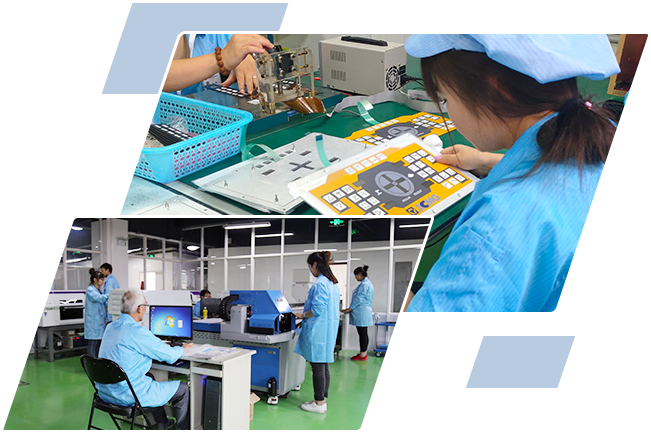
End-to-End In-House Production: From Tooling to Cleanroom Packing
By keeping every phase of manufacturing inside our wholly-owned industrial bases, we guarantee traceability, lower mold costs, and provide Western European technical precision directly to your procurement channel.
Why International Integrators Rely on Our Facilities
Founded in 1990, our operation has scaled into an industry-leading HMI hardware enterprise. Operating our primary facility in the Robot Industry Port of Xianghe (Hebei) alongside our expansive secondary manufacturing center in Huizhou (Guangdong), we maintain unmatched capacity flexibility. Your custom tooling and production orders are never brokered out to unverified third-party workshops.
Our long-term technical cooperation with a premier German membrane switch and keypad factory infuses European precision into every mechanical tolerance and silk-screening pass. Furthermore, our production system is audited on-site by Intertek and certified to ISO 9001:2015 quality management benchmarks.
- 60 In-house CNC mold carving centers
- 37 Precision silkscreen printing lines
- 4 Mimaki digital UV flatbed systems
- 18 Precision laser cutting & etching units
- Automated computer circuit test rigs
- Xenon lamp UV aging & salt fog chambers
Whether you require a pilot prototype batch of 100 customized silicone rubber keypads or a high-volume annual supply of 500,000 units, our dual-plant configuration guarantees continuous delivery security with zero factory downtime.
Procurement & Freight Optimization for Haiti OEM Buyers
Seamless international commercial terms, expedited Caribbean shipping corridors, and tropicalized anti-static packaging designed to protect your investment.
Sourcing precision electronic hardware for deployment in Haiti requires a well-structured logistics blueprint. Maritime import tariffs, port clearance dynamics through the Autorité Portuaire Nationale (APN) in Port-au-Prince, and air freight consolidation routes via Florida hubs require proactive management. Our international export department, staffed by 20 multi-lingual logistics veterans, standardizes your procurement workflow through proven routes:
Miami Consolidation Hub
For urgent air cargo or scheduled ocean replenishment, most Haitian OEMs consolidate freight through bonded logistics forwarders located in Miami / Fort Lauderdale (Doral, Medley). We deliver via DHL, FedEx Express, or air-cargo DDU to your Florida freight forwarder within 3–5 working days of factory release.
Direct Ocean Freight to APN
Full Container Load (FCL) or Less than Container Load (LCL) shipments originating from Shenzhen or Tianjin ports direct to Port-au-Prince APN terminal. We handle comprehensive export customs, certified commercial invoicing, Certificate of Origin (CO), and HS Code documentation to prevent customs delays.
Tropicalized Packaging Standard
Elastomer keypads and silver circuits shipped into high-dew-point Caribbean atmospheres are packed in hermetically heat-sealed anti-static ESD bags with active cobalt-free silica gel desiccant packs, cushioning dividers, and double-wall corrugated export master cartons to withstand transshipment.
Frequently Asked Technical & Sourcing Questions
Clear, direct engineering answers addressing minimum orders, mold tooling investments, contact options, and environmental endurance.
What CAD files and engineering specifications are required to begin custom mold fabrication?
To fabricate your compression tooling and silk-screening screens, our R&D engineering center requires:
1. 3D CAD Model: STEP, STP, or IGS files detailing key geometry, plunge depth, webbing thickness, draft angles, and contact pill spacing.
2. 2D Mechanical Outline: DXF, DWG, or PDF illustrating dimensional tolerances, mounting hole centerlines, and perimeter gasket flanges.
3. Graphic Artwork: Vector files (Adobe Illustrator .AI or CorelDraw .CDR) with exact Pantone solid coated color codes, legend placements, and window designations.
4. Electrical & Environmental Profile: Circuit schematic, required actuation force (grams), contact resistance limit, and operating environment notes. Our team audits your files for manufacturability (DFM) within 24 hours.
Why is conductive carbon pill vulcanization superior to printed silver ink for Haitian installations?
In high relative humidity (above 75%) accompanied by continuous warm temperatures—typical of Port-au-Prince year-round—printed silver conductive tracks on traditional membrane layers can experience electrochemical silver migration (dendrite growth) if moisture ever breaches the perimeter. This creates micro-shorts between adjacent tracks.
Solid vulcanized conductive carbon pills consist of high-density carbon particles homogeneously fused into silicone elastomer during high-temperature compression molding. Carbon does not oxidize, cannot form dendrites, and is chemically inert to galvanic corrosion, ensuring uninterrupted switching life exceeding 1,000,000 actuations even if moisture vapor penetrates.
How do you protect laser-etched backlit graphics from abrasion and tropical sunlight degradation?
Laser etching involves molding the keypad from natural translucent silicone, spray-coating the key tops with a white or colored base coat, applying an opaque top coat, and using a high-precision laser beam to ablate the topcoat according to the graphic typography.
To prevent premature wear from operator fingernails, dust particles, and cleaning detergents, we apply a high-grade two-component Polyurethane (PU) protective matte overcoat or an epoxy resin dome. Furthermore, our silicone formulation integrates proprietary UV inhibitors verified through 500-hour programmable xenon lamp aging tests, guaranteeing the silicone will not crack, discolor, or lose elastic snap in Caribbean sunlight.
What are your minimum order quantities (MOQ) and sample lead times for custom tooling?
Unlike massive domestic-focused factories demanding 5,000-unit minimums, TAVO supports high-mix OEM engineering projects. We offer prototype pilot tooling starting at 100 to 500 pieces to facilitate testing, donor agency equipment builds, and field validation in Port-au-Prince.
Our rapid tooling cycle delivers physical T1 mold trial samples within 12 to 15 working days from drawing sign-off. Full mass-production runs typically dispatch within 15 to 20 days following sample approval.
Can silicone rubber keypads be combined with rigid FR4 PCBs or metal backer plates?
Yes. Many heavy-duty industrial controllers require structural rigidity to allow rear-mounted threaded studs, terminal block wire harnesses, and SMT microcontrollers. We supply complete turn-key HMI sub-assemblies consisting of:
• The top silicone rubber keypad with customized durometer and keys
• An FR4 multi-layer PCB or gold-plated circuit board beneath
• Optional aluminum or stainless steel backer plates with PEM mounting studs
• Surface-mount LEDs, buzzers, and ZIF connectors attached and 100% electrically tested prior to dispatch.
Which international trade terms (Incoterms) and payment methods do you accept?
We routinely execute trade under FOB Shenzhen/Tianjin, CFR, CIF Port-au-Prince, and EXW terms. For buyers working through US purchasing houses or forwarders in Florida, we offer DDU/FCA Miami delivery.
Payment terms include Telegraphic Transfer (T/T), Letter of Credit at sight (L/C), and D/P D/A mechanisms denominated in US Dollars (USD) or Chinese Yuan (CNY). Non-disclosure agreements (NDAs) are executed prior to receiving proprietary artwork or mechanical drawings.
Initiate Your Custom Elastomer HMI Project
Connect directly with our senior mechanical and electronic tooling engineers. We provide complimentary Design for Manufacturability (DFM) reviews, material stack-up recommendations, and direct factory pricing within 24 business hours.
- Fast 24-Hour DFM & Quote Response
- Proprietary Drawing Confidentiality (NDA)
- Rapid 12-Day Tooling & Mold Sampling
- Direct Miami Forwarder Freight Coordination
Factory Facilities: Robot Industry Port, Xianghe, Langfang, Hebei & Huizhou, Guangdong, China. Serving Industrial & OEM Brands Worldwide.
Direct Sourcing Consultation
Submit 2D/3D CAD models, artwork vector files, or discuss custom snap ratios with our engineering team.
Inquire Now