Standard Matrix
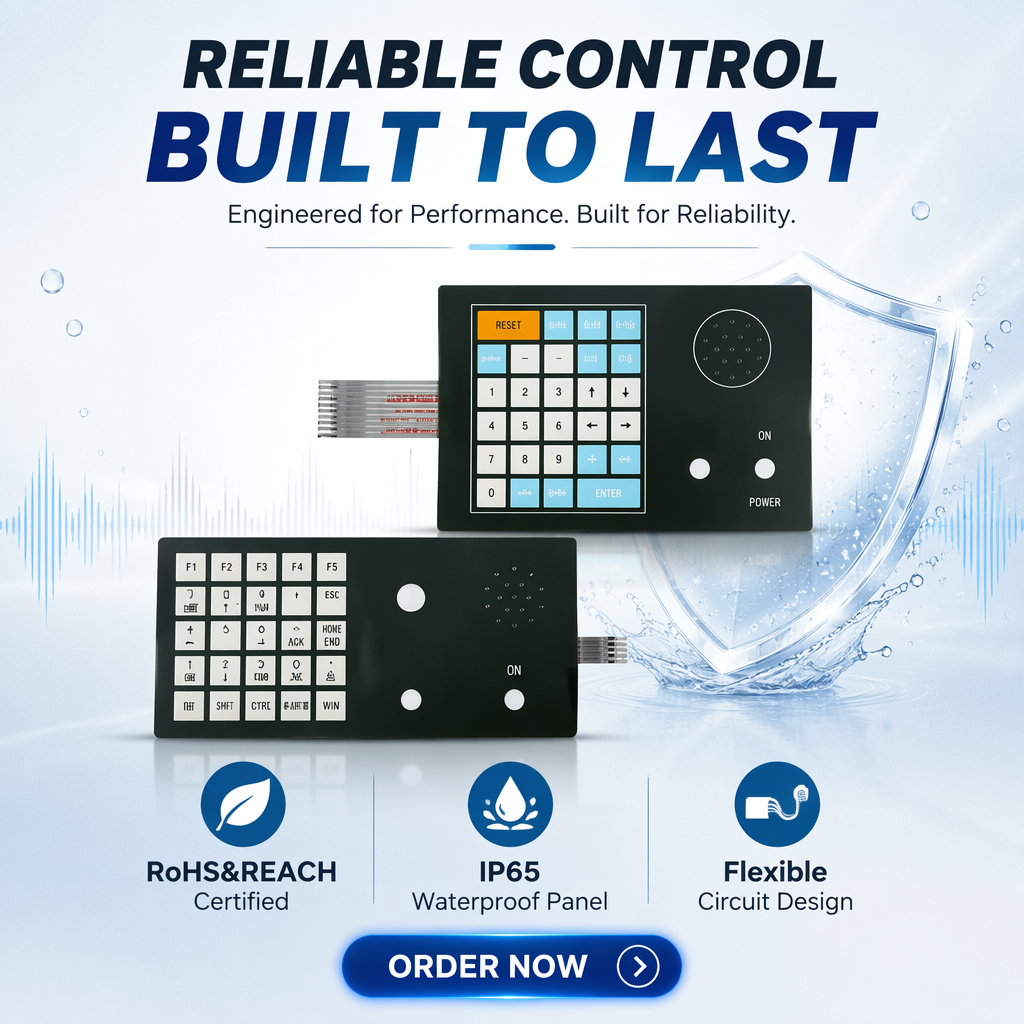
Precision-Engineered Human-Machine Interfaces, Industrial Membrane Keyboards & Custom FPC Control Modules Designed for Latgale's Advanced Manufacturing & Instrumentation OEM Requirements
Engineered for mission-critical operations, harsh industrial environments, and precision instrumentation across the Baltic corridor.
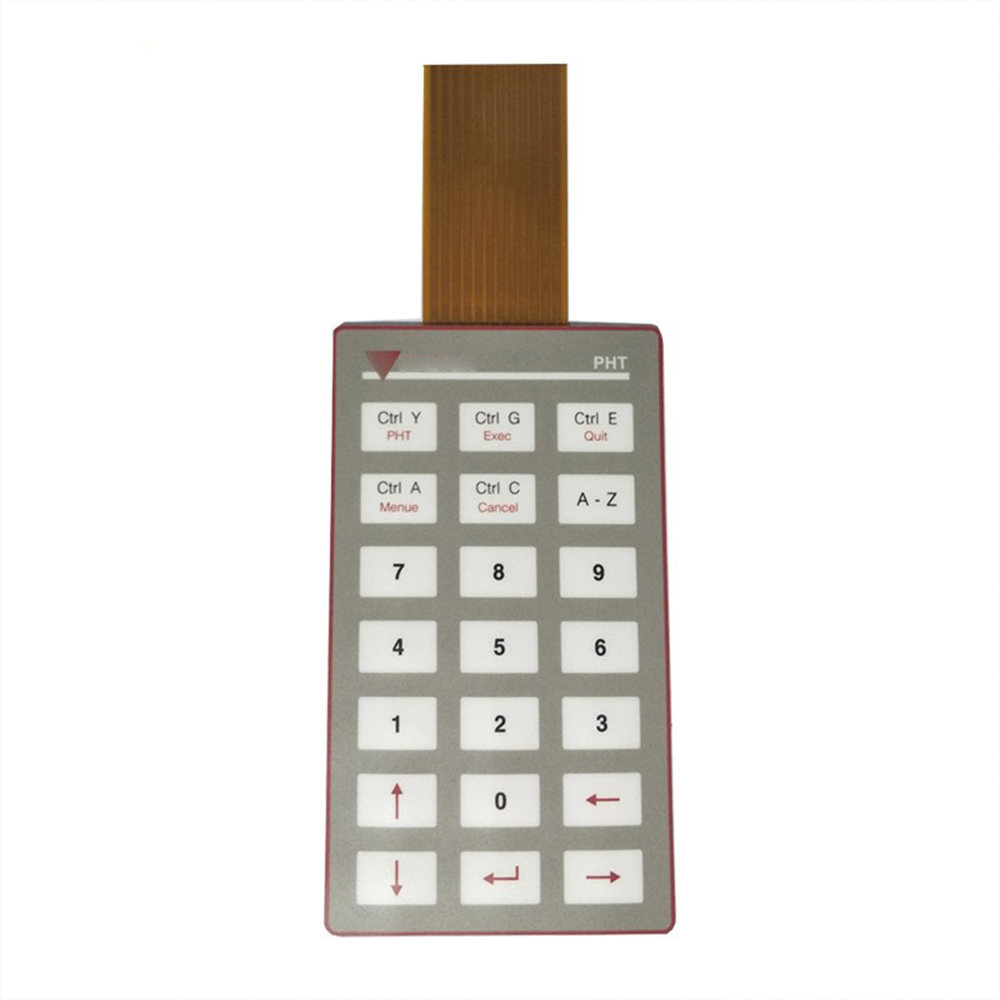
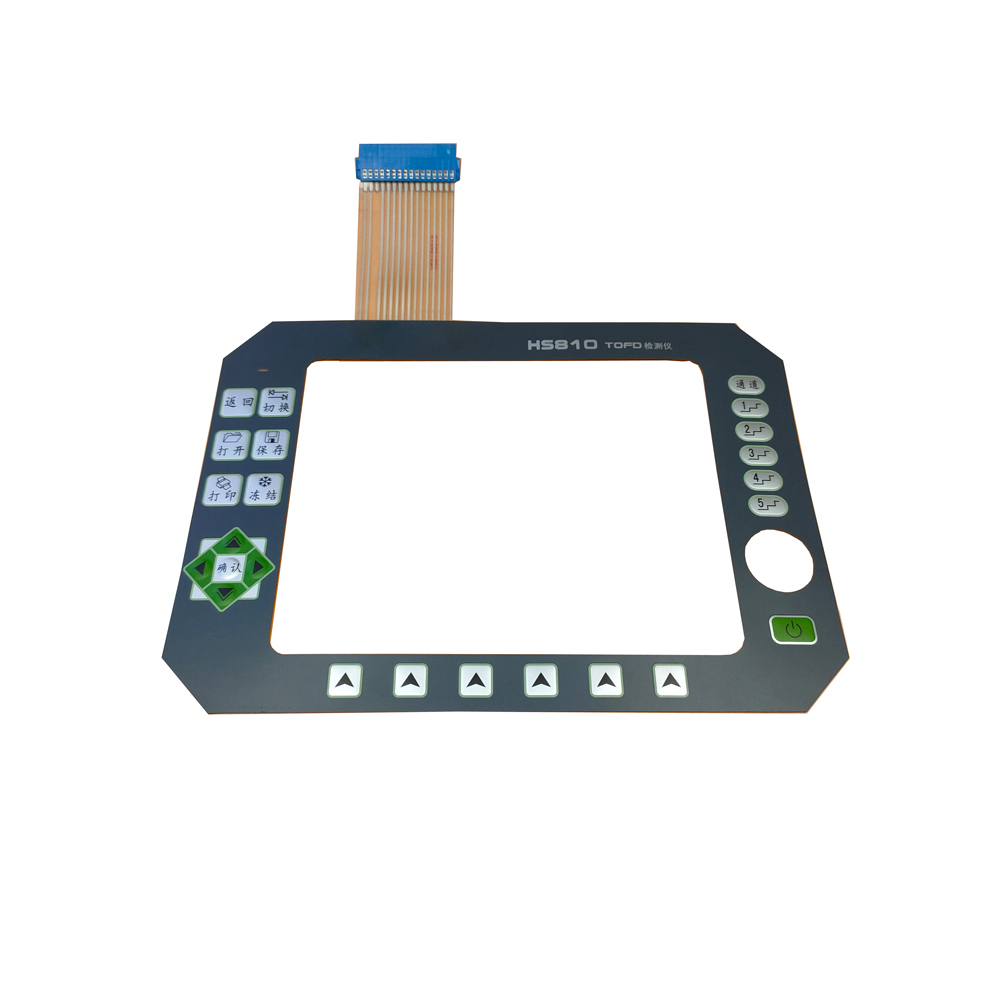
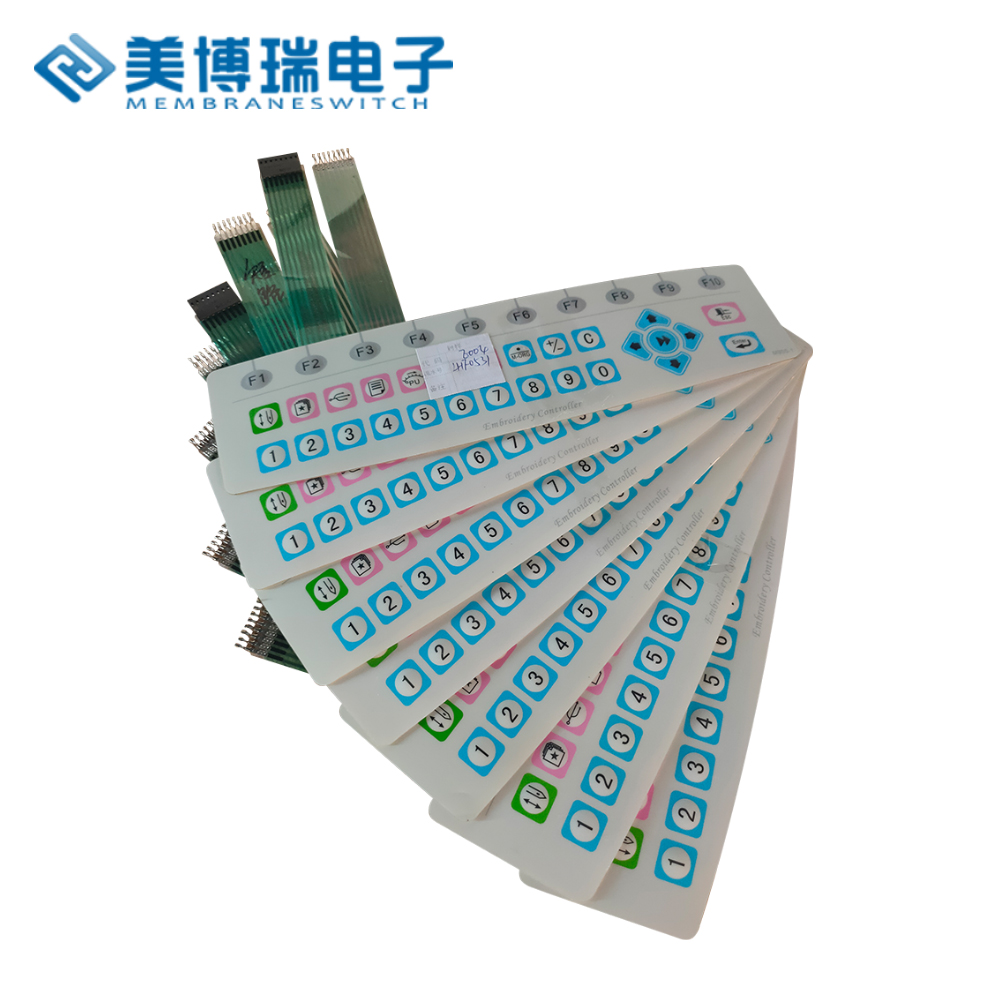
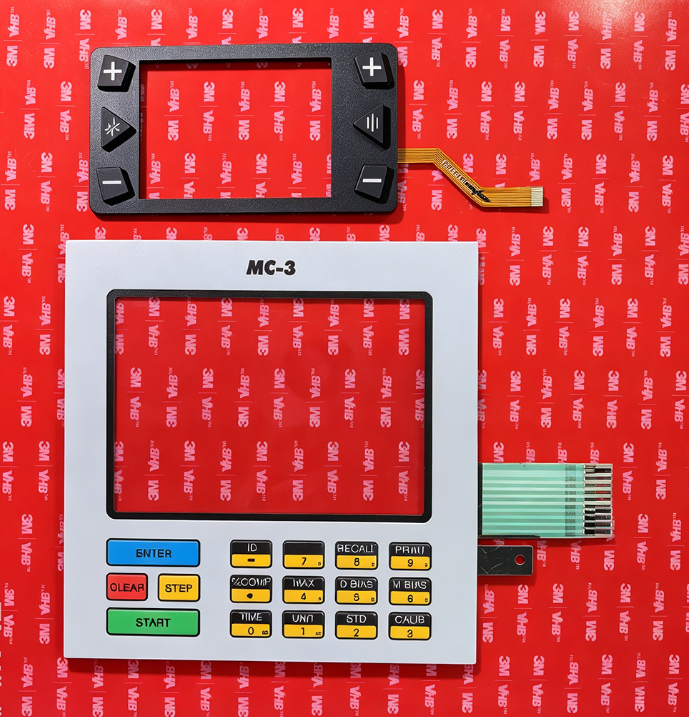
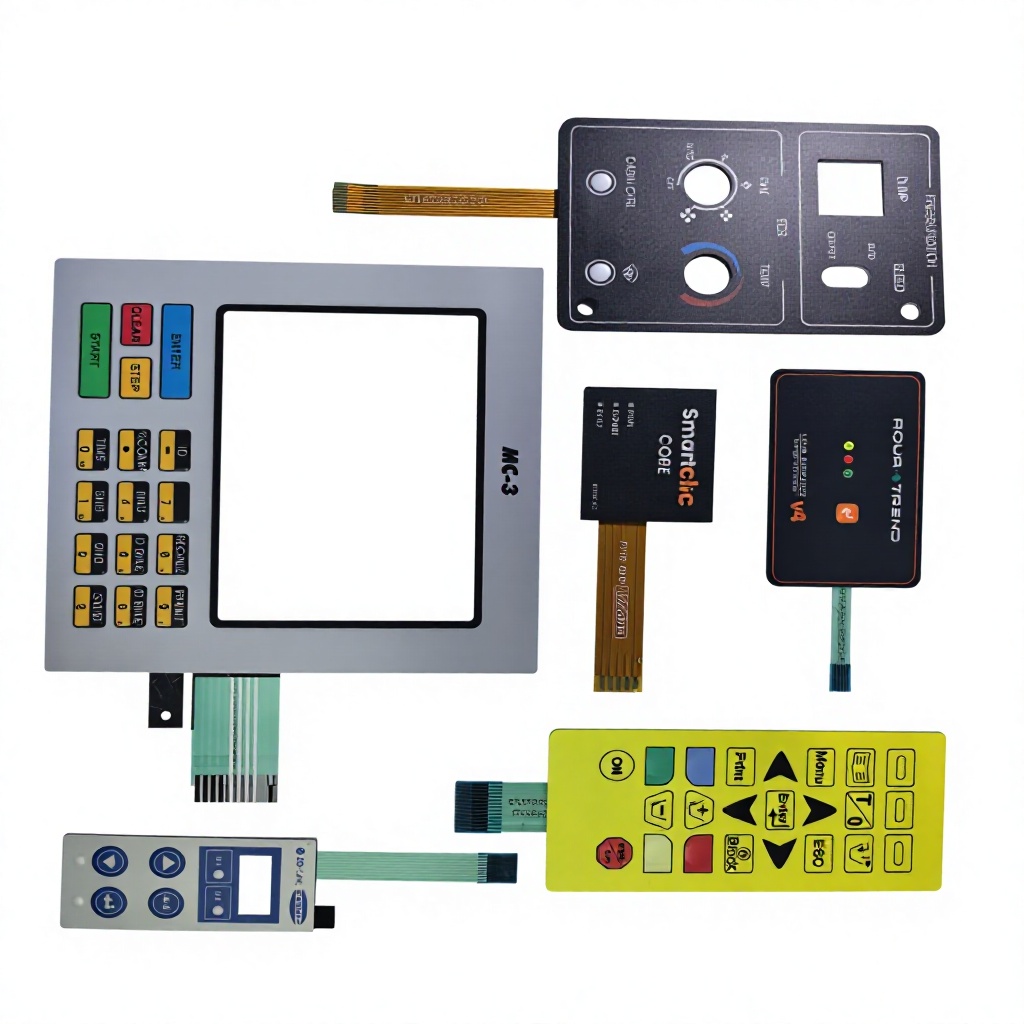
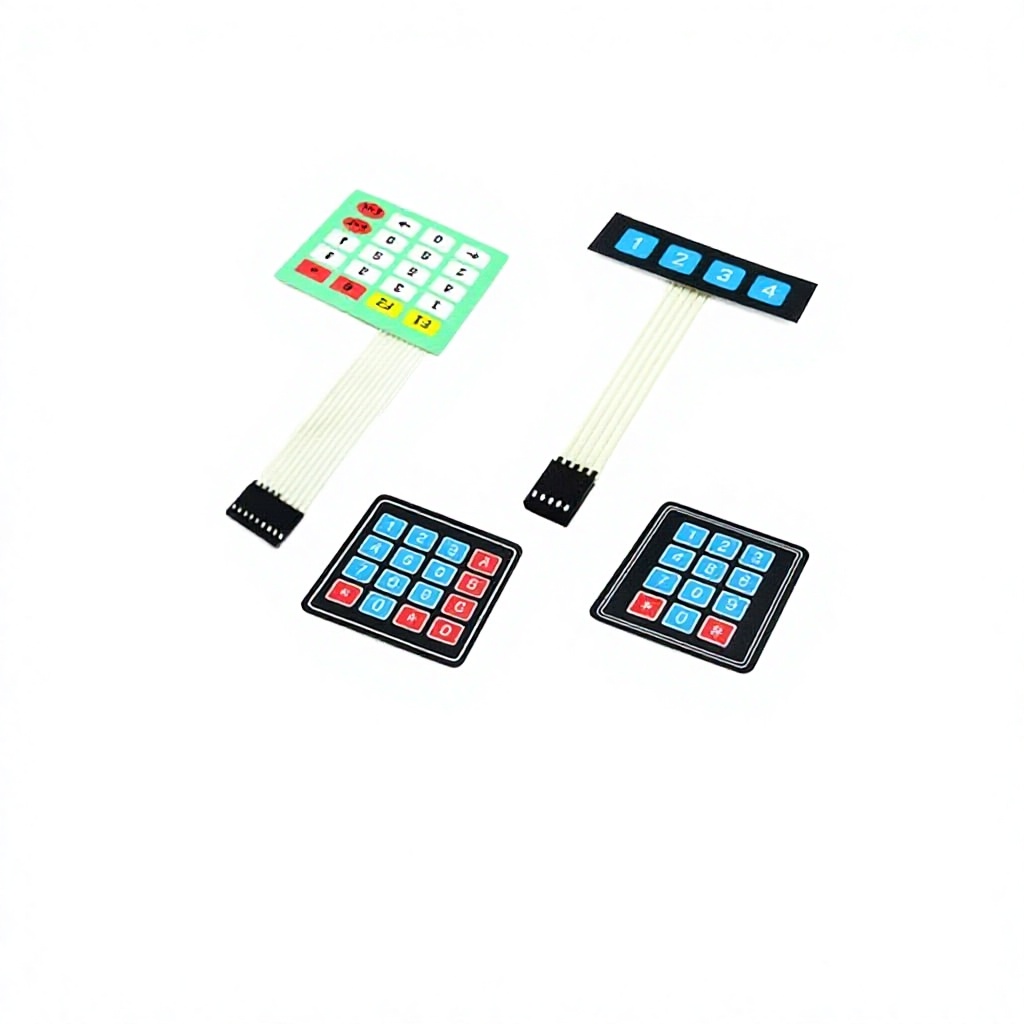
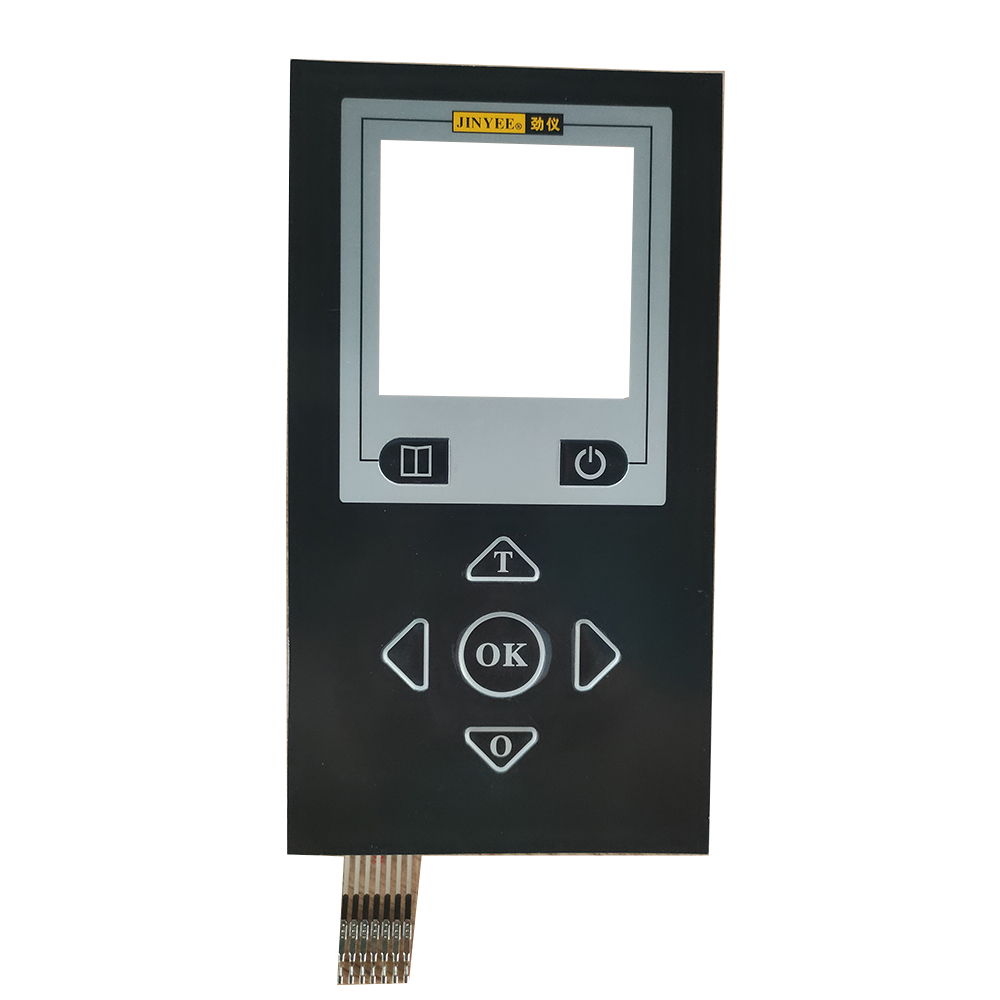
Analyzing cross-layer dynamics, thermodynamic tolerances, and haptic feedback profiles for European industrial OEMs.
In high-reliability industrial automation, embedded computing, and analytical test equipment, human-machine interface (HMI) failures stem from micro-environmental breakdown: atmospheric moisture ingress, rapid thermal cycling, dielectric degradation, and structural stress corrosion cracking within the contact dome arrays. For engineers procuring tactile keypad panels in Daugavpils and across the wider Latgale industrial base, mechanical specifications cannot be divorced from climatic performance parameters.
A precision tactile membrane switch panel is an engineered multilayer sandwich consisting of 5 to 7 bonded laminar tiers. The external graphic overlay is reverse-printed on optical-grade biaxially-oriented polyethylene terephthalate (PET) or polycarbonate (PC). PET is mandatory in Baltic outdoor and heavy machinery environments due to its exceptional chemical inertness against solvents, lubricants, and high-pressure washdowns, offering a flex fatigue endurance exceeding 5 million switch flexures compared to PC’s standard 100,000 actuations.
Directly beneath the graphic layer, the tactile feedback module utilizes calibrated stainless steel (nickel-plated or gold-plated) snap domes ranging from 6mm to 20mm in diameter, with actuation forces ranging between 220g and 500g. When compressed, the dome snaps downward to short-circuit interdigitated conductive traces screen-printed with particulate silver ink or photo-lithographically etched into a polyimide Flexible Printed Circuit (FPC). Our factory incorporates internal anti-pumping breather channels vented through micro-filtered chambers to avoid atmospheric condensation while preserving true IP67 hermetic isolation.
Loop resistance <100Ω on standard screen-printed silver circuitry; down to <1Ω on etched copper-clad polyimide (FPC). Dielectric breakdown voltage exceeding 1500V DC at 50Hz for elevated surge immunity.
Precise tactile ratio between 40% to 65% ensures distinctive snap feedback through winter gloves, with contact bounce times suppressed below 5 milliseconds to eliminate signal chatter in rapid data acquisition loops.
Lamination with 3M 467MP, 468MP, or VHB modified acrylic transfer adhesives. Stable shear resistance tested across thermal gradients from -40°C to +85°C without interface delamination or adhesive creep.
In high-humidity, sub-zero continental climates like Eastern Latvia, standard silver ink traces are susceptible to electrochemical silver migration—an electromotive phenomenon where silver ions traverse conductive gaps under continuous DC bias voltages, producing dendritic microscopic shorts. To completely eliminate this failure mode, our advanced tactile switch assemblies utilize one of two proprietary solutions: overprinting silver tracks with a pinhole-free carbon protective paste, or executing high-density circuit routing via double-sided copper Flexible Printed Circuits (FPC) with polyimide coverlays and selective gold plating on dome contact pads.
Configured specifically to match the specialized operational realities of Daugavpils' primary engineering sectors.
Daugavpils remains a pivotal railway overhaul and locomotive component manufacturing hub in Eastern Europe. Keypads mounted within cabin dashboards and depot maintenance consoles must withstand severe harmonic vibrations, broad voltage swings, and continuous low-frequency mechanical shaking. Our metal-backed membrane keypads utilize 2.0mm anodized aluminum carrier plates integrated with heavy-duty snap domes and RFI/EMI shielding foils to prevent erroneous triggering near electric locomotive traction systems.
The agricultural processing industries scattered along the Daugava basin require human-machine interfaces that facilitate aggressive sanitary regimes. Traditional mechanical switches collect bio-matter, starch dust, and chemical disinfectants in bezel seams. We build seamless, micro-textured polyester front panels with sub-surface antimicrobial printing, designed to withstand direct alkaline CIP (Clean-In-Place) washdowns without clouding, peeling, or water penetration.
Daugavpils' thriving metal processing and machinery tooling enterprises demand control panels resistant to aerosolized coolant oils, cutting lubricants, and sharp aluminum chips. We provide hard-coated graphic overlays (3H to 4H scratch resistance) combined with high-tactile stainless steel dome switches that guarantee deliberate, unmistakable tactile actuation even when operators wear heavy protective safety gloves.
How localized technical migration from bulky electromechanical pushbuttons to smart, integrated panels is driving regional competitiveness.
Industrial designers in Latvia are systematically decommissioning traditional 22mm pilot-hole electro-mechanical pushbuttons in favor of shallow-depth, monolithic tactile assemblies. Modern cabinet designs require enclosures to occupy minimal cubic volume. A fully integrated membrane keypad panel occupies less than 1.5mm to 3.0mm of depth, drastically reducing cabinet weight, simplifying cable harnesses to a single ZIF (Zero Insertion Force) tail, and accelerating production line throughput.
Depot lighting and shift operations in the Baltic winter pose severe visual challenges. Regional OEMs are demanding integrated backlighting solutions using Light Guide Film (LGF) and side-firing micro-SMT LEDs. LGF technology disperses ultra-uniform white or chromatic light across specific alphanumeric key clusters while maintaining an exceptionally slender physical stack, demanding minimal current draw from primary 24V industrial power supplies.
With seasonal temperatures fluctuating from +32°C in mid-summer down to -25°C during winter months, electronic enclosures face perpetual condensation dew points. Procuring components built with industrial-grade closed-cell spacer adhesives and atmospheric pressure equalizing vents has become a mandatory procurement specification across Latvian public infrastructure, defense supply, and industrial tenders.
Machinery manufacturers in Daugavpils frequently develop highly customized, low-to-mid volume machines for bespoke European clients. Our specialized manufacturing structure offers low minimum order barriers with rapid 7-to-10 day turnaround on functional prototypes, backed by mass-production multi-cavity tooling capabilities when equipment moves to high-volume commercial production.
Decades of specialized engineering, verified vertical integration, and direct OEM partnerships worldwide.
Founded on a manufacturing lineage dating back to 1990, TAVO Electronic Information Technology Co., Ltd. is a globally assessed custom manufacturer of precision membrane keypads, graphic overlays, flexible circuits, and complete HMI assemblies. Operating under rigorous ISO 9001 quality management systems and verified onsite by Intertek, our facility integrates every critical phase—from schematic engineering, digital UV printing, and high-precision silkscreen output, to laser die-cutting, cleanroom assembly, and 100% automated circuit verification.
Over three decades, our engineering units have developed mission-critical panels deployed in high-speed rail locomotive cabins, major hydroelectric control grids, aerospace applications, and automation systems for global leaders including Siemens, ABB, and Haier. With manufacturing infrastructure spanning our primary base in Xianghe Robot Industry Port and advanced production lines in Huizhou, our dual-factory capacity model guarantees that no project is delayed by machine downtime or single-source dependency.
Addressing engineering specifications, logistical compliance, minimum runs, and Baltic testing standards.
Consult with our senior HMI application engineers. We will review your CAD drawings, verify tactile force requirements, optimize circuit routing, and deliver a comprehensive DFM quotation within 24 hours.
Send an Inquiry