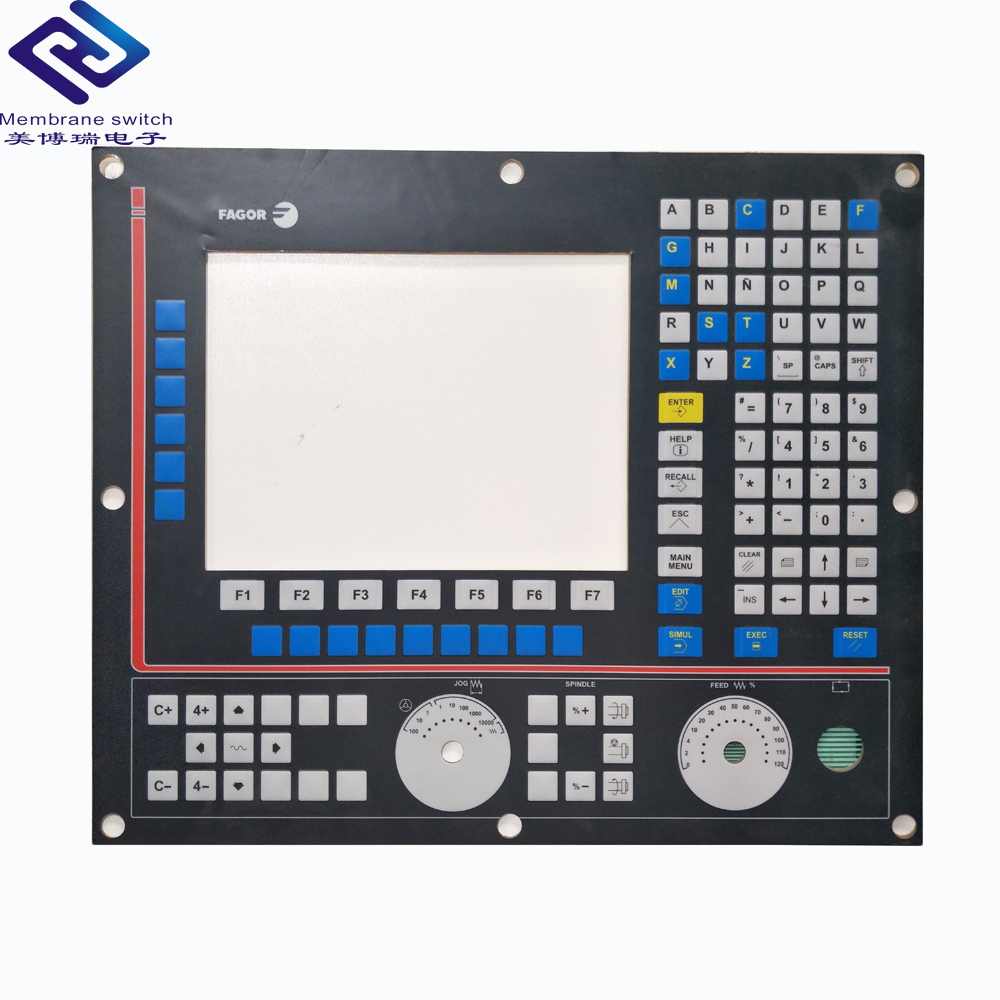
CNC Milling Machine Keypad Membrane Control Panel for Industrial CNC Panel
- Metal Dome Tactile
- Embossed Keys
- Oil & Solvent Resistant
Fully compliant with ISO 9001 and verified through Intertek onsite inspection, our membrane switches withstand saline air, arctic temperatures down to -40°C, and heavy chemical washdown.
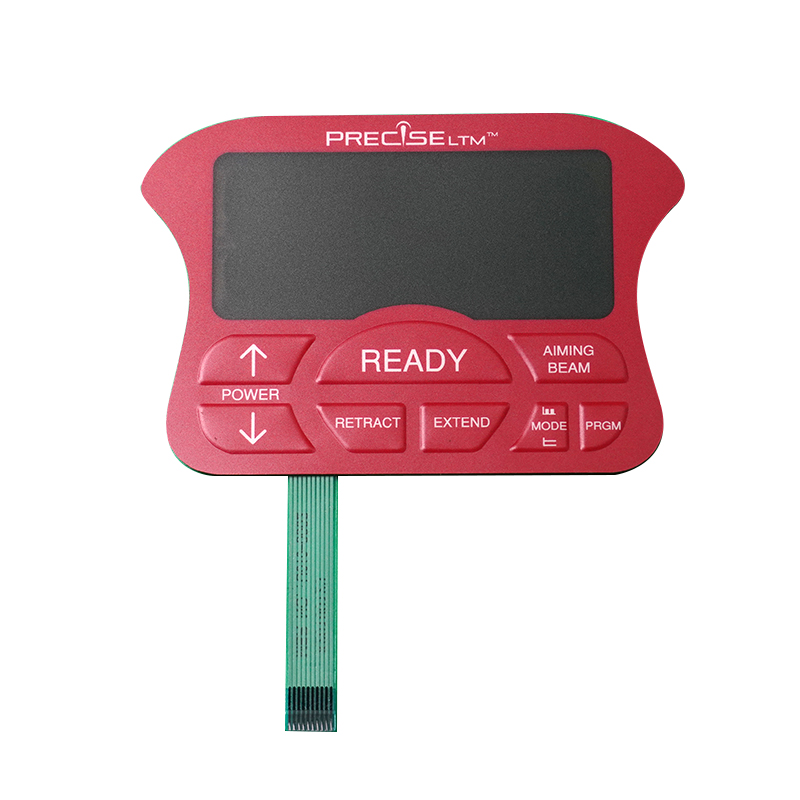
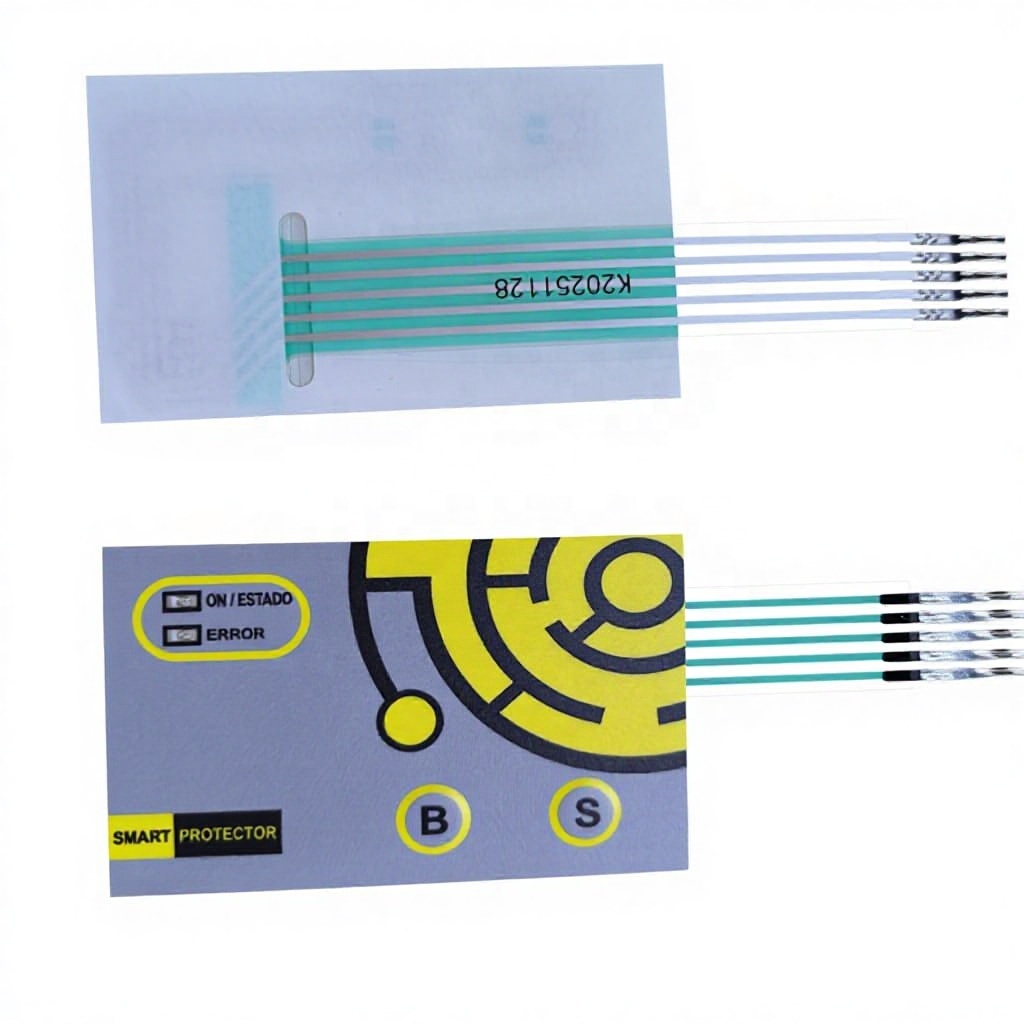
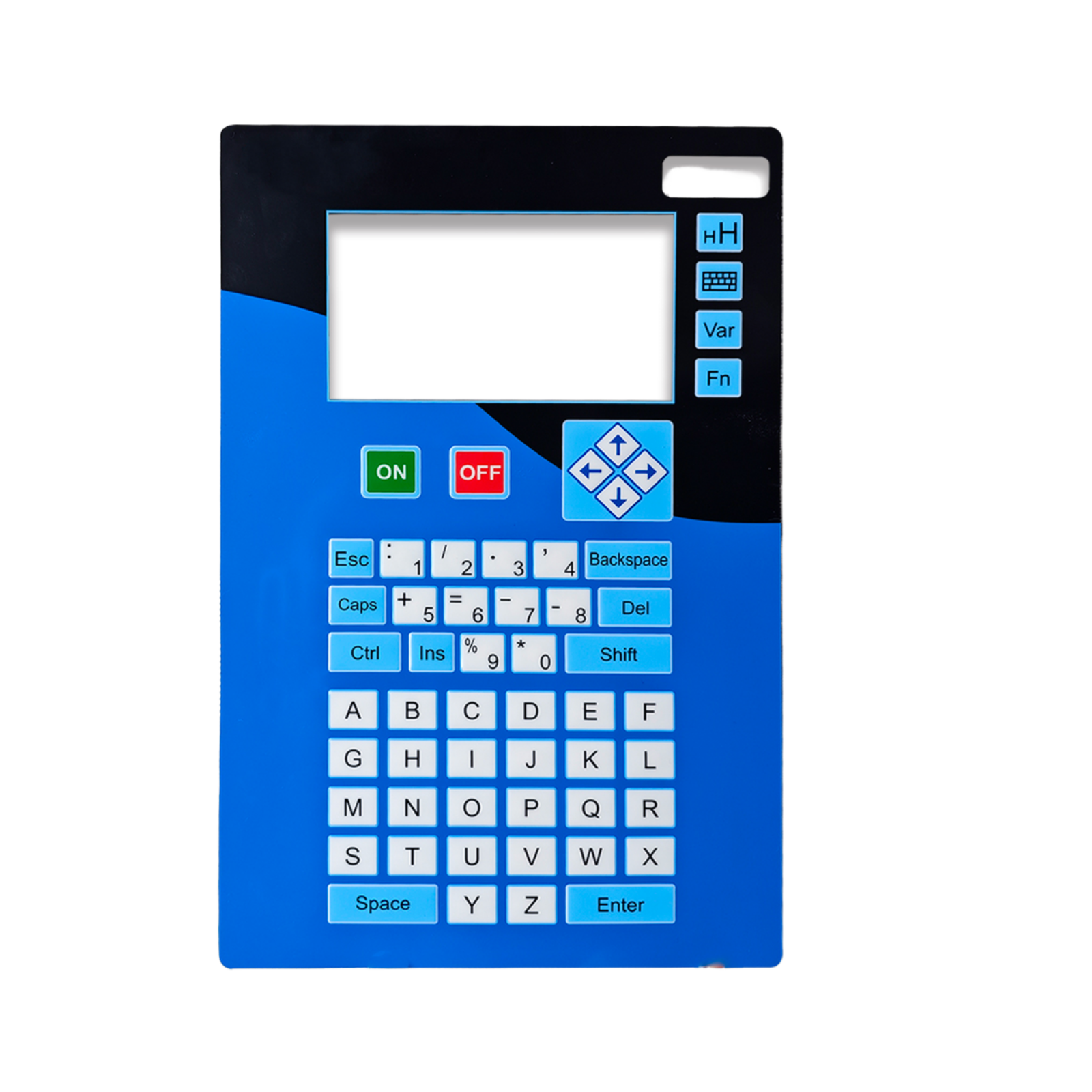
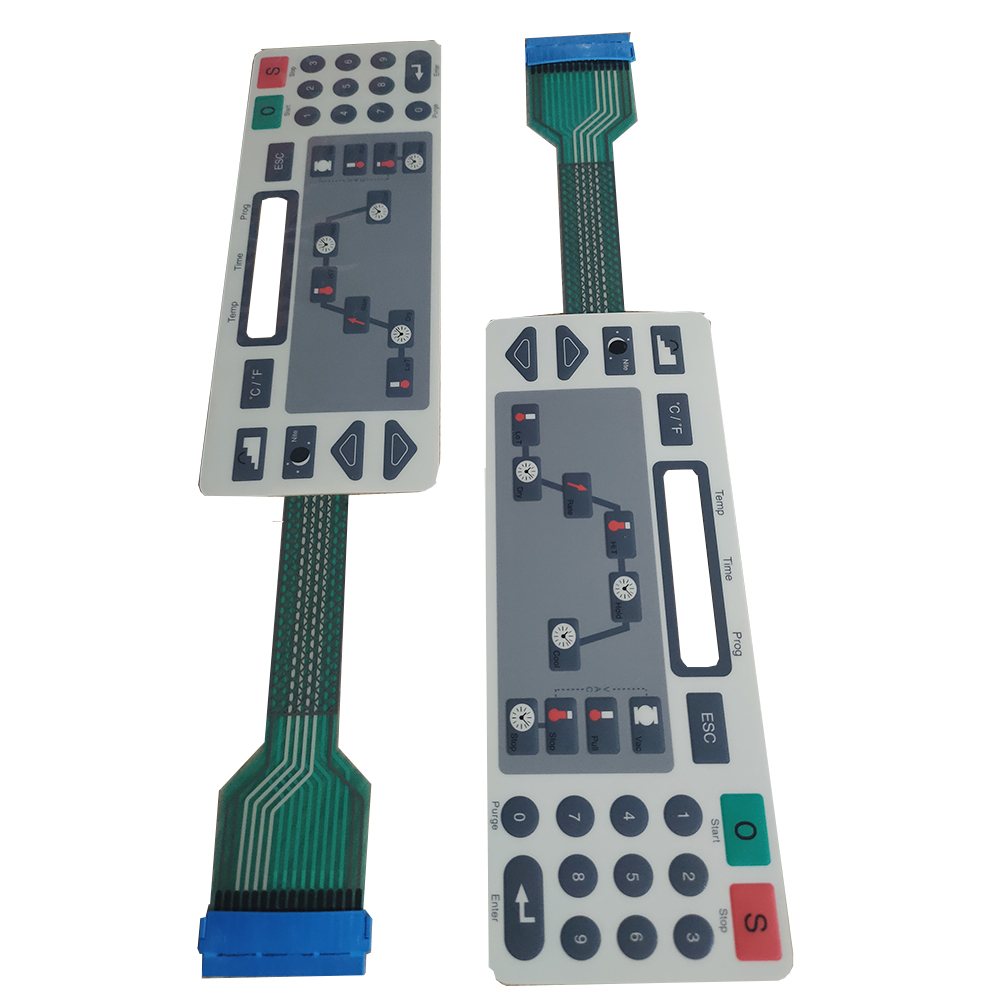
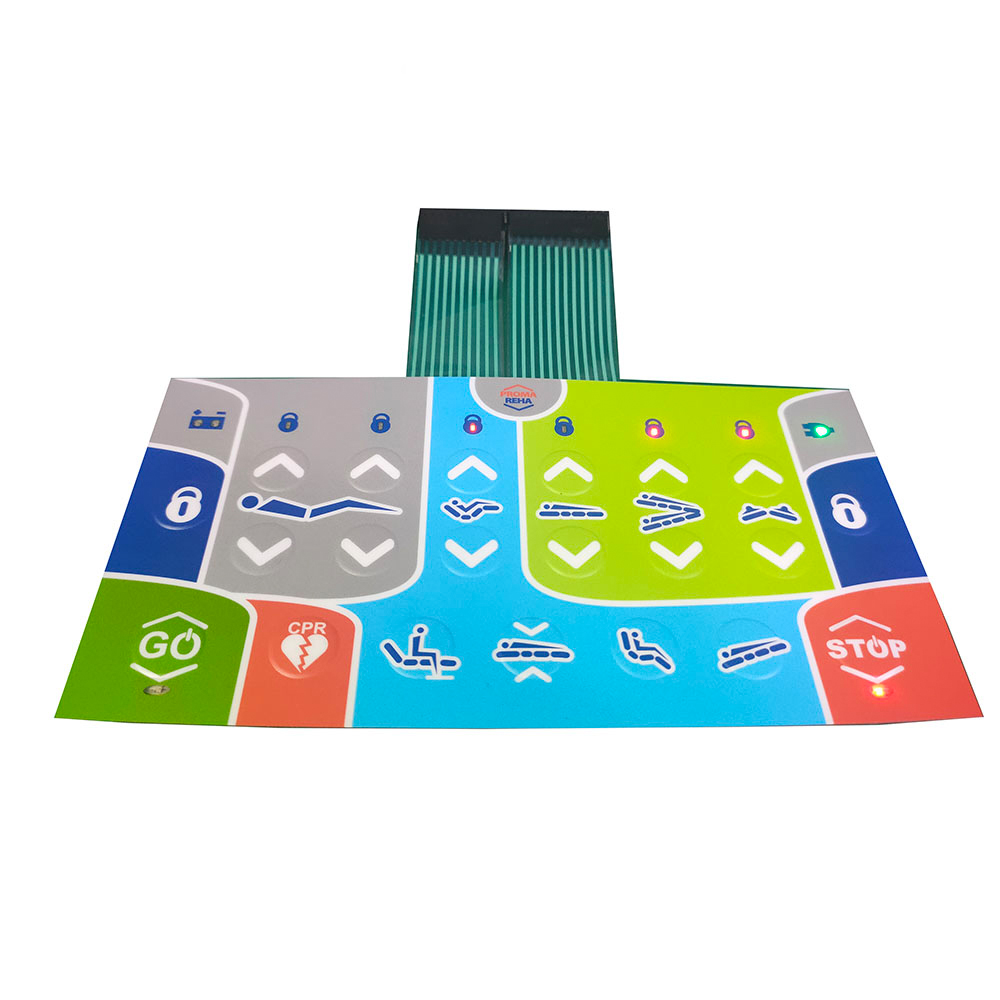
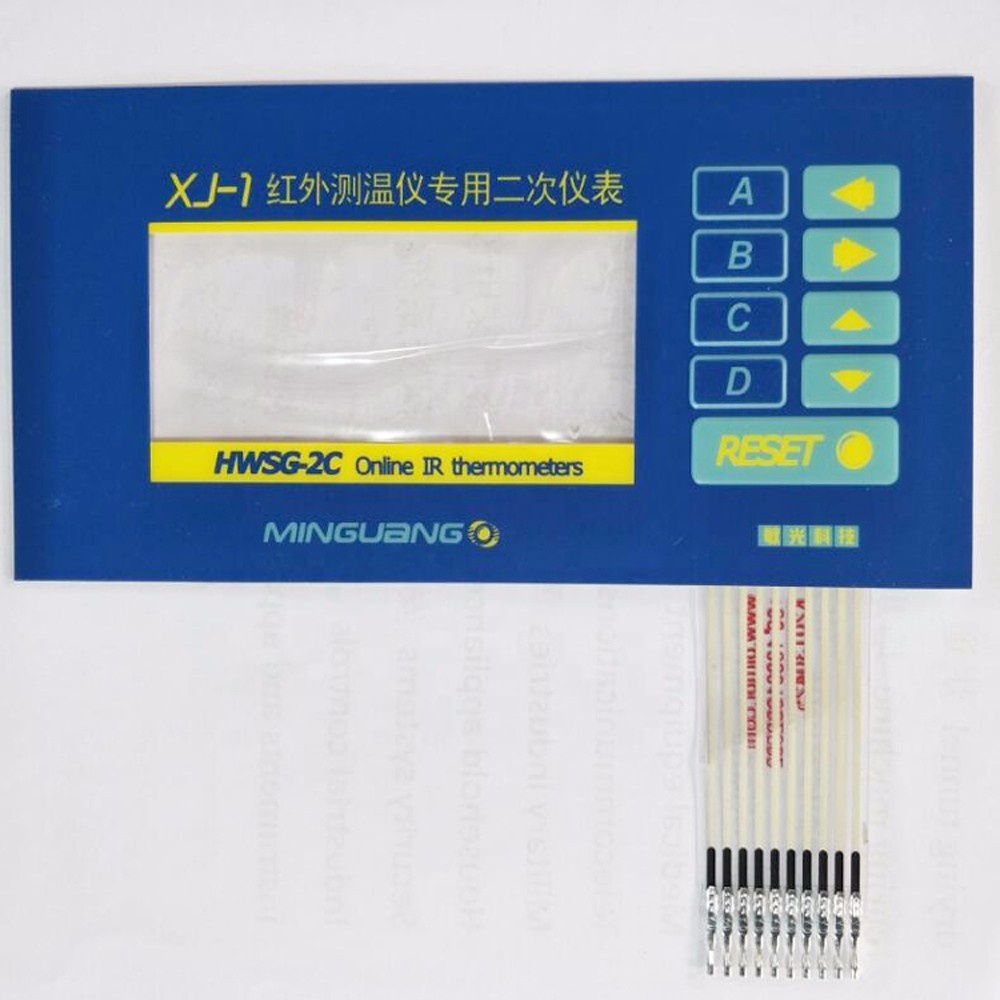
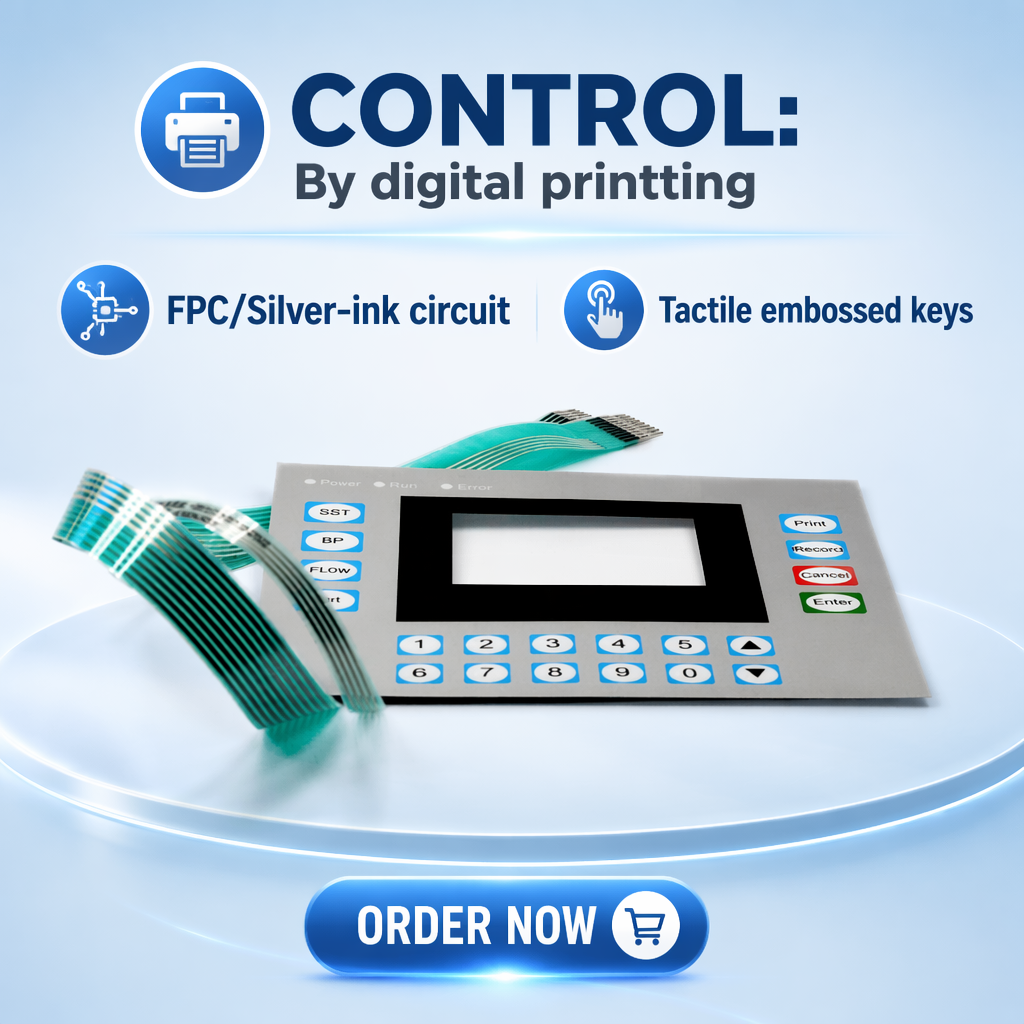
In Norway's demanding industrial ecosystem—spanning Stavanger's offshore petroleum installations, Bergen's marine aquaculture barges, Kongsberg's defense instruments, and the rapidly growing battery gigafactories along the southern coast—the physical human-machine interface (HMI) serves as the primary barrier between brutal operating environments and sensitive digital control electronics. Standard off-the-shelf capacitive glass screens and commercial pushbuttons frequently succumb to micro-cracking from severe sub-zero thermal cycling, saltwater fog ingress, electrostatic discharge, or failure to register input through operators wearing heavy, insulated arctic work gloves. Consequently, custom thin film switches (also known as membrane switches and flexible flat-panel keypads) remain the mission-critical input architecture across Scandinavian industrial engineering.
A thin film switch's survivability is governed primarily by its multi-layered stack-up chemistry. While general-purpose consumer electronics frequently employ standard bisphenol-A polycarbonate (PC) graphic overlays due to their ease of die-cutting and low raw material cost, PC exhibits rapid micro-crazing and embrittlement when exposed to ambient temperatures below -15°C, particularly when contacted by industrial oils, aliphatic hydrocarbons, or intensive marine de-icing agents. For Norwegian maritime and heavy mechanical applications, our engineering baseline mandates high-performance biaxially oriented polyethylene terephthalate (PET), such as Autotype Autoflex or MacDermid Autotex.
Autoflex PET delivers an actuation fatigue life exceeding five million operations without flexure cracking, while preserving outstanding chemical resistance against aggressive hydraulic fluids, caustic washdown solutions used in salmon processing facilities, and UV-B solar radiation. Beneath the graphic overlay, the adhesive selection dictates the hermetic seal of the interior switch cavity. Standard commercial acrylics lose viscoelasticity below freezing, resulting in edge lifting, moisture channel formation, and catastrophic short circuits. TAVO utilizes calibrated 3M 200MP, 300LSE, and VHB structural adhesive transfer tapes formulated specifically for low surface energy (LSE) powder-coated aluminum, stainless steel, and cast marine enclosures, assuring peel strengths exceeding 25 N/100mm under continuous salt-fog exposure per ASTM B117 protocols.
Norwegian system integrators face a recurring design decision: whether to specify conventional screen-printed conductive polymer thick-film (PTF) silver ink circuits or to transition into etched copper-clad polyimide flexible printed circuits (FPC). Screen-printed silver inks remain exceptionally cost-effective for medium-to-high volume instrument panels. However, in regions subject to prolonged condensation and temperature swings crossing the dew point, silver conductors exposed to continuous DC voltage biases risk electrochemical silver dendrite migration across fine trace spaces, eventually causing intermittent switch shorts.
To eliminate this failure mode entirely for mission-critical North Sea applications, our production lines integrate flexible copper FPC circuits with gold-plated contact fingers or print carbon-overprinted protective encapsulation over all silver conduction runs. Etched polyimide flex circuits permit trace pitches down to 0.5 mm, support tight SMT soldering of miniature bicolor surface-mount LEDs and micro-resistors directly onto the flex layer, and accommodate zero-insertion-force (ZIF) locking connectors that withstand extreme vibration profiles mapped to DNV-GL marine classification specifications.
From deep-sea drilling platforms to municipal EV fast-charging corridors, our customized thin film switches deliver uncompromising tactile feedback and environmental isolation.
Installed inside hazardous area drill-floor instrumentation, top-drive control boxes, and remotely operated vehicle (ROV) topside control consoles in Stavanger and Bergen. Featuring internal aluminum shielding layers against electromagnetic interference (EMI) and ATEX-compatible passive tactile structures.
Spec: IP68 Seal + Full EMI GridDeployed in offshore fish farm feeding barges along the Trøndelag coast and fish processing conveyor lines. Overlays withstand daily sanitization involving pressurized alkaline detergents, ozone exposure, and persistent organic fish oil contamination without legend degradation or delamination.
Spec: Chemical-Resistant Textured PETAs Norway leads the global transition to battery electric mobility, high-power DC fast-charging pedestals throughout Oslo and Trondheim demand user interfaces that remain fully operational in torrential rain, heavy snow accumulation, and temperatures plummeting to -35°C.
Spec: UV-Curable Inks + Anti-Glare WindowsIntegrated into shipboard autopilot units, radar suites, and engine telegraphs engineered in Ålesund and Horten. Engineered with Light Guide Film (LGF) backlighting for night-vision compliance (red and low-lumen green) without bleeding into bridge watchkeeper sightlines.
Spec: Uniform LGF LED IlluminationSpecified for high-precision analytical instruments and diagnostic devices in Nordic hospitals. Continuous anti-microbial surface treatments (such as Microban-infused films) prevent nosocomial pathogen transmission while flat profiles permit wipe-down sterilization.
Spec: Anti-Microbial ISO 22196 OverlayHandheld teach pendants and robotic arm controllers deployed in manufacturing hubs around Raufoss. Fitted with tactile stainless-steel snap domes with heavy actuation forces (350g to 500g) that confirm keypresses through heavy industrial safety gloves.
Spec: High-Tactile 450g Metal DomesThe human-machine interface sector in Northern Europe is undergoing an accelerated technological transformation driven by the twin imperatives of the green industrial shift and Industry 4.0 digitization. Norwegian OEMs are transitioning away from bulky discrete mechanical switches toward integrated, solid-state electro-mechanical panels that unite multiple engineering disciplines into ultra-slim modules.
While traditional metal dome membrane switches remain unmatched for gloved operation in cold climates, modern control panels increasingly demand capacitive slide controls and touch keys for indoor laboratory, marine bridge, and cleanroom interfaces. TAVO is pioneering hybrid capacitive thin film switches where capacitive sensor loops are printed directly onto flexible substrates behind hard-coated chemical-resistant graphic overlays. This delivers the sleek aesthetics of modern consumer smartphones alongside rugged industrial sealing, impervious to grease, liquid spills, and aggressive cleaning chemicals.
Historically, illuminating membrane switch legends required either point-source surface LEDs, which created uneven hot-spots, or high-voltage Electroluminescent (EL) lamps that suffered from rapid phosphor degradation in humid environments. The contemporary standard adopted across Scandinavian instrumentation is ultra-thin (0.125 mm to 0.25 mm) Light Guide Film (LGF). Micro-etched light extraction dots disperse light horizontally from side-firing SMT LEDs across the entire keypad graphic, delivering razor-sharp, uniform illumination with minimal power consumption, negligible heat generation, and zero electromagnetic noise.
Outdoor monitoring equipment, port telemetry terminals, and maritime instruments frequently battle screen washout from ambient Scandinavian sunlight reflecting off multiple internal glass-to-air boundaries. Through cleanroom Optically Clear Adhesive (OCA) vacuum bonding, TAVO laminates display windows directly to underlying TFT or OLED modules. By eliminating the internal air gap, internal reflectance is reduced by over 85%, eliminating condensation fogging inside the window while dramatically enhancing contrast ratios in bright fjord and marine operating environments.
Norway operates under some of the world's most stringent environmental sustainability and corporate governance mandates. In line with the Norwegian Transparency Act (Åpenhetsloven) and EU chemical standards, industrial buyers require transparent material provenance. TAVO ensures complete supply-chain accountability: every adhesive layer, conductive ink paste, and polyester film is fully certified non-toxic, lead-free, and compliant with RoHS 3 (EU 2015/863) and REACH SVHC regulations. Furthermore, our rapid tooling workflows and archive management assure exact-match replacement builds over 10-to-15 year equipment lifecycles.
Over three decades of concentrated thin film switch manufacturing heritage, underpinned by comprehensive in-house tooling, German technical cooperation, and dual-facility redundancy.
Every phase—CAD engineering, circuit tracing, laser cutting, precision silkscreen printing, digital UV printing, dome embossing, SMT component soldering, and hermetic assembly—is executed within our own facilities. Zero outsourced critical steps ensures zero unaccountable quality gaps.
Our in-house environmental test lab subjects pre-production prototypes to automated salt-fog chambers (ASTM B117), programmable thermal/humidity shock chambers (-40°C to +105°C), button actuation cycle testers (tested to 5M+ cycles), and automated computer pin-to-pin resistance mapping.
Equipped with 60 CNC mold-making machines, 4 Mimaki heat-setting digital UV printers, 18 precision laser cutting tables, 37 silkscreen printing lines, 7 digital engravers, and dedicated cleanrooms. Dual manufacturing sites in Hebei and Huizhou guarantee agile capacity allocation.
Our operational standards are shaped by ongoing technical exchanges with a prominent German membrane switch manufacturing partner. We implement DIN electrical standards, tight tolerance tooling, and rigorous inspection criteria trusted by global leaders like Siemens, ABB, and Haier.
Unlike rigid mass-production plants, our lower minimum order quantities (MOQs) and dedicated prototyping cells support fast-track pilot runs, functional prototyping, and small-batch replenishment orders, dramatically shortening time-to-market for Nordic engineering startups and OEMs.
Over 30 senior technical specialists averaging 15+ years of switch engineering experience collaborate directly with your R&D team. Backed by a 20-person international trade division, we maintain a 93.7% rapid response rate, providing comprehensive DFM (Design for Manufacturability) reviews within 24 hours.
Clear, technical, and commercial answers for Norwegian procurement officers, supply chain directors, and HMI design engineers.