Samoa & Pacific Island Engineering Hub

Thin Film Switch Supplier & Suppliers for the Apia market

Industrial-Grade Sealed Membrane Interfaces, Silver-Ink & FPC Keypads Engineered for High-Salinity, Tropical Marine, and Energy-Resilient Applications across Upolu and Oceania

IP67/NEMA 4X
Tropical Ingress Protection
1M+ Clicks
Actuation Mechanical Life
100% In-House
Design, Screen & UV Output
ISO 9001
Intertek Audited Quality
Engineered Catalog for Sourcing

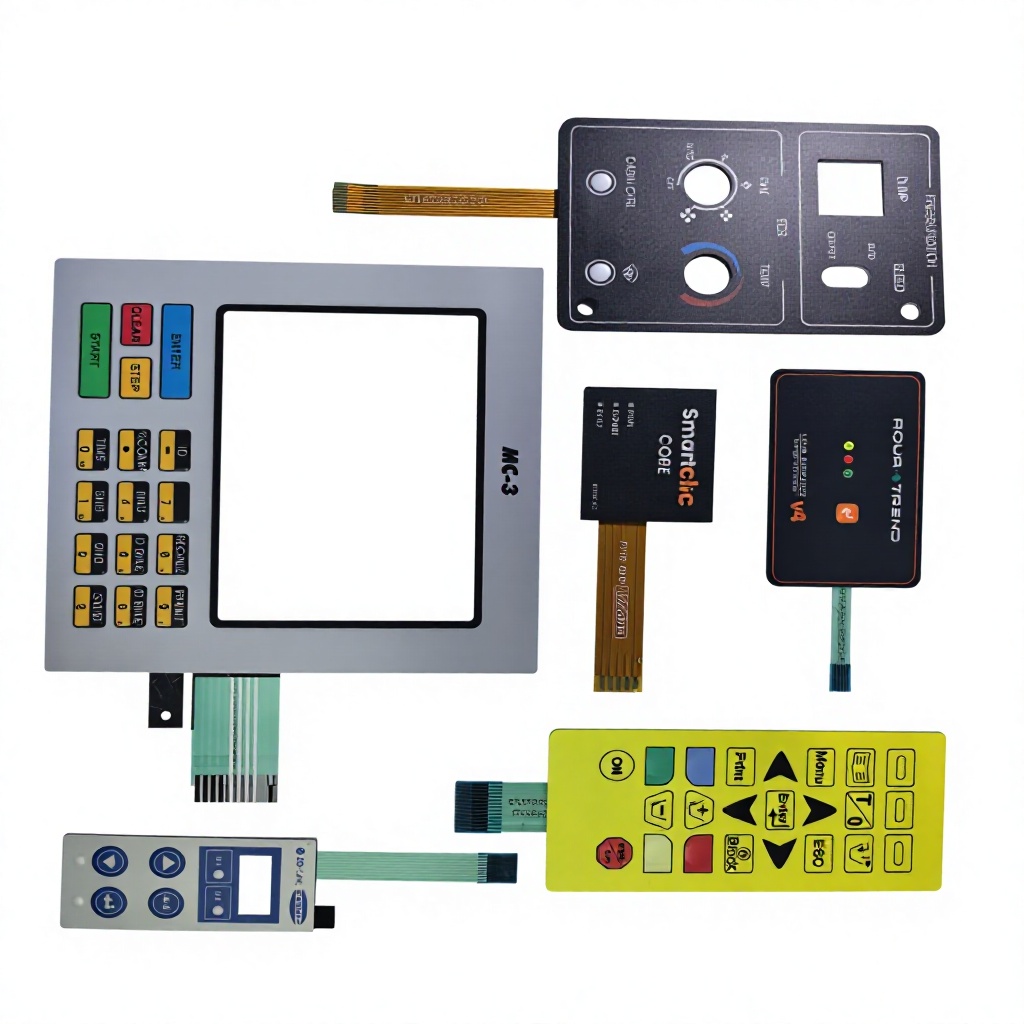
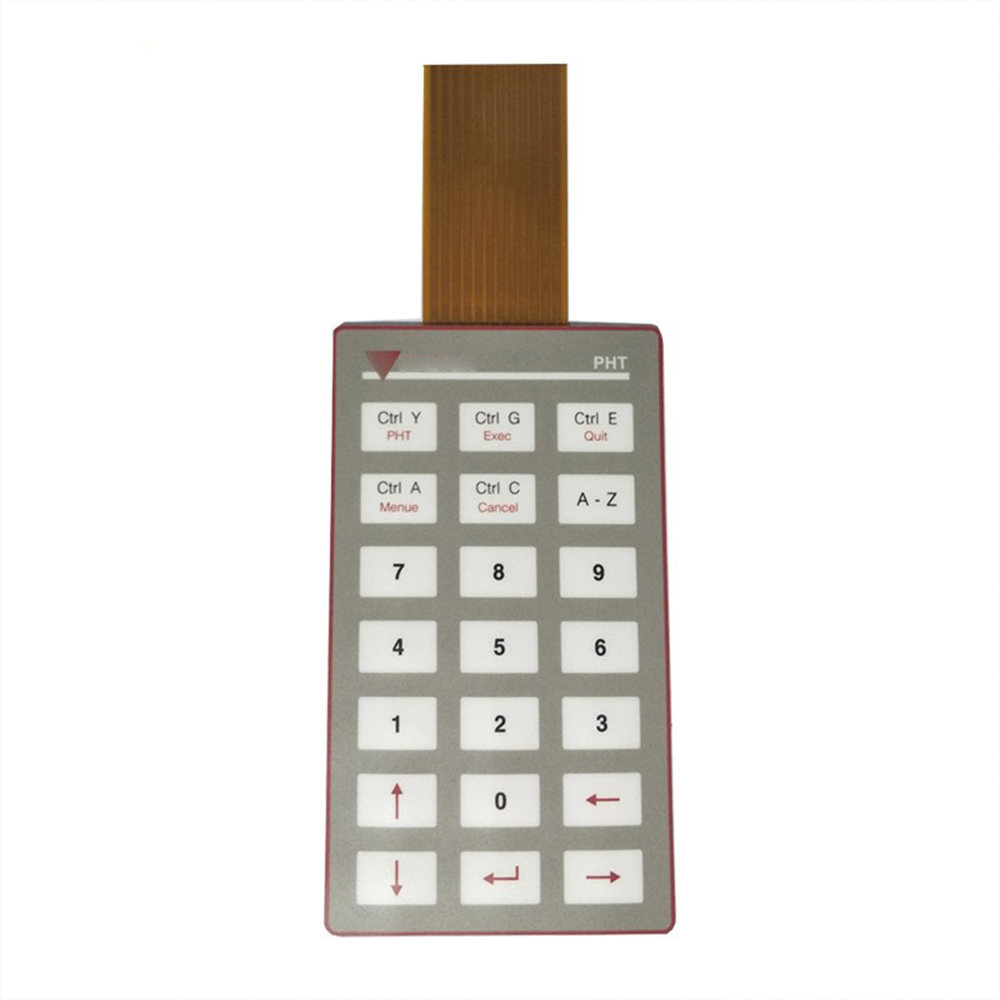
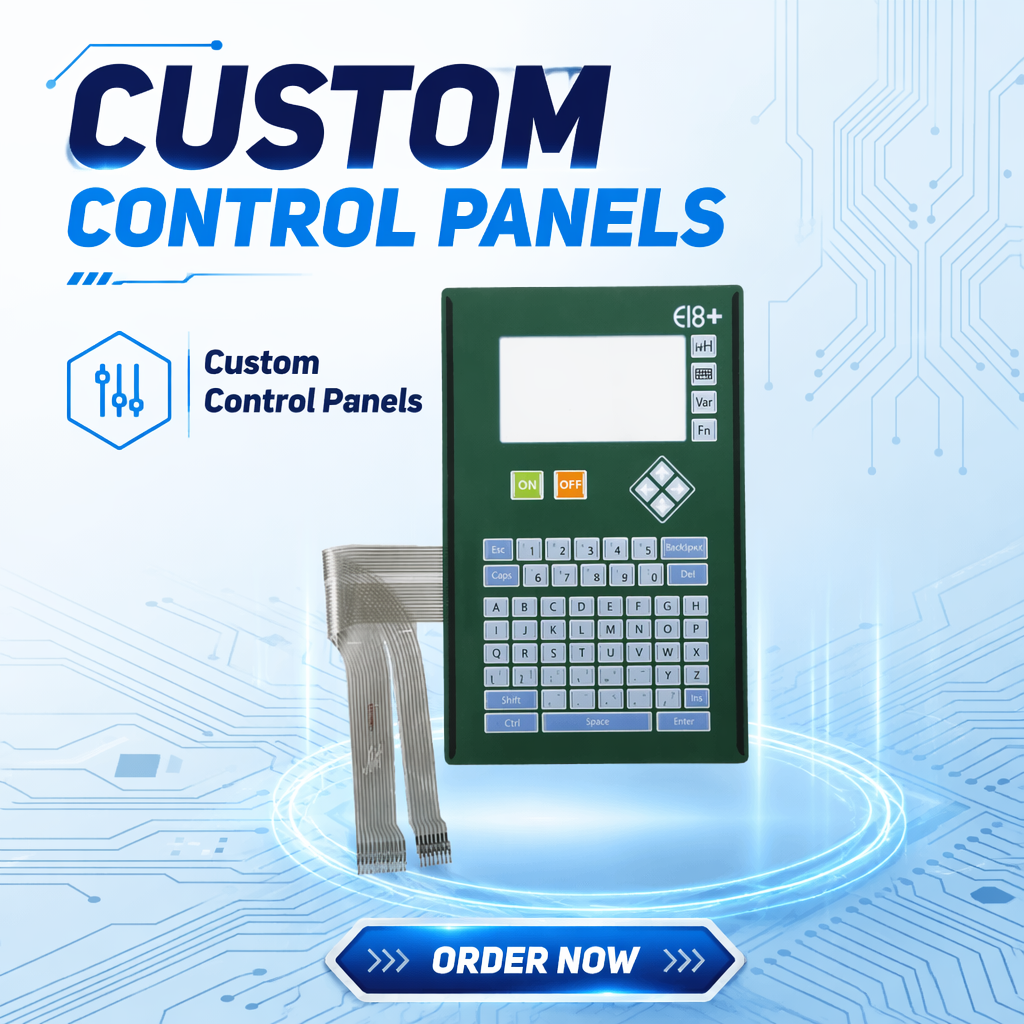
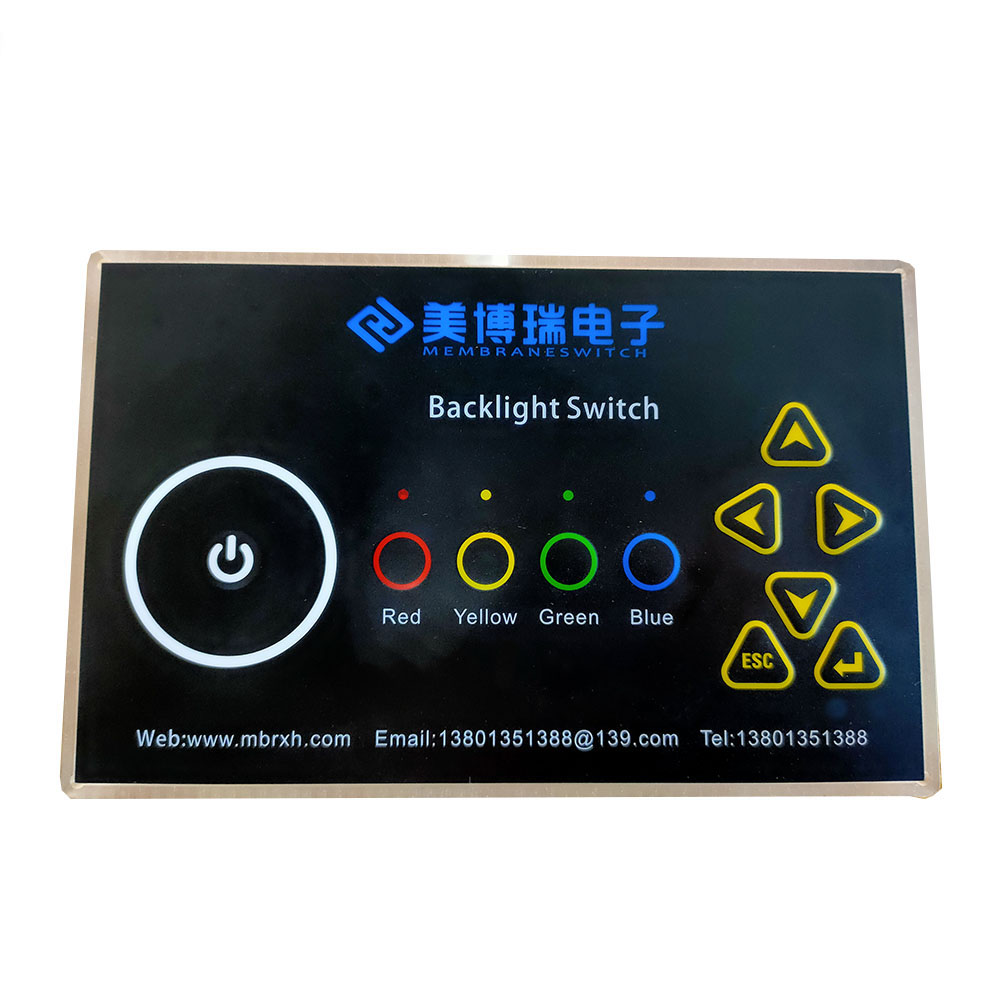
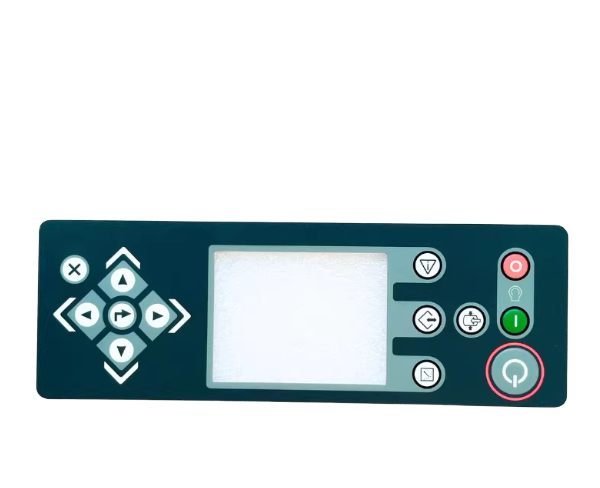
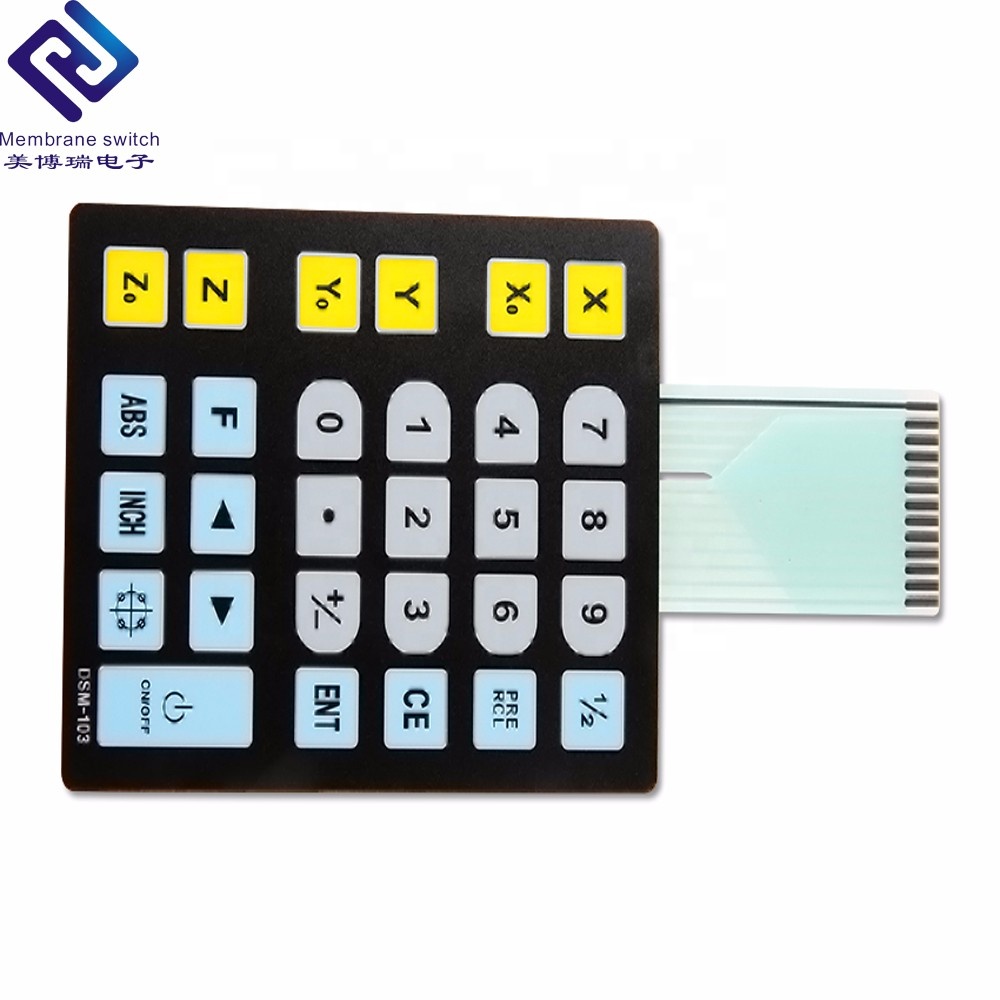
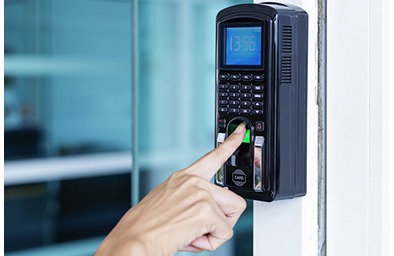
Featured Thin Film & Membrane Interface Assemblies

Precision-crafted human-machine interfaces designed for rigorous commercial deployment. Each configuration features heavy-duty adhesive bonding, environmental moisture sealing, and custom tactility designed for long-term reliability in Apia's tropical environment.

Technical White Paper

Thin Film Switch Engineering for South Pacific & Apia Climates

Navigating the electrochemical, mechanical, and adhesive challenges of electronic human-machine interfaces deployed in remote tropical maritime environments.

1. Architectural Overview & Physics of Thin Film Actuation

A thin film switch (commonly classified as a membrane switch) functions as a multi-layered electrical switching assembly that establishes or interrupts an electrical circuit. Unlike bulky traditional mechanical toggle switches that utilize copper leaf springs and separate plastic housings, a thin film switch relies on the vertical deformation of flexible substrate layers printed with conductive inks or etched copper traces.

The standard architecture incorporates six primary functional strata:

1. Graphic Overlay: The outermost visual and mechanical barrier, typically fabricated from textured, autotype polyester (PET) or surface-treated polycarbonate (PC). This layer resists physical abrasion, chemical solvents, saltwater ingress, and sunlight exposure.

2. Overlay Adhesive: High-performance acrylic transfer tape (such as 3M 467MP or 3M 300LSE) engineered to fuse the graphic layer to the mechanical retainer without outgassing or bubble formation.

3. Dome Retainer & Tactile Element: Hosts precision stainless steel metal domes (typically nickel-plated or gold-plated) or heat-formed polydomes. Actuation force typically calibrates between 250g and 450g to provide definitive tactile snap-back feedback to operators wearing industrial or maritime gloves.

4. Circuit Spacer: Die-cut insulating film (PET) that establishes the contact gap distance, vented with air channels to prevent internal pressurization during atmospheric shifts.

5. Lower Conductive Circuit Layer: Conductive tracks formulated from screen-printed polymer thick-film silver ink with carbon overprinting, or etched flexible printed circuit (FPC) polyimide copper foil for ultra-low trace resistance.

6. Rear Mounting Adhesive: High-tack adhesive system ensuring permanent adhesion against metal cabinets, ABS enclosures, aluminum backer plates, or powder-coated terminal boxes.

Key Engineering Fact for the Apia Territory: Standard silver-ink circuits are highly susceptible to "silver migration" when micro-moisture penetrates the layer under continuous DC voltage. For maritime installations around Apia Harbour or coastal Upolu power stations, TAVO specifies carbon overcoat barrier lines or gold-flashed copper Flexible Printed Circuits (FPC) paired with perimeter gas-tight gaskets.

2. Material Selection Matrix: Polycarbonate (PC) vs. Polyester (PET) vs. Polyimide (PI)

Procuring thin film switches for the Samoan market demands rigorous consideration of ambient heat, daily relative humidity exceeding 85%, and high solar UV radiation indices. The table below outlines empirical performance across primary industrial materials.

Substrate Property Standard Polycarbonate (PC) Biaxially Oriented PET (Autotex XE) Polyimide Flex Circuit (PI)
Flexural Fatigue Life ~100,000 cycles (Prone to stress micro-cracks) >5,000,000 actuations without fracture >10,000,000 flex cycles (Dynamic routing)
UV Degradation Resistance Poor (Yellows, turns brittle under solar rays) High (Weatherable UV-stabilized exterior hardcoat) Immune to solar breakdown (Internal substrate)
Chemical & Salt Spray Resistance Moderate; vulnerable to aromatic solvents Exceptional resistance to diesel, salt fog, bleach Complete chemical inertness
Thermal Stability Window -20°C to +75°C -40°C to +105°C continuous -40°C to +150°C (Automotive/Military spec)
Recommended Apia Scenario Indoor air-conditioned server rooms, basic meters Apia port cranes, outdoor solar inverters, ships Marine VHF radios, high-density engine telematics

3. Mitigating Electrochemical Migration & Atmospheric Salt Corrosion

In coastal Pacific settlements like Apia, airborne saline particles accelerate dendritic growth across conductive silver traces when exposed to electrical bias and elevated humidity. To completely neutralize this failure mechanism, TAVO integrates four specialized manufacturing countermeasures:

1. Carbon Barrier Encapsulation: All screen-printed silver contacts undergo secondary alignment screen printing with high-density conductive graphite ink, covering 100% of the silver trace edges. The graphite eliminates electrolytic ion migration across adjacent conductors.

2. Continuous Outer Perimeter Hermetic Sealing: Unlike conventional vented switches that breathe exterior air, our marine-rated switches feature a closed-loop venting matrix routed internally through an integrated desiccant reservoir, or use an IP67 waterproof fluoropolymer membrane vent (GORE-style patch) allowing pressure equalization without vapor infiltration.

3. Advanced Pressure-Sensitive Adhesives (PSA): We strictly utilize original 3M 300LSE (for low surface energy plastics common in marine casings) or 3M 200MP/468MP with modified cross-linked acrylics. These adhesives exhibit zero hydrolytic degradation under persistent damp heat exposure.

4. Nickel & Gold Dome Plating: Tactile domes are stamped from high-grade SUS301 stainless steel with specialized 1.5µm electrolytic nickel barrier plating and optional 0.05µm gold flash to protect internal contact resistances from rising over extended duty cycles.
Local Sourcing Deployments

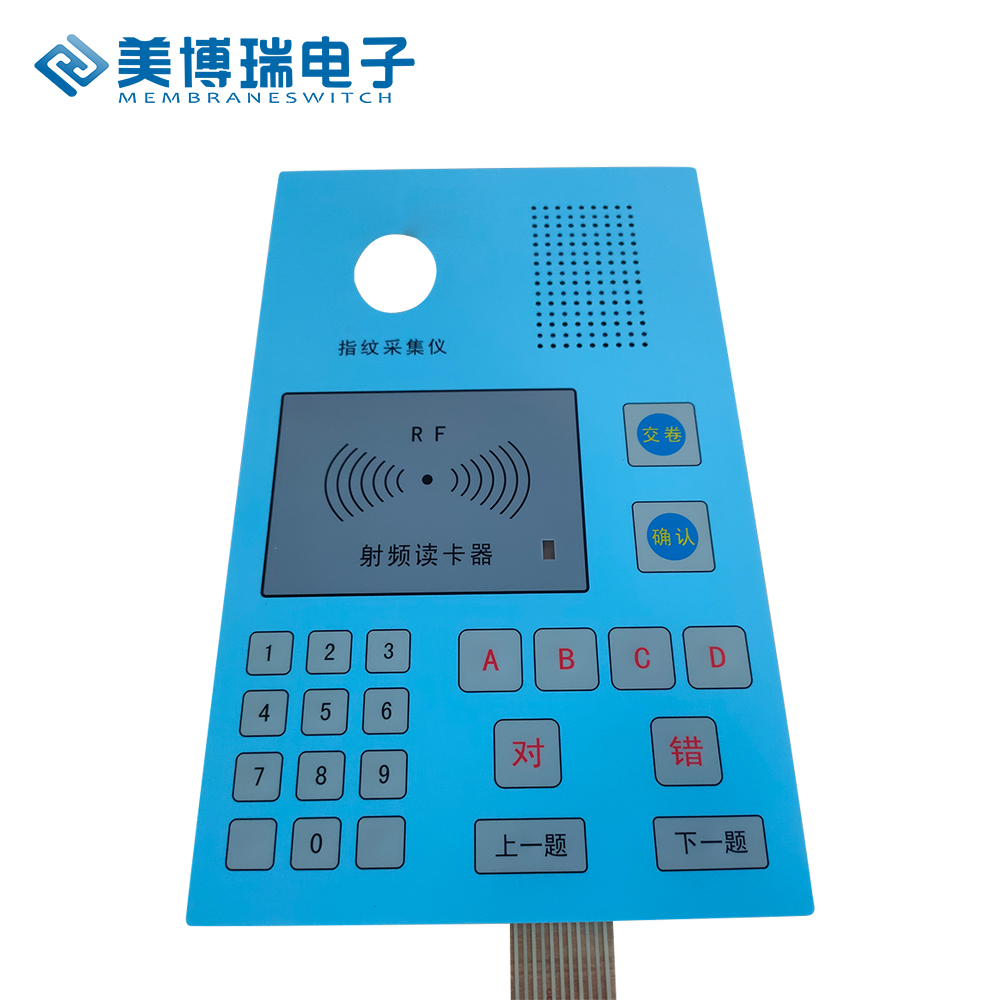
Thin Film Switch Applications Across Apia & Samoa

From port logistics at Matautu Wharf to renewable solar microgrids and food processing factories across Upolu, our membrane solutions keep critical machinery operating without downtime.

Maritime & Harbour Harbour and Marine Control Interfaces

Port of Apia Marine & Crane Interfaces

Cargo winches, dockside container handlers, and fishing fleet control consoles operated along the Matautu harbor require switch assemblies impervious to constant sea spray, diesel fumes, and mechanical vibrations.

  • Custom IP67 waterproof gasket channels
  • Autotex XE UV-blocking front facings
  • High-tactile feedback for gloved ship crews
Clean Energy Solar Microgrid Inverter Panels

Solar Microgrid & EPC Power Stations

Samoa's aggressive transition toward 100% renewable energy necessitates ruggedized inverter front panels and Battery Energy Storage System (BESS) monitor keypads that withstand high ambient temperatures and solar radiation.

  • Embedded high-flux SMD LEDs for daytime visibility
  • Clear non-yellowing LCD / OLED display windows
  • Flame retardant UL94 V-0 certified adhesives
Cold Chain & Processing Cold Chain Food Processing Keypads

Fish Packing, Coconut & Cold Storage

Processing facilities in the Vaitele Industrial Zone utilize high-pressure washdowns and sanitizing detergents. Thin film switch panels offer seamless, crevice-free planar surfaces preventing bacteria and moisture harborage.

  • Anti-microbial and bleach-resistant textures
  • Hermetically isolated tactile domes
  • Wide thermal operational spectrum (-30°C to +70°C)
Market Intelligence & Sourcing Trajectory

Future Trends Shaping HMI Procurement in the Pacific

How local commercial operators and equipment maintenance engineers in Apia are evolving their replacement cycles and original designs.

Migration from Mechanical to Capacitive Film

Traditional push-buttons in Apia's coastal resorts and pumping plants frequently seize due to salt crusting inside mechanical barrels. Sourcing teams are transitioning to solid-state capacitive touch film switches with optical bonding, eliminating moving parts entirely while permitting sleek, waterproof glass or thick plastic front integration.

Rapid Tooling & Flexible Small-Batch Runs

Island industrial entities rarely command massive production runs of 100,000 units. Sourcing trends prioritize manufacturers offering low Minimum Order Quantities (MOQs), rapid laser contour cutting without expensive steel rule dies, and direct digital UV printing for replacement panels on legacy diesel generators and marine vessels.

Supply Chain Redundancy & Dual-Sourced Production

Given the logistical distances to Apia Port, replacement lead times can cripple operations. Buyers prioritize verified manufacturers with multi-site operations, guaranteed material reserves of authentic 3M and Autotex raw stock, and rapid air-freight packing protocols that protect delicate tail connectors from salt exposure during transit.

Enterprise Verification

Why Global & Regional Buyers Partner with TAVO

Three decades of engineering discipline, certified production infrastructure, and rigorous compliance delivering human-machine interfaces that never compromise.

30+ Years Heritage (Since 1990)

Focused exclusively on thin film switch engineering and graphic overlay innovation. Over 30 senior engineering technicians with 15+ years of personal expertise guarantee flawless manufacturability on complex custom layouts.

Dual-Base Manufacturing Security

Operating two comprehensive manufacturing complexes across Xianghe Robot Industry Port (Hebei) and Huizhou (Guangdong). Dynamic capacity allocation ensures orders avoid bottleneck risks, keeping your shipping timeline inviolable.

Certified Testing & Intertek Audited

100% full-process quality control under ISO 9001 governance. In-house testing equipped with computer circuit scanners, button lifecycle cyclers, programmable temperature/humidity chambers, and ASTM B117 salt spray chambers.

End-to-End In-House Production

Equipped with 60 CNC mold-making units, 37 precision screen printing systems, 4 Mimaki digital UV printers, and 18 laser cutters. We outsource nothing—guaranteeing strict IP protection and unified mechanical tolerances.

Procurement Clarity

Thin Film Switch FAQ for Apia & Pacific Buyers

Direct technical, commercial, and logistical answers tailored for electrical engineers, plant operators, and import procurement leads in Samoa.

How do you guarantee thin film switches will not delaminate in Apia's tropical humidity?
Delamination occurs when moisture penetrates inferior adhesive systems or when volatile compounds outgas under tropical sun. We exclusively utilize genuine 3M high-performance acrylic adhesive films (specifically 3M 467MP for smooth metal brackets or 3M 300LSE for textured and low surface energy plastics). Before lamination, all screen-printed PET layers undergo multi-stage thermal stabilization in programmable ovens, eliminating internal moisture and dimensional shrinkage before precision bonding.
Can you support low minimum order quantities (MOQs) for custom replacement keypads?
Yes. We recognize that industrial machinery maintenance, remote solar projects, and marine retrofits in Apia often require small pilot batches or replacement runs of 10, 50, or 200 units. Using our Japanese Mimaki digital UV printing systems and multi-axis laser cutting machines, we can bypass physical film tooling and expensive punch dies, delivering cost-effective prototypes and small runs with short turnaround.
What CAD and electrical schematic formats are required to begin custom fabrication?
Our 10-person engineering department accepts 2D mechanical outlines and artwork in DXF, DWG, Adobe Illustrator (.AI), CDR, or high-resolution PDF vector formats. For electrical circuits, a simple pin-out matrix schematic or trace routing map indicating common lines, LED forward voltages, and connector pitch (standard 2.54mm or 1.0mm ZIF) is sufficient. Our engineers generate complete fabrication drawings for your written sign-off before manufacturing starts.
How do your products endure the marine salt spray present around the Port of Apia?
Our marine thin film switches undergo verified ASTM B117 salt spray testing for a minimum of 96 continuous hours without trace degradation. We isolate internal conductors using closed-cell acrylic perimeter gaskets, carbon-overcoated contact pads, and Au/Ni-plated tactile metal domes. Furthermore, external graphic overlays are specified in Autotype Autotex XE polyester, chemically formulated to resist salt crystallization and outdoor yellowing.
What are the lead times and air/ocean shipping terms for Apia delivery?
Prototyping takes approximately 5 to 8 working days following engineering drawing sign-off. Production runs generally conclude in 12 to 18 working days depending on circuit density and SMT integration. For delivery to Apia, we provide urgent door-to-door express air delivery (DHL/FedEx/UPS) reaching Faleolo International Airport within 5 to 8 transit days, as well as consolidation ocean freight (FOB, CIF, or CFR terms) routed through the Port of Apia for cost efficiency on repeat volume consignments.
Can you incorporate backlighting, display windows, and tactile feedback in one assembly?
Absolutely. We regularly engineer integrated HMI modules featuring Light Guide Film (LGF) or ultra-thin surface-mount (SMT) chip LEDs, crisp stainless steel tactile domes with 350g actuation forces, clear or smoke-tinted transparent windows for LCD/OLED screens, and optically clear adhesives (OCA) to prevent internal condensation behind digital displays.

Equip Your Equipment with Tropical-Grade Thin Film Switches

Collaborate with TAVO's experienced engineering team to design custom, environmentally sealed, and salt-resilient thin film switches tailored to your exact application in Apia and the greater South Pacific region. Send your drawings or speak directly with our engineering department today.