Engineered Medical Keypad Overlays & HMI Assemblies
Designed for diagnostic instruments, clinical workstations, and patient-critical interfaces. High-end tolerance control, chemical barrier layers, and integrated tactile feedback mechanisms.
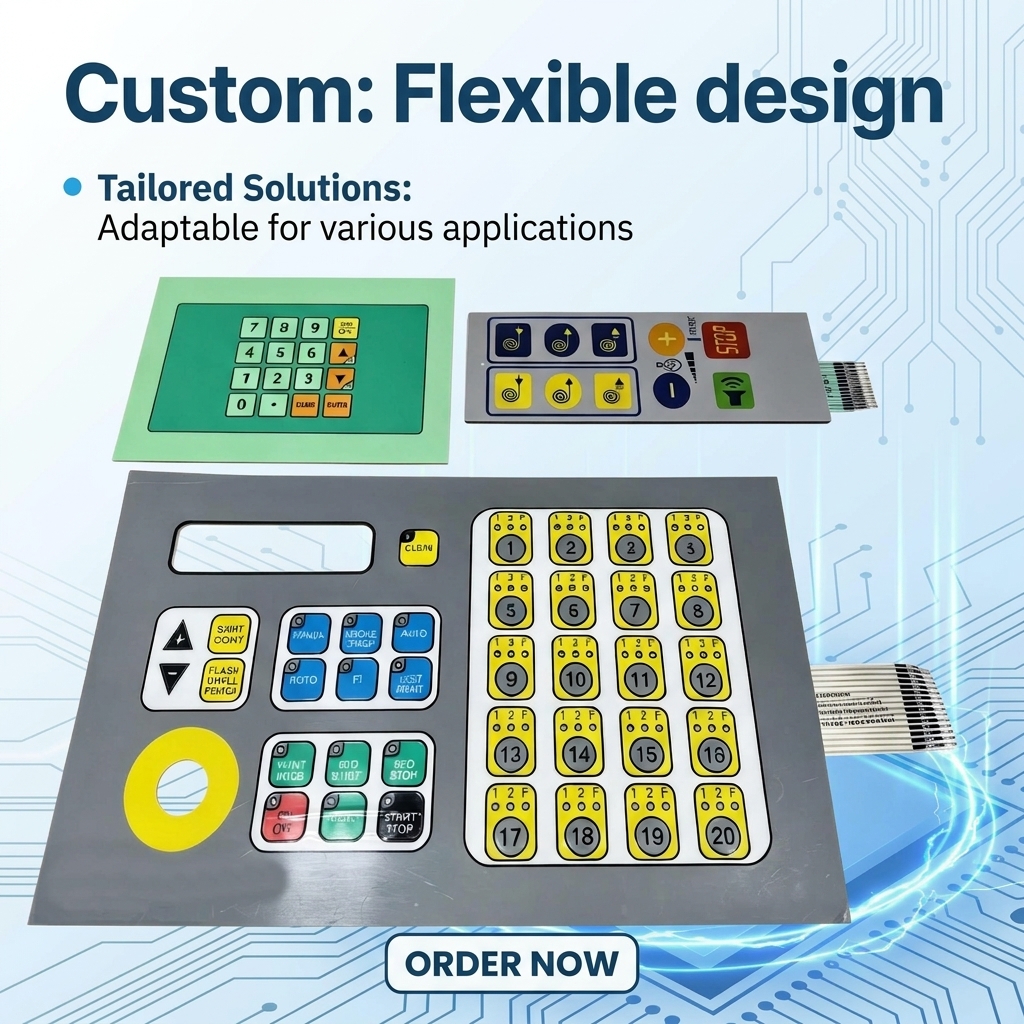
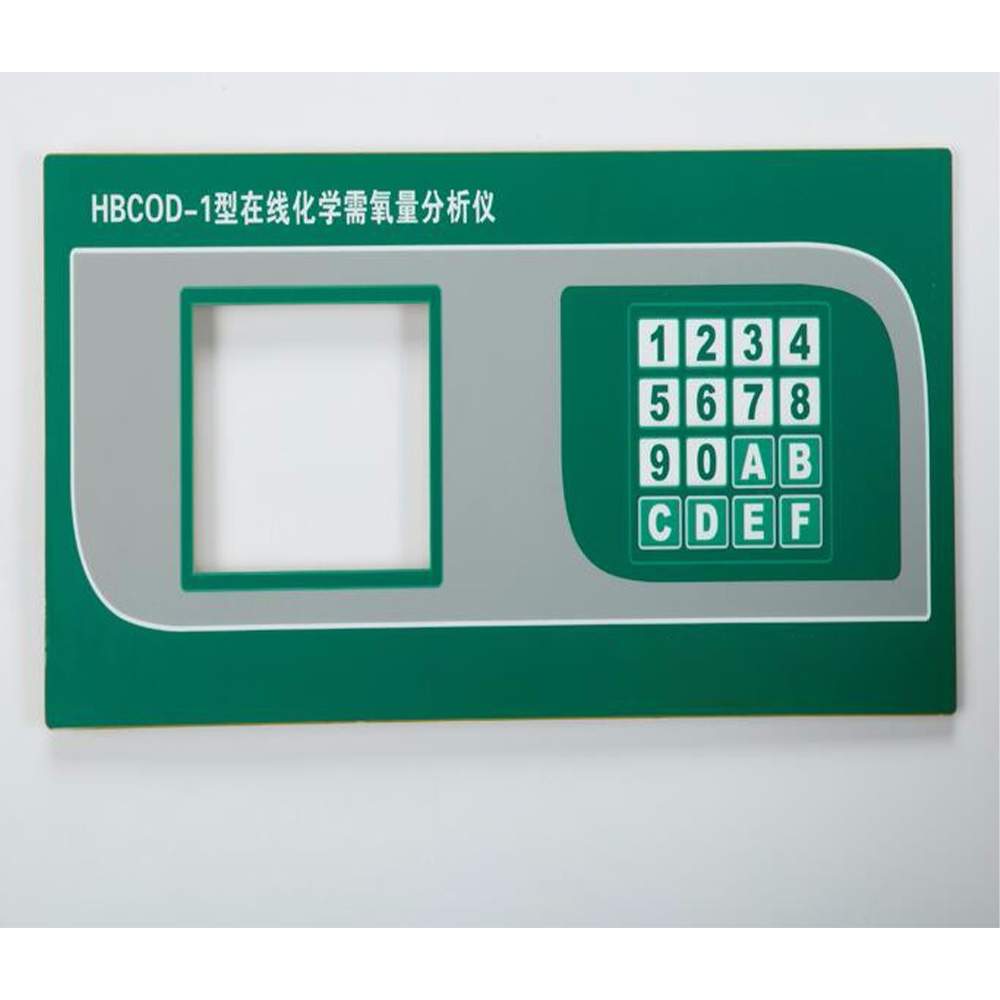
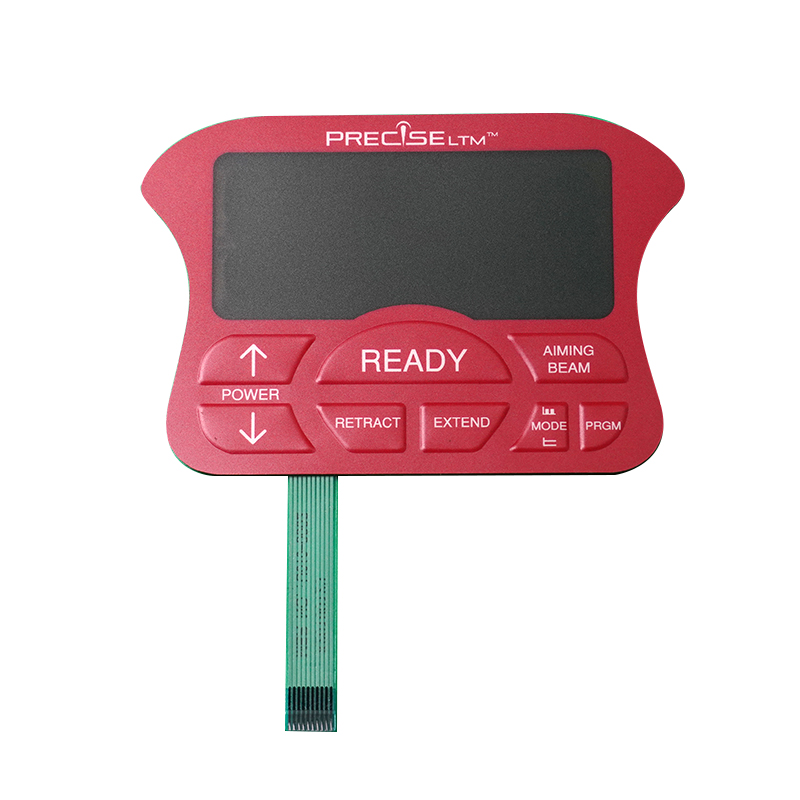
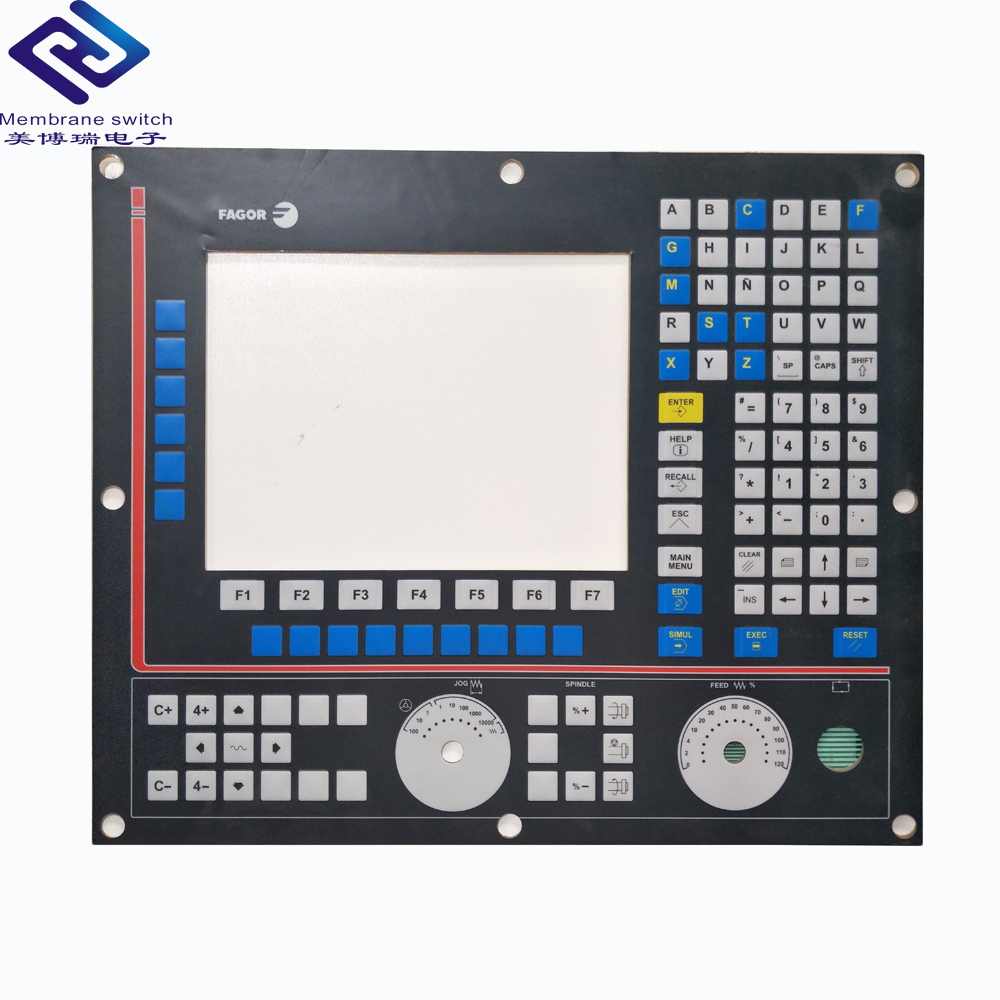
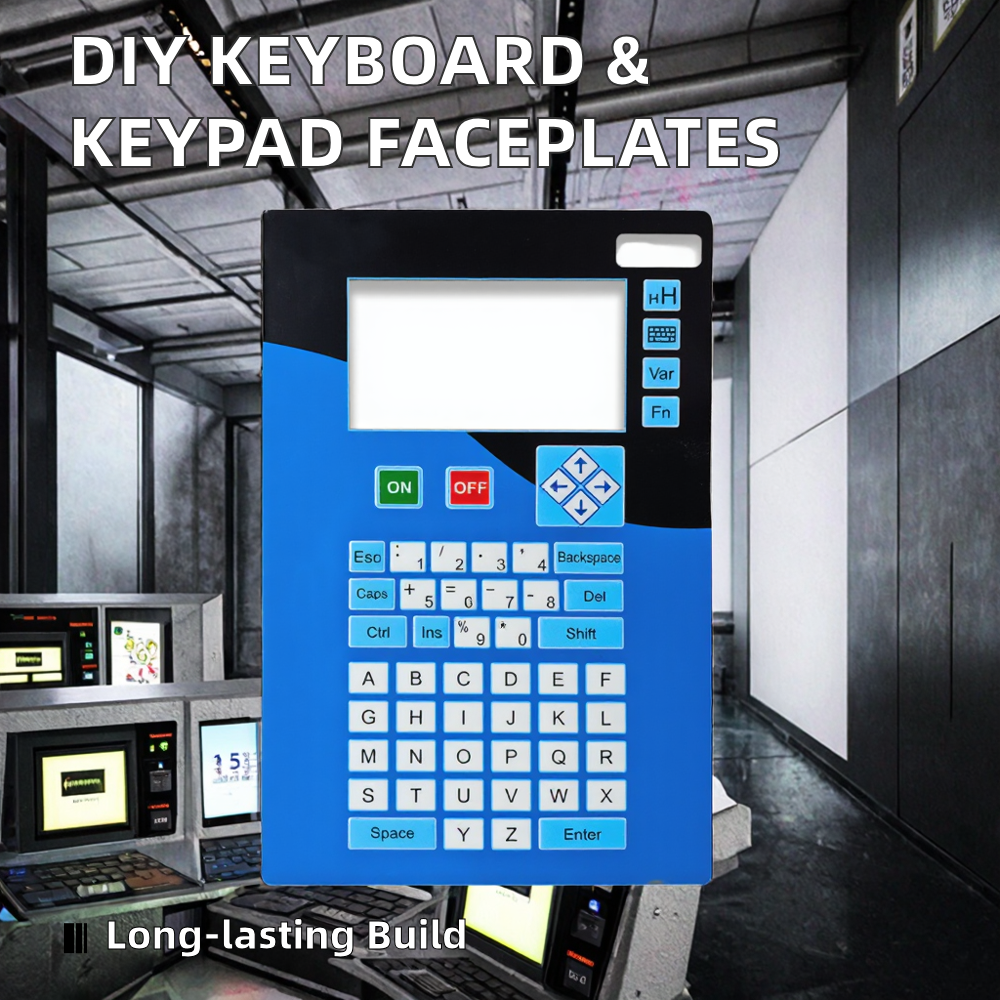

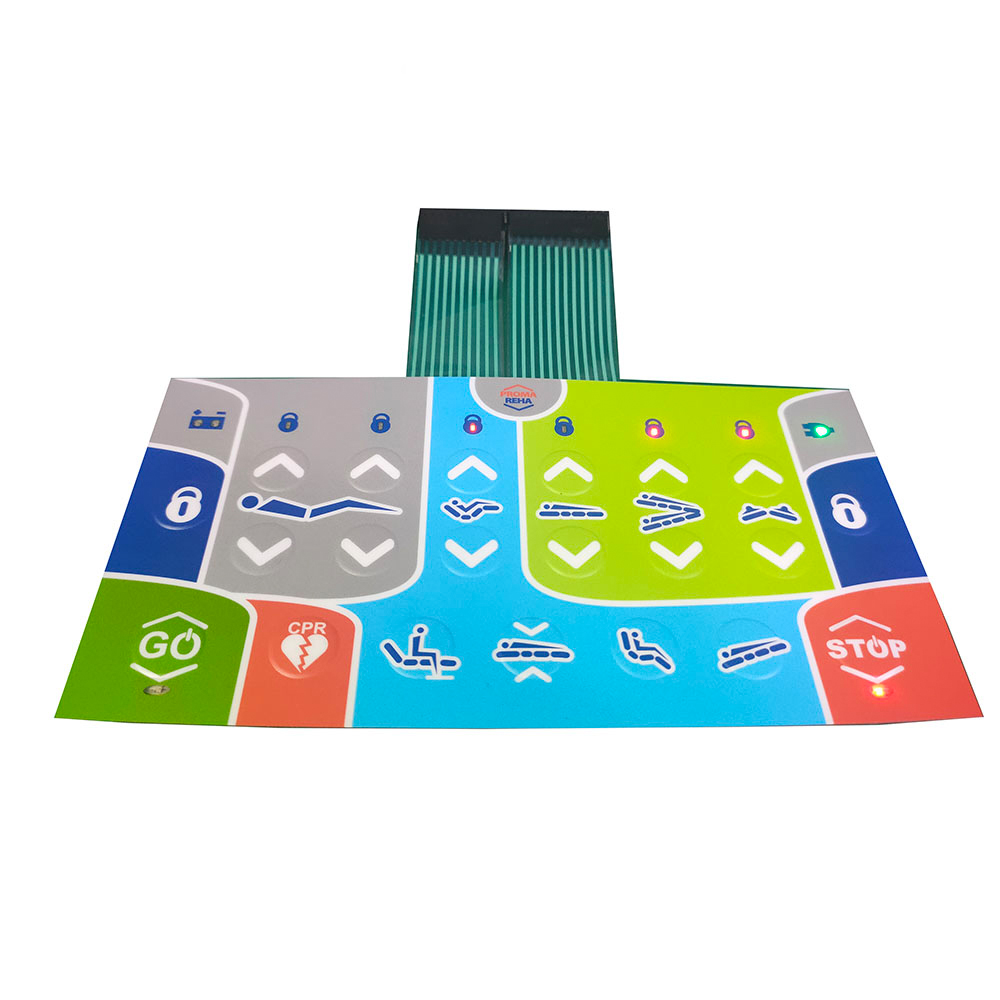
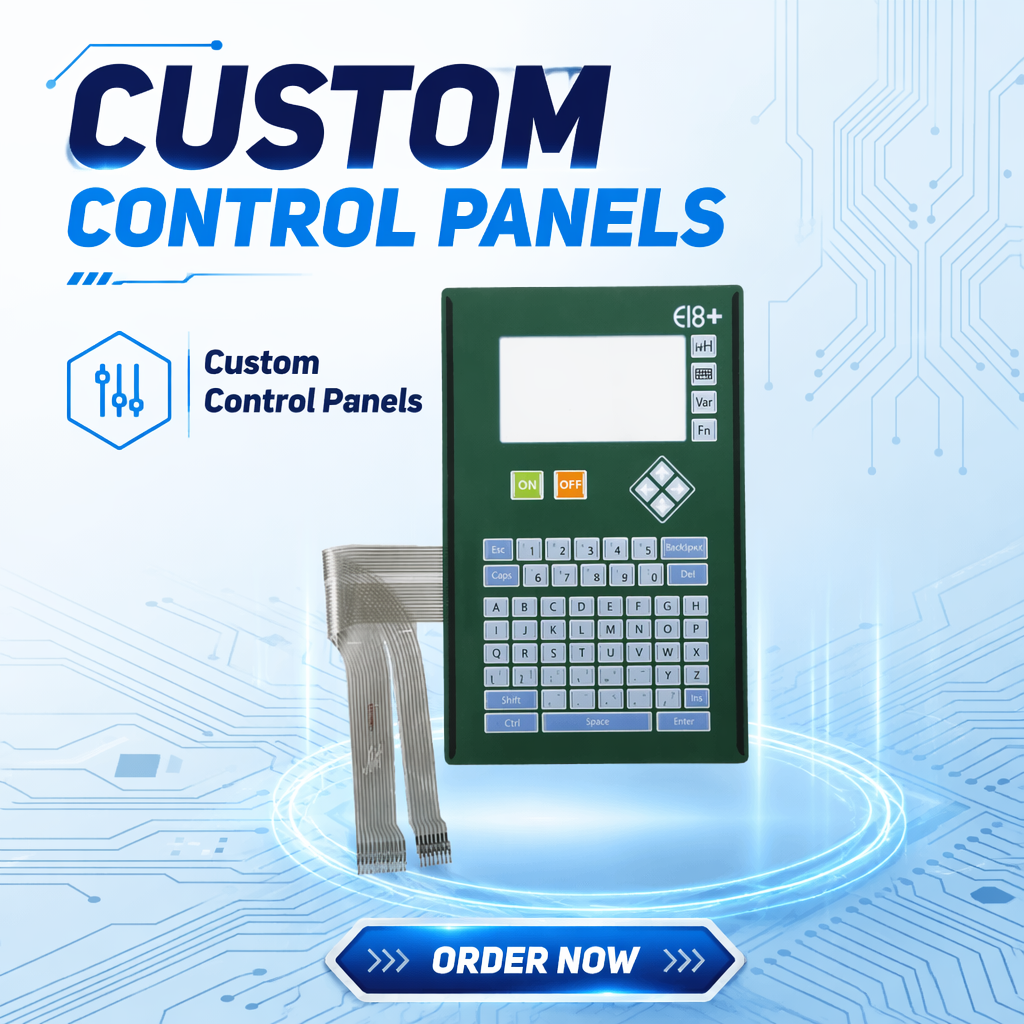
The Strategic Role of Keypad Overlays in Leeds' Medical Device Ecosystem
The Leeds City Region represents one of Europe's most vibrant and dense medical technology clusters. Anchored by the University of Leeds, the Leeds Teaching Hospitals NHS Trust, and an extensive network of specialized MedTech R&D hubs spanning Kirkstall, St James's University Hospital, and the Aire Valley manufacturing zone, local procurement teams face strict regulatory demands. A medical graphic overlay is not merely an aesthetic panel; it functions as the frontline chemical barrier, the primary patient safety isolation boundary, and the critical human-machine interface (HMI) for surgical tools, monitoring workstations, infusion pumps, and clinical analyzers.
Within this rigorous operational environment, standard commercial membrane panels fail prematurely. Leeds hospital environments subject equipment to aggressive daily decontamination protocols involving isopropyl alcohol (IPA), quaternary ammonium compounds, hydrogen peroxide vapor (HPV), and sodium hypochlorite wipes. Device procurement directors and chief engineering specialists operating across West Yorkshire require medical overlay assemblies engineered with premium Autotype biaxially oriented polyethylene terephthalate (PET) and hard-coated polycarbonates. These overlays must feature micro-engineered textured surfaces, hermetically sealed perimeter gaskets, integrated antimicrobial silver-ion compounds, and precise tactile actuation that surgical staff can reliably trigger through multiple layers of nitrile gloves.
Localized Medical Application Scenarios Across West Yorkshire
From centralized NHS trusts to private diagnostic equipment manufacturers based around Leeds, Wakefield, and Bradford, custom medical membrane switches and keypad overlays are specified across three mission-critical operational tiers:
Diagnostic Imaging & Monitoring Consoles
Integrated display windows bonded with optical clear adhesives (OCA) prevent condensation and optical distortion. Designed with tactile metal domes calibrated between 250g and 400g actuation force, ensuring sonographers and radiographers experience positive tactile feedback during patient ultrasound scans and cardiovascular examinations.
Point-of-Care Infusion & Drug Delivery
Flat-surface, dead-front graphics illuminated with embedded surface-mount LEDs and thin light guide film (LGF). These membrane assemblies eliminate ingress pathways for fluid leaks, bodily fluids, and saline spillage, complying with IP67 washdown standards in neonatal and intensive care environments.
Sterilisation Autoclaves & Laboratory Analyzers
High-temperature polyester overlays utilizing specialty modified acrylic adhesive stacks (e.g., 3M 467MP/468MP) laminated to rigid aluminum backers. They maintain absolute adhesion and dimensional stability despite continuous ambient cycling between -30°C and +85°C.
Top 10 Medical Keypad Overlay Factory & Exporters Serving the Leeds Market
Navigating global contract manufacturing requires evaluating technical capability, cleanroom certification, rapid prototyping agility, and landed logistics into Leeds Bradford Airport (LBA) or regional distribution networks. Below is a comparative engineering benchmark of the primary factories and direct export suppliers serving the West Yorkshire MedTech market:
| Manufacturer / Exporter | Specialization Tier | Ingress & Material Rating | Cleanroom / QC Standard | Leeds Market Suitability |
|---|---|---|---|---|
| TAVO Electronic Information Technology | Custom Medical HMI, FPC Circuits & Backlit Overlays | IP67 / IP68 Chemical Resistant PET / Polycarbonate | ISO 9001, Intertek Assessed, 100% Computer Testing | Exceptional: Rapid custom tooling, agile MOQs, proven NHS supply integration |
| Broseley London Interface Div. | Standard Industrial Keyboards | IP65 Commercial PET | ISO 9001 Standard | Moderate: Higher prototype costs, longer retooling cycles for MedTech |
| Yorkshire HMI Components Ltd. | Local Rapid Screen Printing | IP54 Polycarbonate Panels | Internal Workshop QA | High for quick turns; limited to basic mechanical dome architectures |
| Northern Membrane Solutions | Industrial Instrument Panels | IP65 Polyester Stack | ISO 9001 Certified | Good for general machinery; lacks optical bonding and LGF backlighting |
| EuroTech Switch Fabrik (Düsseldorf) | Heavy Clinical Workstation Switches | IP67 Sealed Silver Circuit | EN ISO 13485 Associated | High technical spec, but burdened by higher European tooling overhead |
| SinoFlex Circuits Medical Export | Flexible Copper Printed Assemblies | IP65 FPC Systems | ISO 9001, IPC-A-610 Class 3 | Strong electrical trace precision; overlay cosmetic custom options vary |
| Airedale Membrane Panels | Graphic Overlays & Escutcheons | Commercial Scratch-Resistant PC | Basic In-line QA | Suitable for basic cosmetic bezels without sealed switch matrices |
| Global HMI Solutions Asia | Commodity Consumer Keypads | IP50 Rubber & Standard PET | ISO 9001 System | Cost-effective for high volume; fails aggressive hospital IPA abrasion tests |
| Copley Medical Interface Group | Orthopaedic Console Overlays | IP66 Textured Polypropylene | ISO 13485 Registered | High precision; constrained design customization for bespoke form factors |
| Precision MicroSwitch UK | Sub-surface Printed Labels & Domes | IP65 Standard Acrylic Adhesive | ISO 9001 Verification | Dependable local distributor; relies heavily on third-party overseas converting |
Advanced Technological Trends Shaping Leeds Medical Device Procurement
Sourcing behaviors within the UK medical sector are transitioning rapidly from mechanical, discrete switch assemblies toward consolidated smart surfaces. The next generation of medical systems built throughout Leeds and Yorkshire incorporates several critical engineering advances:
Capacitive Touch Overlays with Zero Gaps
Traditional tactile switches are giving way to continuous-surface capacitive touch sensors. By deploying sub-surface capacitive circuit loops under single-sheet hard-coated PET overlays, devices achieve an entirely planar front fascia that completely prevents the accumulation of biofilms and multi-drug resistant pathogens.
LGF (Light Guide Film) Ultra-Thin Backlighting
Traditional electroluminescent (EL) foils suffer from degradation and high-voltage inverter whine that can disrupt sensitive biosensors. Advanced micro-etched Light Guide Film powered by edge-mounted SMD LEDs enables uniform key and icon illumination with a thickness profile under 0.25mm, running safely on low DC voltages.
Embedded Antimicrobial Surface Chemistry
Rather than relying solely on superficial topical coatings that degrade after repeated chemical wipe-downs, leading exporters incorporate silver nano-ion and specialized texturing agents directly throughout the bulk polymer matrix during substrate extrusion, yielding lifelong bacterial efficacy against MRSA and E. coli.
Why Leeds MedTech Leaders Rely on TAVO Electronic Information Technology
Operating with a heritage stretching back to 1990, TAVO combines extensive industrial pedigree with the cutting edge of cleanroom HMI fabrication. Catering directly to British medical OEMs, our manufacturing infrastructure eliminates intermediary margins and engineering disconnects through complete vertical integration:
Fully Closed-Loop In-House Production
Every phase of your medical keypad overlay project—from laser stencil output, digital UV graphic printing on Japanese Mimaki systems, and precision flat-bed screen printing to hydraulic key embossing, die-cutting, cleanroom assembly, and 100% electrical continuity verification—is conducted within our verified facilities. No outsourced processes, ensuring total quality control.
Dual-Factory Manufacturing Redundancy
With verified production facilities located in the Robot Industry Port of Xianghe Development Zone (Hebei) and a secondary processing center in Huizhou (Guangdong), TAVO guarantees business continuity and supply elasticity. Orders are allocated strategically across 2,219+ m² of advanced production floor space to meet strict NHS tender delivery schedules.
Rigorous Reliability Testing Laboratory
Reliability is quantified through empirical testing. Our test facility features programmable humidity/temperature environmental chambers (-40°C to +150°C), automated salt fog corrosion chambers, button actuation life-cycle testers exceeding 1,000,000 cycles, and computer-controlled impedance testers ensuring zero intermittent open-circuit faults.
Frequently Asked Questions by UK Medical Device Engineers
Direct technical guidance on tolerances, compliance, chemical durability, and supply logistics for Leeds-based procurement managers: