Featured Industrial HMI & Polyester Overlay Assemblies
Engineered to resist petrochemical washdowns, repetitive tactile keystrokes, and harsh environmental exposure across Tuscany's precision manufacturing sectors.
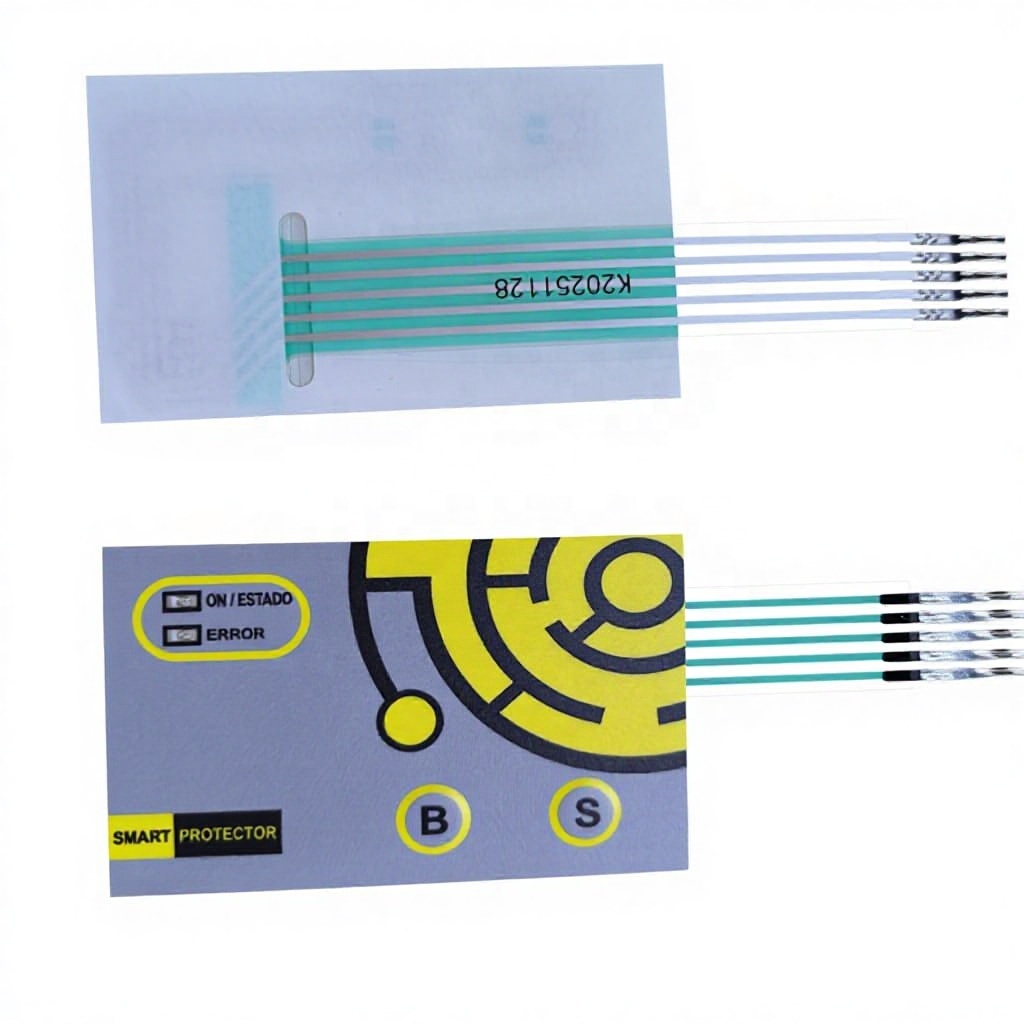
Fast Delivery OEM Waterproof Membrane Keyboard PBT Switch Mechanical Compatible
- Autotype High-Flex Polyester
- Direct Mechanical Key Interface
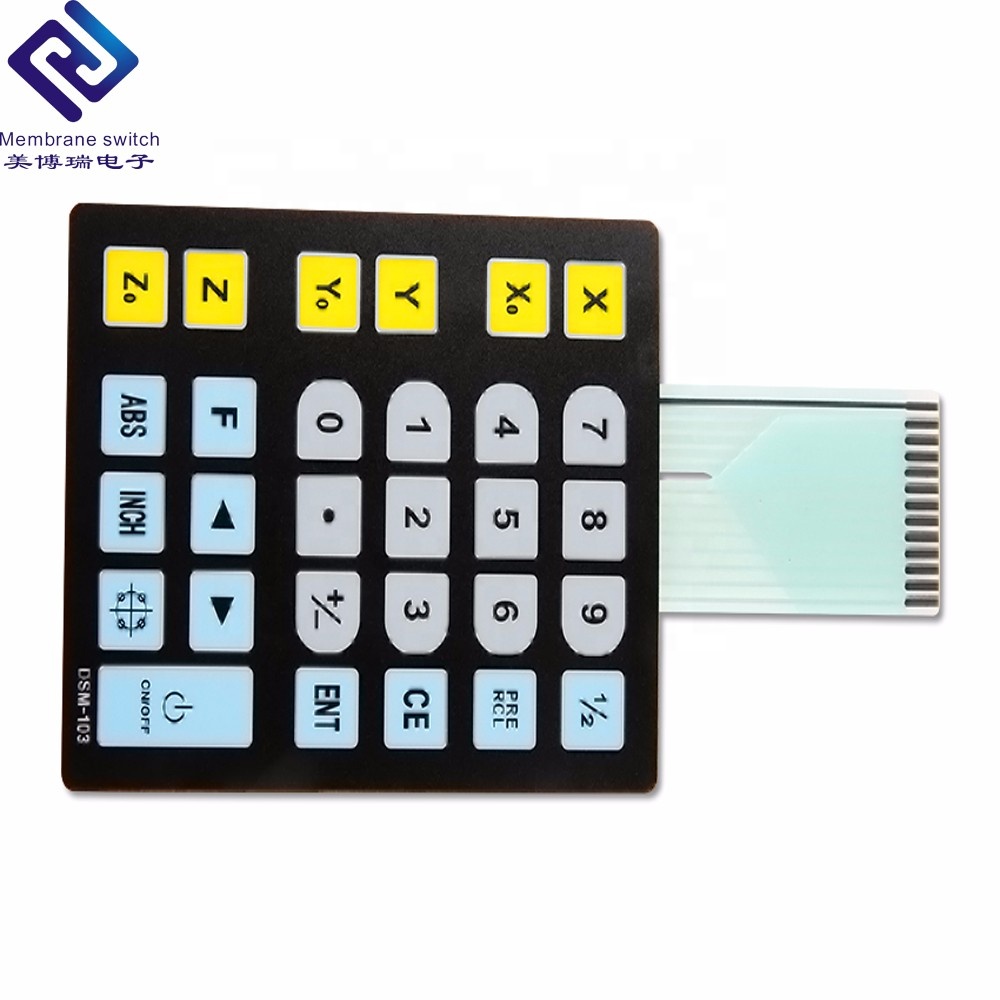
Factory Membrane Switch Keypad with Rubber Buttons MCU Expansion Layout
- Elastomeric Soft-Touch Shield
- Integrated Standard Micro-Pinout
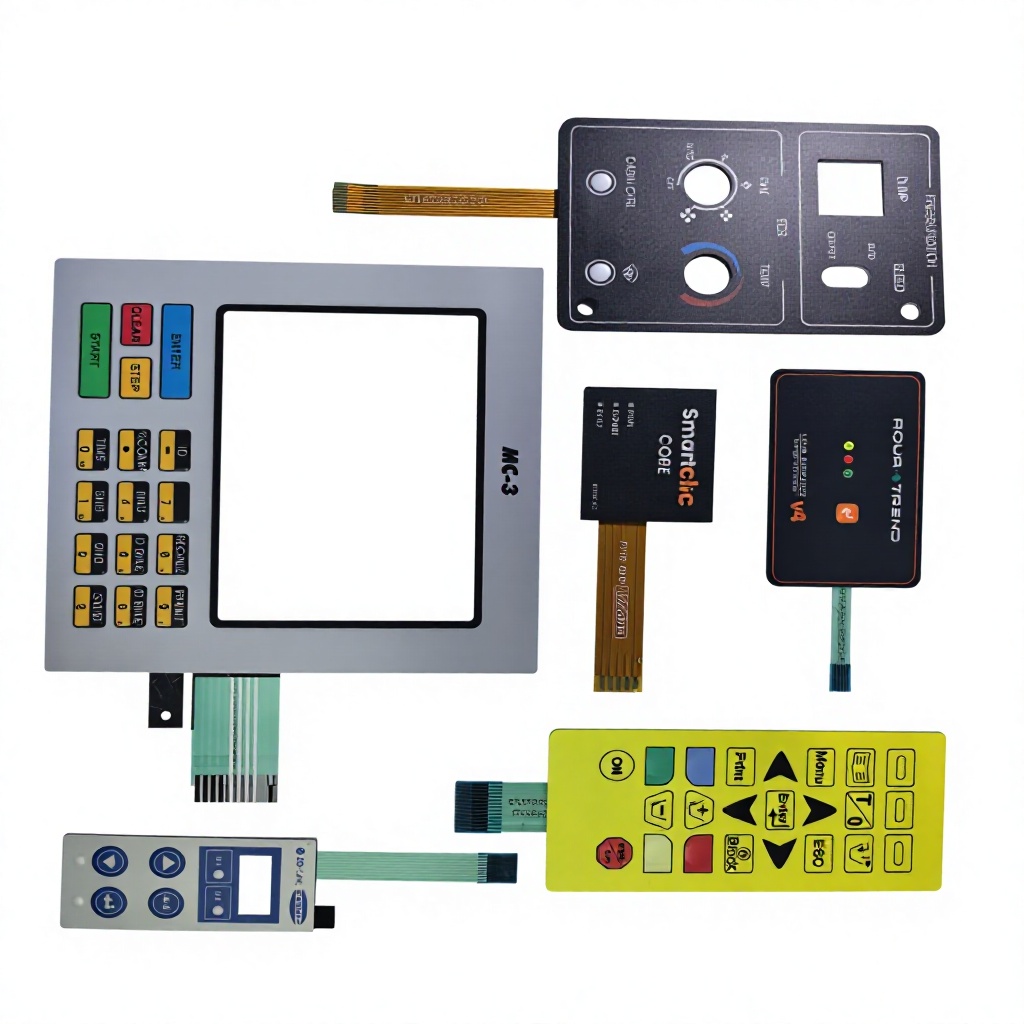
MBR Pet Conductive Film PET/PC Board Waterproof Durable Metal Dome Tactile Key
- Nickel-Plated Snap Metal Dome
- Low Sheet Resistance Trace
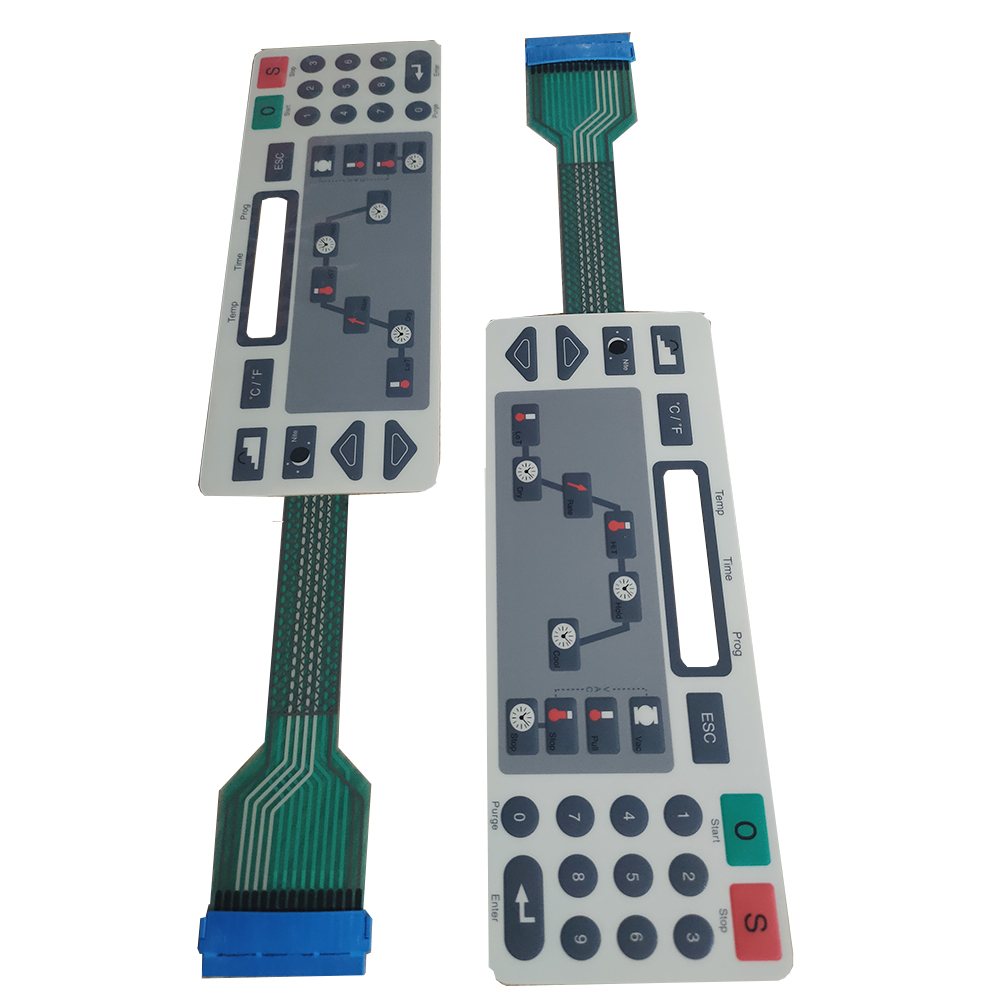
High Quality IP67 Waterproof 3M Adhesive Acrylic Metal Dome LCD Membrane Keypad
- Optically Clear LCD Windows
- Genuine 3M 200MP Adhesive Base
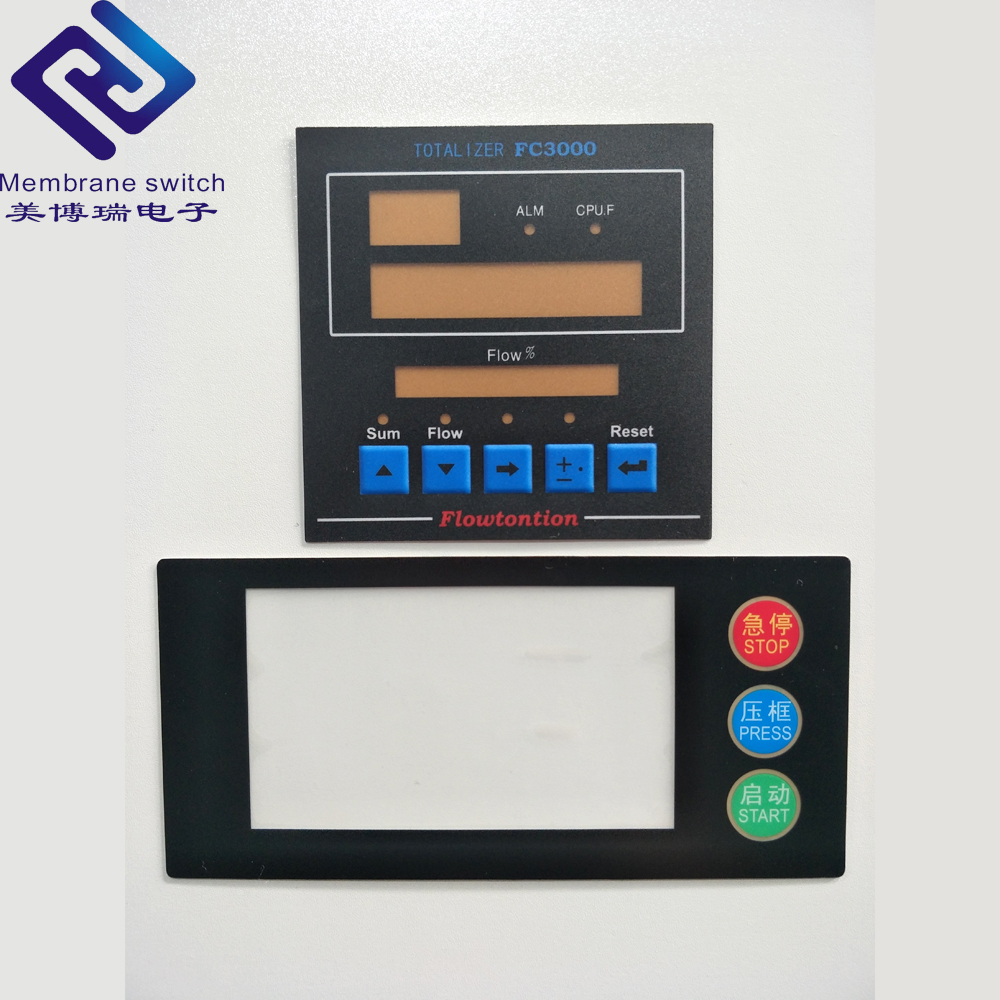
High Quality IP67 Waterproof 3M Adhesive Metal Dome LCD Custom Keypad Telecom
- EMI/RFI Aluminum Grid Shield
- ZIF Flexible Flat Tail Contact
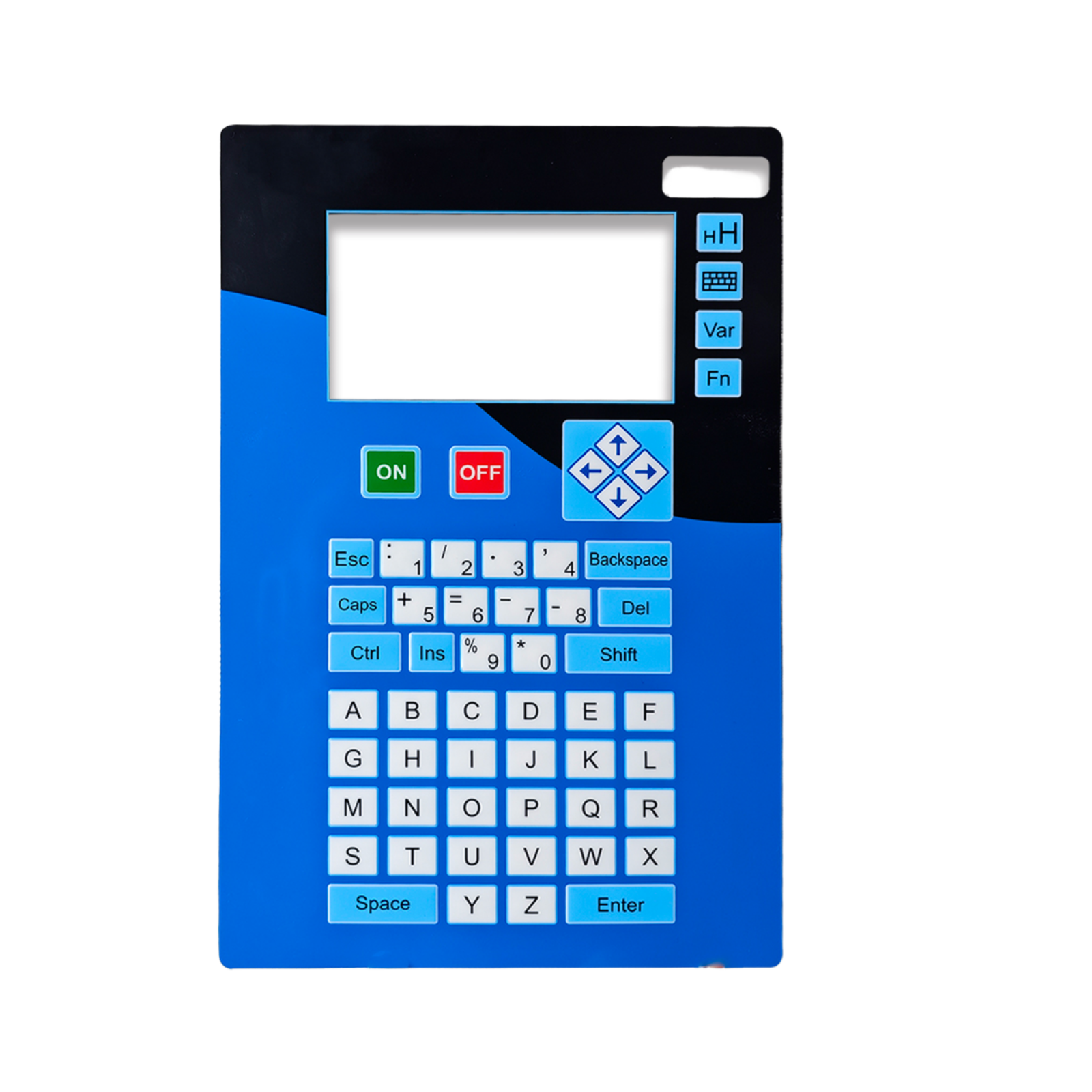
Custom Printed Membrane Switch Embossed Metal Dome Water-proof Home Appliance
- Pillow Rim Embossed Buttons
- UV Anti-Yellowing Front Ink
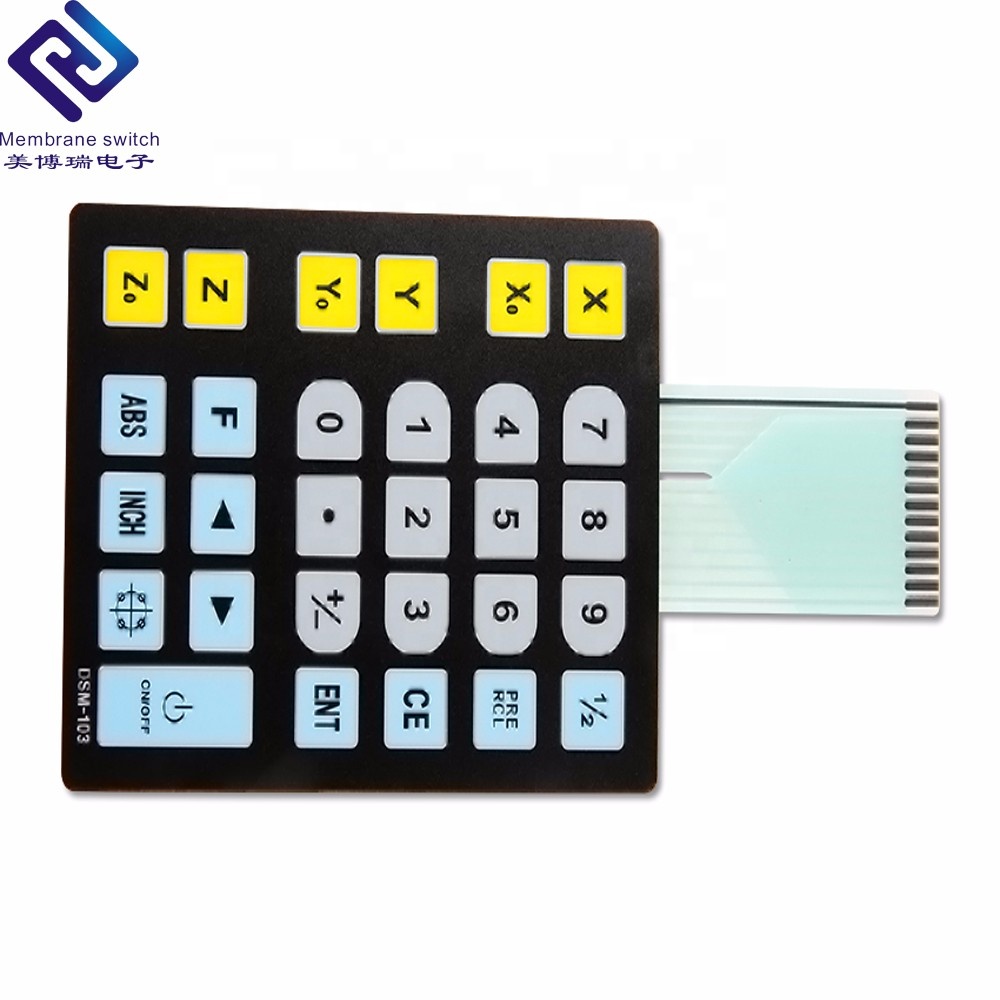
MBR High Quality IP67 Waterproof Flexible Cable Keypad PET/PC Dome Buttons
- High Solvent Chemical Shield
- Tested -30°C to +80°C Thermal Span
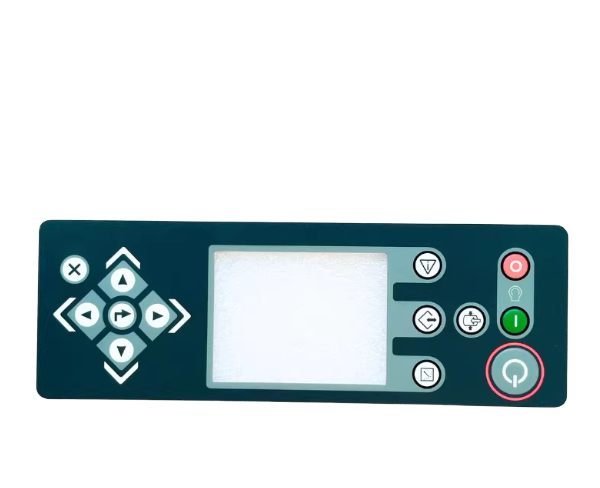
Custom Flexible Temperature Touch Control Keypad Membrane Eco-Friendly PET HMI
- Dead-Front Hidden Graphic Windows
- OCA High Clarity Visual Lamination
Engineering Whitepaper: Specifying Polyester Overlays in the Greater Florence Market
The Florence metropolitan industrial district—encompassing the manufacturing corridors of Scandicci, Osmannoro (Sesto Fiorentino), and Campi Bisenzio—presents a uniquely challenging set of engineering requirements for Human-Machine Interfaces (HMI). Historically renowned for leatherworking machinery, pharmaceutical cleanrooms, high-end packaging machinery, and specialized railway electrical systems, the regional supply chain demands surface components that bridge pristine mechanical aesthetics with uncompromising resistance to aggressive solvents, biological reagents, and heavy cyclical wear.
When engineering front control panels for equipment deployed in Florence, materials science takes center stage. Sourcing managers and electromechanical design engineers frequently weigh the operational trade-offs between Biaxially Oriented Polyethylene Terephthalate (BOPET / Polyester) and standard Polycarbonate (PC). While Polycarbonate delivers outstanding optical clarity and initial impact resistance, it inherently suffers from environmental stress cracking (ESC) when brought into direct contact with industrial solvent cleaning agents (such as acetone, isopropyl alcohol, and methyl ethyl ketone) routinely utilized in Tuscan pharmaceutical packaging facilities and tannery automation workshops.
Substrate Science Benchmark: Biaxially oriented polyester films (notably Autotype Autoflex and MacDermid Autotex) exhibit superior crystalline structures capable of surviving over 5,000,000 actuation cycles without micro-fracturing or localized embossing relaxation. Polycarbonate alternatives typically show tactile spring-rate degradation within 80,000 to 100,000 operations.
Furthermore, Florence's geographical location exposes hardware to variable climatic conditions, ranging from humid Arno valley autumn environments to heated, unventilated mechanical floor spaces. Polyester graphic overlays feature negligible moisture uptake (water absorption <0.5%), preventing delamination of the second-surface screen-printed silver inks or UV photopolymer graphics. Combined with 3M 467MP or 3M 9472LE high-tack acrylic adhesive systems, sub-surface printed polyester acts as a totally impermeable barrier, securing IP67 and NEMA 4X compliance against pressurized sanitization jets and continuous atmospheric moisture.
Top 10 Polyester Graphic Overlay Suppliers & Factories (Florence Market)
A multi-parameter evaluation based on in-house manufacturing, material traceability, cleanroom printing standards, and rapid prototyping capabilities.
1. TAVO Electronic Information Technology Co., Ltd.
GLOBAL OEM / TECH LEADERTracing its manufacturing lineage to 1990, TAVO maintains end-to-end production control from precision film plotting to Class 1000 cleanroom silkscreening and digital UV Mimaki printing. Renowned for custom IP67 membrane switches, FPC assemblies, and complex backlit polyester panels, TAVO combines German engineering quality partnerships with lean-cost manufacturing, making it the top supplier for Western European and Italian equipment builders.
2. Grafica Sestese S.r.l.
TUSCANY LOCALSituated in Sesto Fiorentino, this established regional screen-printing house provides direct, on-the-ground support for local Florentine mechanical builders. They specialize in quick-turn architectural and industrial faceplates, focusing predominantly on short-run tactile panels and die-cut self-adhesive serial labels.
3. MacDermid Alpha / Autotype Network
RAW MATERIAL PIONEERSupplying the underlying high-durability polyester films that define the European graphic overlay industry, MacDermid distributes its Autoflex and Autotex textured hard-coated films throughout northern and central Italy. Their materials form the gold standard for scratch resistance and anti-glare display windows.
4. Silcos S.r.l. (Italian Industrial Division)
SURFACE FINISHINGRenowned throughout Italy for specialized surface coatings and functional coatings, Silcos supplies integrated membrane systems, laser-etched silicone interfaces, and high-performance overlay films customized for demanding luxury packaging and medical diagnostic consoles.
5. MEIBORUI Membrane Switch Factory
HIGH-VOLUME EXPORTA major Asian high-volume production facility with comprehensive export logistics to Europe. MEIBORUI focuses on cost-optimized consumer electronics, home appliance graphic overlays, and high-volume conductive silver ink circuits paired with durable polyester front layers.
6. SERI-ART S.r.l.
NORTH ITALY DISTRIBUTOROperating across northern and central Italy, SERI-ART delivers specialized industrial serigraphy, offering embossed polyester overlays, poly-carbonate panels, and custom dead-front LED signaling bezels for heavy agricultural and earthmoving control cabins.
7. nVent HOFFMAN / Schroff HMI Systems
ENCLOSURE INTEGRATIONDelivering complete HMI enclosure solutions, nVent Hoffman equips industrial machine panels across the Florence-Bologna corridor with integrated front membranes, sub-racks, and EMI-shielded operator stations engineered for automation racks.
8. Elcos S.r.l.
CONTROL BOARDSLocated within convenient logistics reach of central Italy, Elcos focuses on industrial automation control gear, generating combined PCBA backer plates with custom water-resistant front graphic membranes engineered for power generators and industrial water pumps.
9. Memtronik European Supply Chain
ADVANCED PRINTED ELECTRONICSA technical leader in printed electronics, Memtronik supplies high-reliability capacitive sensors and flexible circuits on heat-stabilized polyester films. They frequently cater to medical OEM device programs requiring micro-trace accuracy.
10. Euroscreen Industrial Printing
TUSCAN CONTRACT SCREENERA regional contract provider serving the Tuscan industrial basin with precision screen printing on plastics and metals. Euroscreen is relied upon for small-batch machinery rebuilds, custom dials, and front panels requiring high mechanical registration tolerance.
Localized Deployment Scenarios Across Greater Florence
How engineered polyester graphic overlays are actively leveraged inside Florence’s leading high-value industrial sectors.
Pharma & Biotech Processing Equipment
Concentrated in the Osmannoro and Sesto Fiorentino science clusters, pharmaceutical packaging machines require cleanroom-compatible graphic panels that endure aggressive sterilizing protocols, alcohol wipes, and vaporized hydrogen peroxide without yellowing or edge-lifting.
Luxury Leather Goods Automated Machinery
Scandicci represents the apex of international luxury leather production. Automated die-cutting machines, computerized skiving benches, and programmable stitching robots utilize tactile polyester overlays with selective pillow embossing to grant operators responsive, glove-compatible tactile feedback.
Railway & Critical Transit Infrastructure
Drawing on Tuscany’s deep rail equipment engineering traditions (connecting Florence with Pistoia's rolling stock corridor), custom graphic membranes engineered with flame-retardant rear adhesives (UL94 V-0 ratings) and aluminum EMI shields provide robust operator interface solutions for trackside signaling consoles.
Future Market & Technological Trends in Central Italy (2025–2030)
The manufacturing infrastructure of Central Italy is navigating an aggressive transition toward Industry 4.0 (Industria 4.0) interoperability. While capacitive touchscreens dominate consumer smartphones, industrial hardware deployed across factory floors requires physical, foolproof reliability. Over the next five years, four pivotal technological paradigms are reshaping how procurement directors in Florence procure polyester graphic interfaces:
1. Convergence of Capacitive Sensing with Textured Polyester: Rather than relying solely on pure glass touchscreens—which shatter easily and lack physical feedback—Florentine designers are adopting hybrid interfaces. By integrating capacitive printed sensor circuits directly behind hard-coated, non-glare polyester front overlays, machines achieve seamless flat surfaces with "hidden-until-lit" dead-front icons, allowing operators wearing industrial gloves to actuate functions securely.
2. Uniform LED/LGF Edge-Lit Illumination: Dark factory floors and night shift operations in medical diagnostic lines necessitate precise night-vision backlighting. Integrating ultra-thin Light Guide Films (LGF) directly under the graphic polyester layer minimizes localized hot-spotting while reducing LED power requirements by upwards of 40% compared to traditional bulk diffuser blocks.
3. Circular Economy & Halogen-Free Materials: Under escalating European Union ecodesign directives, industrial equipment components are scrutinized for lifecycle sustainability. The market is aggressively phasing out PVC-based overlay films in favor of recyclable, halogen-free, biaxially-oriented polyesters paired with water-based UV curable inks that emit zero VOCs during manufacturing.
Integrated Manufacturing Infrastructure & Engineering Prowess
Decades of continuous specialization enable us to eliminate the middleman, maintain total quality governance, and provide European OEMs with industrial-grade interface reliability.
Complete In-House Production
Every phase—including CAD layout, precision laser cutting, CNC mold tooling, silkscreening, high-heat curing, and robotic cleanroom assembly—is executed inside our facility without subcontracting.
German Technical Cooperation
Benefiting from long-term technical alliances and process exchanges with German membrane switch engineers, our manufacturing aligns with stringent European mechanical tolerances and durability benchmarks.
Relentless Reliability Lab
In-house computerized circuit analyzers, button life-cycle cyclers, xenon UV chambers, programmable thermal-humidity test units, and salt fog chambers verify every batch prior to dispatch.
Substantial Tooling Plant
Our operation houses 60 CNC mold-making workstations, 37 silkscreen machines, 18 precision laser cutting lines, 8 curing units, and 4 Mimaki UV flatbed printers to scale seamlessly from prototype to mass batches.
Dual-Factory Flexibility
Coordinated production facilities in Xianghe (Robot Industry Port) and Huizhou grant rapid capacity scaling, lower MOQ barrier limits, and total protection against single-point supply interruptions.
Dedicated International Desk
A specialized international technical trade desk handles European compliance, multi-currency accounting (EUR, USD), and rapid logistics transit, offering custom clearance support directly into Florence.
Frequently Asked Questions by Florentine Purchasing Teams
Clear, technically precise answers addressing international engineering file handover, materials compliance, and import logistics into Italy.