High-Reliability Rigid PCB & Membrane Interface Assemblies
Featured tactile switch components, graphic front panels, and industrial membrane controllers engineered to MIL-STD-810 and IP67 washdown standards for Los Angeles OEM supply chains.
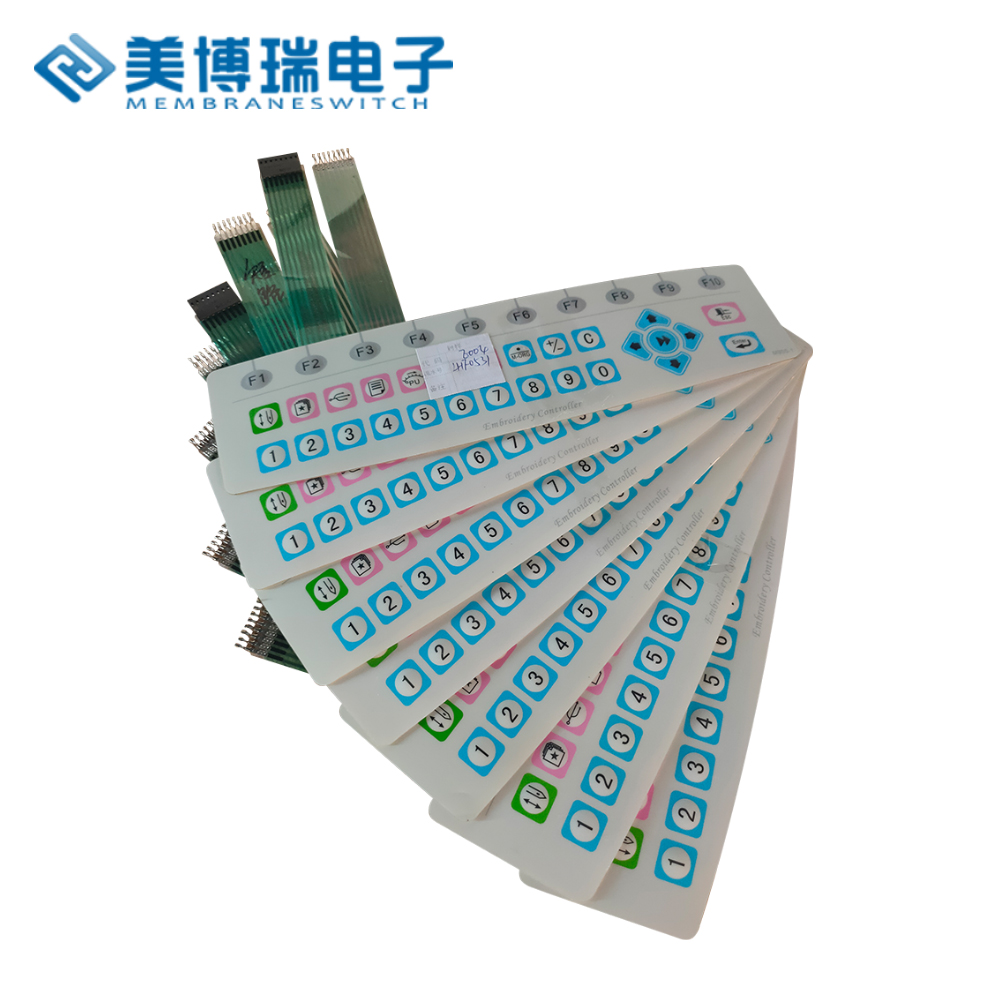
Custom MBR OEM Flexible Waterproof Membrane Keypad Anti-Dust Moisture Proof Control Panel PET+Silver Circuit 1 Keyboard Keyboard
Fast Delivery OEM PBT Keyboard Cap Mechanical Switch Compatible Silkscreen Printed 2.54mm Pitch ISO Certified Factory Direct
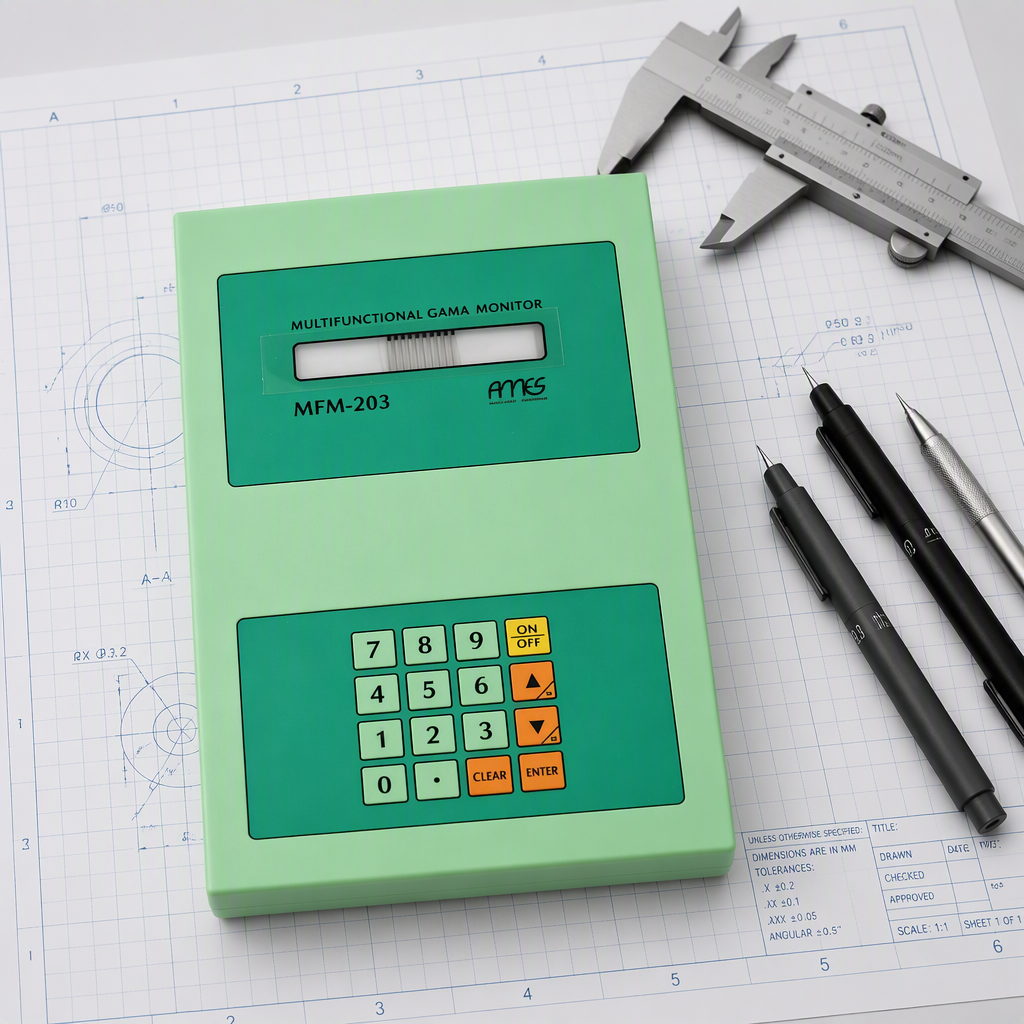
MBR IP67 Waterproof Industrial Membrane Keyboard PET Overlay for Telecommunication Equipment (OEM/ODM Model)
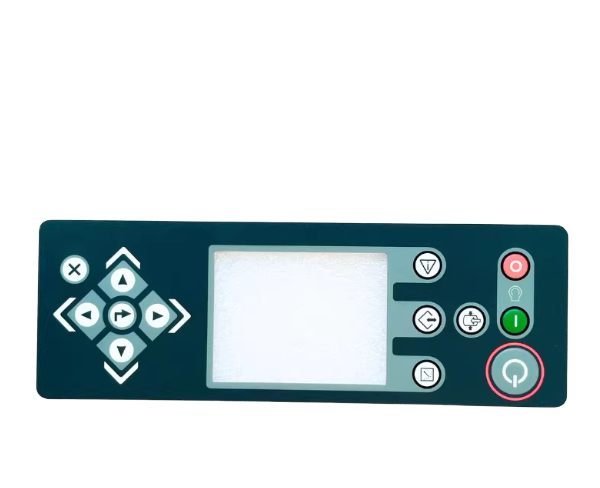
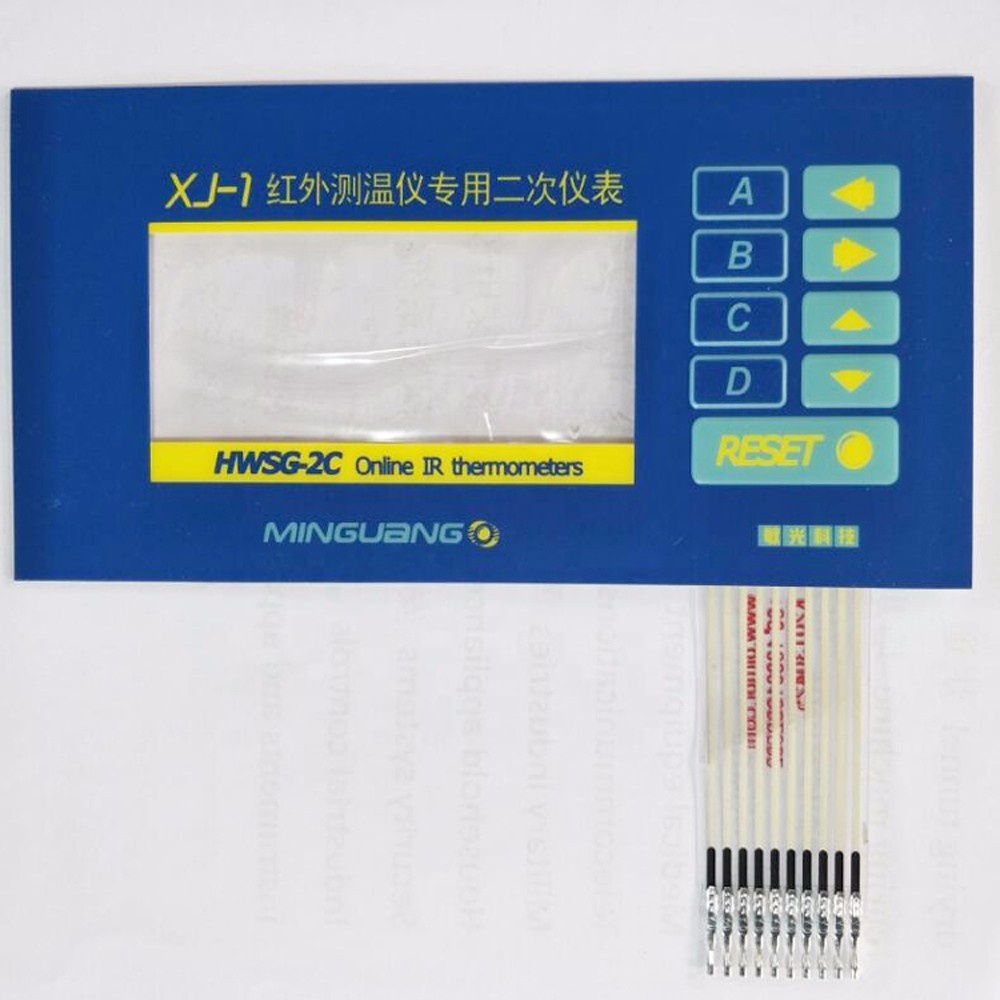
Custom Flexible Temperature Touch Control Keypad Membrane Panel Clear Transparent Window Waterproof Eco-friendly PET HMI
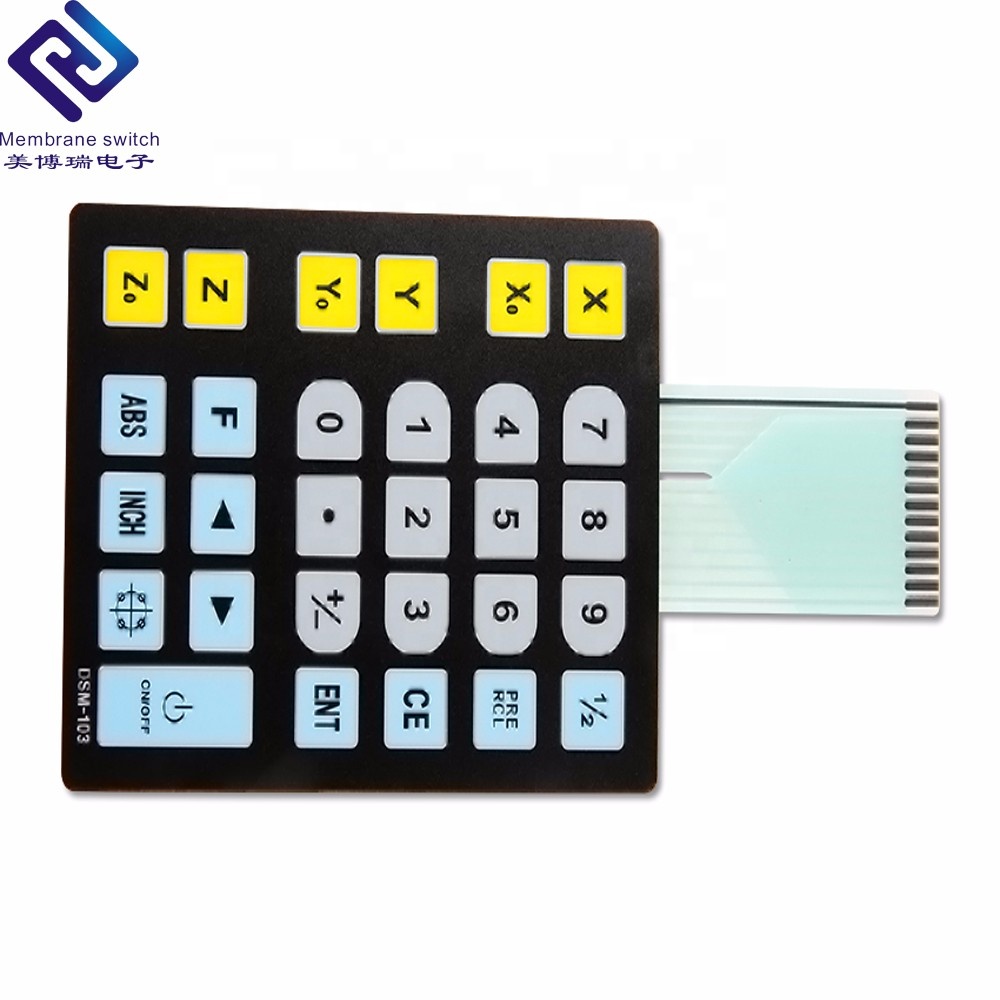
MBR High Quality IP67 Waterproof 3M Adhesive Flexible Cable Membrane Keypad PVC/PET/PC Dome Buttons Telecommunication Keypad
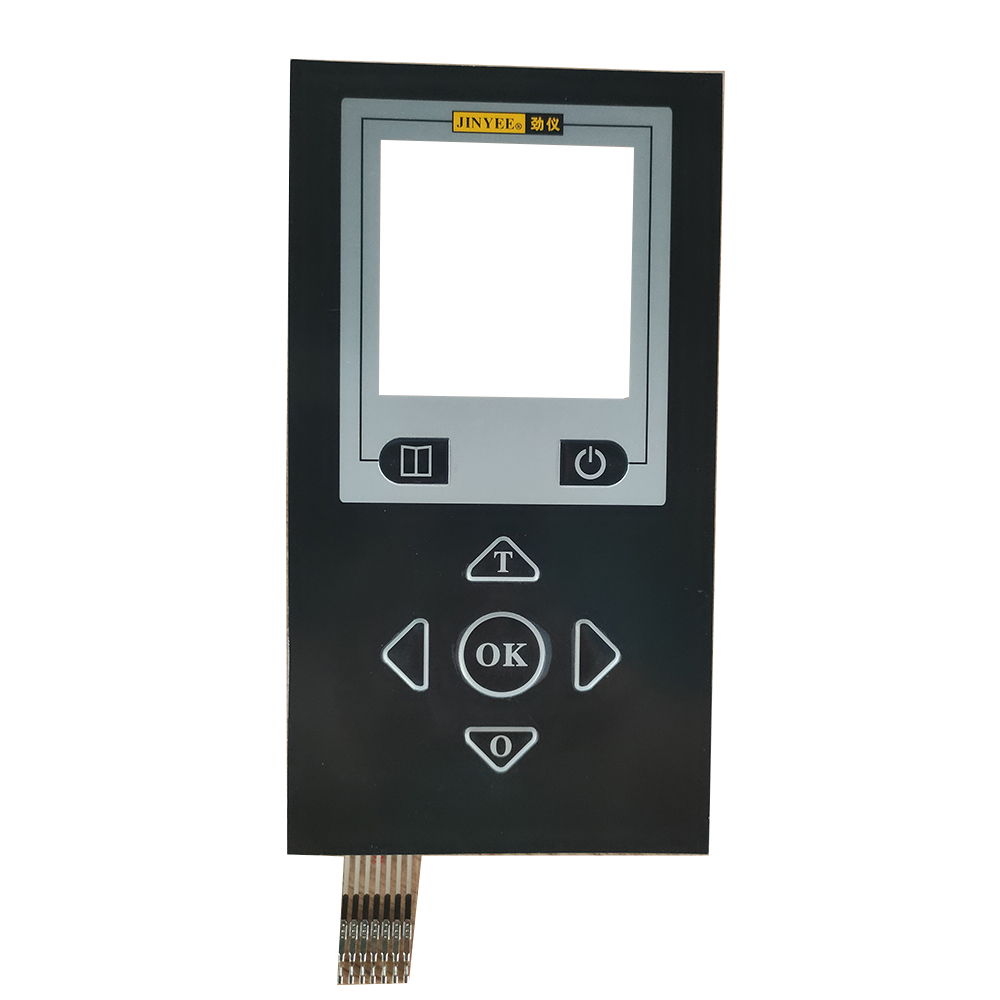
MBR IP67 Waterproof Industrial Membrane Keyboard with PET Overlay for Telecommunication Equipment (CN OEM/ODM Model)
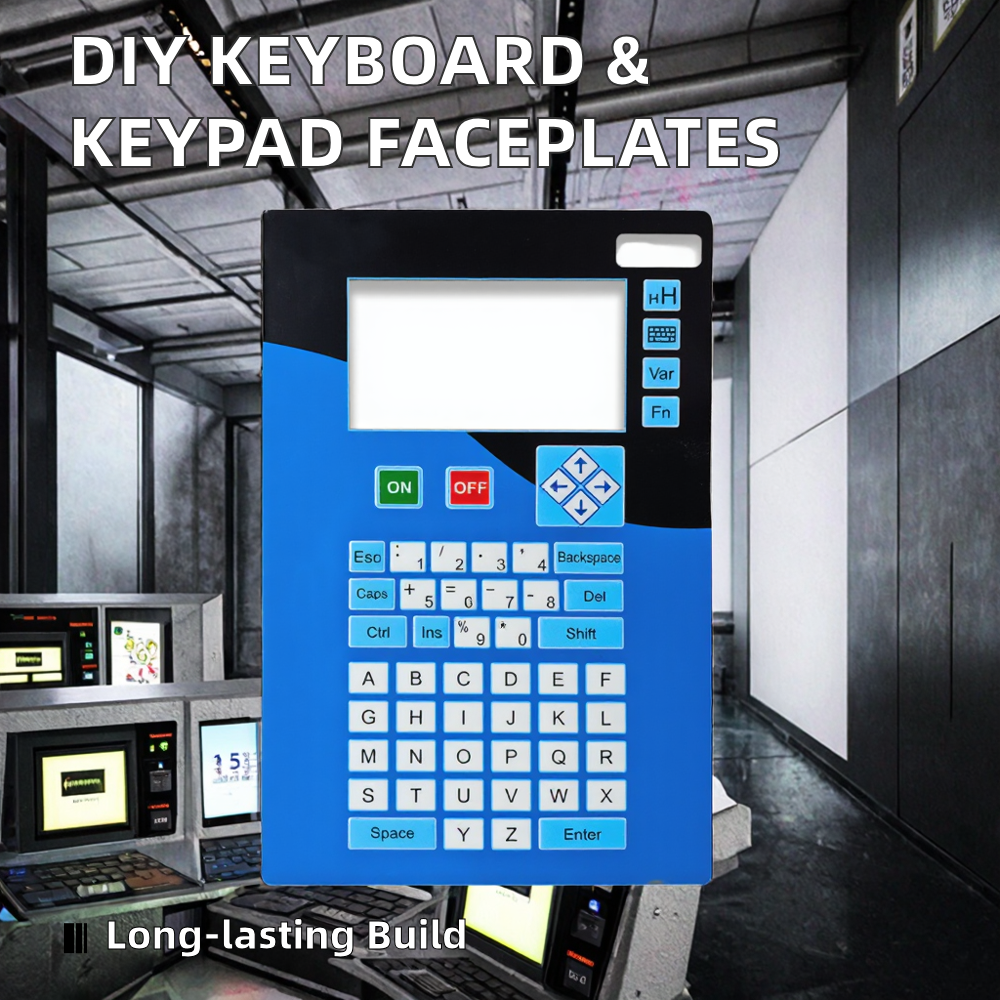
Custom Embossed Tactile Key Membrane Switch/Keypad/Keyboard Backlight LED Water-proof Panel Mounting ISO9001 Certified
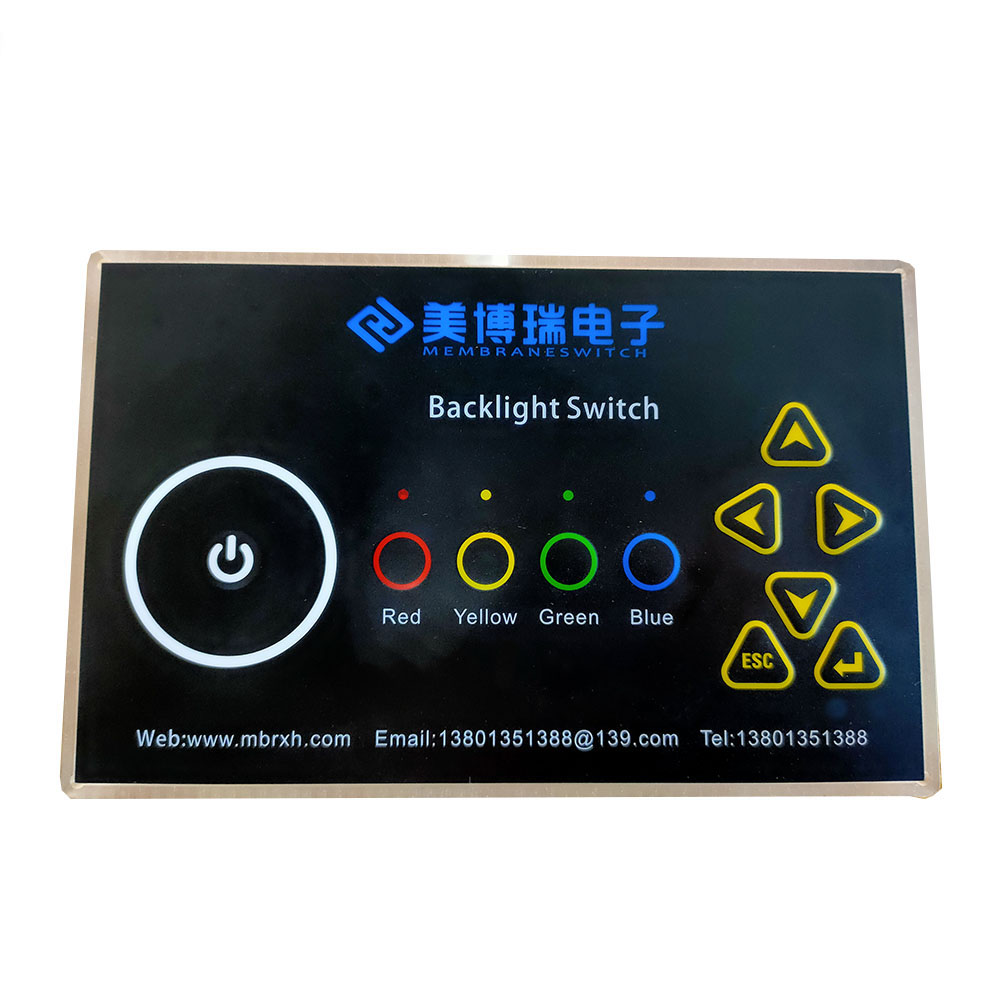
MEIBORUI MBR PBT Keyboard Cap PET Membrane Keypad Custom Color Silkscreen Sticker Printing Replacement Keycaps for
The Technical Architecture of Rigid PCB Membrane Switches
Why modern Los Angeles defense, robotics, and medical device hardware architects are abandoning silver-flex circuits in favor of FR4 and metal-backed rigid switch assemblies.
In high-reliability Human-Machine Interface (HMI) design, the architectural foundation of the switch matrix dictates electrical integrity, mean time between failures (MTBF), and survivability against harsh environmental stressors. While traditional membrane switches rely on flexible polyester (PET) substrates printed with conductive silver flake ink, rigid PCB membrane switches integrate a glass-reinforced epoxy laminate (FR4, FR2, or polyimide) as the underlying circuit layer. This fundamental shift eliminates the primary failure mechanisms of conventional membrane keypads: silver migration under high DC bias and humidity, micro-cracking of printed traces during mechanical flexing, and connector pin fretting corrosion.
Rigid PCB switches fundamentally function as complete daughterboards. Instead of merely terminating into a flexible flat cable (FFC) tail that requires an expensive ZIF or zero-insertion-force connector on the main motherboard, the rigid backplane accommodates directly soldered active and passive surface-mount components (SMD). Microcontrollers, CAN-bus transceivers, reverse-mount surface bi-color LEDs, haptic feedback actuators, and precision decoupling capacitors can be populated directly behind the operator's touch interface. Furthermore, heavy-duty through-hole headers (such as 2.54mm pitch Amphenol or Harwin connectors) can be wave-soldered directly to the FR4 backplane, providing extreme mechanical pull strength exceeding 150 Newtons.
| Engineering Attribute | Standard PET Silver Ink Switch | FPC Flexible Copper Switch | Rigid PCB Membrane Switch (FR4/Aluminum) |
|---|---|---|---|
| Substrate Material | Heat-stabilized PET Film (125μm - 175μm) | Polyimide (Kapton) Base (25μm - 50μm) | FR4 Glass Epoxy (0.4mm - 3.2mm) / Aluminum Clad |
| Trace Conductor Metallurgy | Screen-printed Silver Emulsion + Carbon Shield | Rolled Annealed (RA) or Electro-Deposited Copper | 1oz / 2oz Etched Copper with ENIG or HASL Finish |
| Loop Resistance (Nominal) | High (>20 Ω to 100+ Ω based on length) | Extremely Low (<2 Ω) | Near Zero (<0.5 Ω) - Prevents Logic Drop |
| SMD Component Population | Limited (Conductive Epoxy / Low Reliability) | Moderate (Reflow capable, requires stiffener) | Comprehensive (Full SMT Reflow: LEDs, ICs, Headers) |
| Structural Mechanical Rigidity | None (Requires customer support housing) | None (Requires mechanical backplate) | Self-Supporting structural enclosure front-bezel |
| Moisture/Silver Migration Risk | Severe Risk under DC voltage bias | Immune (Solid copper construction) | Immune (Solid copper + ENIG gold barrier) |
| Tactile Dome Actuation Force | 180g - 350g (Prone to soft bottoming) | 200g - 400g (Dependent on stiffener) | 250g - 600g (Solid anvil effect, crispest tactile feel) |
Another critical technical advantage for aerospace and defense contractors in Southern California is the "Anvil Effect." When an operator compresses a tactile stainless steel metal dome against a flexible PET lower circuit, the underlying substrate deforms elastically into the adhesive or air cavity below. This creates a spongy actuation feel and degrades the tactile ratio (often below 30%). In contrast, a rigid PCB switch provides a rock-solid, non-yielding planar surface. Actuating a four-legged nickel-plated or gold-plated stainless steel dome directly against a gold-plated PCB landing pad delivers a crisp tactile snap ratio greater than 50%, producing verifiable tactile and audible switch confirmation even through heavy flight gloves or Hazmat protective suits.
The Los Angeles Industrial Cluster: Why Local HMI Sourcing is Evolving
From El Segundo’s aerospace belt to Irvine’s biomedical corridor, Southern California demands military-grade traceability and commercial fast-delivery prototyping.
The Greater Los Angeles metropolitan area represents the largest and most diversified advanced manufacturing corridor in North America. Unlike regions characterized by homogenous consumer electronics manufacturing, the Los Angeles ecosystem is uniquely anchored by four hyper-specialized industrial clusters:
- The El Segundo, Hawthorne & Long Beach Aerospace Corridor: Home to legacy aerospace titans (Northrop Grumman, Boeing, Raytheon, Lockheed Martin Skunk Works) and the commercial space vanguard (SpaceX, Rocket Lab, Relativity Space). Interfaces deployed here must withstand extreme mechanical vibration, thermal shock (-55°C to +125°C per MIL-STD-810H), and zero outgassing requirements.
- The Silicon Beach & Orange County Medical Device Corridor: Spanning from Pasadena through Irvine and Carlsbad, this cluster produces world-leading surgical navigation, patient infusion consoles, and point-of-care hemodialysis equipment requiring IP67 fluid ingress seals and medical-grade isopropyl wipe-down immunity.
- The Port of Los Angeles & Inland Empire Logistics Automation Hub: The twin ports of LA and Long Beach represent the primary gateway for trans-Pacific commerce, spurring massive adoption of robotic container cranes, heavy AGVs (Automated Guided Vehicles), and outdoor terminal kiosks subjected to corrosive maritime salt fog and direct solar UV exposure.
- Pasadena & San Fernando Valley Robotics / Deep Tech: Stemming from NASA's Jet Propulsion Laboratory (JPL) and Caltech, autonomous defense platforms, planetary rovers, and specialized optical instrumentation rely heavily on low-power, EMI-shielded rigid control interfaces.
Dual-Sourcing Strategy: Local NPI Combined with Verified High-Capacity Overseas Volume
In modern Southern California supply chain management, purchasing executives and VP-level engineering managers avoid single-source domestic bottlenecks. While initial rapid NPI (New Product Introduction) engineering revisions are frequently breadboarded locally, full-scale production programs inevitably hit severe cost and lead-time constraints when relying strictly on boutique domestic shops in Los Angeles or Orange County.
Forward-thinking LA sourcing directors deploy a Hybrid Procurement Matrix: partnering with Tier-1 overseas manufacturers like TAVO Electronic Information Technology Co., Ltd. who operate verified quality systems (ISO 9001, Intertek onsite audited), maintain technical standards aligned with European/German engineering partnerships, and supply complete turnkey assemblies (integrated PCBs, machined metal backplates, optical display bonding, and custom cable harnesses) at 40% to 60% lower total cost of acquisition.
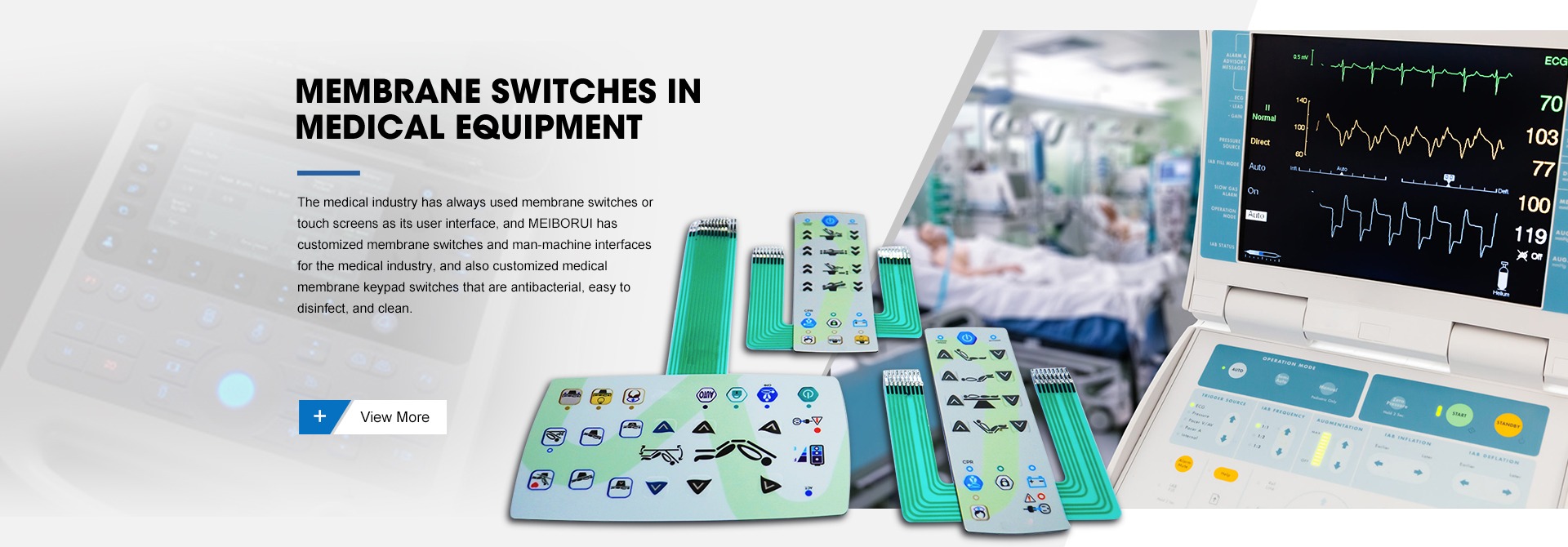
Top 10 Rigid PCB Switch Factories & Suppliers Serving Los Angeles
An objective engineering assessment of leading switch manufacturers, turnkey assemblers, and global fabrication partners supporting Southern California OEM hardware developers.
TAVO Electronic Information Technology Co., Ltd.
With over 35 years of dedicated membrane switch and rigid interface manufacturing heritage (est. 1990), TAVO represents the benchmark in turnkey HMI fabrication. Operating verified dual production sites in Xianghe Robot Industry Port and Huizhou (2,219 m² verified cleanrooms), TAVO provides 100% in-house capabilities: from 60 CNC mold-making lines and 37 screen printers to digital UV engines and automated SMT placement. Serving tier-1 accounts including Siemens, ABB, and Haier, with massive export capacity into the US aerospace, medical, and industrial sectors.
Epec Engineered Technologies
A long-established North American supplier providing engineering support across California for rigid PCB backed membrane switches, silicone rubber keypads, and integrated display windows. Known for deep technical capability in heavy copper traces, EMI/RFI aluminum backer shielding, and turnkey box-builds serving military electronics contractors.
Nelson-Miller, Inc.
Headquartered directly within the Los Angeles industrial basin (Commerce/Montebello), Nelson-Miller has deep local roots tracing back to Miller Dial and Nelson Nameplate. They specialize in high-end graphic overlays, capacitive touch switch arrays, and rigid PCB sub-assemblies for aerospace cockpit controls and diagnostic instrumentation.
GGI Solutions
A prominent player throughout North America, GGI specializes in printed electronic switches, capacitive touch surfaces, and rigid FR4 backplane assemblies. Known for integrating fine-pitch active electronics and optical bonding, they actively supply medical monitoring OEMs across California.
Douglas Corporation
Supplying automotive, EV, and commercial equipment companies across Southern California, Douglas excels in aesthetic membrane switch overlays, backlighting technologies (LGF and optical fiber), and rigid backer plates engineered for high-impact commercial vehicles.
Design Mark Industries
Provides comprehensive user interface manufacturing including tactile metal dome arrays, FPC copper circuits, and FR4 rigid PCB membrane switch panels. Popular among West Coast medical device startups seeking quick-turn sample prototyping and engineering design assistance.
Dyna-Graphics Corporation
Located on the West Coast, Dyna-Graphics has spent decades supplying ruggedized membrane switches and custom rubber keypad assemblies to industrial automation and laboratory testing instrumentation manufacturers throughout Greater Los Angeles.
LTW Technology / Amphenol LTW
Known for high-reliability IP67/IP68 interconnects, LTW extends its hardware engineering into complete rigid PCB switch control panels designed specifically for marine logistics, Port of LA crane controls, and outdoor clean-energy utility power generation.
Xymox Technologies, Inc.
A leader in printed capacitive touch sensors, Xymox works closely with California electronics designers transitioning from mechanical push-buttons to sleek, flush capacitive glass/polycarbonate panels backed by rigid PCB micro-controllers.
Syrma SGS Technology
A large-scale EMS (Electronic Manufacturing Services) powerhouse that manufactures complex box-builds containing rigid PCB switch backplanes, populated SMT motherboards, RFID tags, and magnetic sensor arrays for automotive and industrial logistics OEMs shipping into Los Angeles ports.
Engineering Applications Across Southern California Industries
Specific hardware design challenges and how rigid PCB backed switch architectures solve real-world problems across Los Angeles defense, medtech, and automation facilities.
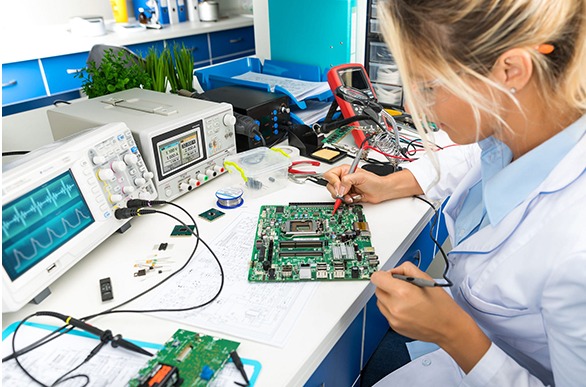
Port of LA / Long Beach Container Automation
Outdoor crane cabins and terminal transport vehicles experience corrosive sea salt, heavy diesel fumes, and 24/7 direct UV radiation. Rigid aluminum-backed PCB switches with 3M 300LSE adhesive and hydrophobic breather vents prevent internal condensation while ensuring zero switch failure during extreme thermal cycling.
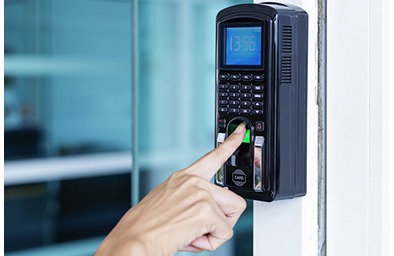
Irvine MedTech & Surgical Navigation Systems
Operating rooms require completely flat, IP67 impermeable front panels capable of withstanding daily hospital disinfection protocols (quaternary ammonium, bleach, and 70% IPA). Rigid FR4 switches enable flush, sealed optical bonding over LCD touchscreens while providing tactile dome emergency override buttons.
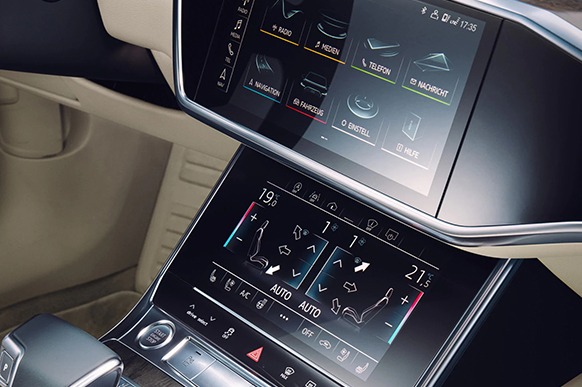
El Segundo & Hawthorne Avionics & Space Flight
Suborbital launch controllers and defense communication racks cannot tolerate signal latency or connector fretting from severe acoustic vibration. Solder-direct rigid PCB switches eliminate flexible tail connectors entirely, utilizing gold-plated locking pin headers and MIL-STD solid copper shielding.
Pasadena & Torrance Robotics & EV Test Racks
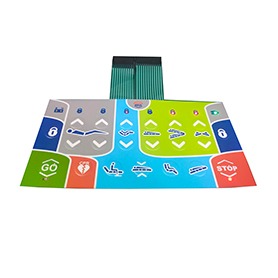
Automated test benches and electric vehicle dyno facilities require dense matrix switching with integrated RS-485 or CAN-bus microcontrollers. The rigid PCB switch acts as both the user input terminal and the logic controller board, drastically shrinking enclosure depth by over 65%.
Key Technology & Sourcing Trends in the Southern California Market
How cutting-edge material science, digital fabrication, and risk-mitigated global manufacturing models are reshaping HMI procurement.
1. Transition from Silver Emulsion to Copper-FR4 Backplanes
Due to surging DC field voltages in battery-electric equipment and extreme coastal humidity in SoCal, failure rates from silver migration are prompting major engineering change orders (ECOs). Hardware teams are standardizing on FR4 solid-etched copper rigid substrates across all critical outdoor and industrial product lines.
2. Hybrid Tactile-Capacitive Integration with LGF Backlighting
Modern operators expect consumer-grade visual elegance combined with mission-critical tactile certainty. By integrating Light Guide Film (LGF) over a rigid PCB, engineers achieve completely uniform LED symbol illumination without hot-spots, pairing capacitive slider controls with high-tactile stainless steel emergency stop keys.
3. Redundant Dual-Plant Manufacturing Risk Mitigation
Recent geopolitical volatility and tariff complexities have taught California procurement specialists that single-factory suppliers represent unacceptable risk. Top manufacturers like TAVO now maintain dual processing plants (Hebei and Guangdong) to balance capacity dynamically, ensuring uninterrupted delivery schedules.
Why Los Angeles OEMs Partner with TAVO Electronic Information Technology
Combining 35+ years of European technical heritage with advanced automated machinery to deliver uncompromised rigid PCB user interfaces.
Founded in 1990, TAVO Electronic Information Technology Co., Ltd. has dedicated over three decades exclusively to researching, engineering, and manufacturing high-performance membrane switches, rigid PCB control interfaces, and optical touch panels. Rather than acting as a sourcing broker or distributor, TAVO operates 100% independent, in-house production.
Complete In-House Fabrication Ecosystem
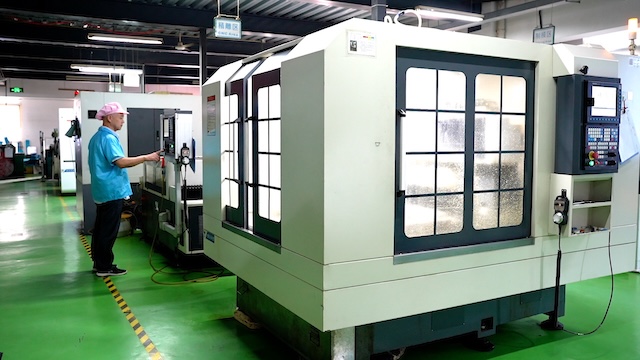
From CAD artwork conversion, laser tooling, and CNC mold production to high-precision screen printing, digital UV printing, and SMT assembly, zero steps leave our factory floors.
German Technical Partnership & Intertek Audited
Our long-term technical cooperation with a leading German switch plant informs our strict mechanical tolerances, cleanroom standards, and material selection (Autotype PET, 3M adhesives, Shin-Etsu silicones).
Massive Machine Fleet: 60 CNCs, 37 Silkscreen Lines
Equipped with 60 CNC mold-making machines, 37 silkscreen printers, 4 Mimaki heat-setting digital UV printers, 18 precision laser cutters, and 7 digital engravers for instant scale.
Dedicated In-House Reliability & QC Lab
Every lot is subjected to computer circuit continuity analysis, 5-million-cycle actuation life testers, programmable temperature-humidity chambers, xenon lamp aging, and salt fog corrosion testing.
Frequently Asked Questions by Los Angeles Sourcing Engineers
Straightforward answers addressing design files, prototype turnaround, ITAR considerations, tooling costs, and shipping logistics into LAX / Port of Long Beach.