Precision Silicone, FPC & Membrane Interface Solutions
Certified to ISO 9001 and rigorously validated against freezing thermal cycling, moisture ingression, and heavy industrial chemical wear.
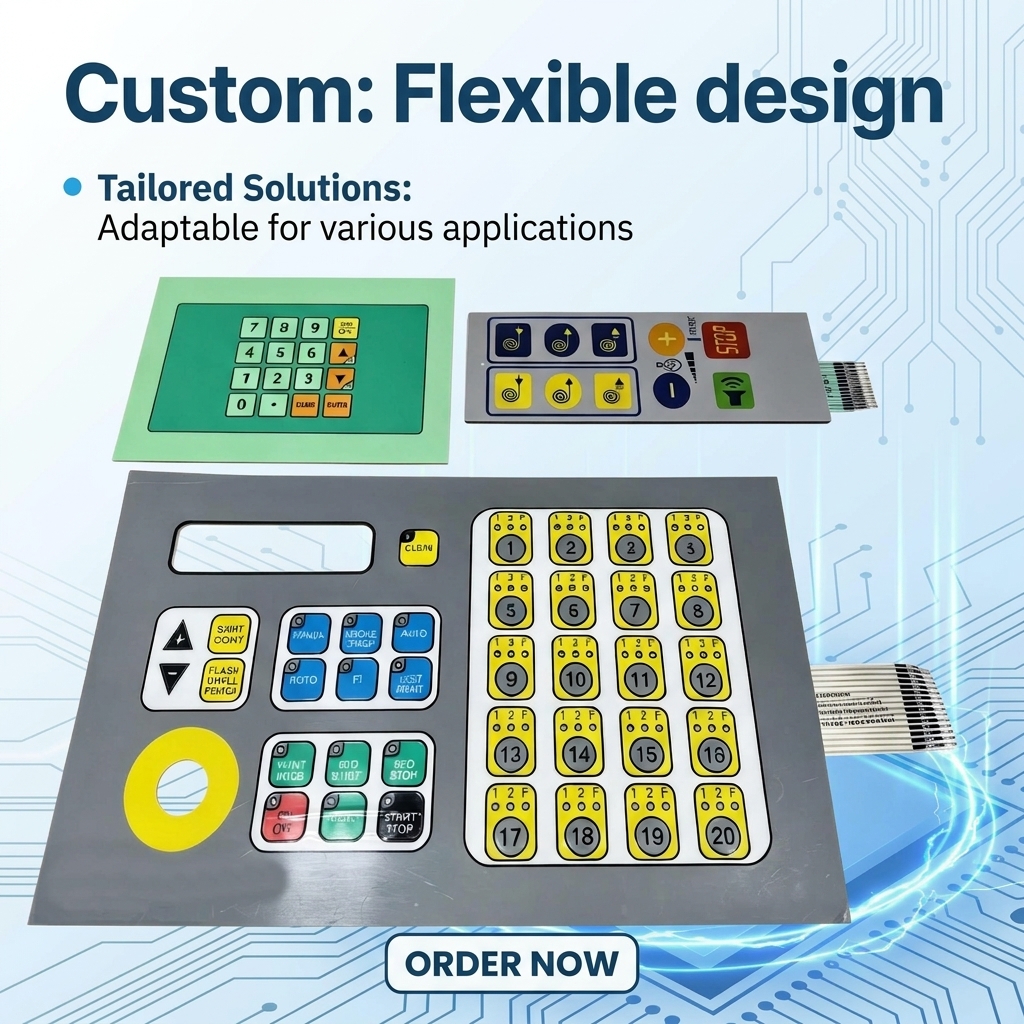
FPC Membrane Switch Keypad with LED Illumination
Engineered for railway locomotive cabins and sub-zero Baltic transport controls, featuring polyimide-backed copper traces and integrated LEDs.
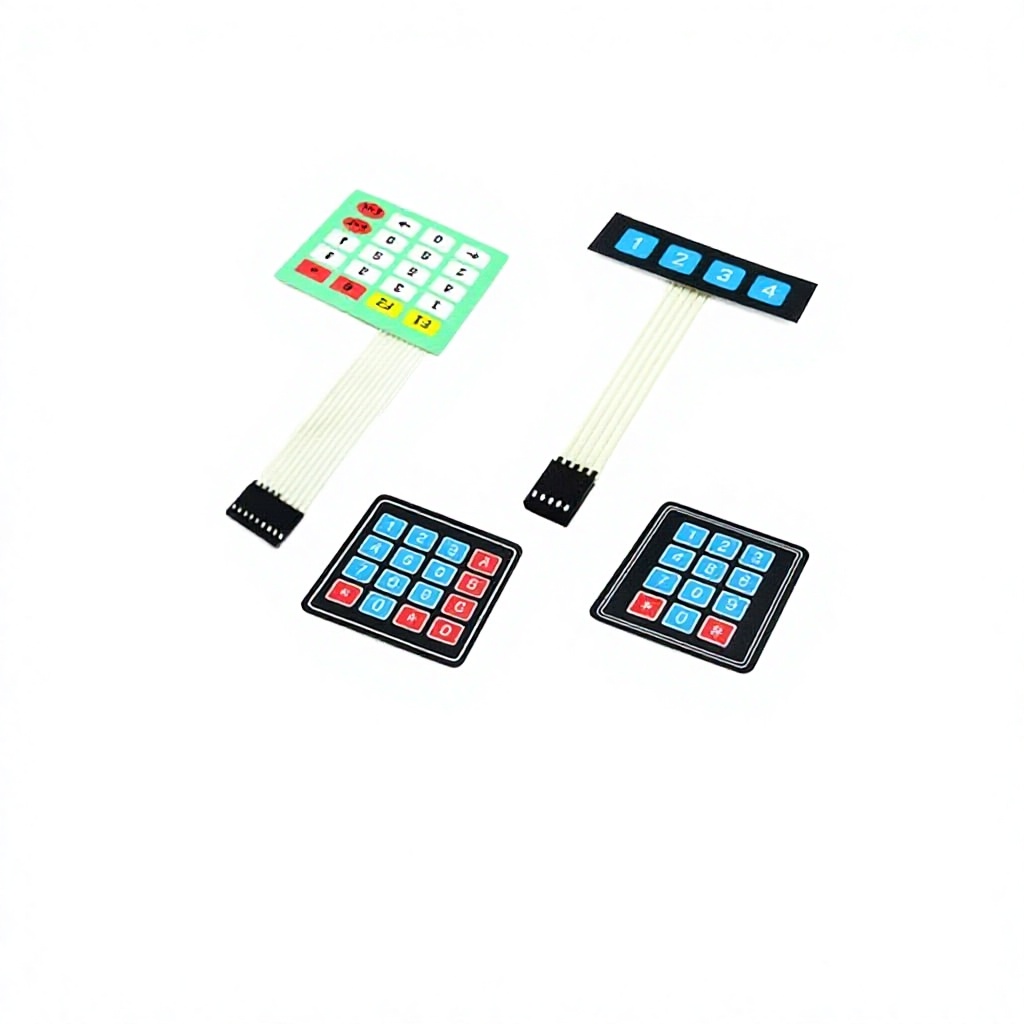
Custom High-Reliability FPC Circuit Keypad
Ultra-dense trace layout with gold-plated contact fingers, designed for instrumentation, laboratory analyzers, and automated test fixtures.
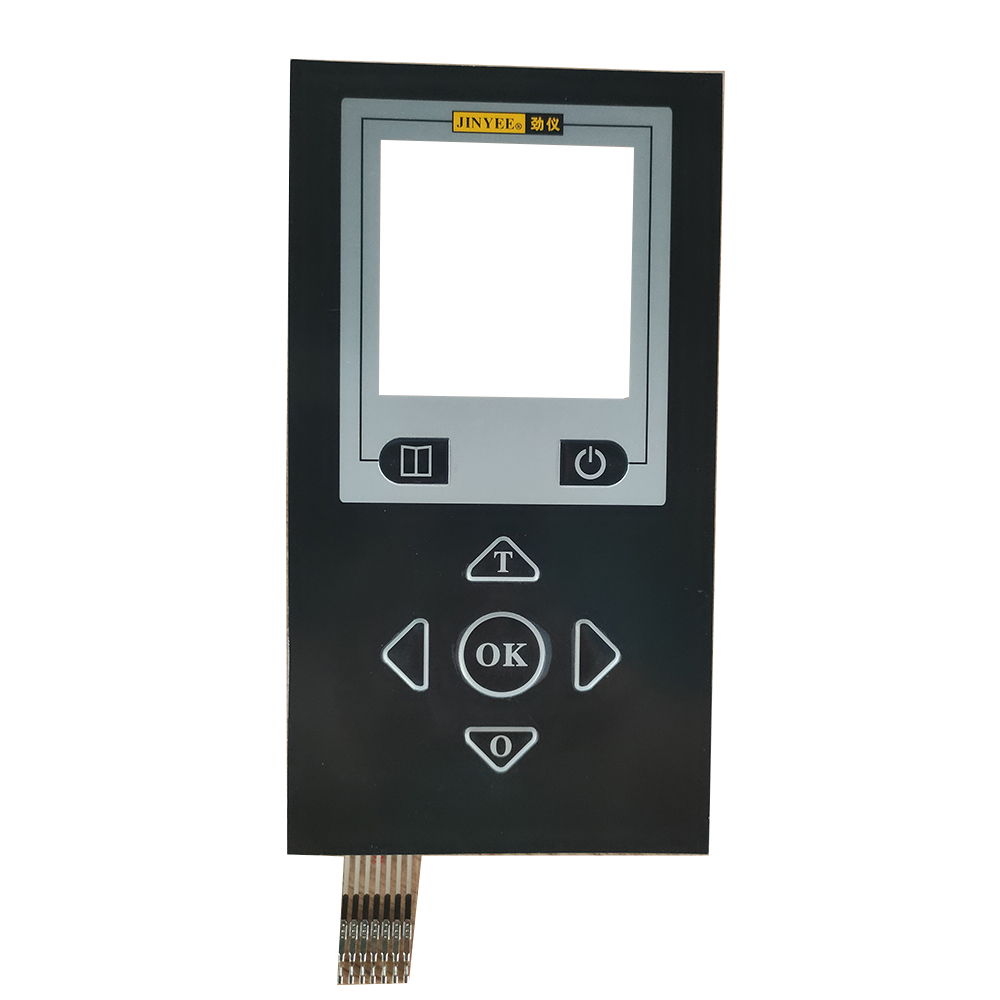
MBR IP67 Waterproof Industrial Keyboard
Hermetically sealed PET graphic overlay built to resist water jet cleaning, saline outdoor condensation, and industrial telecommunication abuse.
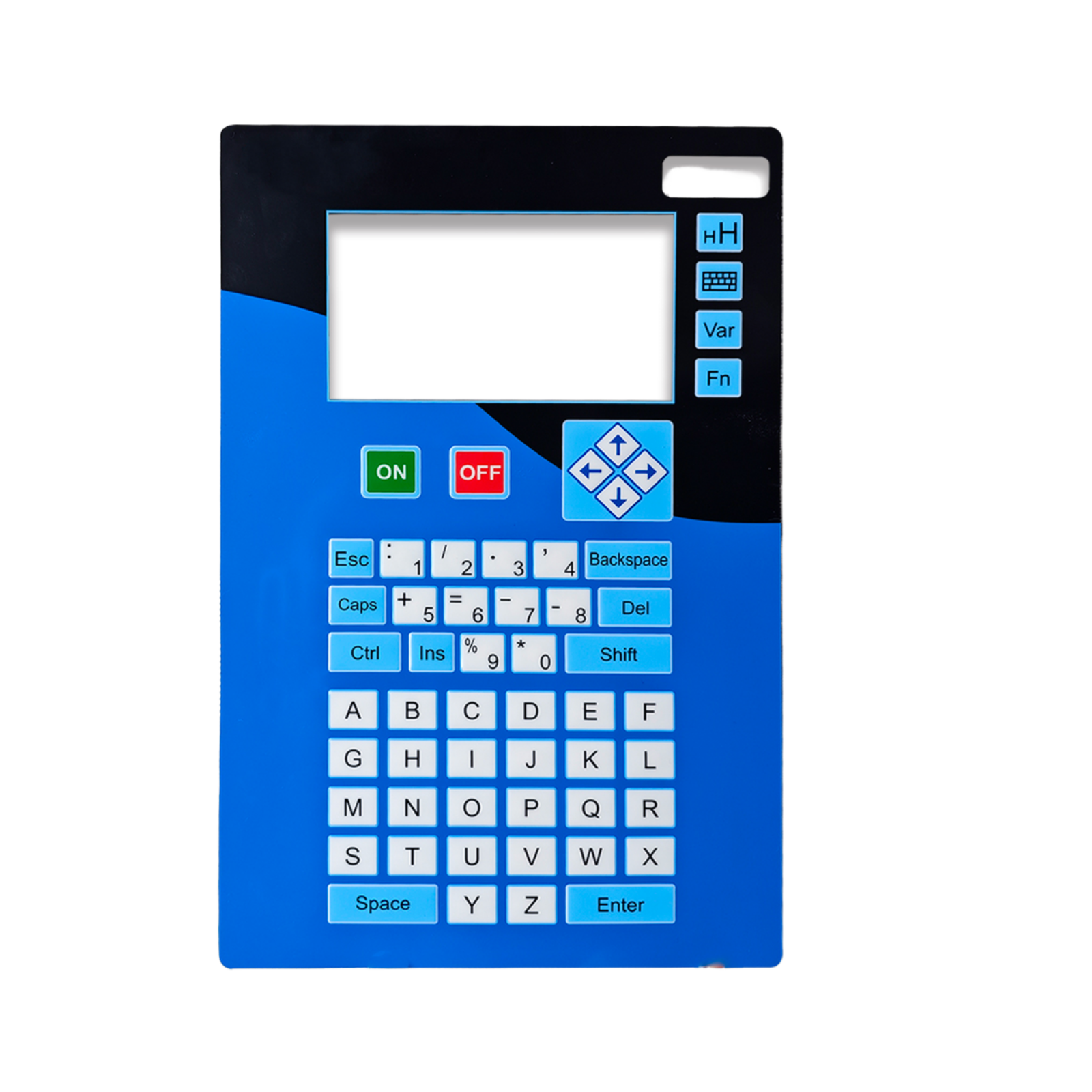
Custom Printed Embossed Metal Dome Keypad
Crisp tactile feedback exceeding 1.2M actuations with industrial-grade 3M adhesive backing and custom Pantone color reverse screen-printing.
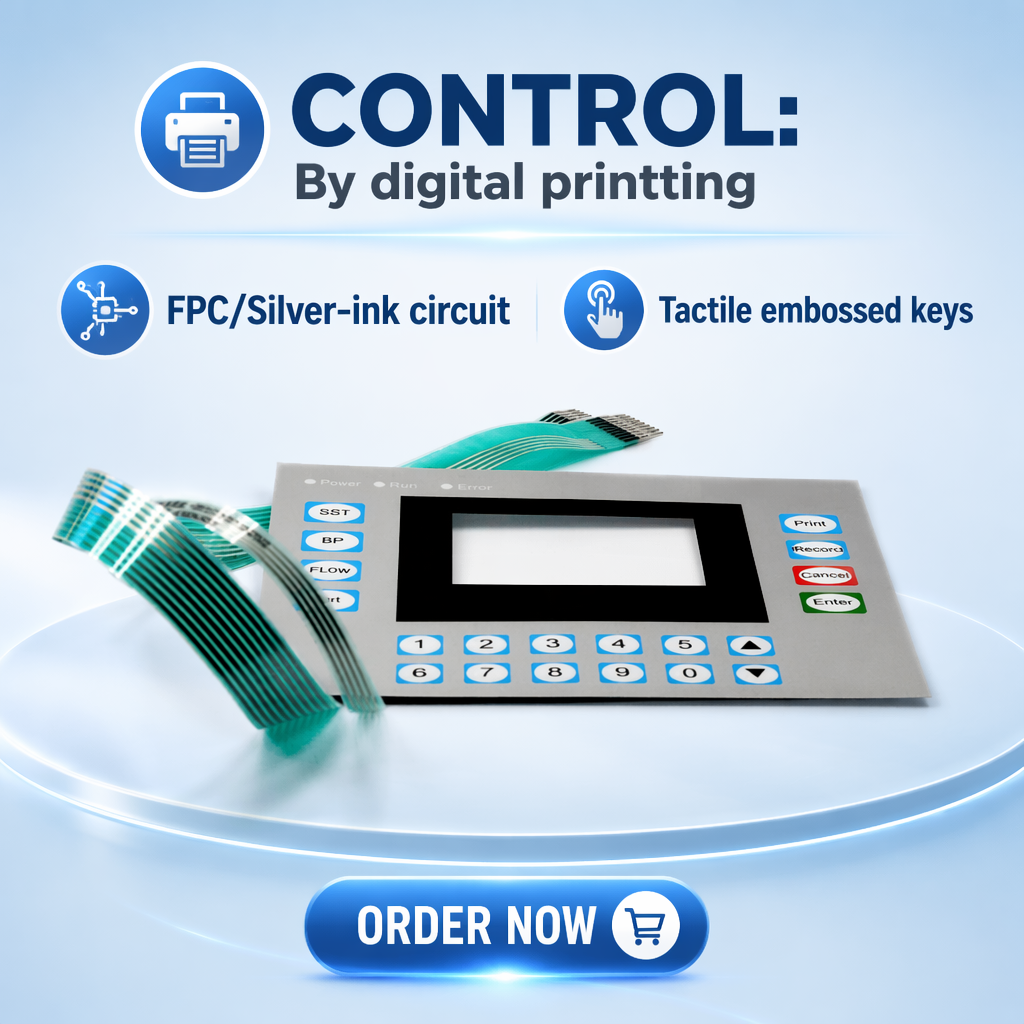
Fast-Turnaround Rigid-Flex PCB & HMI Assemblies
Integrated FR4 backer boards and surface-mount components designed for quick-turn validation runs with zero tooling compromises.
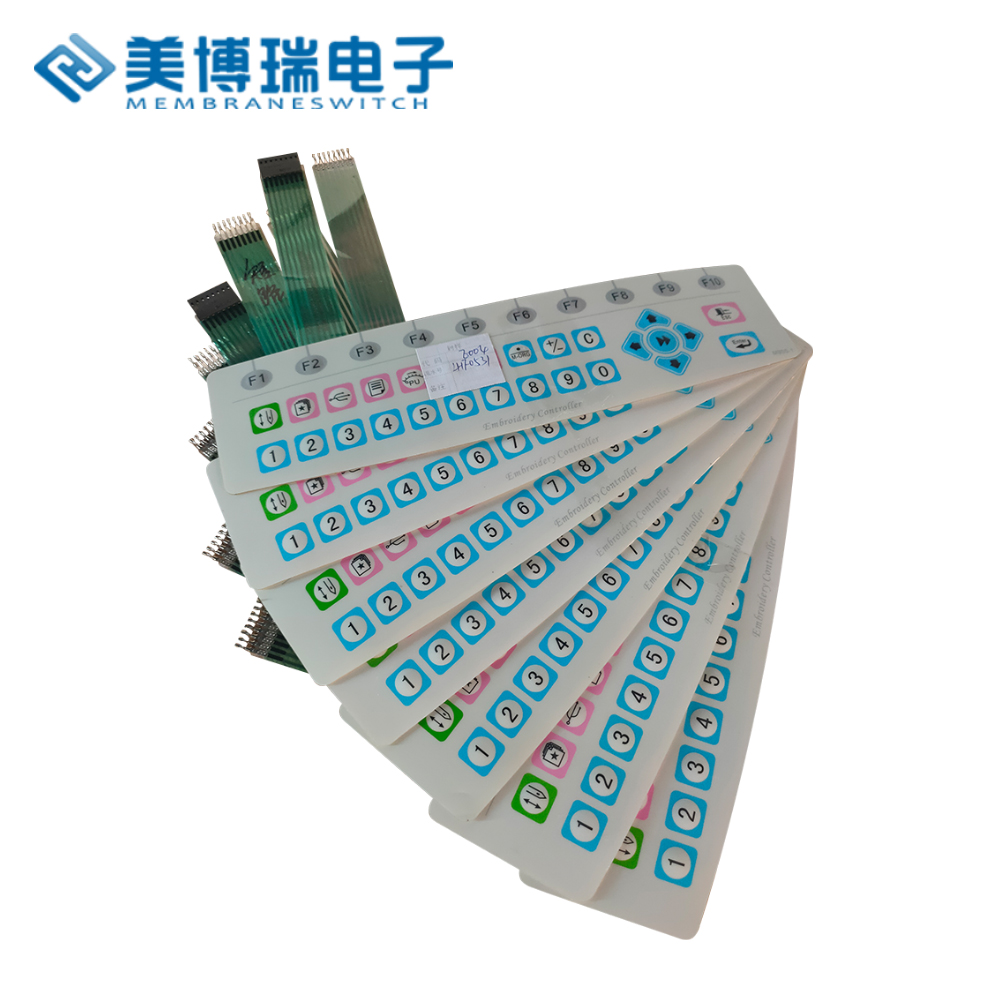
MBR OEM Anti-Dust Flexible Control Panel
Screen-printed conductive silver traces with micro-die-cut perimeter gaskets to eliminate dust particle migration in heavy industrial settings.
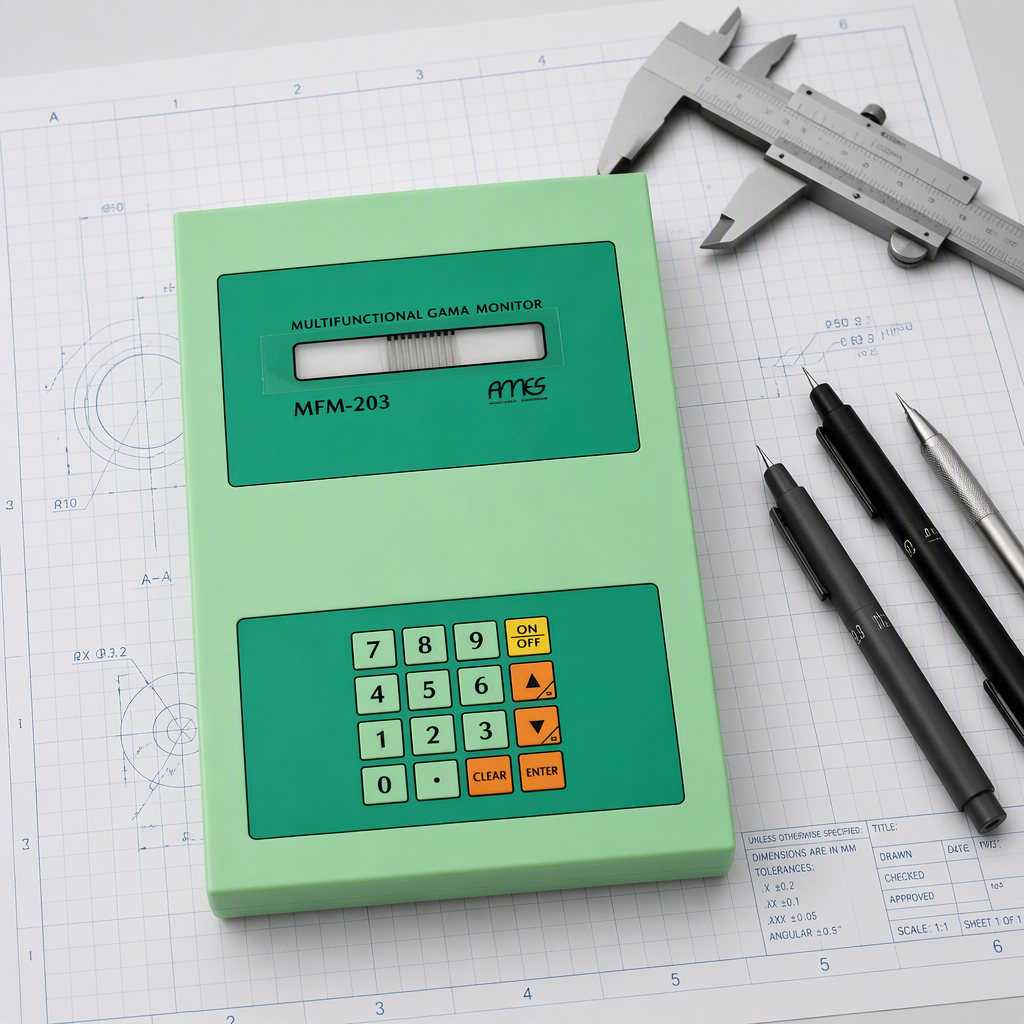
Polyester HMI Display Keypad Panel
Hard-coated anti-glare optical display windows optically bonded with OCA adhesive, compatible with OLED, TFT, and segment LCD displays.
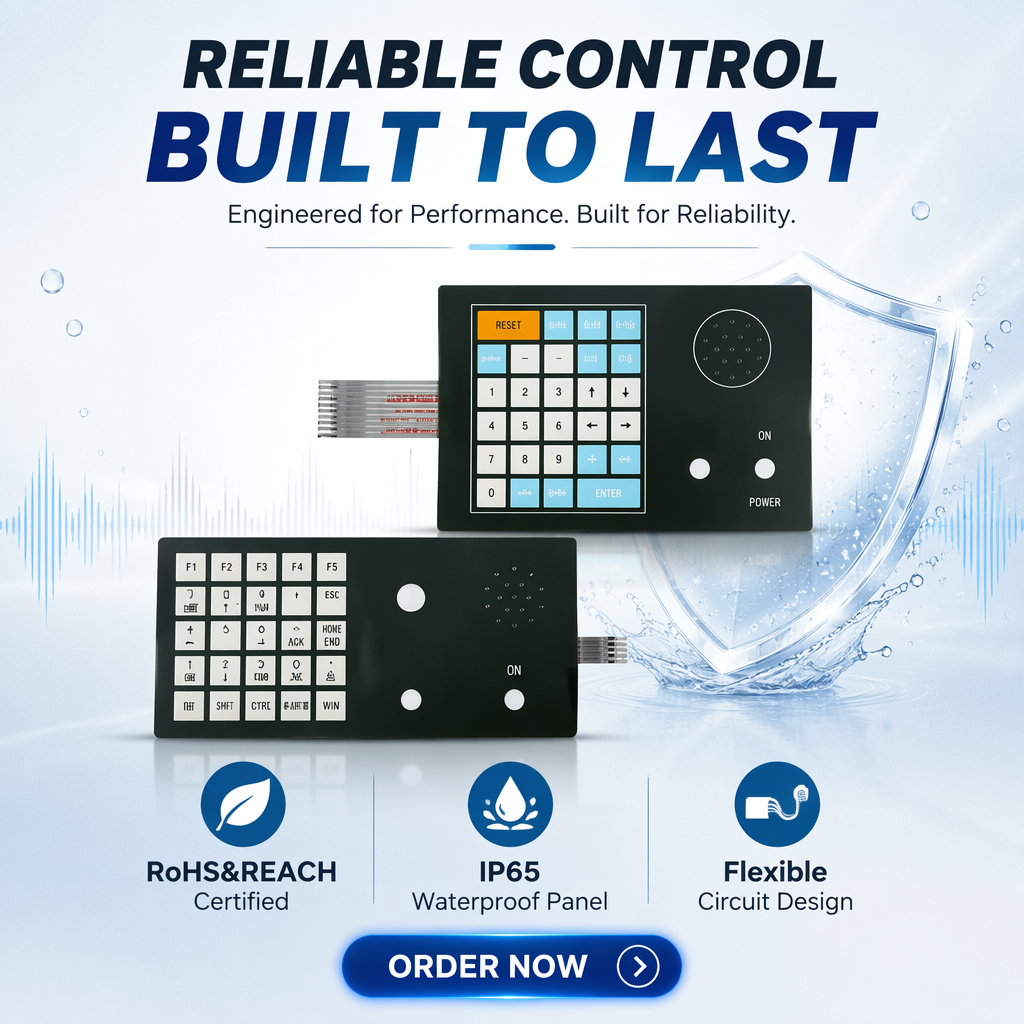
3x4 12-Key Standard Matrix Button Pad
Standardized X-Y matrix layout for access control terminals, vending interfaces, and security systems requiring resilient tactile response.
Silicone Rubber Keypad Engineering in Northern Europe
A technical guide to elastomeric compression molding, contact resistance, laser marking, and environmental ingress mitigation for Narva's evolving industrial sector.
Silicone rubber keypads—frequently referred to in electromechanical engineering as elastomeric keypads or silicone rubber switches—represent the gold standard for three-dimensional ergonomic tactility, continuous IP65–IP68 environmental protection, and severe thermal survivability. In the Baltic manufacturing corridor centered around Narva, Kohtla-Järve, and the broader Ida-Viru industrial district in Estonia, OEM product designers face a unique confluence of operational challenges: rapid sub-zero freeze-thaw cycles, aggressive petrochemical and shale-processing airborne pollutants, and stringent European Union requirements for CE, RoHS 3 (EU 2015/863), and REACH (EC 1907/2006) material declarations.
Unlike planar membrane switches, which rely on polyester or polycarbonate graphic overlays over metal snap domes, silicone rubber keypads utilize three-dimensional compression or injection-molded silicone polymer webbing (often compound-blended with fluorosilicone for hydrocarbon resilience). When an operator presses a key, the molded silicone webbing collapses with a calibrated force-deflection curve, driving either a conductive carbon pill or a gold-plated dome against stationary interdigitated contact traces on a printed circuit board (PCB) or flexible printed circuit (FPC). This architecture provides inherent acoustic dampening, glove-friendly travel distances (1.0 mm to 3.5 mm), and exceptional cycle life ranging from 1,000,000 to over 5,000,000 cycles without fatigue failure.
| Performance Metric | Standard Silicone Rubber Keypad | Polyurethane / Epoxy Coated Keypad | Laser-Etched Backlit Silicone Pad | FPC / Membrane Hybrid Switch |
|---|---|---|---|---|
| Actuation Force Range | 100g – 500g (±30g standard) | 150g – 450g (Hardened Cap) | 120g – 350g (Precision Webbing) | 250g – 550g (Metal Dome Snap) |
| Contact Resistance | < 100 Ω (Conductive Carbon Pill) | < 10 Ω (Gold/Nickel Pellet) | < 1 Ω (Direct Dome Interfacing) | < 1 Ω (FPC Copper Circuit) |
| Operating Temp (Baltic Cold) | -40°C to +180°C (Uncompromised) | -35°C to +120°C | -40°C to +150°C | -20°C to +70°C (Standard PET) |
| Ingress Protection (System) | IP67 with Perimeter Bezel Lip | IP68 Full Enclosure Gasket | IP66–IP67 with Light Guide | IP65–IP67 (Sealed Perimeter) |
| Key Lifetime (ASTM F1578) | > 2,000,000 actuations | > 3,500,000 actuations | > 1,500,000 actuations | > 1,000,000 actuations |
| Tactile Snap Ratio | 40% – 65% (Smooth Cushion) | 50% – 60% (Solid Feel) | 45% – 55% (Balanced) | 60% – 80% (Crisp Click) |
Elastomeric Webbing Mechanics & Tactile Feel Engineering: The mechanical feedback of a silicone switch is determined entirely by the geometry of the molded webbing. The snap ratio, defined as `(Actuation Force - Contact Force) / Actuation Force × 100%`, governs whether the keypad provides a soft, cushioned feel or a sharp, distinct mechanical snap. For sub-zero operations common in northeastern Estonia, where technicians frequently manipulate controls with insulated protective gloves, low-travel membrane switches can cause high input error rates. Silicone keypads engineered with high actuation force (300g to 450g) and key heights above 4.0 mm deliver the requisite tactile confirmation even through heavy thermal gloves.
Surface Treatment & Backlighting Physics: Narva hardware developers developing medical diagnostics, outdoor energy meters, and locomotive controllers demand long-lasting visual clarity. Silicone rubber is inherently susceptible to abrasion and dust contamination. State-of-the-art manufacturing prevents this by deploying three key surface technologies: 1. Polyurethane (PU) and Silicone Spray Coatings: Transparent matte or gloss protective films that prevent finger-oil degradation and enhance abrasion resistance to over 100,000 cycles under ASTM D4060 Taber testing. 2. Epoxy Resin Dripping: Dispensing a two-component clear optical epoxy dome onto the keytops, creating a hard, ceramic-like 3D lens that protects legends from solvents like acetone, gasoline, and alcohol. 3. Negative Laser Etching for Night Operations: Translucent silicone rubber molded with optical-grade light transmission, spray-painted with white or colored opaque ink, followed by a dark topcoat. A CNC fiber laser selectively ablates the topcoat to expose crisp typography illuminated uniformly by underlying SMD LEDs or Light Guide Film (LGF).
Silicone Keypad Applications in Narva & Ida-Viru County
How specialized elastomeric interfaces solve critical reliability challenges in Estonia's industrial transition zone.
Power Generation & Grid Modernization
Control cabinets at thermal power facilities, green energy battery substations, and industrial distribution units in Narva require HMIs that withstand extreme electrical transient noise and ambient temperatures down to -30°C.
Baltic Rail Transport & Heavy Logistics
Serving locomotive driver desks, cargo transit monitoring units, and border-crossing gate terminals along the Narva-Tallinn transport corridor. Continuous mechanical vibration and salt-air corrosion require silicone keypads with perimeter water lips.
Precision Robotics & Factory Automation
As Narva industrial parks expand into automated electronics assembly and clean tech manufacturing, handheld teach pendants and CNC console keypads need oil-resistant silicone with tactile feedback that operators can actuate wearing safety gloves.
Top 10 Silicone Rubber Keypad Factories & Exporters Serving Narva
An objective supplier benchmarking evaluating technical capacity, cleanroom molding facilities, European export pedigree, and lead times for Baltic sourcing managers.
TAVO Electronic Information Technology Co., Ltd.
With heritage tracing back to 1990, TAVO operates 2,219 m² of verified production floorspace with over 111 technical specialists. TAVO specializes in silicone rubber compression molding, integrated FPC flex circuits, digital UV printing, and German technical process compliance. Holding ISO 9001 certification and on-site Intertek audits, TAVO exports over 1,000,000 units annually across Europe, delivering direct CIF/DAP air shipments to Narva and Tallinn within 5–7 business days.
MEIBORUI HMI Technology Ltd.
Renowned for fast-turnaround prototypes and small-to-medium volume batch production for European instrumentation builders. MEIBORUI specializes in dual-shore silicone molding, conductive carbon pill integration, and environmental IP67 perimeter sealing gaskets with 3M adhesive backings.
Baltic Polymer & Silicone Systems
Specializes in value-added integration, assembly of imported molded silicone pads with European standard PCB enclosures, and custom laser engraving for local Estonian automated machinery builders.
NordTouch Nordic Human-Interface AS
A Scandinavian interface designer that partners with Asian tier-1 molders to provide maritime-certified, high-reliability silicone consoles for forestry vehicles, port cranes, and icebreakers operating in the Gulf of Finland.
Hanseatic Silicone Components GmbH
A key European partner providing joint technical development with Chinese manufacturing plants. Hanseatic ensures German VDA 6.3 automotive audit standards for silicone keypads destined for European railway and medical infrastructure.
Ida-Viru Precision Interface OY
Focuses on rapid replacement parts, maintenance keypads for heavy energy facilities, and custom reverse-engineering of obsolete membrane and rubber panels for legacy Baltic manufacturing operations.
Shenzhen SilicoMaster Precision Rubber Co.
Large-scale compression molder producing consumer electronics rubber keyboards and remote controls with multi-cavity tooling running up to 64 cavities per mold base for high-volume low-cost export.
Silesia Elastomeric Products EU
Central European custom compression molder with capabilities in medical liquid silicone rubber (LSR) injection molding and cleanroom manufacturing for laboratory and clinical diagnostic buttons.
Dongguan Tactile Tech Ltd.
Specializes in micro-pitch silicone rubber keypads for handheld military radios, ruggedized survey instrumentation, and telemetry handsets with customized backlit key legends.
Scandic HMI Solutions AB
Offers turnkey human-machine interface development, combining aluminum CNC milled frames with silicone rubber button mats and integrated capacitive touch panels for Scandinavian smart factories.
TAVO Engineering Infrastructure & Quality Rigor
Direct manufacturer reliability: zero broker markups, complete vertical production control, and audited testing laboratories.
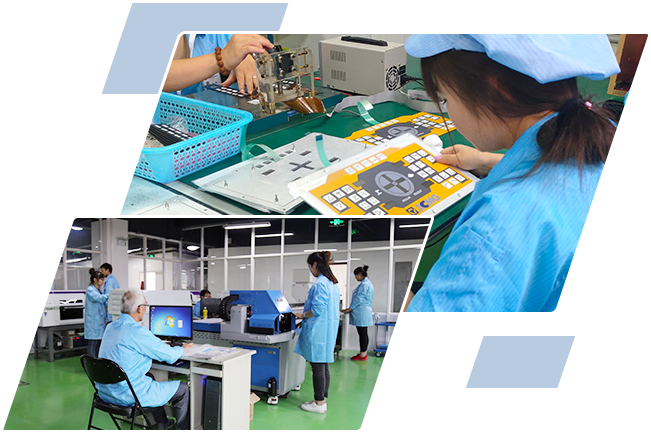
100% In-House Vertical Process Control
From CAD tooling drawing, CNC mold fabrication, silicone compression curing, and conductive pill placement to automated silkscreen printing, laser ablation, and final assembly—every process occurs within our owned facility. There are no outsourced sub-contractors, eliminating quality loopholes and shortened iteration times.
Our engineering ecosystem combines 60 CNC mold-making machining centers with 4 Mimaki digital UV flatbed printers, 18 precision laser cutters, and 37 high-speed silkscreen printing machines capable of microscopic registration accuracy (±0.05 mm).
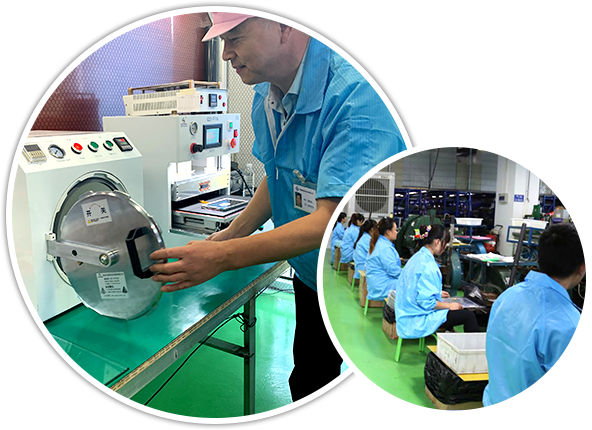
Senior Engineering Team & German Tech Alliance
Over 30 senior mechanical and chemical engineers on our team possess more than 15 years of individual specialized experience in polymer formulation and elastomeric tooling. Our technical partnership with a German partner factory covers machinery design, mold tolerances, and European quality control philosophies.
A dedicated 10-person CAD/CAM team converts your 2D DXF, PDF, or 3D STEP/IGES files within 24 hours. Concurrently, our 20-person multilingual foreign trade department provides prompt technical support across European time zones with a verified 93.7% rapid response rate.
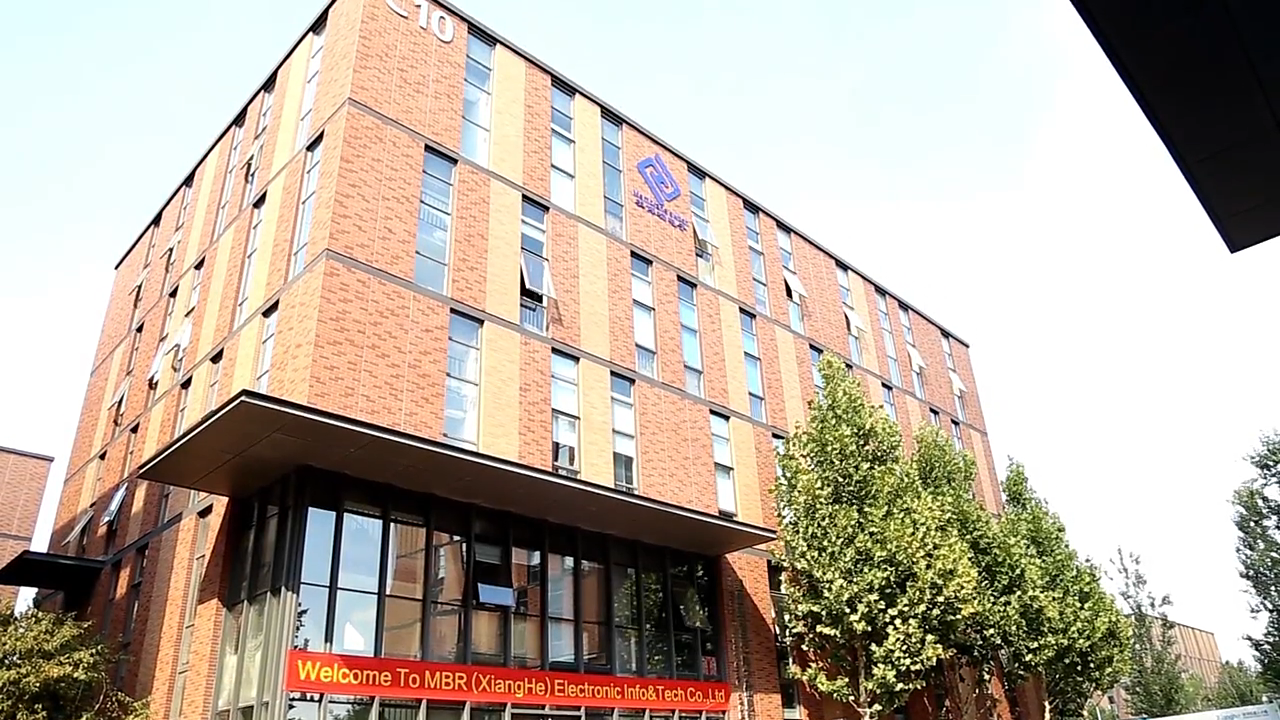
Laboratory Quality Verification (ASTM & ISO)
Reliability is mathematically documented rather than assumed. Every production batch undergoes automated computerized circuit testing, multi-head button life-cycle fatigue testing (up to 5,000,000 actuations), and programmable humidity/thermal chambers (-40°C to +150°C).
To ensure total environmental resilience in coastal Baltic installations, our factory houses automatic salt-fog corrosion chambers (ASTM B117), xenon lamp UV aging testers, and durometer Shore-A hardness gauges to verify material elasticity over time.
Frequently Asked Questions by Baltic Sourcing Engineers
Clear, practical answers addressing lead times, sub-zero performance, custom tooling, and customs logistics for Narva OEMs.