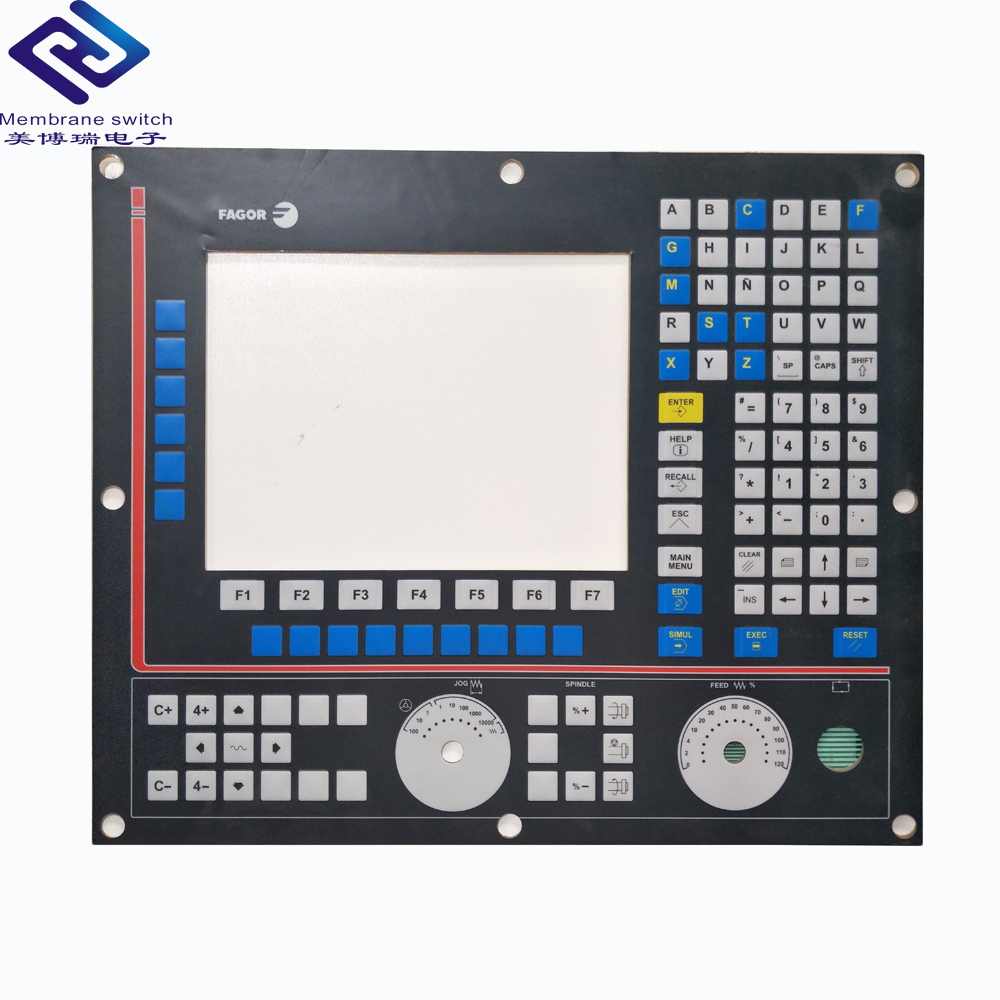
Engineered Product Matrix
Precision UV Overlays & HMI Assemblies
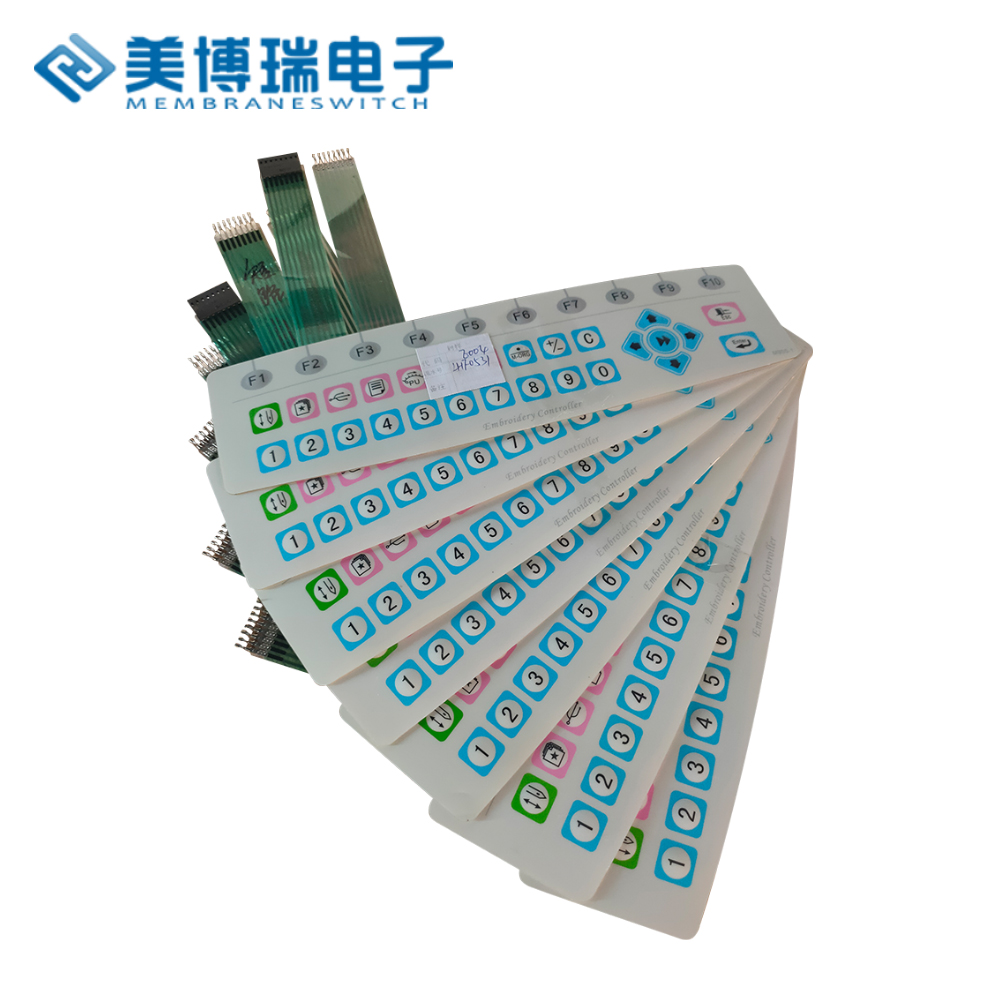
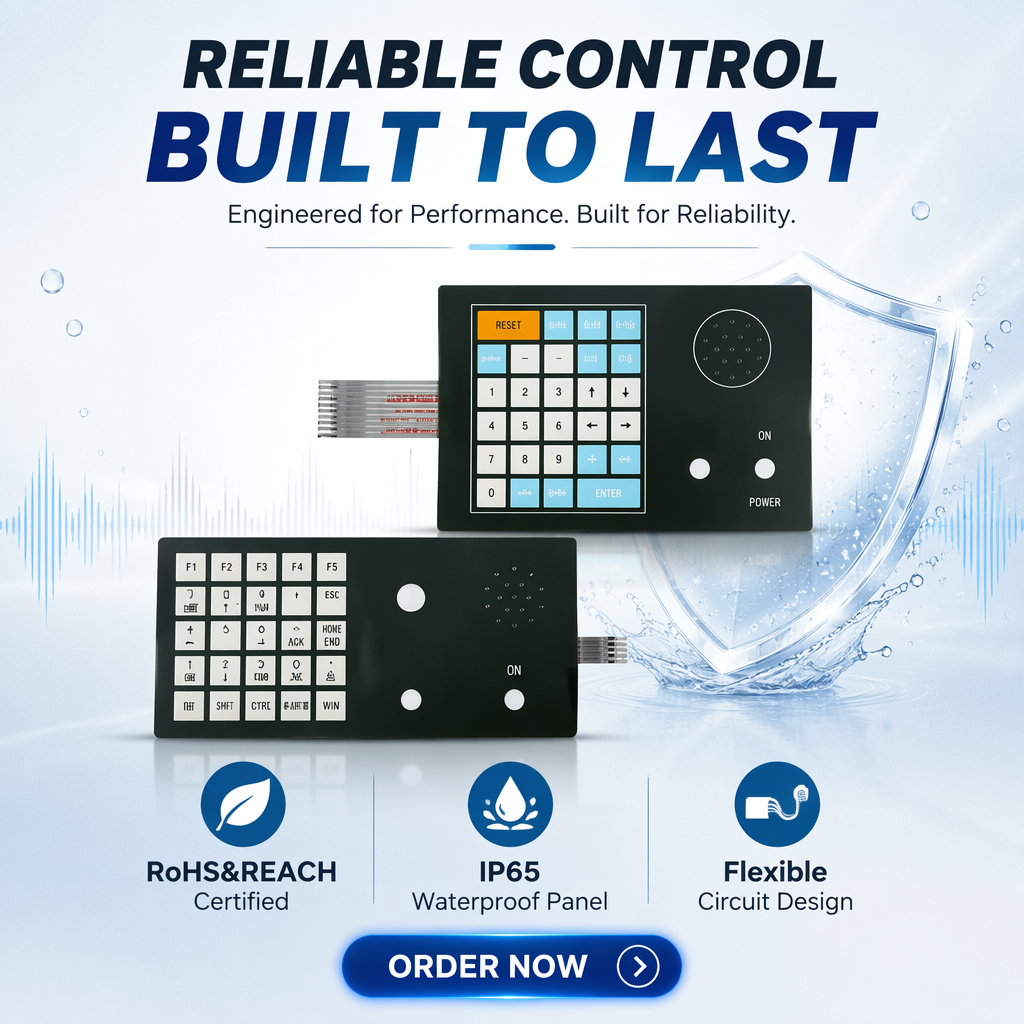
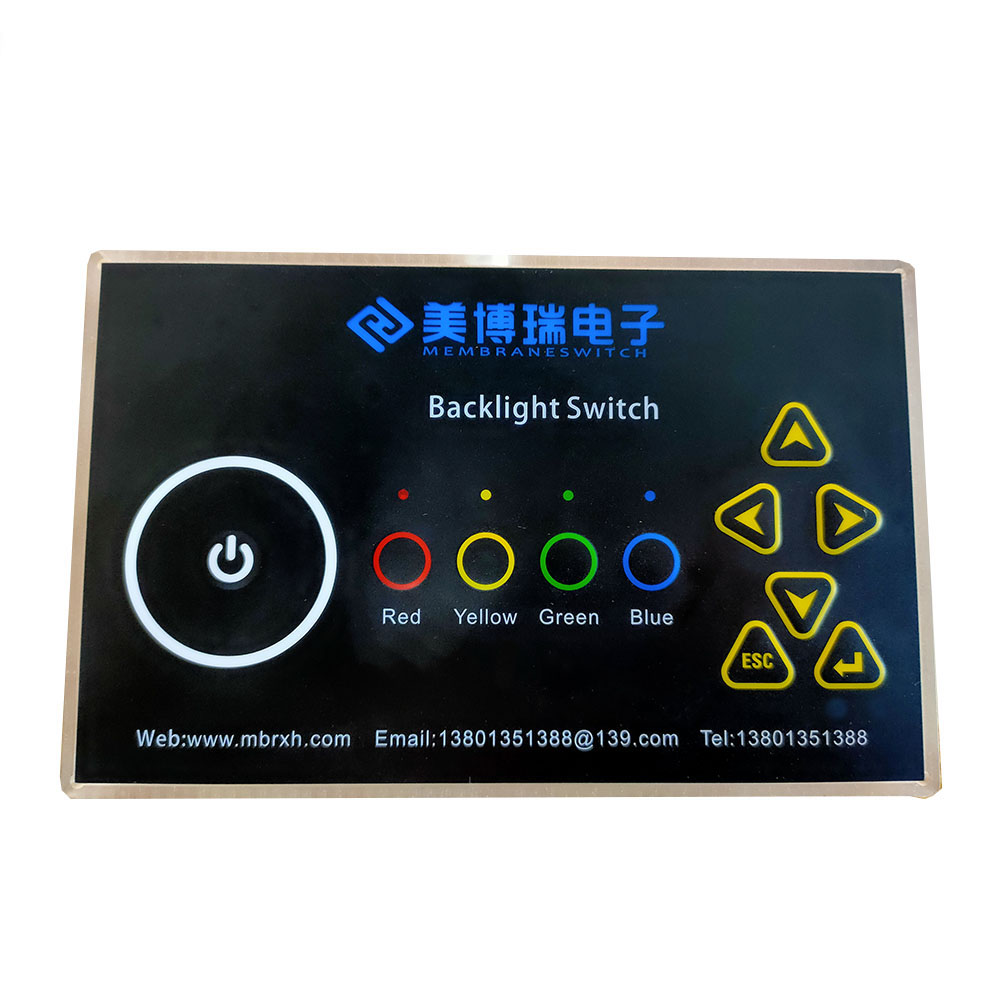
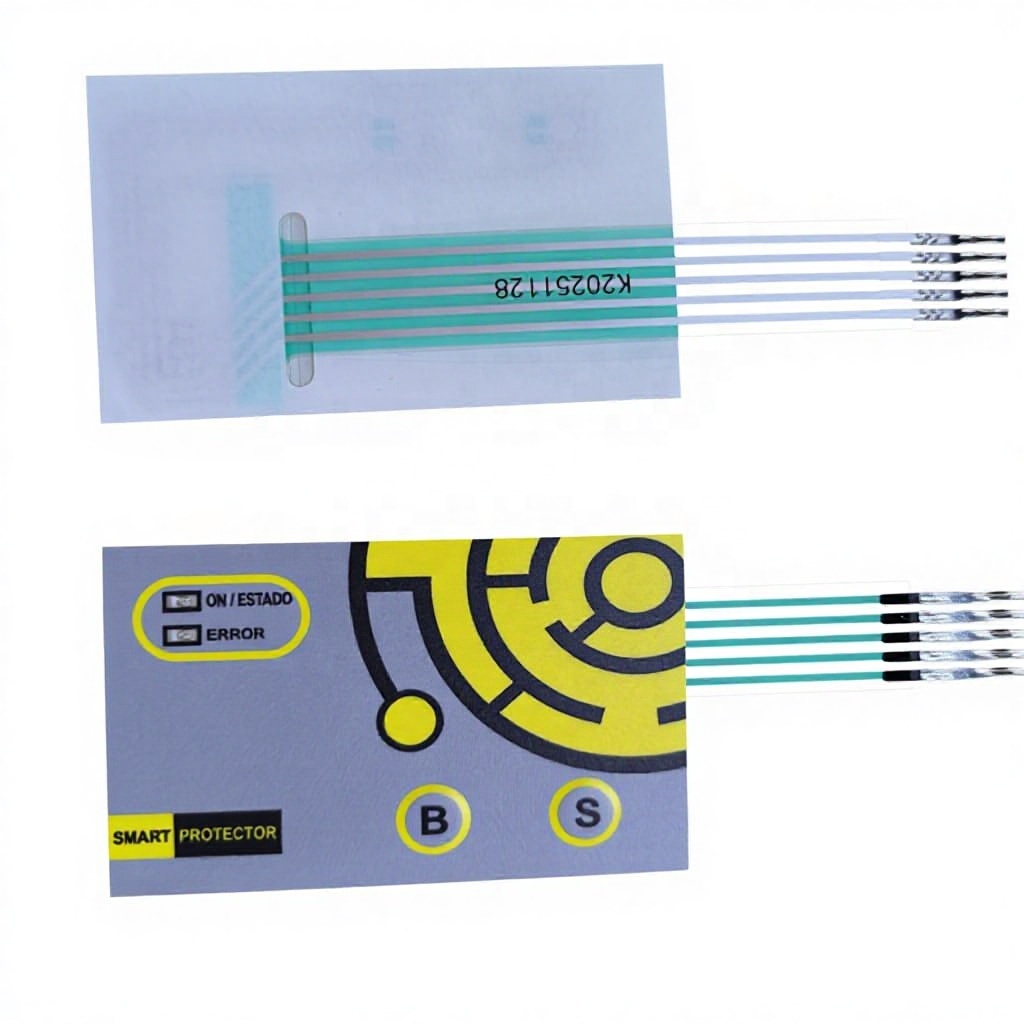
Below are eight industrial-grade human-machine interface assemblies engineered to meet rigorous electrical, chemical, and tactile specifications. Each unit leverages our in-house digital UV flatbed printing and high-precision screen deposition lines.
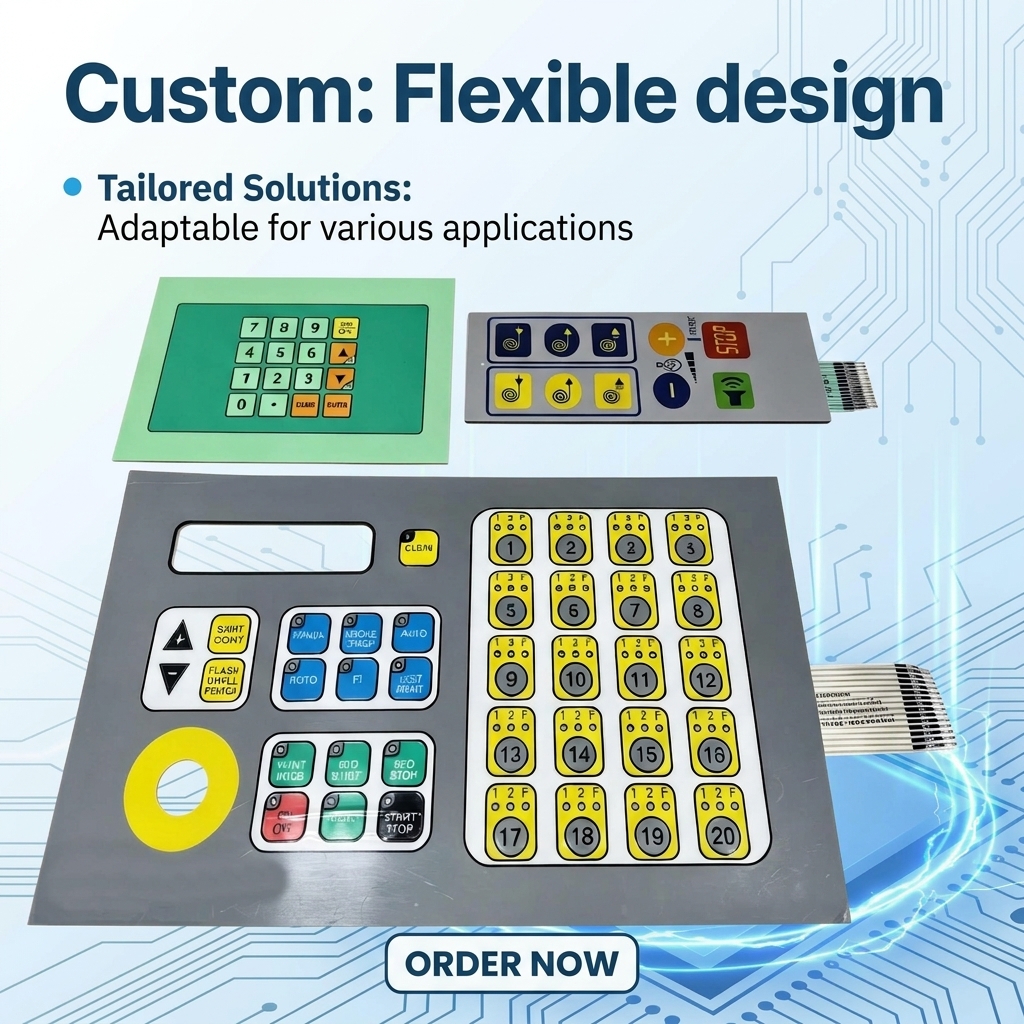
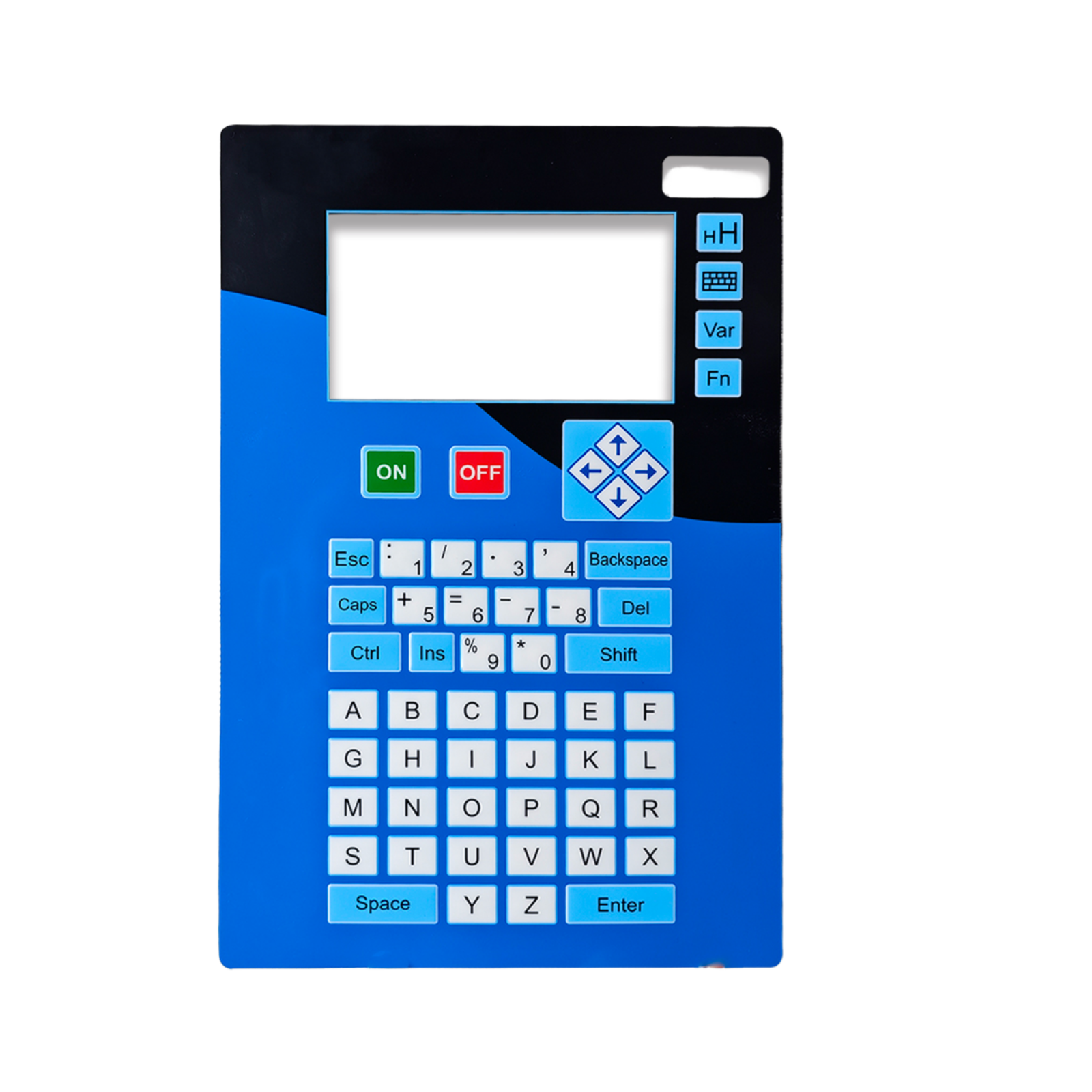
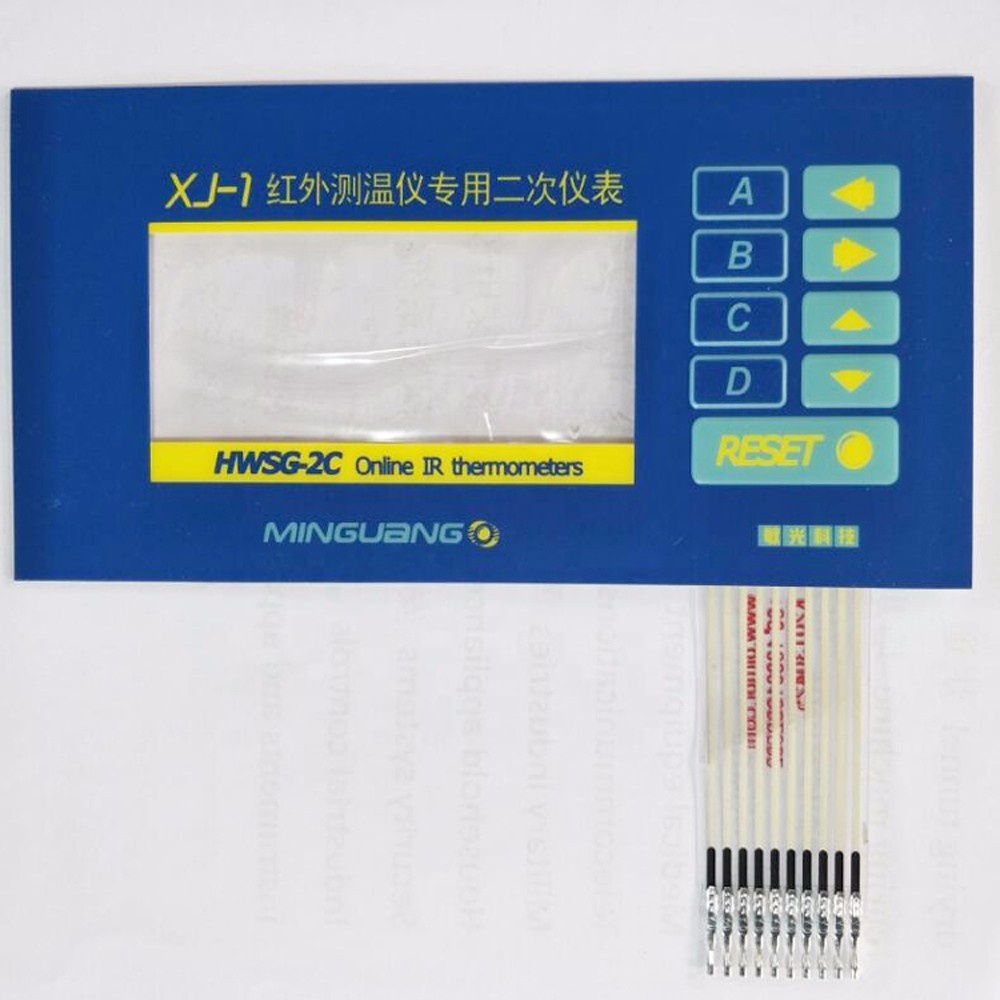
Understanding UV Printed Overlays in Modern Control Architectures
A UV printed overlay serves as the frontline human-machine interface (HMI) for electrical, industrial, and consumer systems. Functioning as both a hermetic barrier and an intuitive control deck, graphic overlays must survive intense mechanical wear, wide temperature fluctuations, aggressive cleaning agents, and ultraviolet solar radiation. In European industrial corridors such as Peja (Kosovo), engineering specifications for graphic overlays have shifted sharply toward digitized micro-curing, textured polycarbonates, optical clear adhesives (OCA), and hybrid sub-surface digital UV printing.
Unlike standard analog screen printing, modern digital UV printing uses photo-initiators that cross-link instantly under specific ultraviolet wavelengths (typically 365–395 nm). When combined with sub-surface reverse printing onto optical-grade Autotype polyester (PET) or Lexan polycarbonate (PC), UV-curable inks achieve molecular adhesion without volatile organic compound (VOC) migration. This process provides flawless multi-gradient printing, micro-text clarity down to 4pt, and custom color replication across low-to-mid batch volumes without the high initial setup costs of physical screens.
Top 10 UV Printed Overlay Exporters Supplying the Peja & Regional Balkan Markets
Sourcing engineers and procurement executives in Peja requiring high mechanical reliability, tight registration tolerances, and direct factory-to-business logistical support look to top global and regional exporters:
1. TAVO Electronic Information Technology Co., Ltd.
Backed by heritage dating back to 1990 and dual production bases (Xianghe Robot Port & Huizhou), TAVO delivers complete in-house HMI assemblies—from Mimaki digital UV printing to FPC, LGF light-guide backlighting, and CNC tooling. Assessed onsite by Intertek, holding ISO 9001 certification, and operating in partnership with German membrane switch engineers, TAVO supplies direct-to-OEM export clients across Europe and North America.
2. Hoffmann + Krippner GmbH (Germany)
Renowned for precision engineering, specialized capacitive sensor integration, and high-spec HMI solutions for pharmaceutical and medical electronics entering Southeastern European plants.
3. Mechatronics Art (Switzerland)
Delivers micro-run UV overlays, tactile membrane foil keyboards, and luxury instrument panel overlays with high-end environmental shielding.
4. Douglas Corporation (USA)
Specializes in heavy decorative graphic overlays, chrome-plated membrane emblems, and harsh-environment fleet equipment controls for agricultural machinery.
5. Lust Hybrid Technologies (Austria)
Strategic supplier for Alpine and Balkan machine installations, offering durable thick-film circuits, hybrid graphic panels, and ceramic-backed overlays.
6. GGI Solutions (Canada)
Global leader in tactile interface assemblies, medical-grade graphic overlays, and integrated printed electronics for transportation networks.
7. Schurter Holding AG (Switzerland)
Renowned for front panels, capacitive switches, and complete input systems with strict compliance to CE, RoHS, and European machinery directives.
8. Algra Group (Switzerland)
Pioneers in high-end Dynasim and Dynapic input technologies, focusing on brushed aluminum finishes and premium UV lacquer coatings.
9. Dyna-Graphics Corporation (USA)
Longstanding supplier of industrial rubber keypads, metal backplates, and sealed terminal control surfaces with UV-inhibited faceplates.
10. CILS International (UK)
Specialists in computer-printable industrial overlay foils, chemical-resistant sub-surface labeling, and high-adhesion equipment facings.
Localized Application Scenarios in Peja's Growing Industrial Base
Peja has established itself as an economic hub within Kosovo and the wider Dukagjini basin, supported by continuous capital investments in automated processing and equipment upgrades. Industrial overlays in Peja serve demanding environments across several key sectors:
Beverage & Brewery Processing
Home to major beverage bottling operations, local lines require IP66 to IP68 hermetically sealed control interfaces. Graphic overlays must withstand continuous pressurized washdowns, steam, and exposure to caustic cleaning reagents (NaOH) without ink delamination or adhesive creep.
Woodworking & Furniture Automation
Peja's timber and furniture fabrication sector uses modern multi-axis CNC machines and edge-banding equipment. Overlays in this environment require hard-coated textures (3H pencil hardness) to prevent scratching from airborne fine sawdust and abrasive particulate matter.
Agro-Food Packaging & Cold Storage
Food processing, dairy facilities, and commercial cold chain warehouses require control panels that maintain flexibility and tactile snap performance down to -30°C, while resisting lactic acids and condensation cycles.
Regional Market Dynamics & Procurement Trends in Peja
As Kosovo modernizes its industrial framework, procurement engineers in Peja are adopting standardized international practices for human-machine interfaces:
1. Shift Toward Rapid Customization and Low MOQs: High tooling fees for traditional silk screens are no longer economical for specialized manufacturing runs of 50 to 500 units. Digital UV flatbed printing on heat-stabilized polyester film eliminates costly film separations, allowing local machine builders to rapidly customize artwork, languages (Albanian, Serbian, English, and German), and safety iconography.
2. Adoption of Combined HMI Architectures: Modern control cabins are moving beyond basic switches toward integrated modules. Sourcing teams in Peja increasingly specify overlays that bond directly to rigid printed circuit boards (FR4) or aluminum backer plates, integrating surface-mount LEDs, light guide film (LGF) illumination, and clear OCA-laminated display windows for TFT/OLED displays.
3. Climate Resilience and Outdoor Stability: Due to continental temperature swings in the Peja valley—ranging from sub-zero winters to hot, high-UV summers—equipment buyers now prioritize UV-stabilized base films (such as Autotex XE or Lexan HP92W) with acrylic adhesives like 3M 467MP/468MP to ensure zero lifting, bubbling, or yellowing over years of operation.
Overlay Substrate Matrix: Polyester (PET) vs. Polycarbonate (PC)
Selecting the right substrate is essential to avoid premature failure in industrial environments. Here is an engineering comparison for procurement managers:
| Performance Vector | Biaxially Oriented Polyester (PET) | Engineered Polycarbonate (PC) |
|---|---|---|
| Switch Actuation Life | > 5,000,000 cycles (Exceptional flexural fatigue life) | ~ 100,000 cycles (Subject to stress cracking under high flex) |
| Chemical & Solvent Resistance | High: Resists alcohols, industrial cleansers, acids, and fuels | Moderate: Can haze or craze when exposed to aromatic hydrocarbons |
| Optical Clarity (LCD Windows) | High with anti-glare or gloss coatings | Superior native optical transmission (up to 92%) |
| Dielectric Strength | ~ 15 kV/mil (Excellent electrical barrier) | ~ 12-14 kV/mil (Sufficient for high-voltage cabinets) |
| Flammability Rating | UL 94 VTM-2 rated configurations available | UL 94 V-0 or V-2 rated grades readily standard |
| Optimal Usage | Tactile metal-dome keypads, washdown environments | Non-tactile graphic overlays, display panels, structural fascias |
Why Peja OEMs Choose TAVO Electronic Information Technology
TAVO Electronic Information Technology Co., Ltd. serves global industrial OEMs by delivering completely custom, in-house engineered HMI products that eliminate third-party subcontractor markups, delays, and quality risks:
End-to-End In-House Control
Every manufacturing phase—from CAD drawing design and film exposure to digital UV printing, precision screen deposition, embossing, laser profiling, and full circuit integration—happens entirely within our own facilities.
Audited Industrial Reliability
Our quality management system is certified to ISO 9001 and verified on-site by Intertek. Overlays undergo comprehensive environmental testing, including xenon lamp UV aging, button actuation life tests, programmable thermal cycles, and salt fog corrosion testing.
Dual-Factory Scalability
Operating plants in the Xianghe Robot Industry Port (Hebei) and Huizhou (Guangdong), equipped with 60 CNC mold-making units, 4 Mimaki digital UV printers, 18 laser cutters, and 37 silkscreen machines, we provide both rapid prototypes and stable large-scale production.
Procurement Intelligence
Frequently Asked Sourcing Questions for the Peja Market
Key answers covering technical drawings, material longevity, trade terms, and logistics for industrial buyers in Western Kosovo.
What engineering files are required to initiate an overlay quote?
To quote and prepare technical drawings, we require an outline mechanical print (in DXF, DWG, PDF, or STP) indicating dimensions, cutouts, and window positions, along with vector graphic artwork (AI, CDR, or EPS) detailing Pantone or RAL color codes, embossed button heights, and tail pinouts.
Can graphic overlays endure frequent industrial chemical cleaning?
Yes. By using sub-surface reverse digital UV and screen printing, all ink layers sit protected behind the clear PET or PC barrier film. Cleaning agents, alcohol, mineral oils, and common acids only contact the treated top surface, keeping icons and indicators sharp over years of service.
How do you handle small-batch prototypes for equipment trials?
Unlike conventional manufacturers requiring massive setup volumes, TAVO combines digital UV printing with precision laser profile cutting. This allows us to produce initial prototype batches of 10 to 50 pieces quickly and economically, helping Peja manufacturers validate designs before volume tooling.
What international shipping options and Incoterms apply to Peja?
We support standard international trade terms including EXW, FOB, CFR, and CIF, as well as door-to-door courier deliveries (via DHL, FedEx, and UPS Express directly to Pristina International Airport or destination facilities in Peja), complete with export packaging and customs documentation.
Ready to Engineer Your Custom Interface Panels?
Partner directly with an audited ISO 9001 manufacturer. Upload your DXF/AI artwork to receive a full manufacturability review, stack-up recommendations, material samples, and competitive factory pricing within 24 hours.