Railway HMI
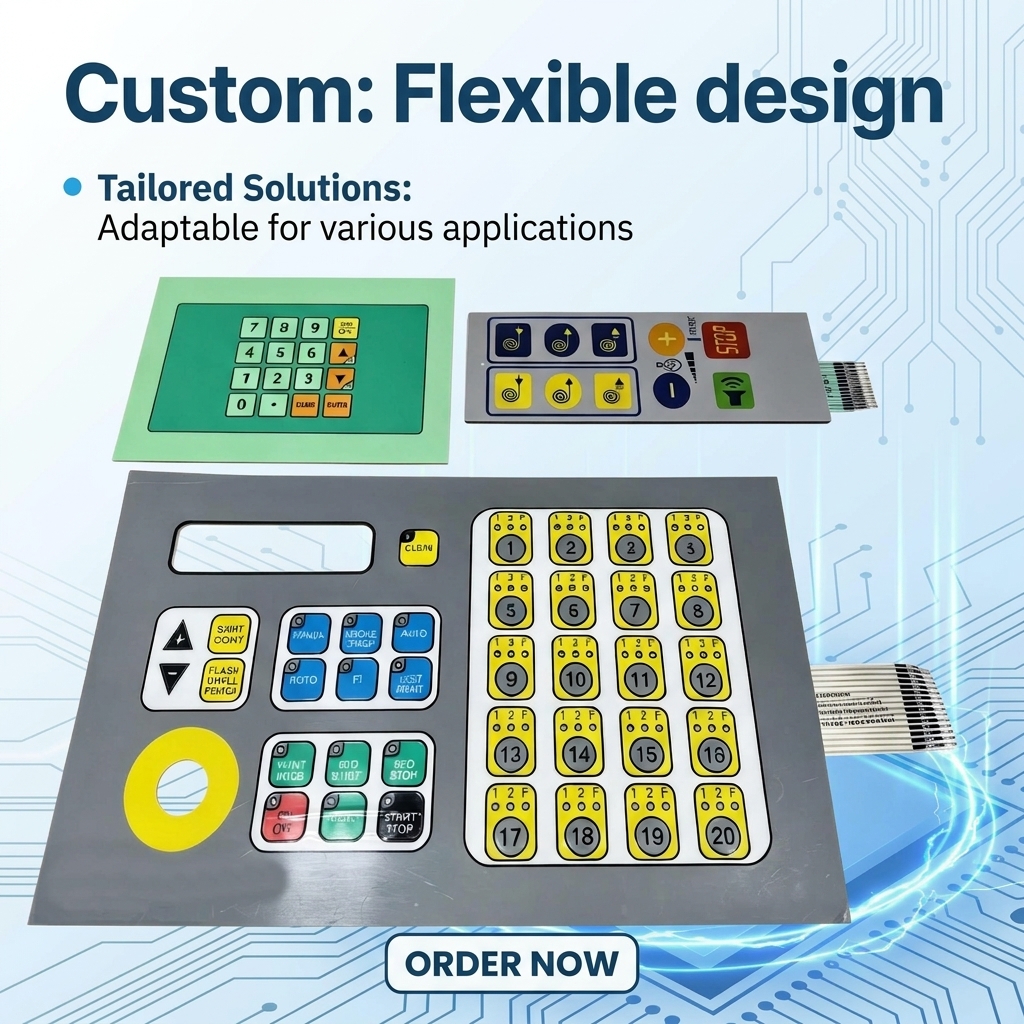
Direct OEM manufacturing complying with DIN/ISO precision standards. Tailored for Bern's machine tools, laboratory robotics, telemetry control stations, and diagnostic instrumentation.
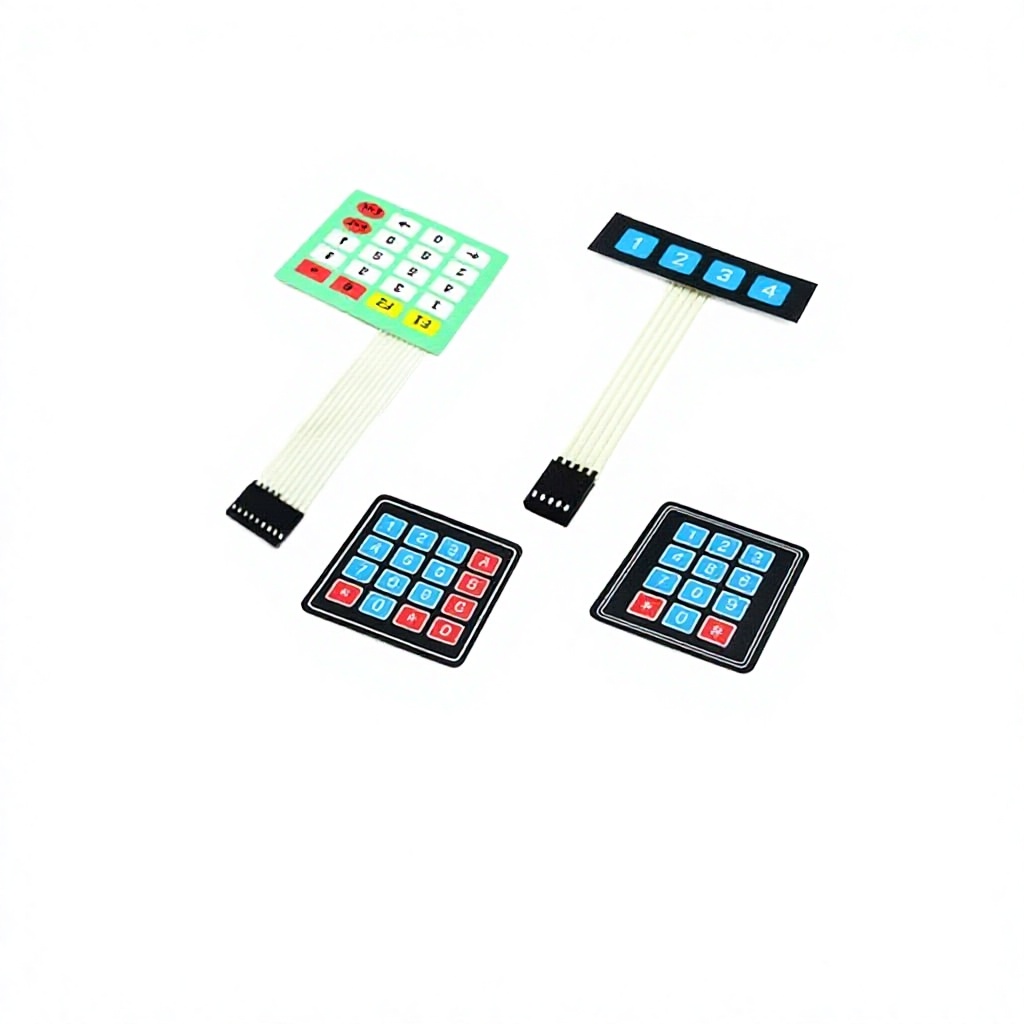
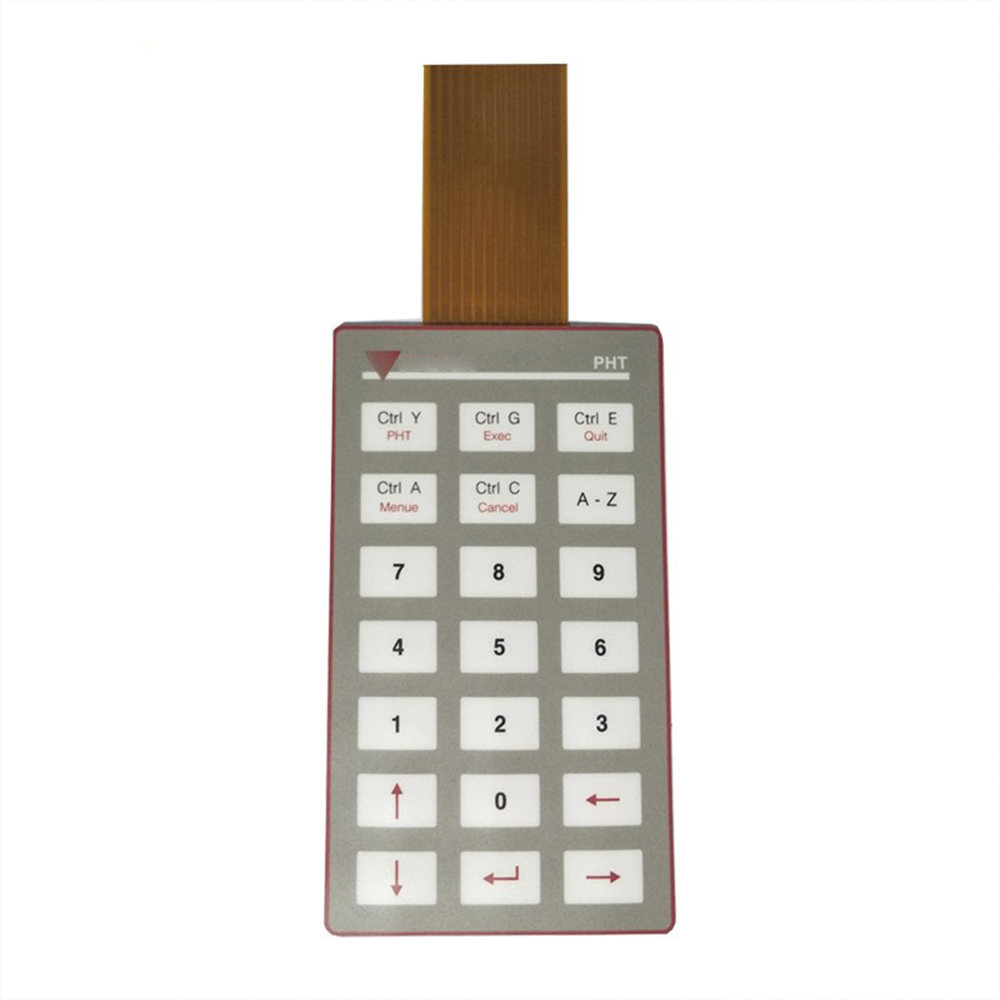
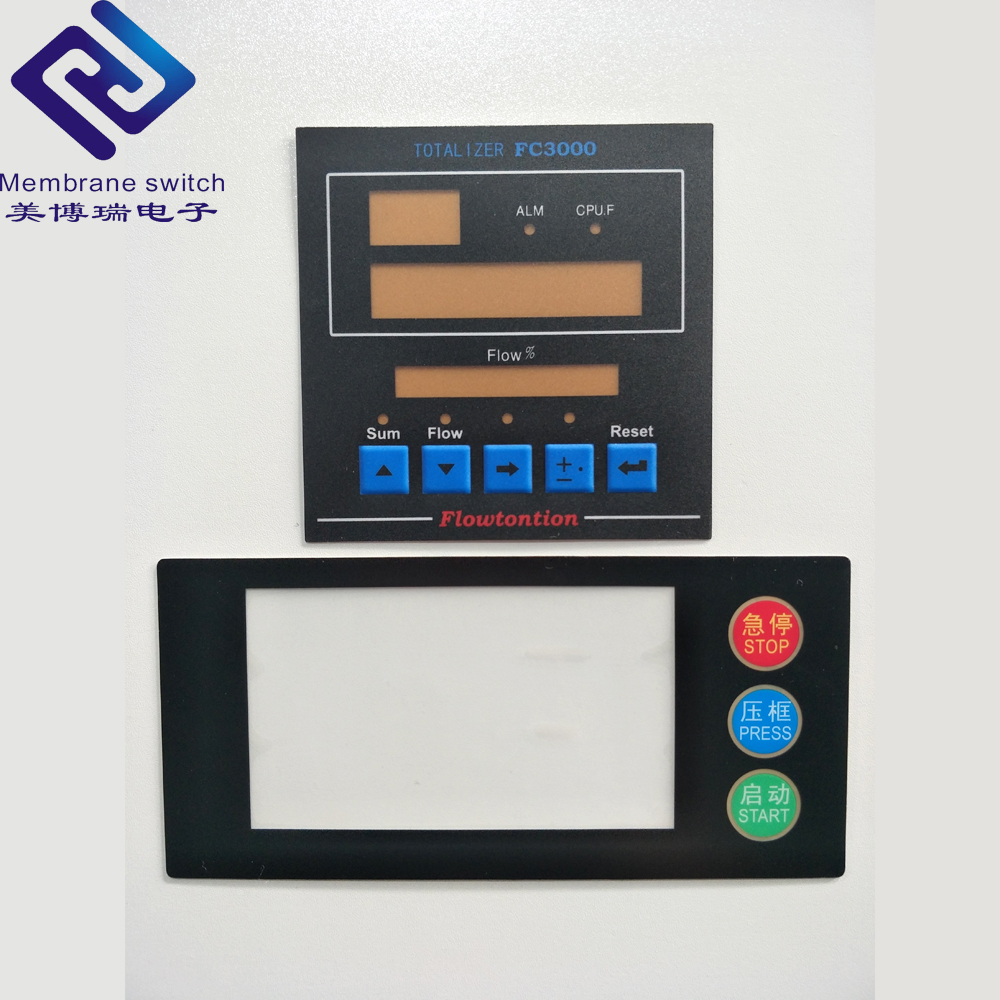
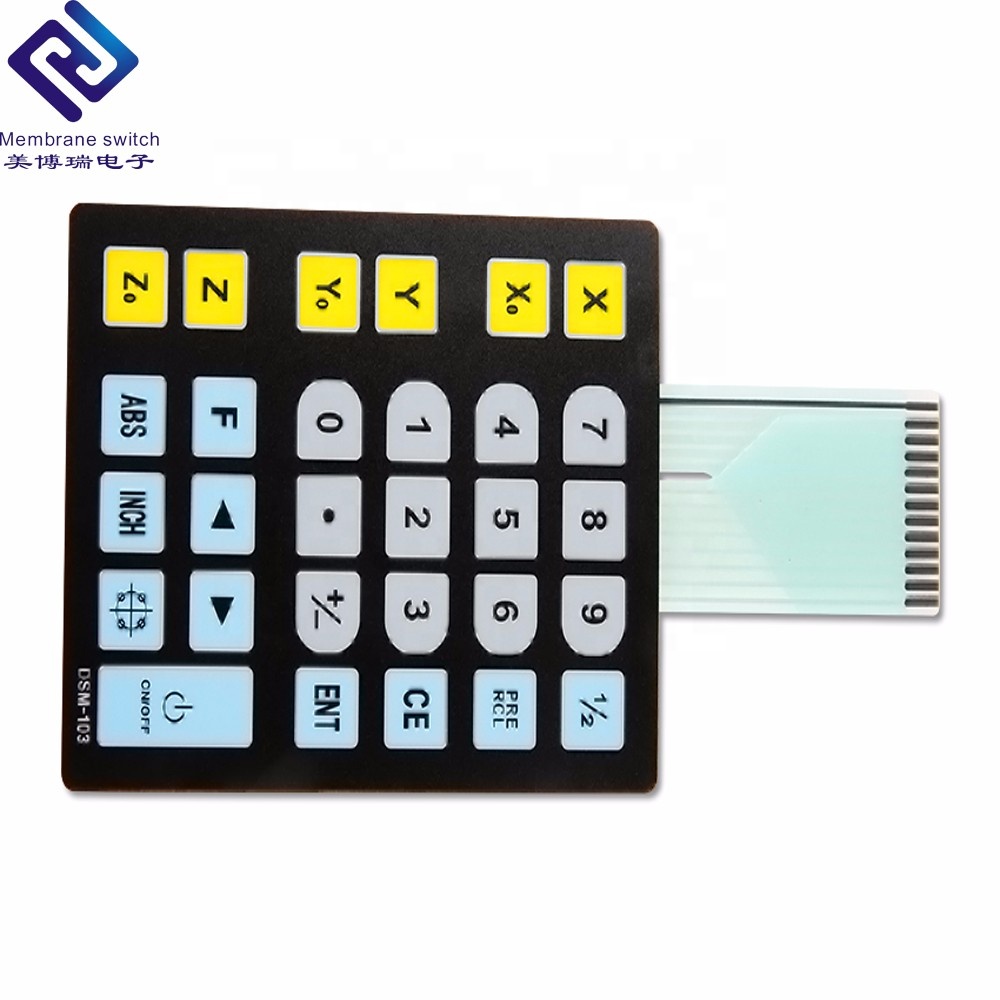
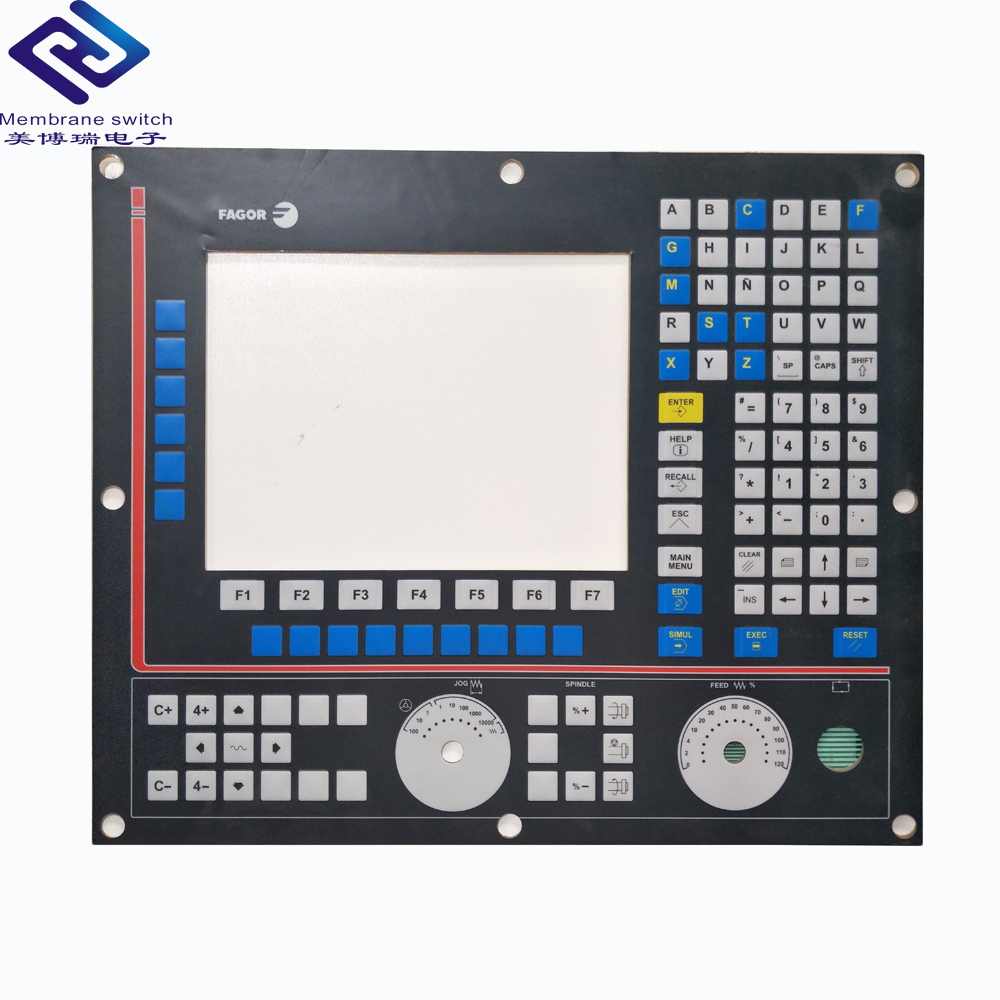
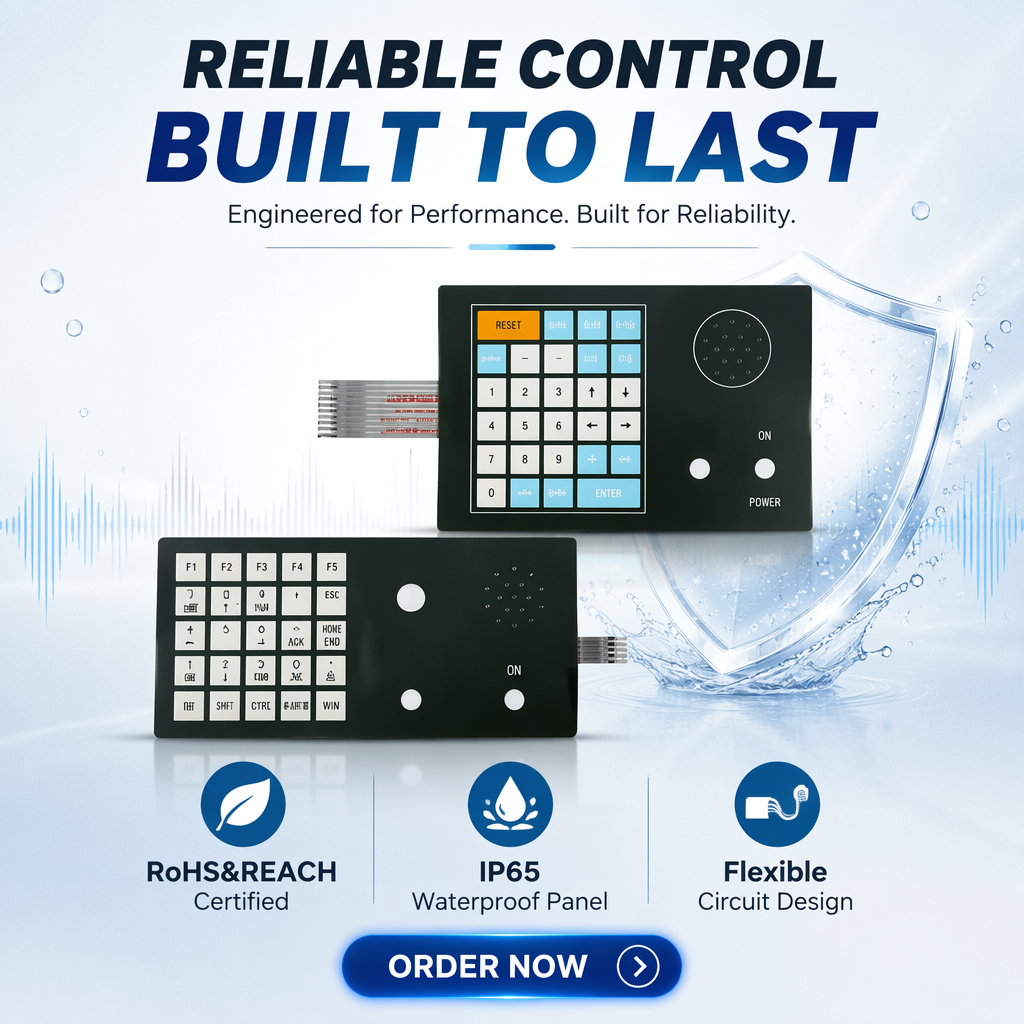
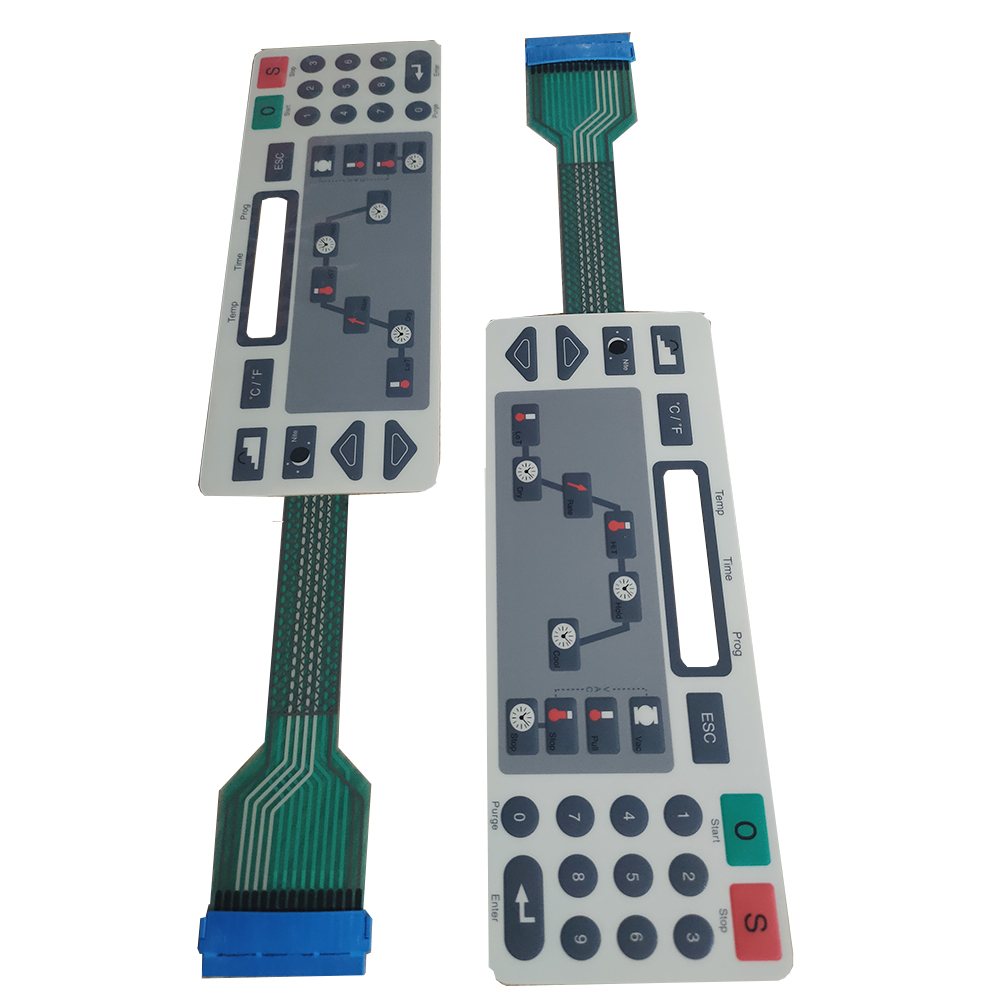
In modern industrial Human-Machine Interfaces (HMIs), a display window overlay is far more than a decorative facia. For Swiss precision instrumentation manufacturers across the Canton of Bern—spanning from Biel/Bienne's horological robotics to Burgdorf's medical tech corridors—the front overlay functions as the primary barrier against aggressive environmental factors while dictating the user optical experience. As a certified Chinese manufacturer and direct exporter with three decades of production tenure, TAVO Electronic Information Technology Co., Ltd. bridges the critical gap between high-volume micro-manufacturing efficiencies and rigorous European engineering metrics.
A critical engineering failure in standard graphic overlays stems from Newton's rings (optical interference patterns) and parallax distortions when overlays sit directly above active TFT, LCD, or OLED panels. Our precision engineering protocol eliminates these visual artifacts by employing Optically Clear Adhesives (OCA) and selective anti-glare (AG) or anti-reflective (AR) surface textures. By depositing microscopic textured particles on raw Autotex PET (polyester) or Makrofol PC (polycarbonate) films, ambient glare within Bern's clinical operating theatres or luminous automation workshops is attenuated by up to 88%, maintaining contrast fidelity and 93%+ spectral light transmission.
| Physical & Chemical Parameter | Standard Polycarbonate (PC) Overlays | Premium Textured Polyester (PET) Overlays | TAVO Hardcoated Acrylic/PMMA Hybrid Windows |
|---|---|---|---|
| Surface Hardness (Pencil Test) | 1H - 2H (Standard) | 3H (Chemical Hardcoat) | ≥ 4H - 6H (Automotive Grade) |
| Optical Transparency (Window Area) | 86% - 89% | 89% - 91% | ≥ 93.5% (Specular Clarté) |
| Flexural Fatigue (Actuation Life) | < 100,000 cycles | > 5,000,000 cycles (Embossed) | Rigid / Non-tactile Window Element |
| Chemical Resistance | Vulnerable to alcohols, esters, ketones | Resistant to IPA, bleach, sanitizers | Resistant to acetone, acids, hospital disinfectants |
| Dielectric Strength (ASTM D149) | 15 kV/mm | 18 kV/mm | 20 kV/mm |
| Operating Thermal Window | -30°C to +80°C | -40°C to +105°C | -40°C to +85°C |
Furthermore, our technical convergence with German manufacturing workflows informs our manufacturing line. With over 60 CNC mold-making setups, 37 precision screen-printing stations, and 4 Mimaki heat-setting UV flatbed lines, we control critical ink curing kinetics. Thermal stabilization ensures that dimensional stability remains within a tight ±0.05mm envelope across variable Swiss Alpine storage and sub-zero rail operational temperatures.
Addressing the specific regulatory, mechanical, and optical demands across Bern's regional high-tech clusters.
Within the Bernese MedTech belt (Burgdorf, Bern-Inselspital cluster), our dead-front graphic overlays and anti-microbial display windows satisfy strict sterilization regimens. Treated with hard-coated textured polyester, these surfaces resist repeated wipe-downs using quaternary ammonium and isopropyl alcohol without hazing, yellowing, or micro-cracking.
Biel/Bienne's micro-mechanical and automated assembly lines require HMI facias that survive constant misting with synthetic lubricants and cutting coolants. We apply proprietary gasket channels with 3M 300LSE/468MP acrylic adhesives, safeguarding sensitive internal touch sensors and displays against microscopic hydrocarbon intrusion at an IP67/IP68 rating.
Connecting regional rail networks across Bern's mountainous junctions demands resilience against rapid temperature swings and condensation cycles. Our locomotive-grade display overlays incorporate internal breathers and vapor-tight seals, preventing internal fogging between -40°C winter conditions and radiant solar loading.
The procurement landscape across Bern is undergoing a structural transformation. Driven by stringent sustainability targets set under Swiss federal mandates and supply chain nearshoring debates, Bernese OEMs are reshaping their component sourcing strategies:
1. Seamless Hygienic Dead-Front Aesthetics: Mechanical toggle switches and bezel-framed display assemblies are being phased out in favor of monolithic front fascia designs. Modern medical devices produced in Bern now require continuous flush surfaces where LED status indicators, digital segment readouts, and high-definition TFT displays remain hidden behind smoked, light-transmissive inks until illuminated. This removes dirt-collecting gaps and enables clean wipe-down cycles.
2. Optical Clarity via OCA Lamination over Traditional Air Gaps: Previously, an air gap between the polycarbonate overlay and the display module was acceptable. However, under high ambient light conditions encountered in Swiss field telecommunications, the refractive index mismatch between air (n = 1.00) and polyester (n = 1.57) causes unwanted internal reflections. Sourcing engineers increasingly mandate full Optically Clear Adhesive (OCA) wet-lamination, increasing contrast ratio by 300% and stabilizing display window overlays against heavy physical impact.
3. Low-VOC Raw Substrates & RoHS/REACH Compliant Chemistry: Bern buyers maintain zero tolerance for hazardous solvent retention. TAVO utilizes solvent-free, UV-cured dielectric inks and low-outgassing structural adhesives that strictly align with EU REACH Annex XVII, SVHC candidates, and Swiss Chemical Risk Reduction Ordinances (ORRChem).
Closed-loop in-house manufacturing, rigorous European QA parity, and direct engineering accountability.
Every phase—including film plotting, multi-layer screen printing, digital UV registration, CNC precision die-punching, embossing, and automated optical window bonding—is carried out in our own 2,219 m² Xianghe and Huizhou factories. No third-party sub-contracting risks.
Over 30 senior process engineers have an average of 15+ years of dedicated membrane fabrication experience. Supported by a 10-person CAD/CAM team and a 20-person international trade department, we convert your DXF, AI, or Gerber packages into production tools within 48 hours.
We maintain an ongoing technical partnership with a German membrane switch and HMI manufacturer. This cross-transfer of tool-building techniques, ink-curing control, and dimensional tolerancing guarantees that our exports conform to Swiss and European quality criteria.
Our in-house reliability laboratory features computer-controlled circuit continuity testers, 1,000,000+ cycle tactile button life testers, programmable temperature/humidity chambers (-60°C to +150°C), xenon arc accelerated UV weathering chambers, and automated salt-fog chambers.
Our manufacturing floor houses 60 CNC mold-making machines, 18 precision laser cutters, 37 silkscreen printing lines, 4 high-resolution Mimaki UV flatbed engines, and specialized cleanroom bonding tables for bubble-free optical window lamination.
Unlike rigid industrial fabricators requiring thousands of units, our digital UV printing setup enables low-MOQ pilot runs and accelerated prototype validation (turnaround within 5 to 7 working days) to help Swiss R&D teams shorten their time-to-market.
Direct answers addressing technical trade, logistics, and production metrics.
Send your dimensional drawings, graphic artwork, and performance criteria today. Our engineering department will return a comprehensive Design for Manufacturability (DFM) review and competitive tier-one pricing within 24 hours.
Get Catalog