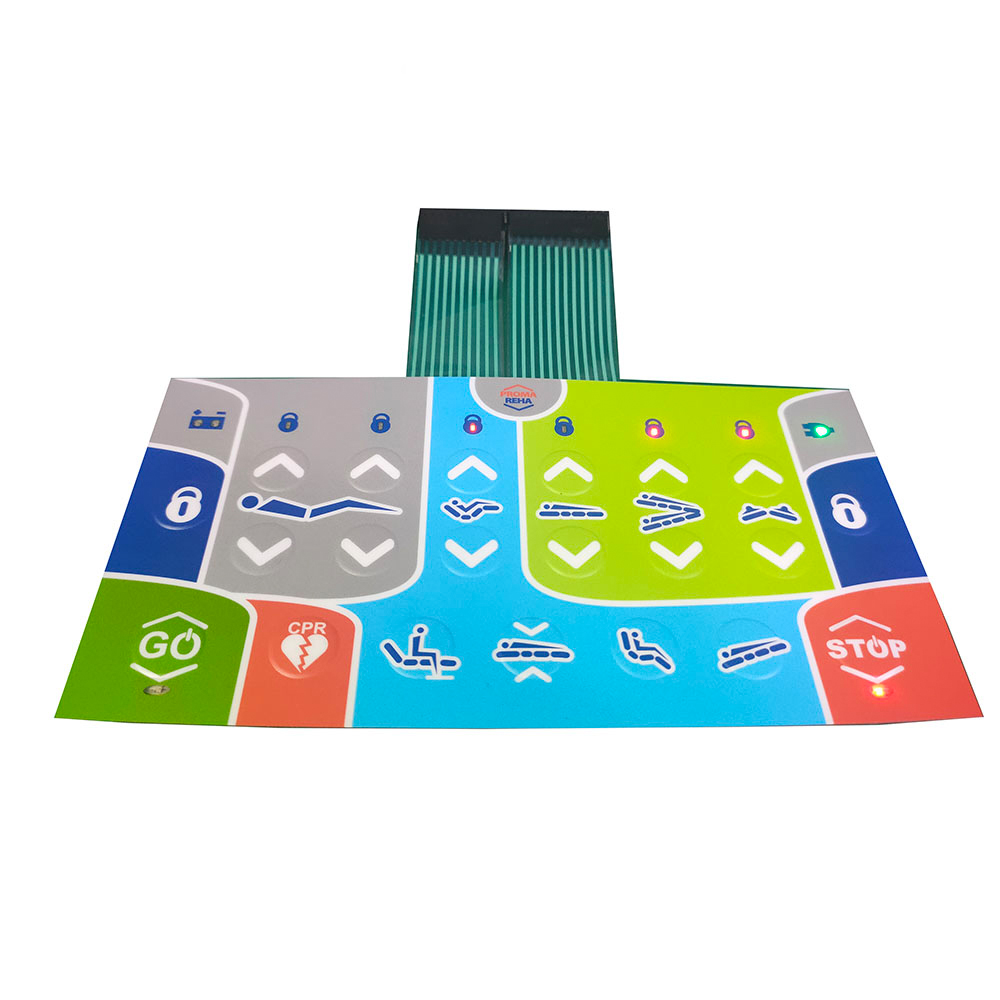
Export Portfolio
Precision HMI & Membrane Switch Assemblies
Manufactured to ISO 9001:2015 and verified by Intertek. Directly supplied to industrial automation, telecommunications, and instrumentation assemblers across Poznań.
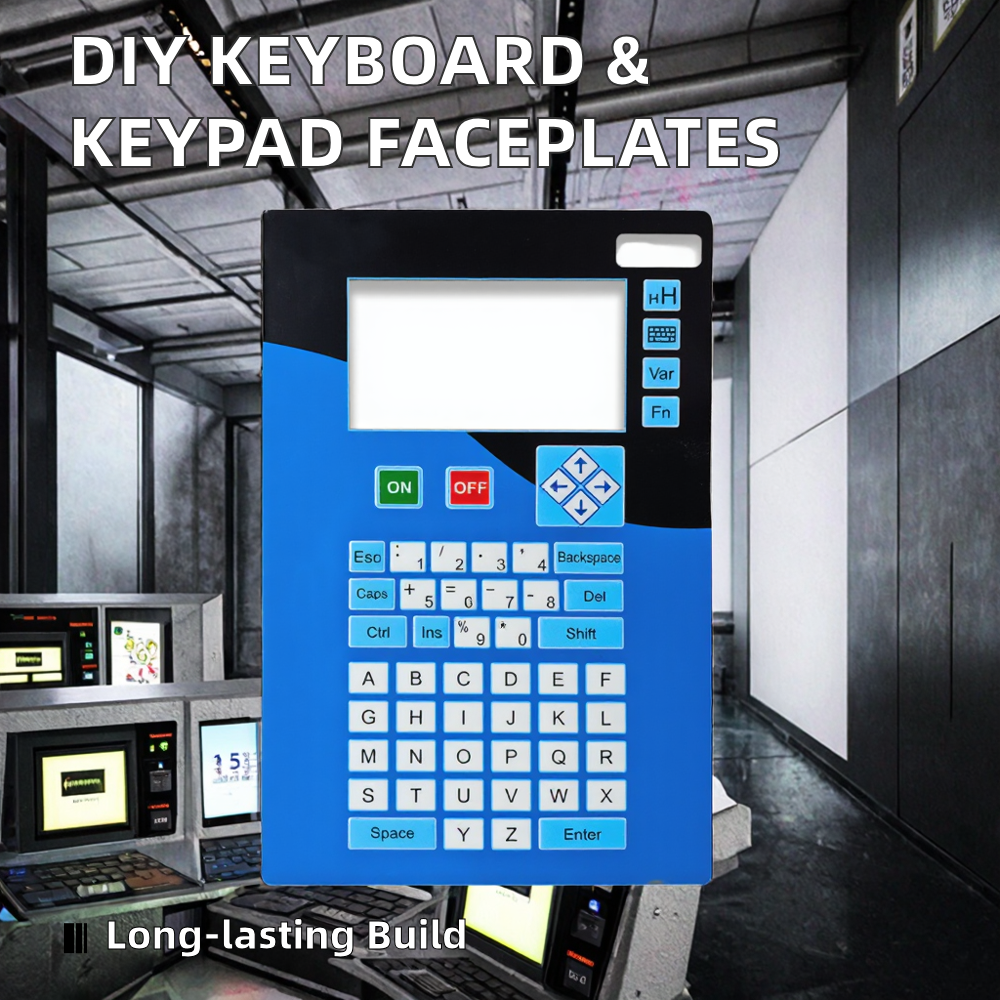
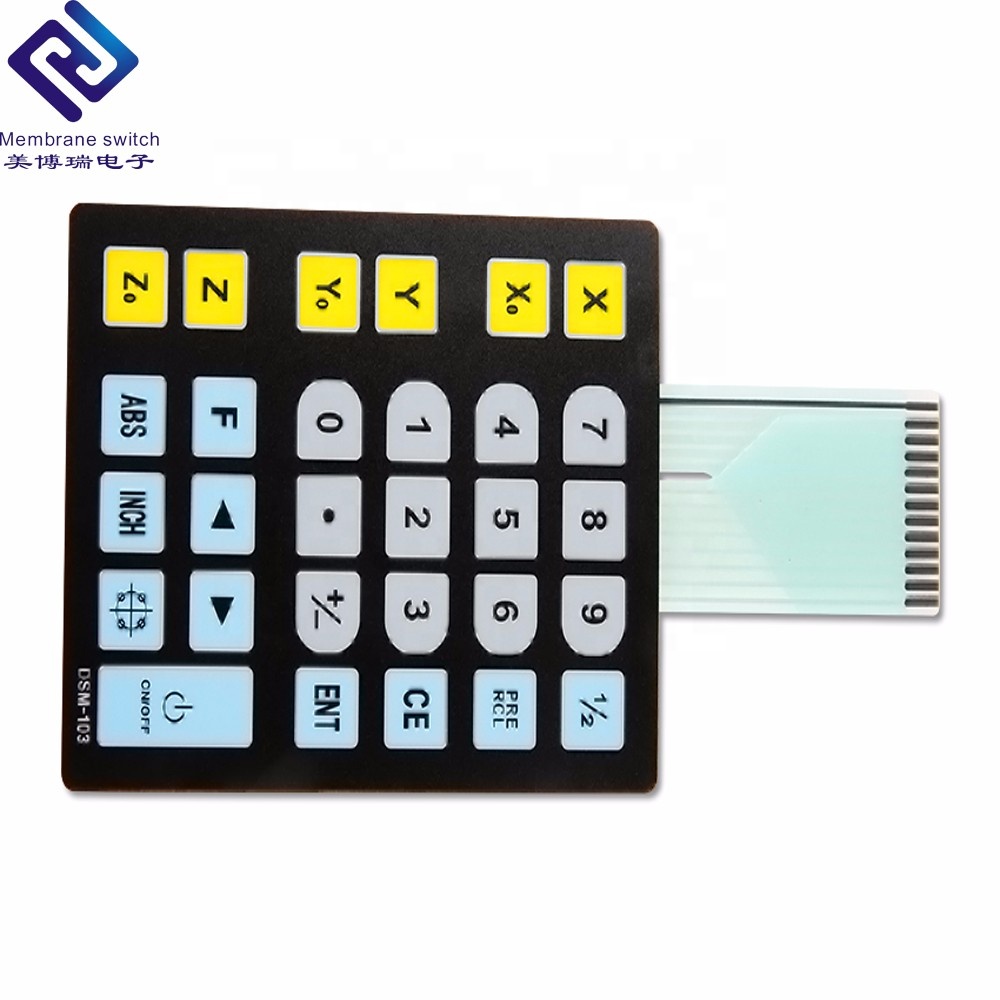
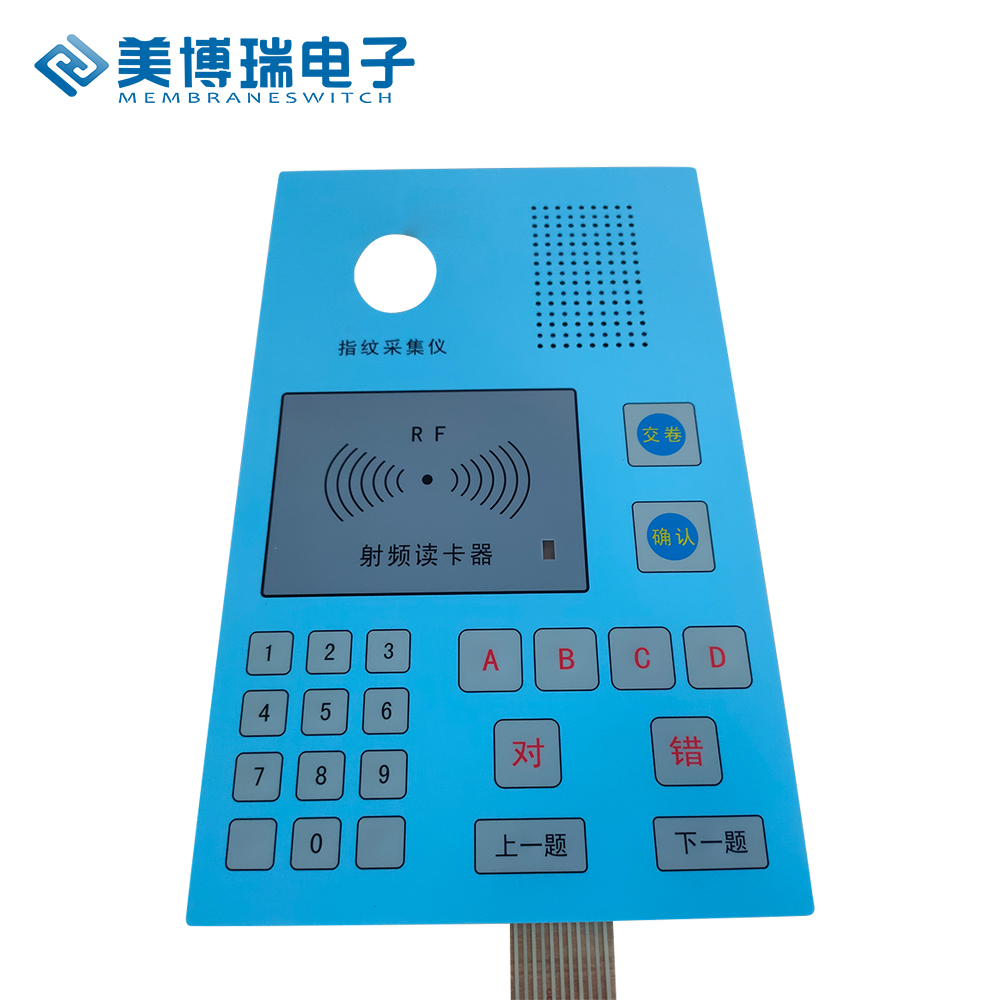
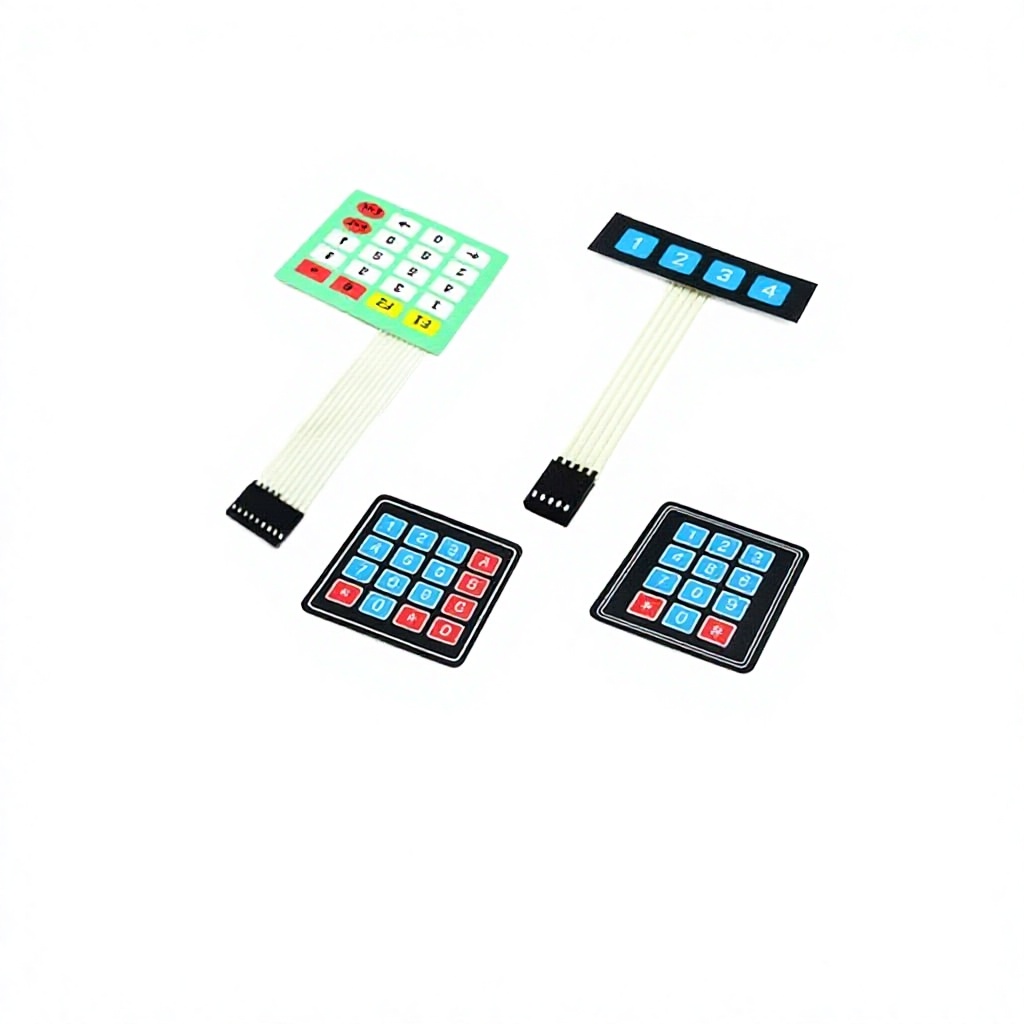
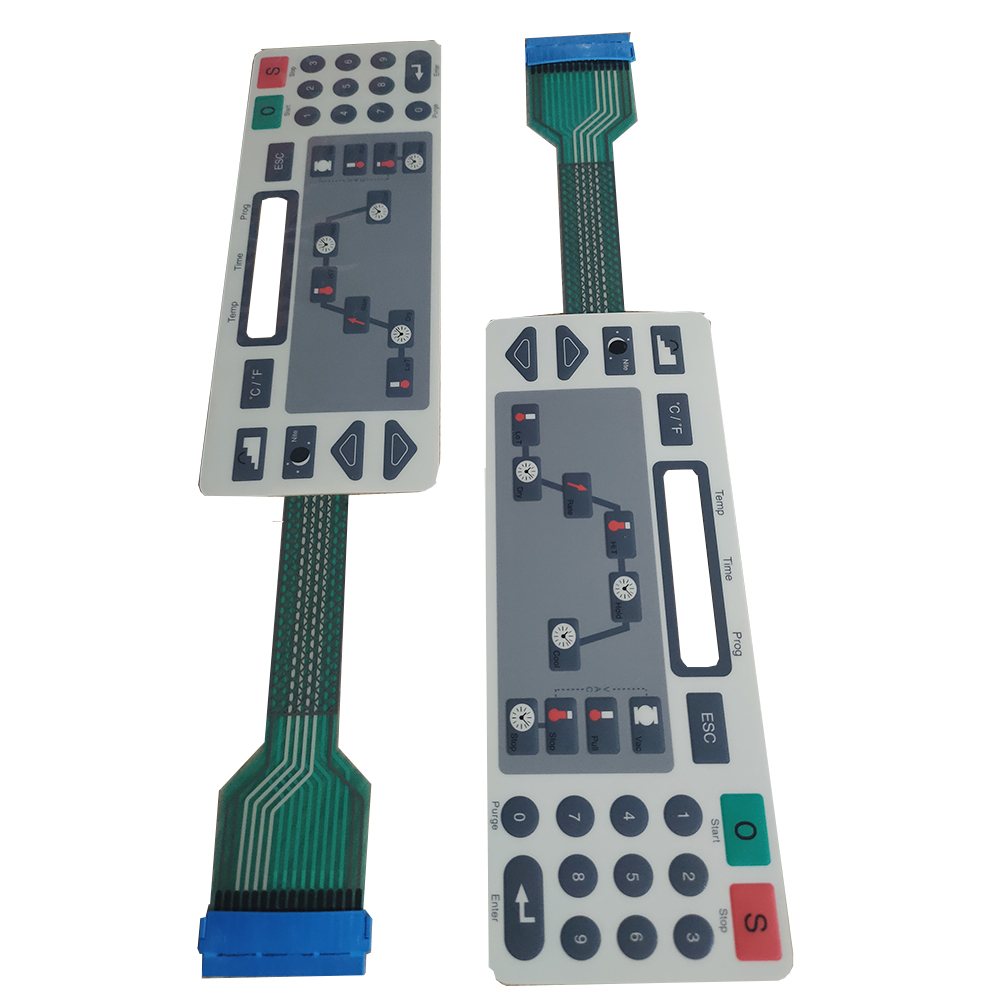
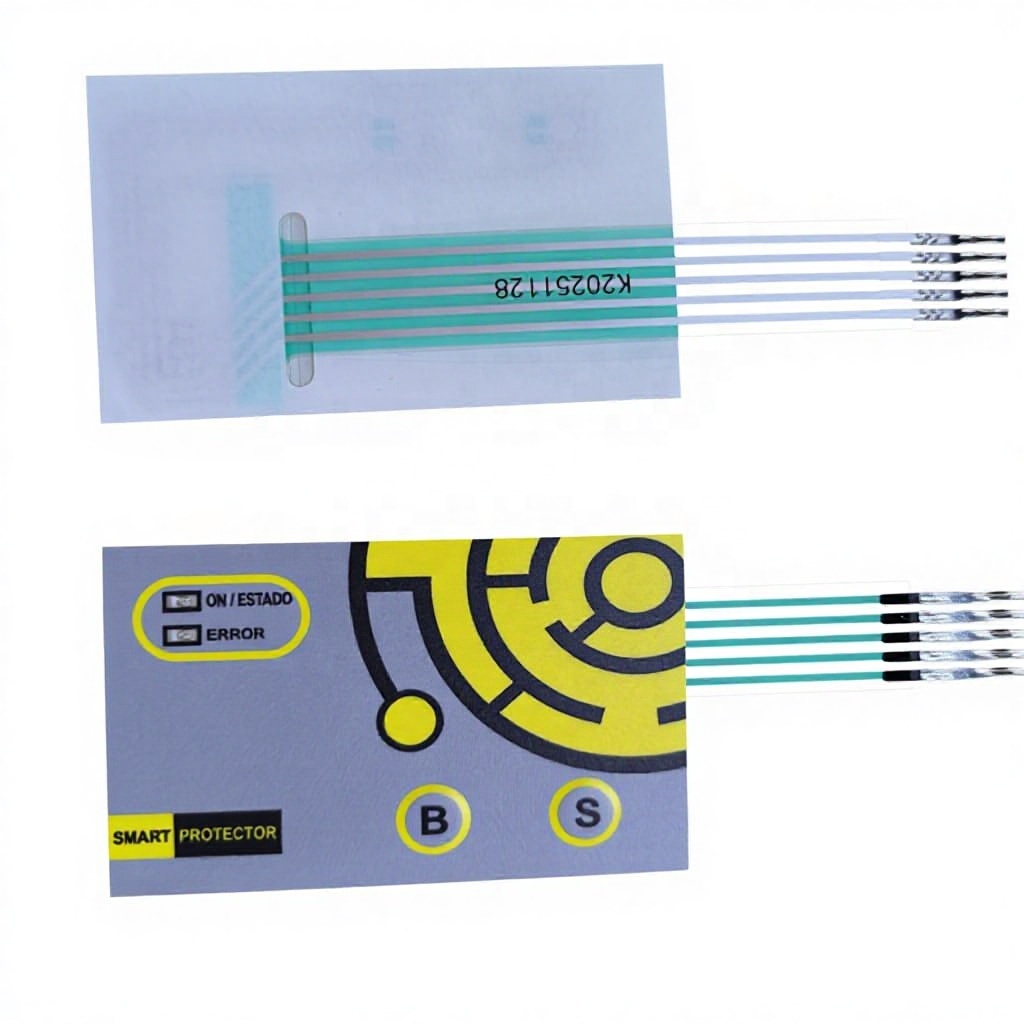
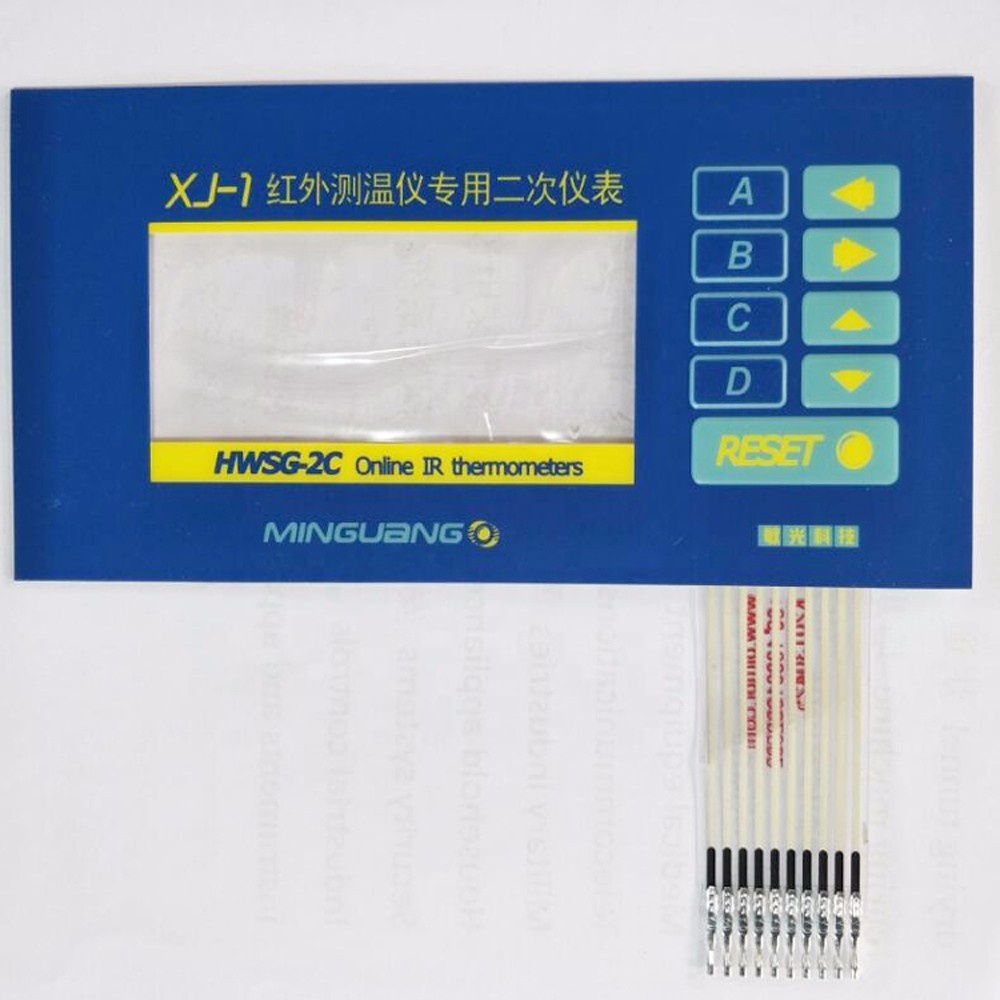
1990
Membrane & HMI Heritage Since
111+
Skilled Production Staff (Intertek Audited)
2,219㎡
Verified Class-10,000 Cleanroom Facility
1M+ pcs
Annual Export to EU & American OEMs
Engineering Whitepaper: EL Backlit Architecture & Membrane Switch Integration
In modern industrial human-machine interfaces (HMI), visual feedback and structural enclosure sealing are critical determinants of field reliability. For procurement managers and electro-mechanical systems design engineers based in Poznań and the broader Greater Poland (Wielkopolska) industrial cluster, selecting between traditional LED edge lighting, light guide films (LGF), and Electroluminescent (EL) Backlit Panels requires a deep understanding of photometrics, thermal dissipation, mechanical stack-up profiles, and total electromagnetic compatibility (EMC).
Electroluminescence operates via the non-thermal generation of light resulting from the application of an alternating electrical field across a dielectric phosphor matrix. When alternating current (typically driven between 60V–115V AC at 400Hz–1000Hz via compact DC-AC inverters) energizes doped zinc sulfide (ZnS) crystals screen-printed between a rear conductive silver layer and a front transparent Indium Tin Oxide (ITO) conductor, light emits uniformly across the entire active geometric plane. This provides an ultra-slim illumination engine (thickness < 0.25mm) that completely eliminates hot spots, shadows, and parallax errors common in point-source LED arrays.
| Performance Vector | Electroluminescent (EL) Panels | LED / Light Guide Film (LGF) | Direct Fiber Optic Weave |
|---|---|---|---|
| Profile Thickness | 0.12 mm – 0.28 mm (Ultra-thin) | 0.8 mm – 1.6 mm (Requires light guide cavity) | 0.4 mm – 0.8 mm |
| Luminance Uniformity | > 95% (Continuous surface luminescence) | 75% – 85% (Micro-dot pattern dependent) | 80% – 90% (Prone to bending degradation) |
| Thermal Generation | Negligible (Cold solid-state emission) | Concentrated at side-firing LED anchors | Zero heat at light plane |
| Vibration & Shock Resistance | Exceptional (Immune to mechanical shock) | Moderate (Risk of solder fatigue at SMT pads) | Moderate (Delamination risks under shear) |
| EMC Performance | Requires grounded shielding layer (Silver/Carbon grid) | Standard filtering at trace lines | Inherent dielectric immunity |
| Typical Lifespan to Half-Life | 3,000 – 10,000 hours (Intermittent operational use) | 50,000+ hours (Continuous illumination) | Dependent on light injection LED |
As experienced manufacturers since 1990, TAVO Electronic Information Technology Co., Ltd. resolves the primary concern of European instrumentation builders—electromagnetic noise from high-frequency inverter circuits—by integrating an internal, screen-printed, grounded Faraday shield using proprietary conductive silver ink and continuous perimeter sealing adhesives. This guarantees that your Poznań-bound automated controllers pass stringent European CE, EN 61000-6-2 (Immunity), and EN 61000-6-4 (Emissions) compliance audits without costly retrofits.
Regional Adaptation
Poznań Industry Integration: Tailored HMI Solutions
Engineered to satisfy the exact climate, environmental, and operational standards of Wielkopolska's premier manufacturing and logistics corridors.
Automotive Sub-Assembly & Intralogistics
Poznań houses critical commercial vehicle manufacturing, tier-1 automotive suppliers, and vast fulfillment hubs along the A2 motorway (E30 corridor). Our EL backplates and tactile keypads are widely specified inside forklift fleet telematics, automated guided vehicle (AGV) navigational pendants, and cab instrument panels. The uniform low-glare cold green/blue-green luminescence prevents driver night-blindness while maintaining readability under intense indoor logistics floodlights.
Pharmaceutical & Cleanroom Equipment
With Tarnowo Podgórne and the Poznań biotech corridor producing clinical packaging and medical diagnostics, front interfaces must endure aggressive surface washdowns using isopropyl alcohol, hydrogen peroxide, and sodium hypochlorite. TAVO utilizes Autotex XE and Autoflex hard-coated PET overlays rated to IP67, preventing chemical ingress, graphic degradation, and micro-fissuring across over 1,000,000 tactile actuations.
Outdoor Power & Renewable Energy Terminals
Western Poland experiences harsh continental winters with sub-zero freezing and humid summers (-20°C to +50°C ambient). Our membrane keypads and EL panels are tested in programmable environmental aging chambers, utilizing specialized 3M 200MP and 300LSE adhesive matrices that resist thermal shear, preventing condensation from forming inside the optical display windows or conductive circuit layers.
Localized Sourcing Trends: Poland's Shift Toward Hybrid HMI Architecture
The manufacturing ecosystem across Poznań, Swarzędz, and Września is undergoing rapid transformation under the European Union's Industry 5.0 directives. Three specific trends dominate the procurement criteria of procurement officers and systems integrators:
1. Migration from Pure Capacitive Glass to Hybrid Tactile Systems: While capacitive multi-touch screens remain popular in consumer devices, industrial equipment operators in Polish metalworking, heavy vehicle production, and food processing wear thick safety gloves. Capacitive panels suffer high false-trigger rates in environments prone to oil mist, water spray, or particulate fallout. Poznań OEMs increasingly adopt hybrid HMI configurations: an OCA-bonded optical window displaying TFT/LCD metrics, flanked by embossed, gold-plated stainless steel snap-dome membrane switches that deliver a distinct 350g–500g actuation snap that operators can feel through heavy safety equipment.
2. Supply Chain De-risking via Factory-Direct Technical Partnerships: Rather than sourcing through high-markup domestic distributors who lack component-level design engineers, Polish engineering teams are establishing direct, NDA-protected links with verified manufacturers. By delivering CAD files directly to our Langfang and Huizhou production hubs, customers cut tooling turnaround from 8 weeks to under 12 working days, drastically accelerating prototype development for trade events such as ITM Industry Europe held annually at the Poznań International Fair (MTP).
3. Rigorous ESG and Material Traceability: Western Polish enterprises must comply with the Corporate Sustainability Due Diligence Directive (CSDDD). Every membrane switch, FPC circuit, and EL panel produced by TAVO is accompanied by complete RoHS, REACH, and Conflict Minerals declaration dossiers, ensuring hassle-free clearance through Polish customs at Gdynia port or Poznań-Ławica cargo.
Enterprise Strengths
Why Poznań Industry Leaders Partner with TAVO
Combining German engineering collaboration, extensive manufacturing infrastructure, and flexible batch logistics.
Two-Factory Capacity
Two specialized plants in Hebei (Xianghe Robot Port) and Guangdong (Huizhou) balance high-volume runs and rapid prototypes with zero equipment bottlenecks.
German Tech Alliance
Long-term technical cooperation with a renowned German membrane factory ensures tooling precision, laser tolerances, and EU-standard QC procedures.
Comprehensive In-House Tooling
60 CNC mold-making units, 37 precision screen printers, 18 laser cutters, and 4 Mimaki heat-setting UV printers ensure 100% in-house production integrity.
Tier-1 Proven Track Record
Trusted supplier to multinational industrial heavyweights including Siemens, ABB, and Haier, as well as critical aerospace and rail locomotive projects.
Dedicated Trade & Engineering
A 10-person CAD/CAM engineering team alongside a 20-person international trade department providing 93.7% rapid response rates across European business hours.
Procurement Clarity
Frequently Asked Questions for Poznań Sourcing Teams
Key information regarding international logistics, engineering deliverables, compliance, and payment terms for Polish businesses.
How are air and sea logistics handled from your factories to Poznań (Poland)?
We provide seamless export delivery terms under FOB, CFR, CIF, and DDP. For rapid prototype runs and time-sensitive production schedules, express air couriers (DHL, FedEx, UPS) deliver directly to your facility in Poznań within 4 to 6 business days. For volume series production, consolidated maritime freight moves via Hamburg or Gdynia ports, with complete customs clearance documentation, packing lists, commercial invoices, and EUR.1/Certificate of Origin provided to streamline clearance through Polish tax and customs offices (KAS).
What engineering deliverables are required to generate a manufacturing quote?
To evaluate manufacturability and calculate precision tooling costs, our engineering department requires: (1) An outline dimensional drawing in DXF, DWG, PDF, or STEP format; (2) Graphic artwork in vector format (Adobe Illustrator .AI or CorelDraw .CDR) with exact Pantone or RAL color codes specified; (3) Schematic or pin-out table detailing matrix connections or common-bus lines; (4) Termination specifications (e.g., 2.54mm pitch Female Berg, Nicomatic connector, or bare ZIF tail for FPC); and (5) Environmental conditions (target IP rating, UV exposure, chemical exposure). We can provide bilateral Non-Disclosure Agreements (NDAs) prior to file submission.
Can your EL panels and membrane switches withstand Poland's sub-zero winter temperatures?
Yes. Standard silver-ink circuits, polycarbonate/polyester overlays, and stainless steel domes operate reliably within -20°C to +65°C. For heavy-duty outdoor equipment in Greater Poland, we engineer custom military/automotive-grade builds featuring polyimide FPC circuits, specialized low-temperature conductive inks, and 3M 300LSE/467MP adhesive systems rated down to -40°C. Finished assemblies undergo multi-cycle thermal validation in our in-house programmable temperature and humidity chambers.
How does TAVO prevent electromagnetic interference (EMI) in EL-illuminated systems?
Because EL backlights require high-frequency inverters (typically 400Hz to 1kHz AC), potential radiated electromagnetic interference can disrupt sensitive measurement circuitry nearby. TAVO integrates a continuous, screen-printed silver or carbon Faraday shielding grid directly over the luminescent surface layer. This shield is connected directly to a dedicated grounding pin on the tail, isolating radiated noise and allowing your completed assembly to breeze through EU EMC Directive (2014/30/EU) testing.
What are your minimum order quantities (MOQ) and sample lead times?
Unlike many rigid state factories, TAVO supports agile European hardware development with low barrier pilot batches. Prototype batches (typically 5 to 20 units) are delivered within 7 to 10 working days following final engineering CAD drawing sign-off. Full mass-production runs carry flexible MOQs tailored to your forecast, with standard repeat order production lead times maintained at 12 to 18 business days.
What payment methods and trade currencies do you accept for Polish entities?
We accept standard international wire transfers (Telegraphic Transfer / T/T), Letters of Credit (L/C at sight), and D/P D/A terms for established enterprise accounts. Transactions are routinely invoiced in USD, EUR, or CNY. Polish companies trading in EUR can conduct direct international SEPA/SWIFT wire payments directly into our international corporate banking accounts without excessive currency conversion friction.
Accelerate Your Poznań Hardware Project with TAVO Engineering
Send your dimensional drawings, schematic pinouts, or physical reference samples today. Our expert engineering team will provide a comprehensive DFM (Design for Manufacturability) analysis, tooling review, and commercial quotation within 24 hours.
Send an Inquiry