Direct OEM Manufacturer • ISO 9001:2015 & Intertek Audited

Top China Polycarbonate Graphic Overlay Panel Supplier & Exporter in Guatemala

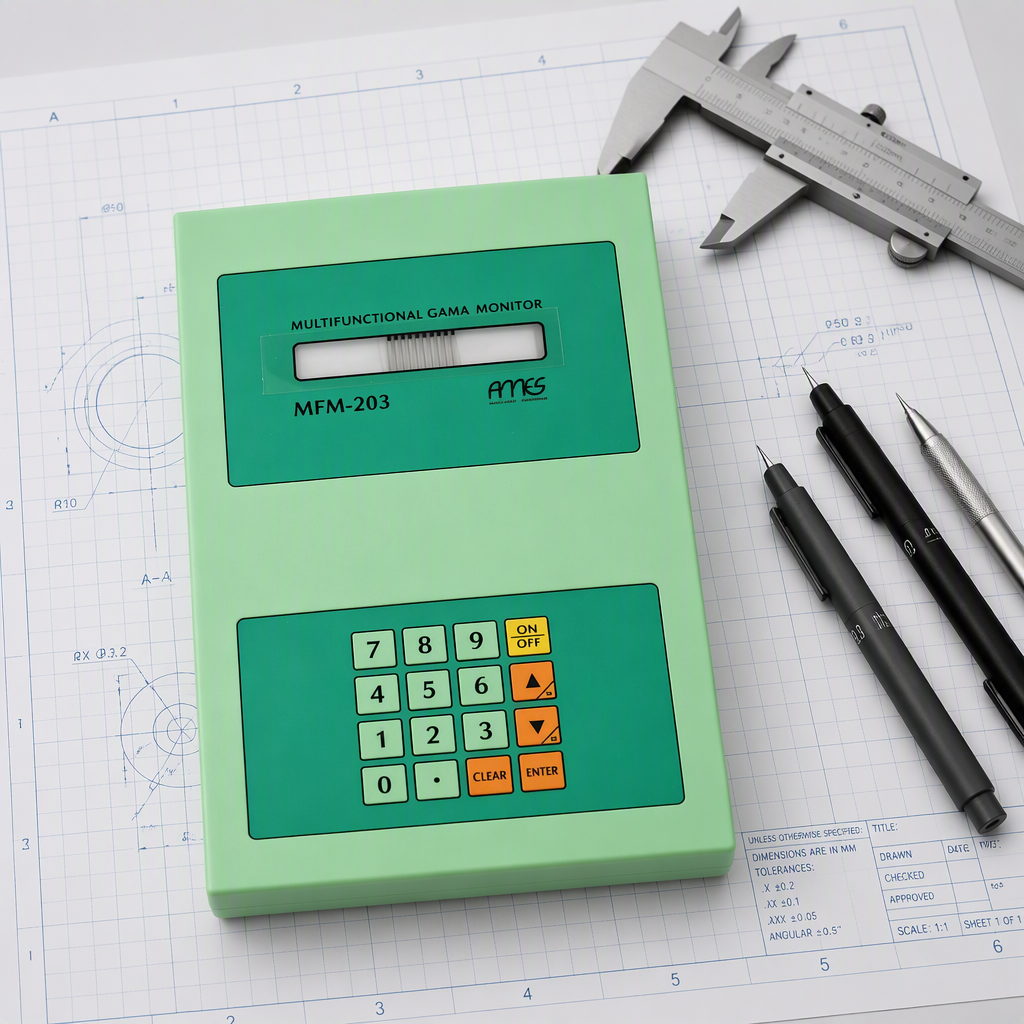
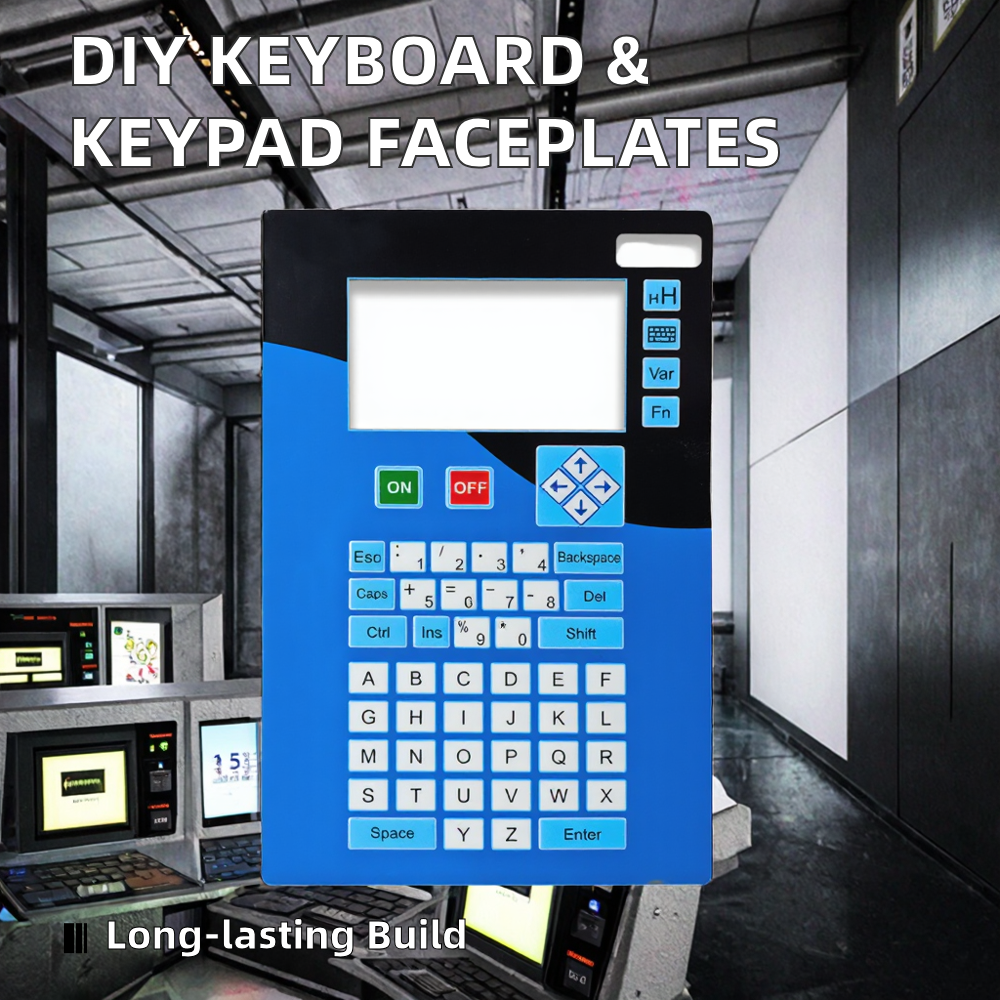
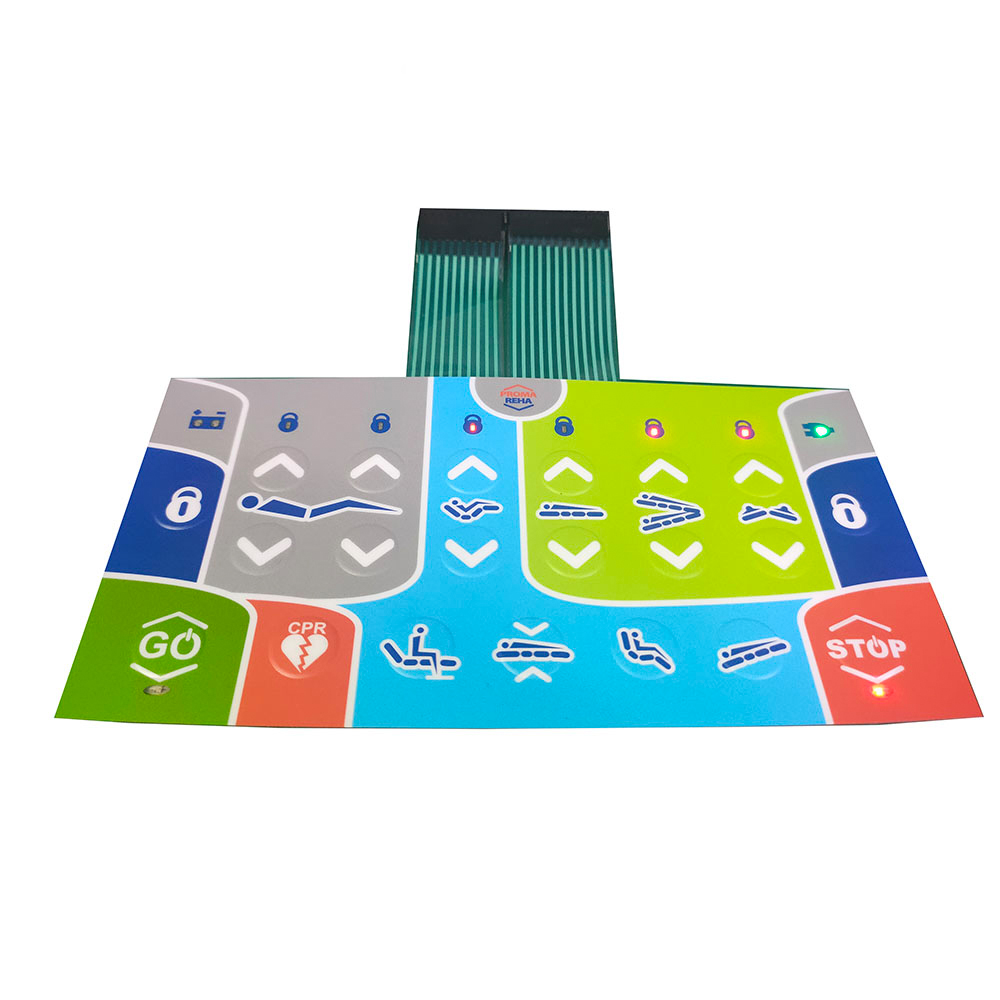
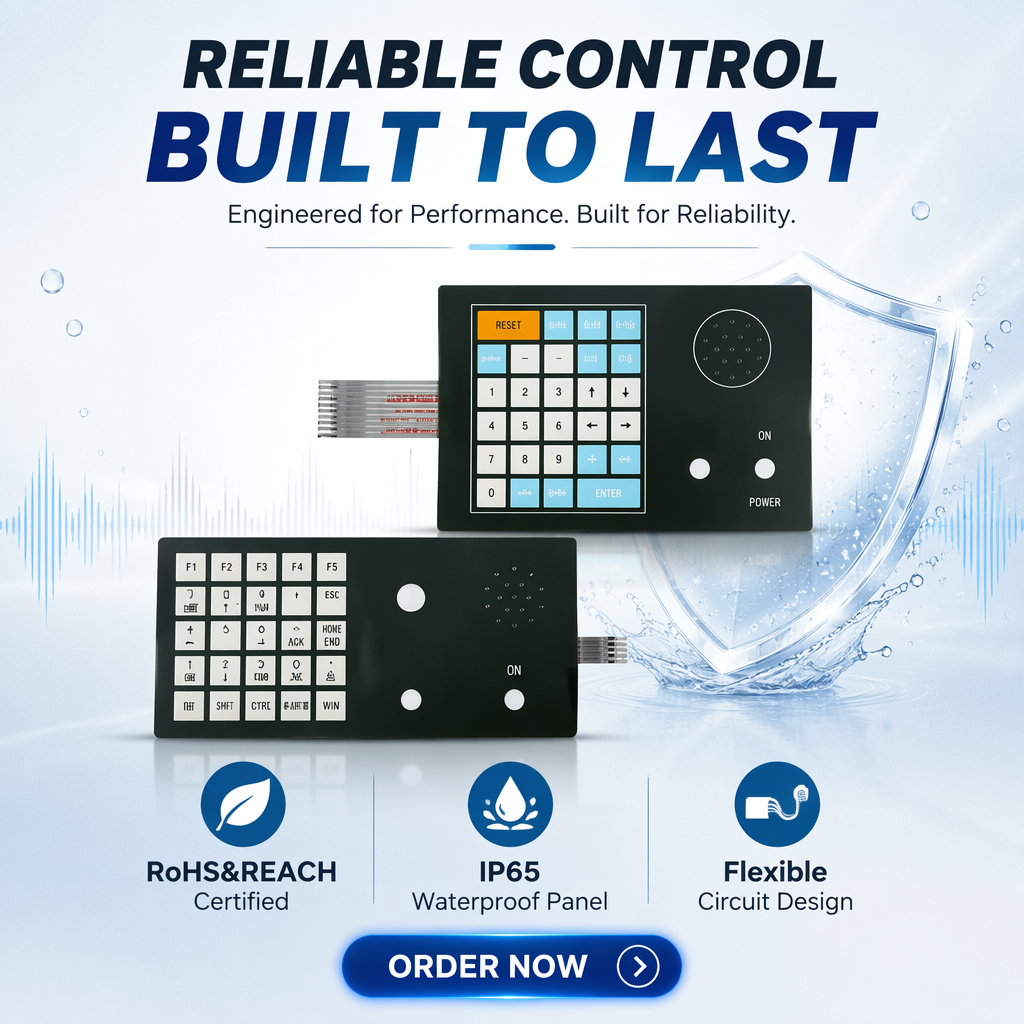
Delivering engineered Lexan™ polycarbonate front fascias, sub-surface silkscreened membrane panels, and harsh-environment HMI interface keypads engineered specifically for Central American agricultural, food-processing, and industrial manufacturing plants.

Precision Engineered Interfaces

Standard & Custom Membrane Overlay Products for Guatemalan OEMs

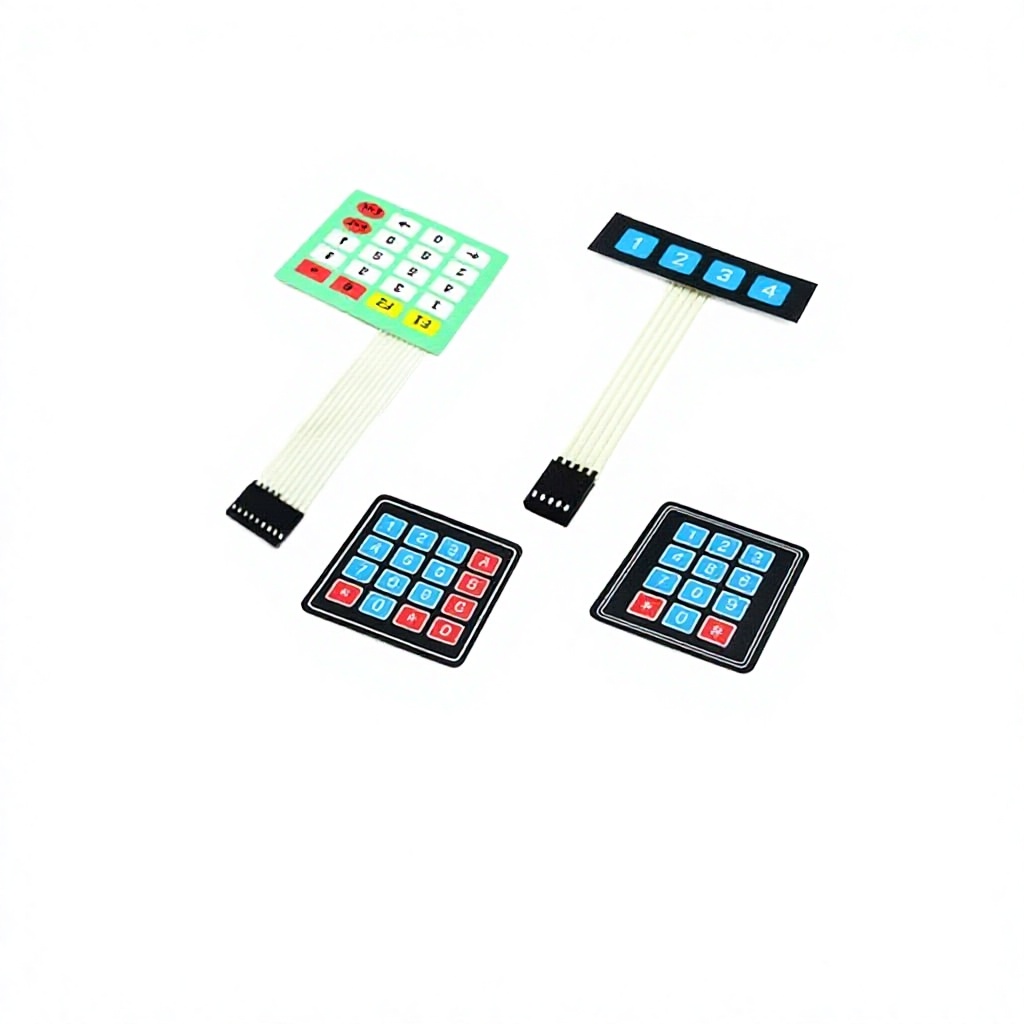
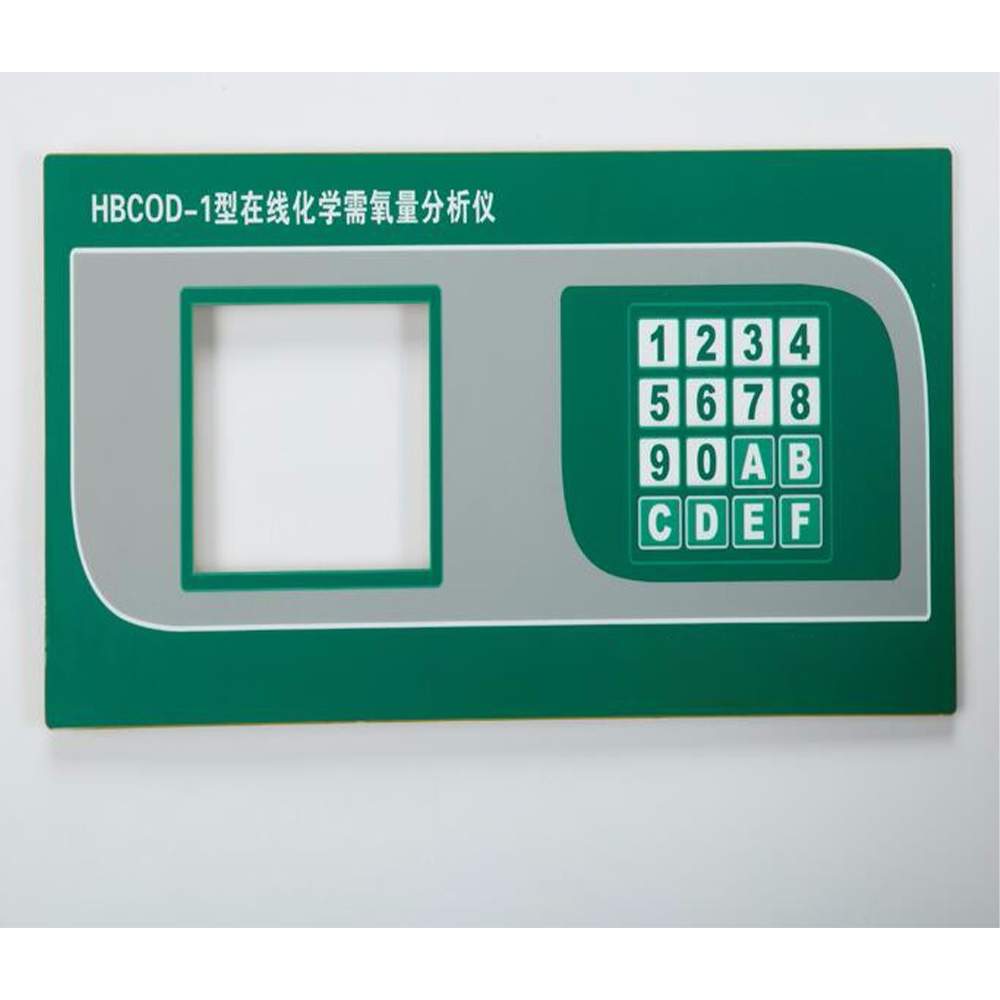
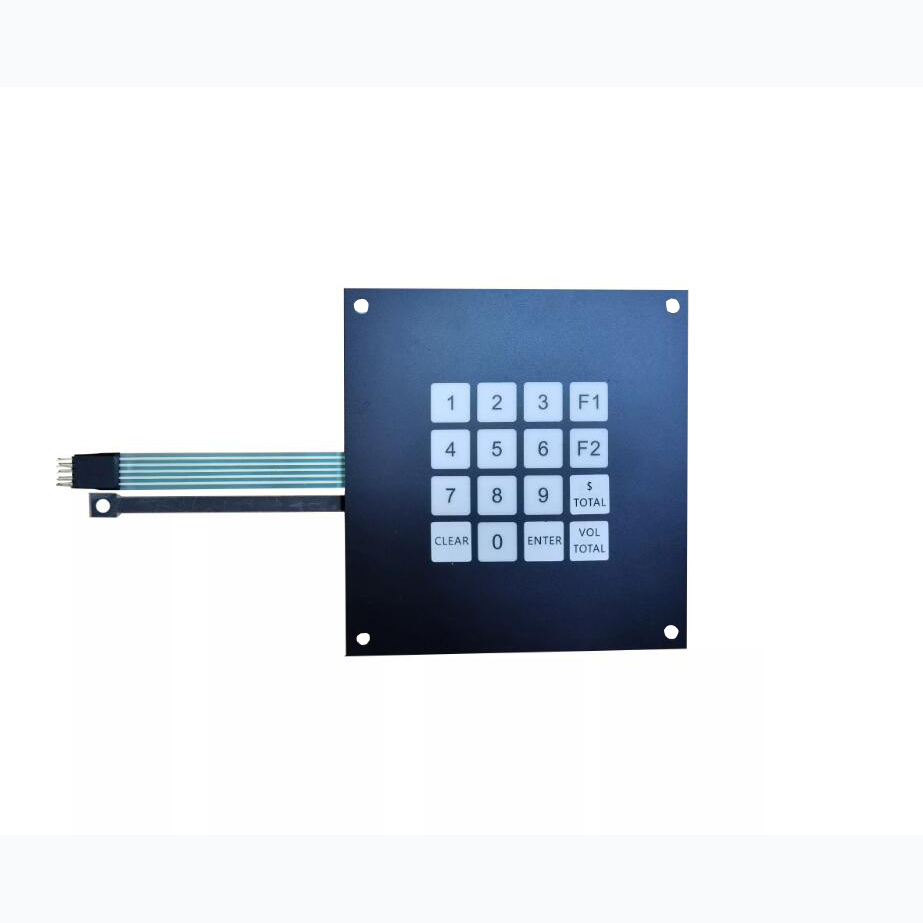
Explore our certified line of polycarbonate and polyester membrane keyboards, industrial overlay panels, tactile switches, and flexible printed circuits directly supplied from our certified manufacturing bases to Puerto Quetzal and Santo Tomás de Castilla.
Engineering Whitepaper & Specifications

Polycarbonate (PC) Graphic Overlays: Material Science & Layer Stackup

In modern industrial Human-Machine Interface (HMI) design, the graphic overlay acts as the critical barrier between harsh operational environments and delicate internal circuitry.

1990
Heritage Since
111+
Skilled Technical Staff
2,219㎡
Verified Production Plant
1M+ pcs
Annual Export Capacity

Sub-Surface Printing Architecture: Why Reverse Silkscreening Matters

A premier polycarbonate graphic overlay panel is printed on the second surface (reverse sub-surface) of an optically clear or selectively textured polycarbonate film (such as Sabic Lexan™ 8010, HP92W, or 8B35). Inks—including solvent-based vinyl, acrylic, or advanced UV-curable formulations—are deposited in reverse sequence onto the underside of the sheet. Consequently, the durable polycarbonate substrate shields the graphics, legends, and brand logos from mechanical abrasion, repeated fingernail actuations, chemical cleaning agents, and direct solvent splashdown. In severe industrial settings across Guatemala, where airborne particulates and aggressive washdown cycles are routine, sub-surface printing completely eliminates the threat of graphic degradation.

Furthermore, our integrated processing encompasses selective UV-cured textures (allowing ultra-clear window apertures for 7-segment LED, TFT-LCD, or OLED displays), hydroformed or thermally embossed tactile domes (pillow, rim, or perimeter embossing), and precision laser routing with micron-level tolerances.

Substrate Technical Comparison Matrix: Polycarbonate vs. Autotex PET vs. Acrylic

Performance Criterion Polycarbonate (PC - Lexan™) Polyester (PET - Autotex™) Acrylic (PMMA - Plexiglas™)
Tensile Strength & Impact Resistance Exceptional (Virtually Unbreakable) High Tensile Resilience Brittle / Vulnerable to Shock
Flexural Fatigue Life (Switch Actuations) Moderate (~100,000 cycles) Superior (>5,000,000 cycles) Unsuitable for Moving Domes
Optical Clarity & Display Windows High Clarity (89-91% Transmission) Good (Requires anti-glare coat) Optimum (92% Optical Clarity)
Embossing & Dimensional Stability Excellent Hot/Cold Hydroforming Superb Heat-Stabilized Memory Cannot Be Tactilely Embossed
Chemical & Solvent Resistance Resistant to Alcohols, Oils (Sensitive to Ketones) Superior Industrial Solvent Barrier Cracks with Solvent Contact
UL Flammability Rating UL 94 V-0 / V-2 Available UL 94 VTM-2 Available UL 94 HB (Highly Combustible)
Recommended Guatemalan Application Heavy Instrumentation, Medical Displays, EV Chargers High-Cycle Agro Keypads, Sugar Mill Washing Lines Rigid Protective Lenses, Cleanroom Meters
Targeted Regional Applications

Localized Engineering Use-Cases Across Guatemala's Industrial Corridor

From the agricultural processing hubs of Escuintla to high-tech manufacturing parks surrounding Guatemala City and Quetzaltenango, our polycarbonate graphic overlays are custom configured for rugged local operation.

Sugarcane Mills & Bioethanol Refineries (Escuintla & South Coast)

Guatemala's sugar mills (Ingenios) operate massive centrifuges, boilers, and automated juice extraction lines along the humid Pacific plain. These systems face continuous airborne sucrose mist, hot wash water, and corrosive bagasse ash.

  • IP66/IP67 perimeter adhesive sealing prevents sticky particulate ingress
  • 3M™ 300LSE adhesive bonds securely to powder-coated steel & cast iron
  • Matte velvet finish diffuses high-intensity tropical factory glare

Coffee Wet Mills & Roasting Automation (Antigua & Cobán)

Beneficio húmedo (wet milling), sorting, and optical grading machinery in Alta Verapaz and Sacatepéquez endure 100% condensing humidity, fermenting organic acids, and extreme temperature fluctuations in roasting ovens.

  • Chemical resistance to acetic and malic coffee fermentation residues
  • Continuous operating temperature tolerance up to +105°C (Lexan™ HP92W)
  • Crisp tactile metal domes providing audible confirmation through operator gloves

Outdoor Fuel Dispensers & Fleet Terminals (Pan-American Highway)

Service stations along the CA-1 and CA-9 transport corridors require outdoor payment terminals, fuel pump controllers, and LPG metering consoles that resist constant UV exposure, automotive hydrocarbons, and tropical downpours.

  • UV-stabilized outdoor polycarbonate prevents yellowing, hazing, and brittleness
  • Sub-surface screen-printed graphics resist splashing of gasoline, diesel, and oils
  • OCA optical clear adhesive lamination for high-transparency LCD window integration
Macro Market Dynamics

Guatemala Industrial Modernization Trends & Environmental Challenges

Understanding how Central America's expanding manufacturing ecosystem drives the transition from fragile mechanical switches to hermetically sealed membrane interface assemblies.

The Nearshoring Shift in CAFTA-DR & Central American Maquilas

Under the Dominican Republic-Central America Free Trade Agreement (CAFTA-DR) and current nearshoring investments, Guatemala is evolving rapidly from a primary agricultural exporter into a sophisticated processing and light electronic assembly hub. Industrial parks in Amatitlán, Villa Nueva, and Palín are expanding high-speed packaging, commercial appliance fabrication, and automated bottling lines.

This rapid shift increases demand for tailored HMI fascias that support dual-language interfaces (Spanish and English), multi-colored functional legends, embedded status LEDs, and rapid custom branding for international distribution. Sourcing direct from China provides Guatemalan OEMs with custom mold agility and economies of scale otherwise unavailable in the domestic Central American market.
Automated manufacturing of membrane switches and graphic overlays

Mitigating Environmental Volcanic Ash & Tropical Humidity

Geographical realities in Guatemala present unique engineering challenges for control electronics. Active volcanic corridors near Volcán de Fuego and Pacaya generate fine airborne silica particles that penetrate traditional electromechanical pushbuttons, causing contact binding, intermittent short-circuits, and catastrophic machine downtime.

Simultaneously, relative humidity levels regularly surpass 85% during the rainy season (May through October), leading to conductive corrosion and moisture entrapment. Our engineered polycarbonate overlay assemblies incorporate continuous peripheral closed-cell gasket seals and silver-migration-resistant carbon pastings, delivering an impervious NEMA 4X / IP67 barrier against particulate dust and ambient moisture.
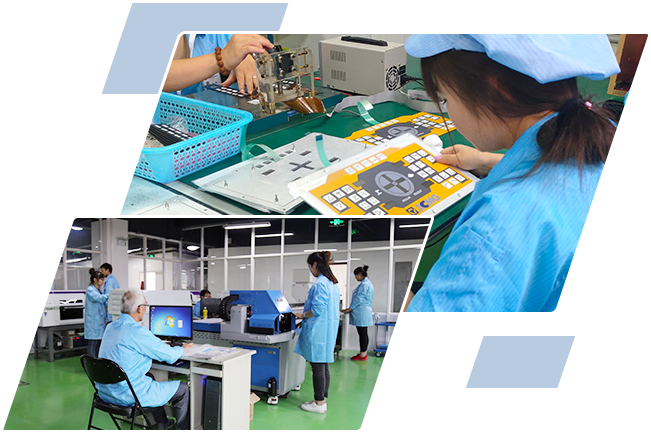
High precision automated cleanroom production equipment
Unmatched Production Infrastructure

Why Guatemalan Engineering Buyers Partner with Our Factory

Combining 30+ years of dedicated membrane switch heritage with dual manufacturing facilities, German technical process alignment, and rigorous multi-stage laboratory validation.

Dual Production Hubs (Hebei & Huizhou)

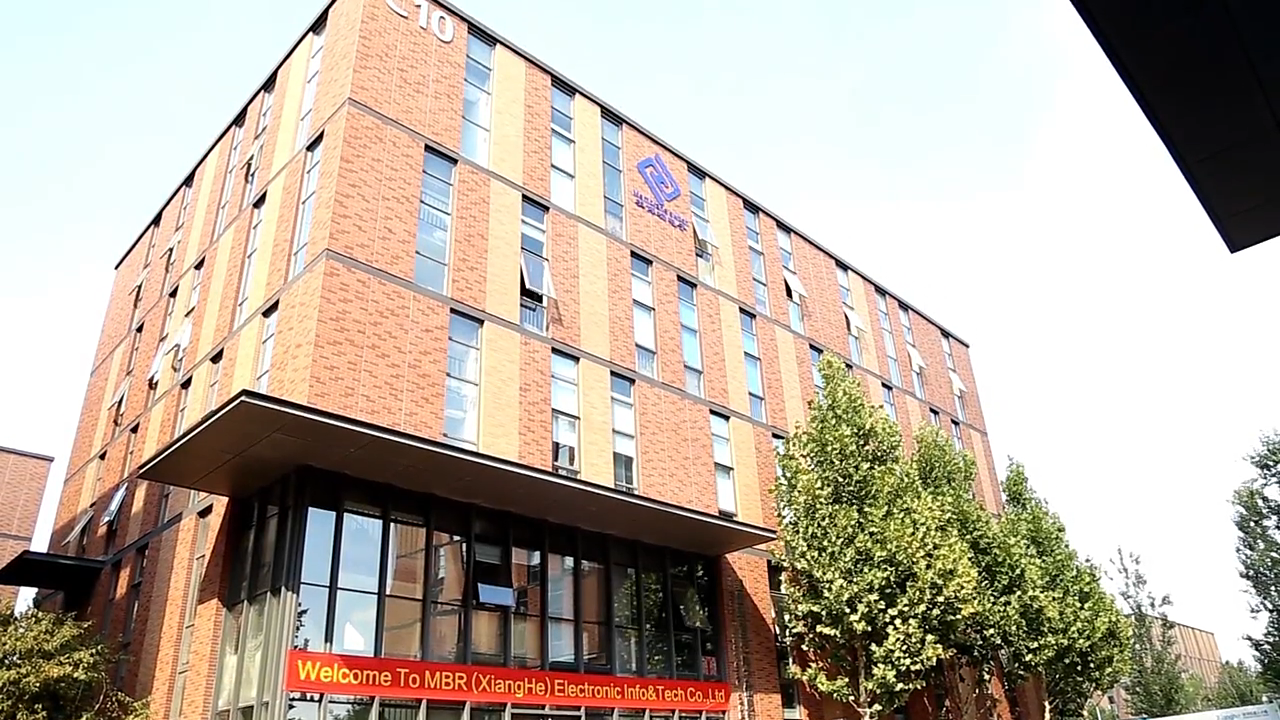
Headquartered in the Robot Industry Port of Xianghe Development Zone (Langfang, Hebei) with a secondary production base in Huizhou (Guangdong). Spanning 2,219+ ㎡ of verified floorspace, we allocate prototype runs and mass-volume orders across dedicated facilities to prevent delivery bottlenecks.

  • 60 CNC high-speed mold-making work stations
  • 37 precision silkscreen printing stations
  • 18 precision laser cutting & contouring systems
  • 4 Mimaki heat-setting high-speed UV digital printers

German Technical Partnership & Full In-House Process

Through sustained technical collaboration with German membrane switch engineers, our manufacturing operations adhere strictly to European tolerances and DIN standards. Unlike trading intermediaries, 100% of production takes place under our own roof.

  • CAD layout, optical film output, and chemical emulsion in-house
  • Automated SMD placement for integrated LEDs and resistors
  • LGF (Light Guide Film) & capacitive touch bonding mastery
  • Rigid backer plate mounting (Aluminum, Acrylic, FR4 PCB)

ISO 9001 & Intertek Audited Reliability Testing Lab

Every graphic overlay and membrane switch exported to Latin America undergoes comprehensive reliability verification in our factory testing laboratory before customs dispatch, guaranteeing zero defect arrival.

  • Computerized automatic circuit loop and insulation testers
  • Key actuation endurance testers (>1,000,000 cycles)
  • Programmable constant temperature & humidity chambers
  • Automatic salt fog corrosion and Xenon lamp UV aging chambers
Direct Buyer Sourcing Guidance

Frequently Asked Questions: Sourcing Graphic Overlays from China to Guatemala

Essential trade, logistics, material, and customs information for procurement managers, product developers, and plant engineers across the Republic of Guatemala.

1. What shipping methods and transit times are typical when importing from China to Guatemala?
For urgent prototyping and pilot production runs (50 to 500 units), we routinely ship via international air couriers (DHL Express, FedEx, UPS) arriving at La Aurora International Airport (GUA) in Guatemala City within 5 to 8 business days. For volume manufacturing consignments, sea freight is routed from Ningbo or Shenzhen to Puerto Quetzal on the Pacific coast (typically 24 to 32 days maritime transit) or to Puerto Santo Tomás de Castilla / Puerto Barrios on the Atlantic coast (approximately 30 to 36 days). We supply complete export documentation including Commercial Invoices, Packing Lists with HS code classification (8537.10 / 3926.90), Certificates of Origin, and Bill of Lading (B/L) to facilitate seamless clearance with your local customs agent (Agente Aduanero).
2. How are import duties, SAT customs clearance, and DAI calculated in Guatemala?
Industrial membrane overlays and control panels entering Guatemala are registered through the Superintendencia de Administración Tributaria (SAT). The applicable Central American Tariff System (SAC) classifications generally fall under HS Code 8537.10.90 (boards, panels, consoles for electrical control) or HS Code 3926.90.99 (other articles of plastics/polycarbonate). The Import Tariff (Derechos Arancelarios a la Importación - DAI) for these categories generally ranges between 0% and 10% depending on industrial end-use categorization, alongside the standard 12% Value Added Tax (IVA - Impuesto al Valor Agregado) calculated on the CIF value. We ensure all packing cartons are clearly marked with item part numbers, net weights, and compliant HS designations to prevent customs holds or tariff reassessments at SAT border posts.
3. Should I choose Polycarbonate (PC) or Polyester (PET) for my Guatemalan industrial machine?
The selection depends directly on whether your panel involves high mechanical key actuation or primarily serves as an impact/display fascia:

Choose Polycarbonate (Lexan™): When the overlay must endure physical impact, rugged structural handling, requires flame retardancy (UL 94 V-0 ratings), features clear tinted display windows for digital meters, or operates on outdoor fuel dispensers, agricultural vehicle consoles, and medical diagnostic hardware.

Choose Polyester (Autotex™ PET): When the product is a high-frequency tactile membrane keypad (e.g., packing line keypads actuated millions of times) or is deployed in chemical mixing, industrial food processing, or sugar mill wash areas where exposure to aromatic hydrocarbons, ketones, or strong cleaning detergents would craze or degrade untreated polycarbonate.
4. Which adhesive backing is recommended for tropical heat and powder-coated metal cabinets?
In Guatemala's humid coastal zones and high-temperature boiler facilities, standard craft adhesives will experience edge lifting, adhesive oozing, or moisture delamination. We specify authentic 3M™ pressure-sensitive adhesives (PSA) matched to your chassis material:
• 3M™ 467MP (2 mil) / 468MP (5 mil): Ideal for high surface energy (HSE) substrates such as bare aluminum, stainless steel, and rigid acrylic, providing high shear strength and resistance to moisture up to 150°C.
• 3M™ 300LSE / 9472LE: Specially formulated for low surface energy (LSE) materials, such as textured powder-coated sheet metal cabinets, polypropylene, ABS, and polycarbonate enclosures. It bonds aggressively without primer and resists tropical plasticizer migration.
5. What file formats and design details do your engineers require to initiate an inquiry or prototype?
To produce an exact production drawing and quote, please supply:
1. Graphic Artwork: Vector files in Adobe Illustrator (.AI), CorelDRAW (.CDR), or editable vector PDF with text converted to curves/outlines.
2. Color References: Specify Pantone Solid Coated (PMS) codes, RAL color standards, or physical color swatch targets.
3. Mechanical & Cutout Dimensions: Vector DXF or DWG files indicating outer perimeter dimensions, internal window apertures, LED indicator positions, embossing profiles, and mounting hole tolerances.
4. Application Operating Parameters: Operating temperature range, UV exposure level, ingress protection needs (IP rating), and target order volume.
Our 10-person CAD engineering department will review your files, optimize manufacturability, and provide a formal production proof drawing for your approval prior to hard tooling.
6. What are your Minimum Order Quantities (MOQ) and sample lead times for Central American clients?
Unlike many commodity producers requiring thousands of units, our agile dual-factory production lines allow us to support lower Minimum Order Quantities. We frequently support rapid prototyping runs and pilot batch orders of 25, 50, or 100 pieces utilizing high-resolution digital UV printing (eliminating costly silkscreen tool setup). Prototype engineering samples are typically completed within 4 to 7 business days following drawing sign-off. Mass production runs (500 to 50,000+ units) using semi-automatic silkscreen lines are completed in 12 to 18 business days, ensuring fast turnaround for machine retrofitters and OEM production schedules.

Accelerate Your HMI Project with Direct Factory Engineering

Whether you need replacement graphic overlays for sugar processing machinery, custom UV-resistant polycarbonate panels for fuel dispensing systems, or waterproof IP67 membrane keypads for medical instruments in Guatemala City, our technical engineering team is ready to assist.

✔ Direct Chinese Manufacturer Pricing  |  ✔ Full In-House Fabrication  |  ✔ Non-Disclosure Agreements (NDA) Available

Speak Directly with an Application Engineer

Upload your CAD drawing or artwork files for free design-for-manufacturing (DFM) analysis and an instant quote within 24 hours.

Inquire Now