Precision-Engineered HMI Interfaces & Display Window Assemblies
Explore our flagship control interfaces, multi-layer graphic overlays, and protective viewing window sub-assemblies built to withstand mechanical stress, UV degradation, and coastal exposure.
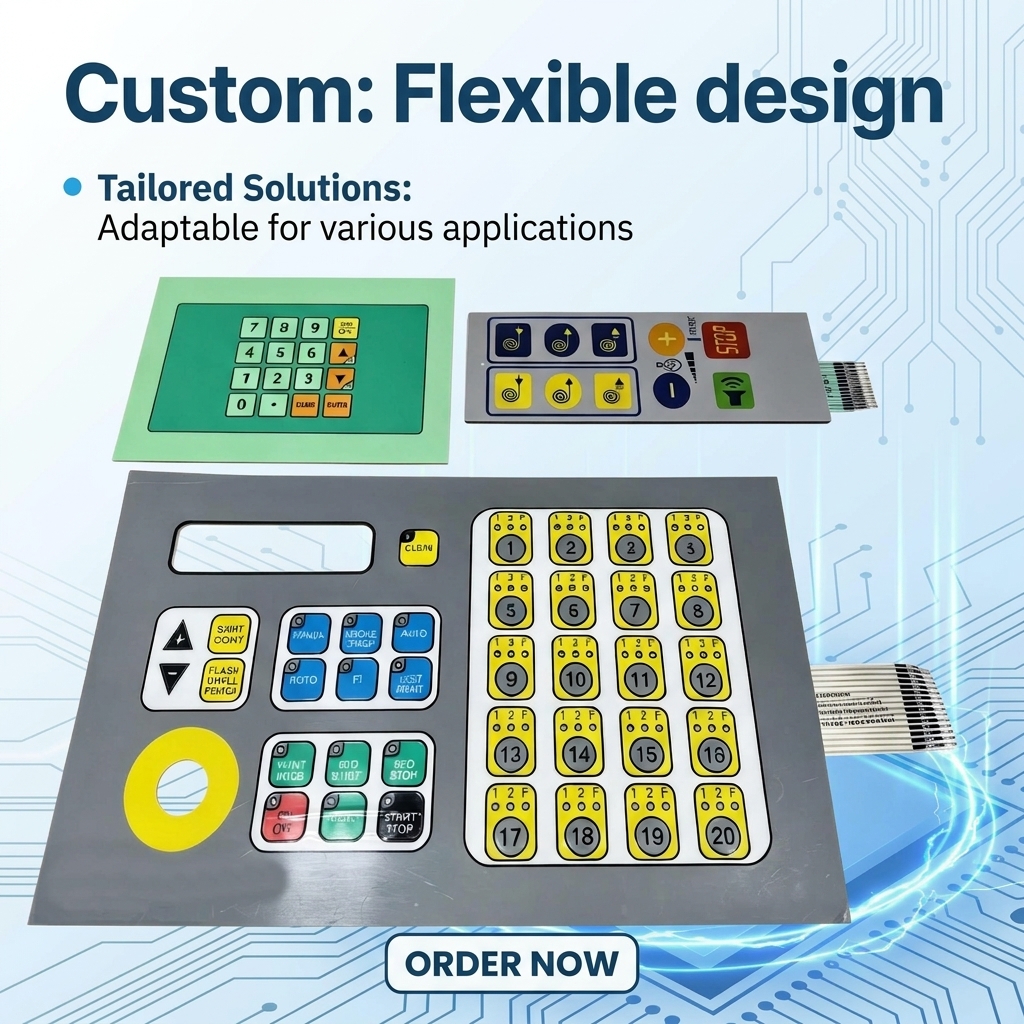
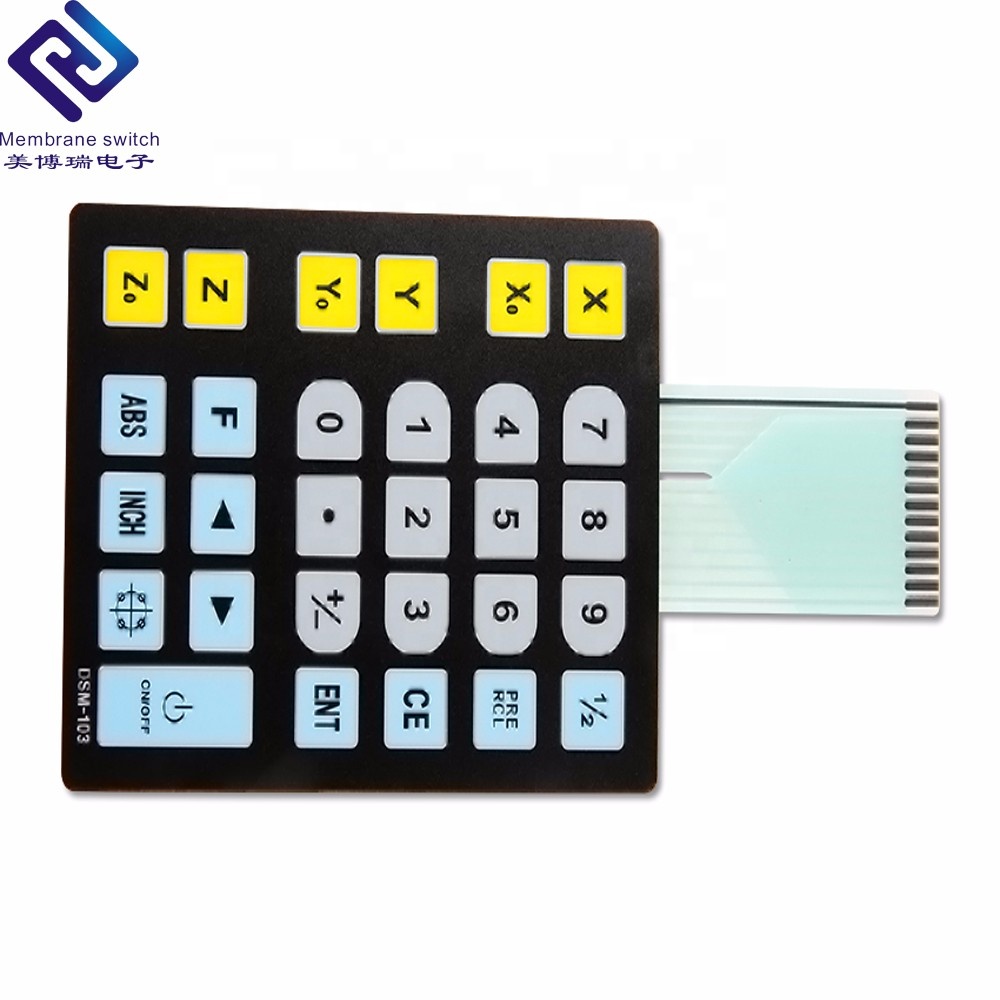
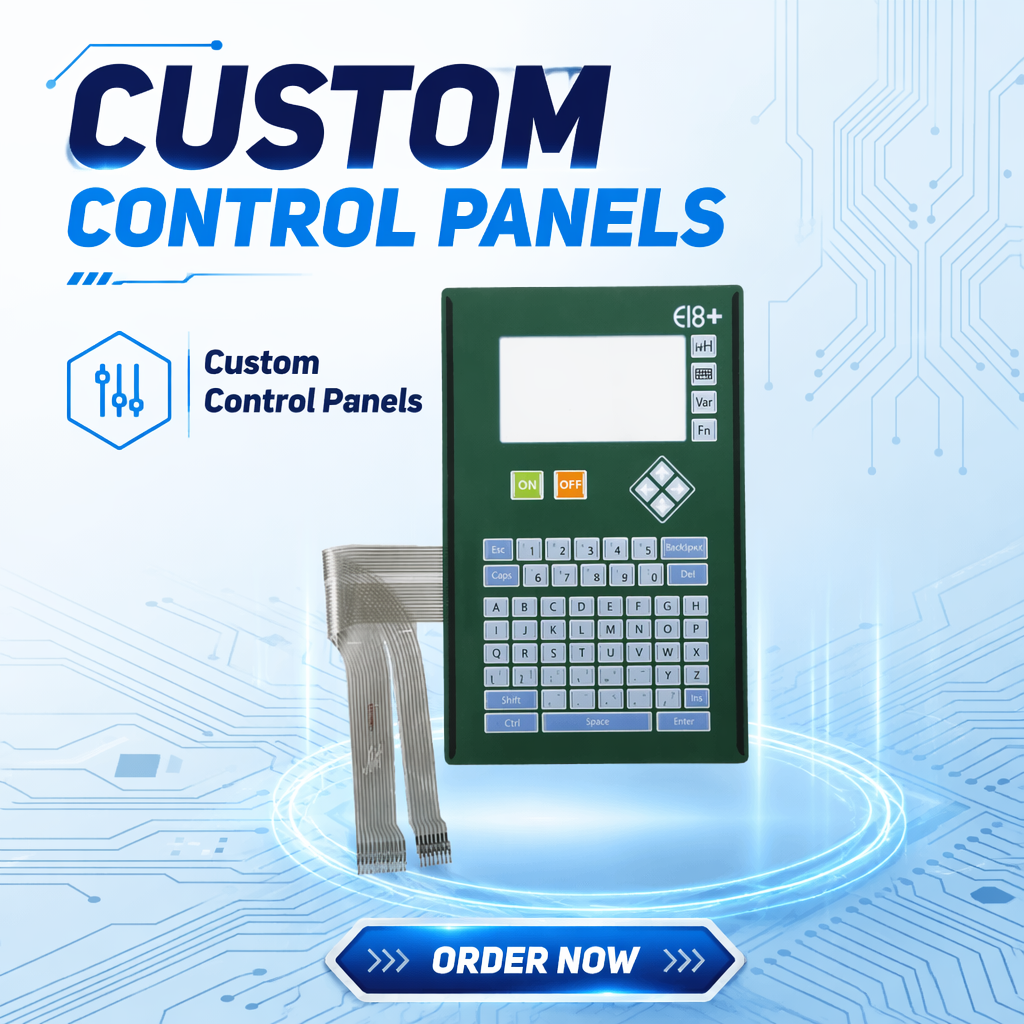
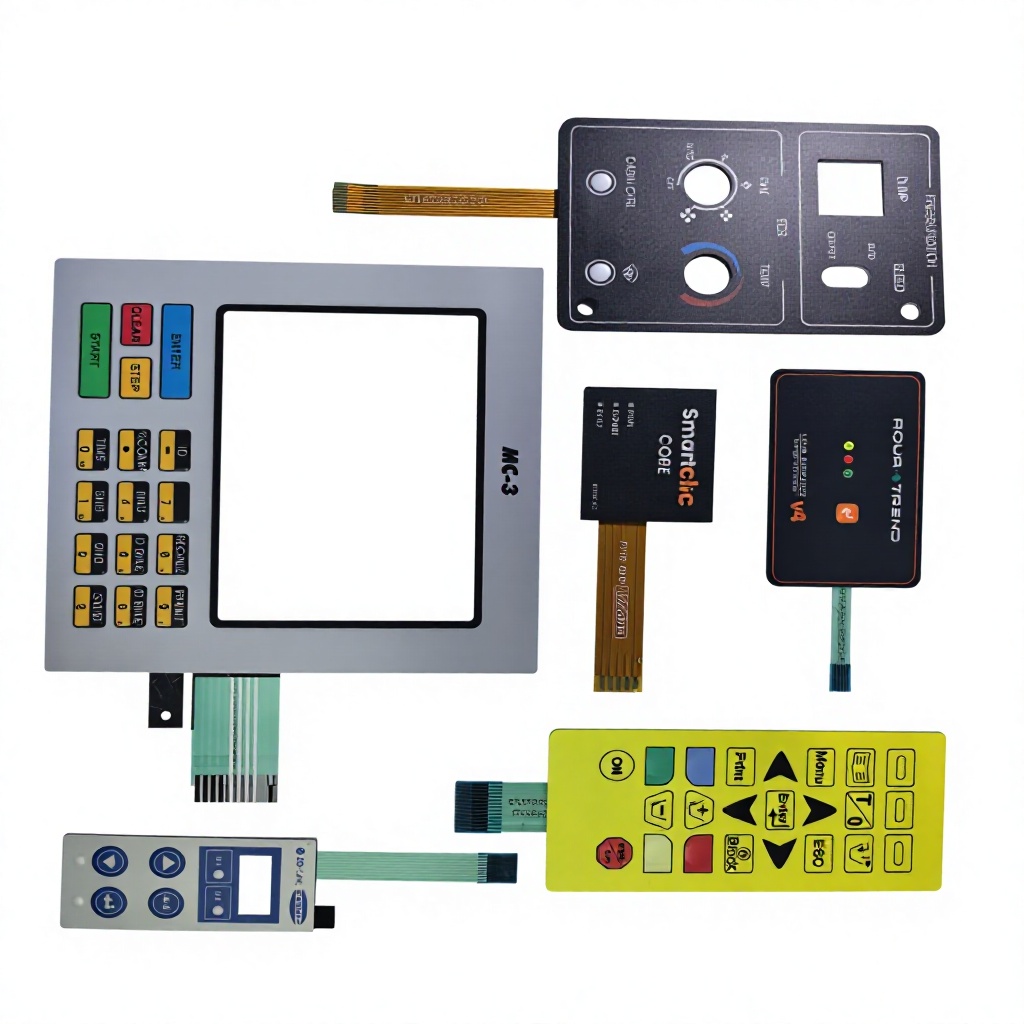
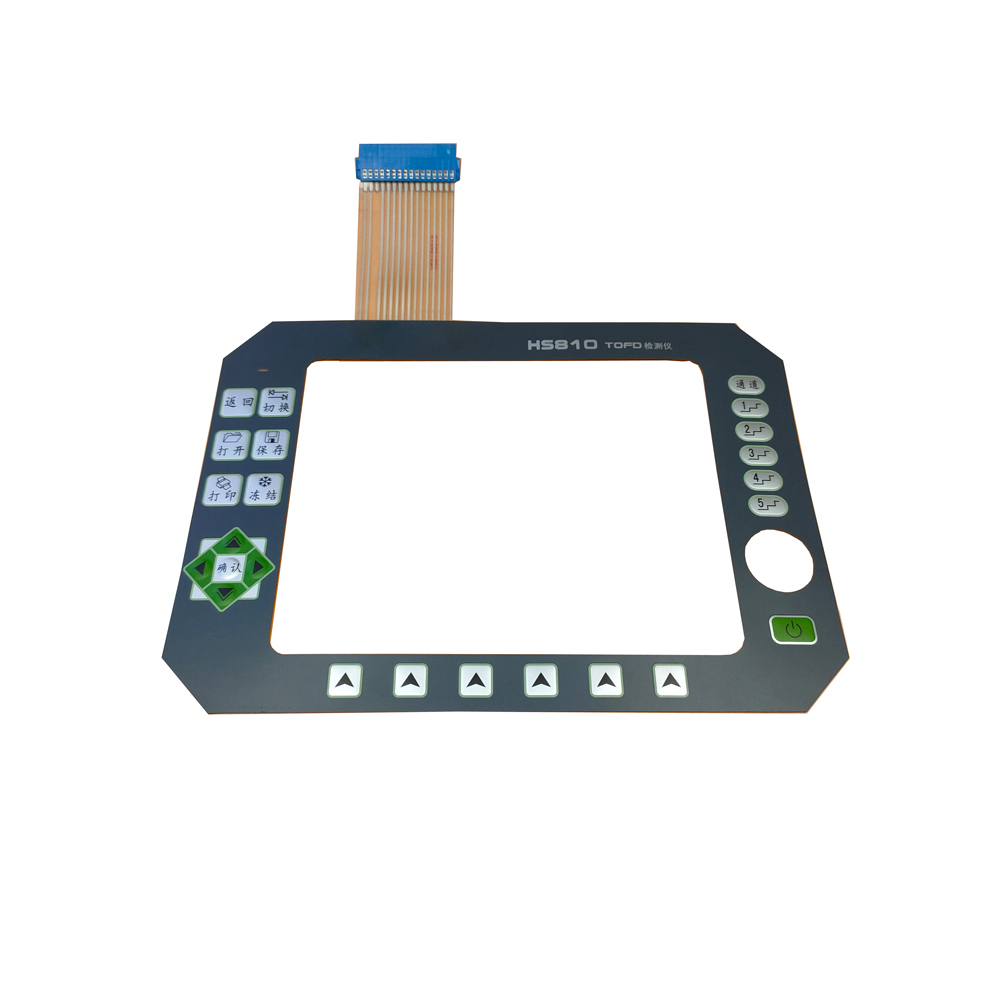
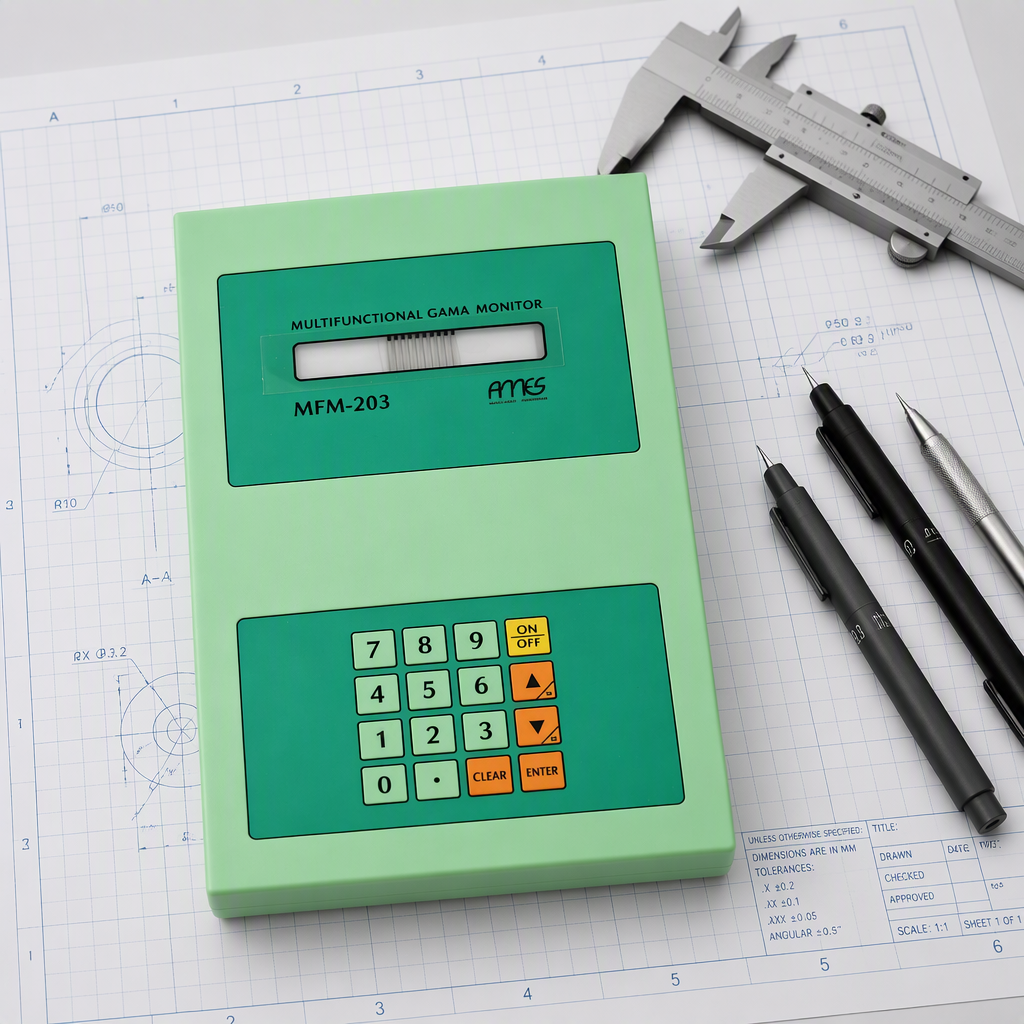
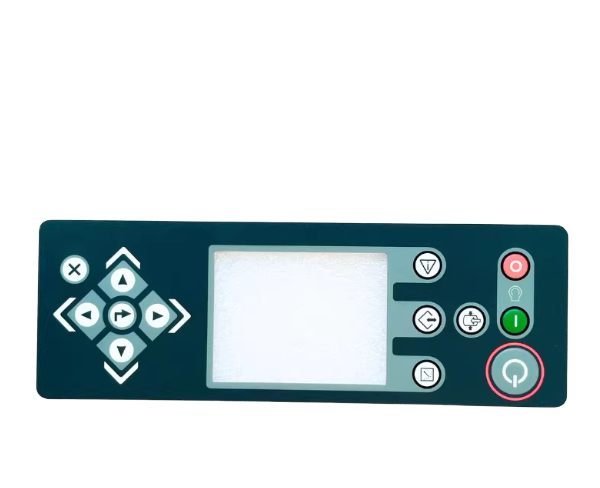
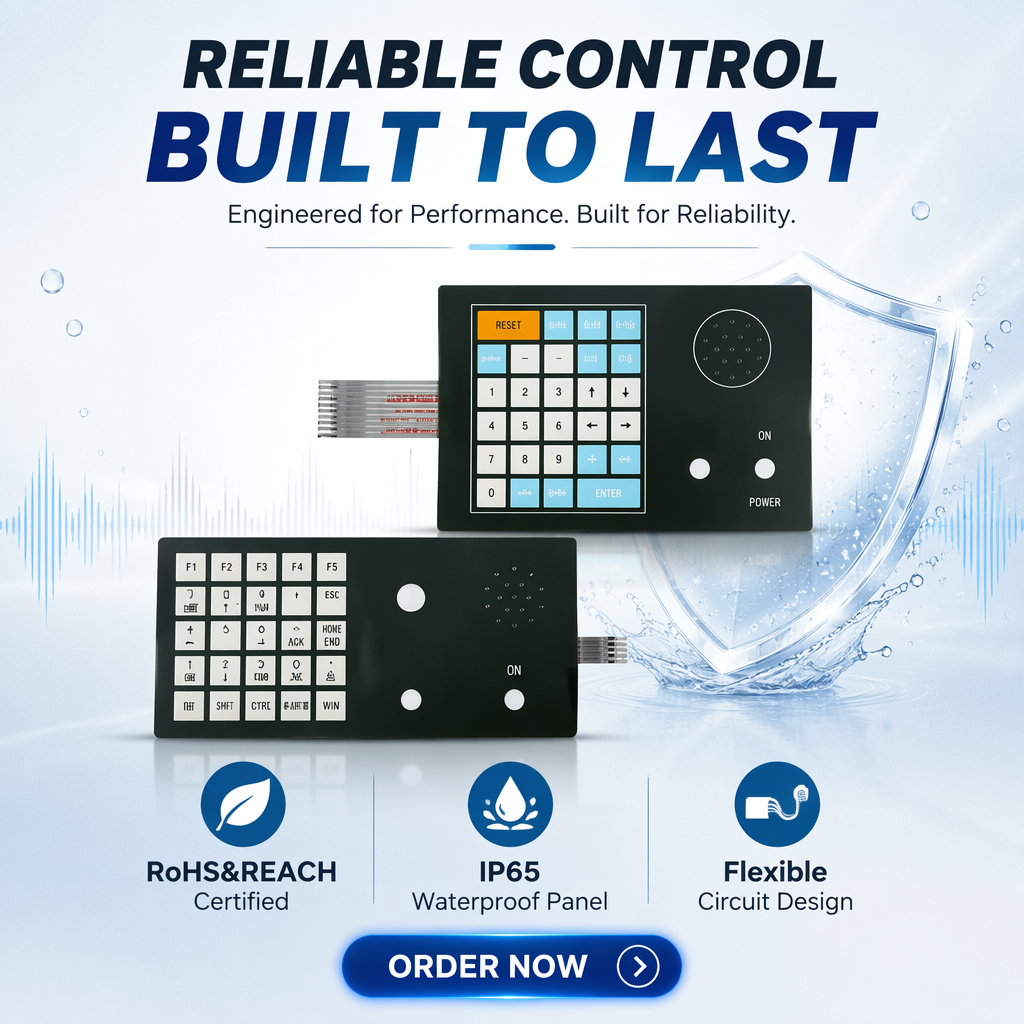
Optical Acrylic (PMMA) Display Windows: Material Physics in Coastal Pacific Climates
For procurement engineers and systems integrators in Airai, selecting the correct optical window substrate is not merely an aesthetic choice—it is a critical reliability calculation against solar yellowing, moisture permeation, and saline degradation.
92.5%+ Luminous Transmittance
Optical grade cast acrylic (polymethyl methacrylate) provides superior light transmission compared to standard soda-lime glass (90%) and polycarbonate (88%). This ensures high readability for LCD, TFT, OLED, and vacuum fluorescent displays under Palau's direct tropical sunlight without washing out visual data.
6H-8H Hard-Coating Protection
Untreated polymers scratch easily under coarse marine sands and frequent wiping. Our acrylic windows are treated with proprietary polysiloxane UV-curable hard coats, reaching pencil hardness ratings of up to 6H-8H, providing extreme resistance to micro-scratches, industrial solvents, and airborne grit.
Optically Clear Adhesive (OCA) Bonding
Air gaps between the protective window and display unit invite internal condensation in environments where relative humidity constantly exceeds 85%. Our cleanroom OCA vacuum lamination eliminates the air gap entirely, preventing internal fogging, eliminating Newton's rings, and boosting impact absorption.
| Substrate Property | Cast Optical Acrylic (PMMA) | Optical Polycarbonate (PC) | Chemically Strengthened Glass | Marine Performance in Airai |
|---|---|---|---|---|
| Total Light Transmittance | 92.5% - 93.0% | 86.0% - 89.0% | 91.0% - 91.8% | PMMA delivers maximum daylight readability without excessive backlight drive. |
| Surface Hardness (Pencil) | Up to 8H (Hard-Coated) | HB - 3H (Hard-Coated) | 9H (Mohs 6-7) | Hard-coated acrylic delivers glass-like abrasion resistance without brittle shattering. |
| UV Solar Weatherability (10 yrs) | No significant yellowing (ΔYI < 1.5) | Susceptible to yellowing (ΔYI > 5.0) | Complete UV stability | PMMA is naturally UV-stable; ideal for outdoor airport and maritime telemetry. |
| Weight Ratio vs. Glass | 0.5x (50% lighter) | 0.52x (48% lighter) | 1.0x (Baseline weight) | Significantly lowers shipping air freight costs to Roman Tmetuchl International Airport. |
| Chemical & Salt-Mist Resistance | High (Hydrophobic, Salt-impervious) | Moderate (Sensitive to esters/alkalines) | Superior | PMMA resists continuous 1000-hour salt fog exposure without surface clouding. |
Tailored Deployment Scenarios Across Airai & Micronesia
Airai occupies a critical logistical and infrastructural crossroads in Palau, housing the nation’s primary international gateway, vital road links across the Japan-Palau Friendship Bridge, and major solar-utility microgrids.
Aviation & Air Logistics Terminals
At Roman Tmetuchl International Airport (ROR), outdoor baggage handlers, runway refueling stations, and outdoor passenger check-in kiosks utilize our anti-glare display windows to ensure high visibility under severe glare, while sealing internal electronics against driving tropical downpours.
Babeldaob Inter-State Fleet Navigation
Commercial vessels, government patrol watercraft, and transport ferries traversing between Airai, Koror, and Peleliu rely on console HMI panels laminated with optical acrylic to endure direct saltwater spray, high wave impacts, and continuous saline moisture without delamination.
Solar Inverters & Microgrid Storage
With Palau's ambitious renewable energy shift, solar inverter substations deployed across Airai's inland terrain demand display covers that endure uninterrupted equatorial solar radiation without thermal warping, acrylic hazing, or internal moisture buildup.
Eco-Tourism & Hospitality Automation
Boutique luxury resorts and conservation dive hubs in Airai require modern, capacitive touch-sensitive front panels with customized silkscreened graphics, providing sleek user experiences that remain immune to wet, sunscreen-coated guest interactions.
Technological Trajectories for Display Windows in Remote Island Infrastructure
Hardware reliability standards are shifting rapidly. As Airai modernizes its municipal water, energy, and transport infrastructure, human-machine interface assemblies are evolving across three critical technical axes.
1. Nano-Scale Multilayer Optical Sputtering
Standard tinting is giving way to multi-layer dielectric anti-reflective (AR) and anti-fingerprint (AF) vacuum deposition. AR coatings reduce ambient surface reflectance from ~4% down to under 0.4%, preserving critical equipment telemetry readability under blinding equatorial midday sun.
2. True Hermetic Sealing via Form-in-Place Gasketing
Simple double-sided pressure-sensitive adhesives fail over extended periods when exposed to tropical cycling. Next-generation acrylic window integration utilizes precision CNC-dispensed polyurethane or silicone gaskets combined with structural 3M VHB bonding, securing certified IP68 water tightness.
3. Hybrid Capacitive-Touch Sensor Integration
Rigid display windows are no longer passive lenses. Modern industrial procurement demands active projected capacitive (PCAP) sensor integration beneath 3.0mm to 5.0mm thick contoured acrylic, allowing gloved, wet-finger operation for rugged industrial and field-service applications.
Proven Engineering Heritage & Advanced Manufacturing Facilities
Founded in 1990, our engineering organization delivers over 30 years of specialized manufacturing capability in membrane switches, flexible circuits, and custom optical acrylic display windows.
Complete In-House Process
From CAD design and optical tooling to screen printing, digital UV flatbed printing, precision embossing, laser die-cutting, cleanroom assembly, and 100% circuit testing—all processes occur under one roof with zero outsourced compromise.
High-Tech Equipment Matrix
Our dual manufacturing plants house 60 CNC mold-making centers, 37 precision silkscreen printing presses, 18 laser-cutting machines, and 4 Mimaki heat-setting digital UV flatbed printers, guaranteeing dimensional tolerances within ±0.05mm.
Rigorous Climatic & Salt Testing
Every batch is validated inside programmable temperature and humidity chambers, xenon lamp aging chambers (simulating 5+ years of intense solar UV), and automatic salt-fog corrosion chambers to guarantee non-stop Pacific marine reliability.
European Technical Partnership
Operating under an ISO 9001 certified and Intertek-assessed quality management framework, we maintain ongoing technical collaborations with German engineering partners, serving tier-one global industrial buyers including ABB and Siemens.
Frequently Asked Questions for Airai Procurement & Engineering Teams
Essential information for local project managers, OEM engineers, and maintenance directors sourcing custom display windows and HMI assemblies for delivery to Airai, Palau.
Q: What engineering files are required to manufacture custom acrylic display windows?
We accept mechanical CAD files in DXF, DWG, or STEP format for edge beveling, step cuts, and sensor cutouts. For printed graphics, colored borders, or dead-front iconography, please supply vector artwork in Adobe Illustrator (.AI), PDF, or CDR format with exact Pantone or RAL color references.
Q: How do your acrylic display windows perform against Airai's high marine salinity?
Our optical cast acrylic windows and front overlays undergo ASTM B117 salt spray testing for upwards of 1,000 hours in automated chambers. Unlike metals or substandard plastics that pit or oxidize, our polysiloxane coated PMMA remains completely transparent and structurally inert against airborne ocean salt mist.
Q: What are the typical lead times and shipping logistics to Roman Tmetuchl International Airport?
Rapid engineering prototypes are completed and dispatched within 5 to 7 working days. Production volumes typically require 12 to 18 business days. For shipments to Airai, we utilize priority express air freight (via DHL, FedEx, or UPS air connections directly into ROR) or coordinated consolidated ocean freight for larger manufacturing runs.
Q: Can you integrate dead-front printing and LED light-guide diffusion?
Yes. We specialize in precision "dead-front" silkscreen printing where icons, text, or warning indicators remain invisible against the black or tinted acrylic surface until back-illuminated by integrated LEDs or light guide films (LGF), creating a clean, modern aesthetic.
Q: What is the Minimum Order Quantity (MOQ) for custom project builds?
To support prototyping, research initiatives, and equipment refurbishment in smaller island industrial contexts, we offer flexible low-MOQ policies compared to traditional high-volume producers, accommodating initial pilot batches from as low as 50 to 100 units.
Q: How do you prevent condensation between the display panel and the acrylic lens?
We provide full OCA (Optically Clear Adhesive) vacuum lamination services within our Class 10,000 cleanrooms. By replacing the air chamber between the LCD/OLED module and the acrylic cover with solid refractive-index-matched optical polymer, moisture penetration and fogging are 100% prevented.
Request Detailed Specifications & Engineering Consultation
Accelerate your next HMI, optical window, or membrane switch deployment in Airai with custom material recommendations, design-for-manufacturing (DFM) reviews, and transparent factory direct pricing.