4*4 / 3*4 Matrix
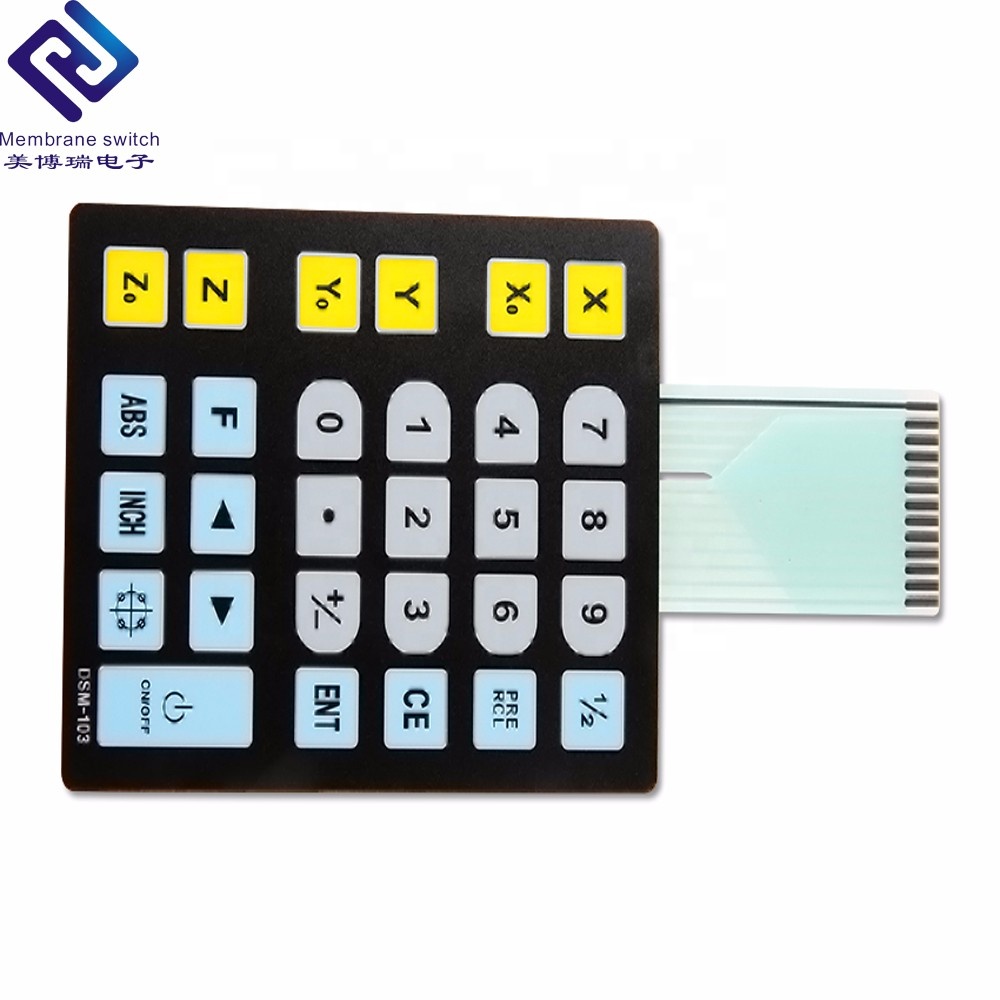
Factory Membrane Switch Keypad with Rubber Buttons MCU Expansion Electronic Keyboard
Snap Ratio 40-60%
Low Contact R
Shore 50A
Engineered for extreme operating environments, certified tactile feedback, and complete environmental sealing. Fully customizable with conductive carbon pills, low-resistance gold contacts, and IP65–IP68 barrier integration.
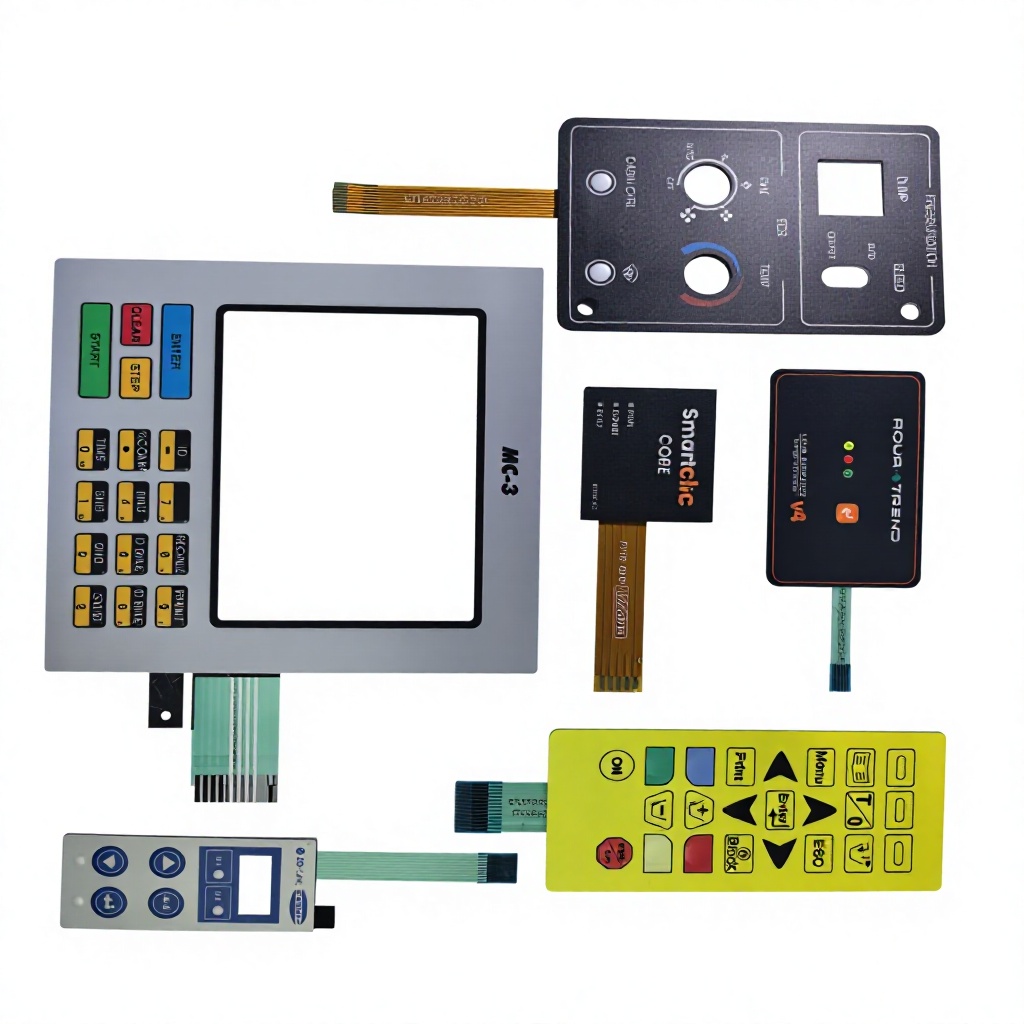
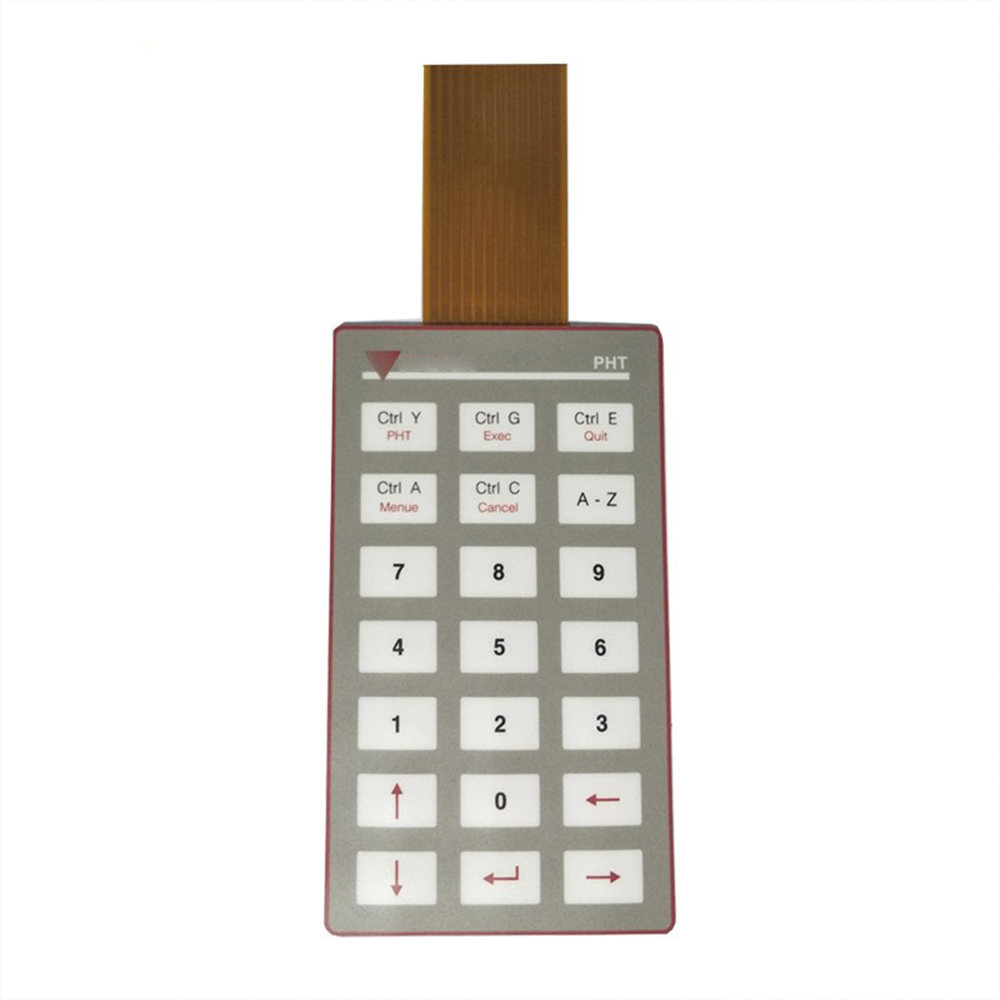
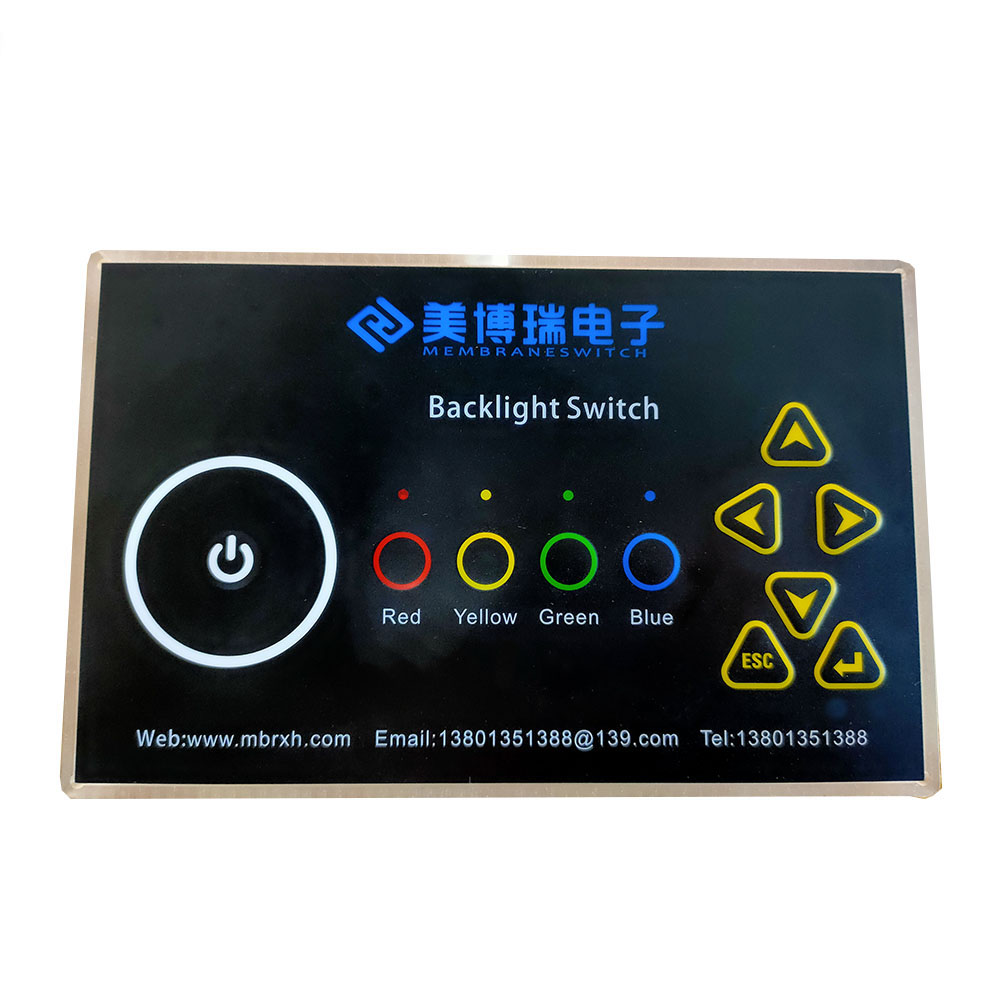
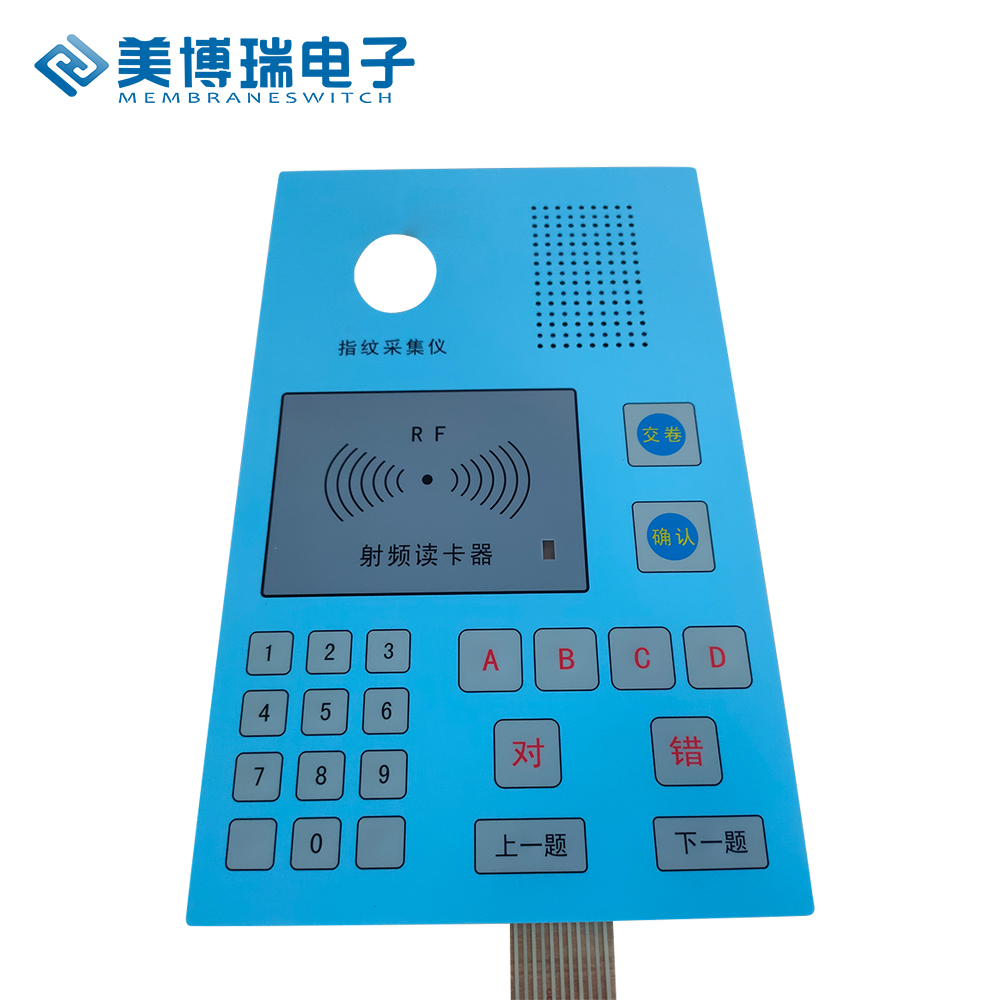
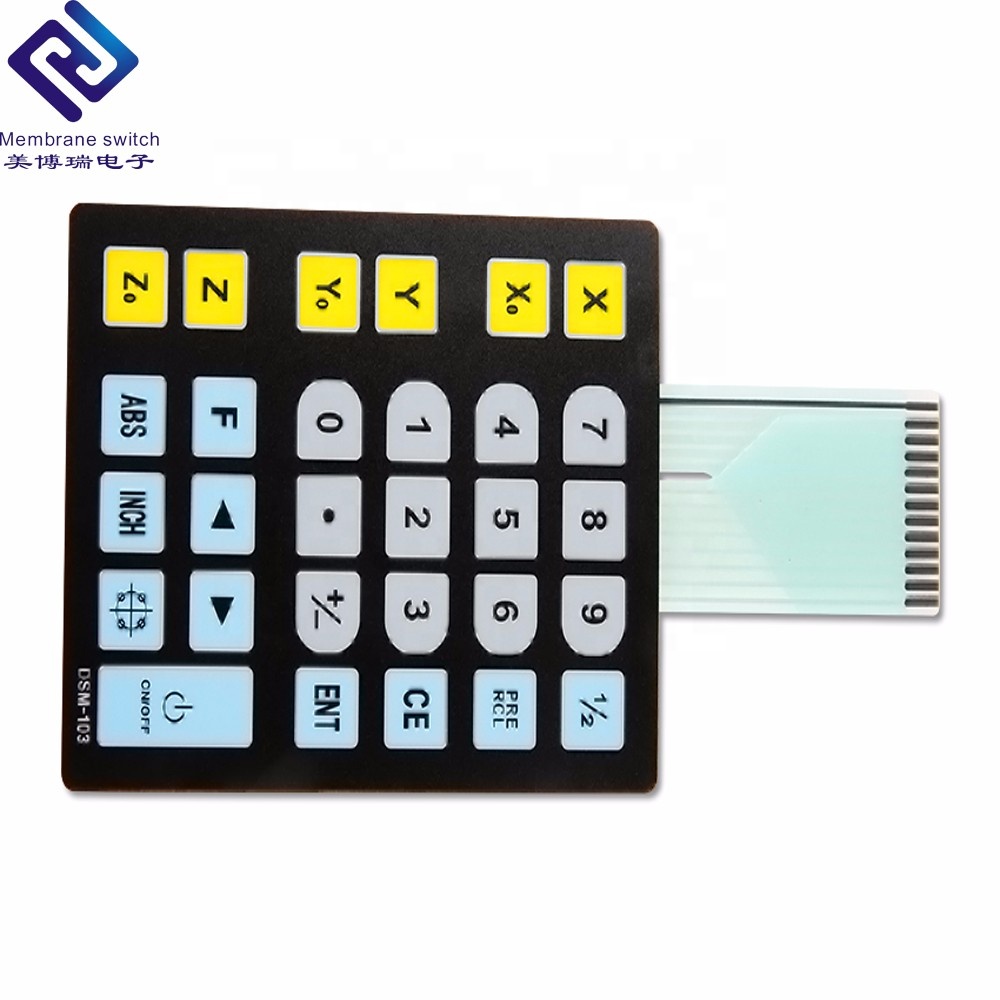
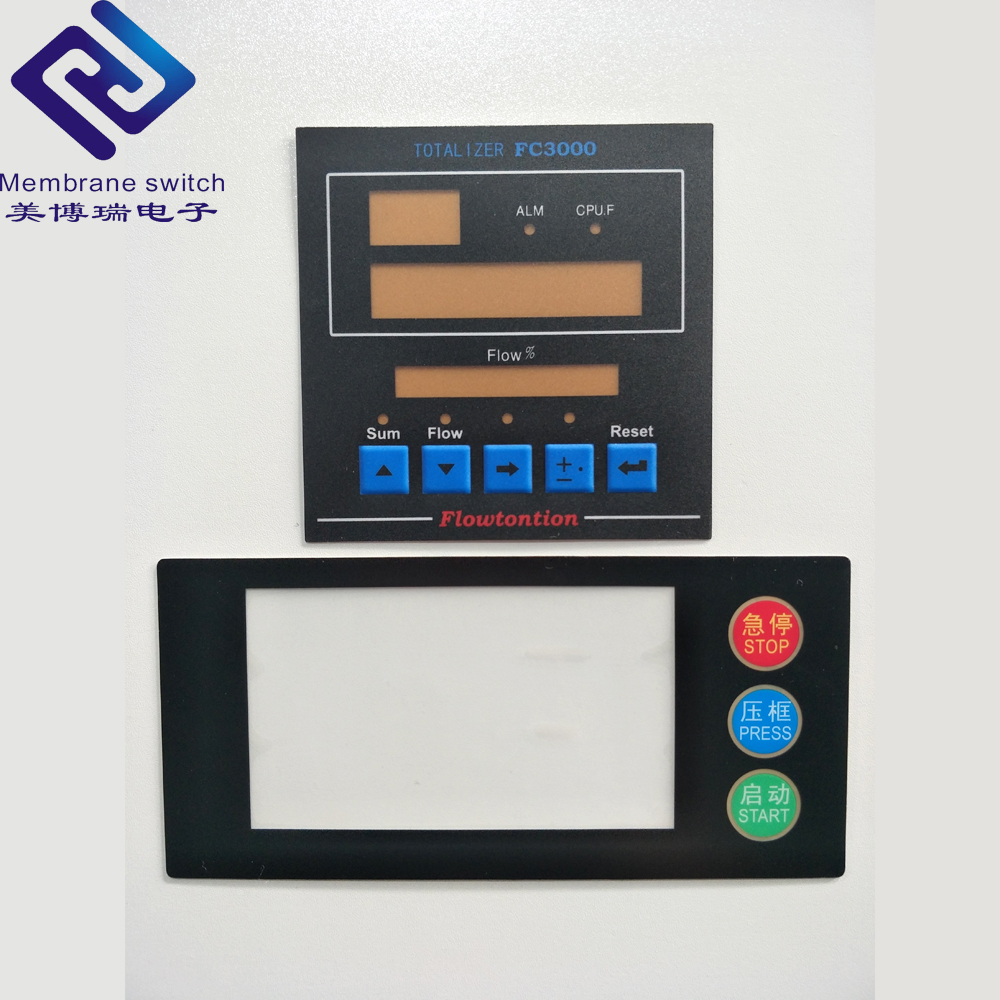
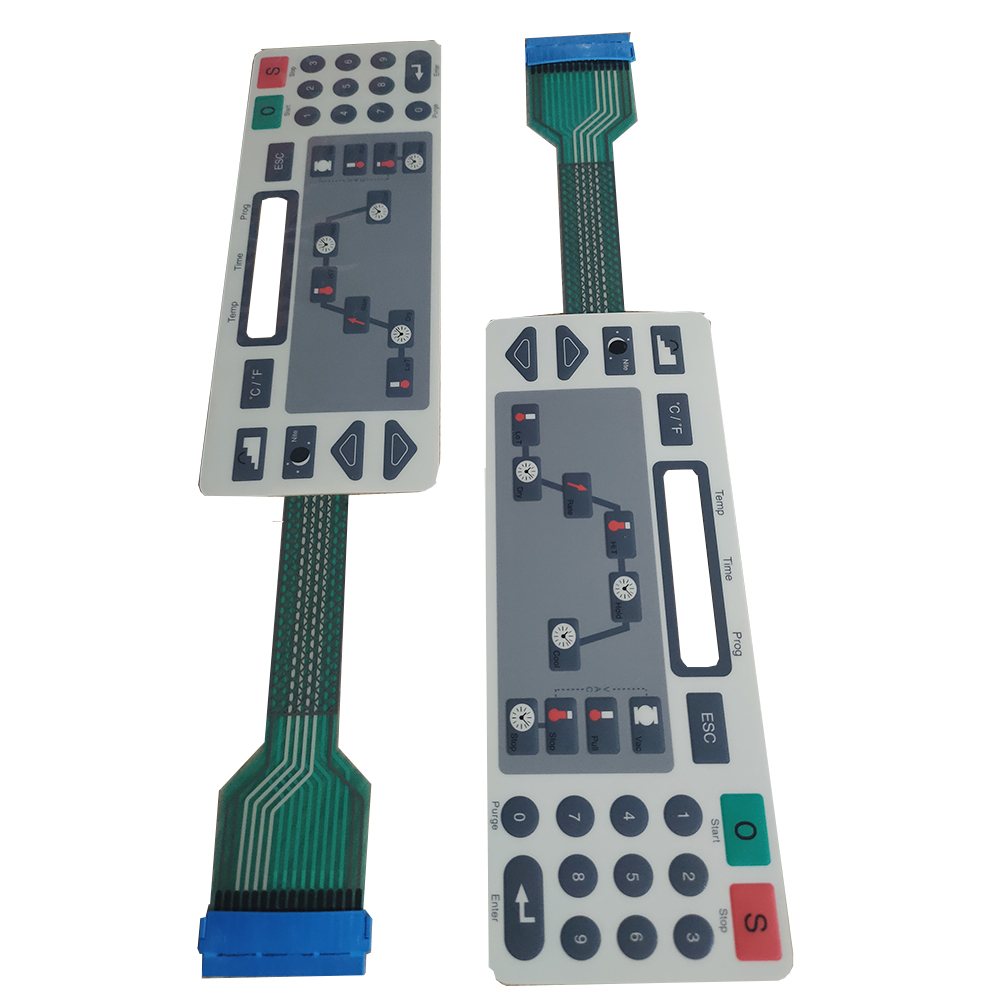
The Swiss manufacturing sector—internationally synonymous with micro-precision, medical diagnostics, laboratory analysis, and ruggedized alpine instrumentation—demands Human-Machine Interface (HMI) components capable of continuous mechanical predictability. For Swiss original equipment manufacturers (OEMs), procuring conductive rubber keypads is not simply an exercise in sourcing molded silicone; it represents an exacting exercise in electromechanical tolerances, tactile calibration, Shore A hardness control, and chemical resistance against harsh sterilization or industrial reagents.
As a seasoned custom manufacturer with production heritage tracing back to 1990, TAVO Electronic Information Technology Co., Ltd. serves Swiss engineering hubs across Zurich, Basel, the Jura Arc, and St. Gallen. By combining captive mold fabrication, cleanroom liquid silicone rubber (LSR) injection, compression molding, and full electrical integrity verification, we bridge the gap between cost-effective volume manufacturing and uncompromising Swiss quality criteria (ISO 9001 and Intertek-verified).
Every high-performance elastomeric keypad starts with compounding. Using 100% RoHS and REACH-compliant high-tear-strength polydimethylsiloxane, our engineers formulate custom silicone blends ranging from 30 to 70 Shore A durometer. Durometer uniformity across multi-cavity tooling is held within ±3 Shore A to guarantee uniform tactile feel across all key locations—an essential requirement for medical surgical displays and precision calibration instruments where erratic actuation forces can induce operator fatigue or command errors.
The actuation profile is dictated by the geometry of the silicone webbing. Our engineering team utilizes finite element analysis (FEA) to calculate the non-linear buckling response of the elastomeric dome. By tweaking the wall angle (typically 42° to 58°), dome thickness, and return skirt design, we precisely engineer the Snap Ratio (tactile click feel):
Snap Ratio (%) = [(Actuation Force (Fa) - Contact Force (Fc)) / Actuation Force (Fa)] × 100
For Swiss industrial control consoles, a pronounced snap ratio of 50% to 65% provides positive tactile feedback even through heavy industrial work gloves, eliminating the need for acoustic buzzers in noise-intensive workshop floors.
The interface between the silicone dome and the PCB/FPC trace defines electrical longevity. TAVO integrates two primary conductive technologies:
| Electromechanical Parameter | Standard Commercial Grade | TAVO Swiss-Grade Specification | Validation Protocol |
|---|---|---|---|
| Actuation Force Range | 50g – 450g (±30g) | 30g – 600g (±10g Precision) | Force-Displacement Tester |
| Operating Life Span | 500,000 Actuations | 1,000,000 to 5,000,000 Cycles | Automated Life-Cycle Stroker |
| Contact Resistance (Carbon Pill) | < 200 Ω | < 20 Ω (Stable over 3M cycles) | Four-Wire Kelvin Measurement |
| Contact Bounce Time | < 20 ms | < 5 ms (Debounce Optimized) | Digital Storage Oscilloscope |
| Dielectric Breakdown | 2.0 kV / mm | ≥ 18.0 kV / mm | ASTM D149 Dielectric Chamber |
| Operating Temperature | -20°C to +60°C | -45°C to +180°C (Cryo / Steam Proof) | Programmable Thermal Chamber |
In high-usage Swiss pharmaceutical packaging machines or laboratory centrifuges, keypads are exposed to repeated wipes with aggressive disinfectants such as isopropanol, ethanol, sodium hypochlorite, and quaternary ammonium compounds. Bare silicone print wears rapidly under chemical friction.
TAVO resolves this through advanced secondary finishing technologies. We apply proprietary Polyurethane (PU) Matte/Gloss spray coatings or UV-cured epoxy coats over silk-screened legends. For night-shift operations or dimly lit diagnostic rooms, we offer dual-molded translucent silicone with an opaque outer color coat, selectively ablated via precision Nd:YAG fiber laser engraving. When paired with surface-mount LEDs or Light Guide Film (LGF) sub-layers, our assemblies provide uniform, halo-free key legends with infinite color variants.
Tailored to the exacting compliance frameworks, environmental stresses, and user-experience benchmarks of Switzerland's premier innovation ecosystems.
Antimicrobial-infused liquid silicone surfaces resistant to daily hospital autoclaving, IPA wipes, and aggressive disinfectant washdowns. Integrated with sealed tactile domes for fail-safe blood analyzer consoles and surgical robotics.
Oil-proof, coolant-resistant silicone rubber interfaces configured with internal metal backers and EMI/ESD shielding grids. Withstands perpetual machine tool vibrations and abrasive metal particulate contact.
Engineered for extreme sub-zero thermal cycling (-45°C) without rubber embrittlement or snap-ratio loss. Tested under harsh salt spray and atmospheric humidity for locomotive switchboards and military telemetry equipment.
Capacitive touch hybrid assemblies and back-printed graphic overlays laminated with conductive silicone buttons. IP67 ingress ratings ensure total gas and moisture exclusion in chemical plants and cleanrooms.
How progressive Swiss procurement directors and R&D engineers are evolving their human-machine interface requirements.
Swiss hospitals and cleanrooms are phasing out open mechanical pushbuttons prone to bacterial traps. Conductive silicone keypads with seamless flush bezels and laser-etched dead-front illumination provide sterile wipe-down compliance.
Rather than choosing between a flat membrane switch or a bulky mechanical keyboard, Swiss design bureaus increasingly mandate hybrid structures: molded silicone keycaps bonded directly to flexible copper FPC circuits with metal domes.
With Switzerland closely harmonizing with EU chemicals policy (ChemO) and RoHS/REACH directives, Swiss importers reject any silicone containing volatile plasticizers, lead, or toxic vulcanization residues. Our verified raw materials guarantee frictionless customs processing.
Over 30 years of end-to-end technical mastery, dual-site production security, and long-standing German manufacturing technical cooperation.
ISO 9001 certified operations with technical methodology benchmarked through ongoing collaboration with German membrane and silicone experts.
Detailed answers covering tooling investments, sample lead times, tactile snap ratio testing, and customs formalities.
Prototype tooling typically requires 10 to 14 working days, whereas multi-cavity hardened-steel production molds (capable of 500,000+ pressings) take 18 to 22 working days. Prototype mold costs are significantly lower than standard European rates, and tooling fees are routinely amortized or refunded once baseline annual delivery volumes are achieved.
We mandate high-precision CNC tool steel machining with electrode EDM tolerances held to ±0.01mm. Every incoming silicone compound lot is tested for rheology and durometer. During production, samples from each cavity undergo automated force-displacement curve plotting to guarantee actuation force and snap ratio consistency across every switch position.
Yes. We match specified Pantone Matching System (PMS) and RAL color codes with precision color spectrophotometers under standard D65 illumination. Translucent silicone substrates can be precisely tinted for diffusion, and multi-color keypads are molded through secondary cavity inserts or masked multi-pass spraying.
Shipments destined for Swiss cantons include complete commercial invoices with verified HS codes (e.g., 8537.10 / 8538.90), packing lists, Certificate of Conformity (CoC), material RoHS 3 / REACH SVHC declarations, and detailed dimensional/electrical First Article Inspection Reports (FAIR) based on IPC standards.
Absolutely. We manufacture either standalone molded rubber keypads with custom conductive carbon/gold contact pills or deliver complete turnkey assemblies including rigid FR4 PCB backers, flexible polyimide (FPC) circuits, surface-mount LEDs, and custom aluminum mounting backplates ready for direct chassis drop-in.
Recognizing the high-mix, low-to-medium volume nature of specialized Swiss instrument engineering, TAVO maintains flexible MOQ structures. We actively support initial engineering prototypes and pilot batches (50 to 500 units) to accelerate validation testing before committing to large-scale mass manufacturing.
Connect with our technical engineering group today. Send your 2D/3D CAD models, circuit requirements, and target tactile specifications for an immediate DFM manufacturability evaluation and competitive quotation.