Certified Flexible Printed Circuit & Membrane Interface Assemblies
Engineered specifically for harsh UK industrial environments, offshore instrumentation, advanced medical diagnostics, and next-generation British consumer appliances.
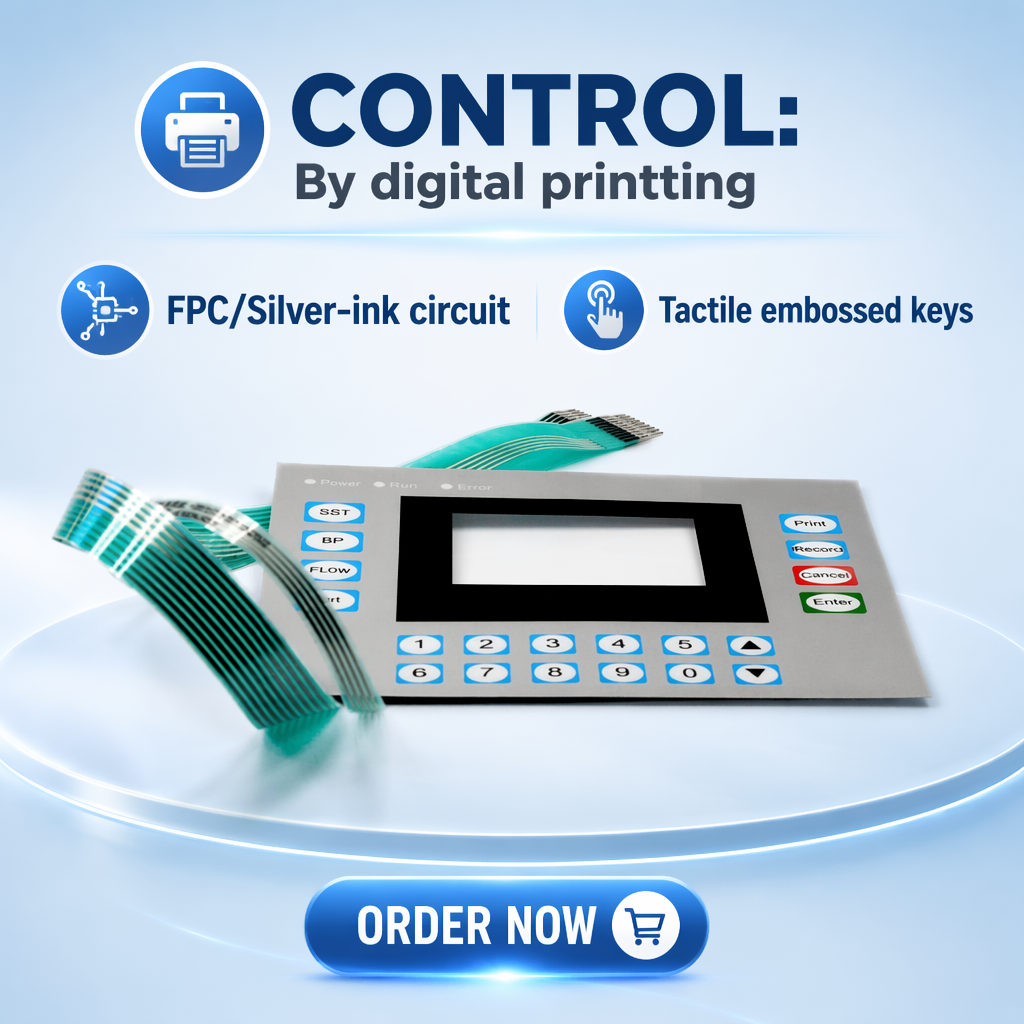
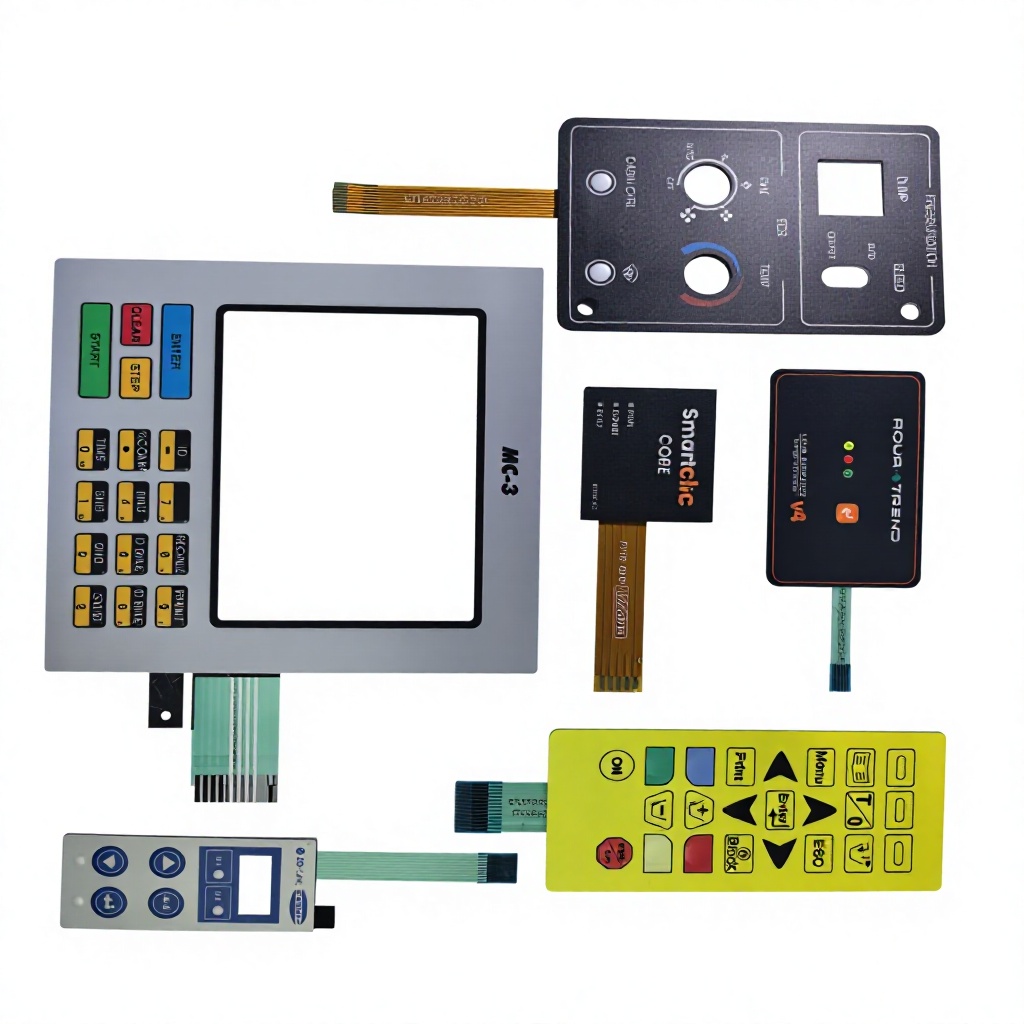
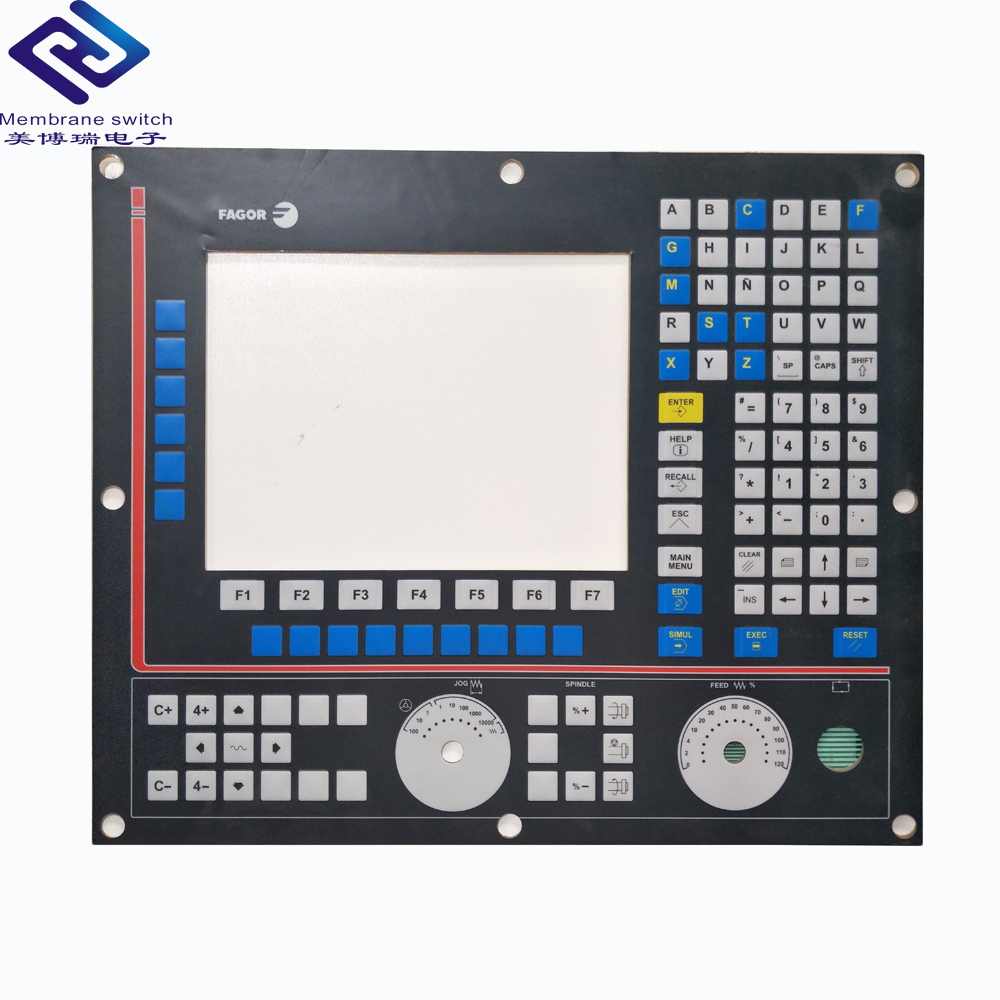
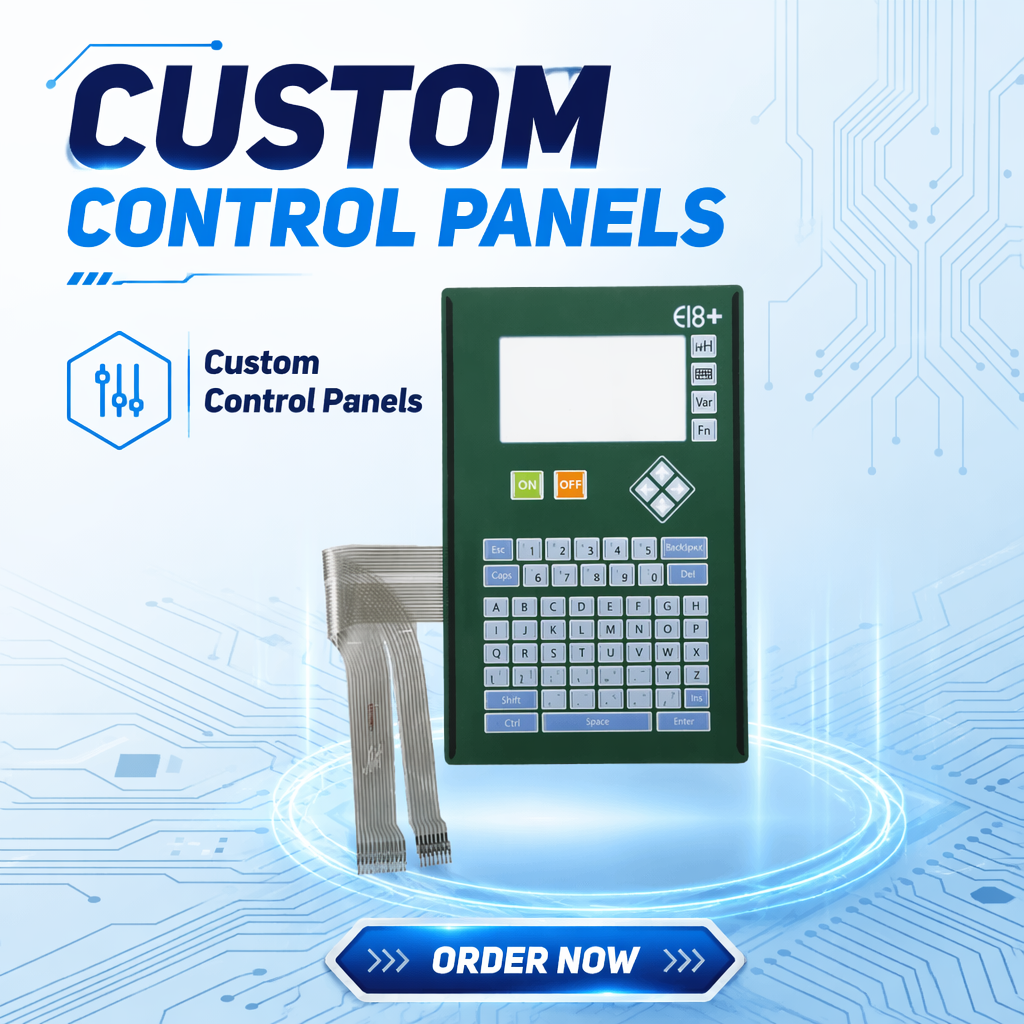
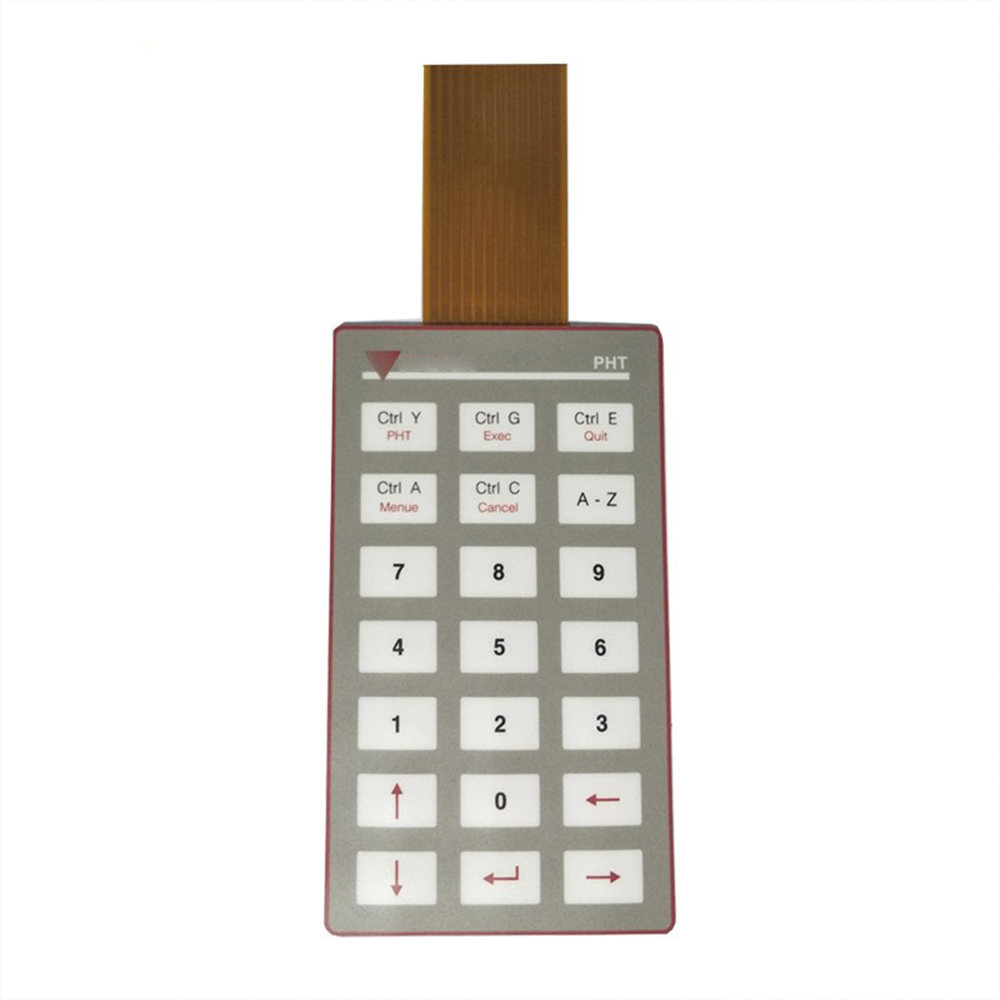
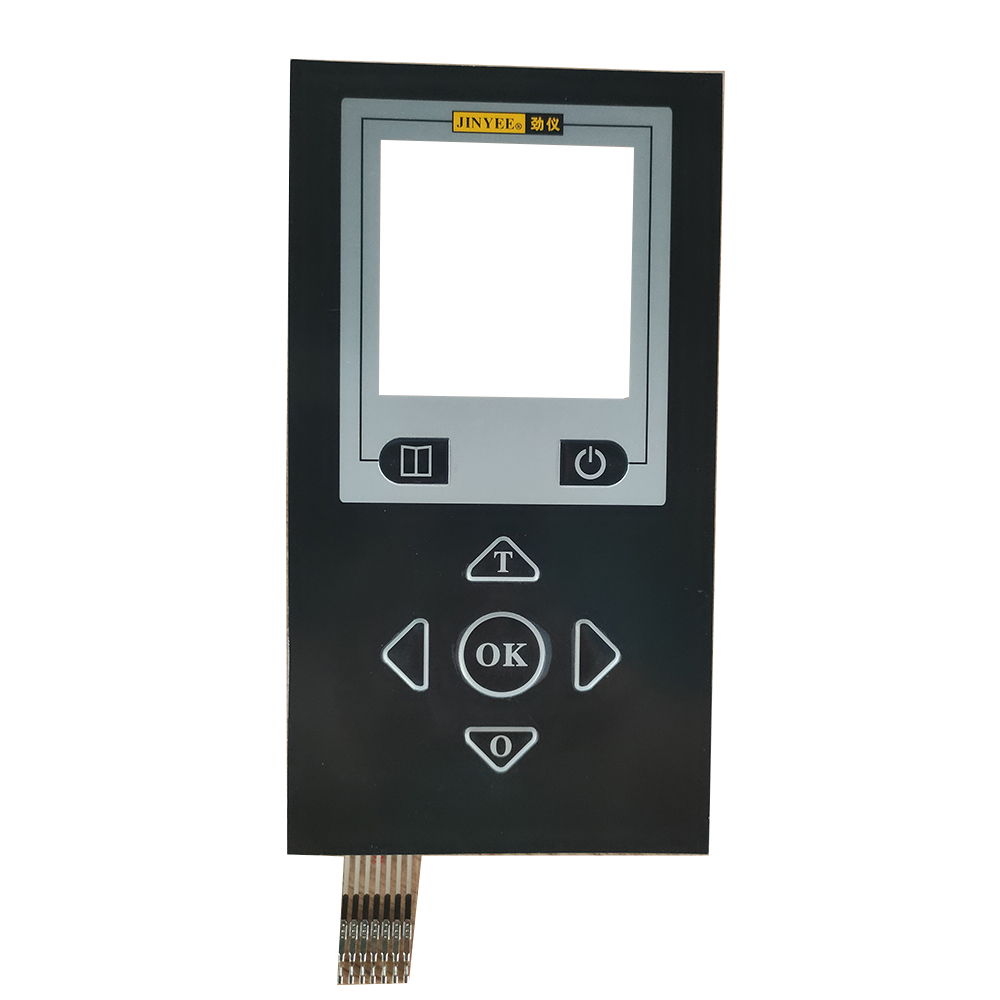
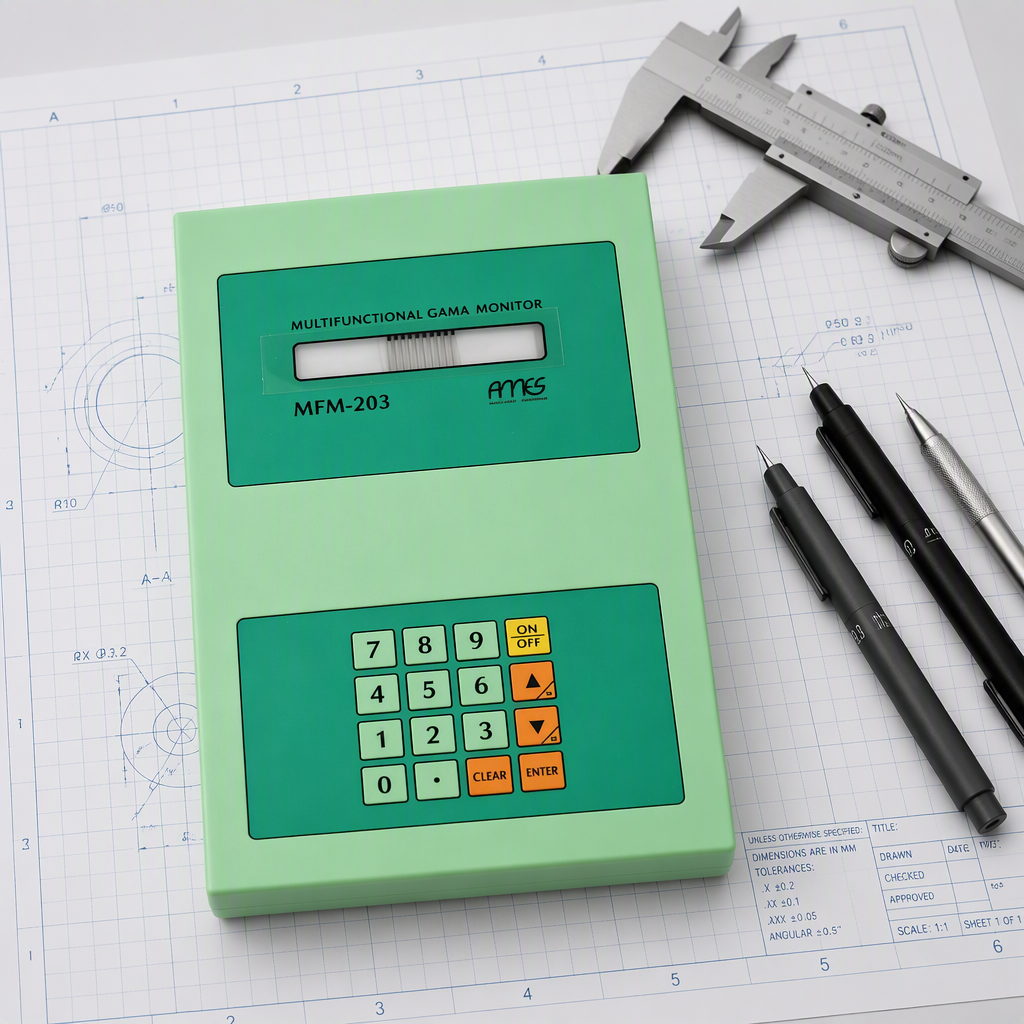
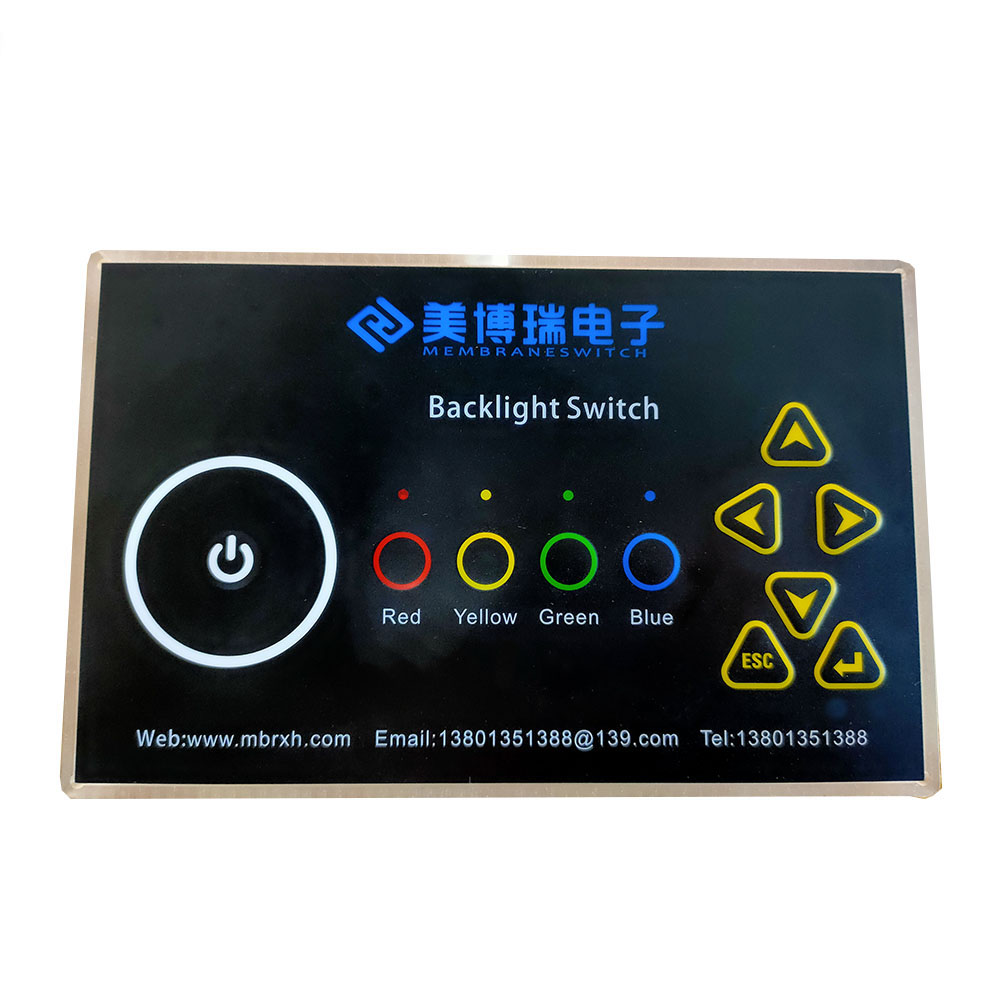
Why UK OEMs Are Migrating to Copper Flexible Printed Circuit (FPC) Switches
Within the British advanced manufacturing sector—spanning medical devices around the Oxford-Cambridge Arc, aerospace avionics in Filton and Farnborough, and high-precision automation throughout the West Midlands—human-machine interface (HMI) reliability determines operational safety and warranty performance. For decades, conventional membrane switches relied heavily on screen-printed silver conductive ink on polyethylene terephthalate (PET) films. While cost-efficient for consumer grade appliances, silver-ink architectures present fundamental physical limitations when subjected to dynamic mechanical flexion, severe thermal cycling, and high-density electronic component loading.
Flexible Copper Printed Circuit (Copper FPC) switches eliminate these vulnerabilities by substituting screen-printed conductive paste with rolled-annealed (RA) or electro-deposited (ED) electrolytic copper foil laminated to a thermally stable polyimide (PI / Kapton®) dielectric film. This engineering paradigm shift allows UK design engineers to construct switches capable of operating in corrosive maritime atmospheres, explosive ATEX environments, and sterile hospital theatres where micro-volt signal consistency is critical.
Comprehensive Engineering Specification Comparison: Copper FPC vs. Printed Silver PET
| Engineering Attribute | Copper Flexible Printed Circuit (FPC) | Traditional Silver Conductive Ink (PET) | Significance for UK Technical Standards |
|---|---|---|---|
| Conductor Base Material | 0.5 oz, 1 oz, or 2 oz Rolled-Annealed (RA) / ED Copper | Polymer thick film (PTF) silver conductive paste | IPC-6013 Class 2 & 3 flex performance compliance |
| Dielectric Core Substrate | Polyimide (PI / Kapton®) 12.5 μm to 50 μm thickness | Polyethylene Terephthalate (PET) 75 μm to 125 μm | Temperature tolerance up to 260°C (lead-free reflow compliant) |
| Minimum Conductor Pitch | 0.3 mm (Ultra-fine trace capability down to 0.1 mm) | 1.0 mm to 2.54 mm standard mechanical limit | Permits micro-pitch ZIF (Zero Insertion Force) board connection |
| Trace Circuit Resistance | < 0.05 Ω / sq (Negligible voltage attenuation) | 15 Ω to 100 Ω (Increases with trace path length) | Essential for precision medical sensors & high-brightness LEDs |
| Component Soldering (SMT) | High-yield automated reflow & wave soldering capability | Requires conductive epoxy adhesive (curing prone to shear) | Drastically lowers field failure rates under vibration testing |
| Silver Migration Immunity | 100% immune (Electrochemical silver dendrite growth eliminated) | Susceptible under high humidity and sustained DC voltage bias | Mandatory for wet UK outdoor & subsea North Sea deployment |
| Dynamic Mechanical Flex Life | Exceeds 10,000,000 actuation cycles without fracture | Typically 1,000,000 to 2,000,000 cycles before fatigue | BS EN 60068-2 mechanical vibration and endurance verified |
Localized Application Scenarios Across UK Key Sectors
From rugged offshore drilling platforms in the North Sea to ISO 13485 medical cleanrooms, our custom copper FPC switches integrate seamlessly into the UK supply chain.
Offshore Energy & Marine Subsea
Exposed to continuous saline mist, moisture ingress, and hydrocarbon exposure. Sealed with IP67/IP68 perimeter silicone beads, gold-plated FPC finger connectors, and UV-stabilized Autotex® polyester graphic overlays that endure harsh Scottish marine climates.
- Zero risk of conductive dendrite shorting
- Hermetic 3M 300LSE adhesive bonding
Medical Diagnostics & Laboratory
NHS hospital environments and Cambridge biotech incubators demand chemical antimicrobial surfaces resistant to hospital-grade disinfectants (IPA, bleach, and quaternary ammonium) combined with tactile feedback metal domes for confident clinician input.
- Microban® antimicrobial overlay option
- Integrated backlighting for dim ICU rooms
Industrial Robotics & Rail Vehicles
High-speed rail cabins, factory teach pendants, and heavy machinery operating in the Midlands require ruggedized interfaces immune to electromagnetic interference (EMI/EMC) caused by high-power electric drives and variable frequency inverters.
- Solid copper ground plane shielding
- Rigid aluminum backer integration
Avionics & Advanced Defense Tech
High thermal cycling resistance from -40°C to +85°C with polyimide core stability. Micro-profile tactile keys equipped with gold-plated stainless steel domes ensure crisp tactile feedback even when operated by technicians wearing heavy flight or protective gloves.
- MIL-STD vibration & shock verified
- IPC-A-610 Class 3 soldering reliability
Navigating the UK Market: Trends & Compliance Frameworks
Post-Brexit supply chains demand rigorous adherence to UK conformity assessments, ESG circularity guidelines, and modern miniaturisation mandates.
UKCA & CE Dual Certification Compliance
Following regulatory updates in Great Britain, OEMs require verified documentation under both UKCA (UK Conformity Assessed) and CE regimes. Our manufacturing documentation provides full material disclosure, certificates of conformity (CoC), and testing dossiers ensuring swift customs clearance through Heathrow, Southampton, and Felixstowe.
- UK Electromagnetic Compatibility Regulations 2016
- BS EN 61000-6-2 & BS EN 61000-6-4 EMC testing
Strict UK REACH & RoHS SVHC Restrictions
The UK Health and Safety Executive (HSE) enforces strict substance prohibitions. Our copper FPC switches utilize lead-free plating (immersion gold or ENIG, matte tin), halogen-free polyimide dielectric films, and solvent-free pressure sensitive acrylic adhesives (PSA) verified free from persistent organic pollutants (POPs) and SVHC chemicals.
- 100% compliant with Restriction of Hazardous Substances (RoHS)
- UK REACH candidate list screening certified
HMI Miniaturisation & Smart Edge Integration
Modern UK industrial equipment design emphasizes ultra-thin profiles and minimal enclosure depth. By migrating from separate rigid daughterboards to a monolithic copper FPC chassis, engineers combine capacitive touch areas, LED driver chips, tactile feedback arrays, and display windows into an assembly under 1.2 mm total thickness.
- Space savings up to 75% compared to PCB stacks
- Direct integration with 0.5mm pitch ZIF connectors
Why UK Procurement Leaders Partner With TAVO
With roots dating back to 1990, TAVO combines German engineering methodologies with dual-facility production flexibility to ensure zero supply-chain bottlenecks for British OEMs.
Dual-Facility Strategic Redundancy
Operating our primary manufacturing facility in the Xianghe Robot Industry Port (Hebei) alongside a secondary precision base in Huizhou (Guangdong). Workload is dynamically routed based on process complexity, preventing scheduling delays and securing uninterrupted production schedules for long-term UK supply agreements.
- Dual sourcing protection against regional disruptions
- Flexible scale from 50 prototype units to 500,000 mass batches
German Technical Collaboration
Rooted in a multi-decade technological transfer partnership with a leading German membrane switch manufacturer. Our automated silkscreen lines, optical vision registration systems, and precision metal dome placers operate under rigorous Central European engineering disciplines, satisfying stringent British and continental expectations.
- 60 CNC precision mold-fabrication machines
- 37 precision silkscreen printing stations
Closed-Loop Reliability Laboratory
Quality is mathematically proven inside our on-site verification testing lab. Every switch production lot undergoes computerized continuity mapping, pneumatic keystroke life-cycle fatigue testing (up to 5 million strikes), programmable climatic chamber stress (-40°C to +120°C), and automated salt-fog corrosion chambers simulating coastal deployment.
- Intertek verified audit and ISO 9001:2015 certification
- Automated optical inspection (AOI) for circuit integrity
Frequently Asked Questions by UK Buyers
Essential technical, financial, and logistical insights for UK procurement specialists, design engineers, and supply chain coordinators.
How do you manage shipping logistics, customs declarations, and UK import duties?
We routinely supply major UK industrial centers via flexible Incoterms including DDP (Delivered Duty Paid), DAP, CIF, and FOB. For urgent pilot production batches, air courier transit via DHL, FedEx, or UPS reaches British facilities (e.g., Birmingham, Manchester, London Gateway, Edinburgh) within 3 to 5 business days. For volume series production, sea freight to Southampton or Felixstowe offers optimal freight economics. All customs paperwork includes exact commodity codes (HS Code 8537.10 / 8538.90), commercial invoices, packing lists, and certificates of origin to prevent any clearance hold-ups with HMRC.
Can you provide British Standard (BSI) and UKCA/CE compliance declarations?
Yes. We support UK OEMs with comprehensive Technical Construction Files (TCF). Our switches are built in compliance with BS EN 61058-1 (Switches for Appliances), BS EN 60529 (IP Ingress Protection up to IP67/IP68), and BS EN IEC 60068 environmental test procedures. Declarations of Conformity for UKCA and CE marking, alongside third-party RoHS and REACH test reports from SGS or Intertek, are provided with your First Article Inspection (FAI) package.
What engineering design files are required to initiate tooling and quotation?
To provide a firm quotation within 24 hours, our engineering department requires:
1. Graphic Artwork: Adobe Illustrator (.AI), CorelDRAW (.CDR), or high-resolution vector PDF with designated Pantone Matching System (PMS) color codes.
2. Circuit Geometry: Gerber files (RS-274X), ODB++, DXF, or DWG schematic indicating trace routing, pad pitch, SMT component locations, and tail pinouts.
3. Mechanical Stack-up: Material preferences (e.g., Autotex PET, Lexan PC, PI Kapton core thickness, 3M adhesive grade, tactile dome actuation force 280g to 450g).
Our 10-person CAD engineering team can also reverse-engineer legacy silver-ink switches or physical prototypes into high-performance Copper FPC files for UK clients.
What is your minimum order quantity (MOQ) and rapid prototype turnaround time?
Unlike massive electronic contract manufacturers that demand initial runs of 5,000+ units, TAVO maintains dedicated NPI (New Product Introduction) pilot lines. We routinely produce functional prototype batches of 10 to 50 pieces for British design houses and universities. Rapid prototype samples can be completed in as few as 7 to 10 working days once CAD layout proofs are signed off. Mass production runs scale efficiently with guaranteed tooling preservation for repeat production.
Can you solder ultra-fine pitch SMD components, microcontrollers, and RGB LEDs to the FPC?
Yes. Our automated SMT pick-and-place lines populate flexible circuits with components down to 0402 package sizes, dual-color and side-firing SMD LEDs, light sensors, tactile micro-switches, and surface-mount ZIF connectors. Using high-temperature polyimide base stock, components are mounted using lead-free reflow profiles followed by a secondary UV potting encapsulation to safeguard solder joints against peel stress and mechanical shock during installation.
How does your factory protect intellectual property (IP) and design integrity?
We work under bilateral Non-Disclosure Agreements (NDAs) drafted in accordance with English commercial law or international standards. All CAD geometries, artwork files, and circuit architectures are stored on secured, firewalled internal servers. Tooling molds and cutting dies are custom tagged, maintained in locked storage, and dedicated exclusively to your company throughout the product lifecycle.
Accelerate Your Next UK Interface Project
Consult directly with our senior HMI application engineers. We evaluate Gerber files, optimize trace routing for copper FPC manufacturability, and provide formal DFM (Design for Manufacturing) feedback within 24 hours.