High-Performance Membrane Overlays & Custom Keypads
Built to precise MIL-STD, NEMA 4X, and ISO standards using premium Autotex PET, Sabic Lexan Polycarbonate, and genuine 3M high-performance acrylic adhesives.
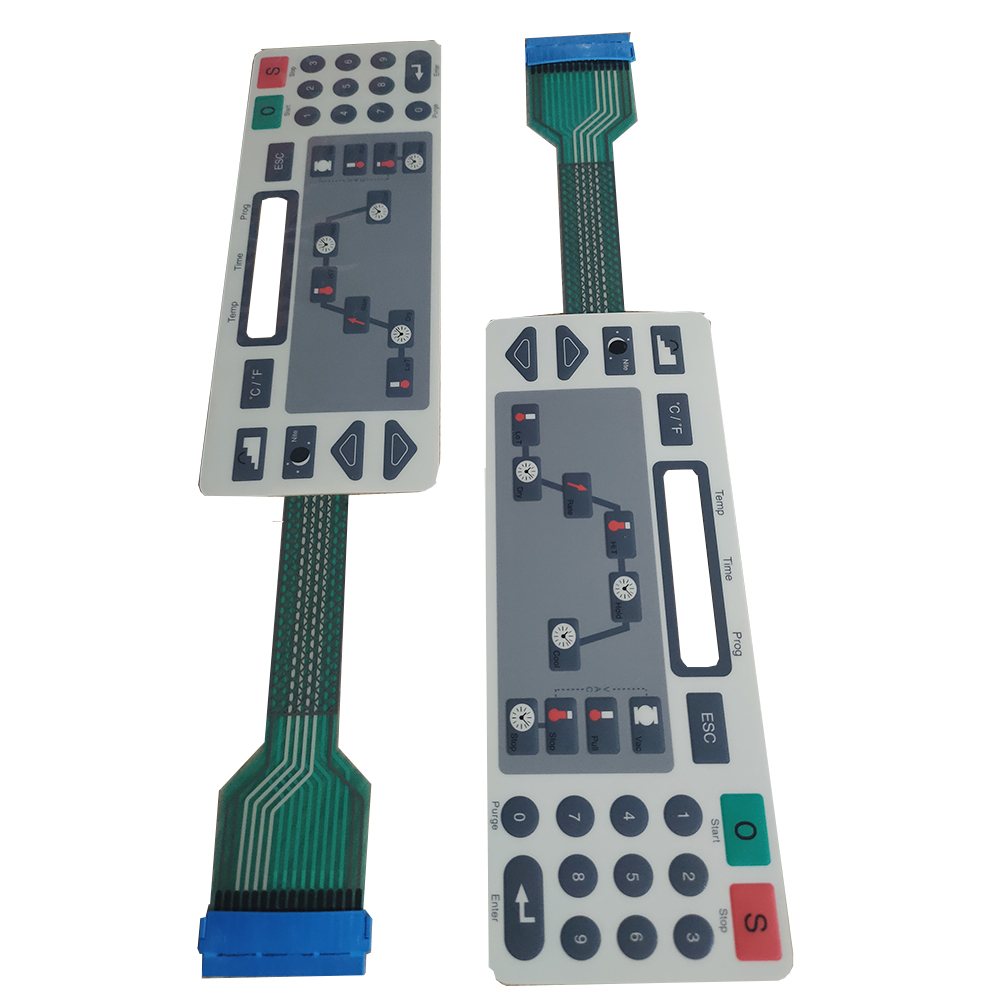
High Quality IP67 Waterproof 3M Adhesive Acrylic LCD Membrane Switch Custom Keypad
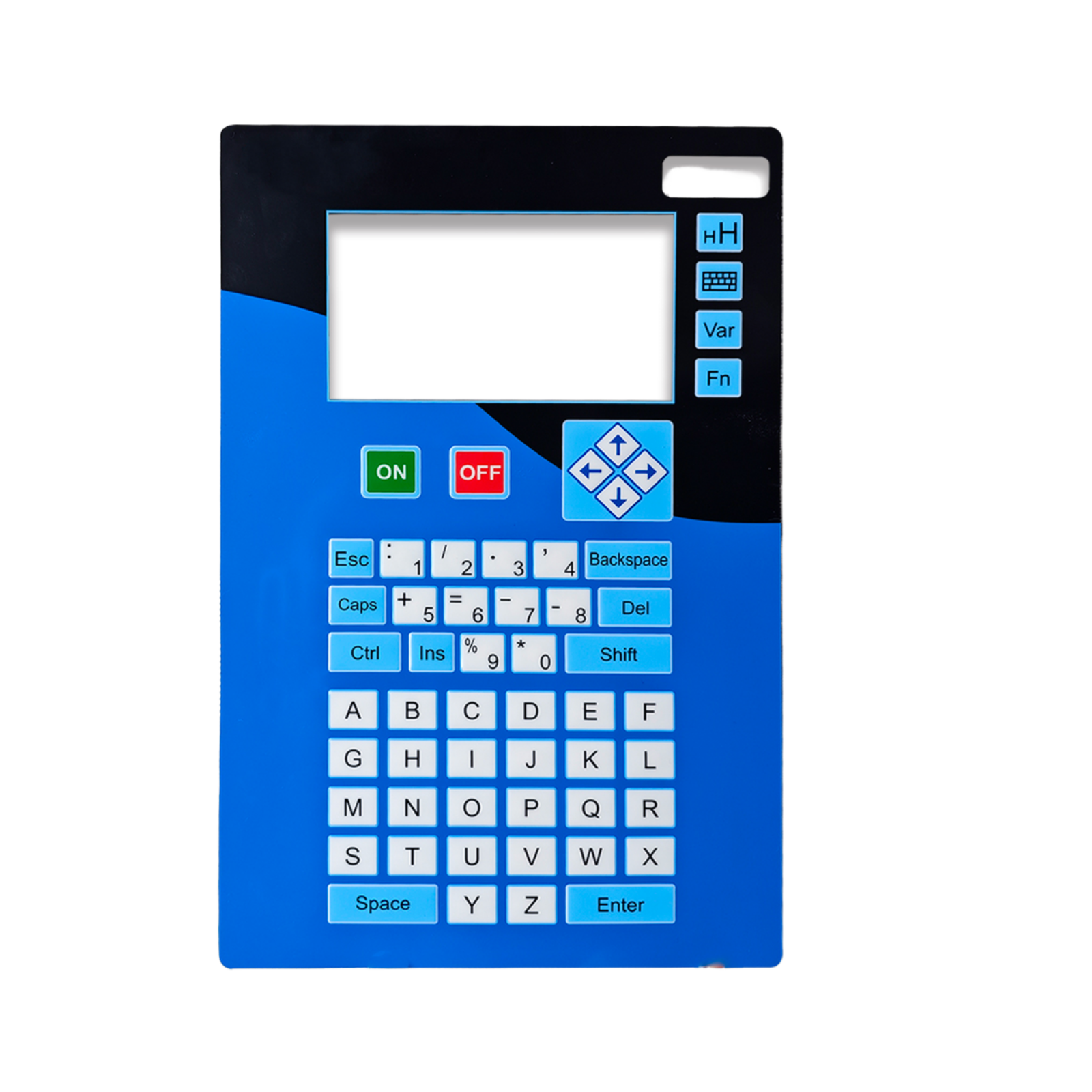
MEIBORUI Custom Printed Membrane Switch Embossed Metal Dome Keypad
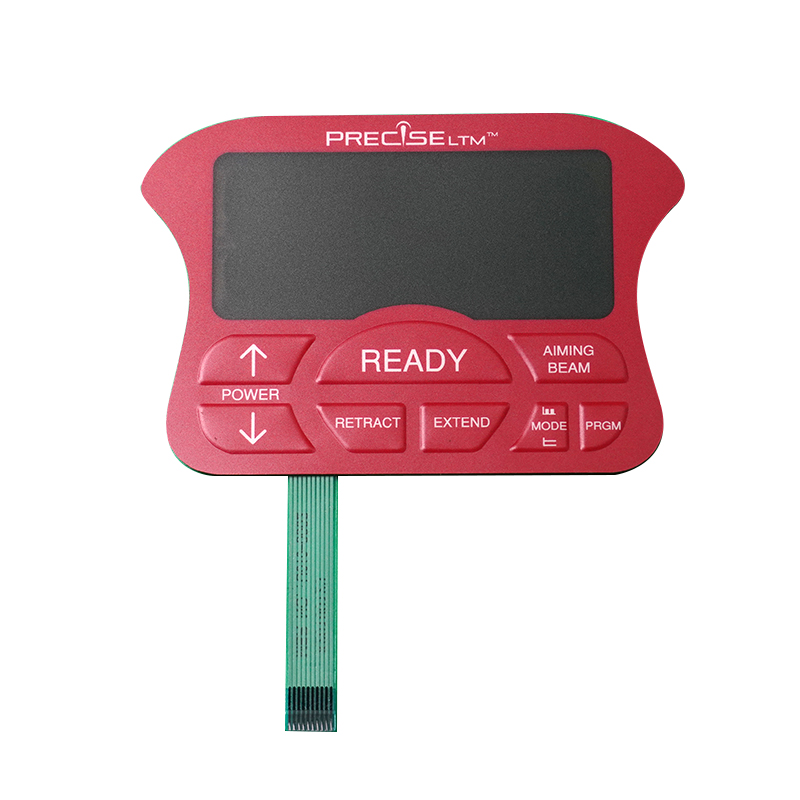
Anti-Interference Locomotive Membrane Control Panel High-Temp Resistant PET
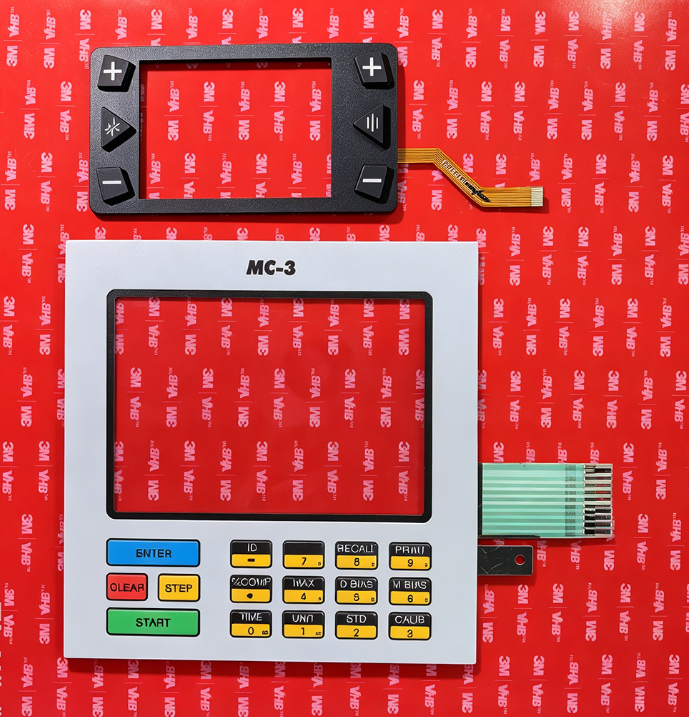
MBR IP67 Waterproof 3M Adhesive Flexible Cable Membrane Keypad PVC/PET/PC
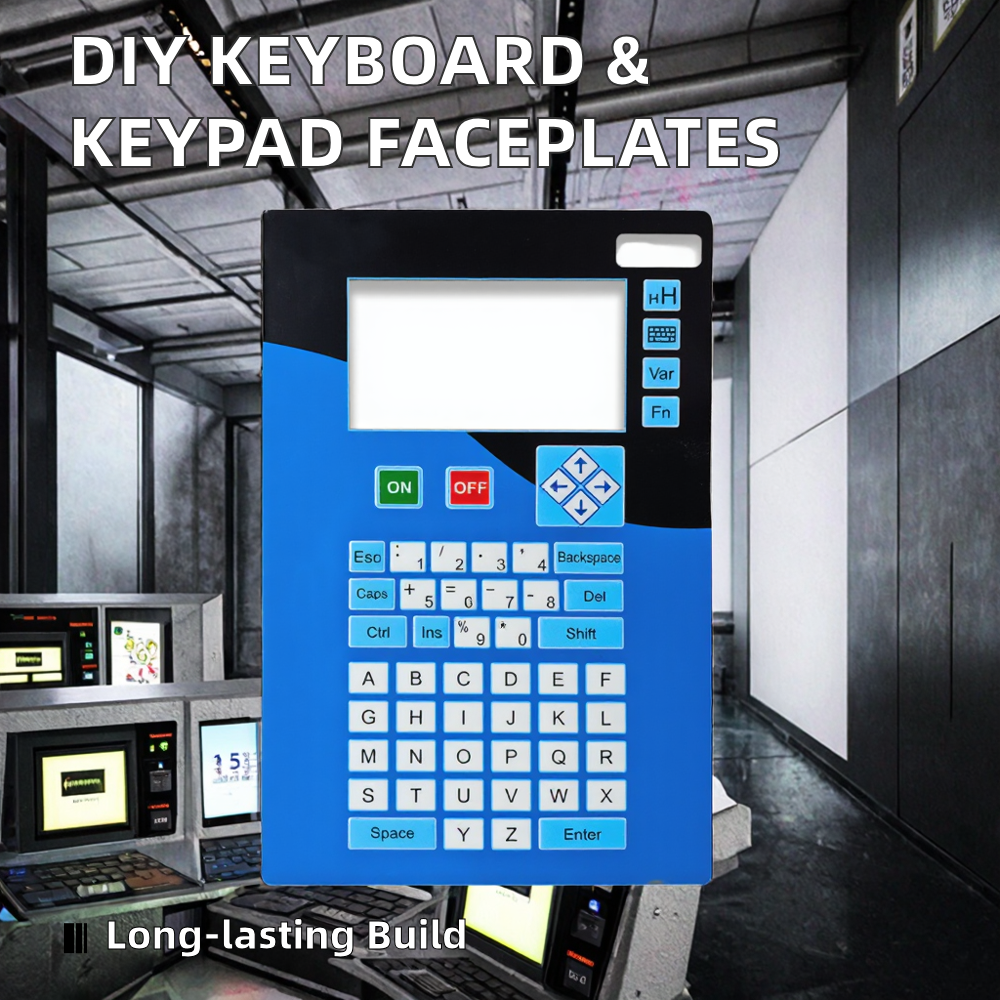
Custom Embossed Tactile Key Membrane Switch with Integrated Backlight LED
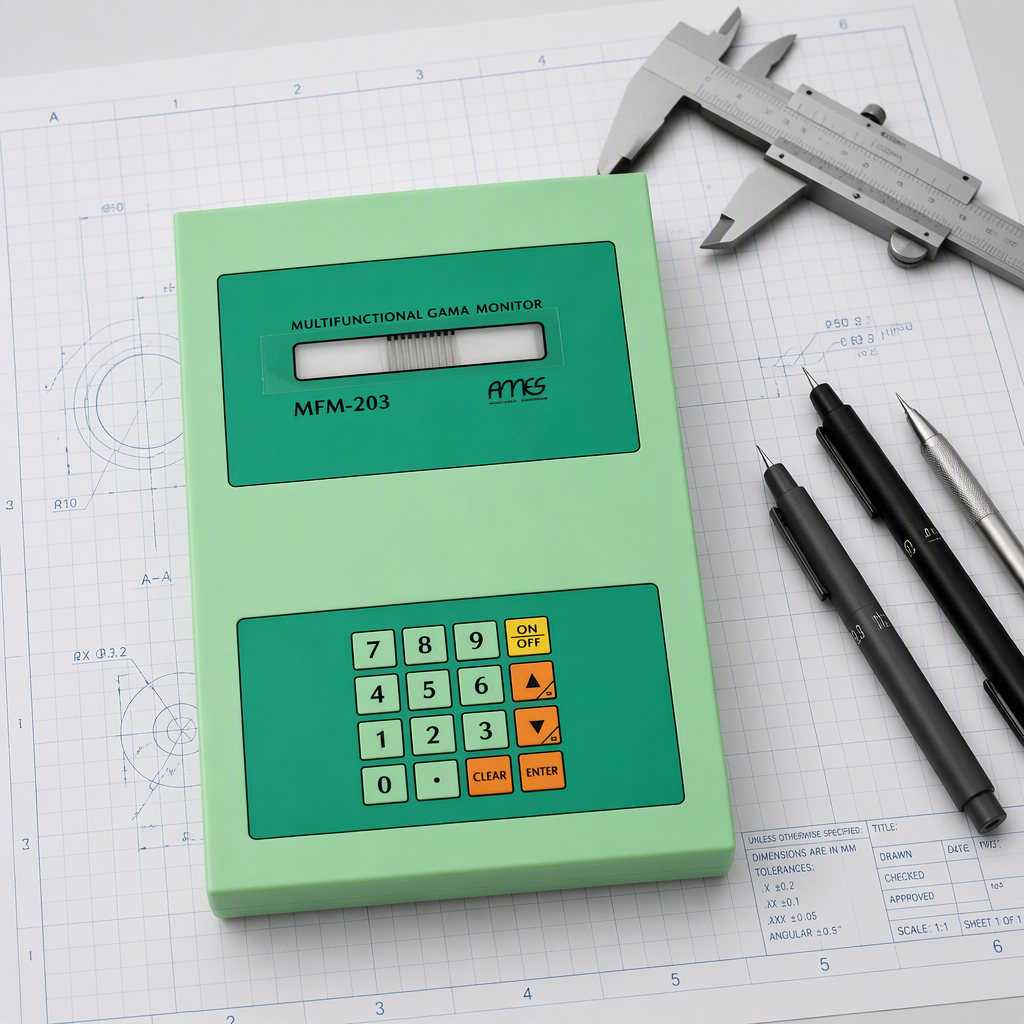
Waterproof Polyester Membrane Keypad Panel PET/PC for HMI Displays
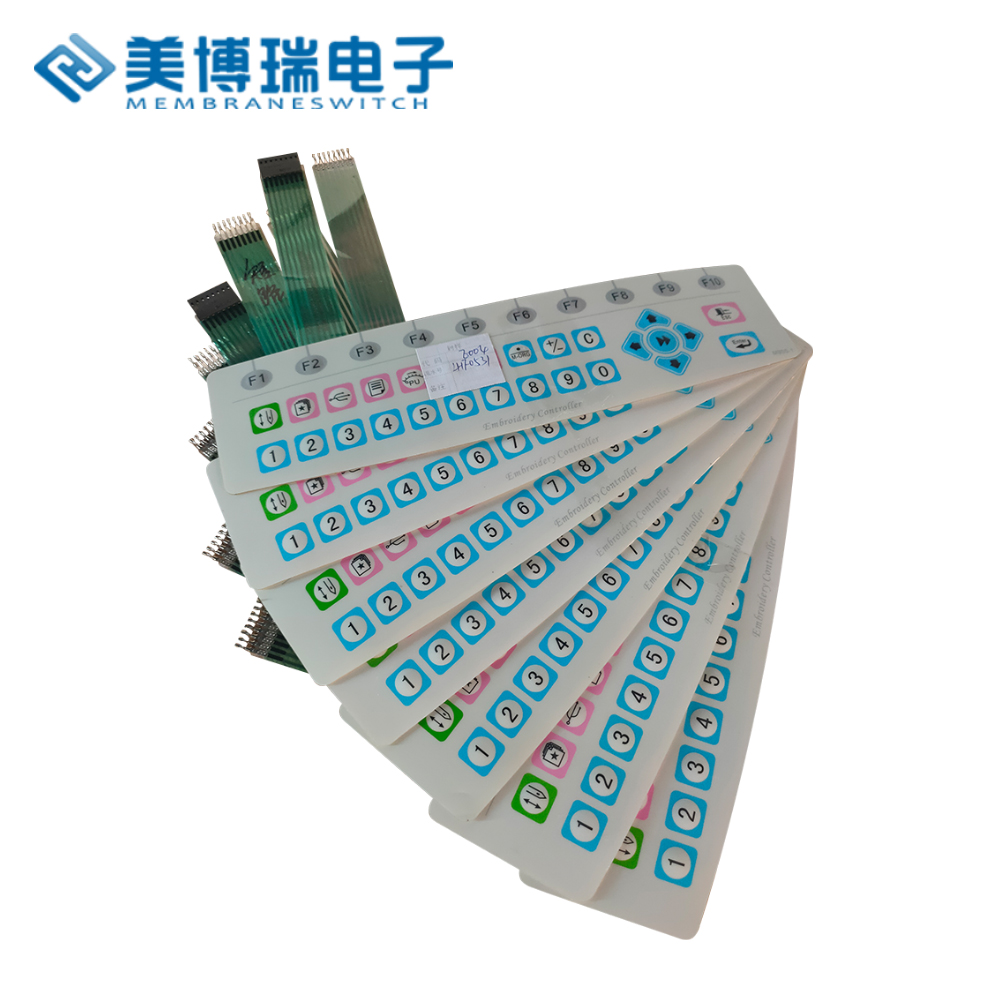
Custom MBR OEM Flexible Waterproof Membrane Keypad Moisture-Proof Panel
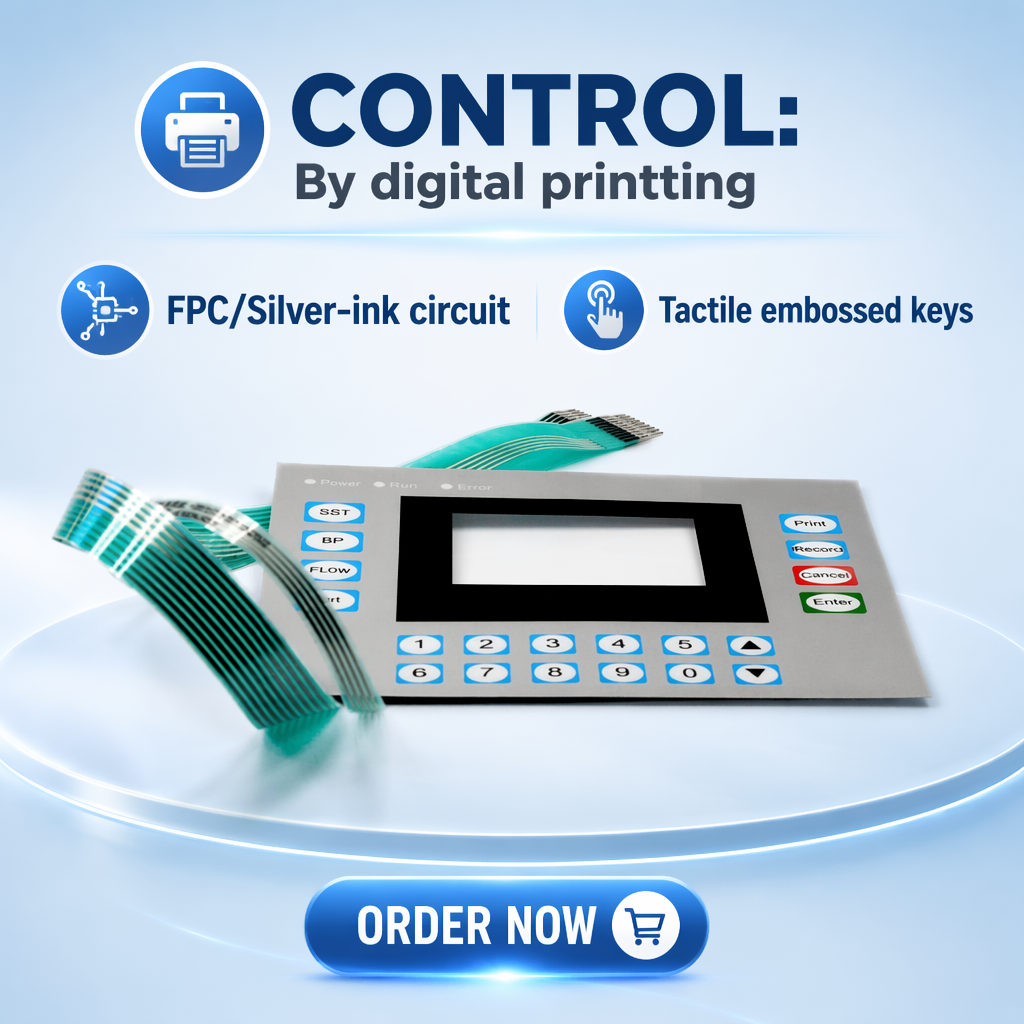
Custom Copper FPC Membrane Switch with Embedded LED Backlight Circuit
Precision Front Panel Overlay Engineering for Central Ohio OEMs
A comprehensive technical design guide covering substrate selection, environmental tolerance, electrical topologies, and bonding adhesives for severe operating environments.
Substrate Selection: Autotex Polyester (PET) vs. Sabic Lexan Polycarbonate (PC)
In the heavy industrial, medical, and automotive manufacturing corridors surrounding Columbus, Dublin, Marysville, and New Albany, Human-Machine Interface (HMI) front panel overlays encounter extreme operating challenges. Selecting the ideal graphic overlay film determines long-term fatigue life, chemical immunity, and optical longevity. When designing front panels for industrial machinery or field test devices, mechanical and material engineers must weigh the distinct mechanical properties of bi-axially oriented polyester versus engineered polycarbonate.
Polyester films (specifically MacDermid Autotex XE and V200) represent the gold standard for repetitive tactile switch interfaces. Offering flex-life ratings exceeding 5 million switch actuations without micro-cracking, PET exhibits exceptional tensile yield strength and near-total immunity to industrial aliphatic hydrocarbons, industrial detergents, hydraulic oils, and isopropyl sanitizers common in Central Ohio manufacturing and clinical environments. Conversely, Sabic Lexan polycarbonate provides superior initial optical clarity, natural self-extinguishing flame retardancy (UL94 V-0 ratings), and enhanced dimensional stability for non-flexing bezels and thick instrument lenses.
| Engineering Property | Autotex XE / High-Grade PET | Sabic Lexan Polycarbonate (PC) | PMMA / Cast Acrylic Window Panels |
|---|---|---|---|
| Switch Flexural Fatigue Life | > 5,000,000 actuations | < 100,000 actuations (embossed) | Non-tactile rigid overlay only |
| Chemical Resistance (IPA, MEK, Oils) | Impervious to harsh solvents & fuels | Vulnerable to aromatic hydrocarbons | Moderate; prone to micro-crazing |
| Continuous Temperature Range | -40°C to +85°C (-40°F to 185°F) | -40°C to +125°C (-40°F to 257°F) | -20°C to +70°C (-4°F to 158°F) |
| Surface Hardness & Abrasion | 3H hard-coat available (Autotex) | 1H - 2H hard-coated (Lexan HP92W) | Up to 4H-5H scratch resistance |
| UV Degradation Resistance (Outdoor) | Exceptional with XE-grade coatings | Moderate (yellows unless UV stabilized) | Inherently UV stable |
Adhesive Layer Engineering: High Surface Energy vs. Low Surface Energy Substrates
A graphic overlay or membrane switch is only as reliable as its bond to the host enclosure. Central Ohio hardware developers frequently mount front panel assemblies to complex enclosures—ranging from cast aluminum chassis and powder-coated steel cabinets to injection-molded ABS, glass-filled polycarbonate, or polypropylene plastics. Choosing the wrong pressure-sensitive adhesive (PSA) results in edge delamination, moisture intrusion, and catastrophic internal circuit degradation.
We engineer each stack-up leveraging verified adhesive systems from 3M Company:
1. 3M 467MP & 468MP (High Surface Energy - HSE): Formulated with 3M High Performance Acrylic Adhesive 200MP, these laminating adhesives are engineered for smooth stainless steel, anodized aluminum, and unpainted sheet metals. They offer ultimate shear strength, superior solvent resistance, and continuous thermal stability up to 149°C (300°F).
2. 3M 300LSE Low Surface Energy (LSE) Adhesives: Critical for modern automotive EV enclosures and handheld plastic equipment housings manufactured across Ohio. 3M 9472LE and 9495LE bond tenaciously to powder-coated metal finishes, polypropylene, and oily metals without requiring toxic chemical adhesion promoters.
3. Closed-Cell Gasket Adhesives (IP67 / NEMA 4X): For locomotive cabs, agricultural sprayers, and outdoor power systems, we integrate perimeter closed-cell silicone and neoprene acrylic foam gaskets (3M VHB series) to absorb housing surface variances and prevent water jet ingress under high-pressure spray cleaning regimes.
Circuit Topologies & Actuation Mechanics: Silver Screen Print vs. Flexible Copper (FPC)
Depending on electrical circuit density, connector mating cycles, and environmental vibration, TAVO configures membrane switch assemblies into two core electrical topologies:
Screen-Printed Silver Polymer Thick Film (PTF): Highly cost-effective for standard keypad layouts, featuring conductor traces printed using micro-conductive silver ink with carbon-overprinted contact points. Carbon printing shields the silver traces from micro-fractures, friction abrasion, and electrochemical silver migration under high relative humidity. Contact loop resistance typically measures under 100 ohms, making it ideal for matrix keypads and non-complex industrial control boards.
Flexible Copper Circuits (FPC): Etched polyimide copper circuits are mandatory when an application demands zero trace resistance (under 1 ohm), ultra-dense fine-pitch tail connectors (0.5mm ZIF pitch), or surface-mounted components (SMT LEDs, phototransistors, and onboard resistors). For medical diagnostic modules engineered in the Columbus medical technology cluster, copper FPC eliminates connection failure modes caused by thermal shock and excessive cable bending radius.
Tactile Dynamics & Metal Dome Integration: Human-factor engineering relies on crisp tactile feedback. We employ precision nickel-plated and gold-plated stainless steel metal domes (four-leg, oblong, or round) calibrated from 250g to 450g actuation forces. Paired with localized key embossing (rim embossing, pillow embossing, or LED dome windows), operators wearing heavy industrial protective gloves receive an instantaneous tactile snap confirmation (tactile snap ratio calibrated to 45%–60%), completely eliminating false actuations in noisy factory floors.
Localized Applications in the Columbus Industrial Corridor
Supplying mission-critical human-machine interfaces across Franklin, Delaware, Union, and Licking counties.
Automotive & EV Battery Automation
Front panel overlays for automated battery testing rigs, robotic welding teach pendants, and engine assembly control consoles resistant to industrial cutting fluids and grease.
Marysville & East Liberty CorridorMedical Instrumentation & Clinical Diagnostics
Sealed membrane panels with antimicrobial hard-coats, chemical resistance to bleach and Cidex sterilizers, and flush LCD display windows for clinical analysis equipment.
Columbus Medical District & DublinSmart Warehousing & AGV Material Handling
High-tactile, impact-resistant operator keyboards and telematics control units mounted directly to autonomous forklifts, sorters, and high-speed distribution conveyors.
Rickenbacker & Groveport HubsSemiconductor & Cleanroom Equipment
Low-outgassing, antistatic (ESD shielded) control overlays designed for wafer handling environments and ultra-precision industrial manufacturing facilities.
New Albany Silicon HeartlandEmerging Front Panel Technology Trends in Ohio
How cutting-edge HMI designs are shifting to support smart factory automation, IoT connectivity, and harsh operating realities.
Dead-Fronted Backlighting & Night Vision Aesthetics
Modern Columbus industrial designers are discarding permanently printed status legends in favor of sophisticated "dead-front" panel technology. Utilizing sub-surface translucent ink blocking, icons and text remain completely invisible until illuminated from behind by selective SMD LEDs or Light Guide Film (LGF). This eliminates operator visual clutter, streamlines complex diagnostic workflows, and creates sleek, automotive-grade dark control consoles for modern cab and instrument environments.
Capacitive Touch Fusion with Mechanical Reliability
While consumer-grade glass touchscreens dominate smart devices, Ohio heavy machinery and medical device OEMs are transitioning to hybrid capacitive membrane panels. By fusing printed capacitive sensor layers behind ruggedized, chemically strengthened polyester overlays, systems achieve modern touch functionality while maintaining total immunity to water splashes, electromagnetic noise (EMC), and accidental actuations from worker sleeves or work gloves.
OCA Optical Bonding for Outdoor Sun-Readable Displays
Central Ohio agricultural equipment and locomotive displays require daylight readability without internal condensation. TAVO utilizes Optically Clear Adhesive (OCA) vacuum bonding to fuse transparent acrylic or glass display windows directly to LCD and TFT panels. This eliminates the internal air gap, preventing internal moisture condensation, suppressing solar glare by 85%, and delivering exceptional mechanical impact resistance against flying debris.
Why Tier-1 Global OEMs Partner with TAVO
Combining German engineering collaboration, 30+ years of manufacturing heritage, and end-to-end vertically integrated production facilities.
30+ Years Heritage
Over three decades concentrated entirely on membrane switches, graphic overlays, and HMI panel engineering.
Verified Specialists
Onsite-audited technical workforce including 30+ senior engineers with an average of 15+ years of specialized membrane switch mastery.
Dual-Base Capacity
Primary facility in the Robot Industry Port of Hebei paired with advanced processing in Huizhou, ensuring zero production bottlenecks.
In-House Production
From CAD drawing, screen printing, and Mimaki UV printing to laser cutting, embossing, cleanroom assembly, and 100% electrical testing.
In-House Equipment & Environmental Verification Standards
Reliability is not an assumption—it is an engineered empirical reality. TAVO equips its cleanroom facilities with industry-leading machinery to ensure zero-defect exports to North America and Western Europe. Our physical plant boasts 60 CNC mold-making workstations, 37 high-precision silkscreen printing lines, 4 Mimaki heat-setting digital flatbed UV printers, 18 precision laser cutting tables, and 7 digital engraving systems.
Before any production lot leaves our Langfang or Huizhou plants destined for Columbus, it undergoes systematic multi-stage validation in our ISO-audited testing laboratory:
1. Automated Computer Circuit & Contact Testing: 100% automated inspection verifying trace loop resistance, insulation resistance (>100MΩ at 250V DC), contact bounce time (<5ms), and open/short circuit verification.
2. Button Actuation & Fatigue Life Testing: Pneumatic cyclic actuators simulate repetitive operator presses under calibrated loads (up to 5 million cycles) to monitor tactile curve decay and metal dome fatigue.
3. Climatic Environmental Cycling: Programmable temperature and relative humidity test chambers (-40°C to +125°C at 95% RH) simulate the extreme seasonal temperature swings of the Ohio River Valley.
4. Xenon Arc UV & Salt Fog Aging Chambers: Simulating years of outdoor UV solar degradation and corrosive salt-mist exposure (ASTM B117 standards) for rail locomotive and exterior automotive interfaces.
Columbus Procurement & Technical FAQ
Answers to common questions from Central Ohio sourcing managers, design engineers, and quality assurance leads.
What engineering files are required to launch a custom front panel overlay quote?
How do you guarantee IP67 and NEMA 4X ingress protection on membrane switch overlays?
Can your overlays withstand harsh washdowns and aggressive cleaning chemicals?
How do you support rapid prototyping for new product development (NPI) in Columbus?
What are the standard international transit times and shipping options to Ohio?
How do you manage EMI/RFI shielding and static discharge (ESD) protection?
Accelerate Your Central Ohio HMI Engineering Project
Whether you require prototype graphic overlays for an NPI build in Dublin, ruggedized IP67 tactile keypads for an automotive assembly plant in Marysville, or optical bonded front panels for medical diagnostics, our 30-person engineering design and trade team is ready to analyze your drawings.