Precision HMI & Laser-Etched Subsystem Engineering
A comprehensive engineering review of advanced silicone elastomers, backlighting dynamics, and micro-etched membrane interfaces for San Miguel original equipment manufacturers.
In modern industrial manufacturing and high-cycle user control electronics, human-machine interface (HMI) modules are subject to severe environmental and mechanical wear. Within the expanding manufacturing zones of the San Miguel market—encompassing food and beverage processing, high-speed automated packaging, pharmaceutical synthesis, energy distribution, and telecommunication hardware—standard silkscreen keypads frequently fall short. Chemical washdowns, constant UV exposure, mechanical abrasive friction, and fluctuating ambient humidity require an engineered shift toward high-durability laser-ablated silicone keypads, polyester (PET) graphic overlays, and flexible printed circuit (FPC) backplanes.
Laser etching—or precision laser ablation—utilizes computer-guided solid-state Nd:YAG or fiber laser beams to vaporize opaque topcoat layers of industrial-grade polyurethane or silicone paint, revealing the translucent base elastomer underneath. This creates sharp, non-fading, backlit legends capable of sustaining millions of high-force actuations without character degradation. When coupled with sealed metal dome arrays, internal light guide films (LGF), and IP67/IP68 perimeter moisture seals, these control keypads provide unmatched tactile certainty and structural resilience.
Featured Laser-Etched Keypads & Integrated Membrane Assemblies
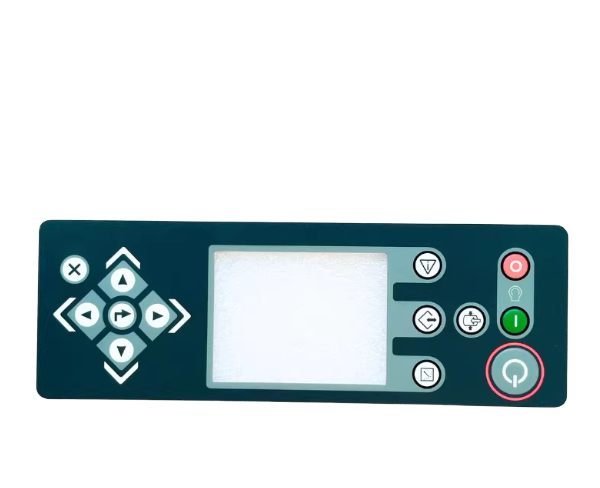
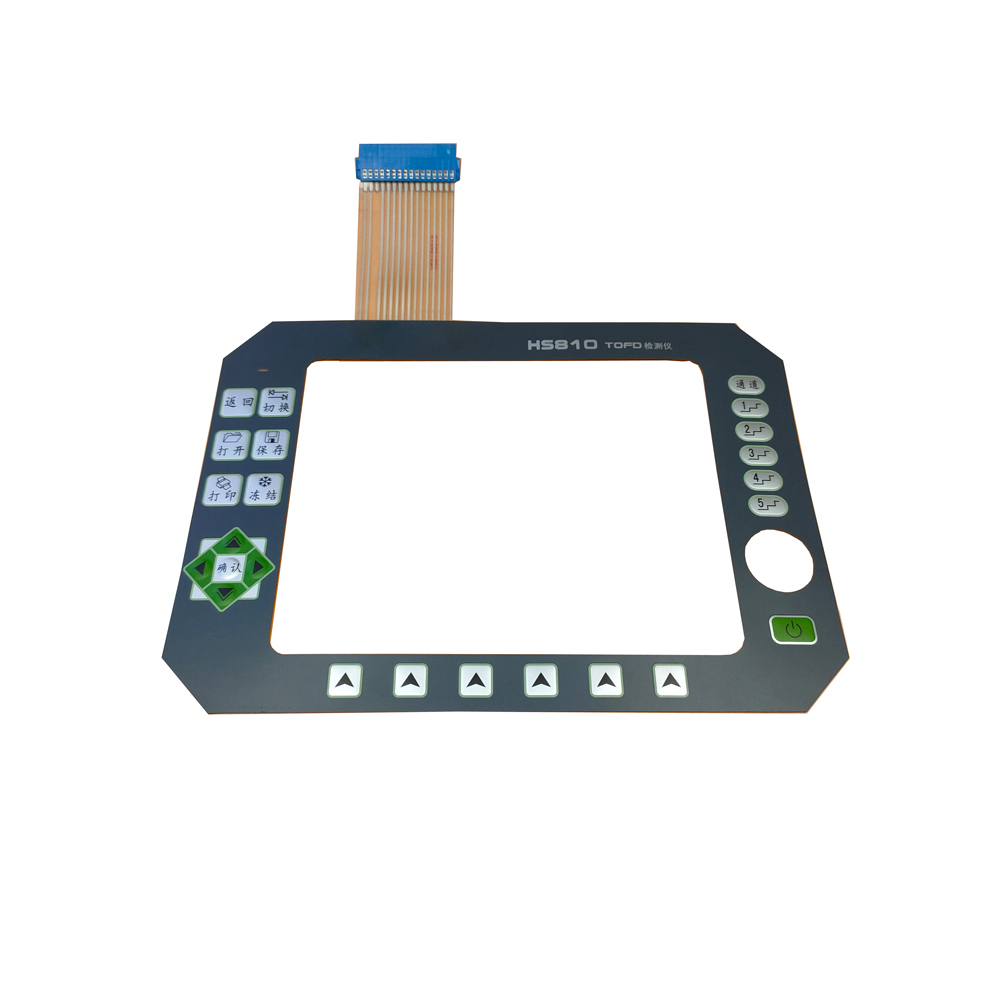
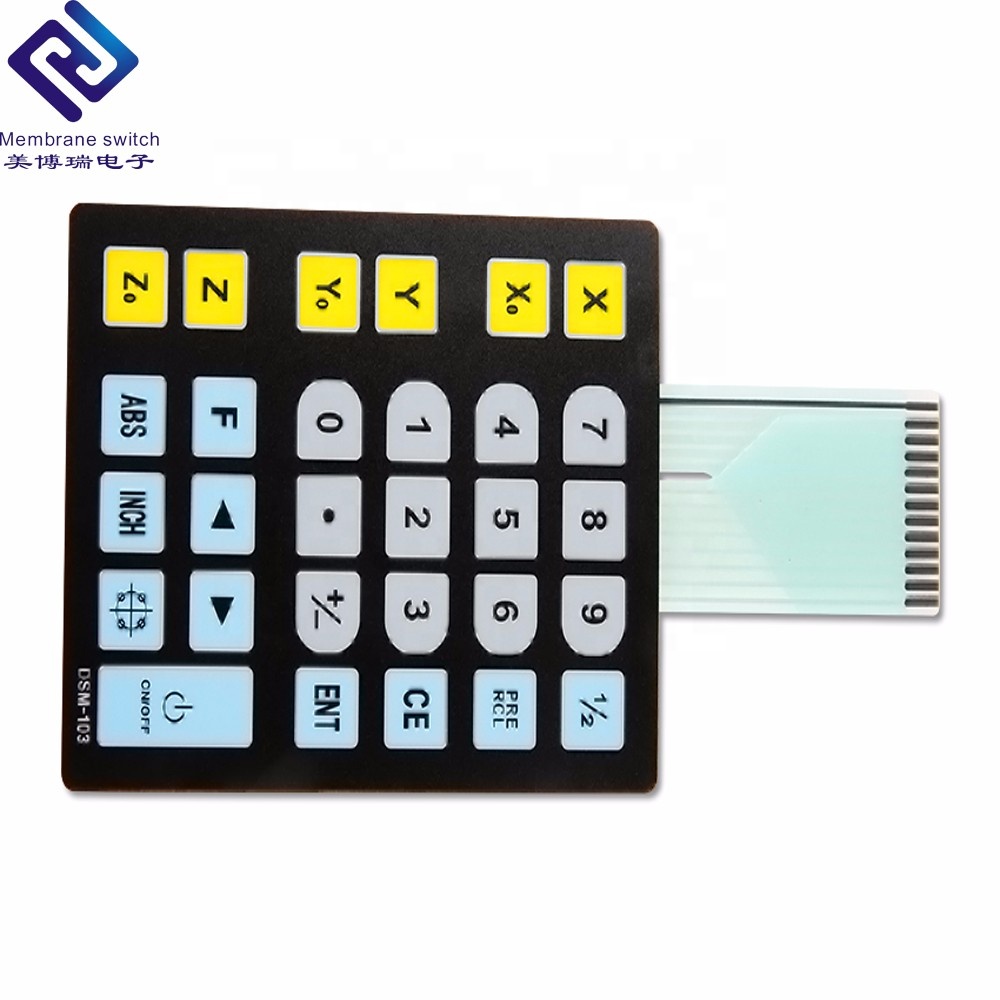
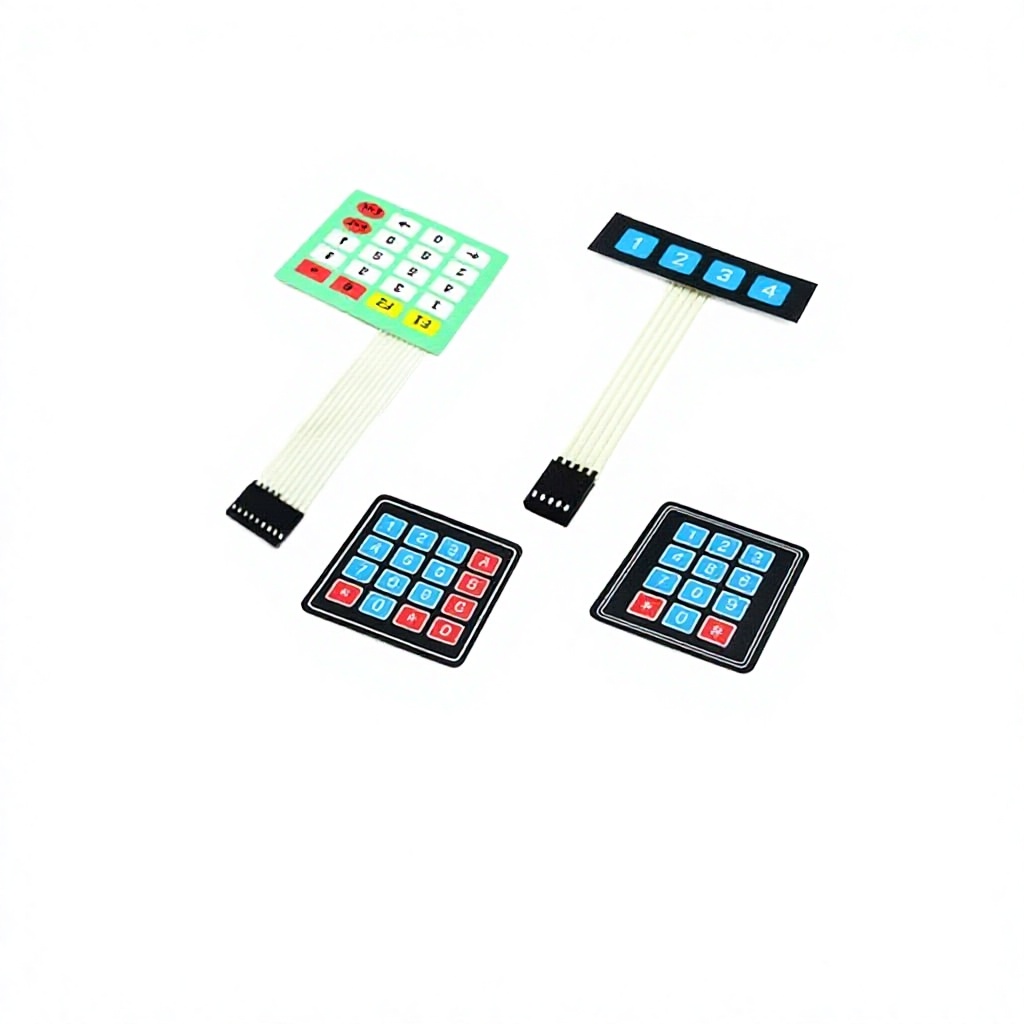
Explore our core product portfolio manufactured in full-process, ISO 9001 certified cleanrooms, tailored to direct industrial deployment.
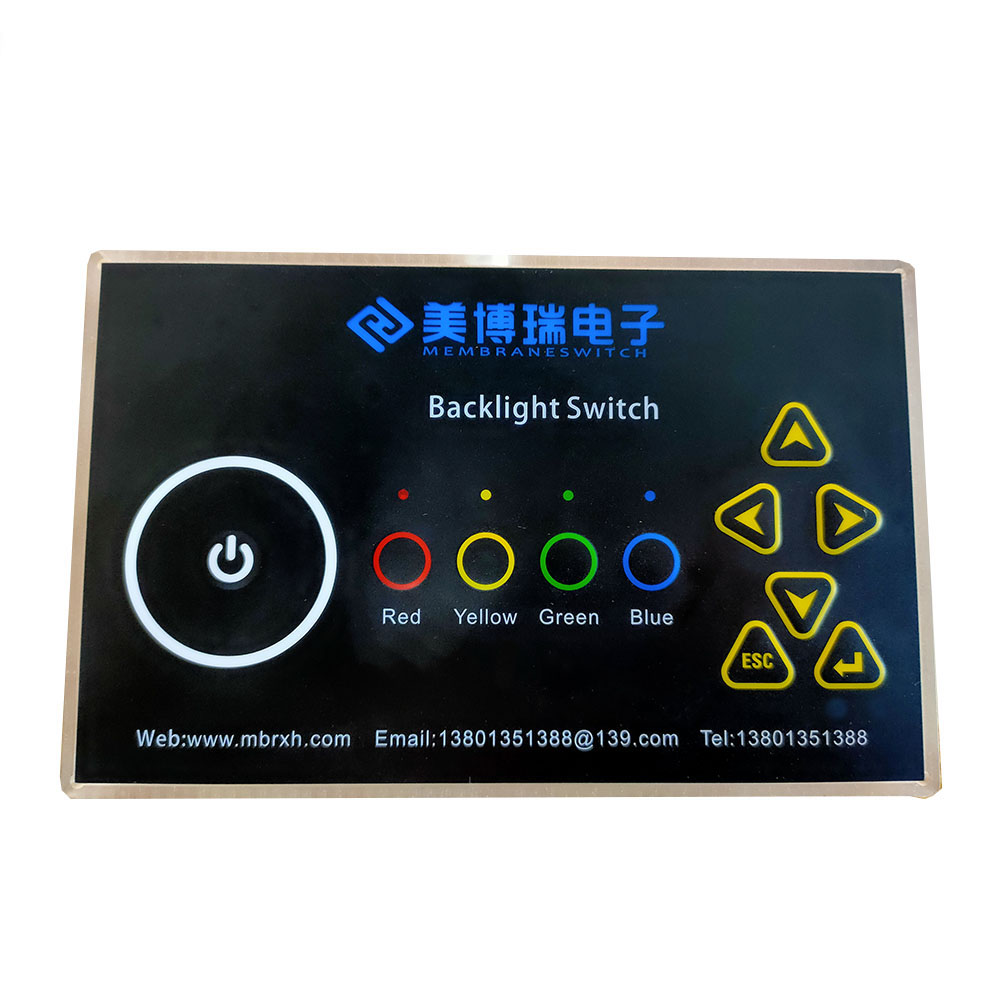
Physics of Laser Ablation & Sub-Surface Illumination
Analyzing key structural factors that dictate longevity, optical parity, and tactile feedback in mission-critical HMIs.
The manufacturing of top-tier laser-etched silicone keypads requires precise calibration between the laser wavelength, pulse frequency, and polymer pigment chemistry. During the primary production cycle, medical-grade silicone rubber compounds (typically 40 to 70 Shore A durometer) are compression molded. For backlit applications, pure translucent silicone is selected to serve as an internal light pipe. The molded keypad undergoes an automated double-spray coating process: a first layer of white or translucent color-specific polyurethane pigment is cured, followed immediately by a deeply opaque topcoat (commonly dark slate, industrial black, or metallic gray).
Computer-controlled CNC laser systems target the surface layers with micron precision. The laser energy breaks down the organic bonds of the opaque topcoat without scorching or pitting the underlying translucent silicone. Because the key legends are formed through the physical removal of the outer paint layer rather than ink transfer onto the surface, the legends cannot be worn away by abrasive mechanical finger contact or harsh petrochemical cleaning solvents.
| Performance Parameter | Precision Laser-Etched Silicone | Conventional Silkscreen Keypads | Sub-Surface Hard-Coated PET |
|---|---|---|---|
| Mechanical Abrasion Resistance | Exceeds 5,000,000 cycles (ASTM F1578 / RCA Abrasion) | 500,000 to 1,000,000 cycles max | Exceeds 4,000,000 cycles (printed reverse) |
| Backlighting Uniformity | Exceptional (Uniform translucent core + Light Guide Film) | Moderate (Prone to pinhole light leaks & shadowing) | High (When paired with diffuse LED backplanes) |
| Chemical Wipe Resistance | Unaffected by Isopropyl Alcohol, Bleach, Hydrocarbons | Risk of graphic bleeding/softening over prolonged exposure | Superior (Chemical resistance of hard-coated PET face) |
| Actuation Force & Snap Ratio | 120g – 450g; 40% – 60% click ratio (Snap-action web) | Dependent on external tactile metal domes | 180g – 500g via stainless steel tactile domes |
| Environmental Sealing Ingress | True IP67/IP68 when molded with continuous perimeter wrap | IP65 (Requires precision perimeter adhesive gaskets) | IP67 with closed-cell 3M acrylic foam gaskets |
In high-vibration and damp operating environments, such as processing plants and outdoor telecom installations in the San Miguel market, the integration of Light Guide Film (LGF) technology represents a major competitive advantage. Instead of mounting individual through-hole LEDs directly beneath each key—which introduces thermal hotspots, uneven illumination, and excessive component counts—an ultra-thin (0.125mm to 0.25mm) micro-grooved polycarbonate or optical-grade polyurethane film is placed above the circuit plane. Side-firing high-efficiency SMT LEDs cast light across the film's total internal reflection (TIR) plane, where laser-etched micro-dots redirect photons upward through the ablated keypad characters. This approach slashes power consumption by up to 65% while delivering uniform illumination across the entire HMI matrix.
Localized Applications in the San Miguel Regional Cluster
Deployment profiles illustrating how ruggedized laser-etched controls optimize uptime across core regional manufacturing ecosystems.
Food & Beverage Processing
Automated brewery controls, packaging sorters, and bottling plant HMIs in San Miguel face daily high-pressure chemical washdowns with caustic sodas and sodium hypochlorite. Our continuous silicone elastomer keypads, compression-molded with integrated perimeter O-ring seals, prevent fluid penetration and sustain IP68 integrity across aggressive CIP cycles.
Medical Diagnostics & Cleanrooms
Medical electronics require non-porous surfaces that withstand alcohol-based sanitization and hospital-grade germicidal cleaners. Laser-ablated silicone keys with continuous anti-microbial polyurethane coatings eliminate dirt-trapping crevices, ensuring sterilizable user interfaces for clinical analysis instruments and surgical displays.
Industrial CNC & Heavy Robotics
Machine-tool control pendants require high tactile discrimination so machine operators can actuate keys reliably while wearing thick industrial gloves. By combining tactile four-leg nickel-plated stainless steel metal domes with molded silicone key tops, we achieve positive tactile feedback (snap ratio > 50%) along with superior resistance to cutting fluids and mineral oils.
Telecom & Outdoor Edge Nodes
Exposed to intense solar ultraviolet radiation, monsoonal rains, and thermal swings (-10°C to +55°C), remote outdoor gateways in regional infrastructure demand non-chalking, UV-stabilized liquid silicone rubbers (LSR) featuring laser-etched backlit legends that remain readable under high direct ambient sunlight.
Electrical Power Distribution
Switchgear controllers and substation telemetry devices require front panels with high dielectric breakdown strength and EMI/RFI shielding. By pairing our laser-etched assemblies with vapor-deposited aluminum or selective printed silver grids, we eliminate electrostatic discharge (ESD) interference up to 15kV.
Commercial Logistics Terminals
Handheld inventory scanners and logistics terminals deployed in distribution warehouses face frequent drops and high-impact wear. Compression-molded silicone elastomer assemblies provide drop-cushioning edge dampening while maintaining water-tight ingress protection under continuous industrial cycling.
Emerging Technology Trends in the San Miguel HMI Market
Strategic engineering shifts redefining interface reliability, circuit integration, and human-factor design.
The industrial electronics sector in San Miguel is undergoing rapid technological modernization. Legacy discrete electro-mechanical switches—long plagued by spring fatigue, contact oxidation, and particulate contamination—are being phased out in favor of monolithic solid-state and thin-profile elastomeric interfaces. Four critical technical vectors are currently shaping OEM engineering selections:
1. Copper Flex Circuit (FPC) Dominance over Screened Silver Ink: While silver paste printed on PET remains cost-effective for static consumer keypads, modern industrial equipment in high-humidity zones like San Miguel demands flexible printed circuits (FPC) fabricated from rolled-annealed (RA) copper foil on polyimide substrates. Copper FPC eliminates silver electrochemical migration—a failure mode accelerated by high ambient humidity and direct DC potentials. FPC substrates also allow direct reflow soldering of ultra-compact surface-mount LEDs, optical sensors, and decoupling capacitors directly into the switch tail.
2. Optical Bonding & Capacitive Touch Hybridization: Leading industrial designers are increasingly merging physical tactile keypads with capacitive touch slider regions and integrated display cutouts. By utilizing Optically Clear Adhesives (OCA) with refractive indices matching display glass (n ≈ 1.49), our manufacturing lines eliminate air gaps, prevent internal moisture condensation, and significantly improve screen readability under intense ambient sunlight.
3. Dynamic Backlighting & NVIS Compatibility: Modern industrial dashboards are adopting dual-mode backlighting: high-lumen, variable-color RGB indicators for daylight operations, coupled with Night Vision Imaging System (NVIS) compliant green/amber wavelengths for low-light operator cabs. Computer-guided laser ablation enables sub-millimeter line definition, isolating adjacent backlit legends to eliminate optical cross-talk.
4. Eco-Compliant Materials & Halogen-Free Mandates: Tightening environmental compliance across global supply chains is prompting San Miguel industrial buyers to enforce RoHS 3, REACH, and Halogen-Free directives. Modern laser-etched silicone interfaces are free of toxic plasticizers, leaded pigments, and ozone-depleting volatile organic compounds (VOCs), ensuring full recyclability and workplace safety during manufacturing.
Frequently Asked Questions for San Miguel OEM Buyers
Direct technical answers addressing lead times, tooling tolerances, environmental certifications, and customization parameters.
What engineering design files are required to initiate custom laser-etched keypad tooling?
How does laser etching prevent legends from fading during caustic wipe-down cycles?
What is the standard prototype tooling lead time and minimum order quantity (MOQ) for San Miguel?
How do you prevent light bleed between tightly spaced laser-etched keys?
Can laser-etched silicone keypads be integrated with rigid FR4 PCB backers?
What environmental validation testing is conducted prior to shipment?
What adhesive systems are recommended to guarantee IP67 sealing on powder-coated metals?
What international certifications accompany export orders to the San Miguel region?
TAVO / MEIBORUI Manufacturing Architecture
Combining three decades of precision HMI heritage with dual-factory volume capacity, European technical cooperation, and strict quality control.
Founded on engineering principles dating back to 1990, TAVO Electronic Information Technology Co., Ltd. (alongside our specialized MEIBORUI membrane manufacturing division) stands as an authoritative leader in custom membrane switches, graphic overlays, capacitive touch assemblies, and precision laser-etched silicone keypads. Our manufacturing footprint is divided across two production hubs: our primary facility located inside the Robot Industry Port of Xianghe Economic and Technological Development Zone (Hebei), and our secondary precision assembly plant in Huizhou (Guangdong). This dual-facility structure ensures resilient supply-chain redundancy, balanced capacity planning, and rapid turnaround for both small-batch pilot runs and multi-million-unit mass production orders.
Intertek Assessed & ISO 9001 Certified
Every phase of our production operates under a certified ISO 9001 quality management framework. Verified through third-party factory assessments by Intertek, our processes comply with international audit standards, from incoming material inspection to cleanroom assembly and final functional testing.
Fully Integrated In-House Production
We avoid outsourced assembly steps. Our facilities house 60 high-precision CNC mold-making machines, 37 precision screen-printing lines, 18 laser-cutting stations, 4 Mimaki heat-setting digital UV printers, and 7 computer-controlled engravers, keeping delivery timelines and quality fully under our roof.
German Technical Partnership
Backed by an enduring technical collaboration with a premier German HMI manufacturer, our engineering teams align tool design, optical matching, and process tolerances with European DIN and American ASTM standards, maintaining a proven track record with clients such as Siemens and ABB.
Accelerate Your HMI Development Cycle
Connect with our senior engineering team to review 2D/3D CAD models, evaluate elastomer hardness options, or formulate an optimized laser ablation stack-up for your next production run.
Get a Quote