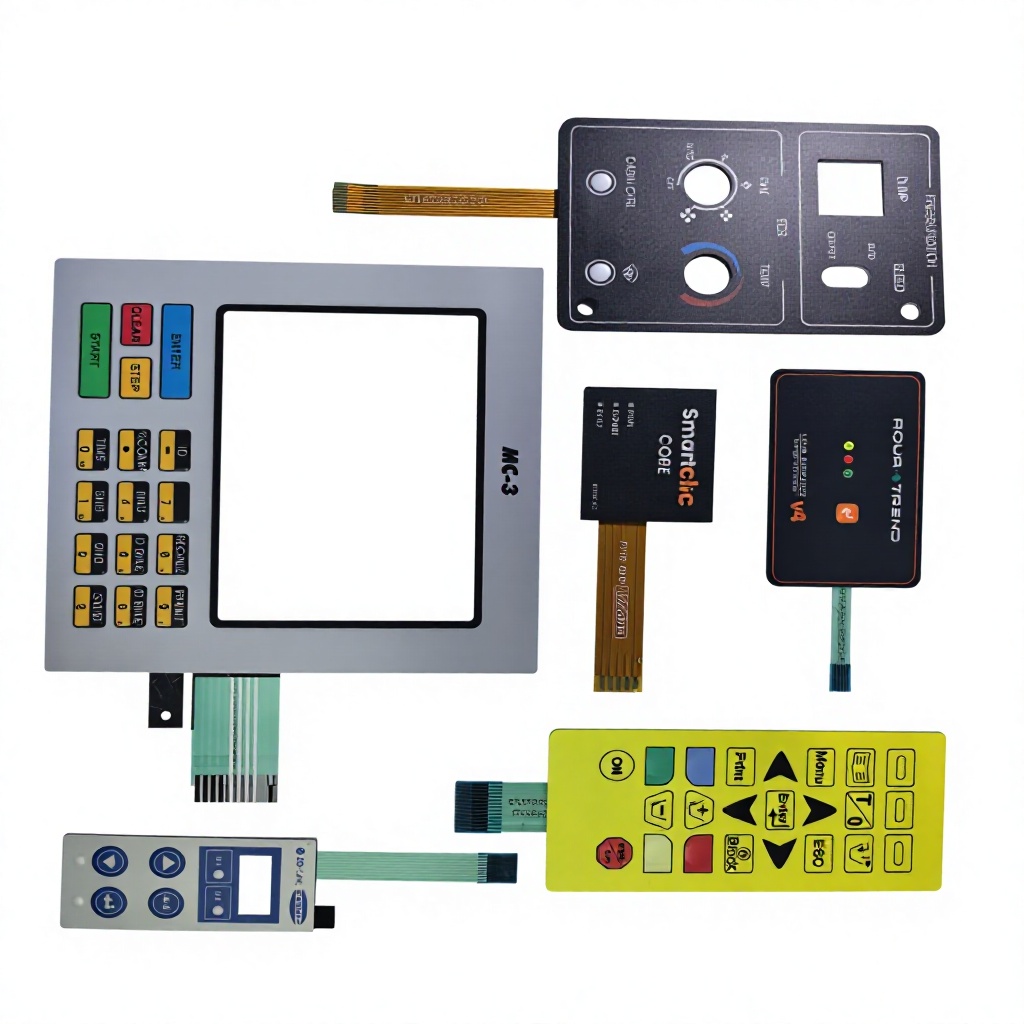
Precision HMI Optical Technology
Top Trusted Light Guide Film Factory & Exporter serving Santa Ana
ISO 9001 & Intertek-Audited Engineering | Custom Ultra-Thin Micro-Dot Optics & Backlit Membrane Switch Assemblies for Southern California OEM Hardware Innovations.
Technical Sourcing Whitepaper 2025
Engineering Optical Precision for Santa Ana's High-Reliability Systems
In high-density industrial control architectures, mission-critical medical diagnostics, and next-generation mobility hubs, user interface legibility directly governs situational responsiveness. As Santa Ana and the wider Orange County technology belt lead high-value prototyping and systems engineering, the demand for ultra-thin, low-power illumination has transcended standard discrete LEDs and electroluminescent (EL) panels.
Operating as an end-to-end original equipment manufacturer with specialized membrane switch lineages dating back to 1990, TAVO Electronic Information Technology Co., Ltd. delivers customized Light Guide Film (LGF) and integrated tactile human-machine interfaces (HMI). By leveraging sub-micron optical micro-dot imprinting on premium optical-grade Polycarbonate (PC) and Polyethylene Terephthalate (PET), our engineering group transforms point-source side-emitting SMT LEDs into perfectly uniform, glare-free planar illumination layers measuring as thin as 0.125mm.
1990Est.
Over 3 Decades of Specialized HMI & Membrane Research
111+
Verified In-House Technicians & Systems Engineers
2,219㎡
Class-1000 Cleanroom & Automated Production Facilities
1.0M+pcs
Annual Finished Export Volume to North America & Germany
Precision Portfolio
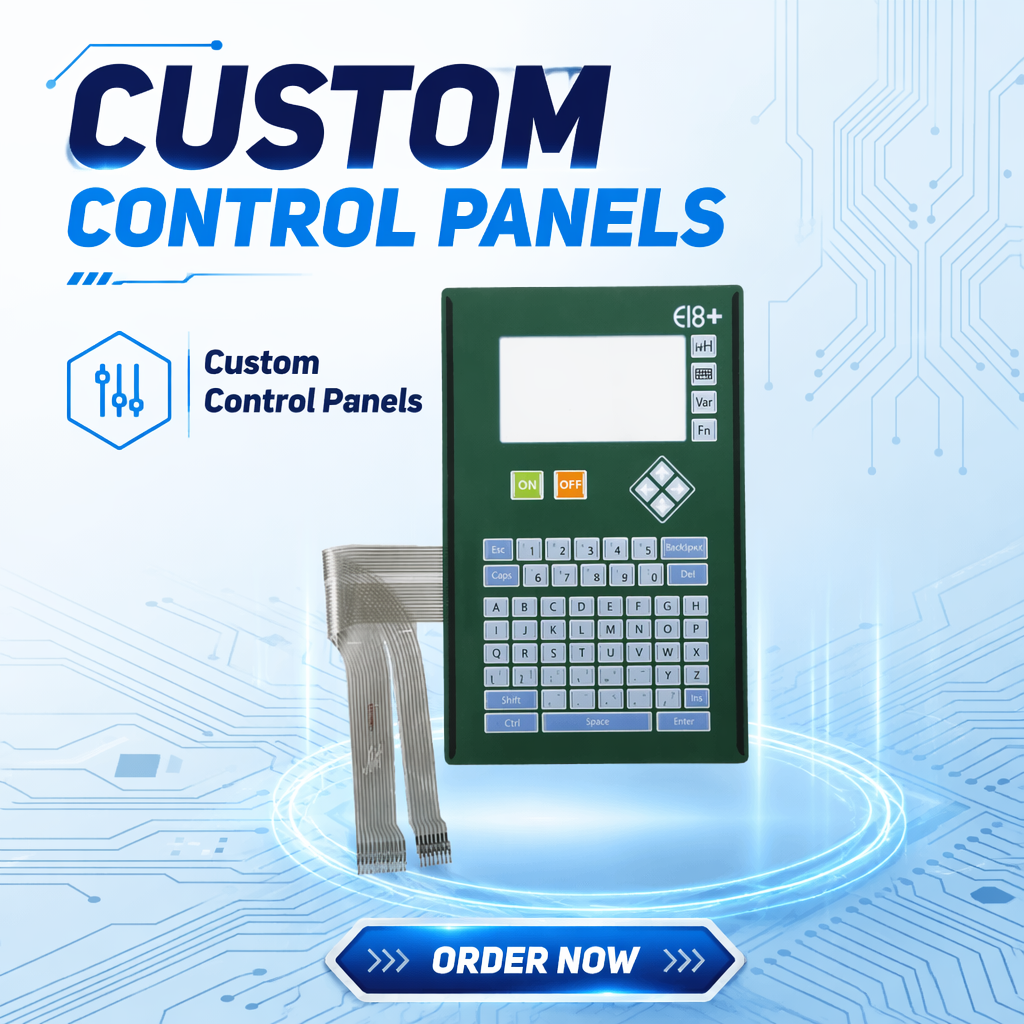
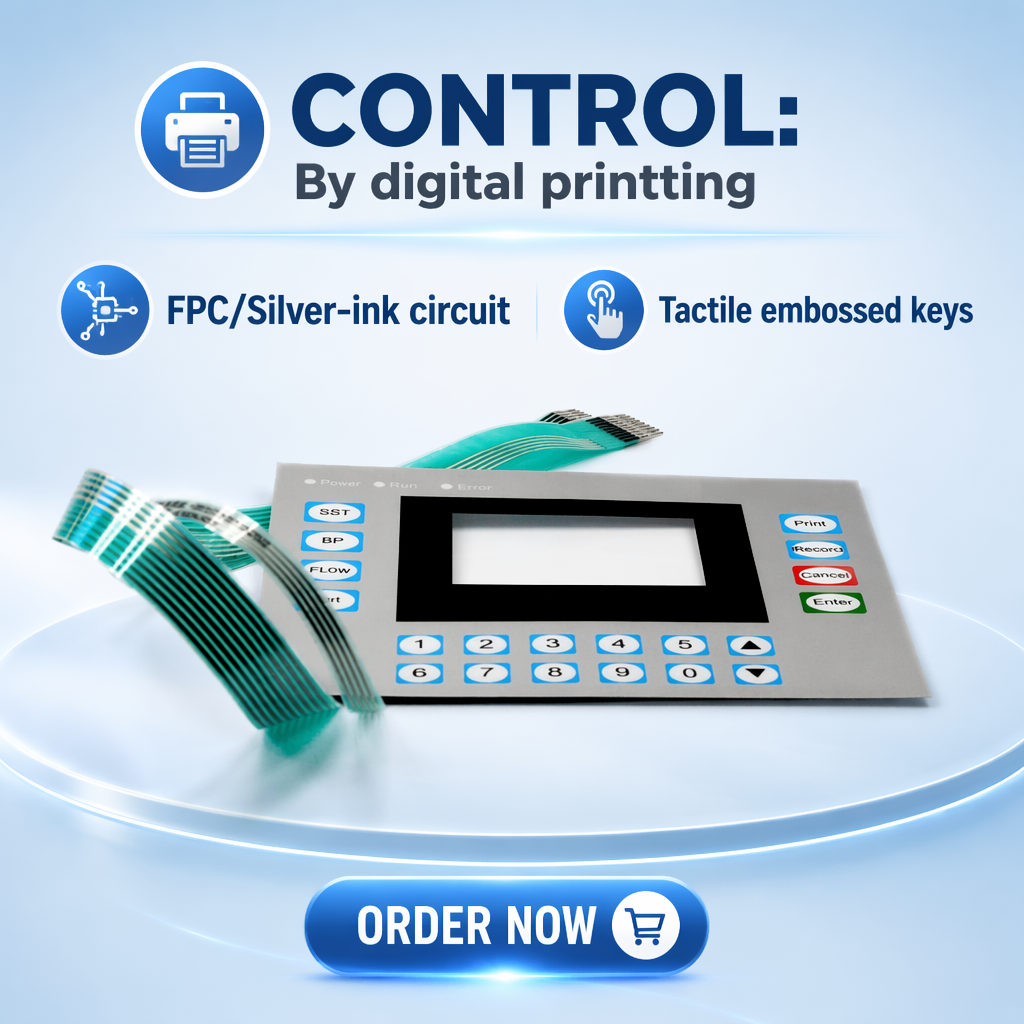
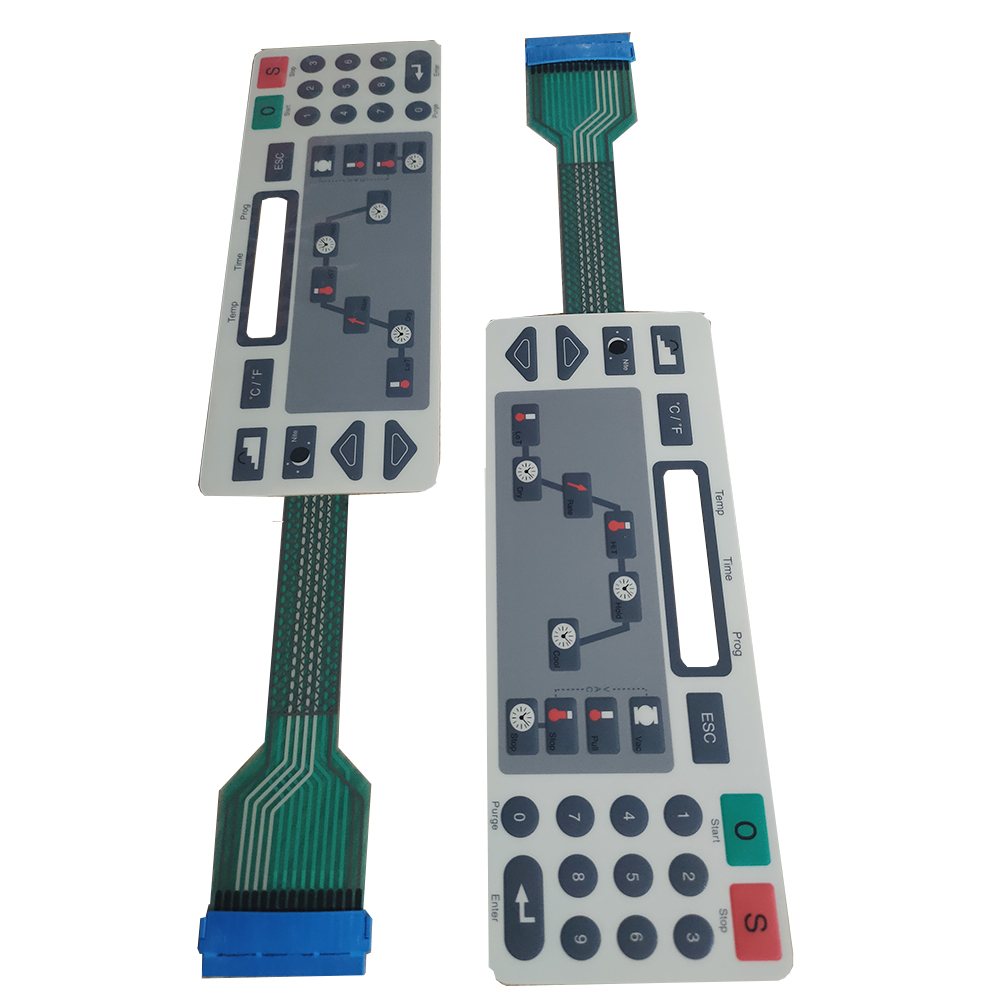
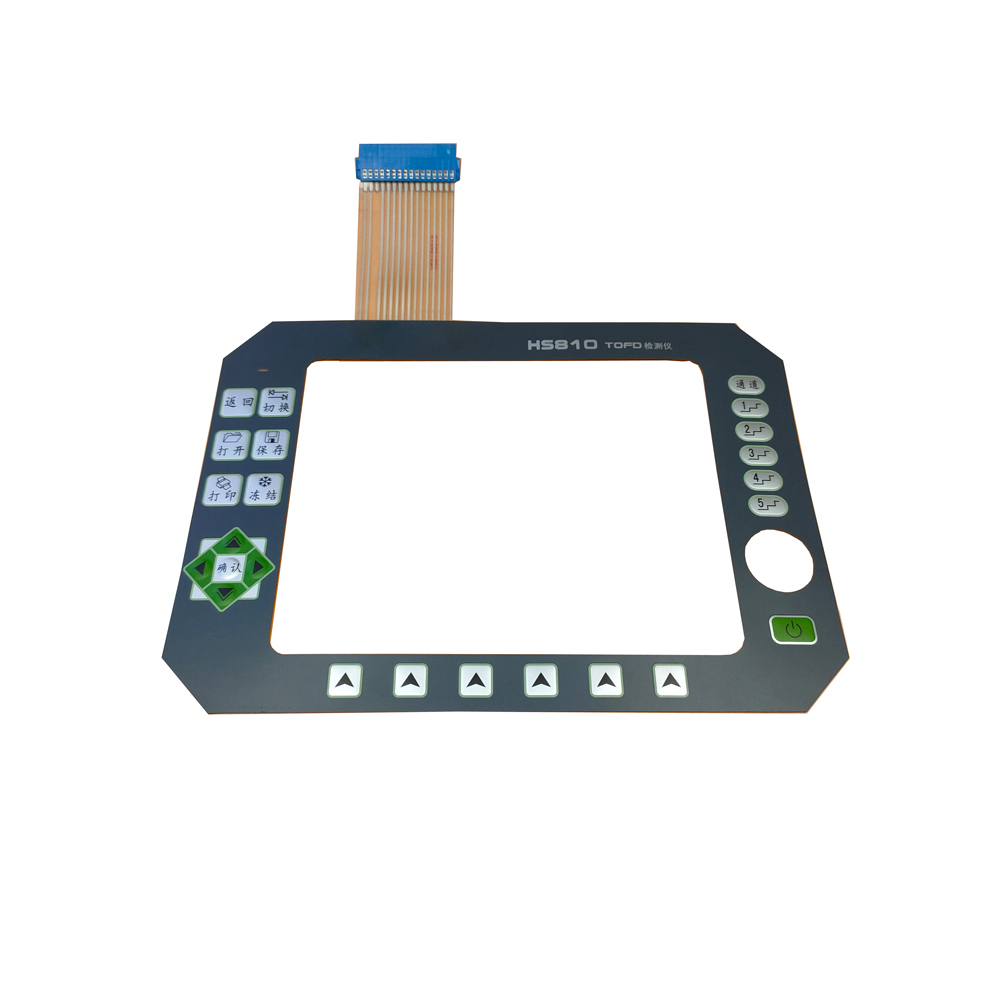
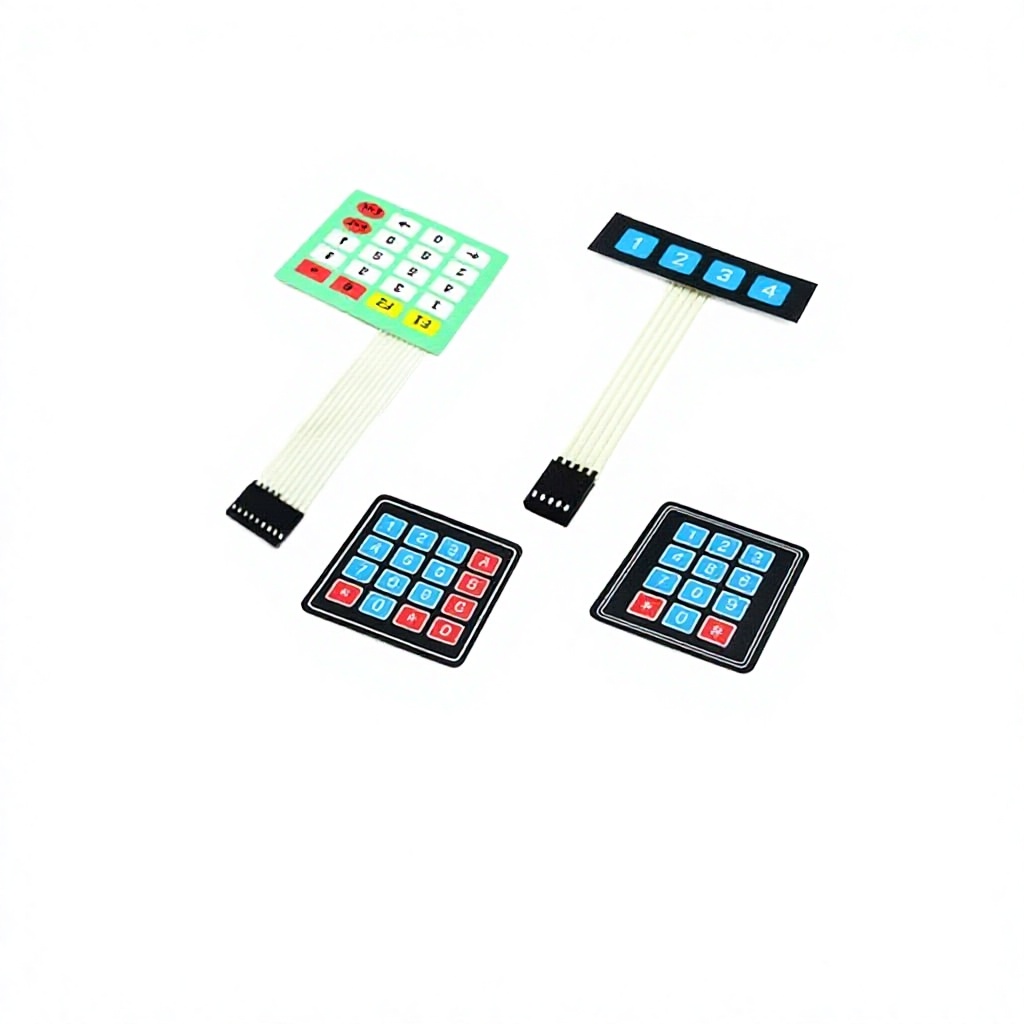
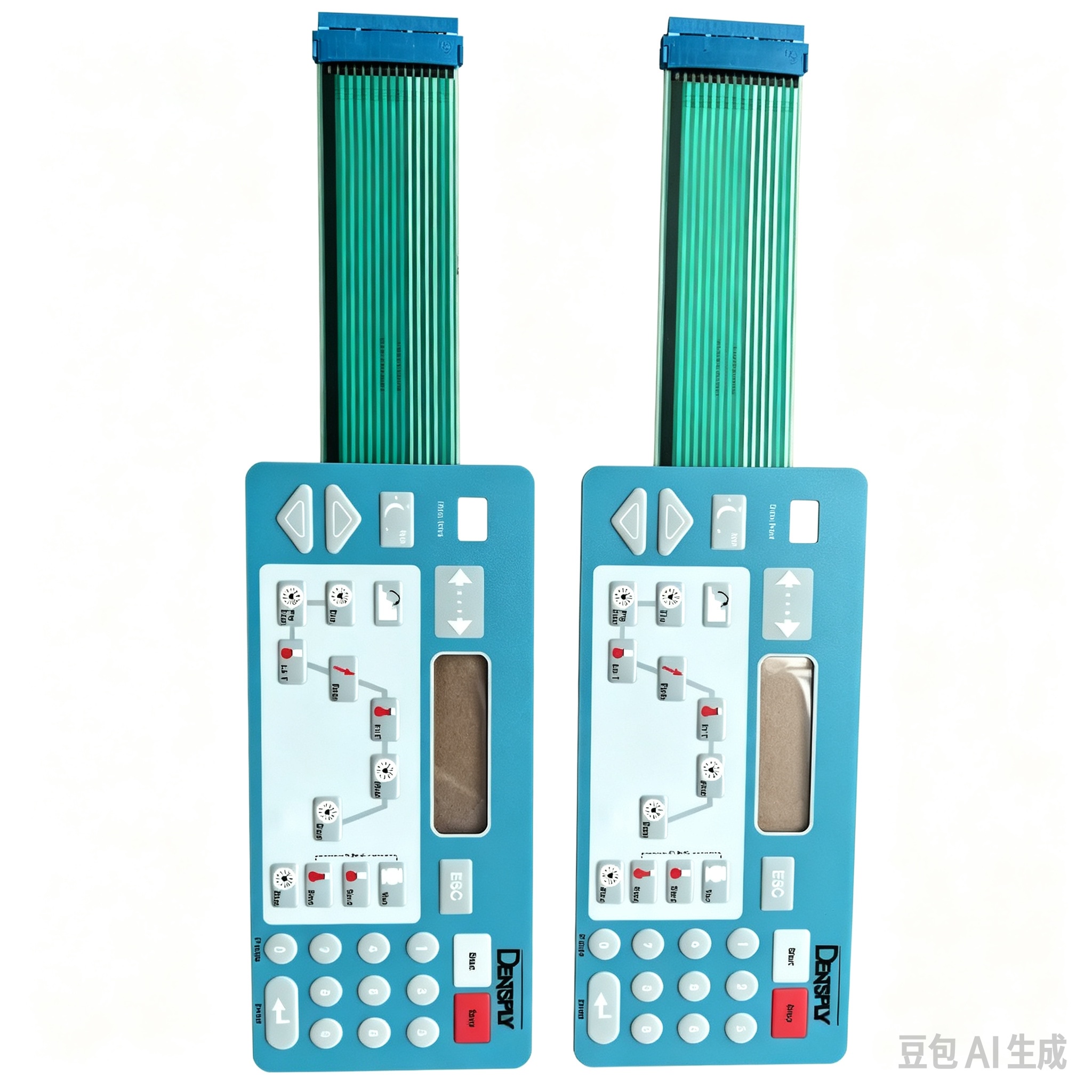
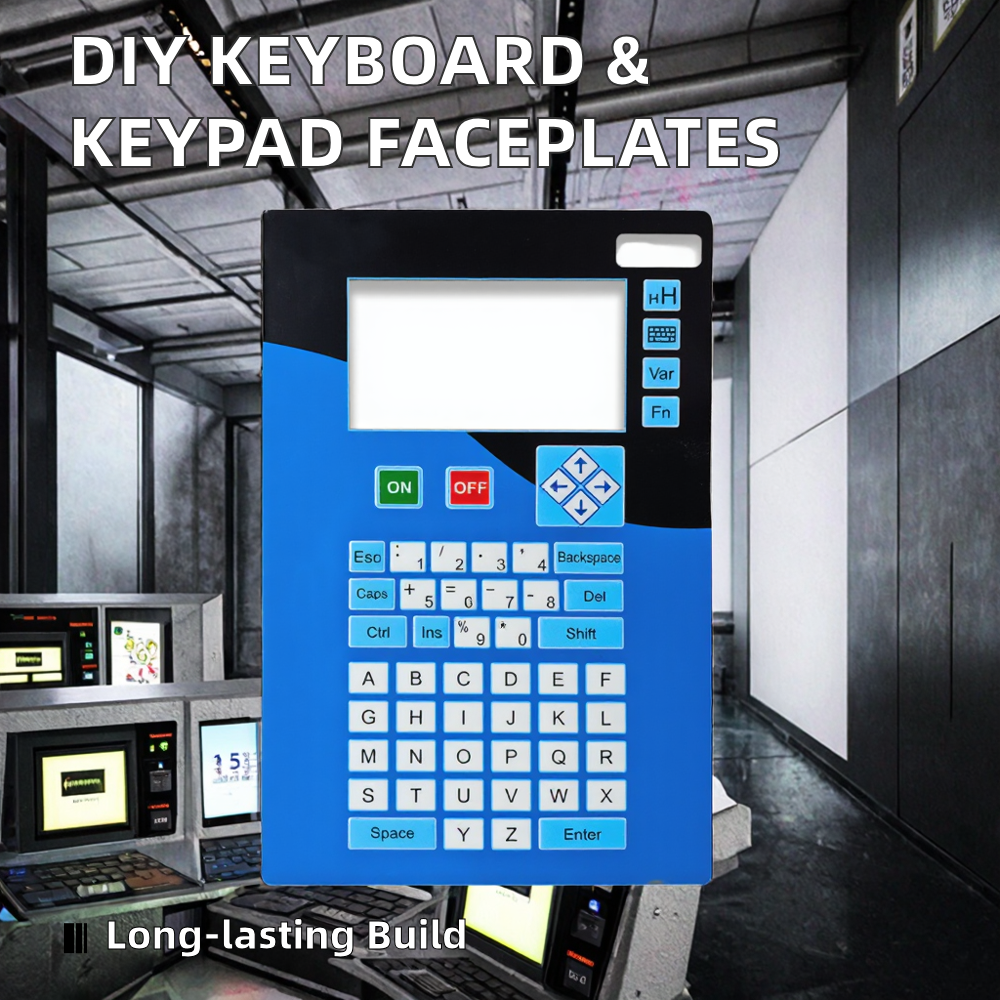
Engineered Light Guide Films & Core Interface Modules
Every custom assembly is manufactured under rigorous ISO 9001 parameters, featuring high environmental resistance, customized tactile force gradients, and zero optical hotspots.
Engineering Deep-Dive
The Mechanics of Light Guide Film (LGF) Optimization
An authoritative analysis of optical refraction gradients, stack-up compression, and thermal dissipation across modern thin-profile user interfaces.
Total Internal Reflection (TIR) & Micro-Dot Patterning
Standard edge-lighting relies on Snell's Law to guide photons through high-purity optical polycarbonate. Light trapped via Total Internal Reflection remains invisible until encountering engineered micro-grooves or UV-cured optical dots. By altering the micro-dot pitch, density, and depth along the radiant path, our engineers compensate precisely for exponential photon decay, yielding an evenly balanced illumination output (>85% uniformity) across complex graphic arrays.
Multi-Layer Stack-up Minimization
Traditional backlighting techniques, including thick molded polymethyl methacrylate (PMMA) light pipes or EL lamps, add excessive bulk (1.5mm to 3.0mm) or suffer from high-frequency inverter buzzing and short operational half-lives (<3,000 hours). TAVO's integrated LGF assemblies measure between 0.125mm and 0.25mm in optical thickness. When paired with high-adhesion 3M structural adhesives and FPC circuitry, the complete tactile stack stays below 1.2mm total profile.
Thermal & Power Budget Efficiency
By channeling optical flux through discrete side-fire LEDs (typically 0603 or 0802 packages) deployed exclusively along the peripheral circuit border, thermal dissipation is isolated away from tactile metal snap domes. This prevents localized heat accumulation, preserves the elastic yield strength of the stainless steel domes through 1,000,000 actuations, and reduces total system power consumption by up to 70% compared to broad-spectrum backlighting arrays.
Localized Engineering Applications
Santa Ana Regional Industrial & OEM Deployments
Serving contract manufacturers, advanced electronics assemblers, and R&D laboratories clustered throughout Orange County and the greater Los Angeles basin.
MedTech Systems
Sterilizable Clinical Monitors
Southern California’s medical cluster demands hermetically sealed interfaces capable of withstanding aggressive hospital-grade wipes (bleach, IPA, quaternary ammonium). Our LGF switches integrate continuous PET graphic overlays with IP67 perimeter gaskets, ensuring clear status readouts during surgical suite procedures without crevice contamination.
Commercial Avionics
Cockpit Sub-Panels & In-Cabin HMI
Engineered for Tier-1 avionics providers and aerospace subcontractors operating in Orange County. TAVO supplies LGF sub-assemblies calibrated for stringent NVIS (Night Vision Imaging System) compatibility, low glare ratings, and anti-vibration circuit bonding verified under extreme thermal cycles (-40°C to +85°C).
Industrial Robotics
Factory Automation Teach Pendants
With modern warehousing and robotics manufacturing taking center stage along the Santa Ana transport corridors, handheld machine pendants require lightweight, drop-proof, and brightly backlit interfaces. Integrated FPC circuits prevent trace fracture under continuous mechanical flexing.
Clean Mobility
EV Charging Terminals & Smart Metering
Outdoor municipal charging installations require readability across bright Pacific sunlight as well as night conditions. Utilizing UV-resistant Autotype films with high-contrast reverse screen-printing ensures our LGF backlit interfaces resist yellowing and moisture ingress in marine ambient air.
Market Intelligence
Procurement & Development Trends in Santa Ana Hardware
How agile Southern California hardware developers are navigating offshore fabrication while de-risking lead times, compliance, and engineering revisions.
Migration Toward Hybrid Capacitive + LGF Interfaces
Design engineering teams throughout Santa Ana are phasing out mechanical pushbuttons in favor of hybrid designs that marry capacitive touch surface sensors with tactile LGF confirmation keys. This creates sleek, seamless glass or polycarbonate front facades that maintain physical haptic verification for safety-critical machine commands.
Direct Factory-to-Assembly Sourcing Models
Procurement teams are cutting through domestic middleman markups by establishing direct technical pipelines with overseas manufacturers who hold certified cleanroom credentials. The ability to coordinate with bilingual engineering desks eliminates iterative CAD translation errors and reduces NRE (Non-Recurring Engineering) tooling costs by 40% to 60%.
Resilient Supply Chains & Dual-Facility Redundancy
Geopolitical and shipping considerations have prompted California operations managers to mandate manufacturing redundancies. TAVO answers this challenge by maintaining fully scaled parallel production centers in Xianghe (Hebei) and Huizhou (Guangdong), insulating buyers against localized logistics interruptions and guaranteeing continuous fulfillment.
Certified Enterprise Strengths
Why Global Hardware Leaders Choose TAVO
Full in-house industrial integration — from optical ray tracing and precision mold machining to multi-axis laser cutting and automated optical inspection.
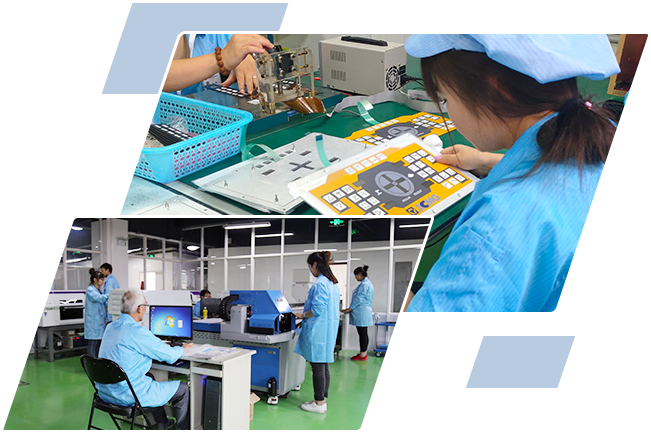
Closed-Loop Manufacturing Under One Roof
Unlike trading companies that outsource critical laminating or printing stages, TAVO executes every procedural milestone internally. From preliminary laser plot film creation, screen tensioning, and UV curing to hydraulic embossing, SMD LED placement, and final OCA (Optically Clear Adhesive) vacuum bonding, our closed-loop facility guarantees uncompromised quality assurance.
60 CNC Mold Centers
4 Mimaki UV Printers
37 Silkscreen Lines
18 Laser Cutters
7 Digital Engravers
European Engineering Standards & Tier-1 Recognition
Through our long-term technical cooperation with prominent German membrane switch manufacturing entities—sharing technicians, equipment standards, and tooling tolerances—our production lines operate in full alignment with DIN and ISO quality conventions.
Our human-machine interface assemblies are certified and actively specified by global industrial leaders including Siemens, ABB, and Haier, and have delivered dependable operation inside high-speed locomotive controls, the Three Gorges energy infrastructure, Xugong Group heavy machinery, and international aerospace instruments.
ISO 9001 Certified
Intertek Assessed
30+ Senior Specialists
15+ Years Avg. Experience
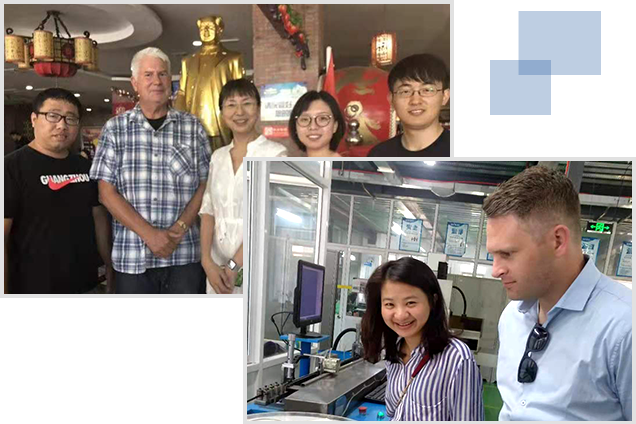
In-House Environmental & Reliability Verification Lab
Every production batch undergoes zero-defect testing prior to air-freight dispatch to Southern California receiving docks.
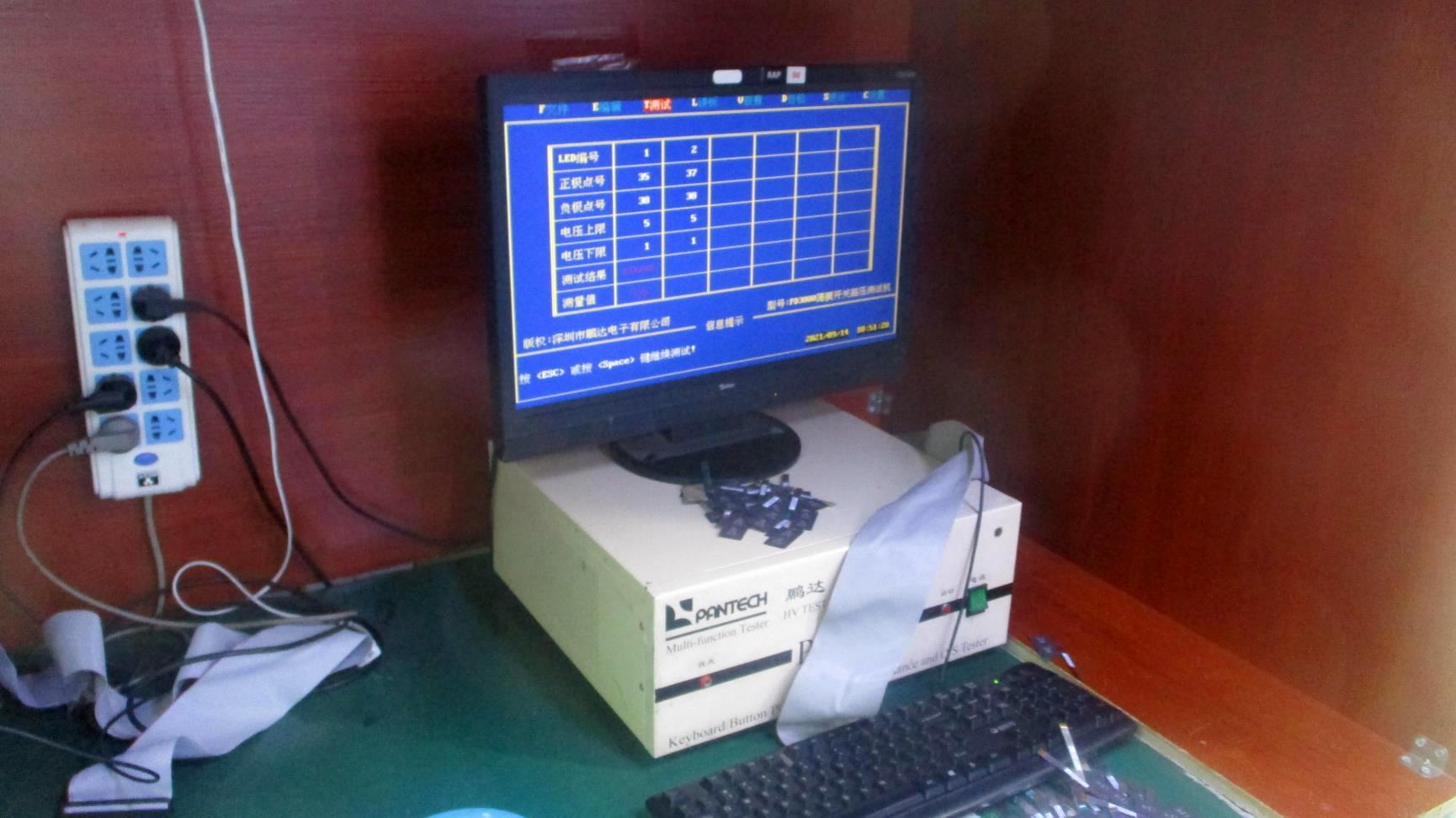 Automated Continuity Tester
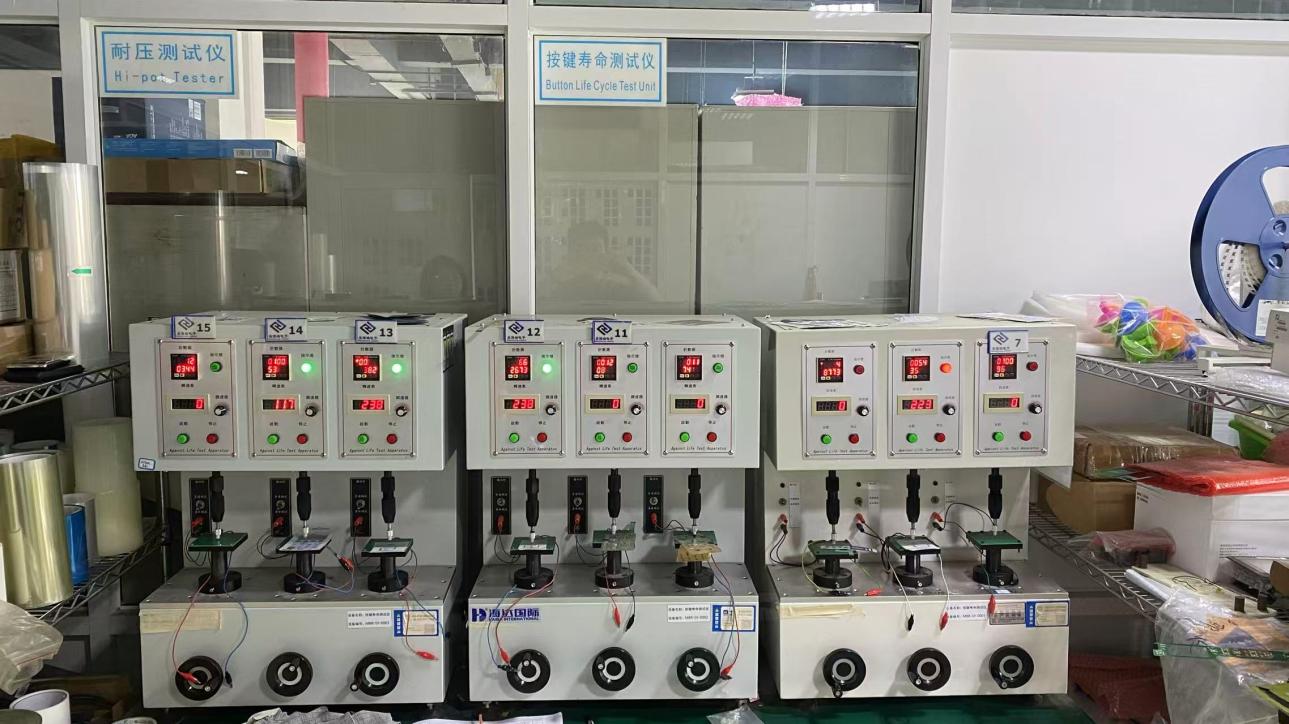 1,000,000 Actuation Tester
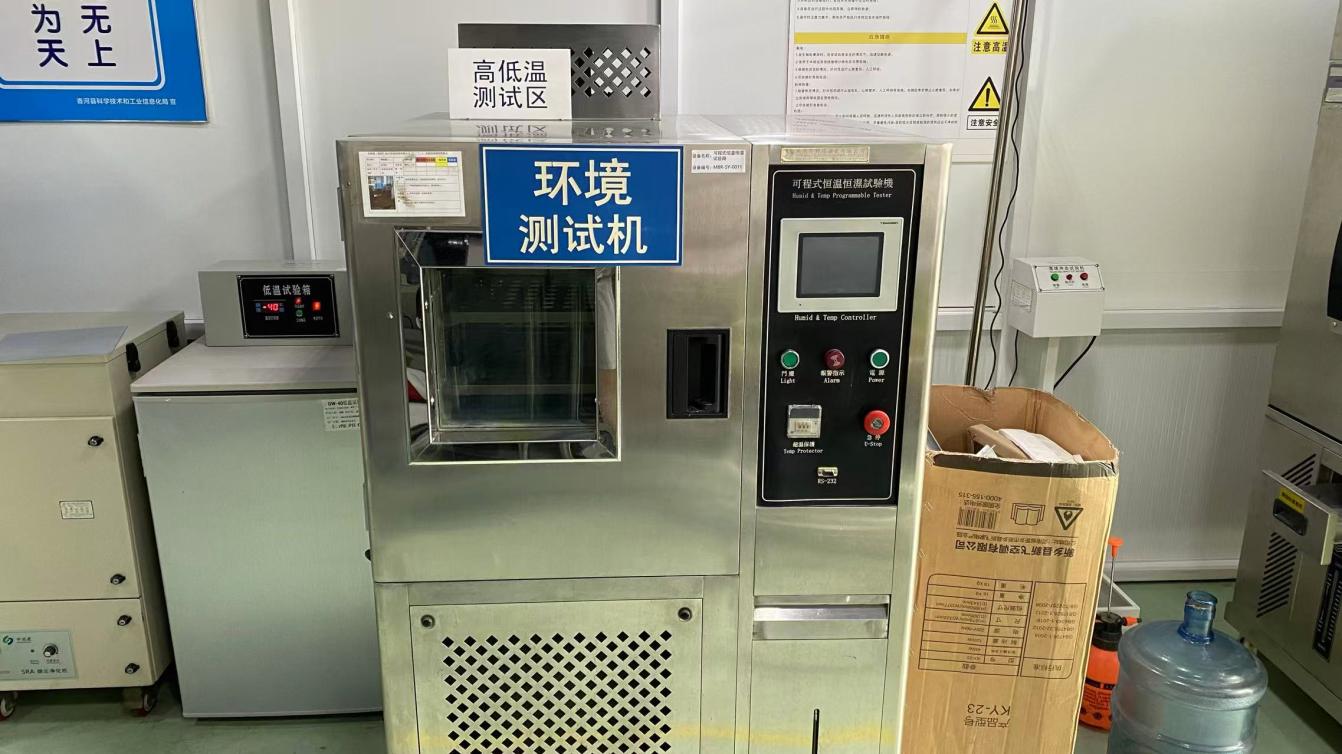 Thermal Humidity Chamber
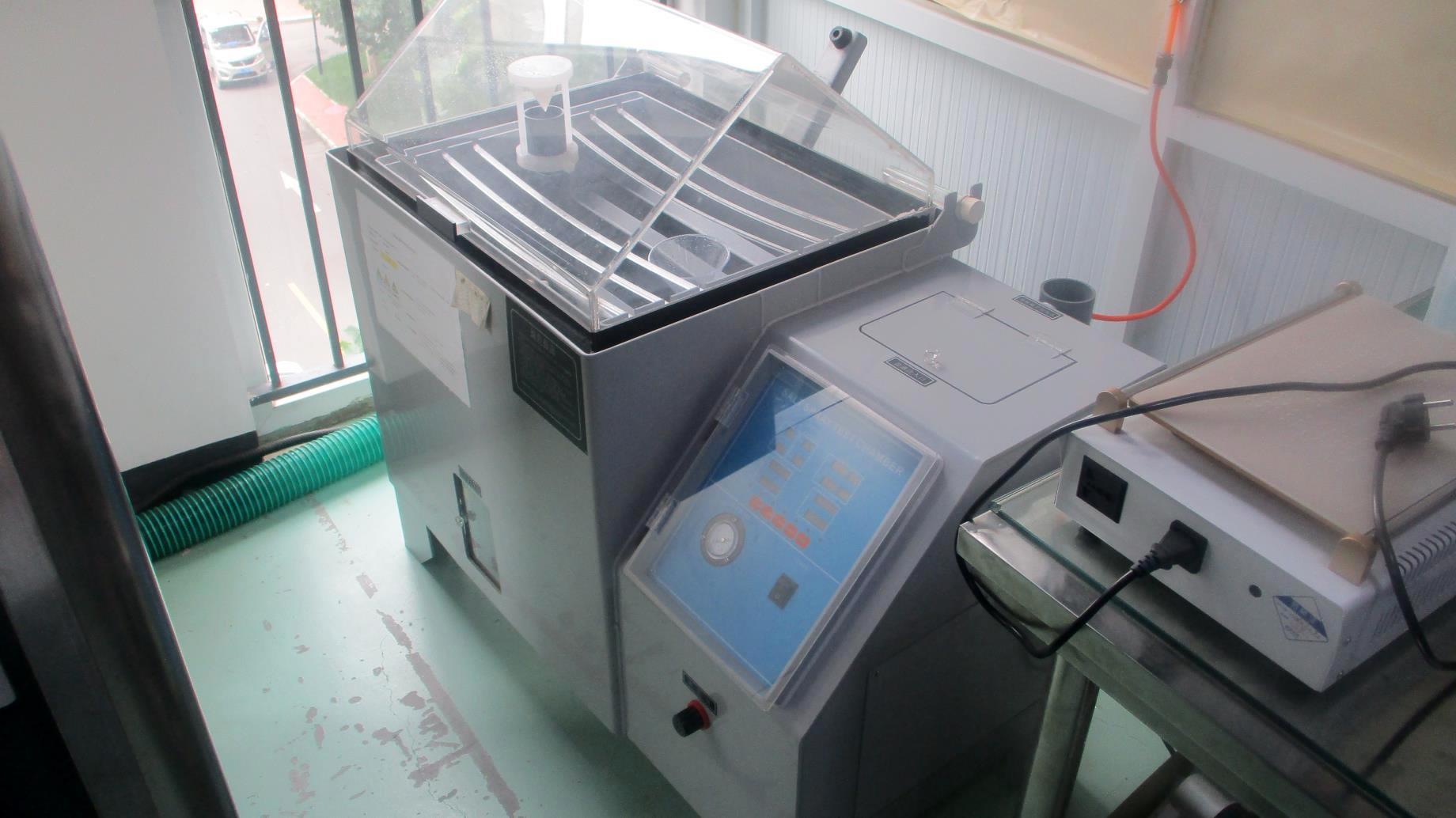 ASTM B117 Salt Spray Chamber
Procurement Knowledge Base
Frequently Asked Questions by Santa Ana Engineers & Buyers
Everything you need to know about tooling lead times, customs clearance, optical dot prototyping, and California regulatory compliance.
What is the standard turnaround time for shipping custom LGF prototypes to Santa Ana?
Initial DFM engineering drawings are provided within 24 to 48 hours upon receipt of your CAD/artwork files (DXF, STEP, AI). Once drawings and circuit schematics are finalized, rapid tooling and prototype production typically take 7 to 10 working days. Shipments to Orange County (via expedited air express such as DHL/FedEx) arrive in Santa Ana within 3 to 5 business days, clearing US Customs seamlessly.
How does Light Guide Film compare with Electroluminescent (EL) backlighting?
Electroluminescent (EL) lamps degrade quickly, typically dropping to half-luminance within 3,000 hours, and require AC inverters that generate EMI interference and audible noise. LGF uses long-lasting DC-driven SMT LEDs (rated at 50,000+ operational hours), introduces zero EMI, and requires no inverter, making it the superior standard for medical and precision instruments.
Do your membrane switches comply with California Proposition 65 and RoHS?
Yes. All overlay films (Autotype PET, Lexan PC), adhesives (genuine 3M 467MP/468MP/VHB), conductive silver/carbon inks, and lead-free solder pastes are 100% compliant with EU RoHS 3.0, REACH, and California Proposition 65 chemical regulations. Full test reports from SGS or Intertek are furnished upon request.
Can you manufacture low-volume pilot batches for hardware incubators?
Yes. We understand the iterative lifecycle of Southern California hardware startups and defense prototypes. Unlike manufacturers requiring 10,000+ unit minimum order quantities (MOQ), our digital UV printing lines and CNC laser tooling accommodate small pilot batches of 50 to 500 units without costly hard-tooling overhead.
How do you guarantee color precision on custom graphic overlays?
We utilize X-Rite spectrophotometers to verify color matching against the Pantone Matching System (PMS) and RAL color libraries. We back-print graphics on the sub-surface of optical-grade films to protect legends from chemical abrasion, scratching, and UV degradation.
What payment and trade terms are supported for North American buyers?
We operate flexibly under FOB, CFR, CIF, and EXW incoterms, offering direct DDP (Delivered Duty Paid) air options straight to your Santa Ana dock. Payment terms include wire transfers via T/T, L/C, and open account facilities for established volume partners, denominated in USD.
Accelerate Your HMI Project With TAVO Engineers
Whether you are redesigning an existing avionics panel, upgrading an industrial robot interface, or prototyping a cleanroom medical device in Santa Ana, our optical design team is ready to analyze your stack-up and provide a comprehensive DFM assessment.
- Free DFM & Optical Dot Pattern Review
- Strict NDA Confidentiality Protection
- Rapid 7-Day Prototype Turnaround
- Direct Air Dispatch to Southern California
Request Engineering Consultation
Connect immediately with our technical account team to share your DXF, STP, or graphic files.
Inquire Now