Engineered Metal Dome Membrane Keypads & HMIs
Custom fabricated with high-rebound stainless steel tactile domes, hermetic environmental seals, and advanced circuit architectures meeting stringent industrial criteria.
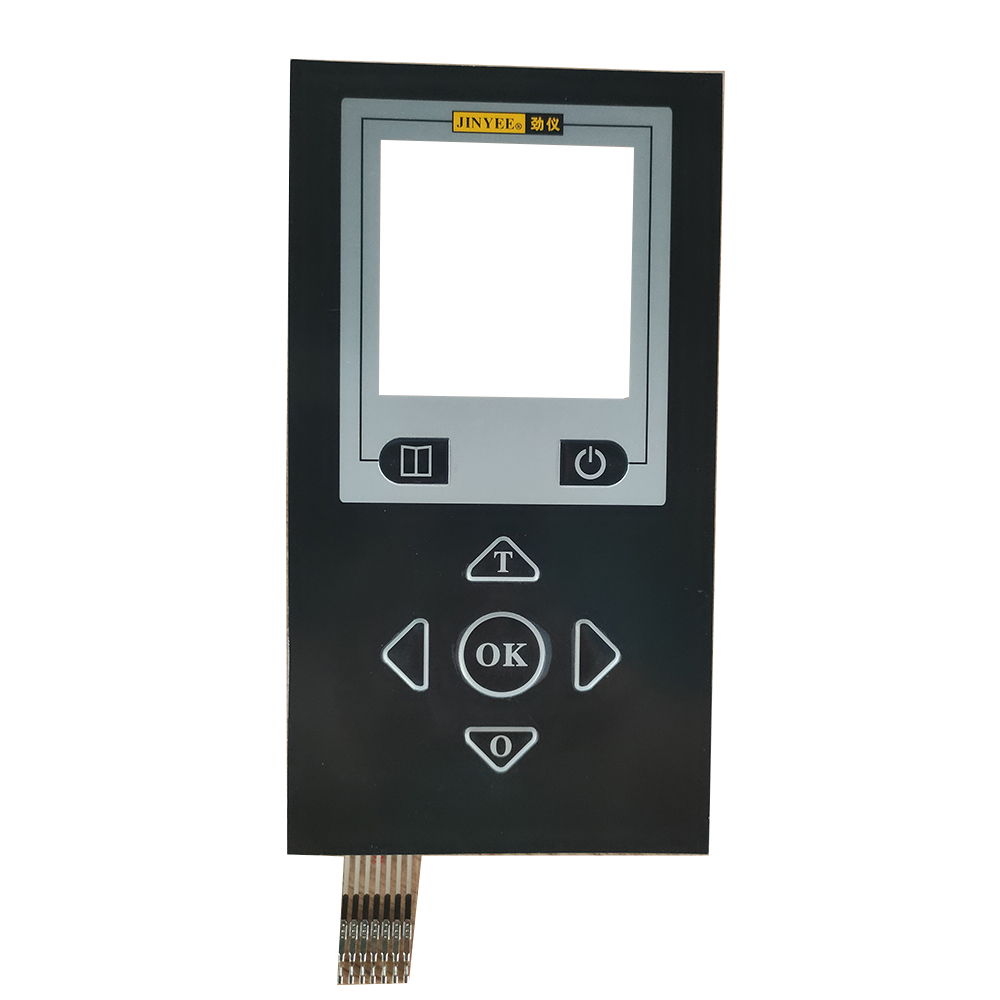
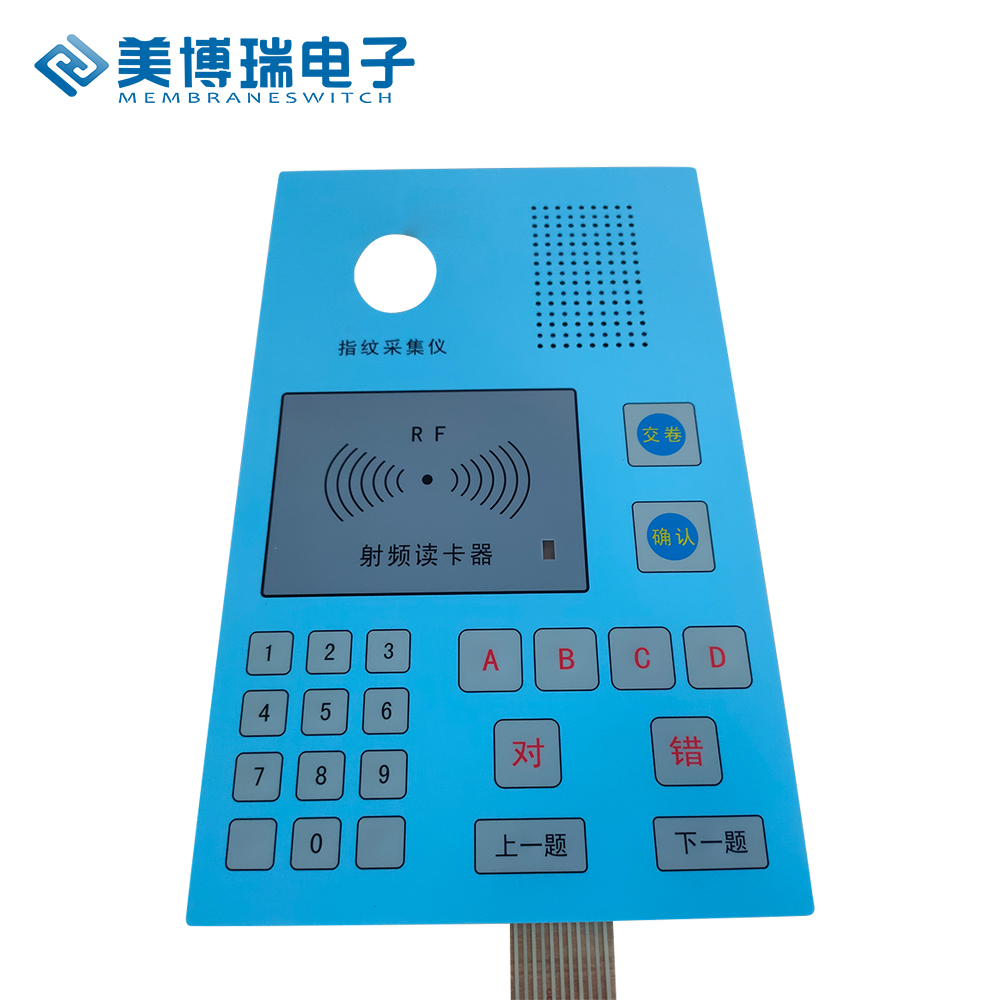
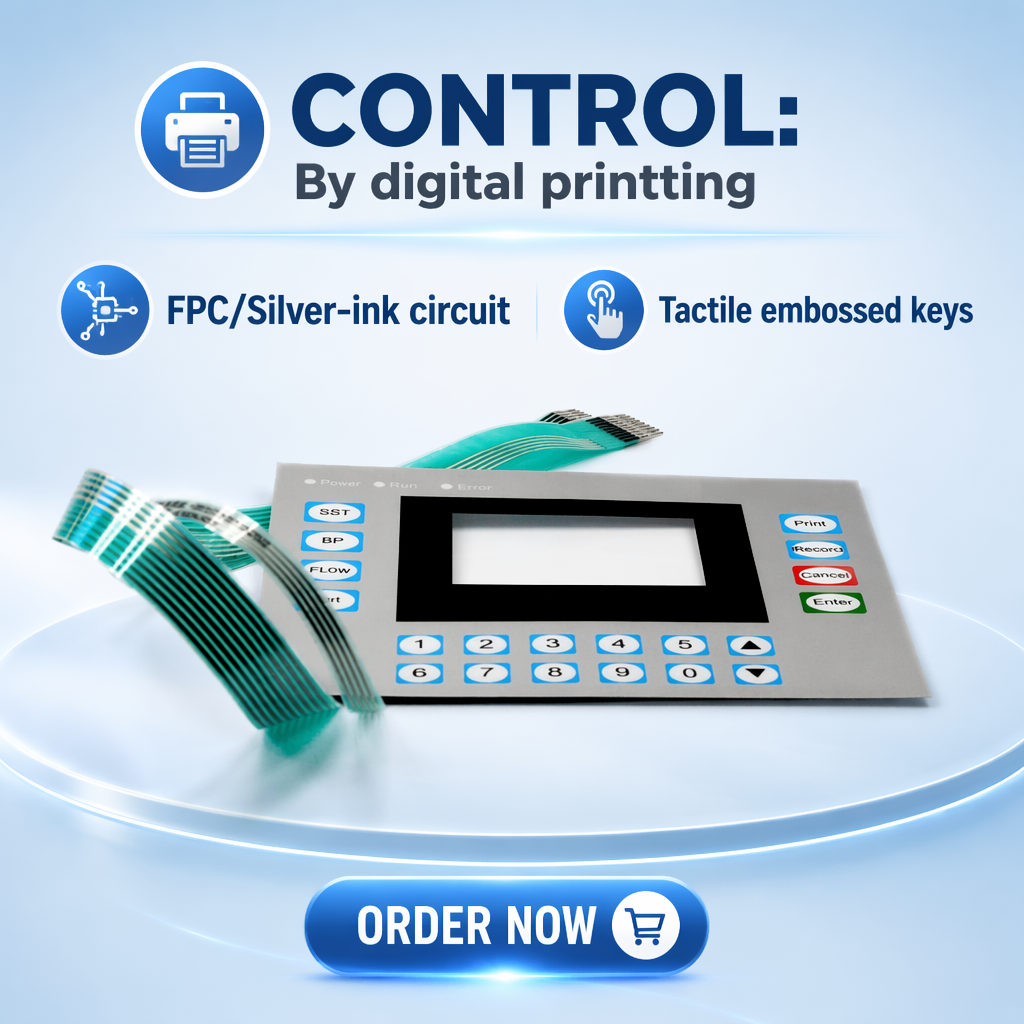
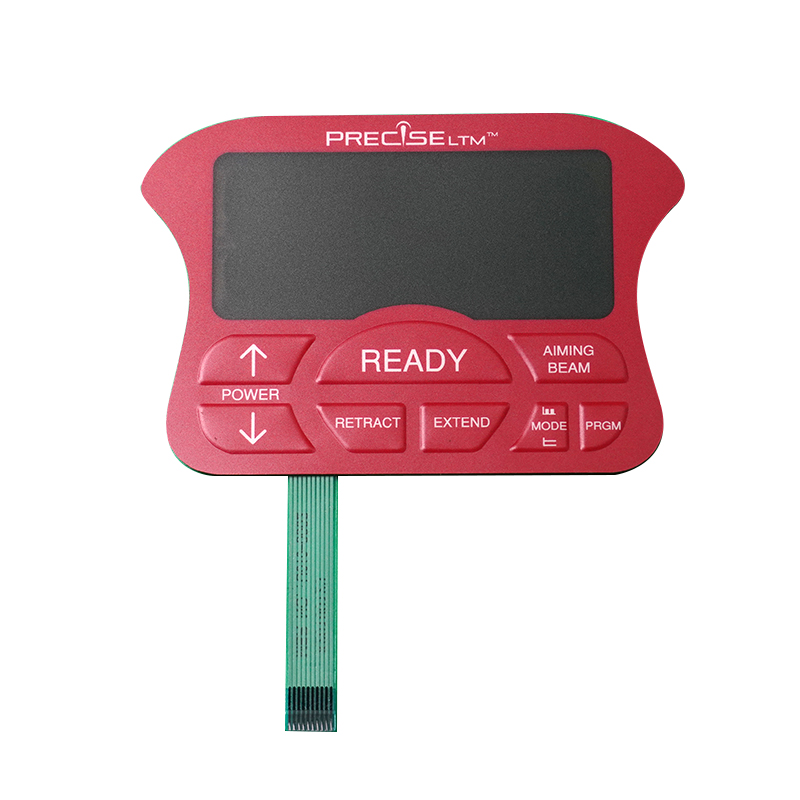
Engineering Excellence in Tactile Feedback: Metal Dome Architecture
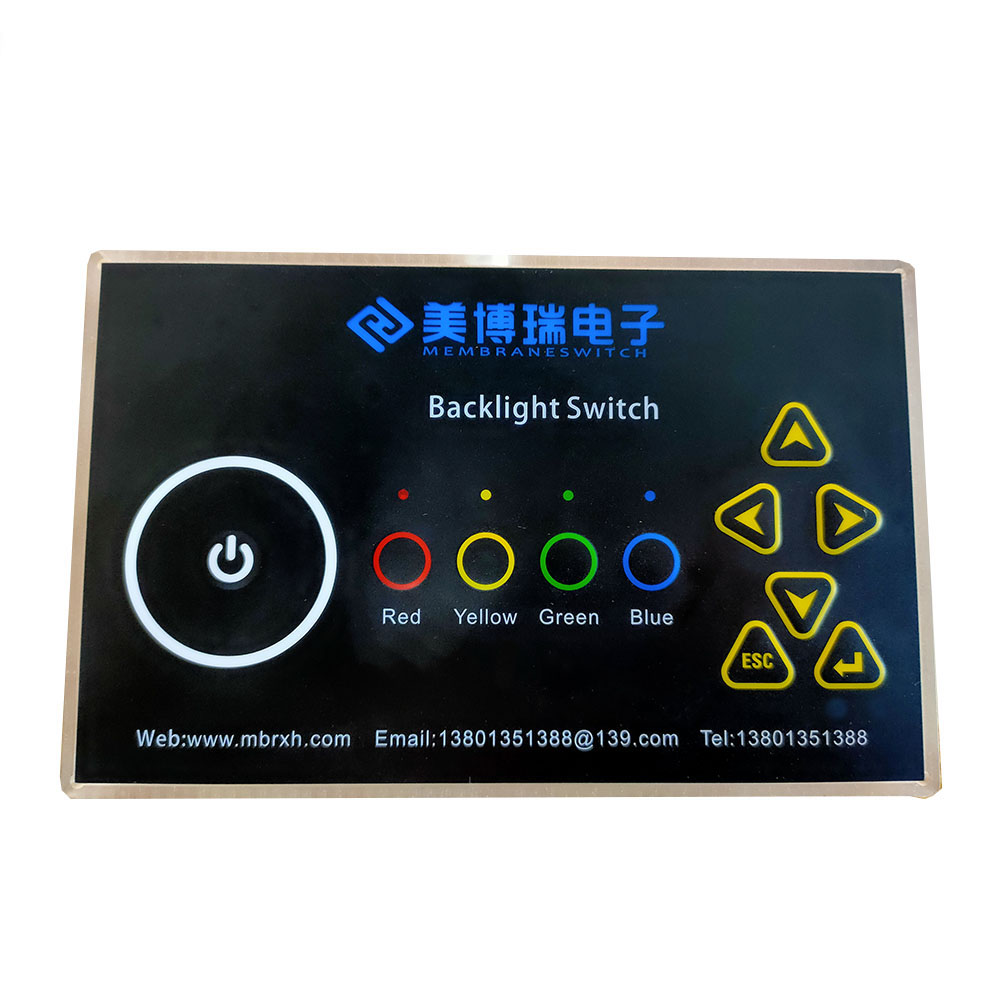
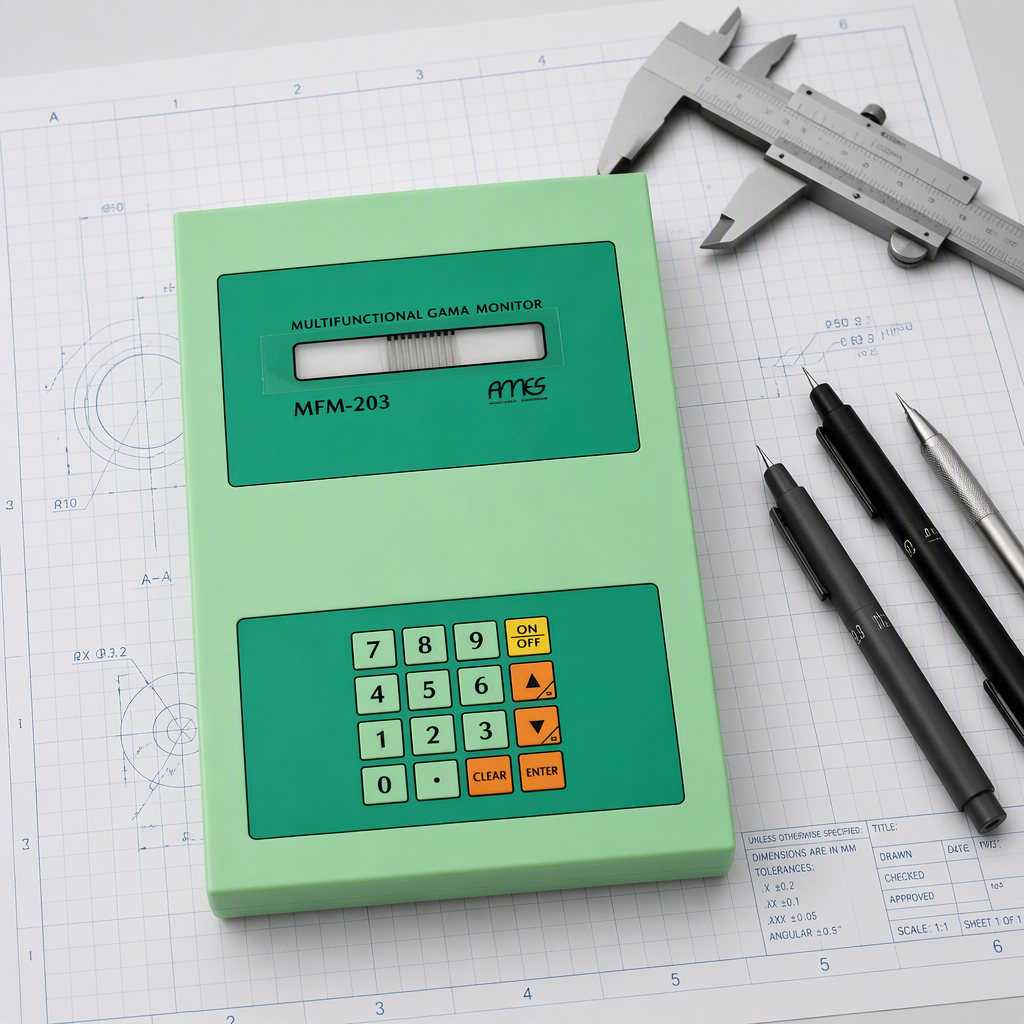
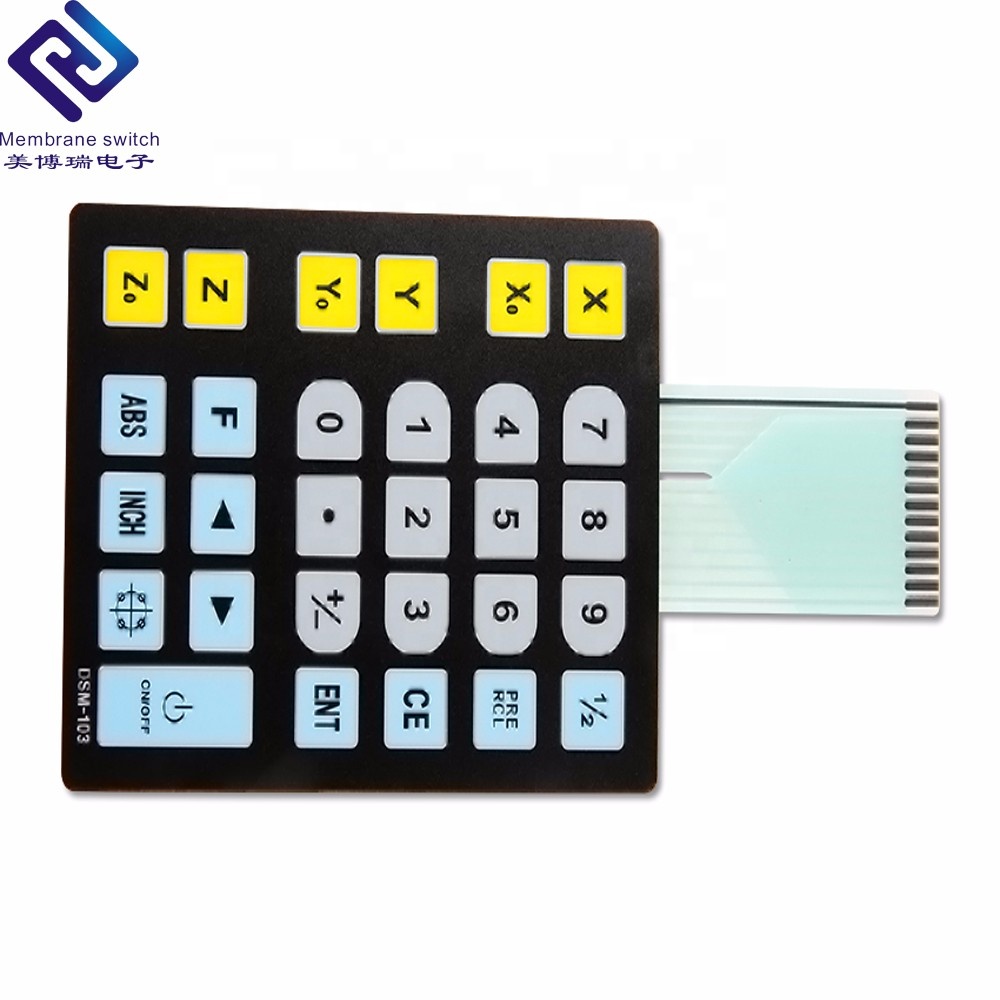
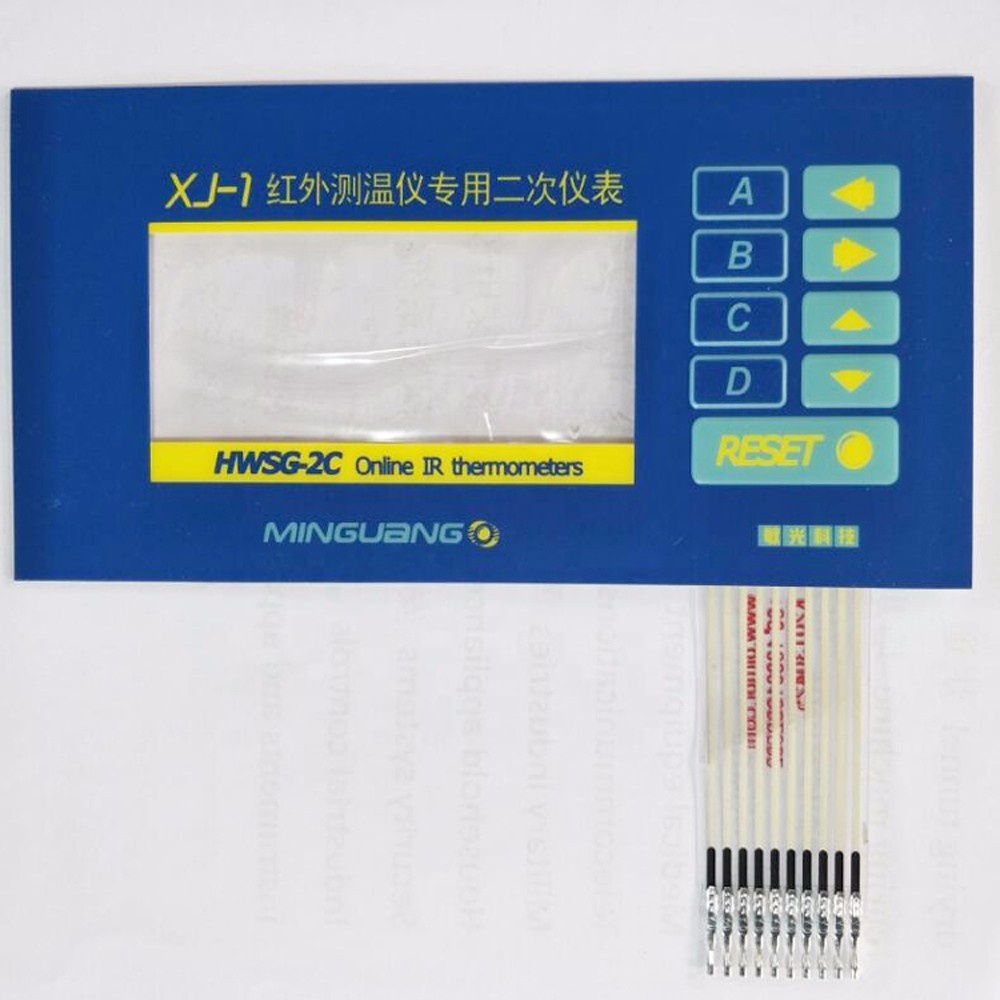
In modern electronic design, the human-machine interface (HMI) serves as the primary touchpoint between industrial operators and mission-critical hardware. A metal dome membrane keypad incorporates stainless steel or nickel-plated tactile domes positioned precisely above conductive switch contacts on either printed polyester circuits or flexible copper circuits (FPC). When pressed, the dome undergoes momentary elastic deformation, creating an unmistakable tactile "snap" and closing the circuit loop.
For hardware procurement teams throughout Charlotte, North Carolina, and the surrounding I-85 industrial corridor—including Concord, Gastonia, Rock Hill, and the Research Triangle—system uptime, switch longevity, and environmental ruggedness dictate operational success. Charlotte’s rapidly expanding footprint in commercial power conversion, advanced logistics automation, automated packaging systems, and medical diagnostics requires user interfaces that outlast mechanical switches and unsealed keyboards.
Anatomy of an Industrial-Grade Metal Dome Assembly
To withstand harsh chemical washes, industrial vibration, and repetitive cycling, our specialized engineering stack-up consists of six primary laminations:
| Layer | Material Specification | Functional Contribution |
|---|---|---|
| 1. Graphic Overlay | Autotex PET / Lexan Polycarbonate (0.125mm – 0.25mm) | Reverse-printed sub-surface graphics, UV resistance, chemical resistance to caustic oils. |
| 2. Overlay Adhesive | 3M 467MP / 3M 468MP High-Performance Acrylic | Forms a permanent bond preventing moisture ingress and delamination during thermal cycling. |
| 3. Dome Retainer Spacer | Laser-cut polyester carrier sheet with venting channels | Pockets domes accurately over contacts while controlling air displacement during actuation. |
| 4. Tactile Elements | Four-leg stainless steel (SUS301/SUS304) or trip-dome arrays | Delivers crisp actuation forces ranging from 220g to 500g, supporting 1,000,000+ actuations. |
| 5. Circuit Layer | Conductive silver ink on heat-stabilized PET or copper-etched FPC | Low contact resistance (<100Ω silver, <1Ω FPC), integrated SMT LEDs, and anti-EMI shielding. |
| 6. Rear Mounting Adhesive | 3M 300LSE / 200MP or foam gap-filling adhesive | Bonds firmly to cast aluminum, powder-coated steel enclosures, or molded ABS bezels. |
Localized Application Scenarios Across the Charlotte Manufacturing Belt
The Piedmont region represents one of the fastest-growing industrial technology clusters in the United States. Sourcing managers and electrical design engineers in North Carolina deploy our custom metal dome keypads across critical sectors:
Power Generation & Grid Infrastructure
Charlotte is a recognized hub for smart energy and utility control engineering. Our metal dome panels power generator control units, switchgear telemetry systems, and smart substation panels requiring stringent EMI/RFI shielding and IP65/IP67 barrier protection against dust and humidity.
Get a QuoteMaterial Handling & Intralogistics
Serving the massive warehousing hubs adjacent to Charlotte Douglas International Airport, our sealed keypads are mounted on automated guided vehicles (AGVs), conveyor control consoles, and industrial barcode validation scanners subjected to relentless multi-shift operation.
Get a QuoteMedical & Life Science Diagnostic Equipment
In cooperation with regional biomedical research hubs, our keypads feature anti-microbial textured polyester finishes resistant to isopropyl alcohol, bleach, and hospital disinfectants, complete with embedded micro-LED status indicators and tactile dome positive feedback.
Get a QuoteEmerging Sourcing Trends in the Greater Charlotte Market
Recent evaluations of search intent and supply-chain logistics among North Carolina engineering firms reveal three distinctive market shifts:
1. Shift Toward Flexible Printed Circuit (FPC) Backbones: While traditional conductive silver-ink circuits remain cost-effective for static interfaces, Charlotte-area instrumentation OEMs are rapidly migrating toward copper-etched FPC backbones. FPC accommodates ultra-dense pitch connector tails (down to 0.5mm ZIF pitch), handles higher operating temperatures in locomotive and engine monitoring, and allows soldering of surface-mount components (SMD LEDs, resistors, capacitors) directly to the circuit layer without conductive epoxy degradation.
2. Hermetic Sealing for Humid Subtropical Conditions: The climate of the Carolinas brings elevated summer humidity and thermal expansion challenges. Procurement teams prioritize perimeter gasket sealing using closed-cell acrylic bonding (such as 3M 300LSE) capable of passing IP67 immersion tests and preventing silver migration caused by condensed atmospheric moisture.
3. Integration of Embedded Backlighting (LGF & LEDs): Operators working in high-ambient glare or dim machine rooms demand clear legends. Rather than bulky discrete lamps, advanced designs incorporate Light Guide Film (LGF) laminations that redirect side-firing LED emissions uniformly across critical key legends with minimal power consumption.
Why Global OEM Brands Partner With Us
Founded on an engineering heritage dating back to 1990, we eliminate intermediary trading costs and guarantee closed-loop quality control through complete vertical integration.
100% In-House Production
From CAD engineering, film separation, and silkscreen printing to CNC mold tooling, laser cutting, and electronic testing, every operation takes place inside our facility.
Dual Manufacturing Bases
Equipped with dual production bases in Hebei (Xianghe Robot Industry Port) and Guangdong (Huizhou), balancing capacity to guarantee rapid prototyping and scalable batch runs.
German Technology Transfer
Continuous technical collaboration with leading German HMI factories governs our tooling precision, automated optical inspection, and rigorous process consistency.
Certified Validation Lab
ISO 9001 certified and Intertek assessed. In-house lab tests button life cycles (1M+ actuations), computer continuity, programmable salt spray, and xenon aging.
Frequently Asked Questions by Charlotte Engineers & Buyers
Detailed engineering and procurement guidelines addressing lead times, file formats, environmental ratings, and international shipping.
What design files are required to initiate an engineering quote and prototype tooling?
How do metal dome tactile switches perform in harsh chemical or wet industrial environments?
Can our engineering team order low-volume pilot batches or prototype runs for field testing in North Carolina?
What actuation forces and dome sizes are available for metal dome keypads?
How does shipping, customs clearance, and delivery operate for Charlotte area accounts?
Can you integrate metal backers, rigid FR4 PCBs, and transparent display windows?
Accelerate Your Charlotte HMI Engineering Project
Consult directly with our custom membrane switch application engineers. We evaluate your drawings, recommend optimal layer stack-ups, and deliver rapid prototype quotes.