Engineered Membrane Keypads & Control Assemblies
Custom fabricated using premium Autotex polyester, conductive silver circuitry, high-bond 3M adhesives, and robust ingress protection up to IP67/IP68.
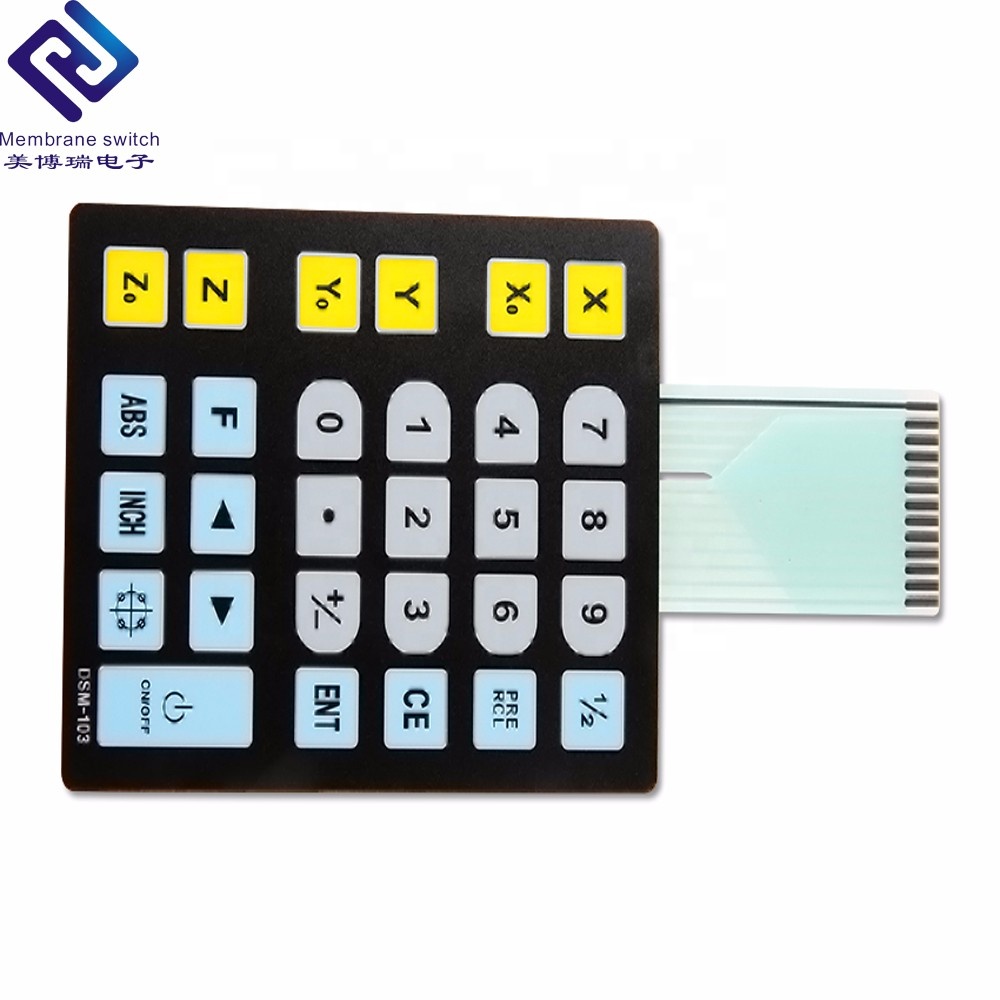
Factory Membrane Switch Keypad with Rubber Buttons 4*4/1*4/3*4/4*5 Layout MCU Expansion
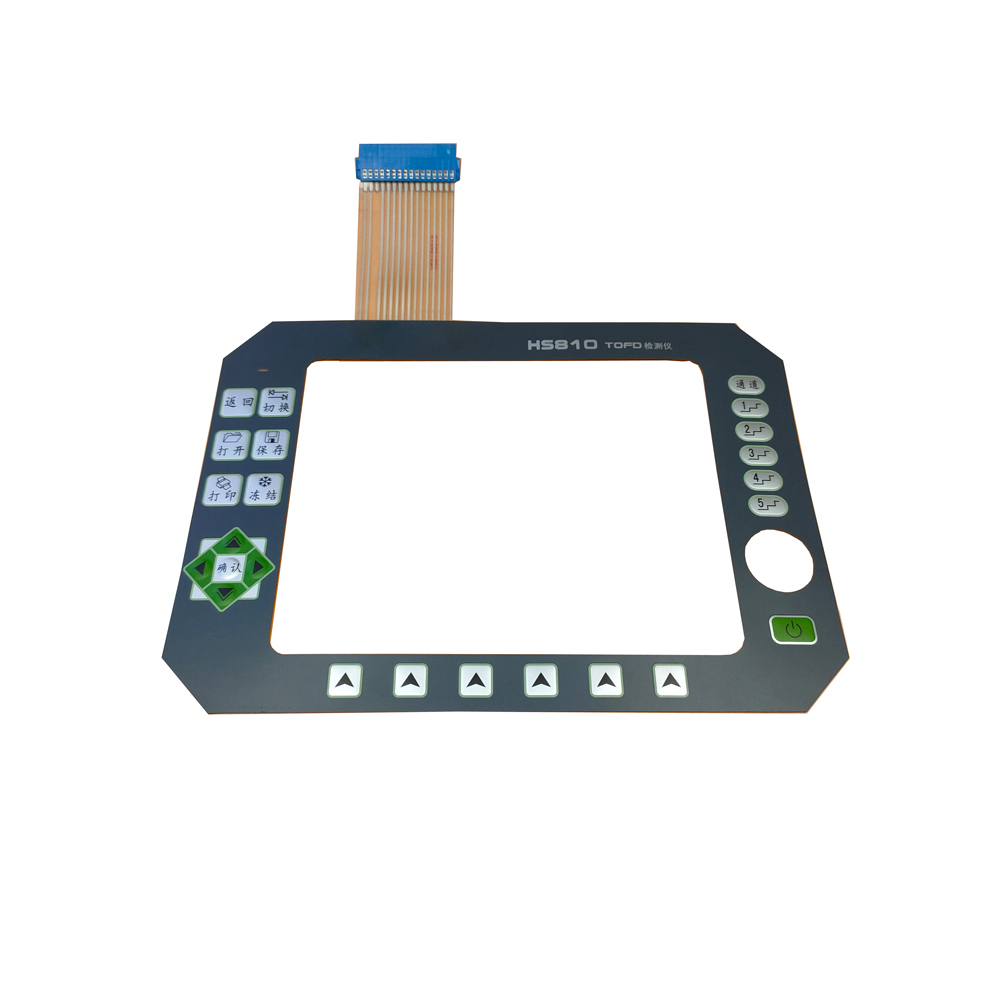
Meiborui Custom PBT Keyboard Cap Silkscreen Printed Waterproof Adhesive Sticker Durable
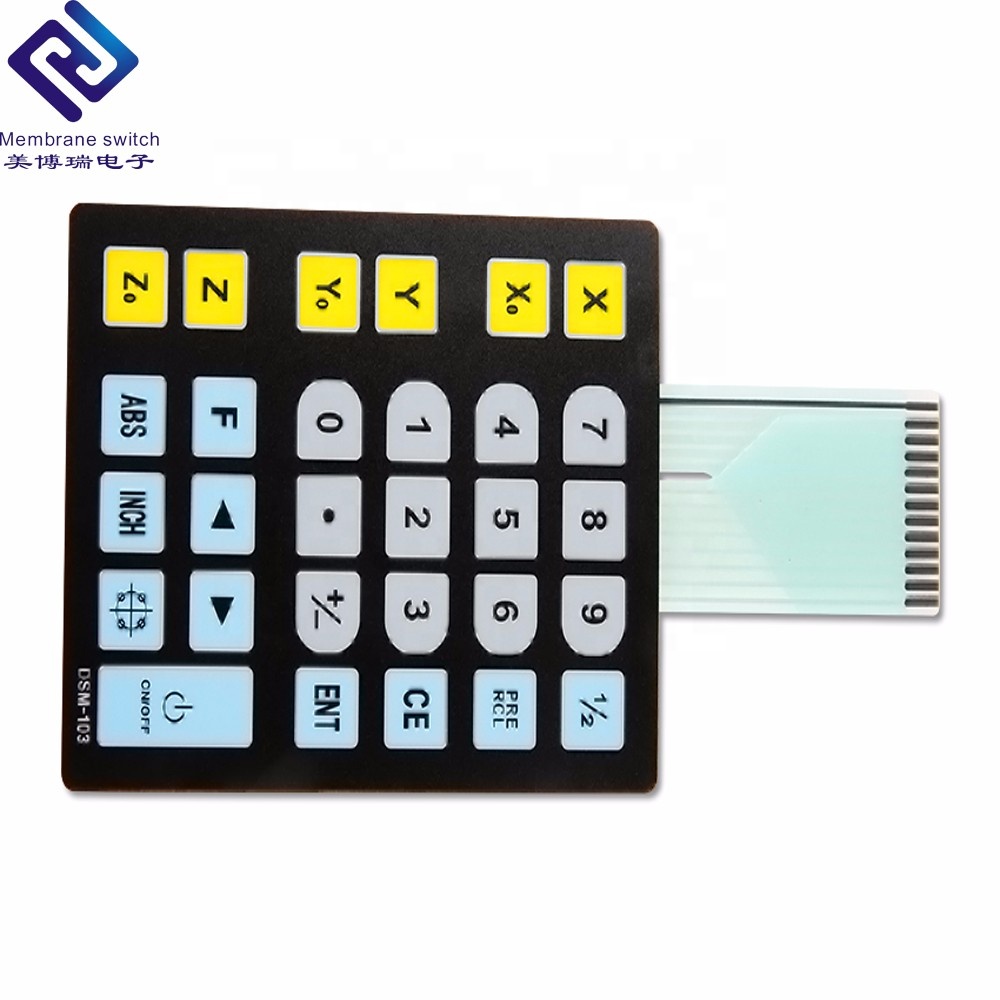
MBR High Quality IP67 Waterproof 3M Adhesive Flexible Cable Membrane Keypad Telecom
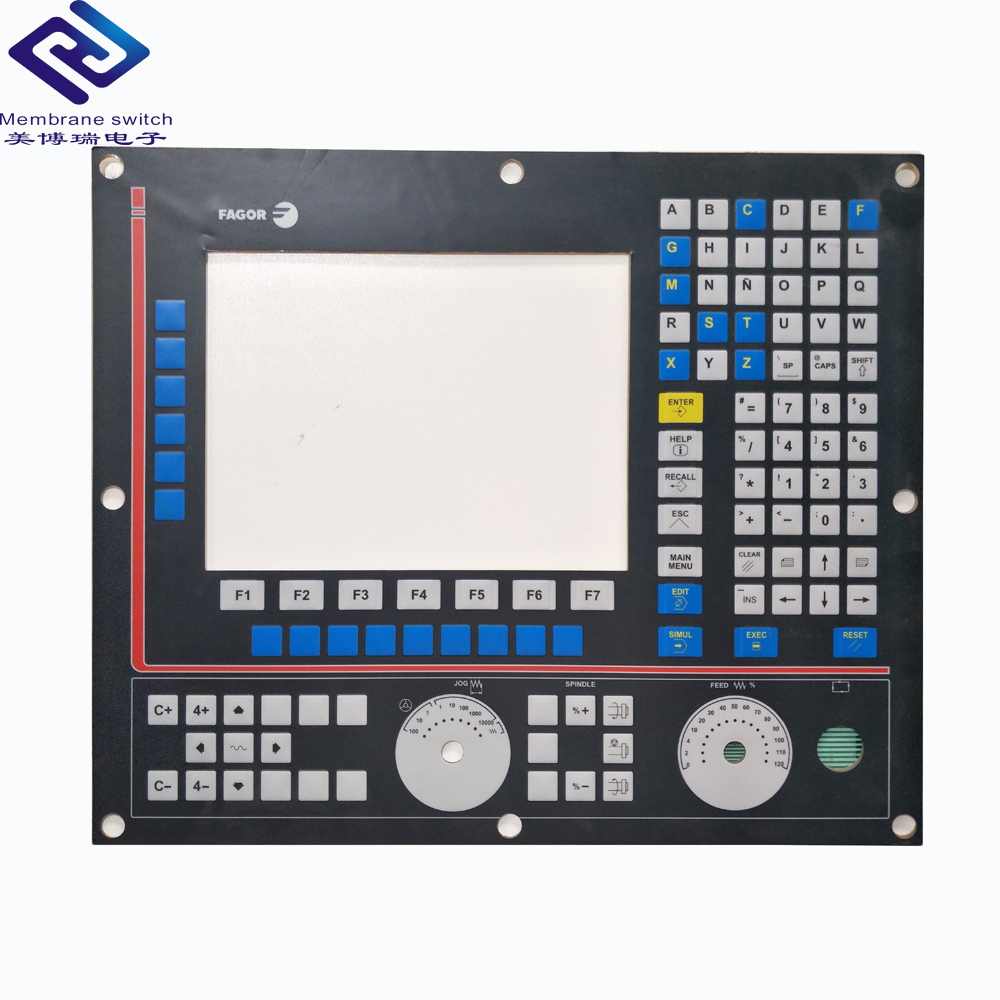
CNC Milling Machine Keypad Membrane Control Panel for Industrial Machinery Controls
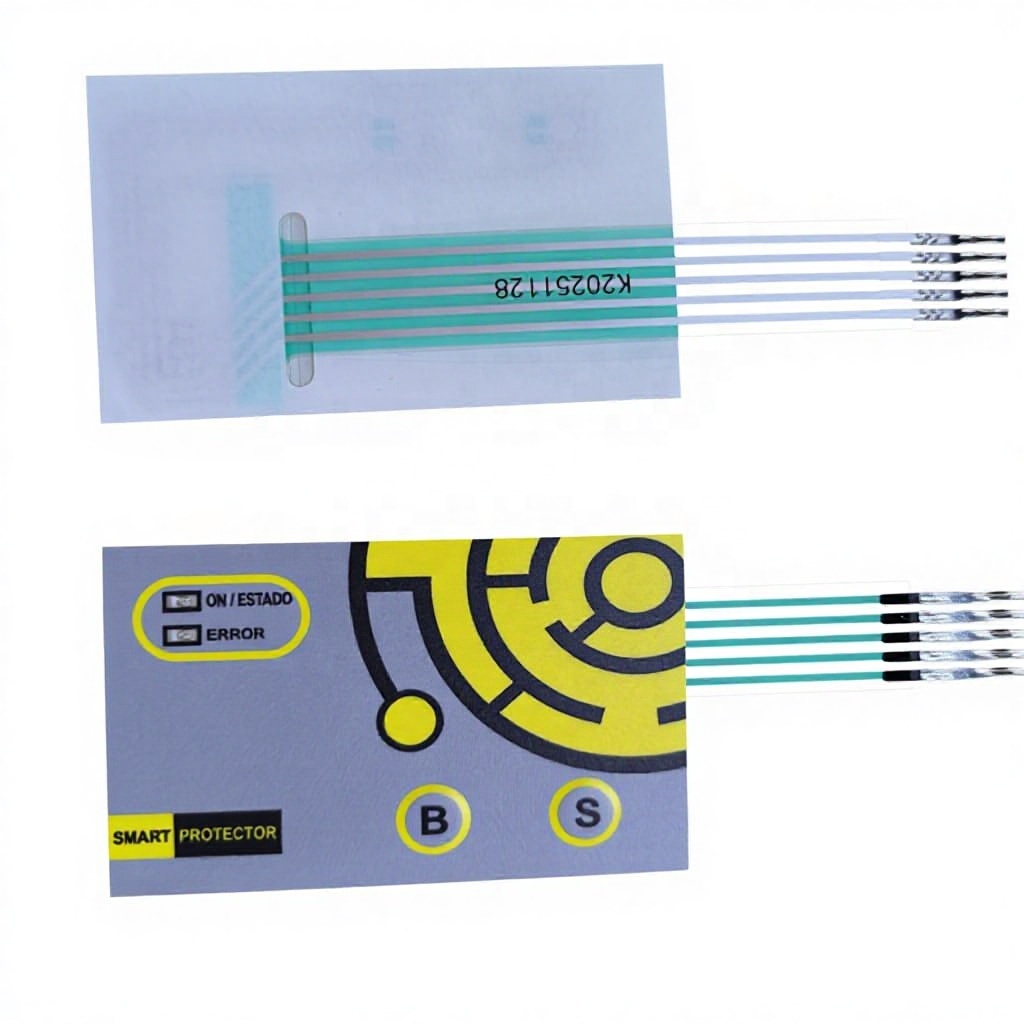
Fast Delivery OEM Waterproof Membrane Keyboard PBT Mechanical Switch Compatible
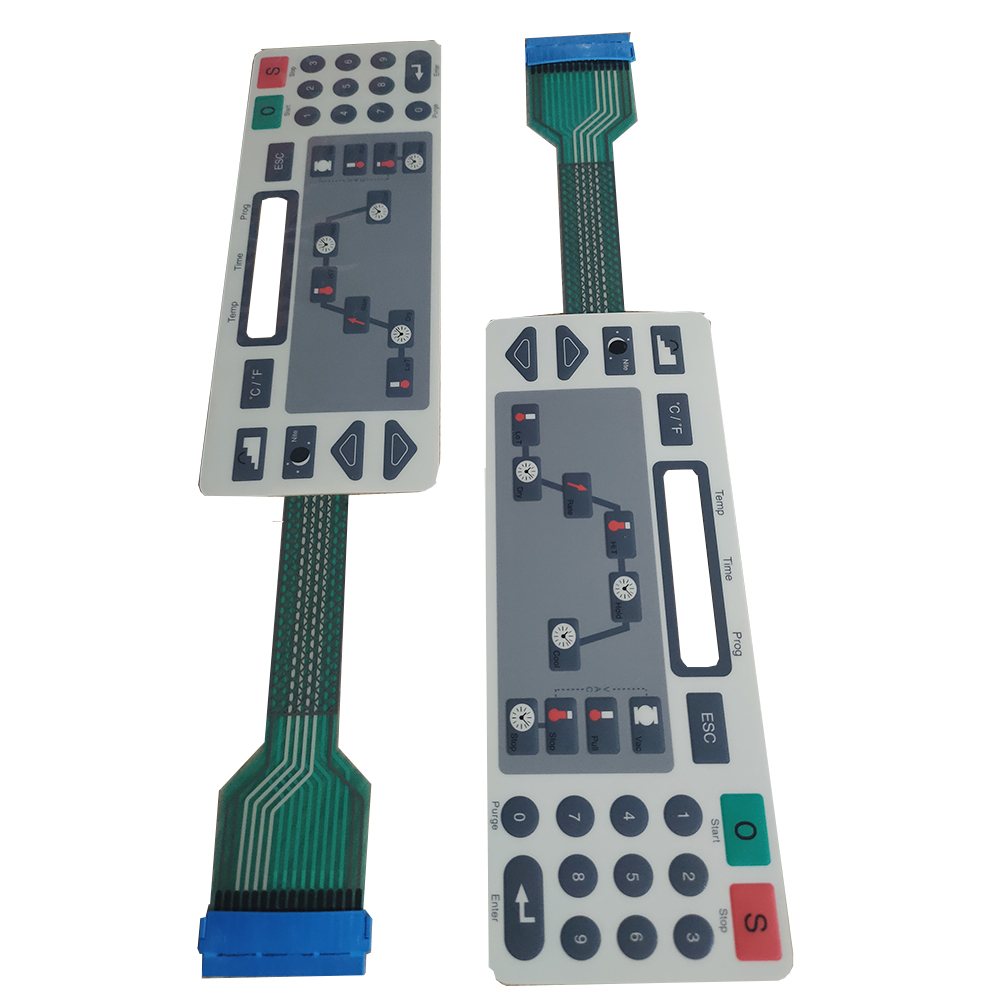
High Quality IP67 Waterproof 3M Adhesive Acrylic LCD Screen Membrane Switch Keypad
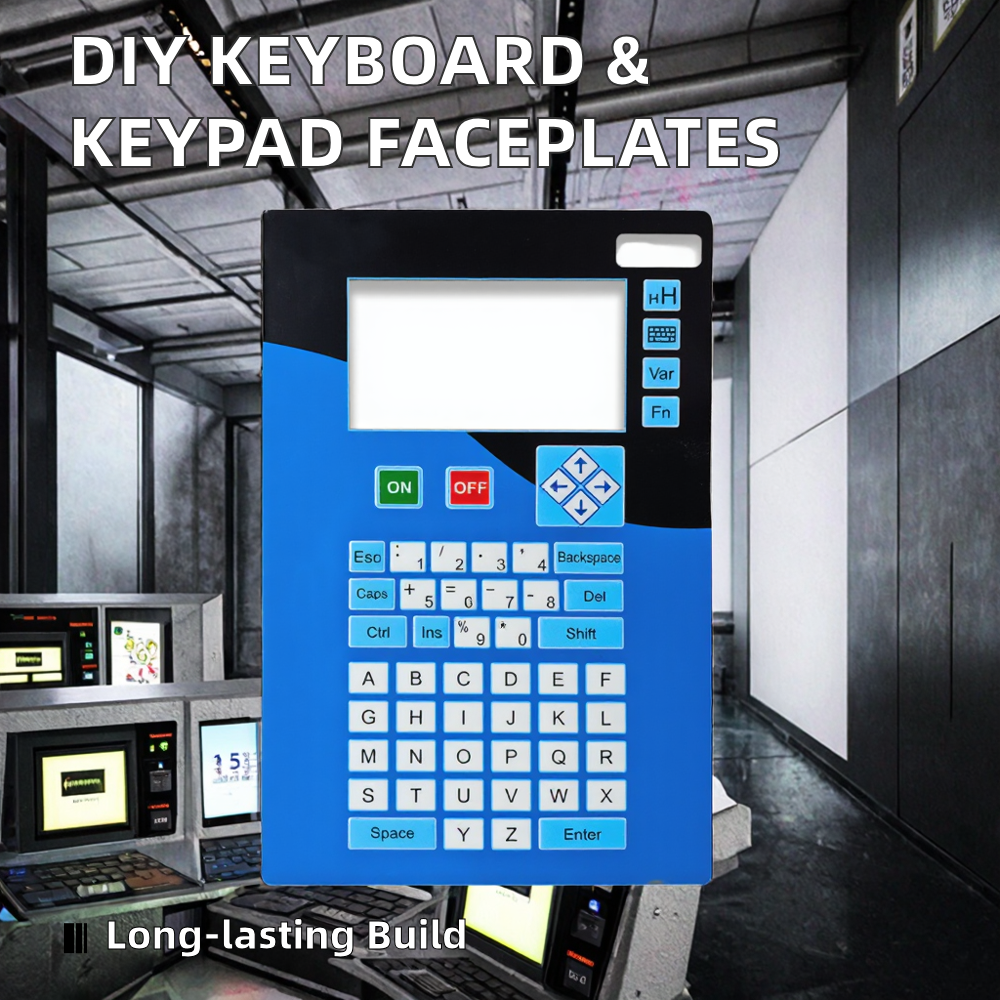
Custom Embossed Key Membrane Switch Backlight LED Waterproof Panel Mounting ISO9001
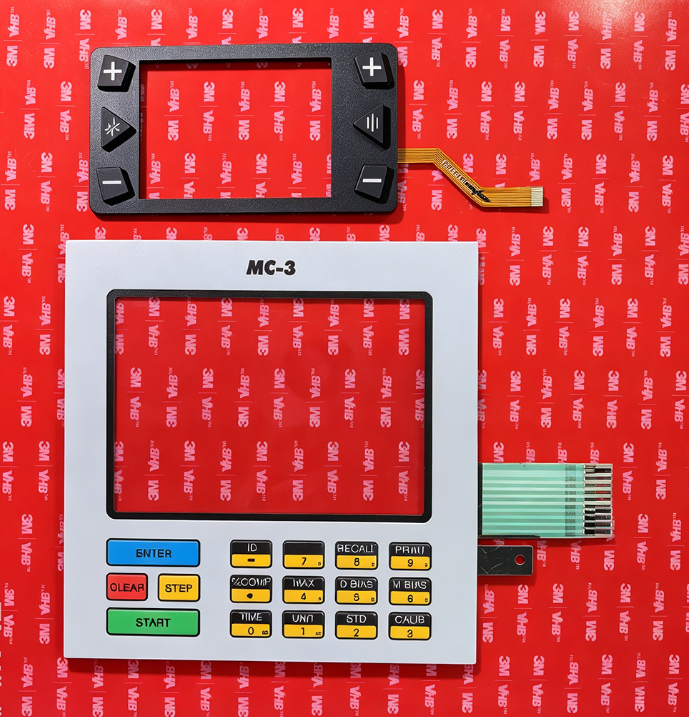
MBR High Quality IP67 Waterproof 3M Adhesive Flexible Cable Keypad PVC/PET/PC Buttons
Why Non-Tactile Membrane Switches Excel in Severe Marine & Equatorial Climates
A rigorous examination of electrical contact mechanics, hermetic sealing dynamics, and physical wear resistance in tropical Pacific environments.
Human-Machine Interface (HMI) reliability in equatorial ocean regions faces a unique convergence of destructive environmental factors: constant relative humidity oscillating between 80% and 98%, dense airborne marine salt aerosols (NaCl), elevated ambient operating temperatures (+28°C to +40°C), and unmitigated ultraviolet solar irradiance. When conventional electromechanical push-buttons or poorly vented tactile switches are deployed in these environments, microscopic salt crystals deposit onto mechanical sliding contacts and dome edges, resulting in premature dielectric breakdown, silver migration, and contact intermittent open circuits.
Our non-tactile membrane switches address these points of failure through advanced polymer stack-up engineering. By bonding the graphic overlay, upper conductive silver trace layer, adhesive dielectric spacer, lower circuit track, and rear structural mounting layer with solid cross-linked 3M acrylic adhesive laminates (such as 3M 467MP or 3M 468MP), the internal switch elements remain completely isolated from oceanic air. When depressed with normal fingertip pressure (typically 1.5N to 3.0N), the upper flexible membrane deflects smoothly through a nominal 0.125mm to 0.200mm switch travel distance to bridge the conductive circuit poles on the lower substrate, producing clean, bounce-free electrical logic signals with a rated working life exceeding 5 to 10 million cycles.
| Performance Parameter | Non-Tactile Membrane Switch (Flat Surface) | Tactile Membrane Switch (Metal Dome) | Traditional Mechanical Pushbutton |
|---|---|---|---|
| Operating Lifecycle | > 5,000,000 to 10,000,000 actuations | 1,000,000 actuations (dome fatigue limited) | 100,000 to 500,000 actuations |
| Ingress Protection Potential | IP67, IP68, and continuous NEMA 4X hermetic seal | IP65 to IP67 (requires active venting channels) | IP40 to IP65 (sliding gasket wear prone) |
| Salt Spray Resistance (ASTM B117) | Exceeds 500 hours (completely enclosed traces) | 96 to 240 hours (dome cavity venting risk) | 48 to 96 hours (corrosion on metal springs) |
| Condensation Susceptibility | Virtually zero (no internal air volume displacement) | Moderate (air displacement can pull moist air) | Severe (internal chamber creates condensation) |
| User Feedback Mechanism | Visual (LED indicators/LCD), Audible (Buzzer) | Crisp physical snap sensation (click) | Physical travel and spring return |
| Thickness Profile | Ultra-thin: 0.6mm – 1.0mm nominal | Standard: 1.2mm – 1.8mm nominal | Bulky: 25mm – 65mm panel depth |
Targeted Deployment Scenarios Across the Solomon Islands Archipelago
Custom engineered human-machine interface assemblies supporting primary industries, critical infrastructure, and maritime logistics across Guadalcanal, Malaita, and the Western Province.
Inter-Island Maritime Transit & Marine Navionics
Navigating the Ironbottom Sound, Solomon Sea, and Manning Strait requires navigational hardware capable of handling continuous direct sea spray and washdowns. Our non-tactile membrane switch keypads are integrated directly into marine GPS chart plotters, echo sounders, outboard engine control consoles, and VHF radio transceivers operating out of Point Cruz (Honiara) and Gizo. The continuous graphic overlay ensures salt encrustation can be washed down with fresh water without breaching internal electronics.
Off-Grid Solar Microgrids & Remote Power Plants
Under provincial clean energy transitions and projects supporting the Tina River Hydropower scheme, solar hybrid mini-grids and rural battery storage stations across outer islands depend on ruggedized inverter interfaces. Our non-tactile switch panels feature UV-resistant Autotex XE films and UV-block ink systems that prevent yellowing, crazing, or graphic degradation under extreme equatorial solar ultraviolet indexes (UV Index 11+), providing uninterrupted operational control in unattended solar converter sheds.
Tuna Fisheries, Canning & Cold Storage Facilities
Commercial fishing centers in Noro (Western Province) operate heavy processing lines, brine freezers, and industrial canning retorts where sanitation chemicals, high-pressure hot water, and fish oils are pervasive. Mechanical switches collect biological matter and corrode rapidly. Our flat, non-tactile membrane switch overlays present a completely smooth, crevice-free surface that resists caustic wash-down chemicals, chlorine detergents, and temperatures ranging from -30°C in blast freezers to +65°C on sterilization equipment.
Timber Milling & Forestry Heavy Machinery Controls
Tropical forestry and sawmilling operations across Choiseul and New Georgia require heavy-duty operator control pendants. Airborne fine sawdust, moisture, and high machine vibrations quickly penetrate standard switch enclosures, causing contact jamming. With zero physical sliding components, our non-tactile control panels combined with aluminum backer plates deliver uncompromised dust impermeability (IP6X) and mechanical rigidity for log-carriage sawing, edging, and kiln drying automation.
Palm Oil Mills & Copra Agro-Processing Facilities
On the Guadalcanal Plains, agro-industrial extraction plants processing palm oil and copra subject control panels to corrosive fatty acids, volatile hydrocarbons, and high-temperature steam. Non-tactile membrane keypads utilizing textured chemical-resistant Autotex PET overlays maintain their structural integrity, solvent barrier properties, and legibility against prolonged oil splatter, steam exposure, and frequent operator handling.
Island Telemetry & Weather Warning Stations
Remote tsunami monitoring stations, automated weather stations, and solar-powered VHF/cellular repeater towers perched on high ridges (such as Mount Popomanaseu) operate without on-site technical supervision for months. Our non-tactile membrane switches integrate copper FPC (Flexible Printed Circuit) tracks that eliminate silver migration even under 95% ambient humidity, ensuring remote telemetry and emergency override panels remain completely functional year-round.
Emerging Industrial & Infrastructure Modernization Trends in the Pacific
Analyzing key technological shifts shaping electronic human-machine interface procurement across the Solomon Islands.
1. Transition from Mechanical Contactors to Solid-State Flat Surfaces
Pacific engineering teams are systematically decommissioning traditional toggle switches and mechanical pushbuttons in outdoor and maritime environments. Experience has proven that mechanical switch enclosures develop moisture condensation within 6 to 18 months, causing contact oxidization and system shutdowns. The shift toward non-tactile, completely flat membrane switches with edge-sealed 3M acrylic adhesive borders has become standard practice for infrastructure resilience projects.
2. Rapid Adoption of Copper FPC Substrates to Stop Silver Migration
While screen-printed conductive silver ink represents an economical circuit medium, extreme relative humidity coupled with continuous direct-current bias can induce dendrite formation (silver migration) across closely spaced traces. In modern Solomon Islands marine and municipal infrastructure tenders, engineering specifications increasingly stipulate Flexible Printed Circuits (FPC) with polyimide film and etched copper conductors, providing absolute immunity against electrolytic dendrite growth.
3. Integration of LED Backlighting & Optical LCD Bonding
With 24/7 port operations at Point Cruz and nighttime navigation across the archipelago, HMI equipment must deliver legible, glare-free optical performance. Local buyers are specifying non-tactile membrane assemblies featuring integrated surface-mount LEDs, Light Guide Film (LGF) uniform illumination, and Optically Clear Adhesive (OCA) bonded transparent windows that allow direct lamination over liquid crystal displays without internal air gaps or condensation fogging.
Over Three Decades of Manufacturing Leadership & Closed-Loop Quality Control
Combining German engineering collaboration, extensive in-house tooling, and rigorous environmental simulation laboratories to serve global OEM clients.
Dual-Factory Infrastructure & Production Scale
Tracing our membrane switch engineering roots back to 1990, TAVO operates two specialized manufacturing bases: our primary complex in the Robot Industry Port of Xianghe Economic and Technological Development Zone (Hebei) and an advanced precision processing base in Huizhou (Guangdong). With over 2,219 square meters of cleanroom production space and 111+ certified technical personnel verified onsite by Intertek, our dual-facility setup guarantees scalable delivery capacity and zero risk of single-facility supply chain disruption.
German Technical Collaboration & ISO 9001 Audited
To meet the exacting demands of European and American industrial OEMs, TAVO maintains a long-term technology partnership with a premier German membrane switch specialist. This collaboration spans specialized tooling designs, precision laminating equipment, and technical personnel training. We operate under rigorous ISO 9001 Quality Management System standards, ensuring complete batch traceability from raw polymer verification to finished circuit functional testing.
100% In-House Vertical Manufacturing
Every step of custom membrane switch production is executed strictly in-house to protect intellectual property and control quality. Our factory floor houses 60 CNC mold-making workstations, 37 precision silkscreen printing lines, 4 Japanese Mimaki digital UV printing systems for photorealistic graphic execution, 18 precision laser cutting machines, and 7 computer-controlled digital engravers. From film photoplotting to laser cutting and laminating, no critical processes are outsourced.
- Automated Salt Fog Chambers: Simulating ASTM B117 salt mist exposure (5% neutral NaCl aerosol at +35°C) for up to 500 hours to ensure complete trace protection and zero adhesive delamination.
- Programmable Climate Chambers: Cycling from -40°C to +85°C at 95% relative humidity to verify thermal and moisture shock resistance.
- Programmable Xenon Lamp Aging Testers: Accelerated artificial sunlight weathering to guarantee UV stability and zero fading on graphic overlays.
- Microcomputer Circuit & Life Cycle Testers: Automated pneumatic test rigs validating switch actuation longevity up to 10 million cycles under continuous electrical continuity monitoring.
Frequently Asked Questions by Sourcing Teams in Solomon Islands
Practical technical and commercial guidance covering oceanic freight, sealing standards, prototyping, and custom engineering.
What shipping options and lead times are available for orders delivered to Honiara?
How do you package membrane switches to prevent moisture damage during oceanic transit?
How do non-tactile membrane switches achieve a true IP67 or IP68 waterproof rating?
Can our engineering team order low-volume prototypes or replacement batches?
What technical CAD and graphic design files are required to initiate an inquiry?
How do operators know when a non-tactile switch has registered an entry without a click?
Start Your Custom Pacific-Resilient HMI Project
Send your drawings, operating specifications, or replacement panel samples to our engineering team. We deliver rapid DFM feedback, material stack-up recommendations, and direct factory pricing within 24 hours.