High-Reliability Touch Panels & Interface Assemblies
Engineered for extreme operating temperatures (-30°C to +80°C), heavy chemical exposure, high electromagnetic interference (EMI), and tactile feedback precision tailored for Austin's harsh field and factory deployments.
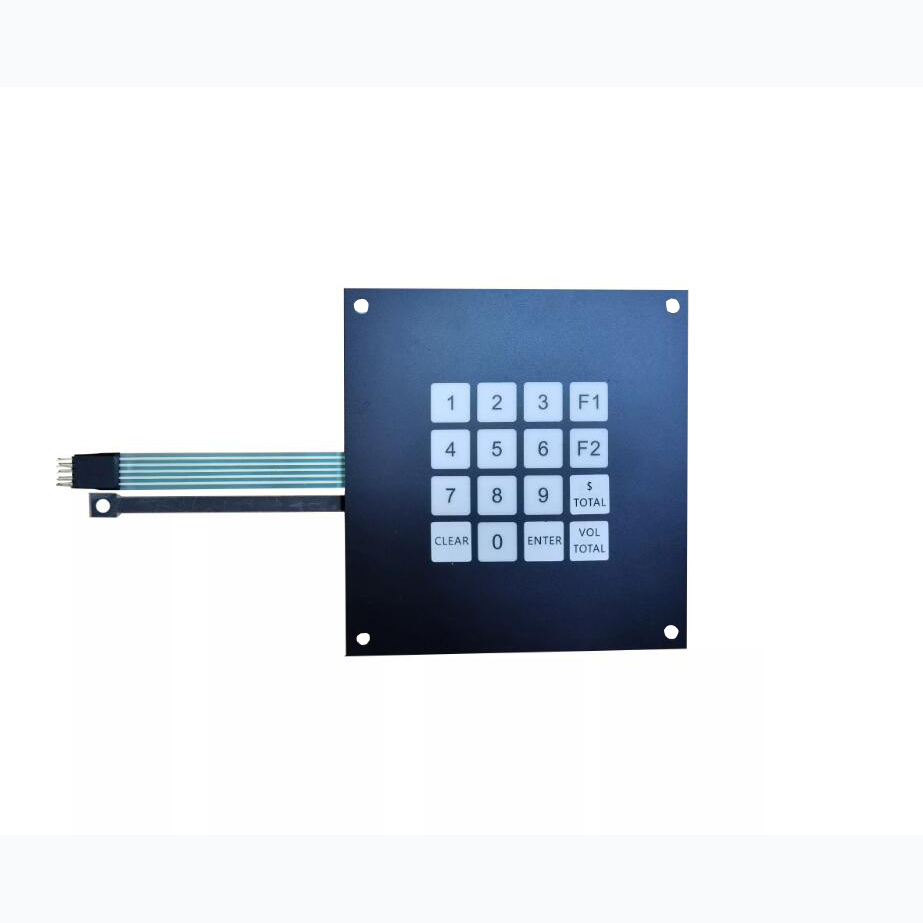
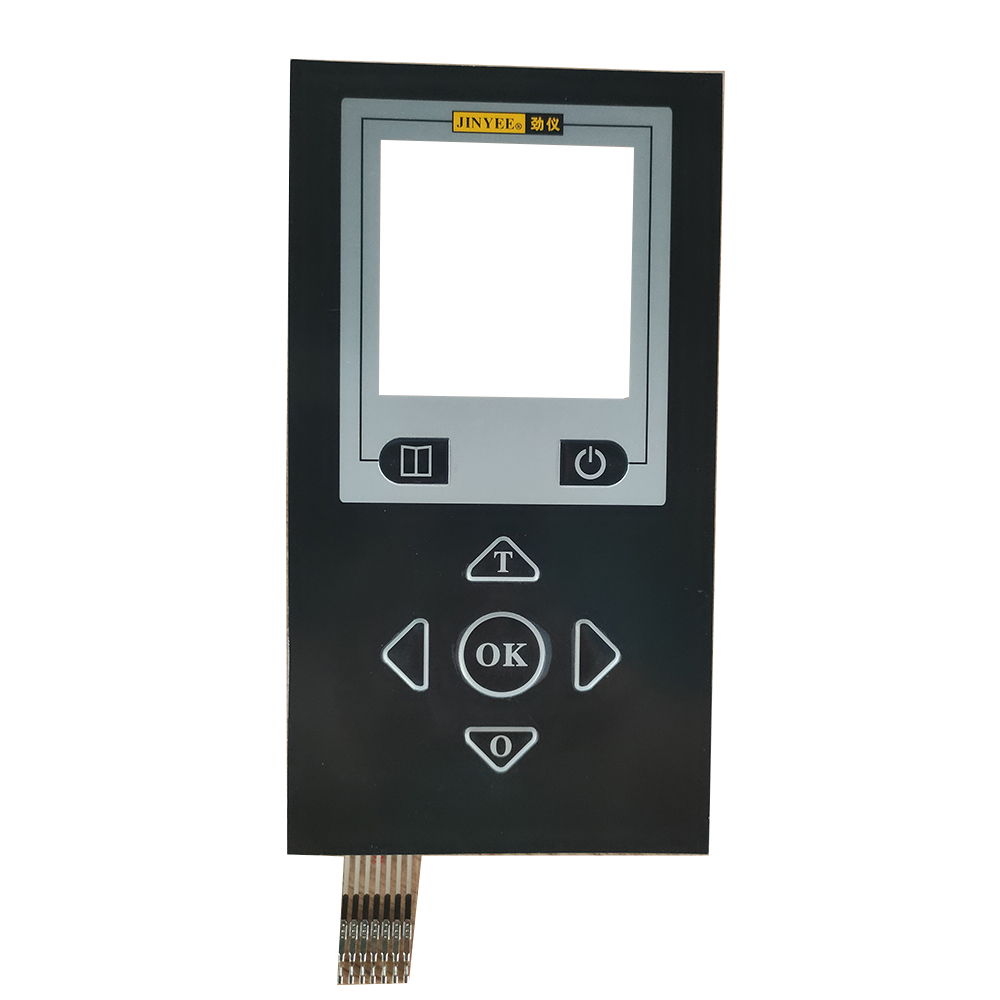
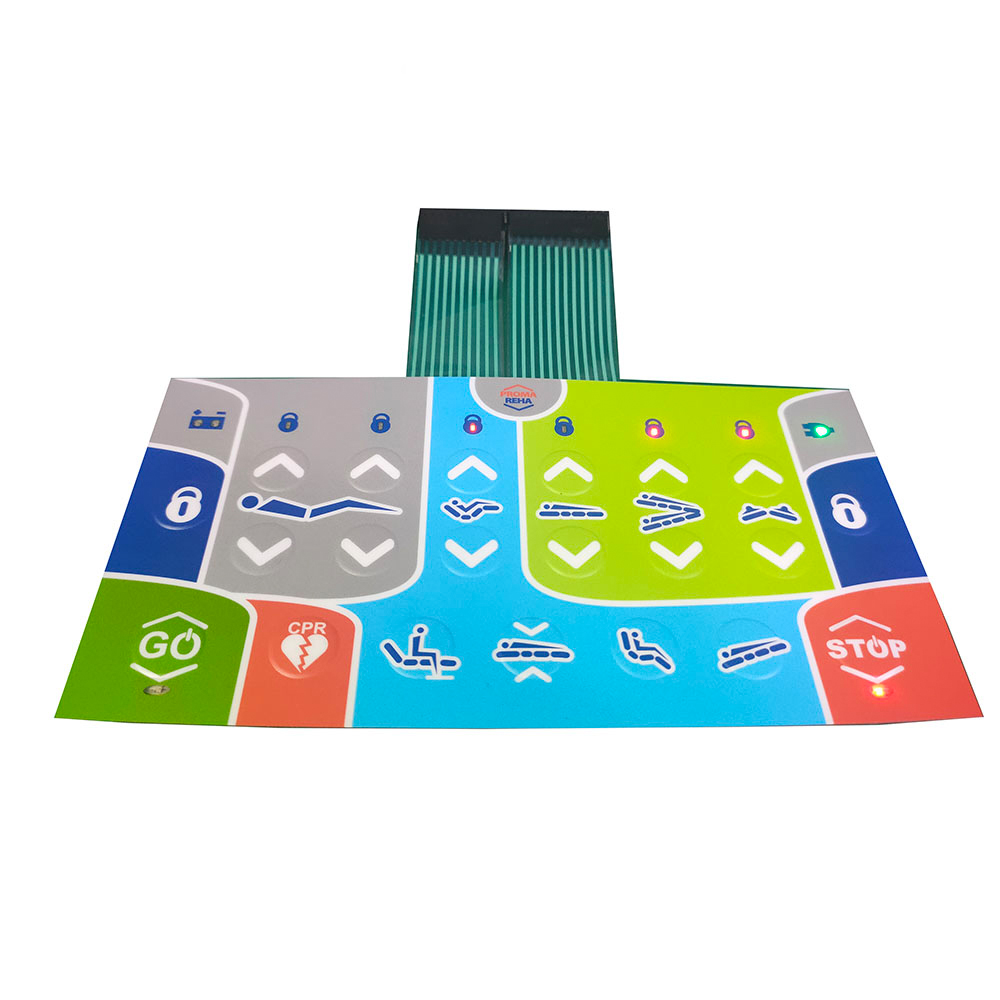
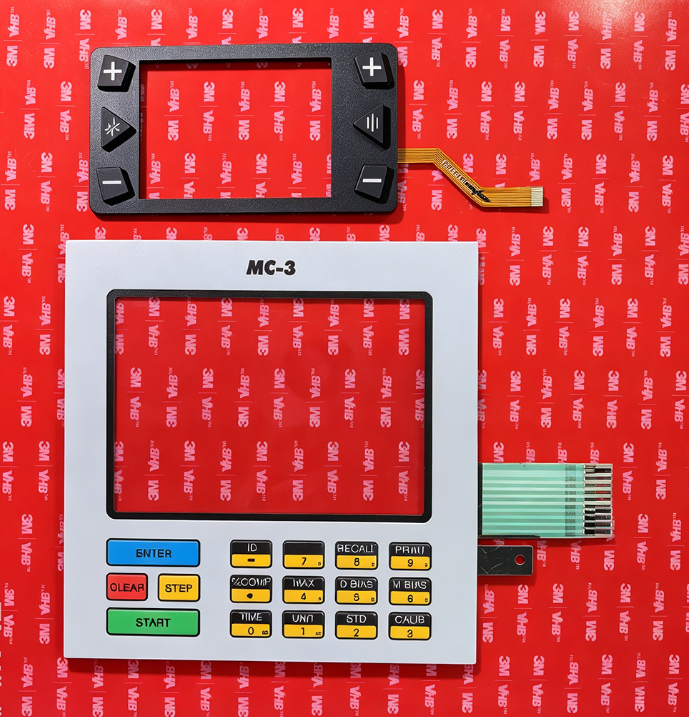
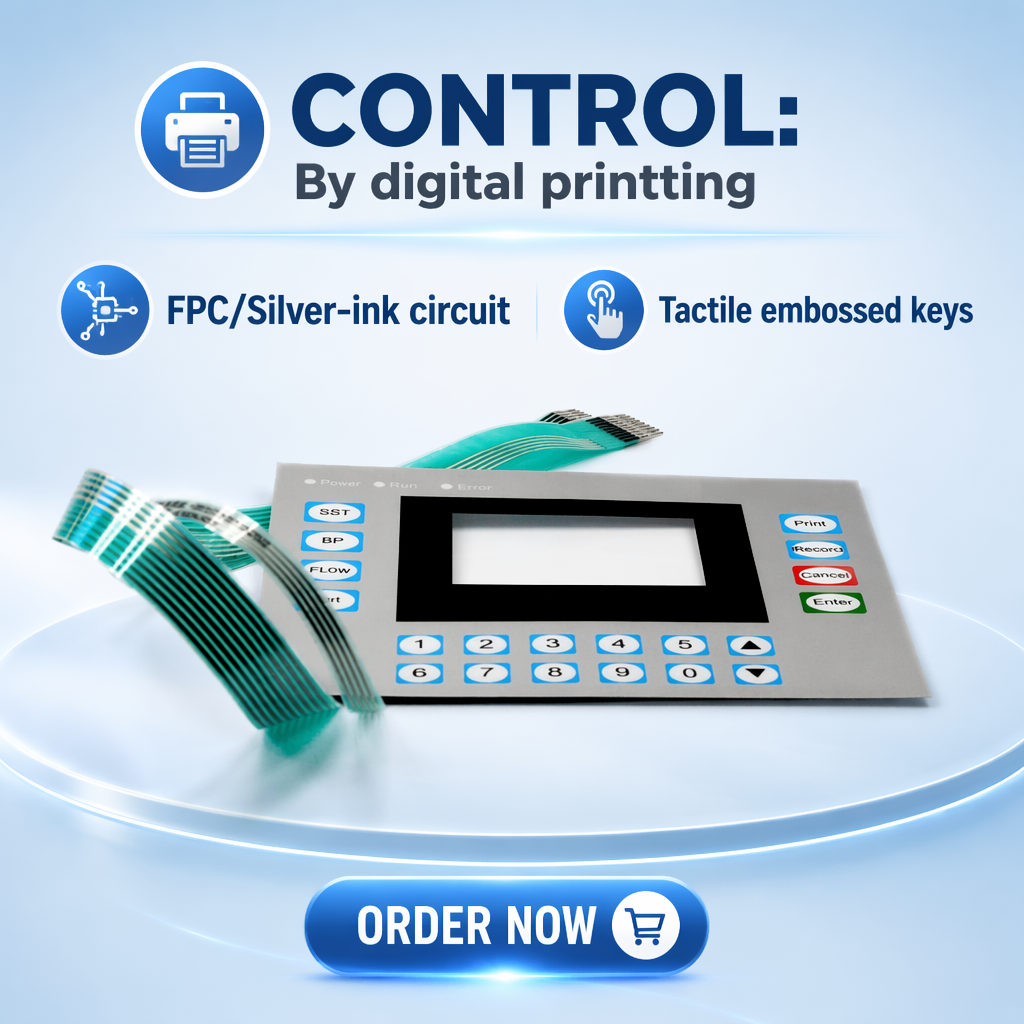
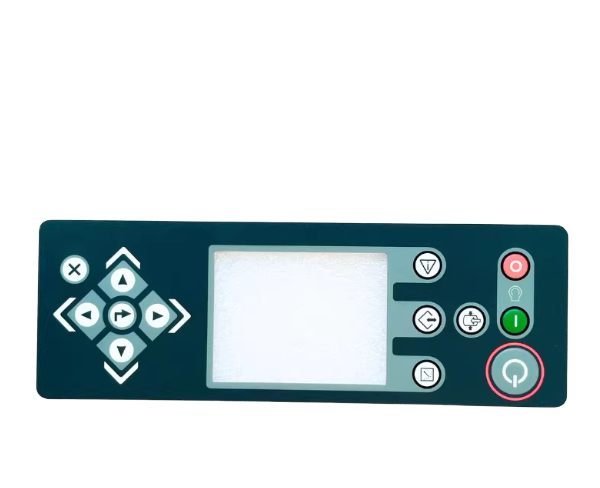
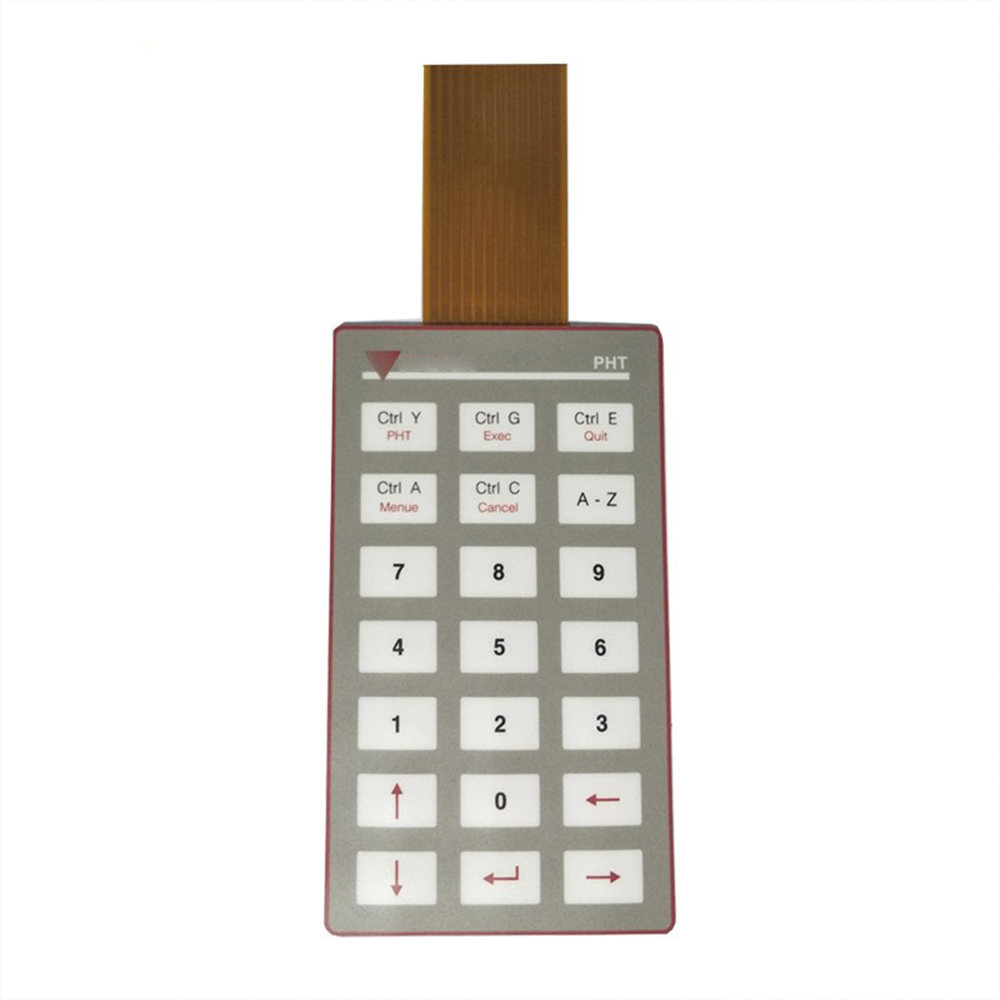
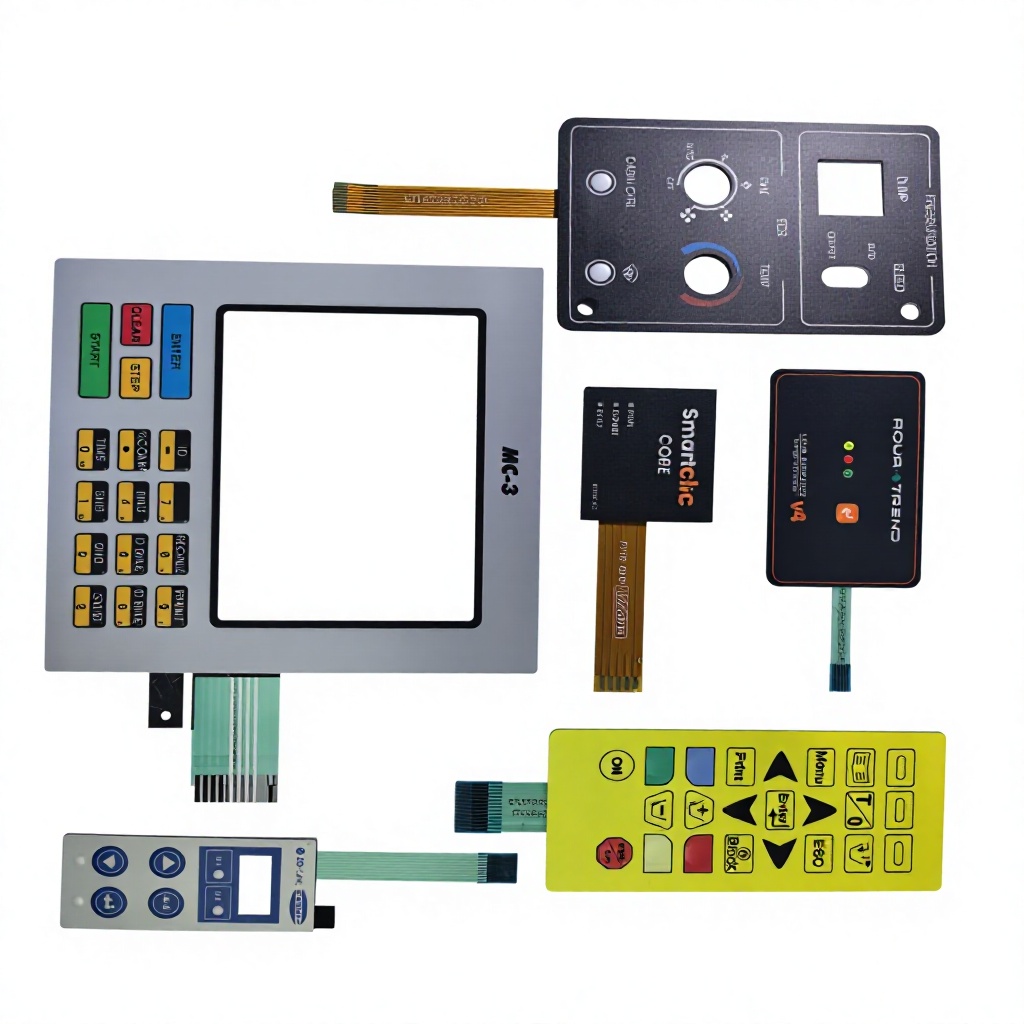
Industrial HMI Sourcing Whitepaper: Why Austin Hardware OEMs Prioritize Advanced Resistive Touch
Austin, Texas—affectionately designated the heart of the "Silicon Hills"—has transformed from a legacy software hub into a hyper-dense epicenter for advanced semiconductor manufacturing, aerospace prototyping, high-voltage clean energy distribution, and automated industrial machinery. Unlike consumer tablet interfaces that rely exclusively on Projected Capacitive (PCAP) glass sensors, Austin's mission-critical hardware demands the absolute environmental invulnerability of multi-layer resistive touch architecture.
In environments characterized by extreme ambient RF noise, mechanical vibration, hydraulic fluids, and operator requirements for heavy protective insulation (leather, nitrile, or Kevlar gloves), standard capacitive touch panels suffer catastrophic false actuations or complete touch inhibition. A high-yield resistive touch screen factory serving the Austin metropolitan territory (spanning Round Rock, Pflugerville, Buda, and Cedar Park) must possess verified mastery over specialized thin-film deposition, linear ITO (Indium Tin Oxide) sheet resistance uniformity, and specialized elastomeric micro-spacer engineering.
As Tier-1 Austin contract manufacturers (CMs) and original design manufacturers (ODMs) build equipment deployed from the scorched oilfields of the Permian Basin to precision microelectronics cleanrooms, our integrated resistive assemblies provide true zero-drift input stability, complete EMI/RFI shielding integration, and hermetic barrier seals meeting strict IP67/NEMA 4X criteria.
Mission-Critical Use Cases Across Greater Austin
Semiconductor & Cleanroom Consoles
Austin is home to global wafer fabrication facilities. In class-critical fabrication nodes, operators wear multi-layer ESD-safe cleanroom gear. Our 5-wire resistive touch panels and chemically resistant PET/PC graphic overlays prevent static buildup while delivering 100% actuation reliability under ESD stress up to 15kV air discharge.
Solar Inverters & EV Charging Infrastructure
Central Texas experiences relentless solar irradiance and ambient temperatures exceeding 105°F. Deployed in outdoor EV superchargers and grid-tie utility inverters, our resistive panels incorporate anti-UV hard coats (Autotex XE/Toray PET), optical clarity windows, and optical bonding to withstand thermal cycling without ITO delamination.
Austin HealthTech & Diagnostic Terminals
Medical innovators developing blood analysis, dialysis, and surgical field consoles require fluid-resistant, wipe-down surfaces. Combining optical-grade clear windows with sealed perimeter gaskets (3M 467MP/468MP), our touch systems withstand aggressive isopropyl alcohol, bleach, and quaternary ammonium disinfectant washdowns.
Why TAVO Sets the Gold Standard for Austin Sourcing
Combining three decades of human-machine interface fabrication, German engineering technical alliances, and dual-facility redundancy for risk-free US supply chains.
Dual-Facility Industrial Footprint & Complete Closed-Loop Fabrication
With foundations dating back to 1990, TAVO maintains over 2,219 square meters of climate-regulated cleanroom facilities across Hebei (Robot Industry Port) and Huizhou. Every phase—from raw substrate laser precision routing, automated silkscreen printing (37 printing lines), and digital UV printing (Mimaki machinery) to SMT micro-soldering, metal dome collation, and xenon environmental aging—is executed strictly in-house.
- 60 CNC Precision Mold Units
- 18 High-Speed Laser Cutters
- German Process Benchmarking
- Intertek Onsite Audited Plant
- 35+ Actuation Testing Stations
- 10-Engineer DFM Rapid Team
| Quality Certifications | ISO 9001:2015, Intertek Verified, RoHS, REACH Compliant |
|---|---|
| Touch Circuit Typology | 4-Wire, 5-Wire, 8-Wire Analog Resistive, Matrix Resistive |
| Actuation Endurance | > 5,000,000 to 35,000,000 actuations per single point |
| Loop Resistance | Customized 50Ω – 350Ω depending on active area dimension |
| Ingress Protection | Hermetically bonded IP65, IP67, NEMA 4X options |
| Backer Substrates | Rigid FR4 PCB, 6061 Anodized Aluminum, Acrylic, Polycarbonate |
| Export Terms to USA | FOB, CFR, CIF, DDP to Austin industrial hubs via air/ocean |
Future Trends in Resistive HMI Engineering for Austin Innovators
The ongoing industrial expansion in Central Texas is pushing touch hardware far beyond primitive resistive film overlays. Austin equipment architects are currently championing three radical convergence trends in HMI procurement:
1. Hybrid Glass-Film-Glass (GFG) & Armored Outer Layers: To combat gouging in abusive oilfield telemetry consoles and heavy manufacturing lines, Austin buyers are transitioning to GFG sensors. By replacing the top standard polyester film with an ultra-thin (0.1mm–0.2mm) chemically strengthened flexible glass sheet, the interface achieves a Mohs 7 surface hardness while retaining true pressure-activated resistive actuation.
2. Monolithic Integration with Flexible Copper Printed Circuits (FPC): Legacy silver flex tails are prone to oxidation and micro-fracturing under high vibration. Our Austin clients increasingly specify rolled annealed (RA) copper-polyimide FPCs with gold-plated ZIF contacts, integrated surface-mount (SMT) LEDs, and embedded decoupling capacitors right at the touch sensor boundary.
3. High-Contrast Sunlight Readability via Index-Matched Optical Bonding: Austin's intense ambient sunlight requires touch assemblies with minimal internal reflection. Utilizing optically clear adhesives (OCA) in our Class 1,000 cleanrooms, we optically laminate resistive touch digitizers directly to high-nit TFT displays, eliminating internal air gaps, suppressing parallax, and dramatically improving outdoor readability.
Austin Hardware Engineering FAQ
Direct technical clarifications for Austin sourcing managers, electrical engineers, and hardware architects evaluating lead times, prototyping, and reliability.
Why choose 5-wire resistive over 4-wire for Austin industrial lines?
4-wire panels measure touch coordinates across both the flexible top film and bottom glass layer. Continuous flexing can cause localized ITO micro-fractures, drifting calibration over time. In 5-wire resistive architecture, both X and Y coordinates are measured on the stable glass substrate, while the top conductive sheet serves solely as an electrical probe. This delivers over 35 million point touches and eliminates drift, making it ideal for continuous factory operation.
What CAD & electrical schematic files are needed to generate a formal DFM quote?
We accept DXF, DWG, STEP, or IGES engineering drawings for mechanical outlines, bezel bevels, and cutouts. Graphic overlay artwork is processed via Adobe Illustrator (.AI), CDR, or high-res vector PDFs specifying exact Pantone Matching System (PMS) or RAL codes. For circuit integration, supply your pinout matrix, tail location, connector pitch (e.g., 1.0mm, 2.54mm), and controller IC specifications.
How does TAVO accommodate pilot runs and prototype builds for startups in Austin?
Unlike rigid volume factories that require 5,000-piece Minimum Order Quantities (MOQs), TAVO leverages high-precision digital UV printing on Mimaki heat-setting engines and rapid laser cutting. This allows us to produce rapid pilot runs, field-test prototypes, and bridge tooling builds (25 to 500 units) within 7–12 business days, enabling Austin startups to validate their mechanical assemblies quickly.
Can you provide complete sub-assemblies with aluminum or PCB backers?
Yes. Over 65% of our shipments to North America consist of fully integrated assemblies. We bond touch panels directly to 5052/6061 anodized aluminum backer plates, stainless steel chassis brackets, or rigid FR4 PCBs with pre-installed standoffs, pem-nuts, surface-mount LEDs, and terminal connectors, streamlining your final assembly line in Austin.
Accelerate Your Austin HMI Hardware Program Today
Whether you require drop-in replacement 4-wire/5-wire resistive touch panels, GFG vandal-resistant interfaces, or fully integrated membrane-switch front panels, TAVO's engineering team provides detailed DFM feedback and competitive factory pricing within 24 hours.