IP67 Sub-Zero Seal
Engineered for low-temperature elasticity, chemical endurance, and tactile feedback verification under strict ISO 9001 quality frameworks.
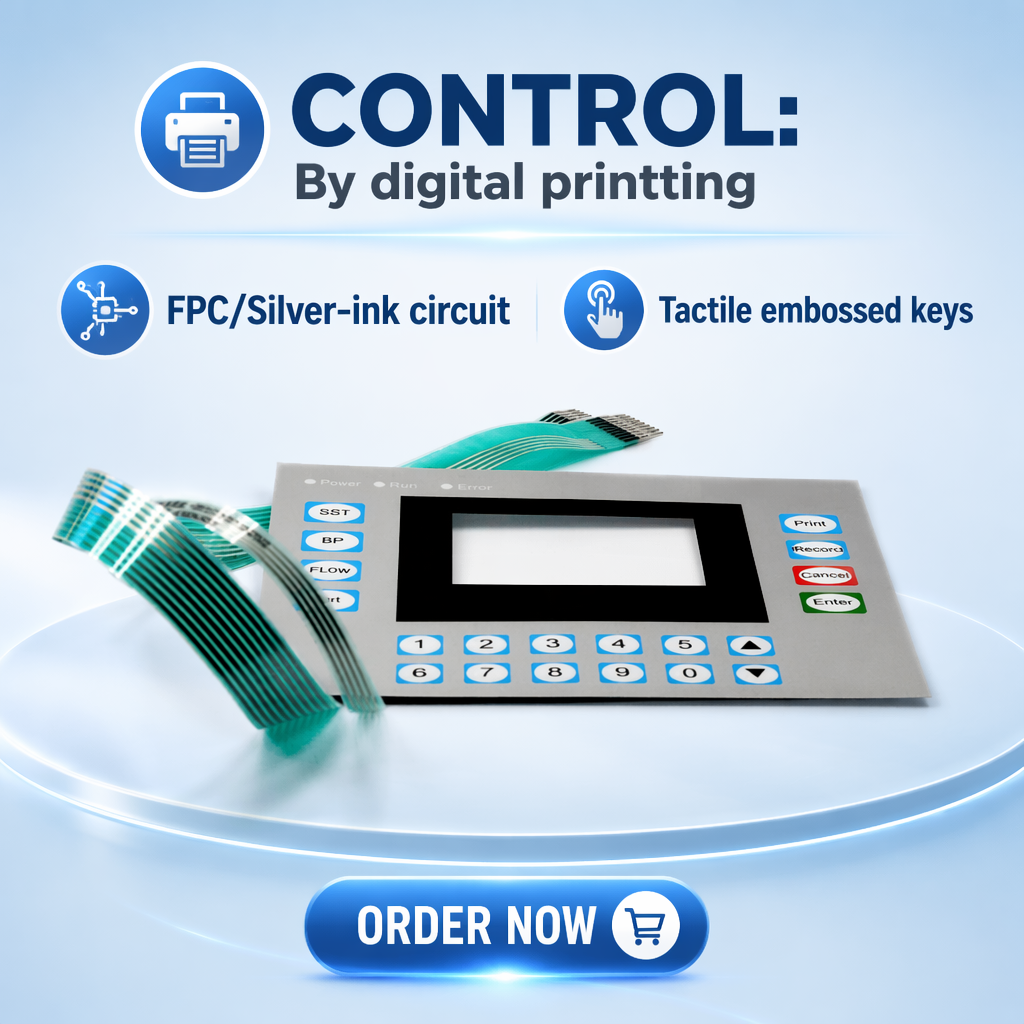
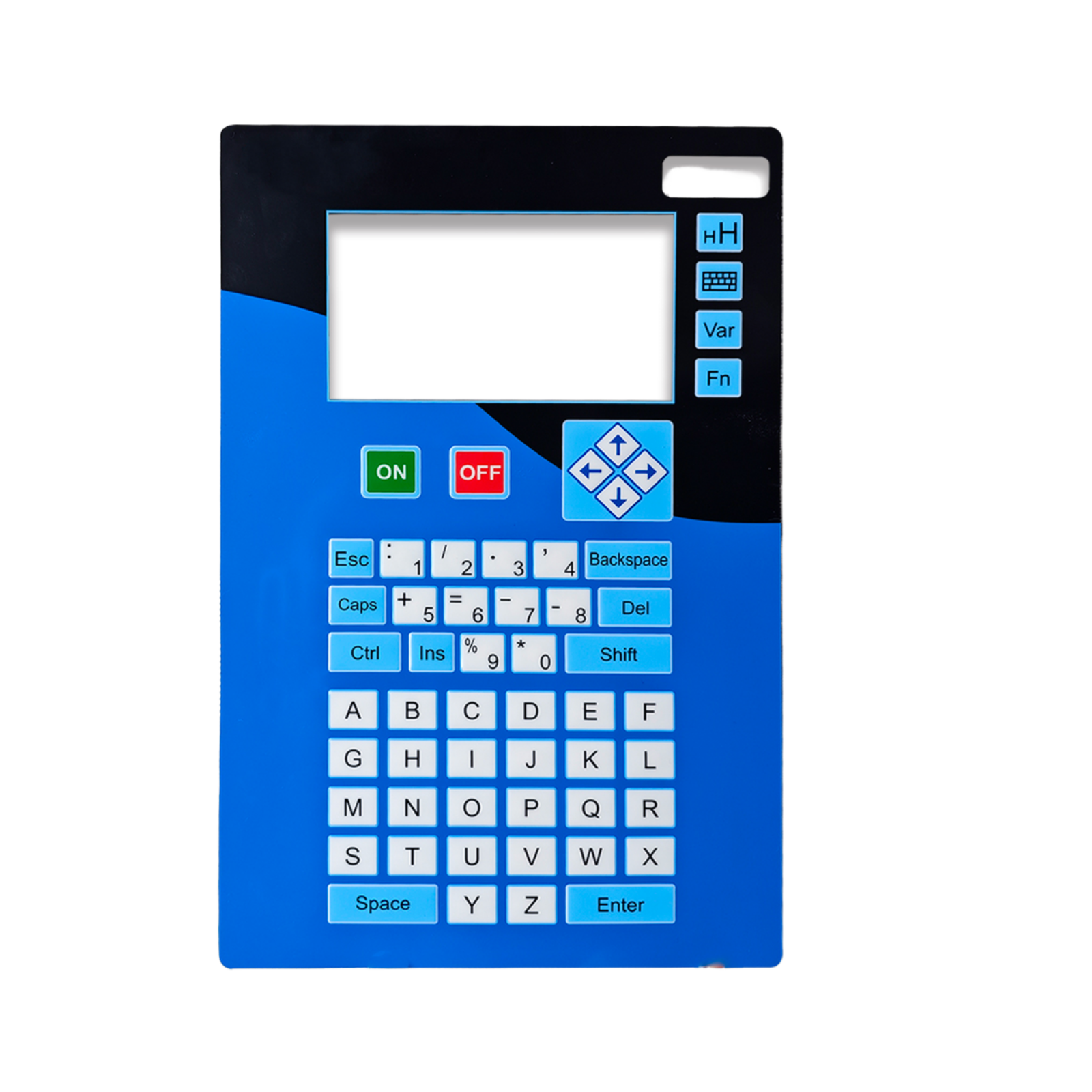
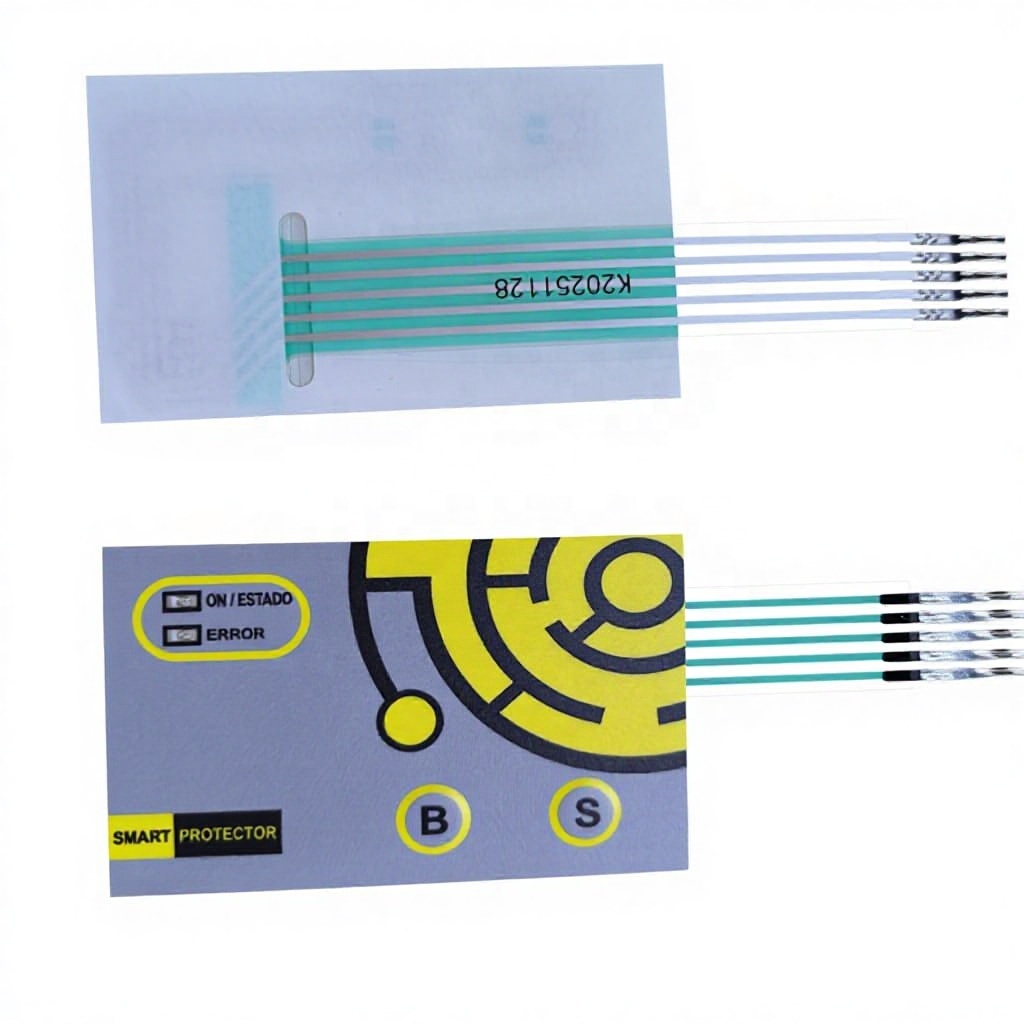
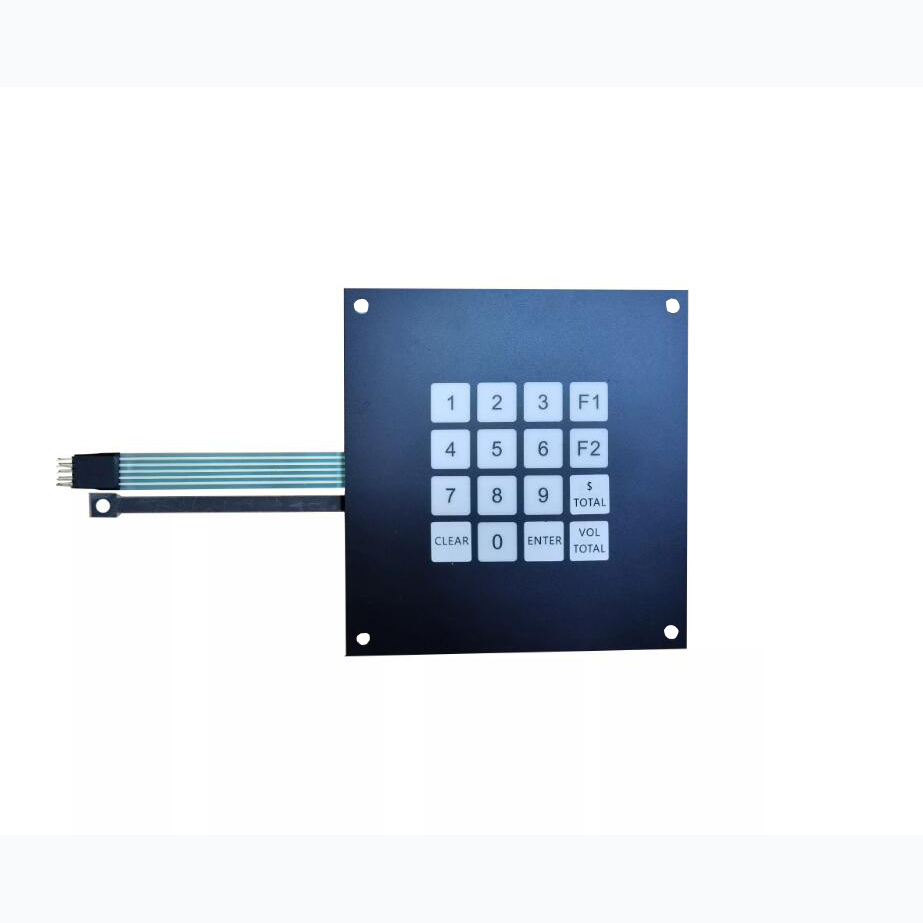
A deep-dive technical blueprint for Scandinavian design engineers, sourcing directors, and electromechanical integrators in the Greater Helsinki area.
In standard industrial push buttons, polyurethanes and low-grade natural rubber formulations experience cold crystallization near -15°C. For industrial environments in Southern Finland and marine operations in the Baltic Sea, temperatures regularly plummet to -30°C or lower. Below the glass transition temperature, generic rubber switches suffer catastrophic elastic recovery failure, resulting in sluggish key returns, contact chatter, or complete brittle fracture of the webbing structure.
Our custom formulation utilizes specialized Methyl-Vinyl-Silicone (VMQ) and fluorosilicone polymers engineered with an ultra-low Tg of below -60°C. By precisely managing Shore A hardness (custom calibrated between 35 and 70 Shore A) and integrating specialized cross-linking vulcanization agents, our elastomer keypads retain a crisp snap ratio (>45%) without material stiffening. Even in outdoor utility meters, harbor cranes, and forestry machinery operating in prolonged Finnish winters, our actuators ensure instant mechanical rebound and eliminate ghost switching.
In modern low-voltage digital microcontrollers (3.3V or 1.8V logic rails), stable electrical resistance across the actuation cycle is critical. Traditional silicone buttons rely on cheap carbon pills that exhibit high contact resistance (>150 Ω) and suffer degradation due to cyclic friction, causing inconsistent signal edge triggers and firmware de-bounce issues.
TAVO engineers integrate low-resistance gold-plated conductive metal domes or co-molded, highly conductive solid carbon pills (rated <10 Ω) directly into the silicone matrix. In applications requiring extreme cycles and glove-assisted actuation, we pair tactile feedback metal domes with secondary elastomeric dampening layers. This structural balance provides tactile snaps exceeding 350g of force—a necessity when heavy insulated gloves prevent fine tactile perception—while guaranteeing bounce times of less than 5 milliseconds across 5 million continuous cycles.
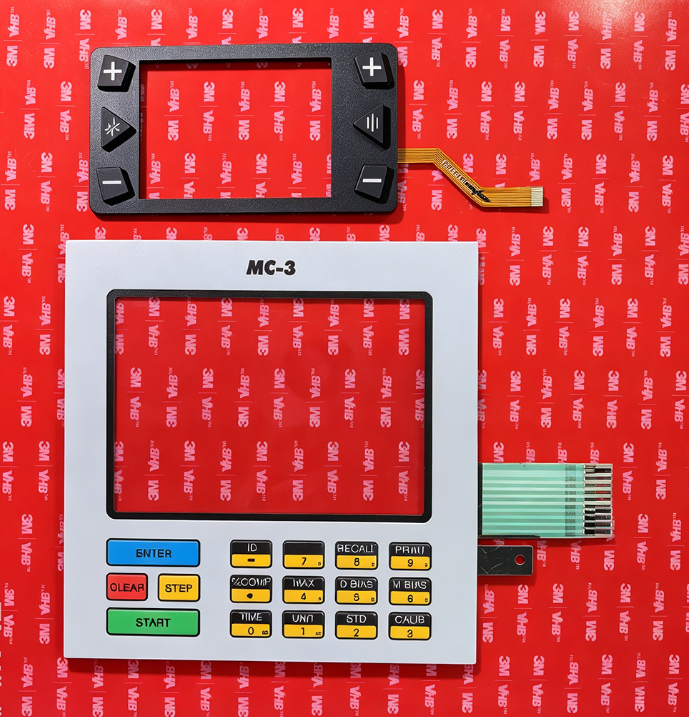
Multi-cavity vulcanization with peripheral seal-beads directly bonds with industrial 3M 300LSE/467MP adhesive backings, stopping moisture ingress from freeze-thaw cycles and salt mist.
Integrated full-surface aluminum foils, etched copper FPC backbones, or selective conductive carbon grounding protect delicate electronics from high static discharge and nearby industrial converters.
High-efficiency LED and Light Guide Film (LGF) integration allows balanced symbol backlighting without hotspots, compliant with Nordic ergonomic and safety standards for low-light night shifts.
Aligning component-level precision with regional hardware initiatives across the Uusimaa innovation corridor.
Harbor logistics, passenger ferries, and icebreakers demand interfaces resistant to saline aerosol, freezing spray, and hydraulic oils. Our rubber push buttons feature dual-perimeter compression gaskets, UV-resistant PU outer coatings, and laser-etched legends that never rub off under aggressive maritime cleaning chemicals.
From automated district heating sub-stations to geothermal heat pumps across Espoo and Vantaa, our sealed silicone keypads and membrane panels provide IP67 dust/water protection, capacitive touch integration, and long-term dimensional stability despite heavy condensation cycles.
Helsinki's burgeoning life-science hardware requires human-machine interfaces that withstand continuous hospital-grade sterilization (isopropyl alcohol, bleach, quaternary ammonium compounds). Our antimicrobial overlays and seamless silicone enclosures prevent fluid seepage and bio-film formation.
Engineering teams across Helsinki, Tampere, and Oulu are actively optimizing their hardware value chain. The traditional approach of buying off-the-shelf push buttons through European catalog distributors leads to astronomical per-unit costs, limited customization, and vendor lock-in. Meanwhile, working with unverified brokers risks lot-to-lot inconsistencies, cold-cracking silicone, and delayed lead times.
By partnering directly with a genuine, vertically integrated manufacturer like TAVO, Finnish OEMs achieve full design ownership. From initial 3D STEP file review and rapid mold prototyping to automated optical inspection and xenon lamp aging tests, our direct-factory pipeline cuts supply chain layers, reduces unit procurement costs by 30-45%, and guarantees full traceability back to raw silicone compounding sheets.
A proven manufacturing heritage tracing back to 1990, combining heavy industrial capacity with microscopic precision.
With massive facilities in the Robot Industry Port of Xianghe (Hebei) and Huizhou (Guangdong), totaling over 2,219 m² of audited floor space and 111+ certified staff, we flexibly balance order production across our 60 CNC mold-making units, 37 precision screen printers, and 18 industrial laser cutters.
Our engineering line operates under a long-term technical cooperation agreement with German membrane switch factories. We strictly implement ISO 9001 quality management procedures and undergo annual on-site assessment audits by Intertek, achieving a 4.9/5 global OEM satisfaction index.
Our mission-critical interfaces are trusted by demanding systems integrators worldwide, including ABB, Siemens, and Haier, with field deployments in high-speed rail locomotive cockpits, the Three Gorges hydro project, aerospace systems, and hazardous fuel-dispensing equipment.
Reliability is never assumed—it is physically proven in our factory laboratory. Before shipping components to European clients, samples undergo automated circuit continuity diagnostics, button life-cycle fatigue tests exceeding 5,000,000 presses, programmable high/low temperature & humidity cycling (-50°C to +120°C), xenon arc optical degradation tests, and automatic salt fog corrosion tests (up to 96 hours continuous exposure).
Direct technical answers addressing lead times, compliance, low-temperature resilience, and customs logistics.
Ready to evaluate material samples, verify actuation curves, or discuss an active HMI program?
Get Catalog