1990
Engineering Heritage
37+
Precision Screen Printers
< 0.05 Ω
Silver Trace Resistance
IP67/IP68
Harsh Marine Ingress Proof
Engineered Solutions
Featured Industrial Screen Printed Circuit Assemblies
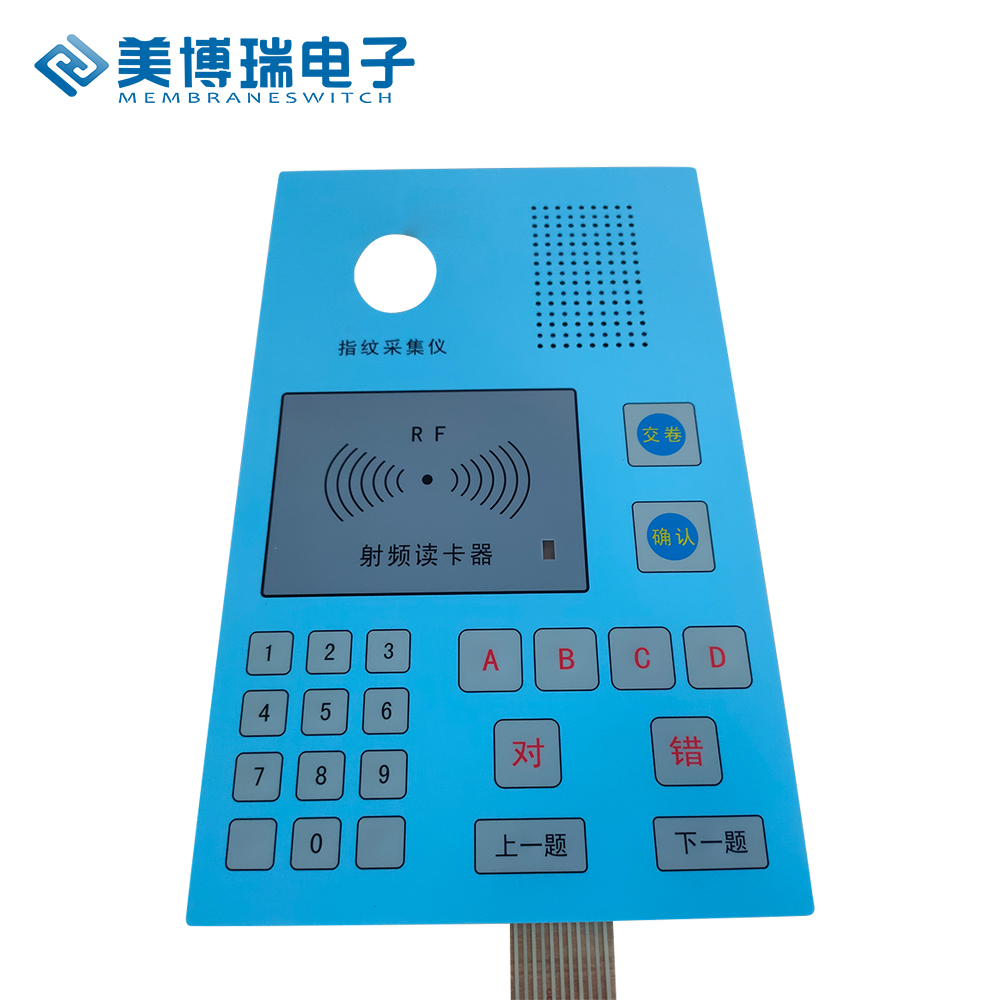
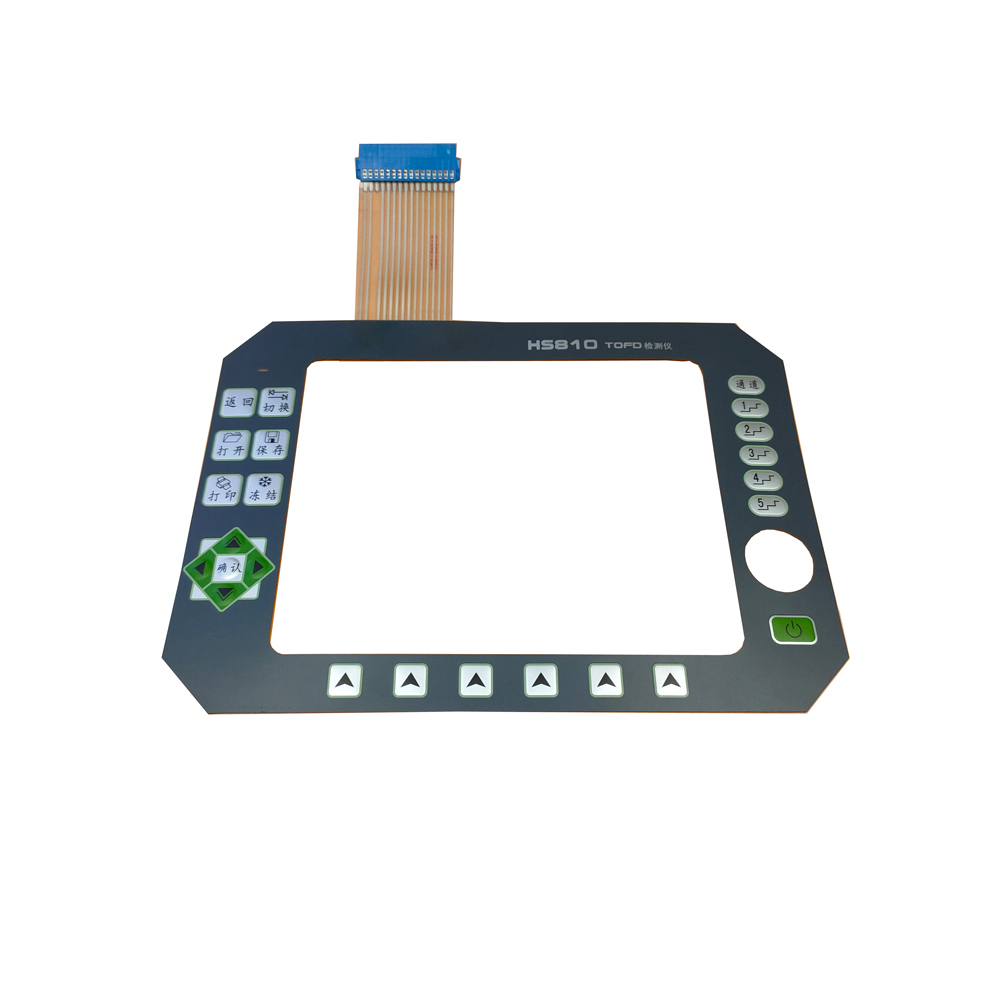
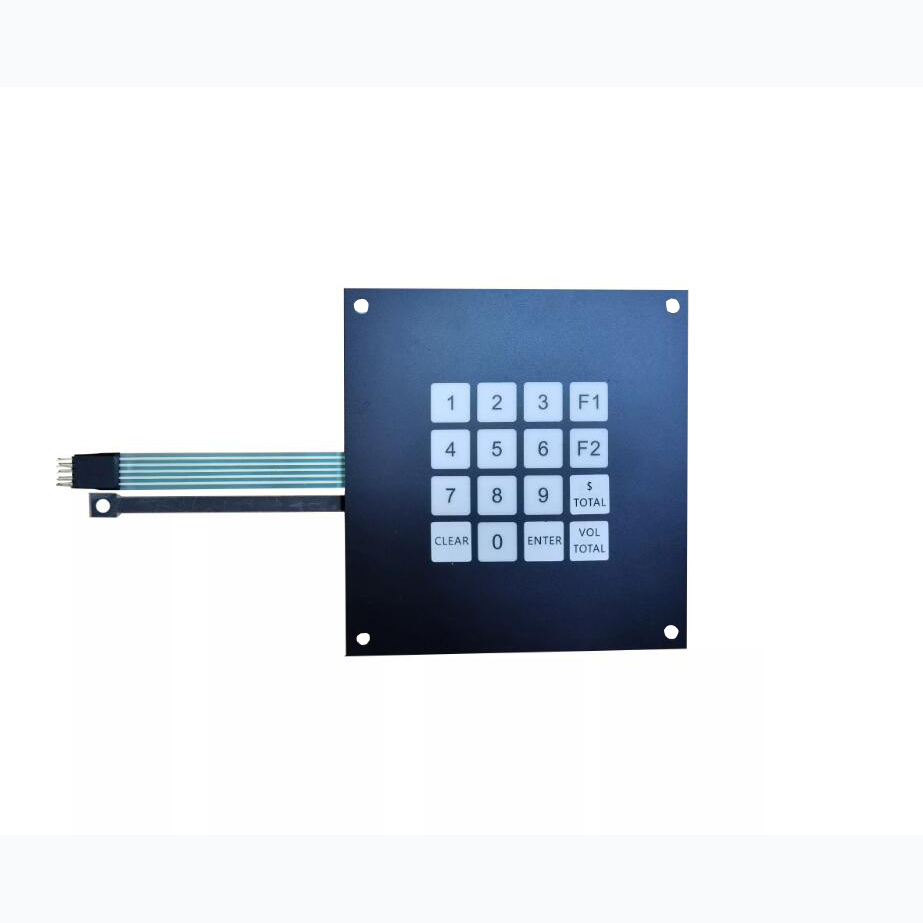
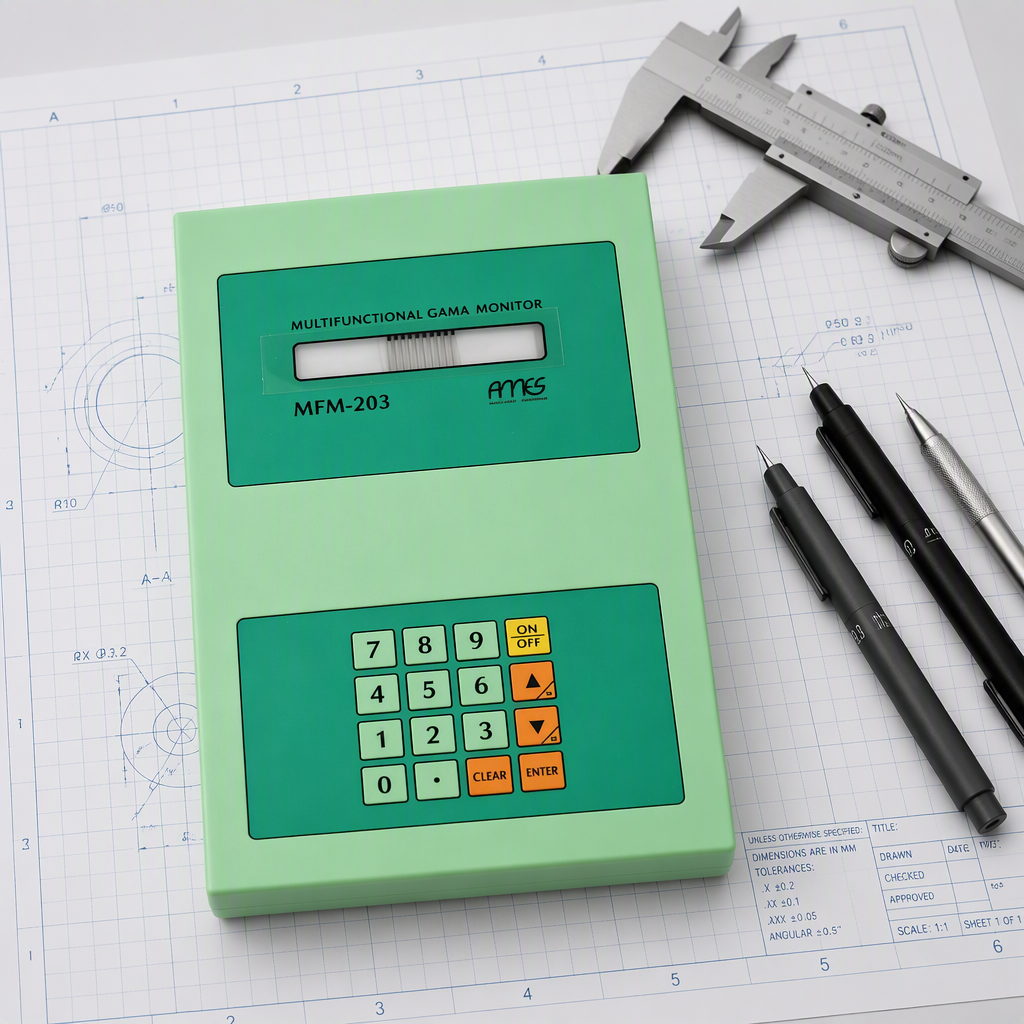
Precision-fabricated membrane switches, flexible printed silver circuits, and sealed control panels engineered for long-term deployment in Rotterdam's heavy maritime, automated logistics, and harsh process industries.
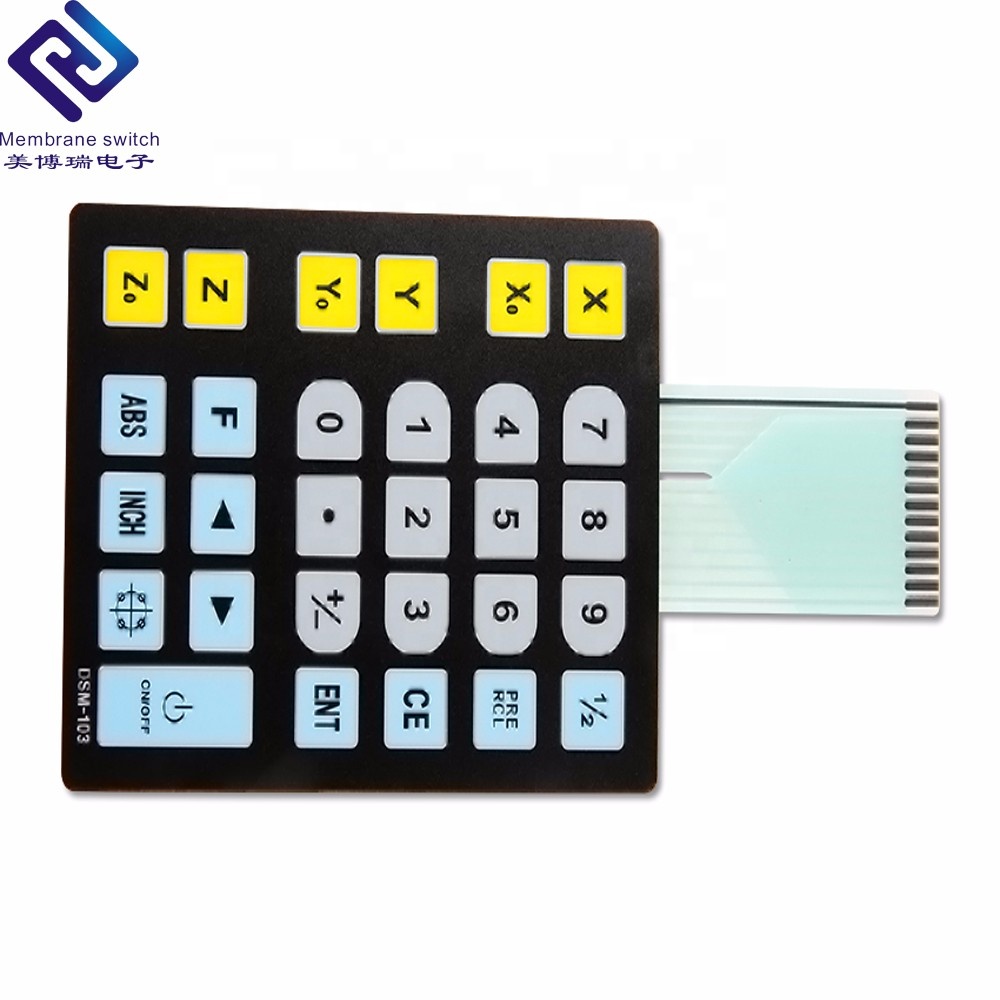
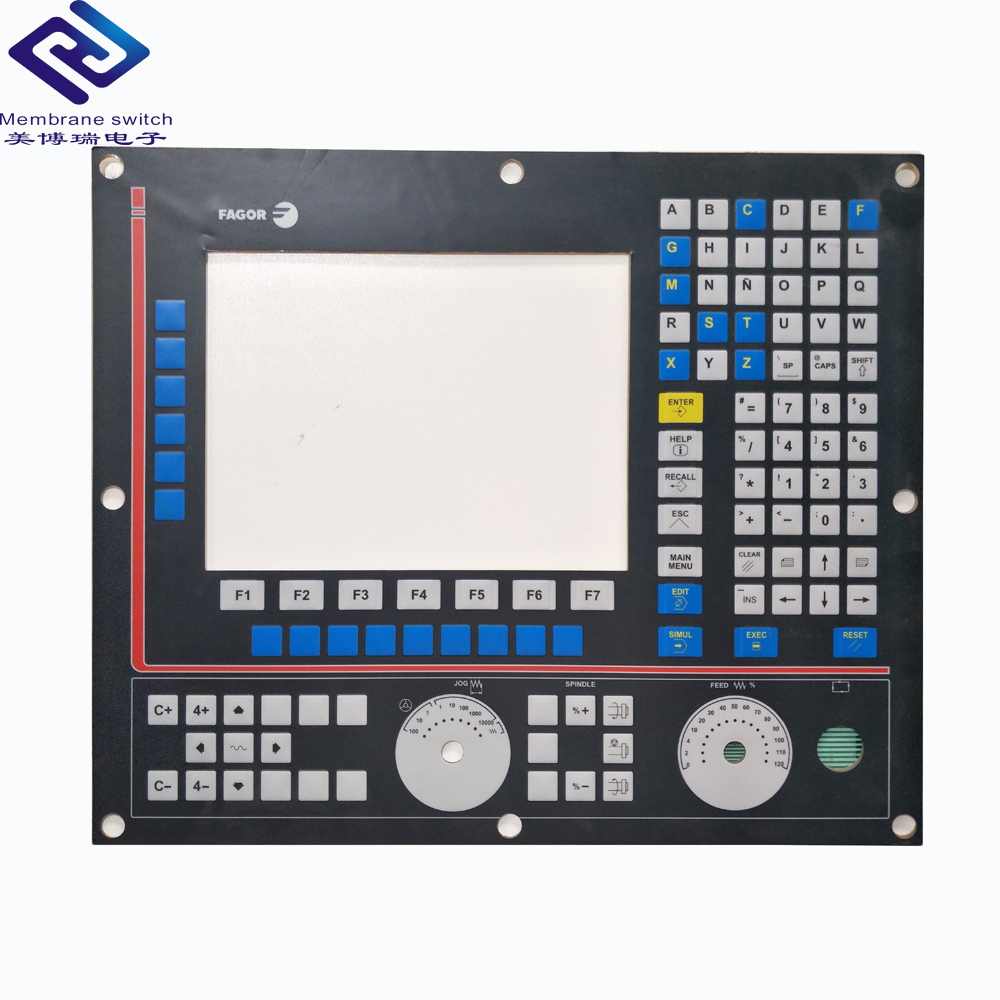
Technical Whitepaper • Regional Engineering
Screen Printed Circuits for Rotterdam: Solving Ingress, Salinity, & Electromagnetic Strain
The industrial landscape of the Greater Rotterdam Area—anchored by the Port of Rotterdam, the Botlek petrochemical cluster, Europoort, and the Maasvlakte logistics corridor—places demands on electronic assemblies that far exceed typical commercial parameters. As Europe's largest maritime gateway, installations are continuously exposed to airborne sodium chloride, severe moisture saturation, dynamic hydraulic vibrations, and aggressive hydrocarbon solvents. Standard printed circuit boards (PCBs) and off-the-shelf mechanical switches suffer from micro-delamination, trace oxidation, and contact creep within these environments.
Screen printed thick-film flexible circuits (PTF) and polymeric human-machine interfaces (HMIs) manufactured with conductive silver, carbon, and dielectric inks on stabilized polyester (PET) or polyimide (PI) substrates represent the definitive technical solution. By hermetically sealing conductive interconnects between laminated polymer barriers using pressure-sensitive acrylic bonding (3M 200MP / 300LSE adhesive matrices), screen printed circuits deliver total isolation from environmental contamination.
Critical Local Application Archetypes in the Rotterdam Industrial Corridor
To understand the role of precision screen printing in the Rijnmond region, procurement and hardware engineering teams must examine the operational stress factors across three distinct industrial sectors:
1. Automated Port Terminals & AGVs
At Maasvlakte I and II, automated guided vehicles (AGVs), automated stacking cranes (ASCs), and ship-to-shore gantry cranes run 24/7 in direct North Sea maritime conditions. Screen printed circuits provide tactile feedback panels, operator pedestals, and flexible sensor interconnects with multi-million actuation life spans, impervious to salt aerosol and heavy UV breakdown.
2. Petrochemical & Tank Terminals
Along the Botlek and Pernis industrial corridors, processing units handle bulk volatile organic compounds (VOCs) and corrosive vapors. Our polyester membrane switches and FPC circuits are designed for ATEX-compliant housings, utilizing non-sparking carbon-over-silver contacts and solvent-resistant Autotex textured graphic films that withstand aliphatic hydrocarbons and industrial cleaners.
3. Maritime Propulsion & Green Energy
Rotterdam is at the forefront of maritime electrification, hydrogen storage bunkering, and offshore wind servicing. Control panels for ballast water treatment, hybrid marine thrusters, and electrolyzer stations require high dielectric isolation, RFI/EMI copper shielding grids, and low contact bounce metal-dome arrays that guarantee precision input under rough sea state accelerations.
Comprehensive Technical Specification Spectrum
Every screen printed circuit engineered for OEM delivery into the Netherlands is verified against exacting IPC, ASTM, and DIN standards. The table below delineates the functional parameters maintained across our serial production lines:
| Engineering Property | Standard Specification | Heavy Industrial / Maritime Grade | Testing Protocol |
|---|---|---|---|
| Substrate Material | Heat-Stabilized PET (125μm – 188μm) | Polyimide (PI) Kapton / FR-4 Rigid-Flex Backer | ASTM D5213 / IPC-TM-650 |
| Conductive Trace Medium | Fine-particle Polymeric Silver Ink | Carbon-screened Silver with Anti-Migration Barrier | Cross-hatch Tape Adhesion (ASTM D3359) |
| Loop Resistance | < 1.0 Ω/cm trace run | < 0.05 Ω/cm (Optimized trace cross-section) | Four-point Probe Kelvin Method |
| Dielectric Breakdown | > 500 V DC | > 1,500 V DC (Dual-layer UV cured dielectric) | IPC-CC-830B / ASTM D149 |
| Actuation Lifespan | 1,000,000 operations | > 5,000,000 tactile operations (Stainless Domes) | Automated Pneumatic Actuation Cycler |
| Operating Temperature | -20°C to +70°C | -40°C to +85°C continuous | Thermal Shock Chamber (IEC 60068-2-14) |
| Ingress Protection Rating | IP65 Perimeter Gasket | IP67 / IP68 Submersible Perimeter Bonding | IEC 60529 Water Immersion / Vacuum Box |
| Salt Spray Corrosion Resistance | 96 Hours 5% NaCl Solution | > 500 Hours Continuous Marine Fog | ASTM B117 / ISO 9227 |
Regional Market Trends: Industry 4.0 and Decarbonization in Zuid-Holland
Procurement criteria across Zuid-Holland have shifted dramatically toward modularity, circular material compliance, and integrated sensing. Hardware engineers in Rotterdam and nearby innovation clusters like Delft are moving away from monolithic mechanical console assemblies toward low-profile, light-weight screen printed arrays. Three major technological dynamics dominate current inquiries:
Capacitive Touch Integration
Eliminating all mechanical ingress vectors via printed PEDOT or silver sensor matrices underneath smooth, non-porous glass or treated polycarbonate surfaces.
LGF Backlighting Efficiency
Utilizing micro-molded Light Guide Films (LGF) with side-firing surface mount LEDs to achieve uniform illumination across extensive operator panels with minimal battery drain.
Full ATEX / Explosion Isolation
Screen-printed shielding meshes providing both Faraday cage EMI mitigation and intrinsic spark suppression within chemical storage and fueling infrastructure.
RoHS 3 & REACH Compliance
Complete traceability and material health passports conforming to European circularity targets, eliminating hazardous lead, halogenated compounds, and volatile phthalates.
Manufacturing Authority
Why Western European OEMs Partner With TAVO
Three decades of thick-film circuit fabrication, institutionalized German engineering standards, and complete vertically integrated production facilities.
Operating out of state-of-the-art facilities in the Robot Industry Port of Xianghe (Hebei) and our advanced southern processing base in Huizhou (Guangdong), TAVO Electronic Information Technology Co., Ltd. eliminates all sub-tier manufacturing risks. While many suppliers operate as intermediaries without direct control over ink curing or cleanroom parameters, TAVO handles 100% of production in-house: CAD artwork processing, photographic screen stencil generation, automated multi-pass flatbed printing, precision curing ovens, laser profiling, CNC punching, cleanroom dome integration, and automated optical inspection.
Our long-standing technical cooperation with leading German membrane switch manufacturers has embedded rigorous testing protocols into every phase of production. We do not simply test batches post-assembly; every conductive layer is monitored during screen printing for wet film thickness, cross-sectional uniformity, and post-bake resistivity. Over 30 senior staff members maintain more than 15 years of individual specialized experience in PTF (Polymer Thick Film) dynamics, supported by a 10-person CAD engineering department and a 20-person international trade department experienced in DDP and CIF shipments directly to the Port of Rotterdam and Schiphol logistics hubs.
Procurement Intelligence
Frequently Asked Questions for Dutch Sourcing Teams
Direct technical, commercial, and logistics answers for engineering leads and procurement managers in the Netherlands.
What silver ink migration countermeasures are applied for damp North Sea maritime electronics?
Silver migration occurs when an electrical potential and continuous moisture cause dendritic silver growth between parallel circuit traces, leading to catastrophic short circuits. For Rotterdam's high-humidity and maritime environments, TAVO enforces three critical mitigations: First, we maintain minimum trace pitch distances (>0.5mm wherever geometry permits). Second, all silver contact pads and closely spaced conductors are selectively over-screened with high-density conductive carbon ink, which does not exhibit ionic migration under voltage bias. Third, we apply a pinhole-free, UV-cured dielectric overcoat (minimum two passes) that completely hermeticizes the silver traces against atmospheric moisture.
How do you guarantee IP67/IP68 environmental seals against salt spray and industrial chemicals?
Standard perimeter adhesive tapes allow water vapor ingress over prolonged exposure. TAVO utilizes custom-engineered closed-loop perimeter gaskets punched from structural adhesives like 3M 200MP, 300LSE, or VHB tapes. The adhesive border completely encapsulates the circuit cavity and tail exit without gaps. Furthermore, we test designs inside our automated programmable salt fog chambers (operating per ASTM B117 / ISO 9227) and conduct vacuum-leak tests to ensure no capillary fluid intrusion occurs when equipment transitions between temperature extremes on Rotterdam docks.
What design files and electrical schematics are needed to initiate tooling and prototyping?
To proceed directly to engineering review, we require: (1) Vector artwork for the graphic overlay in Adobe Illustrator (.AI), CorelDraw (.CDR), or DXF format with explicit Pantone (PMS) or RAL color codes specified; (2) Mechanical dimensions, key embossing profiles, window clear zones, and cutout tolerances in CAD DXF or DWG formats; (3) Schematic or pin-out matrix showing switch common paths, LED polarity, and tail connector pitch (typically 1.0mm, 1.27mm, or 2.54mm female housings or bare ZIF contact fingers); (4) Operating environmental specifications (temperature, UV exposure, chemical contact). Our engineering team generates a comprehensive production approval drawing within 24–48 hours.
What are the lead times and shipping corridors for OEM shipments to Rotterdam?
Rapid prototyping and pilot-run batches (10 to 100 units) are typically fabricated and shipped within 7 to 10 business days via expedited air express (DHL/FedEx/UPS), reaching Rotterdam in 3 to 4 transit days. For recurring volume OEM production (5,000 to 100,000+ units), production lead times average 15 to 20 business days. Shipments can be consigned via sea freight directly from Shenzhen/Ningbo ports to the Port of Rotterdam (approx. 25–30 days transit), or via consolidated air cargo directly to Amsterdam Schiphol (AMS) with same-day truck transfer into the Zuid-Holland distribution network under DDP, CIF, or FOB Incoterms.
Do your screen printed assemblies comply with EU RoHS, REACH, and WEEE regulations?
Yes. All base films (Autotex PET, Lexan PC), conductive silver and carbon inks, dielectric insulation compounds, metal snap domes, and adhesives utilized in our processes are 100% compliant with EU RoHS Directive 2011/65/EU and its amendment (EU) 2015/863. We systematically review SVHC (Substances of Very High Concern) under the EU REACH Regulation (EC 1907/2006) to ensure zero prohibited plasticizers, heavy metals, or flame retardants are introduced. Full material safety declaration data sheets (MSDS) and third-party laboratory test certificates (SGS/Intertek) are supplied with technical documentation packages.
Can rigid FR-4 PCB backers, displays, and SMT components be integrated directly into the circuit?
Absolutely. TAVO specializes in advanced hybrid integration. We bond flexible screen printed circuits directly to CNC-machined aluminum back plates or FR-4 PCB stiffeners using thermally stable, non-conductive adhesives. Additionally, we mount surface-mount LEDs, resistors, diodes, and microcontrollers directly onto polymer thick-film or flexible copper (FPC) tracks using isotropic conductive adhesives (silver epoxy) or automated low-temperature soldering processes. Optical clear adhesive (OCA) bonding is also available to fuse acrylic or tempered glass display windows over LCD/OLED screens without Newton rings or optical distortion.
Accelerate Your Rotterdam HMI & Circuit Project
Connect directly with our senior application engineers. Receive immediate manufacturability reviews (DFM), stack-up simulations, material recommendations, and firm quotations within 24 hours.
Get a Quote