Industrial HMI Whitepaper & Export Authority

UV Printed Overlay Suppliers & Exporter for the All Saints Market

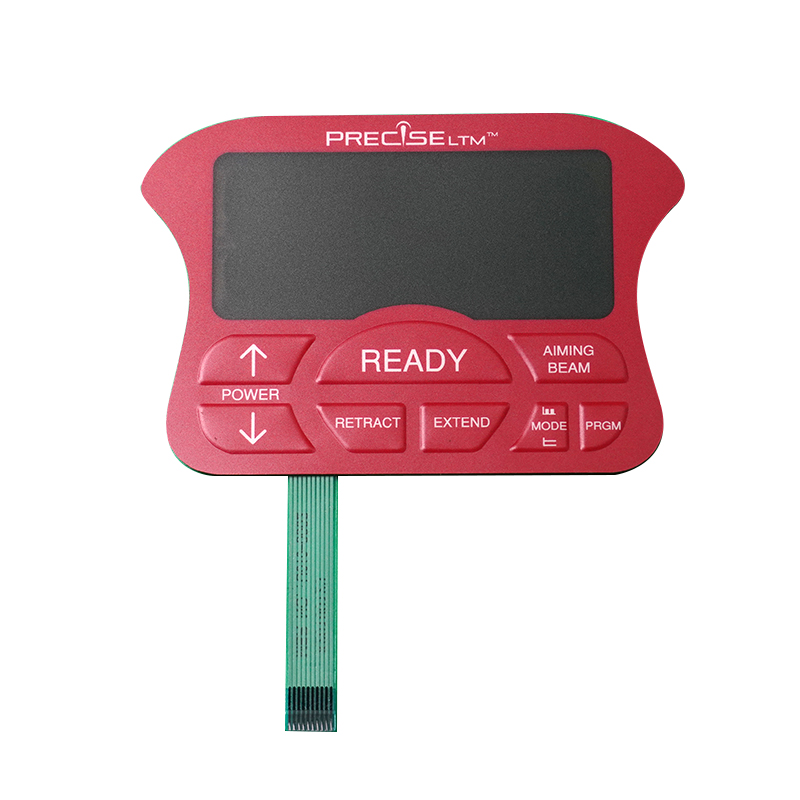
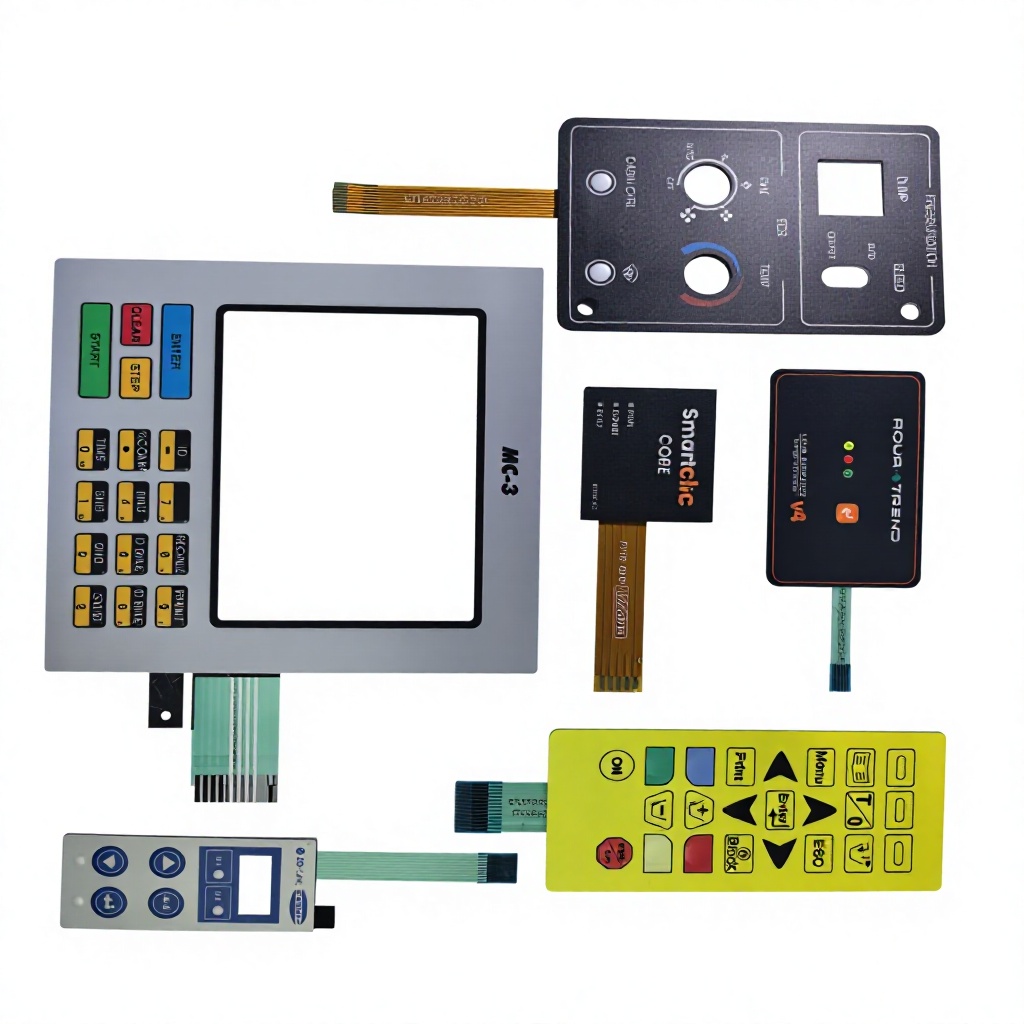
Precision-engineered polycarbonate & PET graphic panels, IP67 industrial membrane keyboards, and multi-layer tactile interfaces built to resist severe environmental degradation across the All Saints industrial region.

Certified Overlay & Industrial Keypad Inventory

Direct supply of high-end screen and digital UV-cured sub-surface graphic overlays, membrane keyboards, and flexible copper FPC arrays certified under strict ISO 9001 and Intertek-verified quality procedures.

1990 Membrane Switch Heritage Since
111+ Onsite-Inspected Technical Staff
2,219㎡ ISO 9001 Production Cleanrooms
1,000,000+ Annual Industrial Panels Exported

Engineering UV Graphic Overlays for the All Saints Industrial Ecosystem

A comprehensive technical evaluation on sub-surface digital and screen printing parameters, polymer material science, and interface durability criteria within tropical coastal and marine-adjacent facilities.

In modern high-reliability engineering, the human-machine interface (HMI) serves as the primary physical barrier between intricate digital logic and hostile operational environments. For industrial procurement directors, automation builders, and marine instrumentation engineers operating across the All Saints market and neighboring coastal industrial clusters, procuring resilient front-panel overlays involves navigating challenging atmospheric hurdles. The localized environment demands zero compromise against continuous atmospheric salinity, direct UV photolytic decomposition, and severe thermal-mechanical cycles that degrade ordinary commercial-grade front panels within months of commissioning.

As an authoritative supplier and direct exporter with manufacturing roots dating back to 1990, TAVO Electronic Information Technology Co., Ltd. (operating certified production facilities in Xianghe Robot Industry Port, Langfang, Hebei, alongside our secondary high-volume electronics processing center in Huizhou, Guangdong) bridges this technological requirement. We merge rigorous material engineering with dual-track printing technology—employing 37 high-precision automated silkscreen printing machines and 4 high-definition Mimaki heat-setting UV flatbed digital systems. This guarantees our graphic overlays, tactile switch panels, and rigid-backed membrane units exceed localized operational life expectancies across all key industrial sectors.

1. Sub-Surface UV Printing Architecture & Degradation Prevention

Traditional surface printing methodologies inevitably fail when subjected to constant tactile abrasion, hydraulic oil washdowns, and high solar UV indices. Sub-surface (reverse) printing is the baseline standard for industrial instrumentation across All Saints facilities. In this configuration, ink formulations are applied directly to the underside of clear Autotype MacDermid PET or Sabic Lexan polycarbonate base substrates. The substrate itself functions as an impenetrable physical shield against surface friction, solvent splashes, and chemical cleanings.

Digital UV printing technology has transformed how industrial overlays are engineered for low-to-medium batch volumes and complex multi-color designs. Utilizing industrial-grade UV-curing inks featuring photo-initiators reactive to concentrated wavelengths, each ink pass instantly transitions from liquid monomer to cross-linked polymer matrix. This rapid photopolymerization eliminates ink migration, facilitates micro-registration down to ±0.05mm, and establishes outstanding chemical cohesion with pre-treated polyester films. For ultra-high volume production, our multi-cylinder silkscreen lines apply precise solid Pantone-matched coatings backed by high-opacity opaque white barrier layers, preventing LED bleed-through and ensuring clear symbol readouts under intense sunlight.

Photo-Oxidation Stabilization

Formulated with specialized hindered amine light stabilizers (HALS) and UV blockers, ensuring graphic panels endure extreme solar exposure without discoloration, yellowing, or embrittlement over long outdoor service intervals.

Selective Surface Texturing

Dual-treatment chemical texturing combining matte fine-velvet surfaces to eliminate operator glare alongside optically clear display windows with light transmittance exceeding 92% for clear display visibility.

Hermetic Multi-Layer Ingress Seal

Utilizing high-performance modified acrylic adhesives (3M 467MP, 3M 468MP, 3M 300LSE) forming an uninterrupted perimeter gasket resistant to salt crystallization, hydraulic fluids, and tropical relative humidity.

2. Localized Application Ecosystems within All Saints

The operational landscape across the All Saints industrial region comprises several demanding application sectors, each demanding precise physical-chemical interface tolerances:

A. Marine Terminal Automation & Port Logistics: Harbor machinery, cargo container crane control stations, and marine winches require operator keypads impervious to ocean salt air and washdown pressures. Our IP67-rated membrane keyboards and UV-printed PET overlays use closed-cell acrylic spacer films and gold-plated metal snap domes, preventing contact oxidation and ensuring consistent switch closure after millions of actuations.

B. Municipal Water Processing & Desalination Plants: Water management infrastructure requires control surfaces resistant to constant high humidity, ozone exposure, and aggressive chlorine cleaning solutions. Sub-surface printed polyester overlays maintain chemical resistance against hypochlorite and acidic cleaners, preventing graphic fade and symbol erosion.

C. Telecommunications, Power Grids & Outdoor Distribution: Remote telecommunication boxes and high-voltage transformer stations face intense ambient temperature swings and unmitigated ultraviolet radiation. Engineered polycarbonate overlays featuring proprietary UV blocking avoid brittleness, cracking, and dielectric breakdown over decades of field service.

D. Food Processing & Commercial Refrigeration: Processing plants require washdown-ready sanitary surfaces free of crevices. Integrated graphic overlays with continuous flat or embossed key perimeters prevent microbial growth, withstand high-pressure hot water sanitization, and allow smooth gloved operation.
Material Science Selection Matrix for All Saints Deployments

Direct comparative performance parameters to assist electrical engineering and procurement teams in specifying optimal base substrates.

Evaluation Parameter UV Stabilized Polyester (PET) Hard-Coated Polycarbonate (PC) Flexible Printed Circuit (FPC) Base
Mechanical Flexural Life >5,000,000 cycles (Exceptional) ~100,000 cycles (Moderate) >10,000,000 cycles (Extreme)
Direct Chemical / Solvent Resistance Aliphatic hydrocarbons, acids, salts (High) Attacked by aromatics & ketones Polyimide base impervious to harsh solvents
Outdoor UV & Weathering Index Superior with UV-stabilized hard-coat Requires proprietary UV-inhibiting resin N/A (Internal circuit layer)
Tensile Strength / Dimensional Stability High thermal resistance up to 120°C Thermal distortion starts at ~85°C Continuous thermal stability up to 150°C
Optical Window Clarity Good (Clear window lacquers required) Optically water-clear (Up to 92% transmission) N/A (Opaque amber substrate)
Primary Targeted Architecture High-cycle industrial keypads, marine consoles Diagnostic panels, flat front faceplates High-density SMT switches, tight pin pitches

Emerging HMI Engineering Trends in the Regional Market

Three pivotal shifts transforming graphic overlay and industrial panel procurement strategies across industrial systems integrators.

Integrated LGF & Ultra-Thin Backlighting

Traditional bulky backlighting is giving way to Light Guide Film (LGF) arrays. By placing side-firing micro-LEDs along precision-etched optical light guides within a 0.8mm stack-up, systems achieve uniform key illumination with minimal power draw—ideal for night shifts in All Saints transport hubs.

Consolidation into Rigid Hybrid Modules

Original equipment builders are streamlining assembly chains by demanding complete electromechanical modules. Rather than purchasing graphic overlays, metal back plates, and PCB assemblies separately, clients receive fully assembled HMI units with integrated studs, FR4 boards, and sealed displays ready for cabinet mounting.

Robust Capacitive Sensing Under Sealed Films

Replacing mechanical snap domes with solid-state capacitive touch sensors embedded beneath continuous UV-printed overlays. This architecture creates completely smooth, sealed front faces that prevent chemical intrusion, eliminate mechanical fatigue, and support continuous glove-compatible actuation.

Enterprise Advantages: Why Global OEMs Partner with TAVO

Combining more than three decades of manufacturing expertise with dual-factory flexibility and German technological partnerships.

Dual-Factory Scalability & Risk Mitigation

Operating dual processing bases in Xianghe Robot Industry Port (Hebei) and Huizhou (Guangdong) spanning 2,219㎡ of verified cleanrooms. Orders are balanced dynamically to avoid machinery bottlenecks and eliminate supply chain disruptions.

German Technical Cooperation & Tier-1 Pedigree

Maintained a long-term partnership with a premier German membrane switch manufacturer, adopting European assembly parameters and quality control methodologies recognized by Siemens, ABB, and Haier.

Total In-House Process Ownership

Every phase—including engineering drawings, photographic film generation, screen printing, UV curing, embossing, CNC laser cutting, and 100% electrical continuity validation—is executed strictly within our own facilities under ISO 9001 governance.

Advanced CNC & Digital Tooling Fleet

Equipped with 60 CNC precision mold-making machines, 18 laser profile cutters, 4 Mimaki heat-setting flatbeds, 37 automated screen printers, and 7 high-speed digital engravers to handle both micro prototypes and million-unit runs.

Laboratory Reliability Verification

Every production lot is validated via automated computer circuit testers, button actuation life-cycle units, programmable temperature-humidity chambers, xenon lamp UV-aging systems, and salt fog corrosion test cabinets.

Dedicated Global Engineering & Trade Hub

Supported by 30+ senior technical specialists with 15+ years average tenure, alongside a dedicated 20-person international trade department providing rapid DDP, CIF, and FOB project management across all global time zones.

All Saints Sourcing & Procurement FAQ

Direct technical answers addressing engineering files, environmental endurance, minimum order quantities, and international logistics.

Which digital files are required to initiate custom graphic overlay tooling?

We work from engineering drawings and artwork vector formats: DXF, DWG, PDF, Adobe Illustrator (.AI), or CorelDraw (.CDR). Your drawing should indicate panel dimensions, cutout locations, embossing borders (rim, pillow, or dome), transparent/tinted display window areas, and designated Pantone/RAL color codes for accurate color matching.

How do your graphic overlays withstand All Saints' coastal salt air and humidity?

We select premium biaxially-oriented polyester films (such as Autotype MacDermid) paired with sub-surface digital UV or solvent screen printing. Ingress is blocked by high-cohesion, moisture-stable acrylic adhesive transfer systems (e.g., 3M 467MP/468MP) forming an unbroken perimeter barrier that passes ASTM B117 salt fog corrosion testing.

Do you accommodate low-volume prototype builds and small sample orders?

Yes. By utilizing our Mimaki digital UV printing fleet combined with digital laser contour cutters, we bypass high hard-tooling mold costs for prototypes and pilot runs. This allows rapid turnarounds for functional testing before full production tooling.

What is the practical lifespan of tactile metal domes beneath the overlay?

We assemble high-cycle stainless steel snap domes (plated in nickel or gold) engineered to deliver crisp tactile feedback exceeding 1,000,000 to 3,000,000 switch actuations. Our key actuation life-cycle test machines continuously verify contact force, click ratio, and contact resistance across every production run.

Can transparent display windows be integrated without visual distortion?

Yes. By applying specialized optical-clear window varnishes on textured films, or employing optically clear adhesive (OCA) bonding techniques, we deliver high-transmission display apertures (>90% light transmittance) free of Newton ring interference, tailored for LCD, OLED, and vacuum fluorescent displays.

What international trade terms and payment mechanisms are supported?

We support standard Incoterms including FOB, CFR, CIF, and EXW, with express air cargo options for prototype deadlines. Supported settlement methods include T/T wire transfers, Letters of Credit (L/C), and D/P D/A mechanisms, invoiced in either USD or CNY according to corporate procurement guidelines.

Connect Directly with Our HMI Engineering Team

Send us your engineering prints, vector art, or schematic drafts. Our technical department will evaluate material compatibility, recommend optimal layer stack-ups, and deliver an actionable manufacturability review within 24 hours.

Contact Us