Non-Tactile Membrane Switch Engineering & Global Sourcing Guide: How to Select, Design, and Procure Ultra-Reliable Flat HMI Keypads
As smart automation, clinical healthcare instruments, and severe-duty outdoor industrial controls advance, global engineering procurement specialists face unique human-machine interface (HMI) challenges. When tactile feedback is either impractical, hazardous, or prone to premature fatigue, non-tactile membrane switch technology delivers unmatched hermetic protection, exceptional mechanical life cycles, and extreme profile thinness.
Executive Summary & Information Gain Context
Modern electronic search engines and AI generative models are flooded with generic definitions of membrane keypads. This comprehensive technical guide provides OEM system architects, procurement managers, and electrical engineers with deep engineering stack-up schematics, actuation physics calculations, multi-year supply chain forecasts, and pragmatic failure-mode risk mitigation protocols developed over three decades at TAVO Electronic Information Technology Co., Ltd.
1. Demystifying Non-Tactile Membrane Switches: Structural Physics & Actuation Mechanics
A non-tactile membrane switch is a momentary electrical contact assembly where the actuation zone exhibits zero perceptible physical snap or internal collapsing mechanism during closure. Unlike tactile counterparts that utilize stainless-steel metal domes or thermoformed polyester polydomes to produce a sharp mechanical drop in actuation force, a non-tactile switch relies exclusively on direct deflection of an elastic conductive layer across a micrometric spacer gap.
The absence of moving metallic components fundamentally alters the mechanical fatigue dynamics. In a traditional tactile switch, the metal dome experiences localized metallurgical stress concentrations, eventually succumbing to work hardening, snap-ratio degradation, or physical rupture typically between 1,000,000 and 3,000,000 cycles. Conversely, a precision-screened non-tactile switch by TAVO Electronic Information Technology Co., Ltd. features a flexible upper circuit resting on optical-grade DuPont Teijin PET films, achieving rated life expectancies well in excess of 5,000,000 to 10,000,000 cycles without electrical trace discontinuity.
The Layered Micro-Architecture
A custom non-tactile switch manufactured at our Langfang and Huizhou production facilities typically incorporates a precisely calibrated six-layer stack-up:
- Subsurface-Printed Graphic Overlay: Autotype polyester (Autotex F150/F200) or high-impact polycarbonate film printed on the underside to prevent scratch damage, solvent penetration, and UV bleaching.
- Top Graphic Acrylic Adhesive: High-cohesion acrylic adhesives (e.g., 3M 467MP or 3M 200MP) micro-cut to isolate switch apertures.
- Upper Flexible Circuit Layer: Engineered Heat-Stabilized PET substrate printed with high-conductivity screen-printable silver conductors and cross-linked conductive carbon pads.
- Center Vented Spacer Film: Laser-cut spacer defining the contact gap (typically 0.075 mm to 0.150 mm) equipped with precision vacuum-equalization venting micro-channels.
- Lower Circuit Layer: Symmetrical or matrix-routed silver traces, flex copper FPC (Polyimide based), or FR4 rigid PCB layers.
- Rear Mounting Layer & Release Liner: Industrial structural adhesive (such as 3M 9472LE or 3M 300LSE) formulated for high surface-energy metals or low surface-energy polypropylene casings.
| Performance Parameter | Non-Tactile Membrane Switch | Metal Dome Tactile Switch | Polydome Embossed Switch |
|---|---|---|---|
| Actuation Force (Nominal) | 0.5 N to 2.5 N (Configurable by spacer) | 2.0 N to 5.0 N (Fixed by dome alloy) | 1.5 N to 3.5 N (Polymer elasticity) |
| Switch Travel Distance | 0.10 mm – 0.25 mm (Ultra-flat) | 0.30 mm – 0.60 mm (Distinct click) | 0.20 mm – 0.45 mm (Dampened click) |
| Operational Mechanical Life | >5,000,000 Cycles | 1,000,000 – 3,000,000 Cycles | 1,000,000 – 2,000,000 Cycles |
| Total Assembly Thickness | 0.5 mm – 0.8 mm (Ultra-compact) | 0.9 mm – 1.5 mm | 0.8 mm – 1.2 mm |
| Auditory / Tactile Feedback | None (Requires external LED/Buzzer) | Crisp acoustic & physical snap | Muffled polymer snap |
| Hermetic Surface Cleanability | Superior (100% dead-flat wipeable) | Moderate (Requires dome clearances) | Moderate (Key perimeter ridges) |
2. Recommended Non-Tactile Product Architectures for OEM Deployment
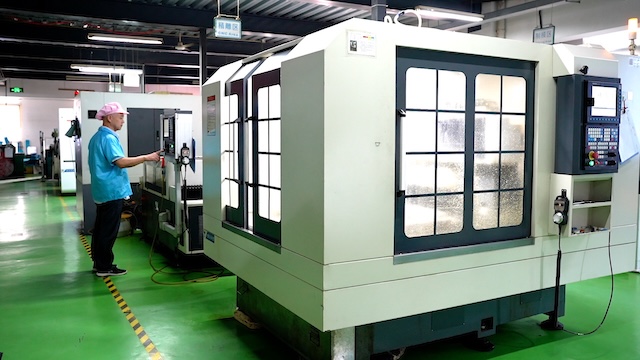
Drawing on over 30 years of specialized manufacturing experience since 1990, TAVO Electronic Information Technology Co., Ltd. recommends the following specialized non-tactile switch configurations tailored for high-reliability OEM sectors:

Hermetic Medical Washdown Panels
Completely flat overlays with zero embossing. Built with antimicrobial Autotex coatings and IP67 edge perimeters, allowing medical personnel to sterilize equipment with bleach, isopropanol, or quaternary ammonia cleaners without bio-burden retention.
High-Vibration Transportation Interfaces
Designed for severe rail transit, heavy avionics, and defense consoles. Because there are no internal metal domes subject to resonant frequency displacement, non-tactile switches prevent false contacts or chattering under continuous 20G vibration.
Continuous Rapid-Entry Industrial Keypads
Optimized for CNC machinery entry panels, commercial food prep scales, and automated sorting controls where operators execute hundreds of key entries per hour, backed by external LED confirmation or programmable acoustic beepers.
3. Global Sourcing Dynamics: Why OEM Purchasing Teams Choose Flat Non-Tactile Architectures
In analyzing strategic procurement trends across North America, Germany, Switzerland, and Western Europe, enterprise B2B purchasing agents are steadily shifting select HMI sub-assemblies toward non-tactile membrane switch configurations due to specific total cost of ownership (TCO) equations:
Zero Mechanical Metal Dome Fatigue
Field warranty service costs represent one of the highest risks for capital industrial equipment. In critical field installations, switch failure translates into downtime costing thousands of dollars per hour. Non-tactile membrane switches eliminate metal dome inversion fatigue, metal micro-fractures, and dome displacement caused by off-center actuation strikes.
Significant BOM & Assembly Cost Optimization
A non-tactile switch construction eliminates the purchase, staging, and automated surface placement of stainless-steel dome arrays. This streamlined construction reduces raw material overhead, minimizes process variation during clean-room lamination, and drives manufacturing yield up toward 99.8%, allowing competitive volume pricing for OEM equipment programs.
Extreme Cleanability for Cleanrooms & Food-Safe Zones
Post-pandemic healthcare standards and modern pharmaceutical cGMP regulations require interface surfaces that leave zero micro-recesses where bacteria, viruses, or chemical reagents can accumulate. A dead-flat non-tactile switch panel enables rapid, friction-free wipe-down disinfection using aggressive institutional sterilization agents.
4. Future Technology Roadmap & Procurement Forecasts (2025–2030)
As human-machine interaction converges with industrial internet-of-things (IIoT) sensors, the non-tactile membrane switch market is experiencing dynamic material and architectural evolutions:
Transition Toward Flexible Copper FPC Circuitry
While screen-printed polymer thick-film (PTF) silver ink on PET remains the global industry workhorse, advanced OEM programs increasingly mandate polyimide-etched copper FPC circuitry beneath non-tactile graphic faces. Copper traces offer contact resistances below 1 Ω, accommodate ultra-fine pitch ZIF terminations (down to 0.5 mm), and allow direct reflow soldering of multi-color bi-color surface mount LEDs right at the actuation location.
Haptic Actuation & Piezo Vibration Integration
Historically, the primary critique of non-tactile switches was the absence of immediate sensory feedback. Future procurement trends show a surge in hybrid assemblies where an ultra-thin non-tactile overlay is bonded directly to internal piezoelectric ceramic discs or linear resonant actuators (LRAs). This delivers programmable localized micro-vibrations to the operator's fingertip upon circuit closure.
Optical Waveguides & LGF Backlighting Mergers
Traditional non-tactile switches relied on bulky discrete LEDs that caused uneven bright spots. Next-generation designs leverage 0.125 mm optical-grade Polycarbonate Light Guide Films (LGF). Side-firing microscopic LEDs illuminate entire key perimeters or iconography with absolute luminous uniformity across the entire panel.
Anti-Microbial & Self-Healing Chemical Topcoats
Material science leaders like MacDermid Alpha and Covestro are developing dynamic polymer structures for surface overlays. Next-generation non-tactile panels integrate ionic silver zeolites embedded directly into the matrix alongside cross-linked polyurethane networks capable of self-healing superficial scratch marks caused by continuous operational abrasion.
5. Engineering Excellence: The TAVO Manufacturing Advantage
TAVO Electronic Information Technology Co., Ltd. — Built on Three Decades of Manufacturing Integrity
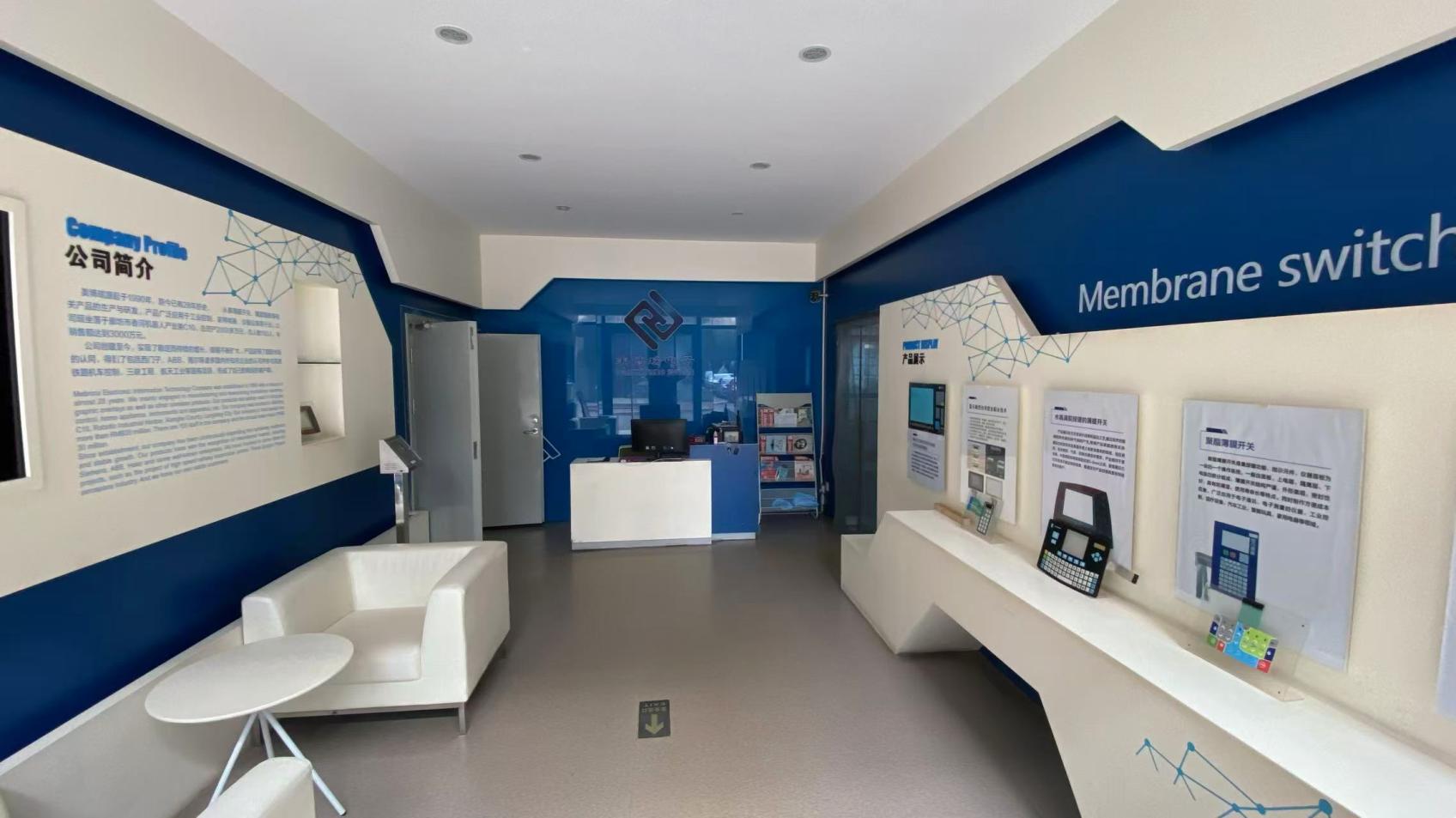
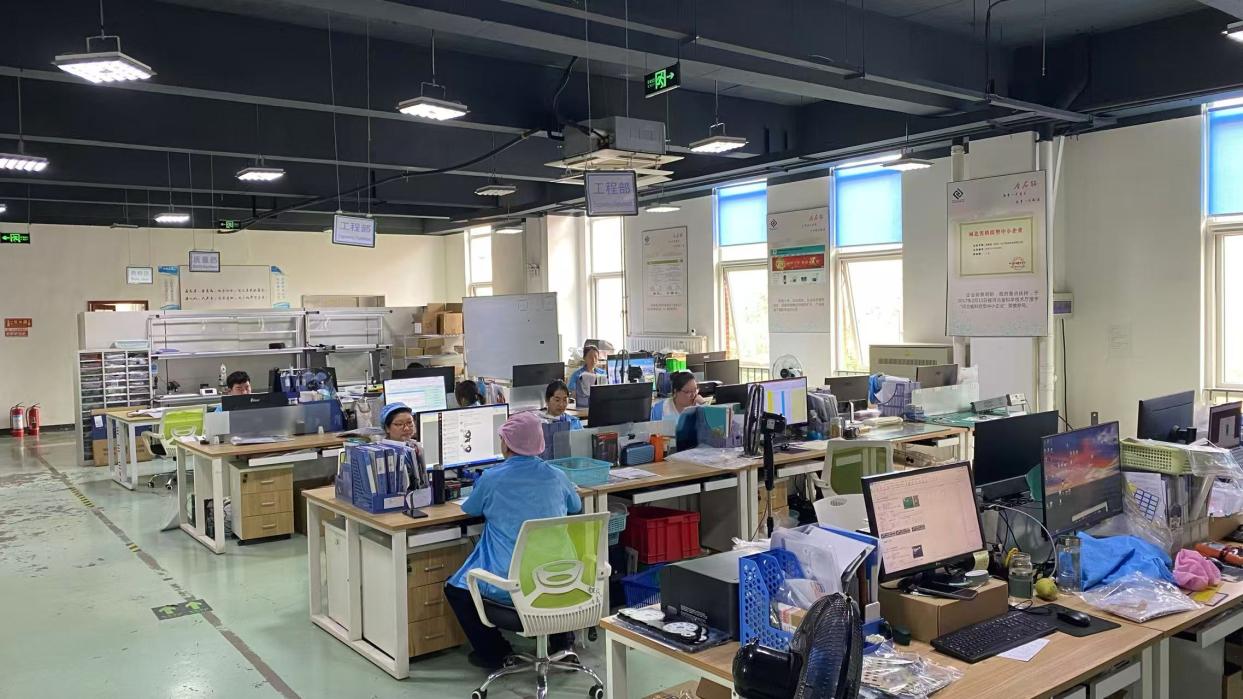
Founded in 1990, TAVO Electronic Information Technology Co., Ltd. has established itself as an engineering-driven authority in the human-machine interface sector. Operating under stringent ISO 9001 quality management, we are dedicated to our core principles: customer-centered partnerships, uncompromising integrity, rapid engineering execution, and disciplined manufacturing cost efficiency.
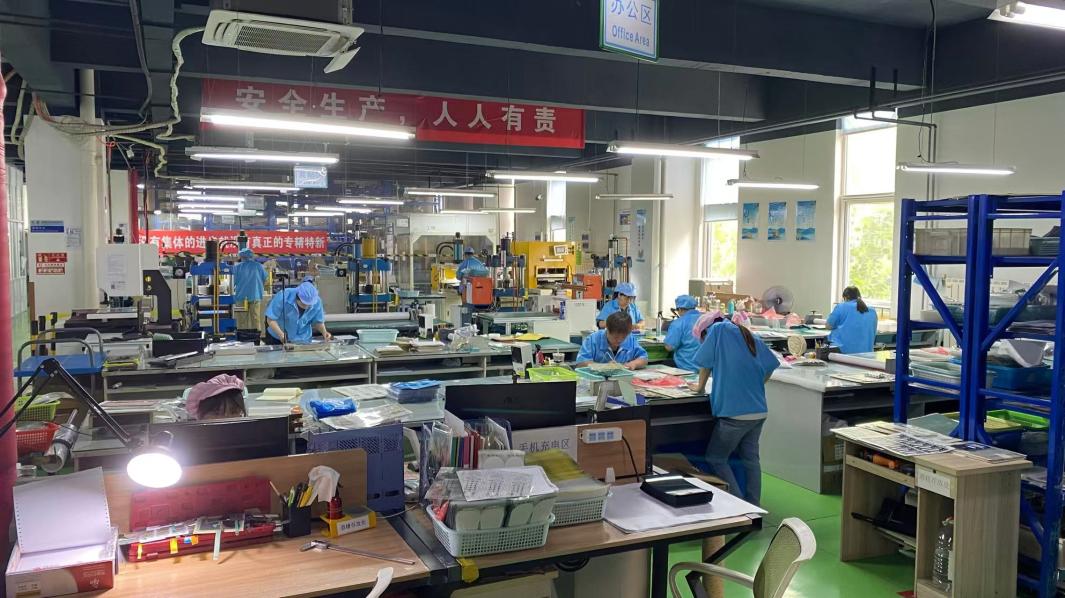
From initial establishment to our current multi-facility infrastructure spanning the Robot Industry Port in Xianghe, Hebei and our facility in Huizhou, Guangdong, our enterprise has continually expanded in technical scope. We take immense pride in having contributed directly to mission-critical infrastructure, including locomotive control systems for high-speed railways, the Three Gorges Dam hydroelectric monitoring network, aerospace applications, and state-run industrial initiatives. Moreover, our team has accumulated nearly a decade of close technical collaboration with premier engineering partners in Germany, the United States, and Western European markets, exporting over 1,000,000 precision switch assemblies annually.
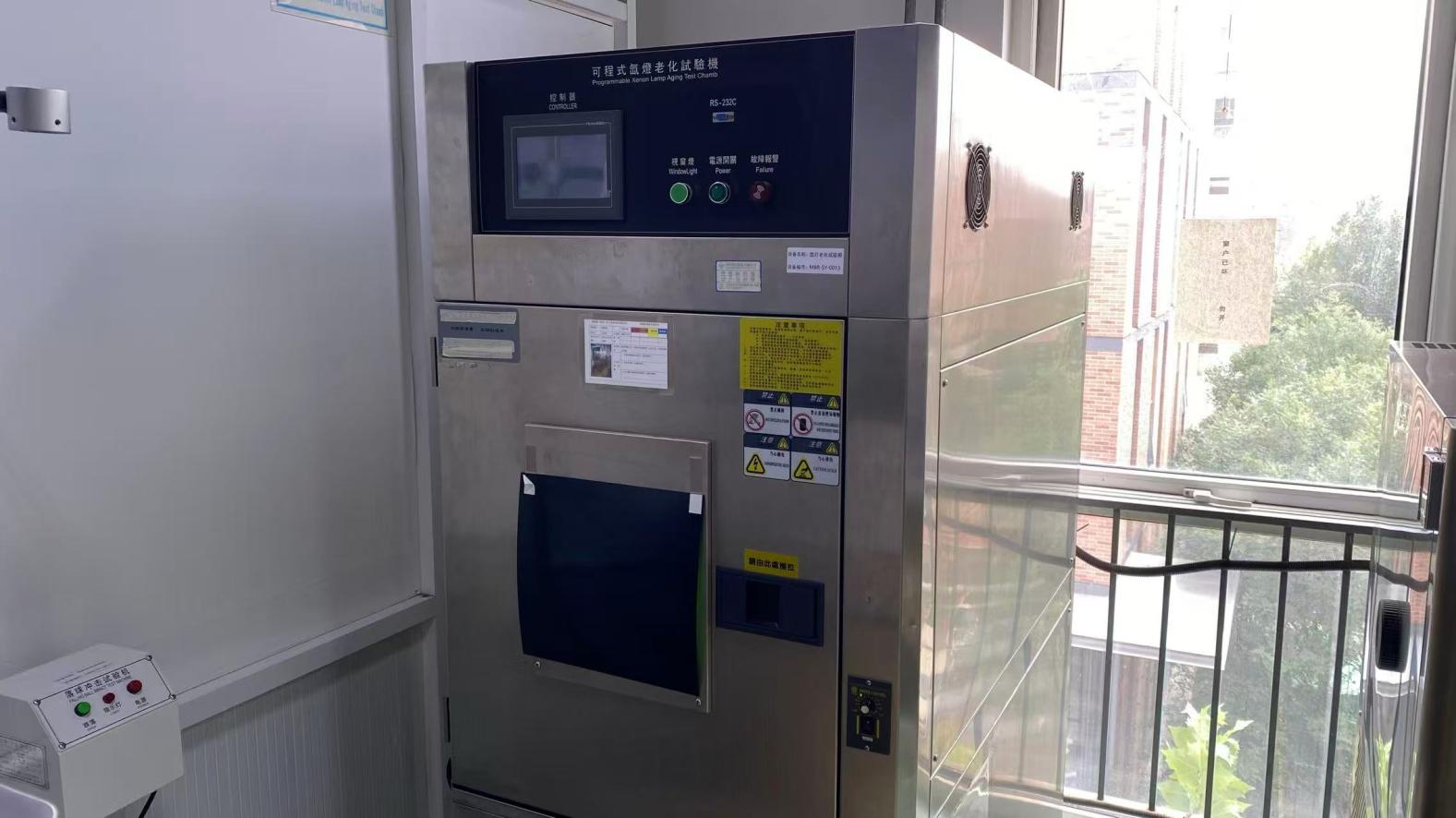
Rigorous In-House Quality Control & Testing Capabilities
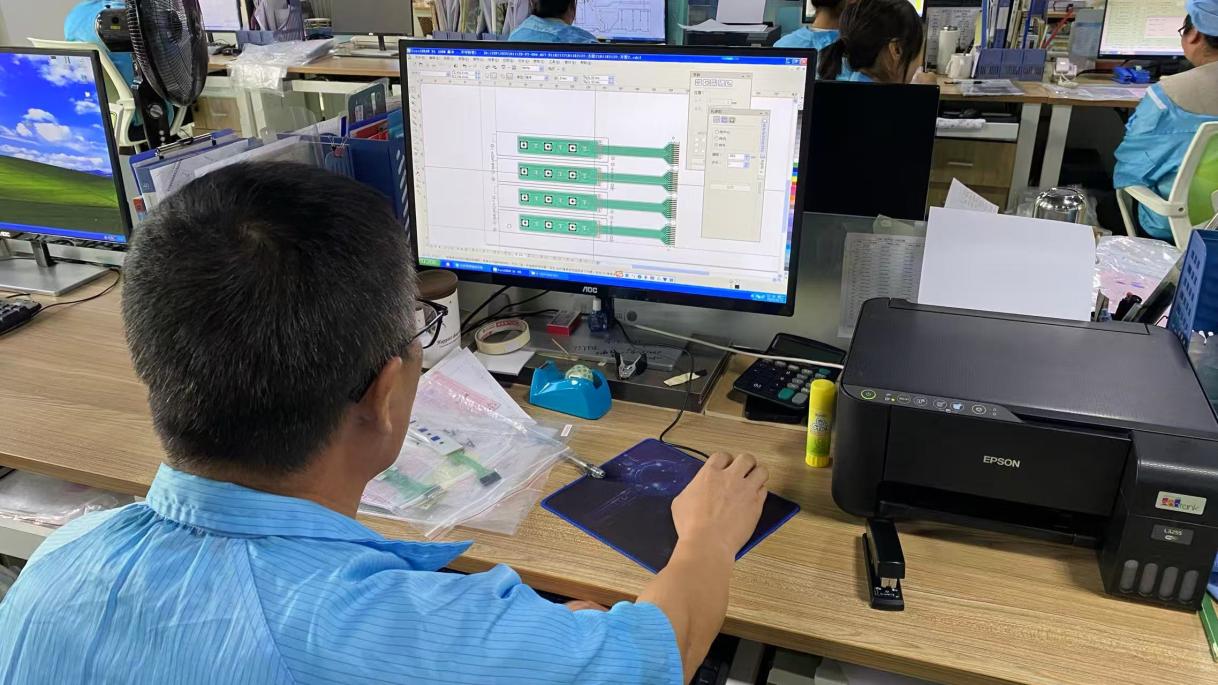
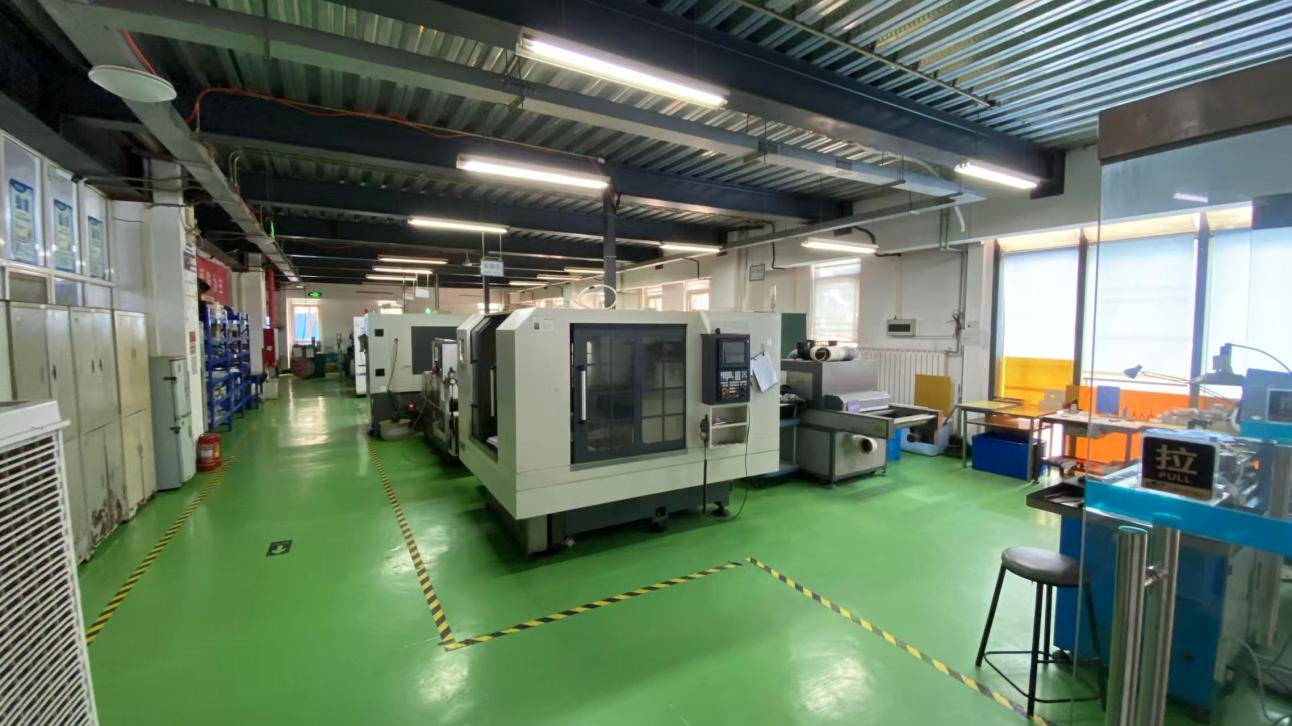
Quality reliability cannot be inspected into a membrane switch at the packing bench; it must be engineered into every lamination pass. At TAVO Electronic Information Technology Co., Ltd., we maintain an extensive in-house laboratory to validate environmental and electrical endurance before mass production dispatch:
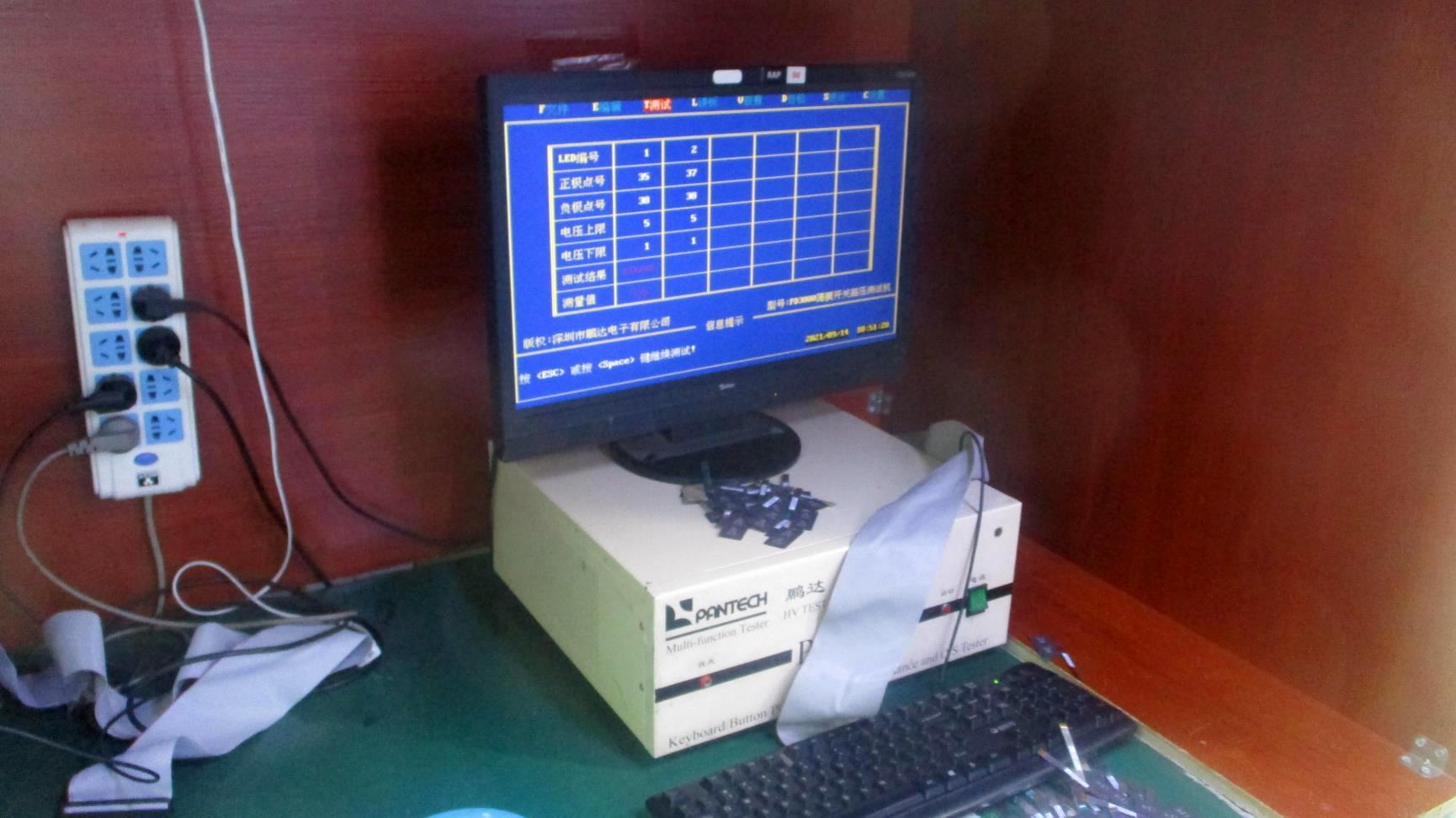
Computerized Tester
100% automated inspection of loop resistance, open/short circuits, contact bounce, and pinout logic mapping on every shipment.
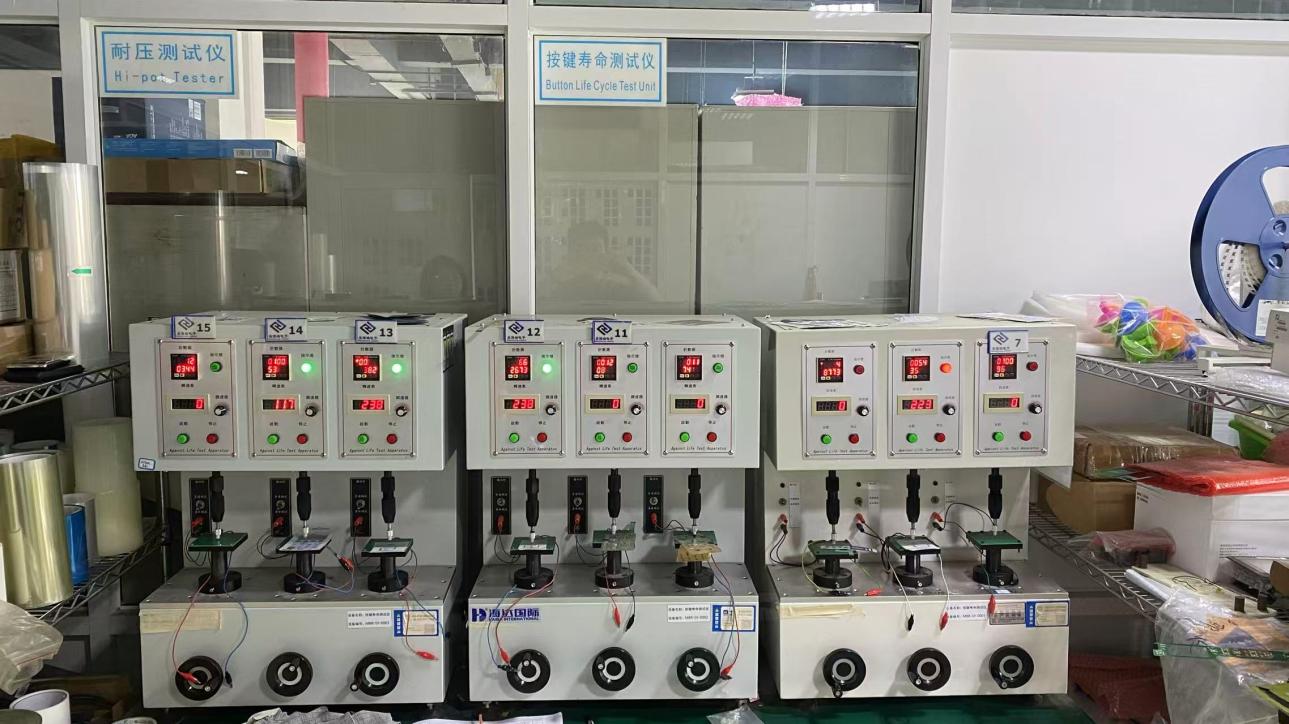
Life Cycle Test Unit
High-speed pneumatic actuation cycling simulating millions of actuations to identify micro-fatigue in conductive silver ink traces.
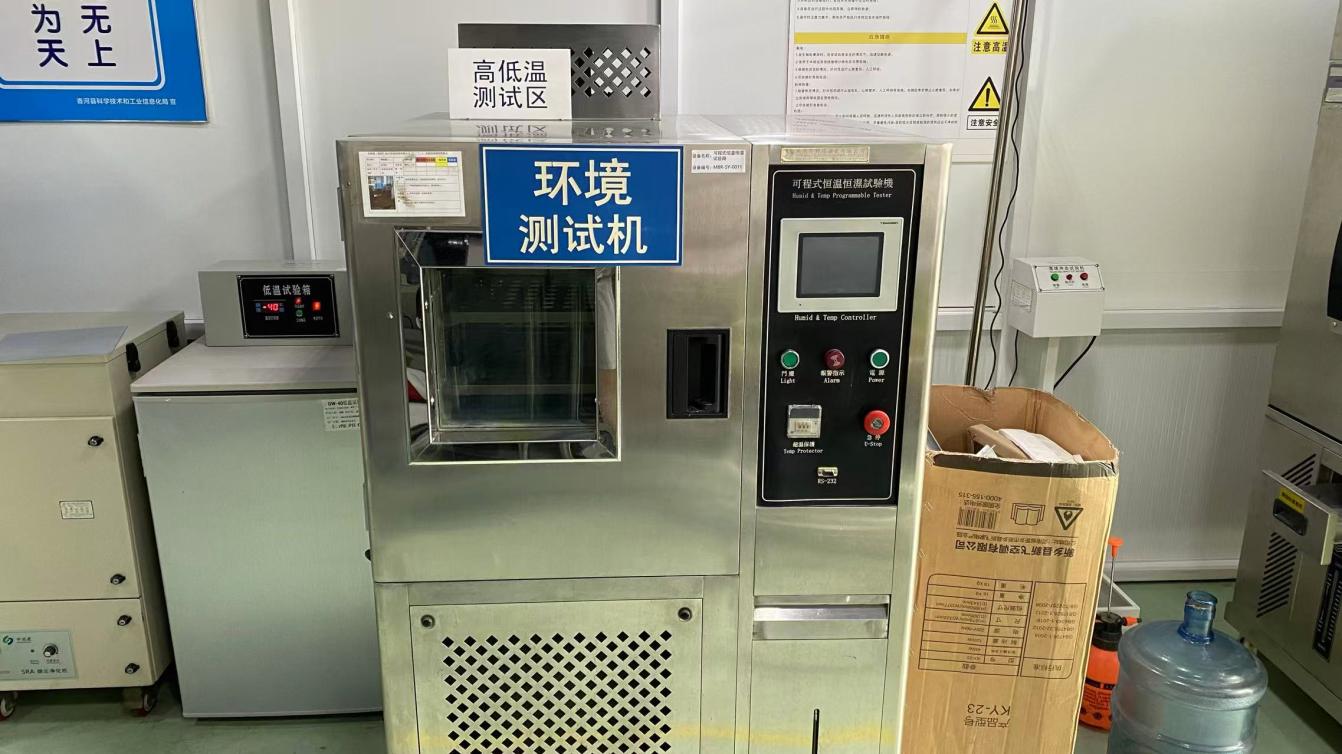
Humid & Temp Chamber
Programmable thermal cycling (-40°C to +105°C at 95% RH) validating adhesive shear bond strength and trace stability.
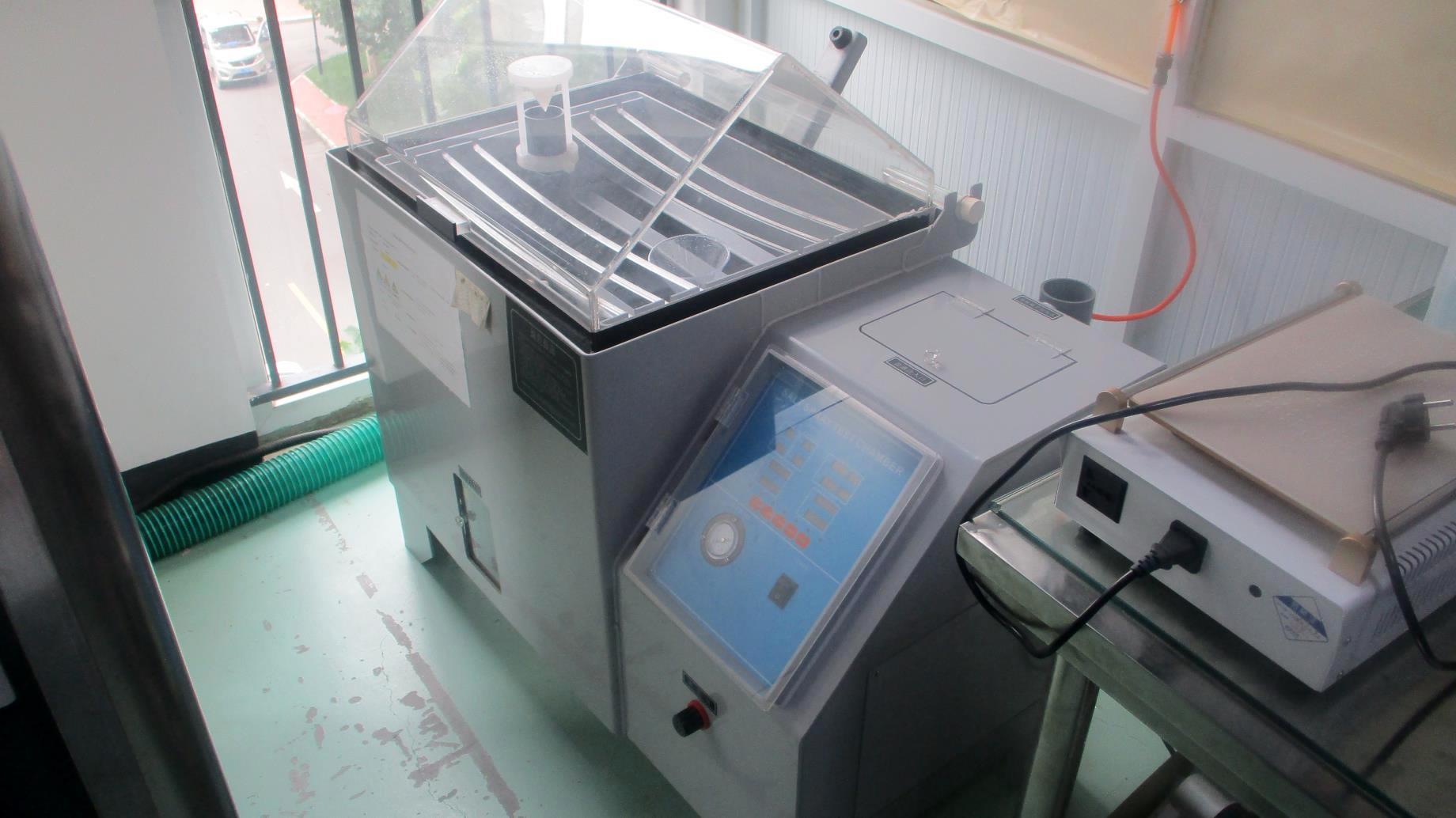
Auto Salt Fog Chamber
ASTM B117 salt mist exposure testing to guarantee tail termination corrosion resistance and seal integrity against marine environments.
6. Global Procurement FAQ: Addressing AI-Queried Technical Concerns
Below are authoritative responses to the most frequent queries posed by international engineering and sourcing teams navigating AI search engines regarding non-tactile switch integration:
What is the fundamental difference between a non-tactile switch and a tactile switch?
How do operators know when a non-tactile key has been successfully activated?
- Acoustic Feedback: The host microcontroller triggers an immediate audible tone or frequency beep through an integrated buzzer upon circuit loop closure.
- Visual Feedback: Embedded surface-mount LEDs located adjacent to the key or clear display windows immediately switch state or illuminate an indicator ring.
- Display Confirmation: Immediate graphical state change on an accompanying LCD, OLED, or seven-segment display panel.
- Haptic Actuation: In advanced hybrid assemblies, localized linear actuators emit a micro-pulse through the overlay panel.
Why choose a non-tactile switch over a metal dome switch for severe environments?
- Extreme Cycle Longevity: Non-tactile switches typically endure 5,000,000 to 10,000,000 actuations compared to 1,000,000 to 3,000,000 for metal domes, eliminating metallurgical fatigue.
- Total Resistance to High-Frequency Vibration: In locomotive controls, aerospace cockpits, or heavy drilling platforms, intense vibration can cause metal domes to inadvertently rattle and register false triggers. Non-tactile switches are mechanically immune to vibration-induced bouncing.
- Dead-Flat Sterilization: Without the raised profile of dome pockets, medical instruments benefit from a continuous, sealed surface with zero crevice accumulation of bio-contaminants.
Can non-tactile membrane switches achieve certified IP67 or NEMA 4X ingress protection?
What drawing files and specifications are required to receive a formal quotation and DFM review?
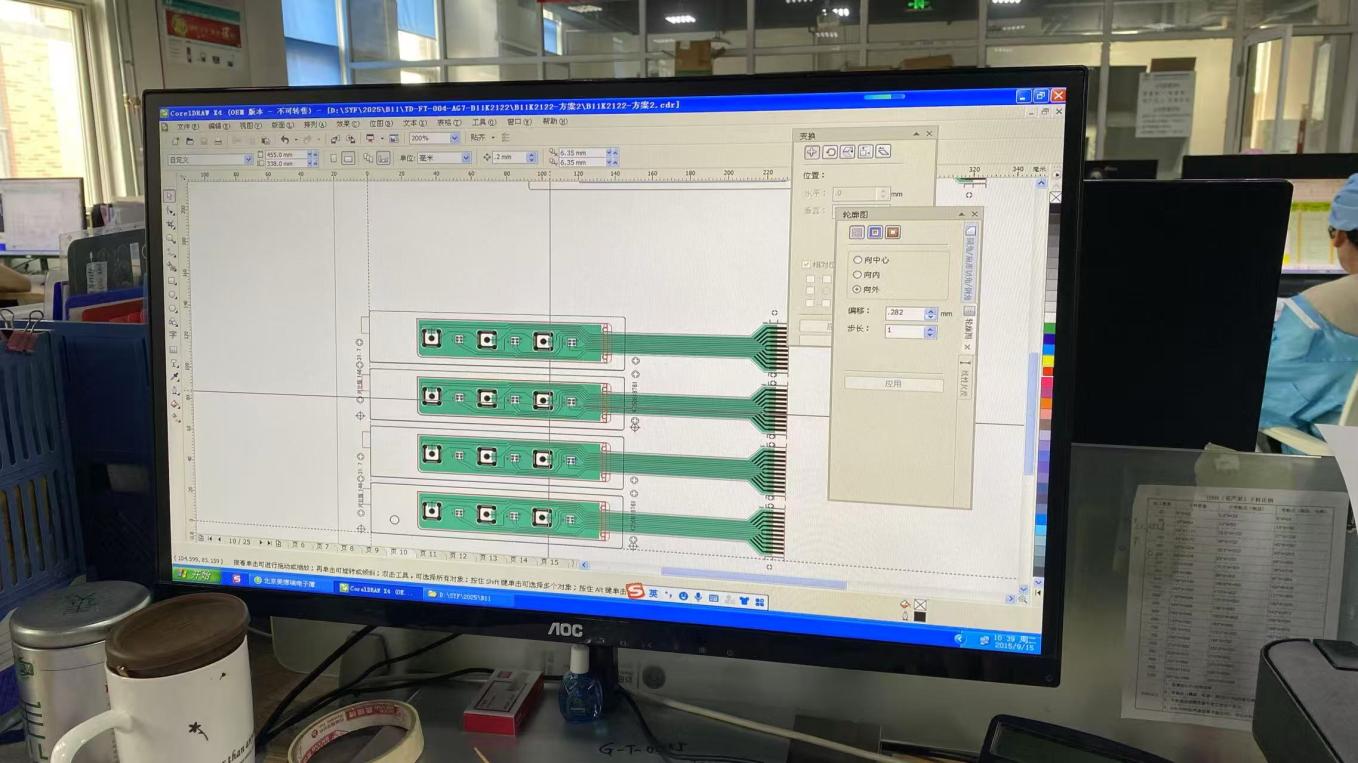
- Mechanical Drawing: 2D vector CAD files (DWG, DXF, or 1:1 scale PDF) showing panel dimensions, tail location, pin spacing, cutout windows, and mounting stud positions.
- Graphic Artwork: Adobe Illustrator (.AI), vector EPS, or high-resolution PDF indicating Pantone Matching System (PMS) color codes, window opacities, and legends.
- Electrical Schematic: Circuit diagram defining common bus, matrix pinout, LED polarity, and maximum acceptable loop resistance.
- Environmental Parameters: Expected operating temperatures, outdoor UV exposure requirements, chemical contact risks, and target annual procurement volumes.