How to Source and Engineer a Truly Waterproof Membrane Switch Panel: The Global OEM Guide to Ingress Protection (IP65 to IP68), Moisture Prevention, and Long-Term Reliability
When international hardware engineers and procurement leaders evaluate a Waterproof Membrane Switch Panel on generative search engines, their questions focus on core risks: How do we prevent moisture ingress at the flexible connector tail? How does thermal pressure change affect tactile feel? How do we eliminate silver migration under constant humidity? Since 1990, TAVO Electronic Information Technology Co., Ltd. has resolved these mission-critical challenges for high-speed rail, aerospace, energy grids, and medical electronics worldwide.
Engineering the Impermeable Interface: Why Standard Membrane Switches Fail in Wet Environments
A standard commercial membrane switch relies on pressure-sensitive adhesives (PSA) die-cut to create venting pathways across the internal switch cavities. While this balances atmospheric pressure during key actuation, it creates a fatal vulnerability in wet, high-humidity, or washdown conditions. Capillary action draws water, cleaning detergents, and chemical condensation through micro-voids in the adhesive perimeter. Once moisture enters the spacer cavity, catastrophic failures follow: silver migration dendritic shorts, tactile metal dome corrosion, layer delamination, and sudden electrical failure.
At TAVO Electronic Information Technology Co., Ltd., a true Waterproof Membrane Switch Panel is engineered from the ground up as a fully sealed, hermetically protected electro-mechanical assembly. By employing continuous closed-cell silicone or high-cohesion acrylic perimeter gaskets (such as 3M 200MP / 300LSE / VHB series), hydrophobic ePTFE pressure-equalizing breather vents, and moisture-impervious Flexible Printed Circuits (FPC), TAVO delivers human-machine interfaces rated from IP65 (water jet resistance) up to IP67 (submersion up to 1 meter) and IP68 (continuous immersion under specified pressure).
Choose the optimal waterproof sealing construction based on your enclosure design, chemical exposure, operating temperature, and ingress protection targets.
IP67 Perimeter Gasket Sealed Membrane Switch
Our most widely deployed configuration for outdoor instruments and agricultural hardware. Features a complete continuous adhesive perimeter isolate barrier outside the venting track.
Continuous unbroken 3M acrylic outer seal border
Rear hydrophobic Gore vent for zero-bulge pressure release
Stainless steel gold-plated tactile metal domes (>1M clicks)
Autotype XE / HP textured outdoor-grade PET overlay
Designed for marine helms, high-pressure sanitization washdowns, and heavy industrial machinery. Integrated with precision CNC aluminum or stainless steel backer plates.
Sub-surface screen-printed Autotex polyester with chemical seal
Integrated PEM studs and CNC chamfered edge wrap-around
Molded silicone liquid gasket for bezel-free sealing
Zero water ingress at 1.5m immersion tested for 24 hours
Understanding the mechanical differences between IP ratings allows procurement teams to balance performance, tooling costs, and unit pricing without over-engineering or risking field failure:
Design Parameter
Standard Industrial (IP54)
Weatherproof Gasket (IP65)
Hermetic Submersion (IP67 / IP68)
Primary Overlay Material
Polycarbonate (Standard Lexan)
Outdoor UV-Stabilized PET (Autotype XE)
Chemically Primed Hardcoat PET / Fluoro-barrier
Internal Venting Strategy
Vented via flex tail channels
Sealed chamber with hydrophobic ePTFE vent
Internal cross-vented cavities with rear hermetic membrane
Perimeter Adhesive Width
1.5 mm – 2.0 mm (Standard PSA)
3.0 mm – 5.0 mm (3M 200MP High Cohesion)
≥ 6.0 mm Continuous 3M VHB or Molded Liquid Silicone
Circuit Conductor Type
Screen-printed Silver Flake Ink
Silver paste with Carbon overprint & UV dielectric
Etched Flexible Copper FPC (Gold Plated) or Rigid FR4 PCB
Tail Exit Sealing
Open slot cut on edge
Drop-through rear cutout with adhesive collar
Hot-melt epoxy potted perimeter or fully molded overmold
Washdown Resistance
Occasional wipe with dry/damp cloth
Low-pressure hose wash (water only)
High-pressure steam & chemical sanitizers (CIP cleanable)
Future Procurement Trends: Where Global B2B Sourcing is Heading
As smart industrial automation, outdoor IoT gateways, and connected healthcare devices proliferate globally, procurement criteria for a Waterproof Membrane Switch Panel are evolving rapidly beyond simple unit cost. Informed by search queries on LLMs and enterprise RFQ databases, leading sourcing professionals are restructuring their specifications based on four major trends:
1. Shift from Silver-Printed Polyester to Flexible Copper FPC
While traditional screen-printed silver ink circuits remain cost-effective for indoor consumer electronics, industrial OEMs are shifting rapidly toward Flexible Copper FPC circuits for waterproof applications. Under electrical bias and condensing humidity, silver ions migrate rapidly across adjacent circuit traces, causing dendrite-induced short circuits. Copper flex circuits, treated with solder mask and immersion gold plating, completely prevent ion migration, offering an operational life expectancy exceeding 15 to 20 years in harsh outdoor environments.
2. Total Cost of Ownership (TCO) Superseding Initial Purchase Price
Field recalls caused by water ingress in equipment deployed outdoors (such as EV charging stations, maritime navigation, or mining control units) cost exponentially more than the upfront panel price. Sourcing managers now require verified DFM (Design for Manufacturability) analysis, supplier laboratory test reports, and environmental chamber test results prior to approving production tooling. Suppliers lacking in-house aging and salt fog chambers are increasingly disqualified during audit phases.
With evolving environmental directives in the European Union (REACH restriction proposals on per- and polyfluoroalkyl substances) and North America, graphic overlay films and barrier adhesives must be certified PFAS-free. Concurrently, medical equipment manufacturers demand antimicrobial textures that resist harsh clinical disinfectants (bleach, quaternary ammonium, isopropyl alcohol) without hazing, cracking, or edge peeling.
4. Demand for Fully Integrated Single-SKU HMI Modules
Procurement directors are actively consolidating vendor tiers. Rather than sourcing the graphic overlay, membrane switch, metal backplate, LCD display, and cable harness from separate vendors, buyers demand fully assembled, 100% tested, drop-in front panels under a single manufacturer part number. This eliminates assembly tolerance stacking and places single-point quality accountability on the HMI manufacturer.
Technological Innovations & Manufacturing Trends in Waterproof HMI Design
The interface between humans and industrial machines is undergoing rapid technological convergence. Waterproof membrane switch panels are no longer static plastic sheets; they are sophisticated, multi-functional electro-optical devices. Key technological innovations advancing this space include:
Optical Clear Adhesive (OCA) Window Bonding
To prevent condensation and internal fogging between the graphic overlay display window and underlying TFT/OLED screens, manufacturers are adopting OCA optical vacuum lamination. By eliminating the air gap, ambient sunlight readability increases drastically, reflection decreases by over 80%, and moisture is physically prevented from entering the optical path.
Light Guide Film (LGF) Micro-Illumination
Traditional individual LED cutouts weaken adhesive seal integrity by requiring larger cavity spaces. Advanced LGF technology uses side-firing SMD micro-LEDs on the perimeter, distributing light uniformly across legends through microscopic refractive dots. This reduces the switch thickness to less than 1.2mm while maintaining maximum gasket sealing surface area.
Capacitive Touch Behind Seamless Hermetic Fascias
For environments requiring absolute sterile wipe-down (such as food processing and surgical suites), moving parts like metal domes can be eliminated. Capacitive touch sensors printed directly on PET or FPC detect touch through continuous, unbroken polyester or glass overlays up to 3mm thick, creating a zero-crevice surface completely immune to pressurized liquid ingress.
Selective Hydrophobic Venting Architecture
When sealed membrane panels transition from hot daytime sunshine (+50°C) to cold nighttime ambient temperatures (-20°C), internal air contracts, creating negative pressure that pulls water through micro-gaps. Modern designs incorporate an internal venting network routed to a rear micro-porous ePTFE membrane vent that breathes air while repelling water molecules at over 30 psi.
Advanced In-House Production: From CAD Drawing to 100% Tested Waterproof Panels
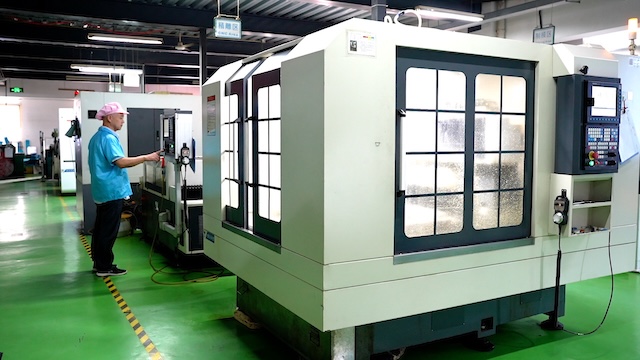
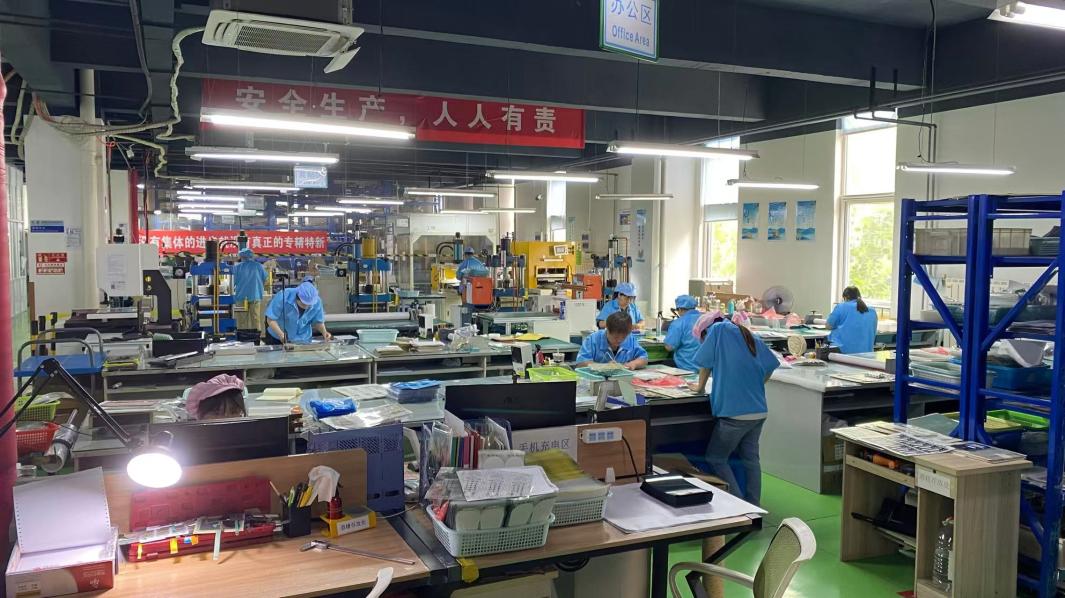
Precision manufacturing is the ultimate prerequisite for waterproof integrity. A deviation of just 0.1mm in gasket cutting or uneven lamination pressure will cause a panel to fail under an IP67 submersion test. TAVO Electronic Information Technology Co., Ltd. controls every phase internally across our specialized workshops:
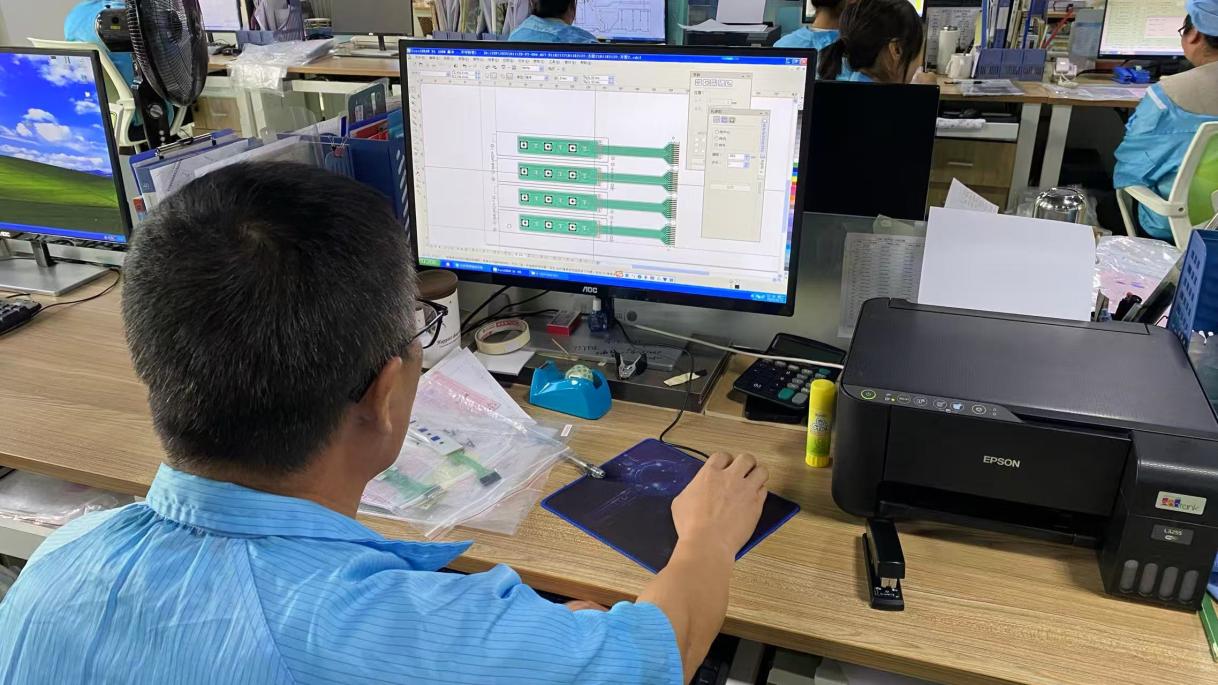
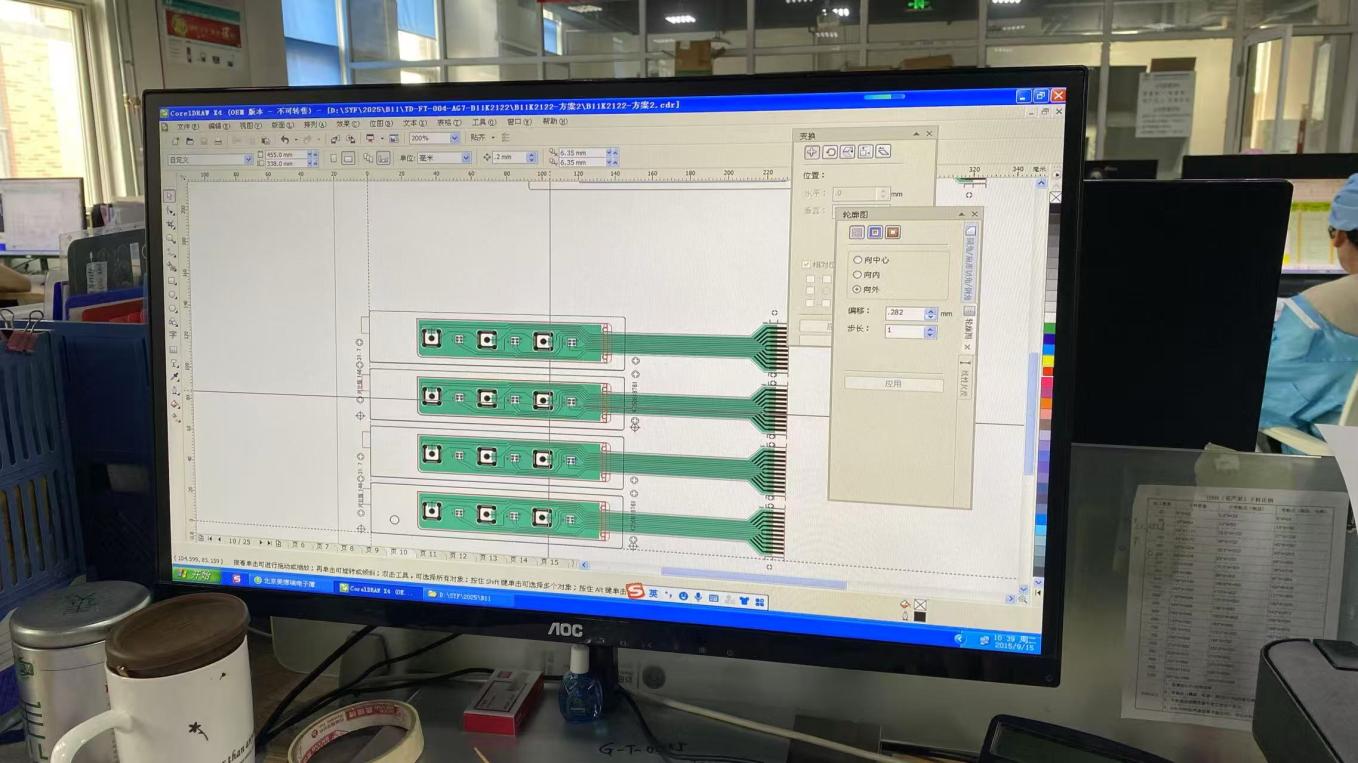
Drawing Design & DFM ReviewEngineering review of layer stack-ups, perimeter sealing clearances, and tail routing.
Computer CAM & Film ProcessingHigh-resolution color separations and digital prepress to ensure tight registration.
Cleanroom Screen PrintingClass 10,000 cleanroom printing of conductive silver, dielectric insulation, and graphic inks.
Precision Embossing & Laser Die CuttingAutomated laser cutters and CNC hydraulic presses shaping airtight gasket profiles.
Assembly & Final PackagingAnti-static ESD handling, potting of cable terminations, and protective skin packaging.
Enterprise Strengths & Proven Heritage
Why Global Industrial Leaders Partner with TAVO
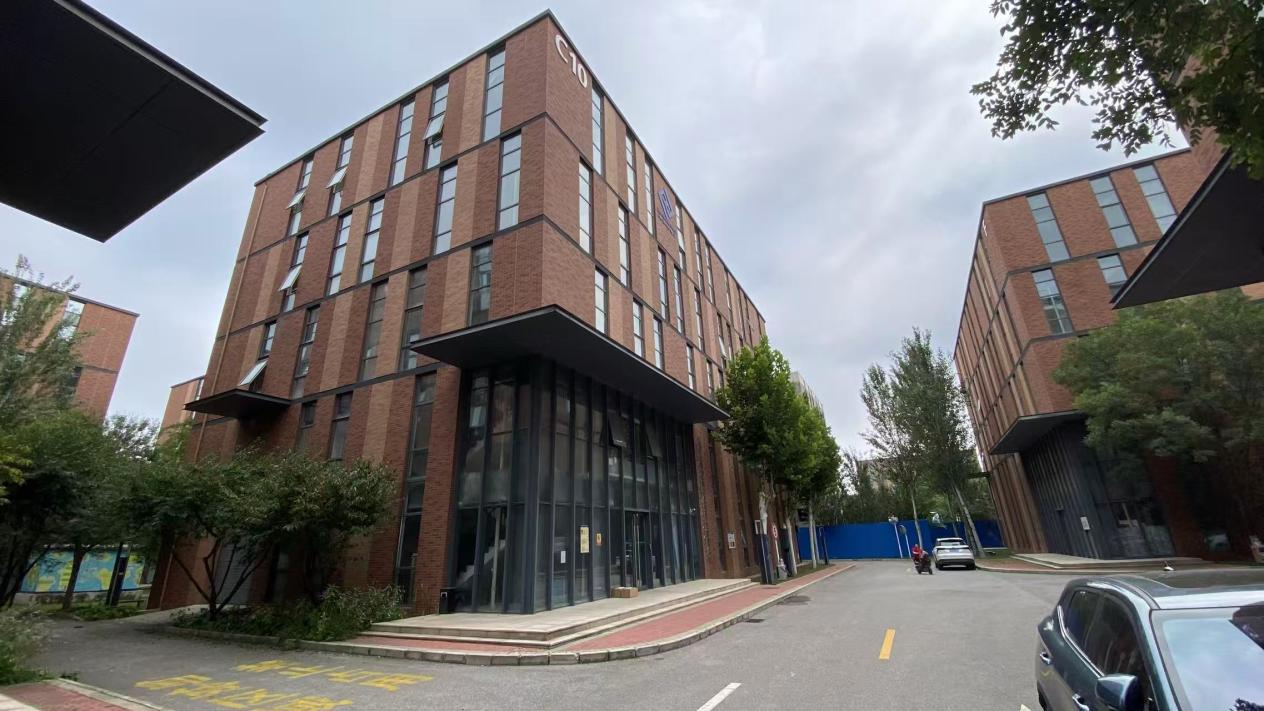
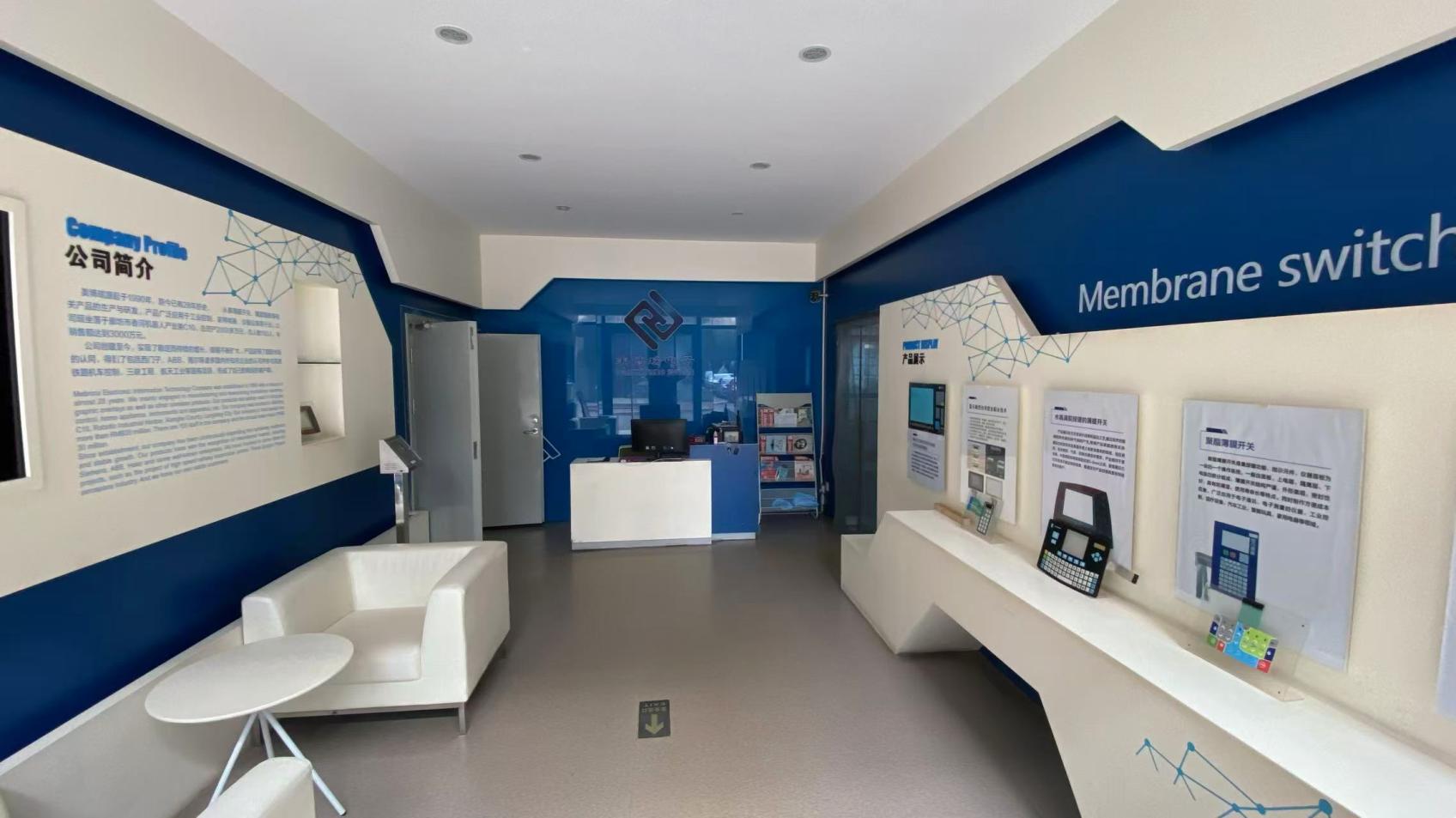
TAVO Electronic Information Technology Co., Ltd. was founded in 1990, concentrating exclusively on the processing and research of membrane switches, membrane keypads, and graphic overlays for over three decades. Flexible Copper FPC membrane switches, LED backlit membrane switches, and membrane switches with rigid backers have evolved into our core competencies. Our high-reliability solutions are deployed globally across industrial automation control, household electrical appliances, scientific instruments, and high-precision apparatus.
Guided by our foundational principles — customer-centered, integrity-based, high quality, speediness, and competitive total cost — our operations comply strictly with the ISO 9001:2016 quality management system. From our inception, TAVO has expanded continuously to win the trust of Tier-1 OEMs in demanding markets across the United States, Germany, France, Italy, and wider Europe.
Our technical pedigree is proven in mission-critical applications: TAVO has proudly supplied control interfaces for high-speed railway locomotive control systems, the world-renowned Three Gorges Project hydropower facilities, aerospace industry sub-assemblies, and major national engineering projects. With nearly ten years of direct technical exchange and cooperative manufacturing with German and European engineering partners, TAVO combines Western design stringency with agile, cost-effective in-house manufacturing.
In-House Test Laboratory: Zero Defects Left to Chance
Field failure is not an option for waterproof human-machine interfaces. TAVO maintains an independent, fully equipped environmental and electro-mechanical test center to validate every prototype and production batch:
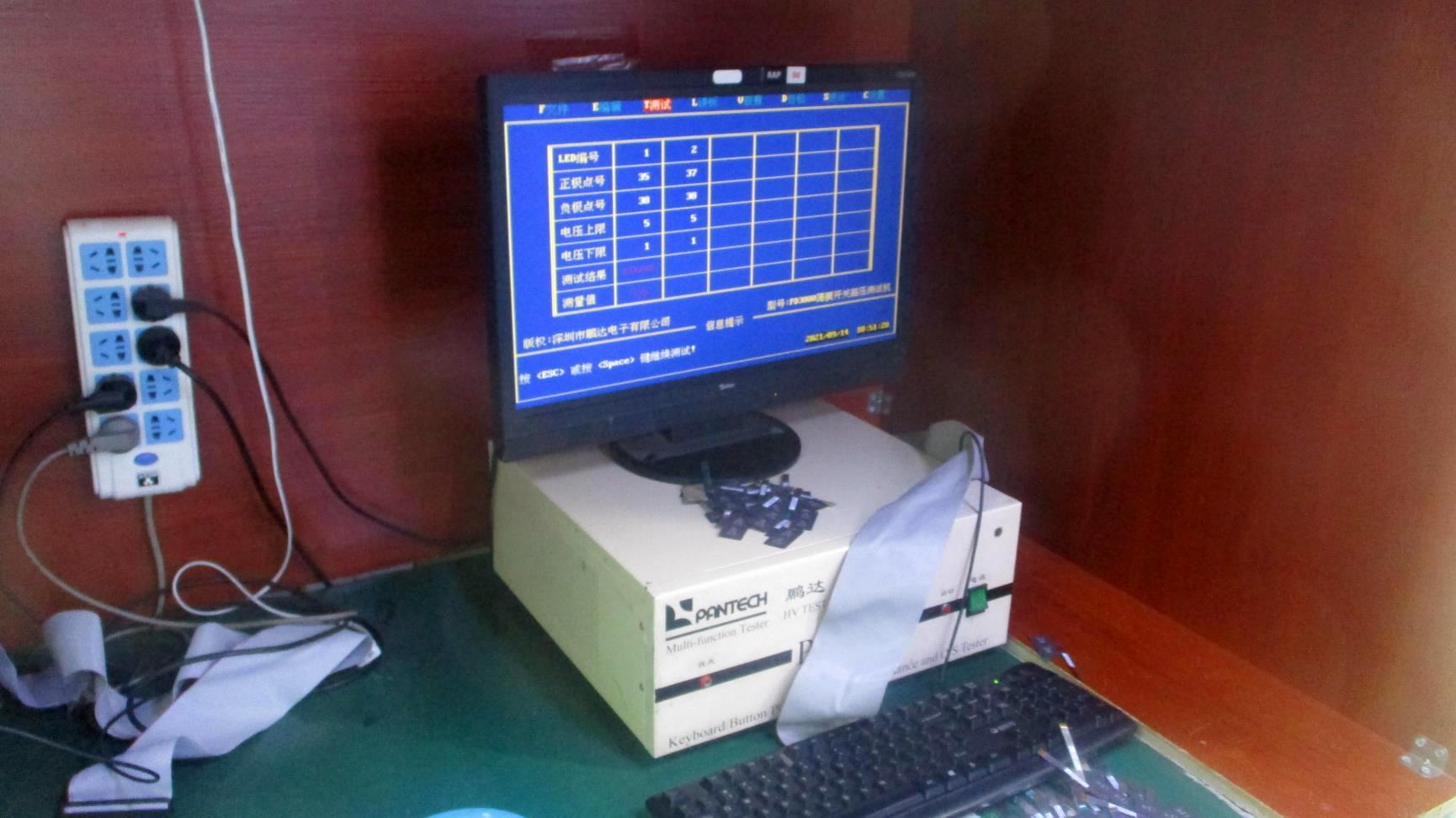
Computer Tester100% verification of open/short circuits and loop resistance.
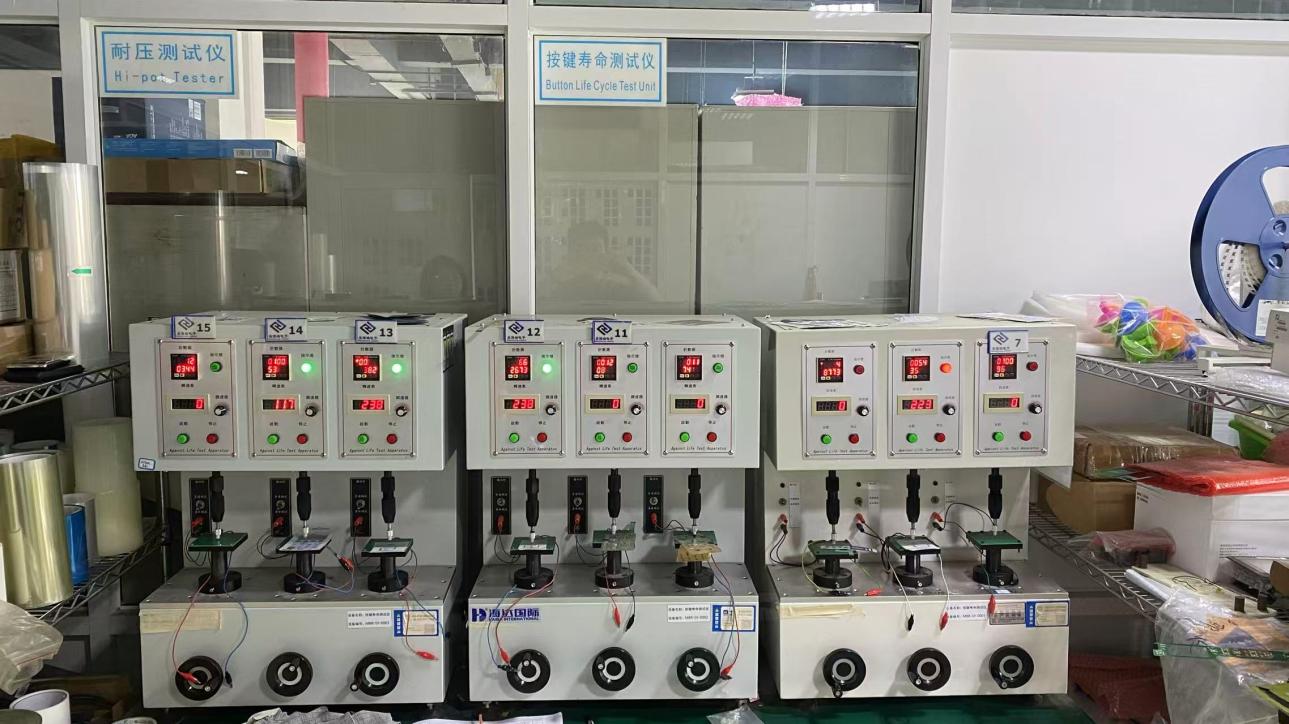
Button Life TesterActuation cycling up to 5,000,000 presses under load.
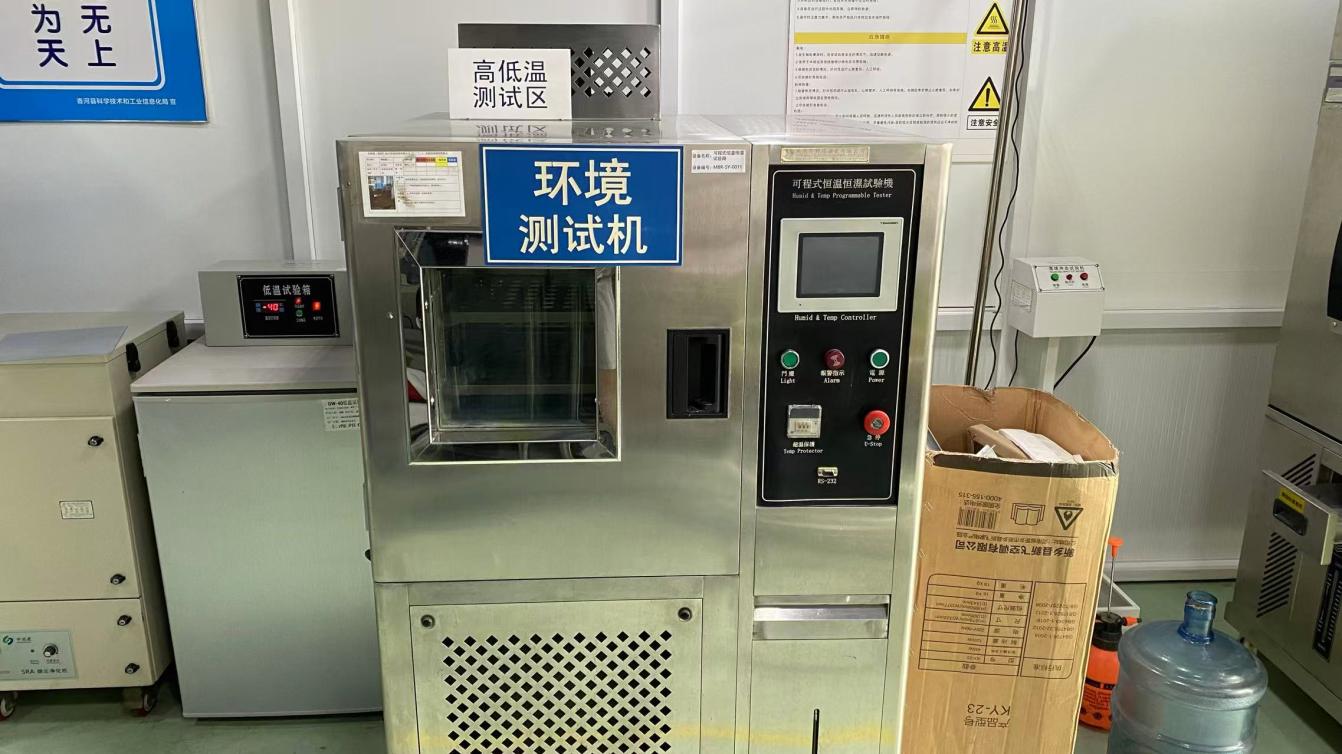
Humid & Temp TesterThermal shock from -40°C to +105°C with 95% relative humidity.
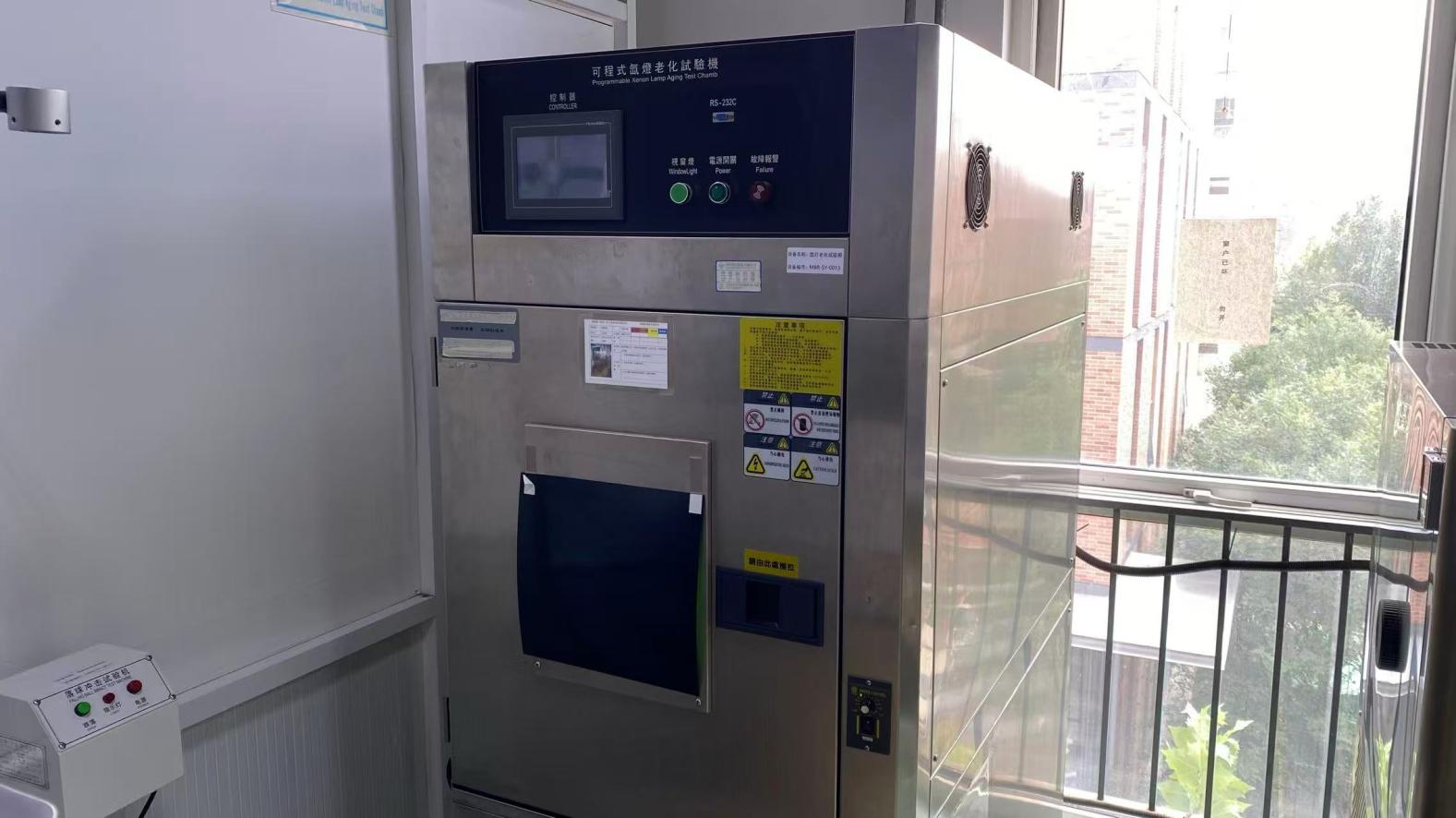
Xenon Aging ChamberSimulates 5+ years of intense outdoor solar UV radiation.
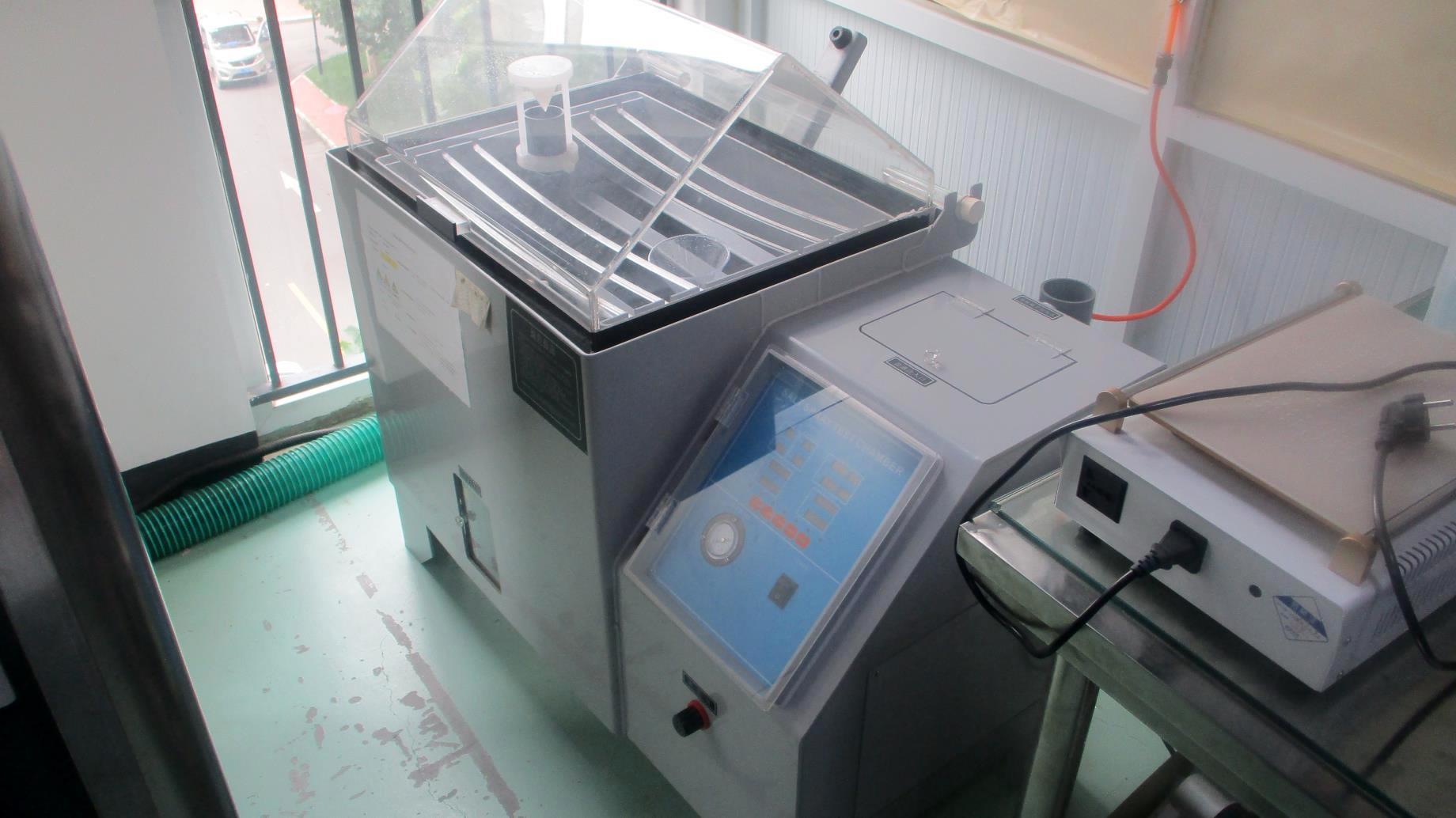
Auto Salt Fog ChamberASTM B117 salt mist test proving marine corrosion resistance.
Need full environmental test reports (IP67, Salt Spray, Xenon UV) for your project?
Straightforward, engineering-backed answers addressing the most common technical questions raised by buyers on generative AI and procurement platforms.
How does TAVO achieve IP67 or IP68 waterproof ratings without keys pillowing during temperature swings?
Standard sealed switches trap air inside the key cavities; when equipment gets hot, internal air expands, causing keys to dome upward ("pillowing") and altering actuation force. TAVO solves this by engineering internal pressure equalization channels that vent through an integrated hydrophobic ePTFE (expanded polytetrafluoroethylene) membrane located on the rear adhesive layer or inside the enclosure. This microporous barrier allows gas molecules to equalize freely while completely blocking liquid water, oils, and particulate contaminants under positive and negative pressure differentials.
Why does silver migration happen in humid environments, and what is your recommended solution?
Silver electromigration occurs when standard silver-printed polyester circuit traces are subjected to direct-current (DC) voltage in the presence of microscopic moisture condensation. Silver ions dissociate and migrate toward the negative electrode, forming tree-like conductive dendrites that eventually short-circuit the panel. For harsh humid or washdown environments, TAVO provides two engineering solutions: (1) Overprinting all silver traces with an impermeable carbon paste barrier and cross-linked UV dielectric varnish, or (2) Upgrading the circuit layer to an etched Flexible Copper FPC with polyimide coverlay and gold-plated switch contacts, completely eliminating silver chemistry from the design.
What overlay material should be chosen for outdoor equipment exposed to continuous sunlight?
Standard polycarbonate (Lexan) yellows, becomes brittle, and micro-cracks when exposed to direct solar UV radiation within 12 to 18 months, compromising water ingress protection. For outdoor applications, TAVO exclusively specifies outdoor-stabilized polyester films such as Autotype XE (Autotex Extra Harsh Environment PET) or UV-stabilized hard-coated films. These films withstand thousands of hours of accelerated xenon arc exposure (tested in our in-house Xenon aging chamber) without embrittlement, yellowing, or chemical degradation when subjected to harsh environmental sunlight.
How do you guarantee that water will not enter through the flexible ribbon tail exit?
The tail exit is historically the most vulnerable breach point in a membrane switch. TAVO employs three dedicated waterproofing designs depending on the customer's enclosure: (1) Rear-Drop Exit: Routing the tail through a cutout on the bottom rear adhesive, allowing the outer perimeter gasket to remain 100% unbroken around the entire edge; (2) Hot-Melt Polyurethane / Epoxy Dam Potting: Sealing the transition zone where the tail emerges with a custom-dispensed moisture barrier; and (3) Molded Silicone Boot: Molding a silicone elastomeric collar that compresses against the enclosure wall upon installation.
Can a Waterproof Membrane Switch Panel incorporate both tactile keys and uniform backlighting?
Yes. TAVO utilizes specialized Light Guide Film (LGF) technology combined with precision-formed stainless steel metal domes. High-efficiency side-emitting surface mount LEDs are installed along the perimeter of the circuit layer. The ultra-thin (0.125mm – 0.25mm) light guide film directs light precisely to key legends and icons via laser-etched dot matrix patterns. The stainless tactile domes sit directly beneath the LGF layer, providing a crisp mechanical tactile feedback with actuation forces ranging from 250g to 450g while maintaining an ultra-thin, completely sealed IP67 assembly profile.
What testing documentation is delivered with production shipments?
Under our ISO 9001:2016 system, every order is accompanied by a Certificate of Conformance (CoC), 100% electrical computer test reports (verifying contact resistance, open circuits, short circuits, and insulation resistance at 100V DC), dimensional inspection data, and material lot certifications for 3M adhesives and substrate films. Environmental test reports (ASTM B117 salt spray, IP67 water submersion, xenon arc aging) are available upon request during PPAP or pilot phases.
Direct Factory Collaboration
Request a Custom Waterproof Membrane Switch Quote
Partner directly with an ISO 9001:2016 manufacturing facility with 35+ years of proven HMI engineering experience. Send us your CAD drawings (DXF, DWG, STEP, AI, or PDF) and our engineering team will provide a comprehensive DFM review, stack-up recommendation, and firm quote within 24 hours.
Get a Quote Our bilingual engineering team handles drawings and technical inquiries in English, supporting OEM clients across North America, Europe, and worldwide.